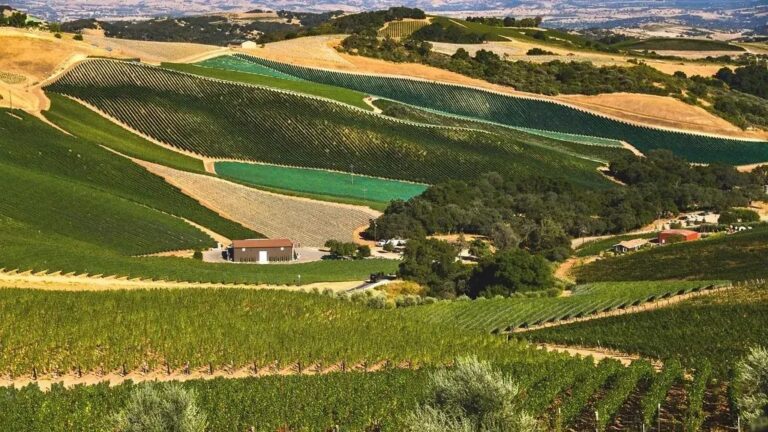
10 Historic Towns In Europe That Feel Frozen In Time
Stepping into Europe’s historic towns feels like discovering a secret time capsule. These remarkable places have somehow escaped the relentless march of modernity, preserving their ancient character with such authenticity that visitors often feel transported to another era entirely.
Each cobblestone street tells stories of medieval merchants, while centuries-old towers stand as silent witnesses to history’s grand sweep. What makes these destinations truly special is their ability to offer genuine glimpses into Europe’s rich past, free from the plastic facades of typical tourist traps.
Rothenburg ob der Tauber, Germany – The Fairytale Medieval Town
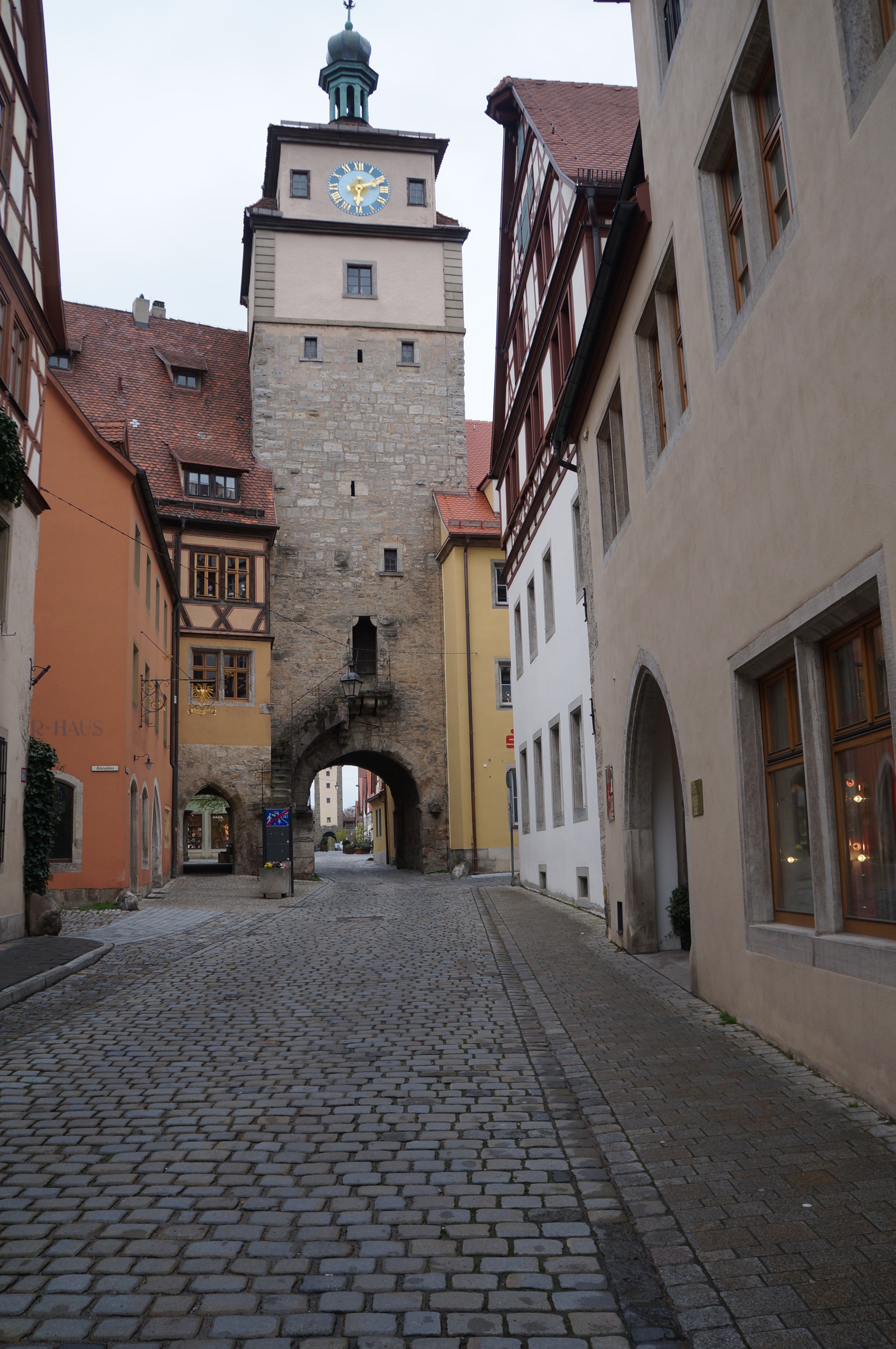
Rothenburg ob der Tauber in Bavaria feels straight out of a fairytale with its well-preserved medieval architecture, half-timbered houses and narrow cobblestone streets. Today it is one of only four towns in Germany that still have completely intact city walls, the other three being Nördlingen, Dinkelsbühl and Berching, all in Bavaria. Rothenburg ob der Tauber (population 11,000) is an incredibly well-preserved medieval city located in northern Bavaria in Southern Germany.
In the Middle Ages, when Berlin and Munich were just wide spots in the road, Rothenburg was Germany’s second-largest city, with a whopping population of 6,000. The town’s remarkable preservation stems from its economic decline following the Thirty Years’ War, which ironically saved its medieval character for future generations.
Tallinn Old Town, Estonia – The Hanseatic League Jewel
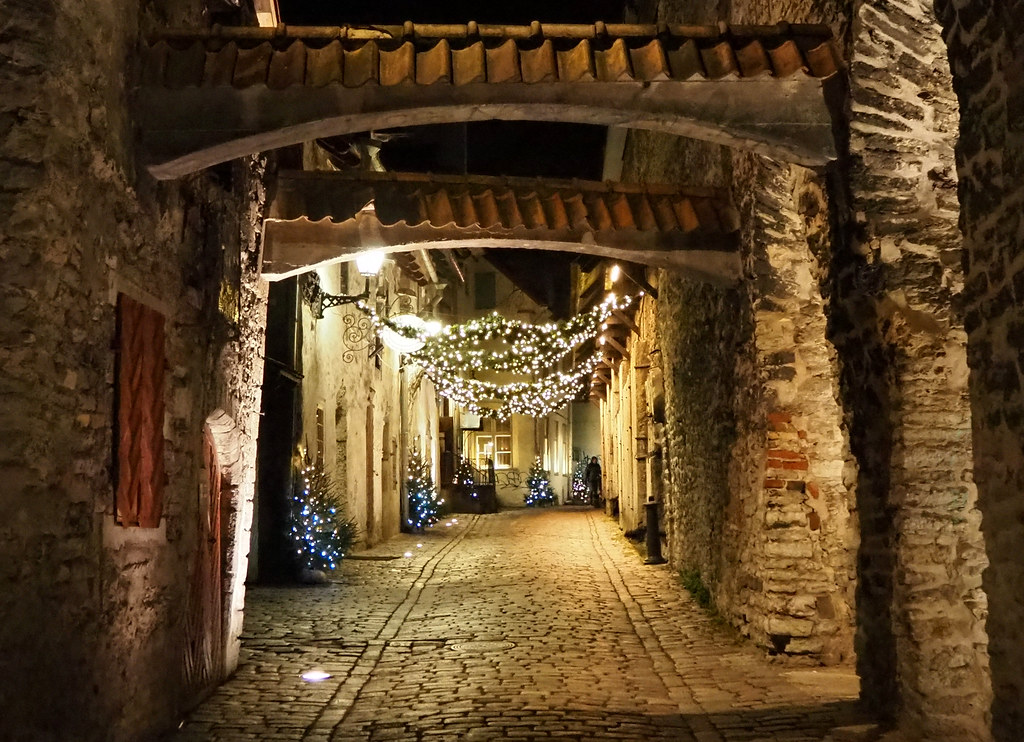
Tallinn Old Town is one of the best-preserved medieval cities in Europe and is listed as a UNESCO World Heritage Site. now encompasses the upper town (Toompea), the lower town inside the medieval walls, as well as the 17th century historic fortifications surrounding the entire Old Town, and a range of primarily 19th century structures, streetscapes and views, which today form a green area around the medieval city. Its area is 113 ha and there is a buffer zone of 2,253 ha.
Due to the strategic location by the sea, its port became a significant trade hub, especially in the 14–16th centuries, when Tallinn grew in importance as the northernmost member city of the Hanseatic League. The town’s Gothic spires and medieval merchant houses create an atmosphere so authentic that even the modern city center with its contemporary skyscrapers feels completely separate from this ancient heart.
Cesky Krumlov, Czech Republic – The Bohemian Renaissance Marvel
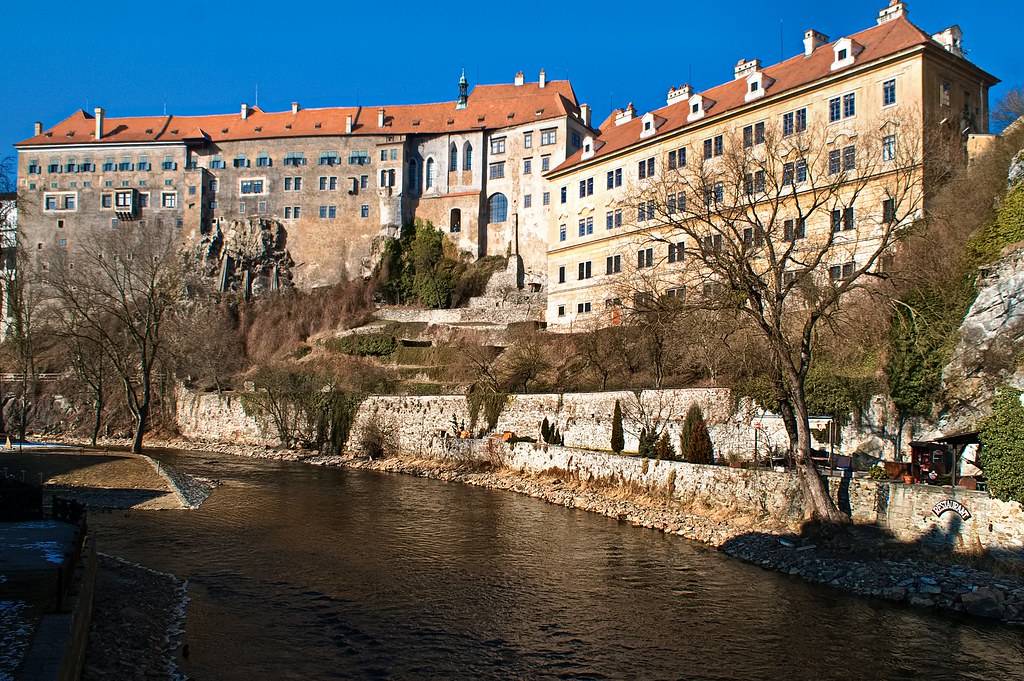
Cesky Krumlov is a UNESCO World Heritage site where Gothic, Baroque and Renaissance styles combine to create a breathtaking scene. This Bohemian town, with its medieval castle and the Vltava River flowing through, offers beautiful views and a magical sense of history around every corner.
The town’s dramatic setting resembles something from a Brothers Grimm tale, with its imposing castle complex overlooking the winding river below. Despite drawing fewer crowds than nearby Prague, Cesky Krumlov maintains an authentic medieval atmosphere that makes visitors feel as though they’ve stumbled upon Europe’s best-kept secret.
Albarracín, Spain – The Pink-Hued Medieval Hilltop
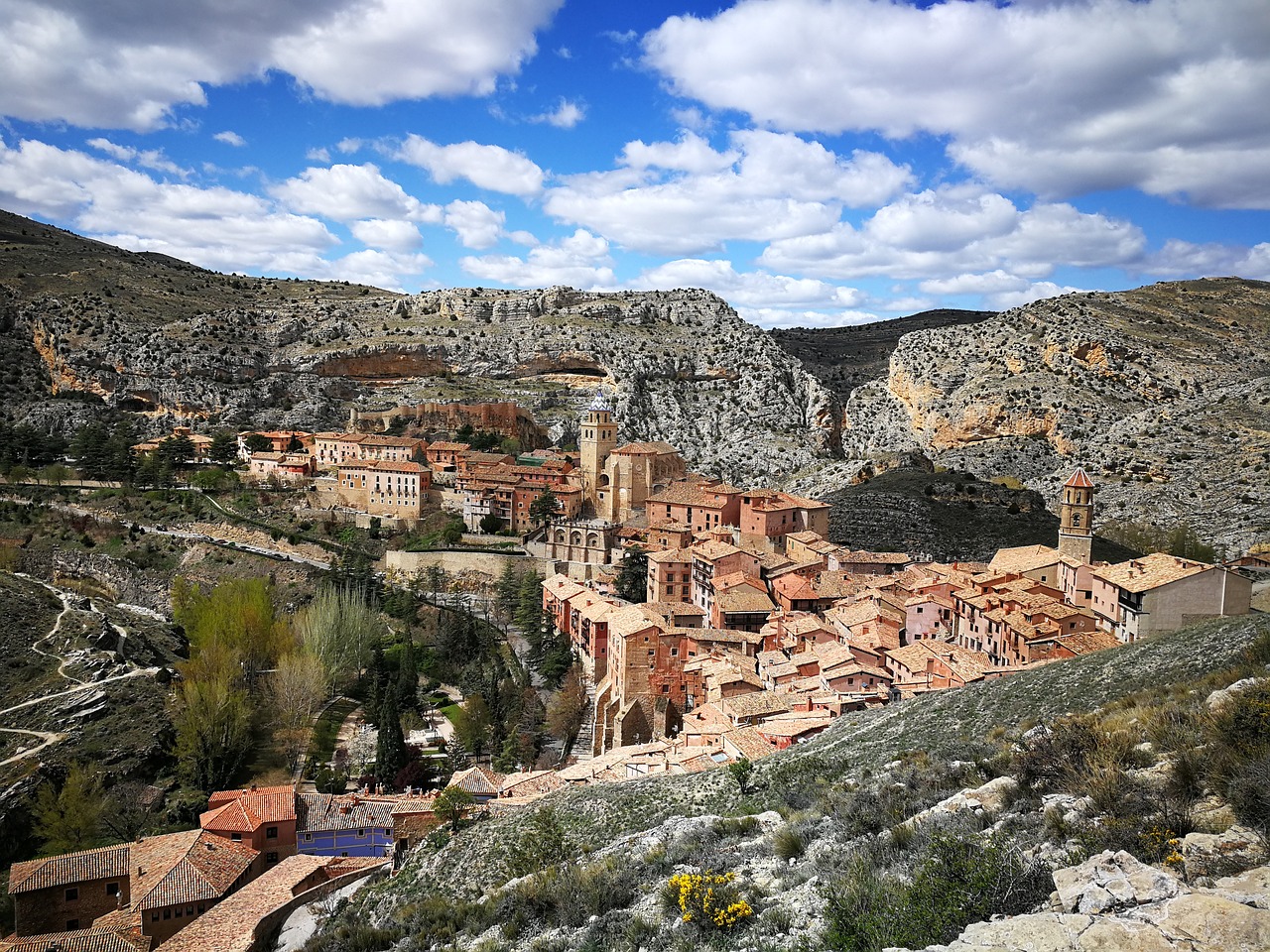
This quaint hilltop town in Spain is known for its pink-hued buildings, ancient city walls and winding alleyways. Albarracín’s narrow streets and castle ruins give it a secluded, old-world feel, transporting visitors back to medieval Spain.
The town’s distinctive reddish-pink sandstone buildings create a warm glow that seems to capture and hold the Spanish sunlight throughout the day. Its maze-like streets were designed for defense rather than convenience, creating an intimate atmosphere where every turn reveals another architectural treasure from centuries past.
Hallstatt, Austria – The Alpine Lake Village
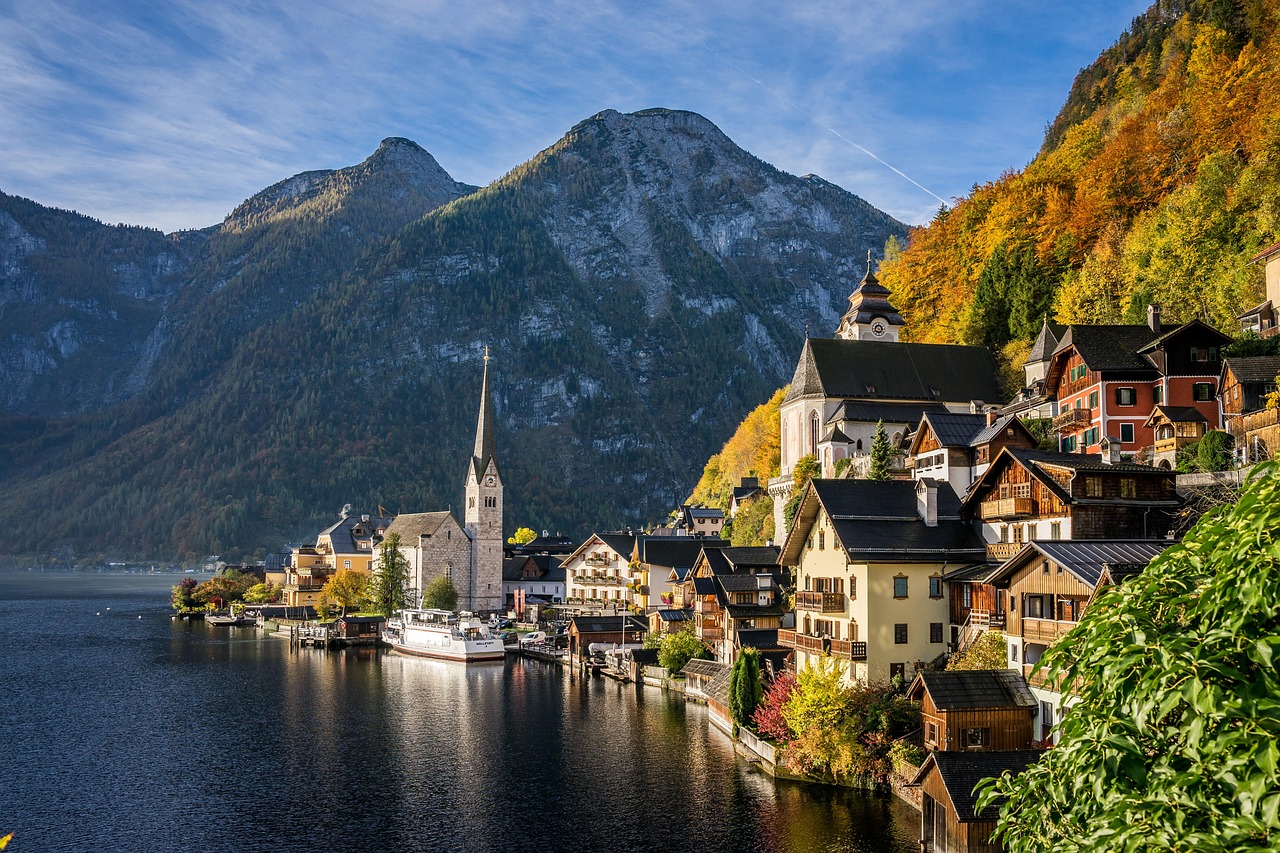
Nestled along Lake Hallstatt with the Dachstein Alps as a backdrop, Hallstatt is famous for its breathtaking scenery and 16th-century Alpine houses. Nestled between a serene lake and towering mountains, Hallstatt offers breathtaking views that are so striking UNESCO had to declare it a World Heritage Site… Many flock here during Christmas to enjoy its festive ambiance amidst snow-covered landscapes, making it one of the best Europe destinations for Christmas.
This impossibly picturesque village has become so famous that it spawned a full-scale replica in China. The original remains stunningly authentic, with its ancient salt mining heritage still visible in the historic Salzwelten, one of the world’s oldest salt mines that continues operating today.
Colmar, France – Little Venice of Alsace
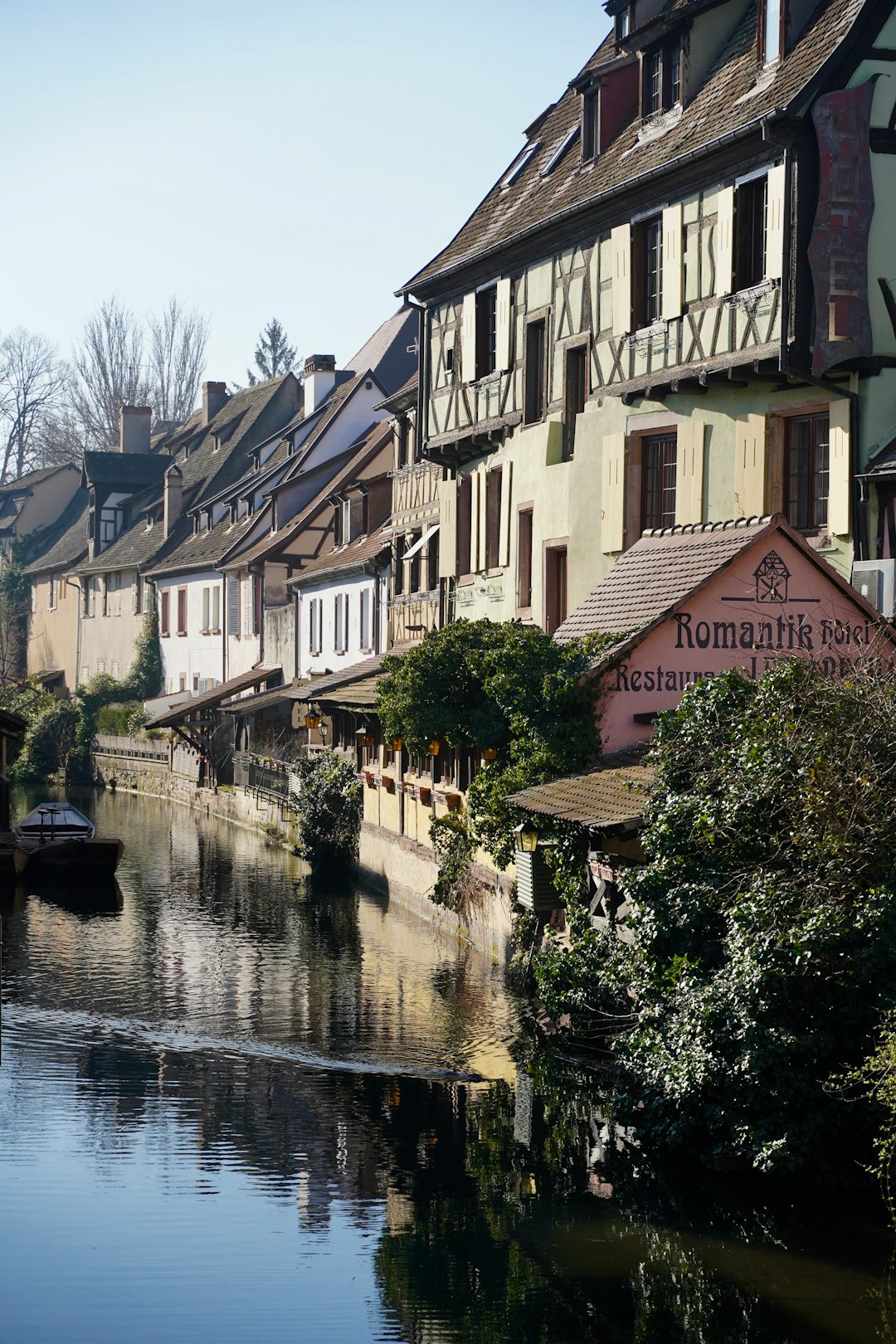
Colmar’s pastel-colored buildings, winding canals and charming timber-framed houses make it feel like stepping into a Renaissance painting. Known as “Little Venice,” Colmar’s canals are lined with cafes and shops, making it an ideal place to soak up Alsatian charm and architecture.
The town’s unique position on the border between France and Germany has created a distinctive architectural style that combines both cultures beautifully. Walking through its medieval streets feels like browsing through an art gallery where every building displays centuries of carefully preserved craftsmanship.
Bibury, England – The Cotswolds Crown Jewel
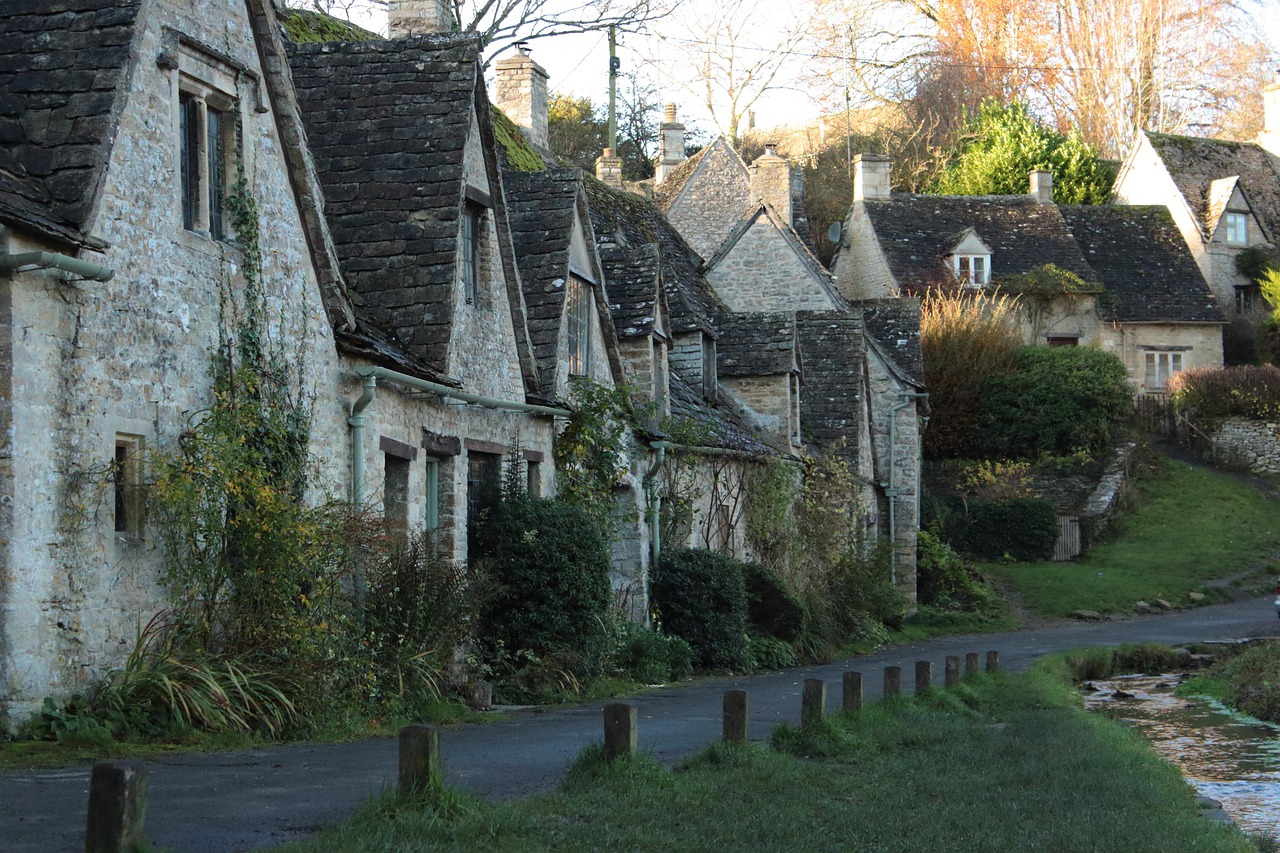
Bibury is often described as England’s most beautiful village, with its iconic row of weaver’s cottages called Arlington Row, built in the 14th century. The picturesque setting of Bibury, with its thatched-roof cottages and green countryside, captures the essence of rural England from centuries ago.
The honey-colored Cotswold stone used throughout the village creates a warm, golden atmosphere that seems to glow in any light. These former wool merchants’ cottages have remained virtually unchanged for over six centuries, offering visitors a genuine glimpse into medieval English village life.
Bardejov, Slovakia – The Forgotten Gothic Gem
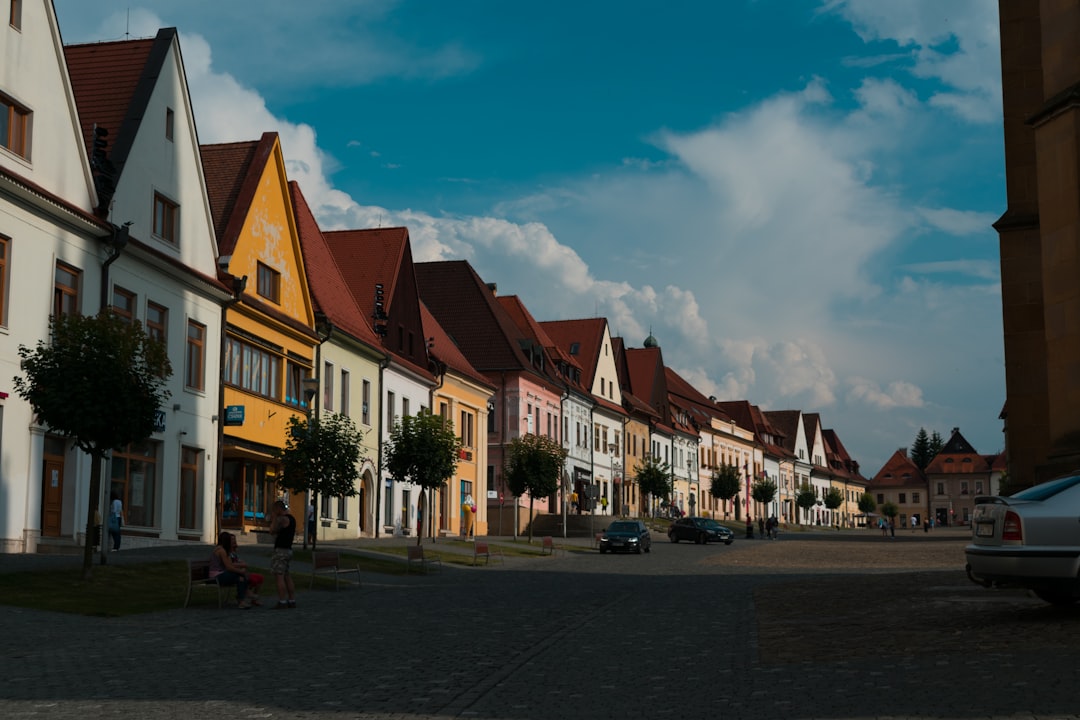
Bardejov is Slovakia’s best-kept secret. This small historic European city is on UNESCO’s World Heritage list, yet it’s seldom featured in travel guides. With a population of approximately 33,000, it’s easy to feel as though you’ve stepped back in time when you visit its old town European market.
Dating back to the 13th century, Bardejov boasts Gothic and Renaissance-style buildings and hosts annual medieval festivals, making it a hidden destination in Europe perfect for history buffs. The town’s remarkable preservation coupled with its relative obscurity creates an experience that feels like discovering a lost medieval world hidden in plain sight.
Gruyères, Switzerland – The Cheese Capital’s Medieval Heart
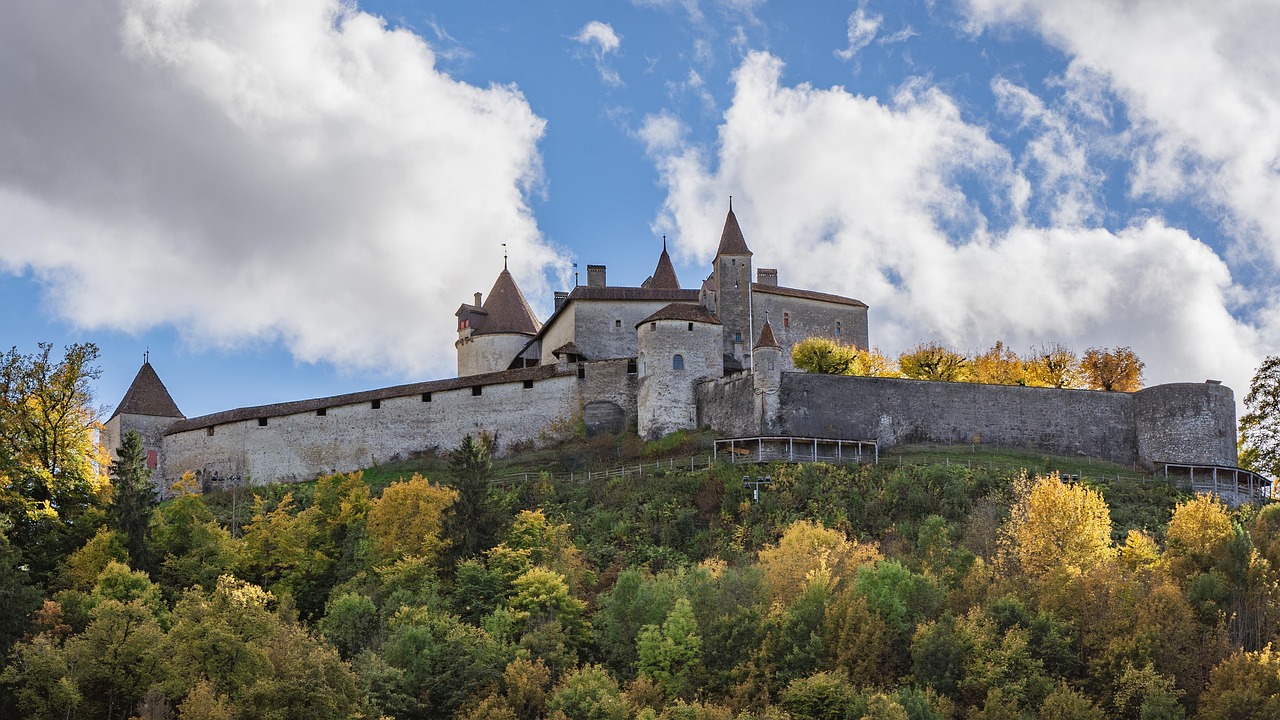
Gruyères is a hidden gem to visit in Europe known for its cheese and stunning landscapes. This town is a paradise for cheese enthusiasts, as it houses the renowned Gruyères Cheese Museum. Despite the fame of its cheese, Gruyères itself is often overshadowed by larger Swiss cities, allowing it to remain a hidden destination in Europe.
The medieval castle that gives the town its name dominates the hilltop setting, while the surrounding Alpine landscape provides a dramatic backdrop. This combination of culinary heritage and architectural beauty creates an atmosphere where visitors can literally taste history while walking through streets that have changed little since the Middle Ages.
Locronan, France – The Celtic-Rooted Film Set
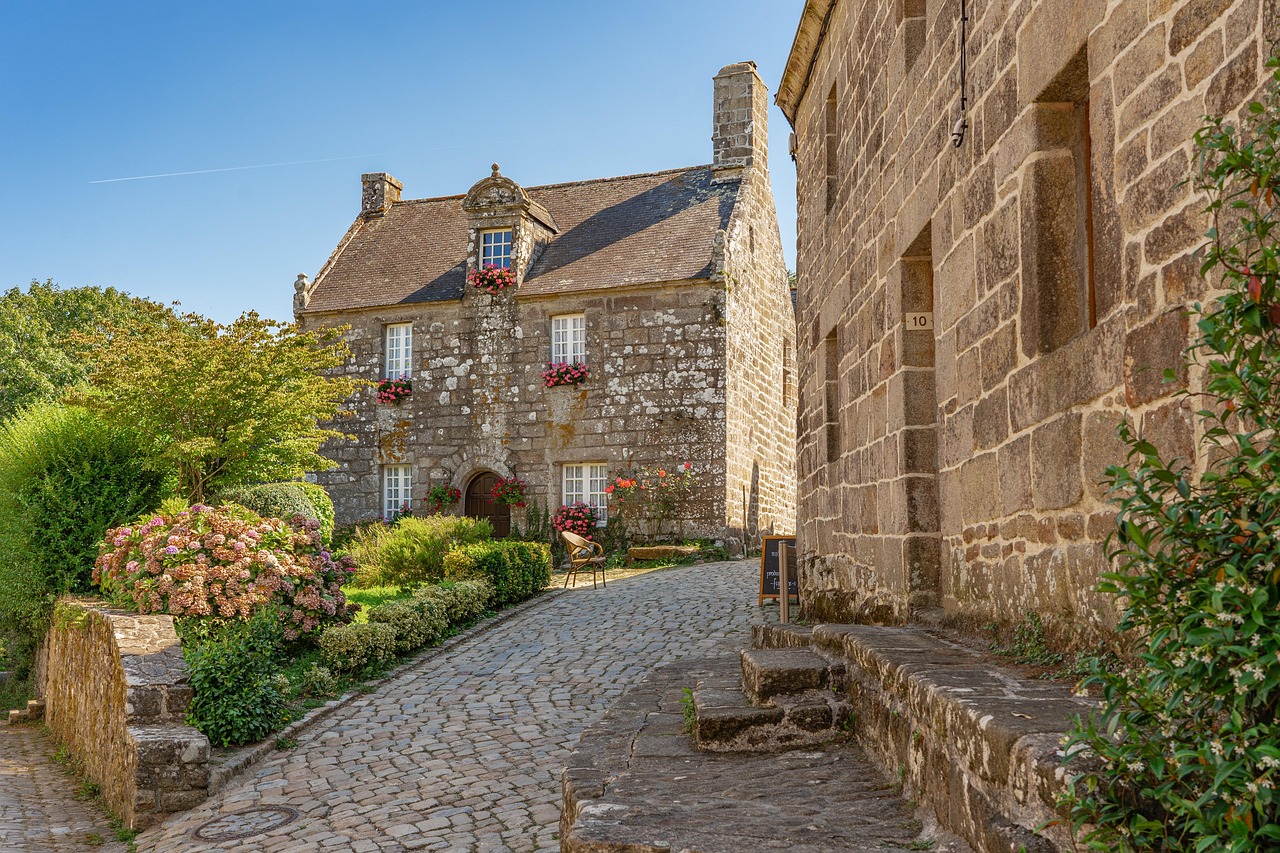
Locronan, with its ancient Celtic roots, is a hidden gem Europe few travelers stumble upon. Known for its preserved medieval architecture, this historic European city is often used as a filming location due to its timeless appeal. During Christmas, Locronan becomes one of the best Europe destinations for Christmas, with festive decorations illuminating its ancient streets and drawing in visitors with a fondness for historic ambiance.
The town’s granite buildings and cobblestone squares have remained so authentic that filmmakers regularly choose it as a backdrop for period dramas. Its annual Troménie festival, a Celtic pilgrimage tradition dating back over a thousand years, connects modern visitors directly to ancient spiritual practices that predate Christianity in Europe.
The magic of these European towns lies not just in their visual beauty, but in their ability to transport us beyond our modern reality. Walking their ancient streets reminds us that history isn’t just something we read about – it’s something we can still touch, smell, and experience firsthand. What would you have guessed about finding such perfectly preserved medieval worlds still thriving in contemporary Europe?