10 Places To Visit Before They Become Overcrowded With Tourists
Imagine discovering pristine beaches where you can walk for miles without encountering another soul, or exploring ancient villages where locals still wave from their doorsteps instead of rushing past tour groups. These moments are becoming increasingly rare as popular destinations buckle under the weight of overtourism. Yet there’s hope for travelers seeking authentic experiences.
The travel landscape is shifting dramatically. Over a quarter of respondents intended to avoid visiting overcrowded destinations according to recent European surveys, while tourism industry experts warn that 80% of travelers are flocking to just 10% of global destinations. This creates a perfect storm of opportunity for those willing to venture beyond the beaten path.
Here are ten remarkable destinations that offer everything famous hotspots provide, but without the crushing crowds. Visit them now before the secret gets out.
Albania’s Untouched Riviera
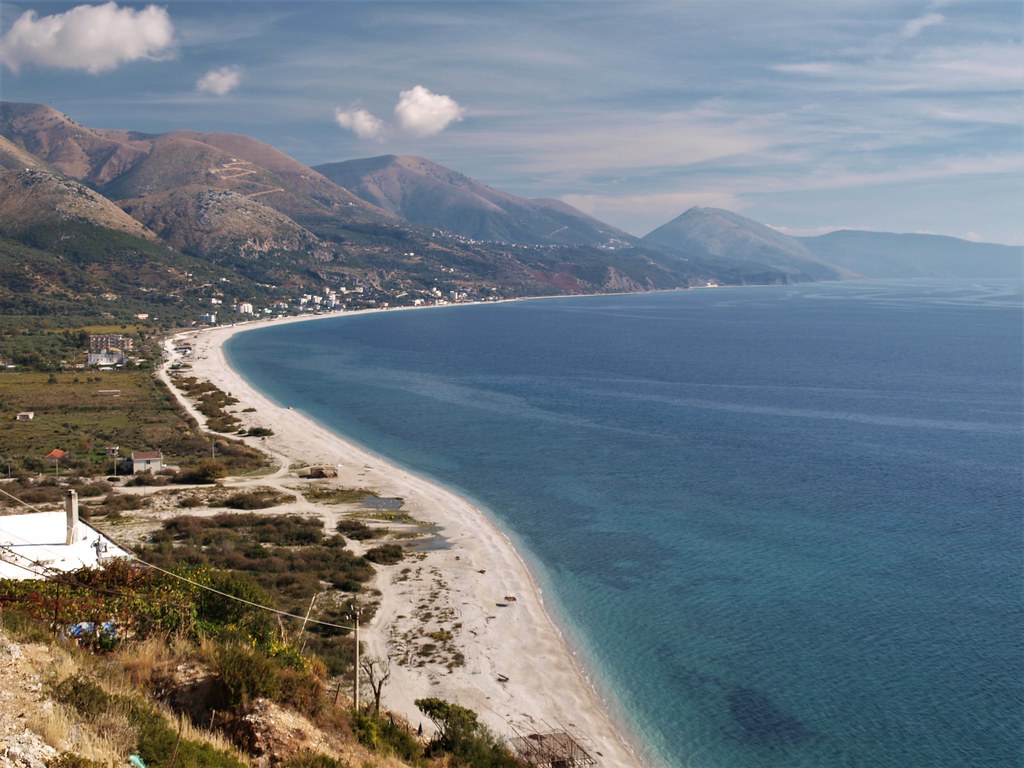
The numbers tell an incredible story of Albania’s rapid rise to prominence. Albania reportedly welcomed significant numbers of foreign visitors in 2024, with substantial growth compared to 2023, making it one of the fastest-growing tourism destinations globally. This Balkan gem has experienced an astounding eighty percent growth, with international arrivals growing substantially from 2019 to 2024.
Wander Berat’s old stone houses from Ottoman days, a UNESCO treasure packed with history. Then hit the Albanian Riviera for pebble beaches and clear blue water that begs for a swim. It’s raw beauty without the resort crowds. Travel experts report that Albania for Greece was one of TikTok’s top-trending travel dupes of 2024, and operators have reported an 84% increase in bookings to the destination.
The infrastructure improvements are making access easier than ever. Recent infrastructure improvements, including the Llogara Tunnel, reduces the drive time to the south of the country by approximately 45 minutes, significantly improving connections between Vlorë and the Albanian Riviera.
North Macedonia’s Hidden Lakeshores
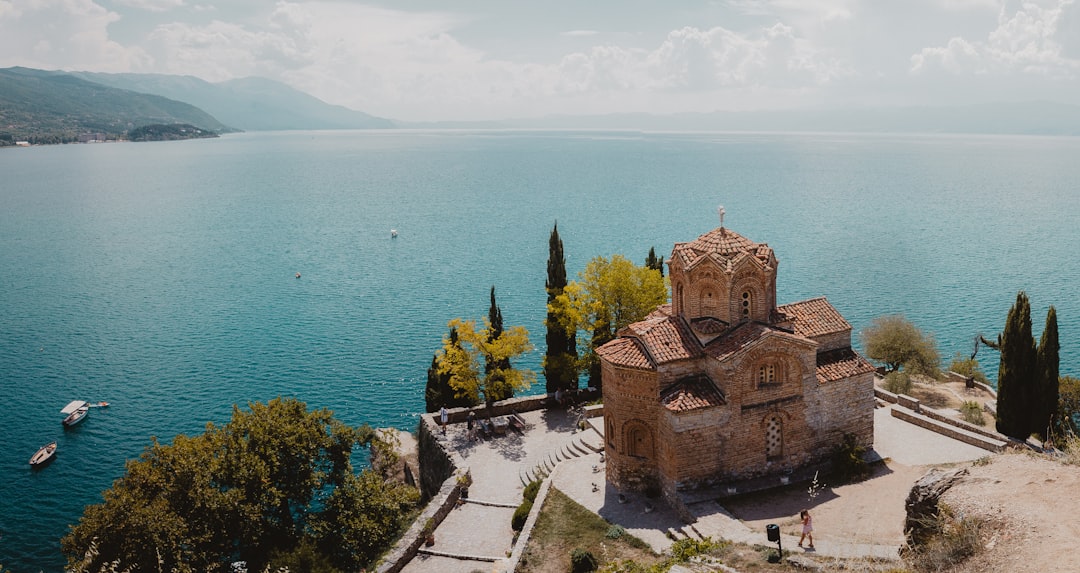
Lake Ohrid sparkles with UNESCO fame for its clear waters and old churches. Dive into Skopje’s streets alive with murals and buskers that tell tales of the past. This landlocked Balkan nation offers stunning mountain scenery and rich cultural heritage at a fraction of the cost of neighboring Greece or Italy.
North Macedonia remains refreshingly undiscovered by mainstream tourism. The country’s capital Skopje presents a fascinating blend of Ottoman and modern architecture, while Ohrid provides one of Europe’s oldest and deepest lakes. Local guesthouses offer authentic experiences with families who’ve lived here for generations.
The best part? You can still find yourself completely alone at some of the most spectacular viewpoints around Lake Ohrid. However, with improved EU relations and easier visa policies, this won’t last much longer.
Ecuador’s Amazon Alternative
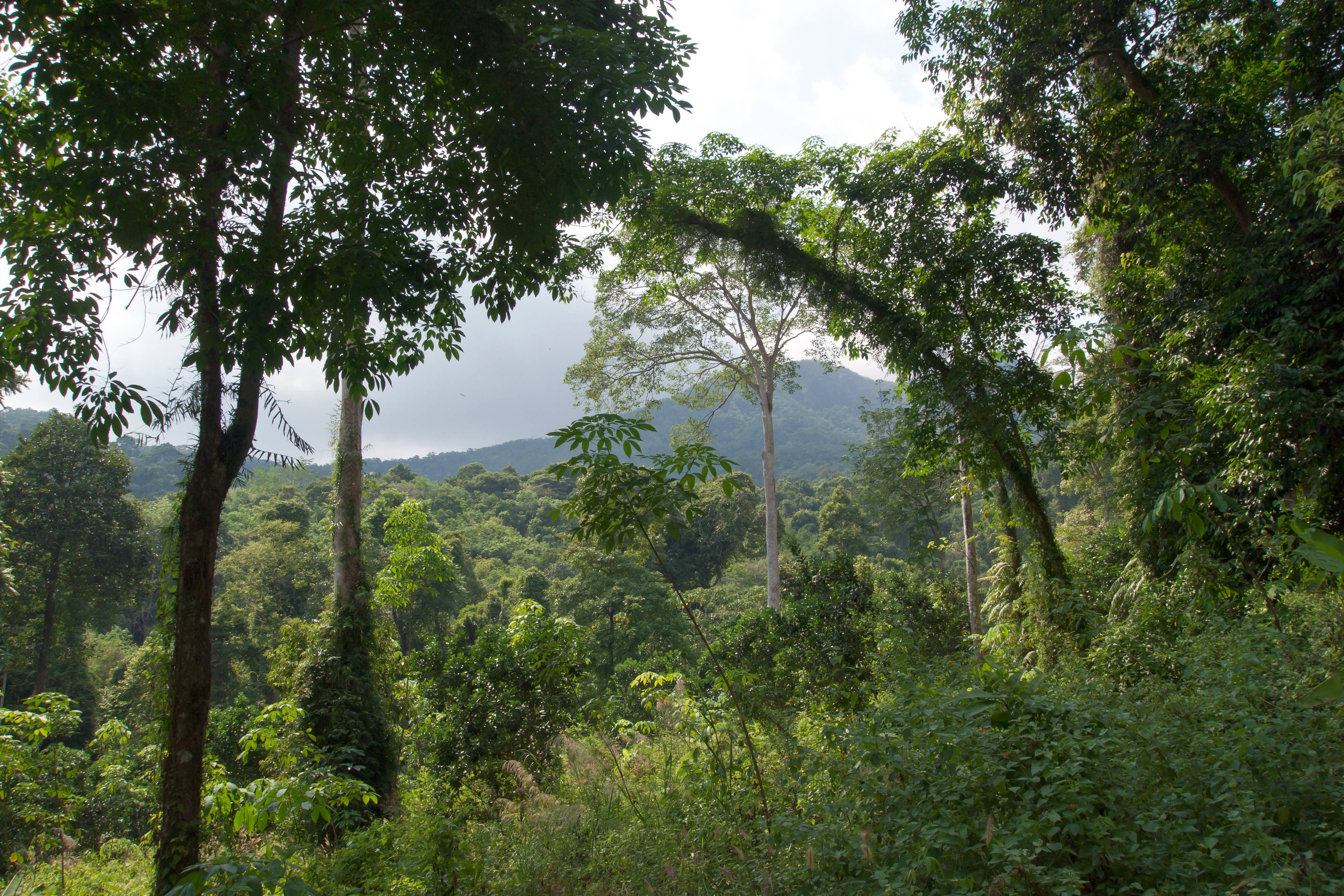
Yasuní National Park packs Amazon life without island crowds – pink dolphins in rivers, howler monkeys overhead. Indigenous guides lead tours that share Waorani ways. Volunteer for conservation, planting trees or tracking wildlife. This biological treasure trove offers 600 bird types, per Audubon counts.
Ecuador’s mainland rainforest provides an authentic Amazon experience without the crowds that plague Brazilian destinations. The biodiversity here rivals anywhere on Earth, and conservation efforts mean your visit directly supports local communities and wildlife protection.
Perched high in the Andes, Skyward Gardens is a floral paradise waiting to bloom in 2025. This botanical marvel showcases Ecuador’s rich biodiversity through intricately designed terraces cascading with colorful blooms. Visitors can wander through pathways lined with native species, each telling a story of the region’s ecological heritage. Access involves flying to Coca then traveling by boat, but this journey becomes part of the adventure.
Cantavieja, Spain’s Medieval Secret
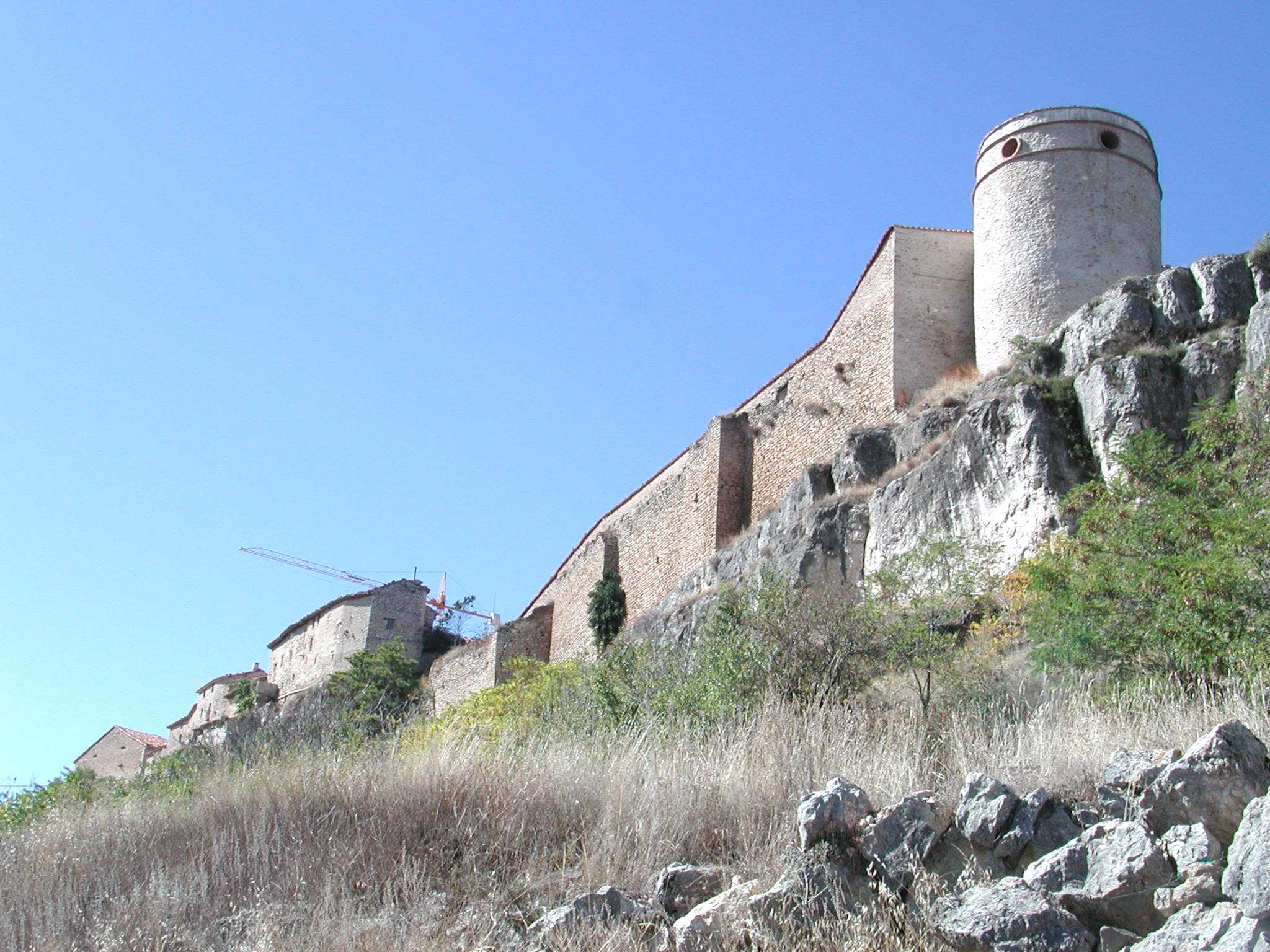
A town full of history, customs, and monuments, Cantavieja is one stop in Spain worth visiting for crowd-less enjoyment. The Church of the Assumption showcasing the Baroque style from the eighteenth century, the Church of San Miguel, from the fifteenth century Gothic era and the manor houses or La Nevera.
While Barcelona and Madrid struggle with overtourism protests, this hilltop medieval village in Aragón remains blissfully peaceful. As you traverse across the town, you can find species such as the ibex, the roe deer, the wild boar or the foxes and a rich population of griffon vultures, Egyptian vultures. The surrounding natural park offers hiking trails where wildlife outnumbers tourists by hundreds to one.
Local restaurants serve traditional Aragonese cuisine using recipes passed down through generations. You’ll likely be the only foreign visitor in many establishments, creating genuine cultural exchanges that have become impossible in Spain’s popular destinations.
El Fuerte, Mexico’s Colonial Gem

Appointed as a Pueblo Mágico “Magic Village”, El Fuerte is a village located along the Chepe express route in Mexico. El Fuerte is referred to as the main colonial town of western Mexico which promotes farmer’s and artisan’s tourism products. Additionally, El Fuerte is renowned for their unique celebration of Holy Week across seven indigenous ceremonial centers.
This colonial treasure sits perfectly positioned for exploring Mexico’s Copper Canyon region via the famous Chepe train. Unlike overcrowded destinations like Tulum or Playa del Carmen, El Fuerte maintains its authentic character while offering sophisticated accommodations and dining.
The town’s commitment to sustainable tourism means visitor numbers remain manageable. Local artisans still practice traditional crafts, and the weekly markets buzz with genuine local life rather than tourist performances. The surrounding Sierra Madre mountains provide endless hiking opportunities.
Culebra, Puerto Rico’s Quiet Paradise
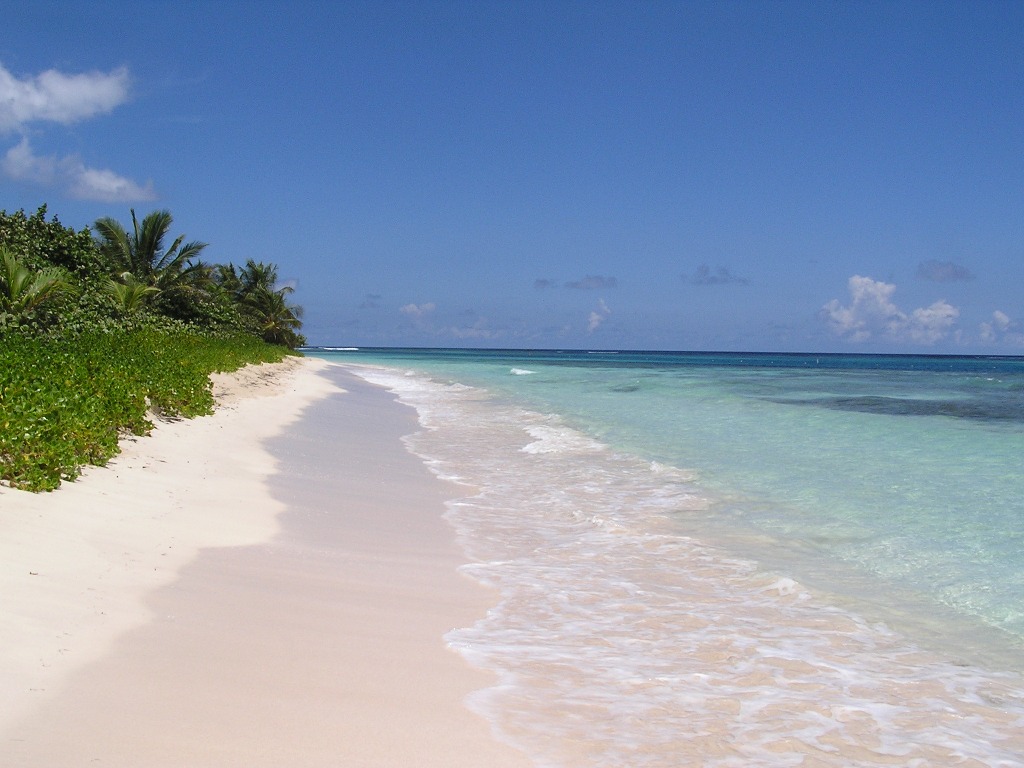
Culebra offers a quieter alternative to the bustling tourist spots of Puerto Rico, making it an attractive destination for those seeking relaxation. With pristine beaches and opportunities for snorkeling and hiking, Culebra’s emphasis on natural beauty positions it as a hidden gem. Such destinations could appeal to travelers looking to escape crowded locations and connect with nature.
While San Juan faces cruise ship crowds and Vieques handles mainland overflow, Culebra remains Puerto Rico’s best-kept secret. Flamenco Beach consistently ranks among the world’s most beautiful beaches, yet you can still find stretches of sand entirely to yourself during weekdays.
The island’s small size means everything remains walkable or accessible by golf cart. Local restrictions limit development, ensuring the natural beauty stays protected. The snorkeling around the island rivals any Caribbean destination, with colorful reefs just steps from shore.
São Tomé and Príncipe’s Pristine Islands
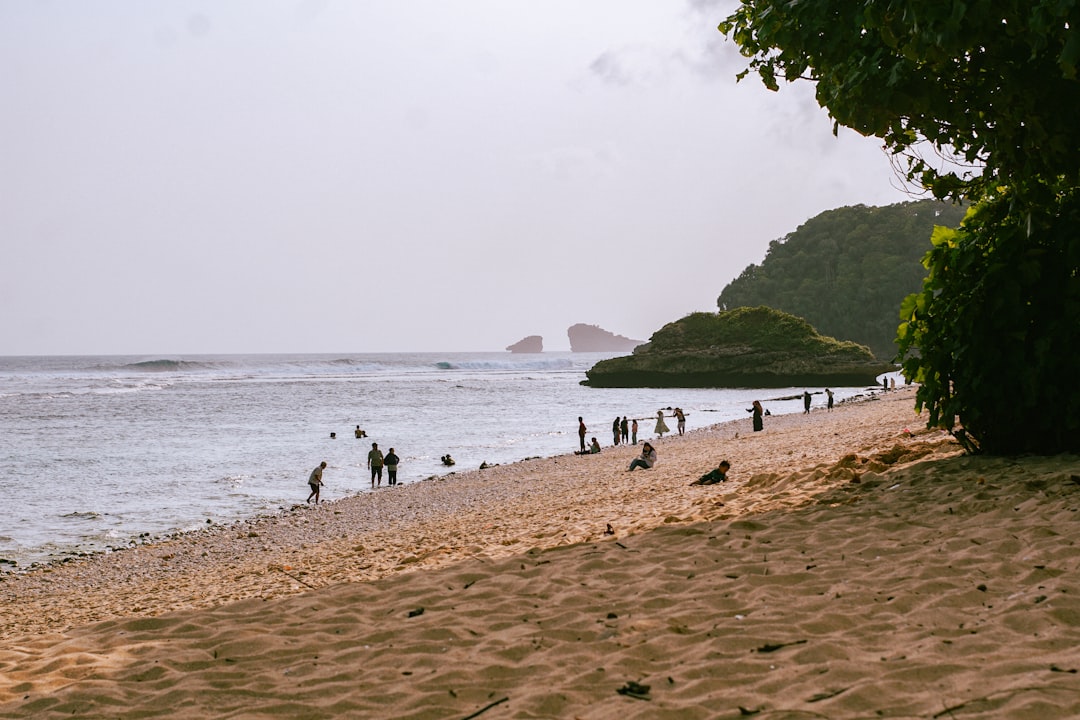
Cast adrift in the Gulf of Guinea off West Africa, the volcanic islands of São Tomé and Príncipe together make up the second-smallest country in Africa, and remain one of the unsung beauties of African travel. A declared UNESCO Biosphere Reserve, here lush rainforests tumble into clear tropical waters, offering a wealth of nature-based adventures. There’s a rich cultural landscape to discover too, from the island’s history as the world’s largest cacao producer to charming overnight stays in traditional plantation rocas.
Plans for the reopening of Bom Bom Resort on the northern tip of Príncipe, a tropical haven that straddles forest and coast. These volcanic islands offer pristine beaches, incredible biodiversity, and Portuguese colonial architecture without any crowds.
The chocolate heritage creates unique opportunities for plantation tours and cacao tastings that rival anything in South America. Hiking through primary rainforest reveals endemic species found nowhere else on Earth. The surrounding waters provide world-class diving and fishing.
Flåm, Norway’s Fjord Sanctuary
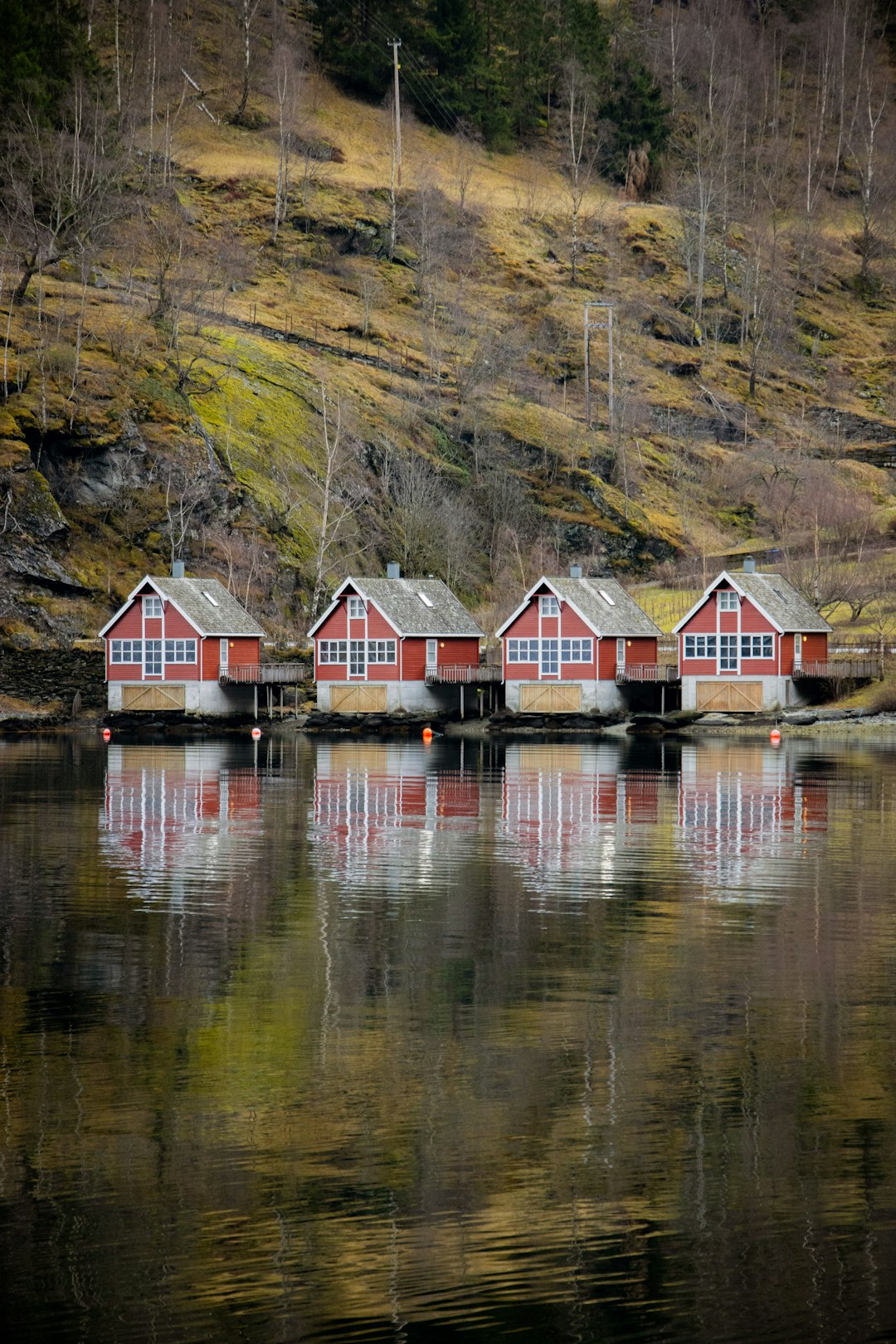
It’s tucked away in the depths of the country’s remarkable fjord landscape, frequented by cruise ships, but overshadowed by busier spots like Stavanger and Olden. Aqua-colored waters lap gently against the harbour, where you’ll find two floating saunas and a town full of small, wood-panelled buildings and picnic benches. The scenic Flåm Railway departs from the town station towards the glittering Flåmselvi River.
While Geiranger and other Norwegian fjords battle overtourism, Flåm offers equally spectacular scenery with manageable visitor numbers. Don’t leave without booking a visit to Flåm’s floating sauna, where you can take a cold plunge straight from the steam into the fjord.
The famous railway journey provides one of the world’s steepest train rides through breathtaking mountain scenery. Hiking trails lead to waterfalls and viewpoints where you might not encounter another person for hours. Local accommodations focus on sustainability and authentic Norwegian experiences.
Cabo Rojo, Puerto Rico’s Southwest Coast
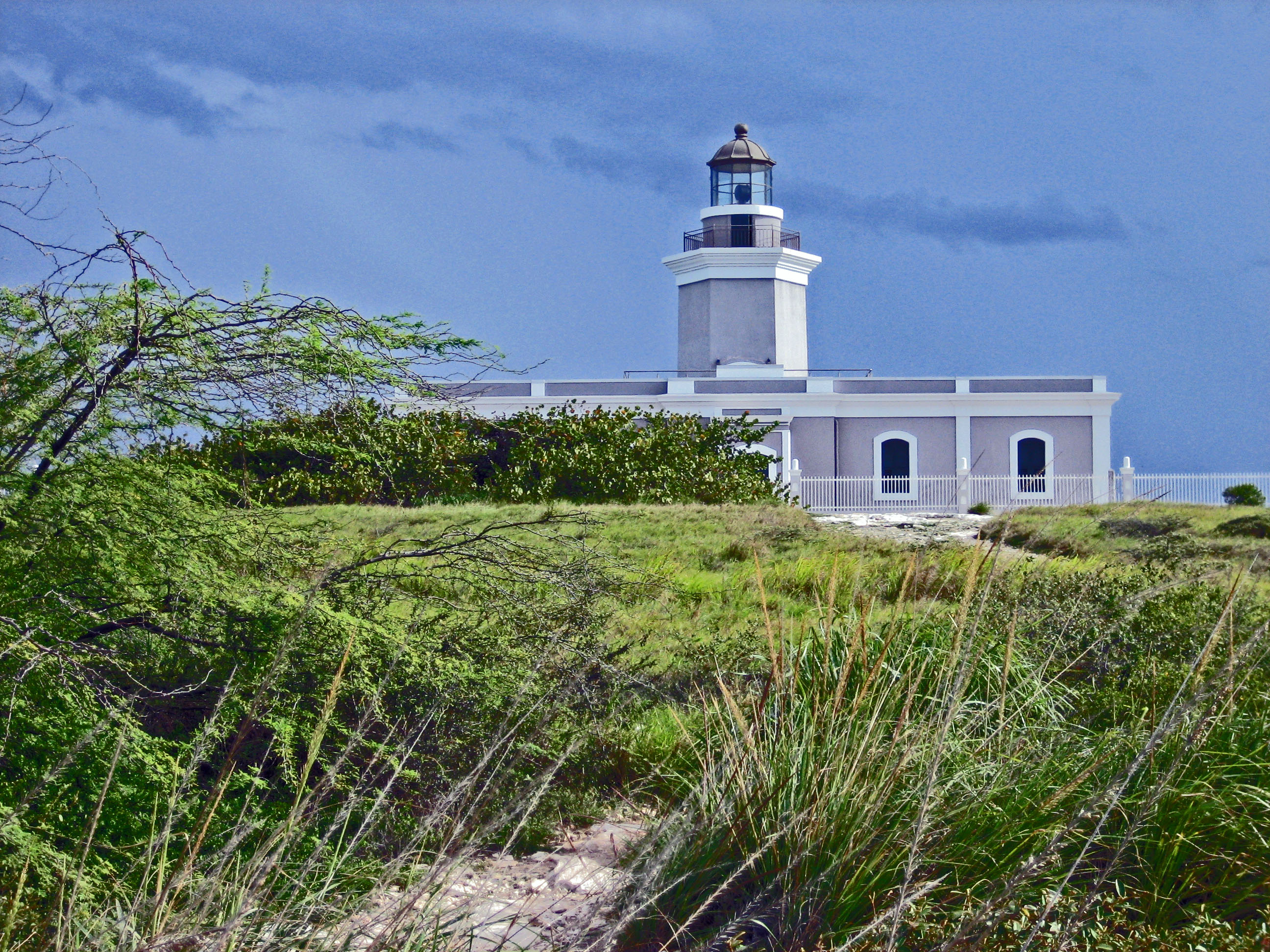
A colourful beach town on the southwest coast of Puerto Rico, Cabo Rojo is home to all the white sands and turquoise seas you expect from a Caribbean getaway. It’s three hours by car from San Juan with a laidback vibe that feels light years away from the hustle and bustle of the capital.
This corner of Puerto Rico offers dramatic salt flats, pristine beaches, and the stunning Cabo Rojo Lighthouse perched on limestone cliffs. The area provides incredible bird watching opportunities, particularly at the Cabo Rojo National Wildlife Refuge.
Local seafood restaurants serve incredibly fresh catches at prices that would shock visitors accustomed to resort dining. The bioluminescent lagoon at nearby Lajas creates magical nighttime kayaking experiences without the crowds that plague Mosquito Bay in Vieques.
Trans Dinarica Cycling Route

The Trans Dinarica Cycle Route project aims to will connect all eight countries of the Western Balkans. This 4,000-kilometer trail is designed for cyclists of varying skill levels, highlighting the region’s natural beauty. The new cycling route encourages eco-friendly travel and could significantly boost local economies as it attracts cycling enthusiasts from around the globe.
This ambitious project creates opportunities to explore the Western Balkans before they become mainstream cycling destinations. The route passes through Montenegro, Albania, Kosovo, North Macedonia, Serbia, Bosnia and Herzegovina, Croatia, and Slovenia.
Each section offers distinct cultural experiences, from Ottoman architecture in Bosnia to Venetian influences along the Croatian coast. Local accommodations along the route focus on cyclist needs while maintaining authentic regional character. Mountain villages provide opportunities to experience traditional Balkan hospitality.