4 Secrets Olive Garden Servers Aren’t Allowed to Share
The Breadstick Formula Is Stricter Than You Think

If you’ve ever wondered why your breadstick basket seems precisely portioned, there’s actually a strict formula behind it. Servers are instructed to bring one breadstick per person at your table, with one extra breadstick included only in the very first basket. After that initial round, every refill follows the one-per-person rule, and servers will only bring more if you specifically ask. It’s not just a suggestion either. Servers can actually get in trouble if they bring too many breadsticks at once, and the restaurant grades locations on breadstick and salad waste.
This policy came about after investor pressure in 2014, when hedge fund Starboard Value released a 300-page report criticizing Olive Garden for being reckless with breadstick portions. The report even noted that breadsticks deteriorate in quality after just seven minutes on the table. Honestly, it makes sense from a business standpoint, though it definitely takes some of the magic away when you realize your unlimited breadsticks come with invisible guardrails. If workers catch someone sneaking breadsticks into their bag, they won’t provide free refills anymore, since the policy is meant to enhance your dining experience, not provide free takeaways.
Your Unlimited Soup and Salad Comes With a Price for Servers
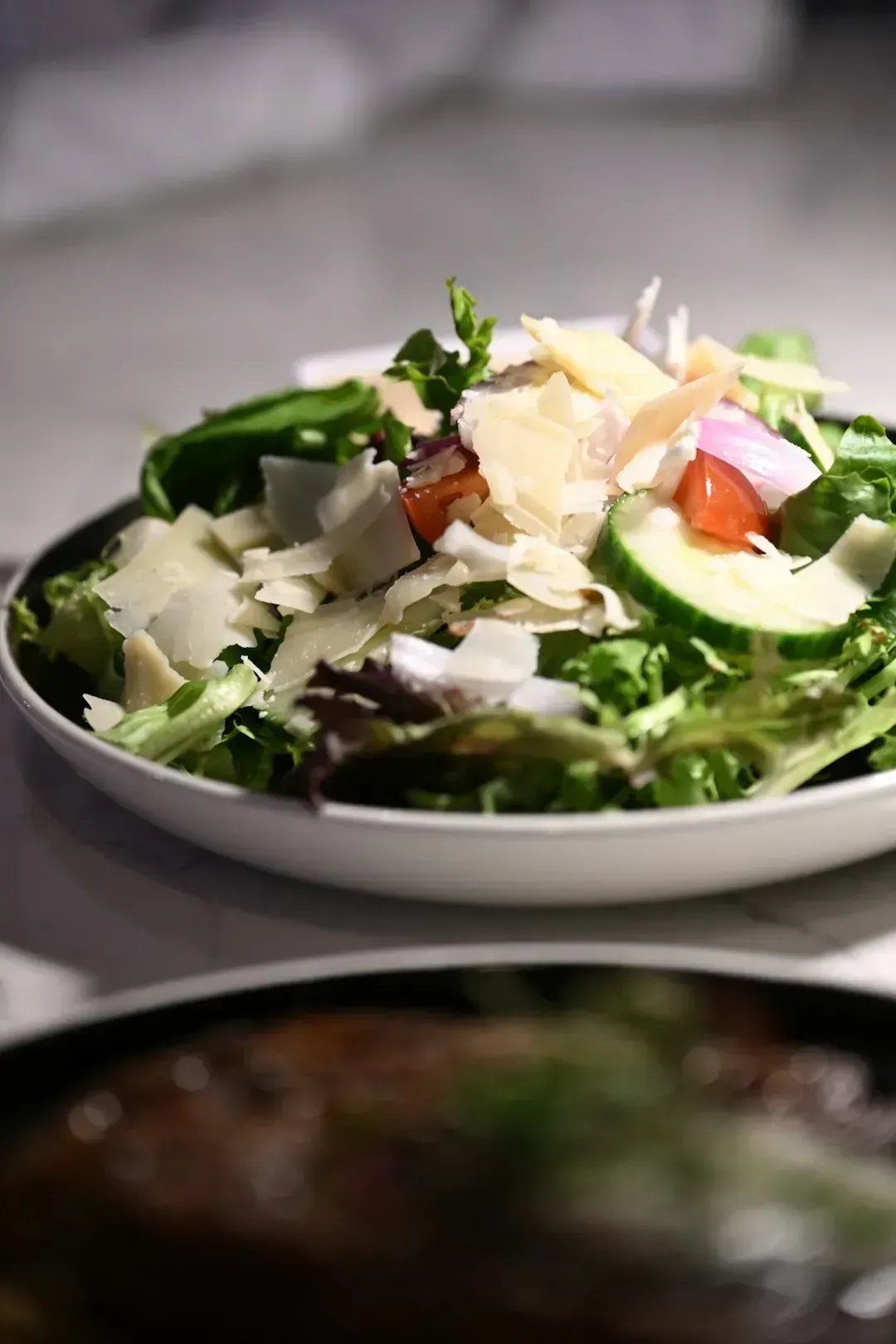
The unlimited soup, salad, and breadsticks deal is actually the most hectic and stressful part of a server’s job, especially during the lunch rush when customers want to get in and out quickly. Here’s the thing most diners don’t realize: the unlimited combo costs around eight dollars at lunch, which means a standard tip of ten percent would be just 80 cents, even though servers are doing significantly more work constantly refilling bowls. Servers have to run back and forth multiple times, yet they’re tipped based on the low bill total rather than their actual effort.
Each salad is made specifically for your table based on party size, with precise weight requirements dictated by Olive Garden’s system. The salad formula is exact: four olives and three tomatoes per person, two pepperoncini peppers, and one scoop of croutons unless you ask for extra. Many servers say the unlimited menu options are their least favorite to serve because the constant refilling is exhausting, and the bills run so low that they aren’t tipped sufficiently after all that running around. Some customers even get upset when they can’t take unlimited refills to go, which can turn an already tiny tip into nothing at all.
The White Shirt Uniform Change Nobody Wanted

According to reports from servers, in 2025 Olive Garden tested a controversial new uniform policy at several locations, requiring servers to wear white button-up shirts instead of black ones, paired with olive green aprons and dark jeans. The problem? Servers handle sauce-heavy pasta dishes all day, and white shirts stain incredibly easily and cost too much to constantly replace. One server reported buying over 15 white shirts, only to have them ruined quickly.
Let’s be real, this seems like a decision made in a boardroom by people who’ve never actually carried a plate of marinara across a crowded dining room. Some managers refuse to enforce the white shirt policy because it’s too unpopular with staff. It’s hard to say for sure, but the timing feels suspicious when you consider the company was looking for ways to cut costs while still reporting strong sales growth.
The Culinary Institute of Tuscany Isn’t What You Think
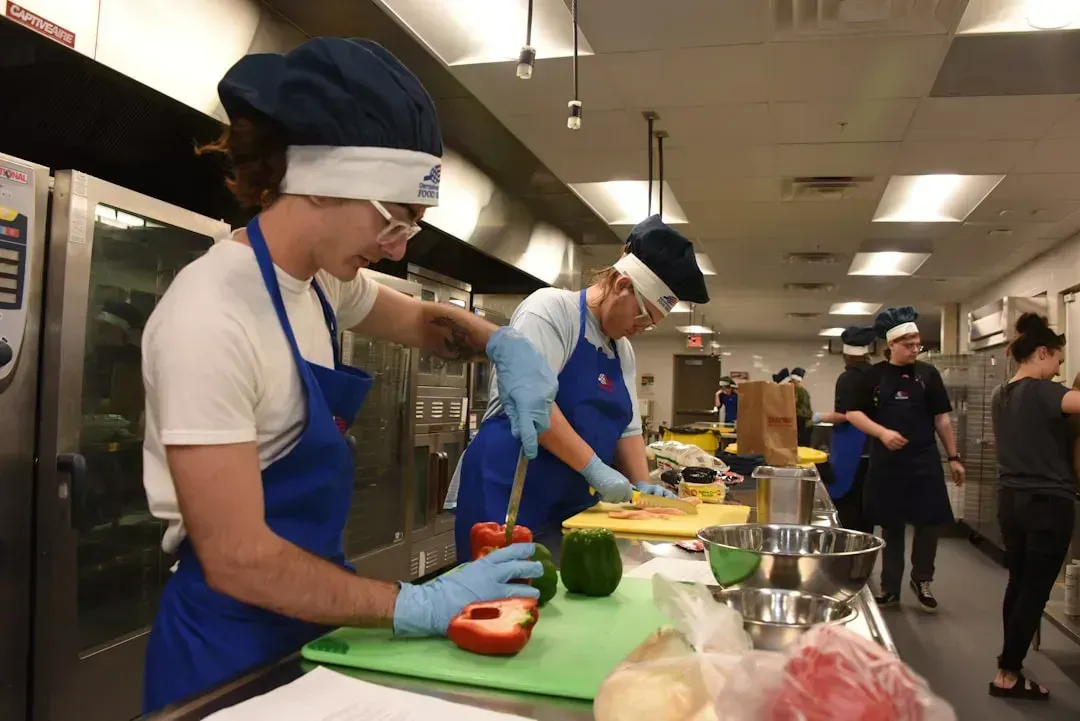
Olive Garden famously claims to send employees to a prestigious cooking school in Tuscany, Italy, but according to former servers, the Culinary Institute of Tuscany wasn’t exactly a rigorous culinary boot camp. A former manager described it as more like a hotel during the off-season with a restaurant on site, where Olive Garden employees would stay and use the closed restaurant as a classroom for maybe an hour here or there to talk about spices or produce before going sightseeing all day.
The reality is there isn’t actually a head chef or even any real chefs in Olive Garden restaurants – the kitchens are staffed with line cooks who handle food preparation and cooking, not recipe creation or scratch cooking. Current servers have never even heard of the Tuscany program happening anymore. So while it makes for great marketing about authentic Italian training, the truth is far less impressive than the branding suggests. It was essentially a vacation for select employees with some light educational content sprinkled in, not the culinary masterclass Olive Garden wants you to imagine.