5 European Cities Where Visitors Feel the Least at Ease After Dark
Rome, Italy
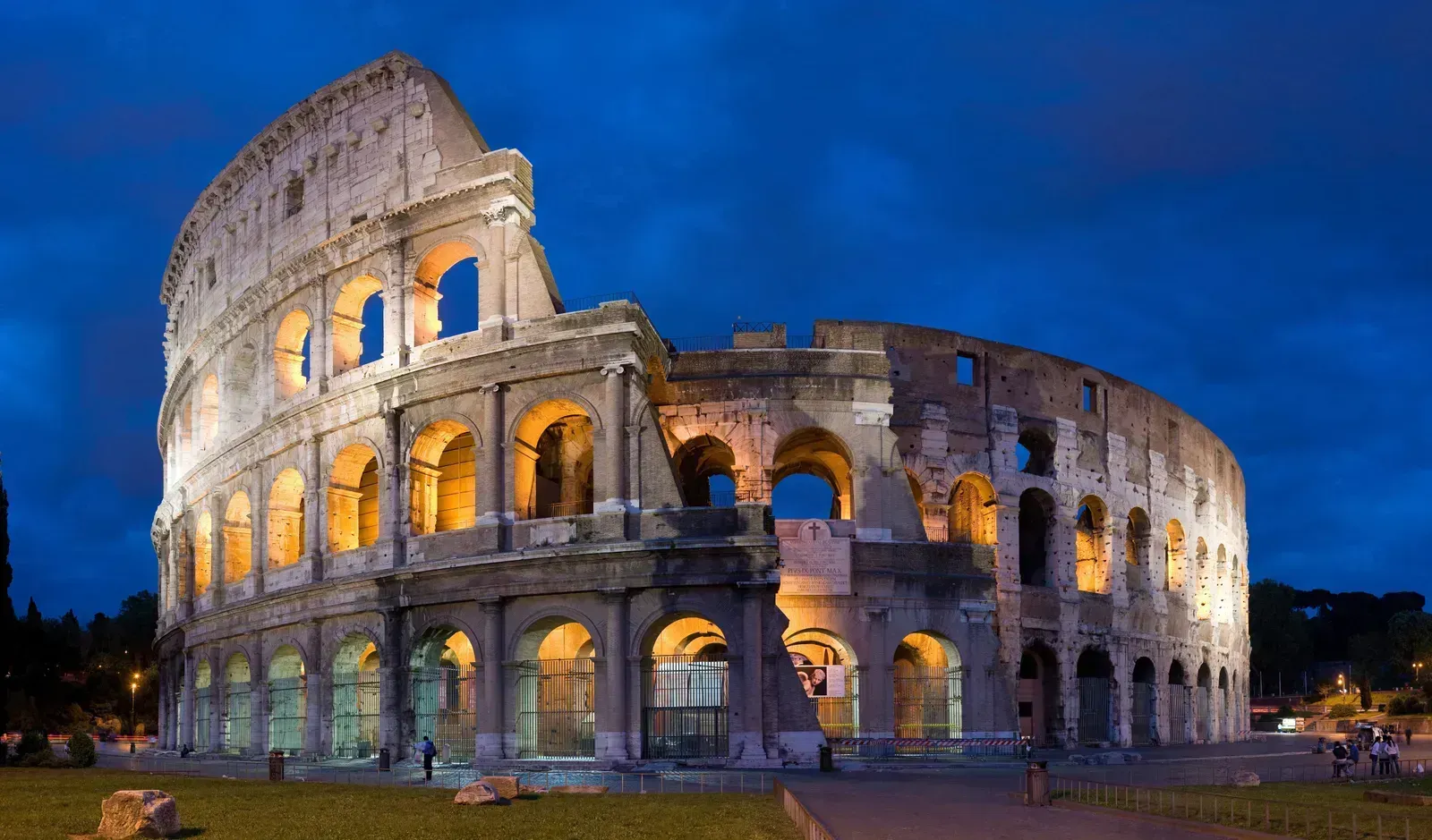
When the sun sets over the Eternal City, something shifts in the atmosphere. In Rome, one of Italy’s main capitals, relatively few residents feel safe on the streets at night, according to surveys. The statistics paint a sobering picture of Italy’s capital after dark.
Even as a tourist attraction, Rome was ranked among Europe’s less safe major cities last year, and while daylight hours bring endless opportunities to marvel at the Colosseum or toss coins into the Trevi Fountain, nighttime requires a different level of awareness. Let’s be real, the combination of dark, narrow alleys in historic districts and areas around major train stations creates environments where visitors report feeling uneasy. The heightened concern isn’t entirely unfounded when you look at the numbers.
Marseille, France
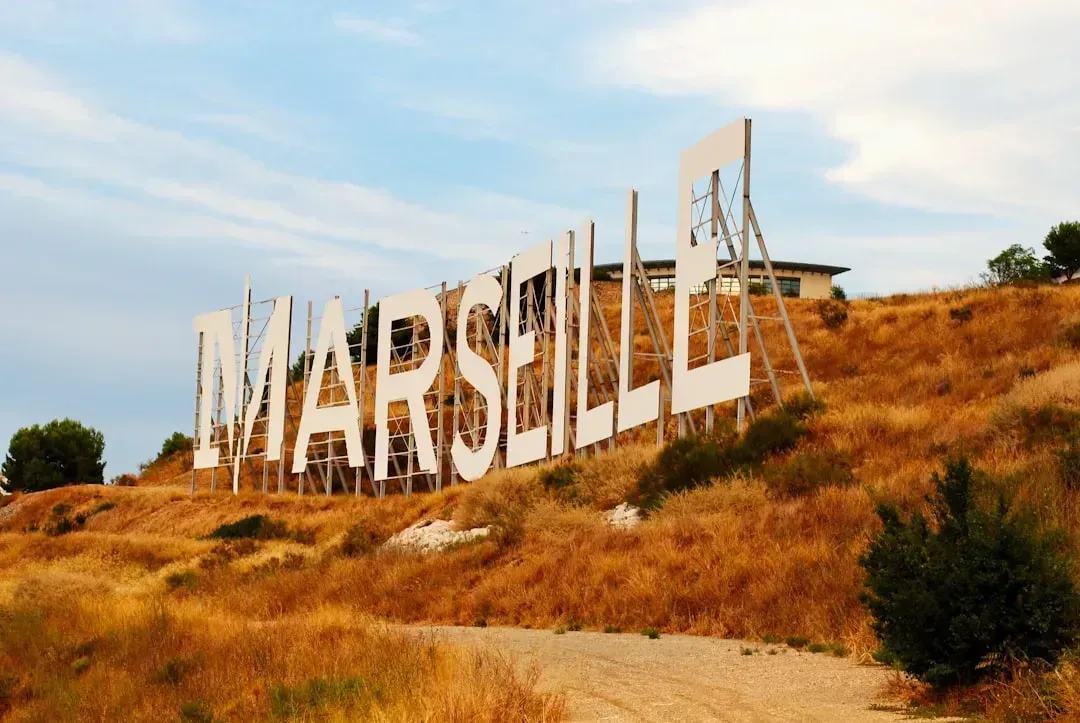
Marseille is the most dangerous city in Europe, France’s second-largest city located on the Mediterranean coast with a population of nearly 900,000, with a crime index of 68.3. The situation has become particularly acute in recent years, with drug-related violence dominating headlines and statistics alike.
In 2022, 32 people died from gang murders and drug-related violence, with drug-related homicides reaching 47 in 2023. Though numbers decreased somewhat by 2024, the perception remains deeply concerning. In 2023 alone, 47 people lost their lives in gang conflicts, mostly concentrated in the northern social housing districts, with many residents reporting feeling unsafe. Honestly, when the vast majority of locals themselves don’t feel secure, visitors naturally inherit that anxiety during evening hours.
Paris, France
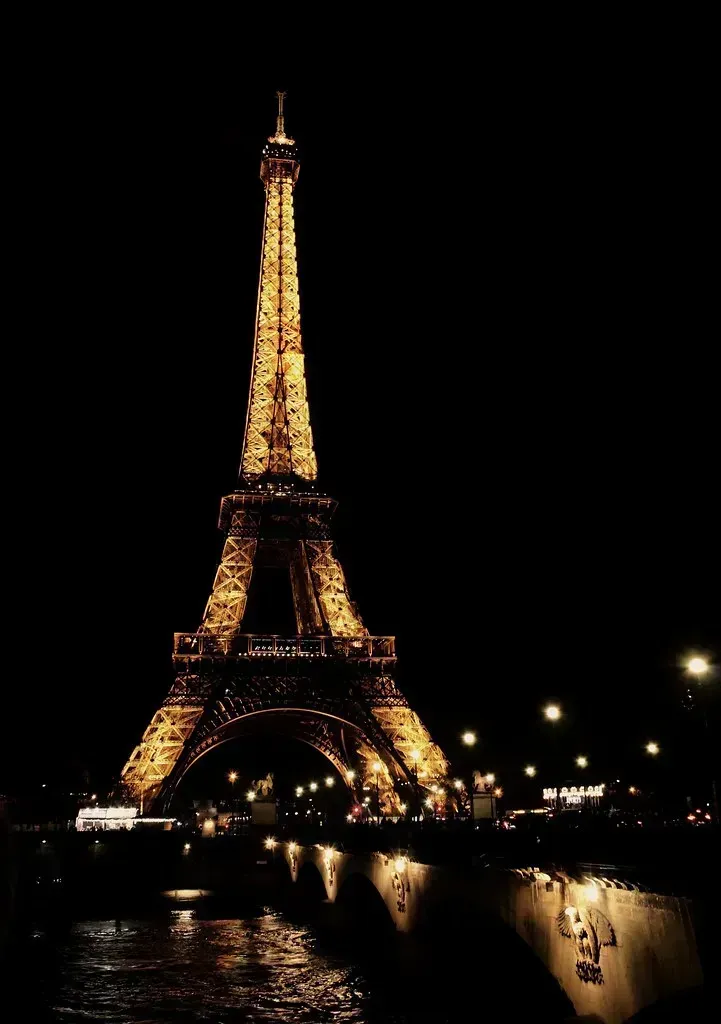
Paris might be called the City of Light, yet darkness brings its own challenges. Perceptions of nighttime security are relatively low according to recent surveys. The French capital presents a complicated safety landscape after sunset.
around 40 out of 100 people living in or visiting reportedly feel secure during nighttime hours, based on recent perception surveys. While central tourist districts maintain heavy police presence and decent lighting, Paris has a crime index around 58, compared to New York’s around 51, however Paris’ violent crime rate is about three times lower than New York’s. The reality? Petty theft spikes dramatically after dark in metro stations and around major landmarks, creating an environment where constant vigilance becomes exhausting for travelers simply trying to enjoy their evening.
Barcelona, Spain
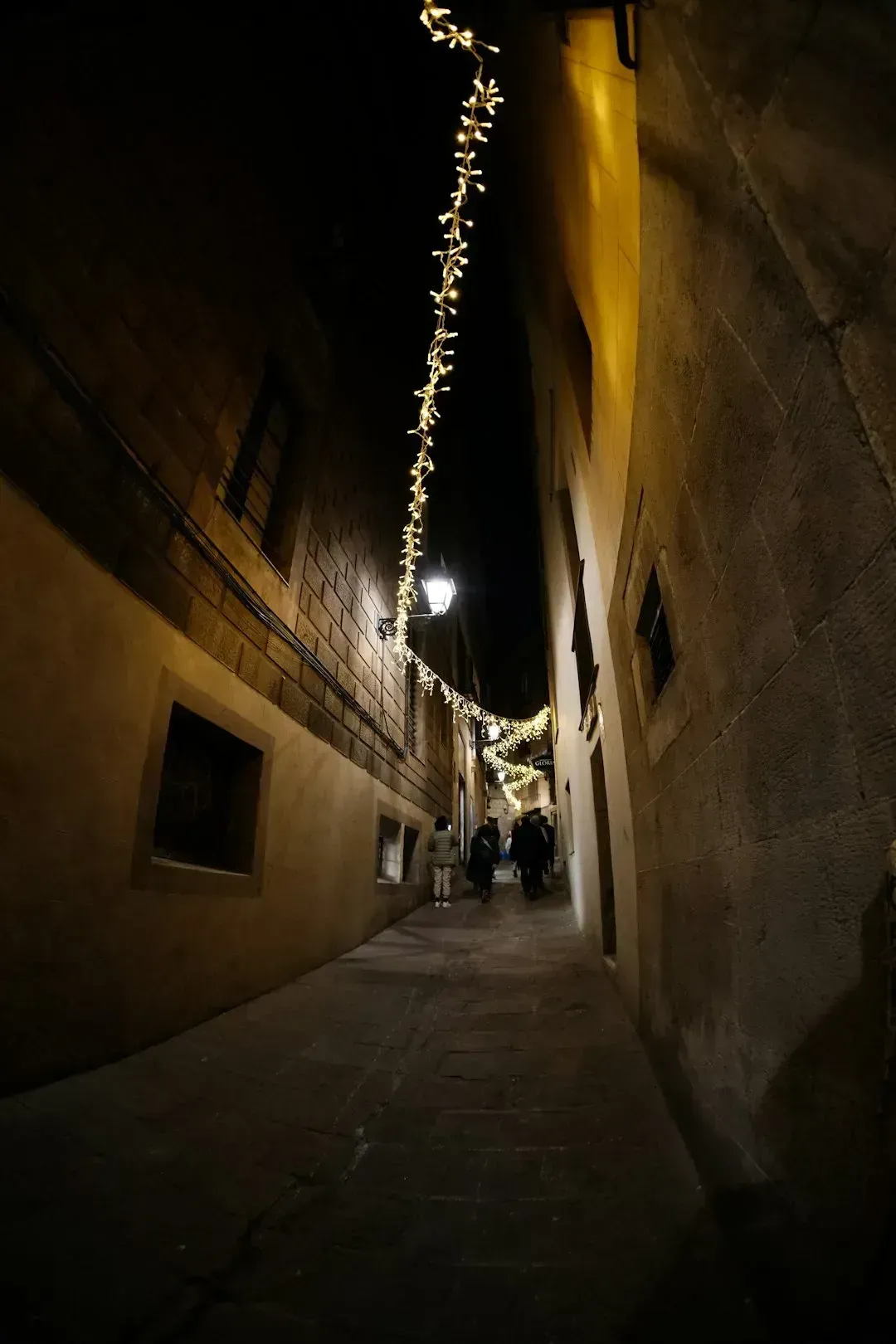
Barcelona’s enchanting Gaudí architecture and beachfront allure can’t quite mask the after-dark anxieties visitors experience. Pickpocketing accounted for nearly half of reported crime in Barcelona in 2023, and these incidents intensify during nighttime hours in tourist-heavy zones.
As of 2024 Barcelona had the second highest recorded instances of theft in the EU, making it a particular concern for evening exploration. Barcelona is relatively safe at night but it’s always best to be vigilant, especially when walking in the Gothic Quarter and Las Ramblas, because of their proximity to nightclubs, these neighbourhoods and other touristy areas are havens for pickpockets hoping to find drunk tourists to steal from. The narrow medieval streets that charm by day become disorienting mazes after dark, where pursuit of thieves proves nearly impossible.
Naples, Italy
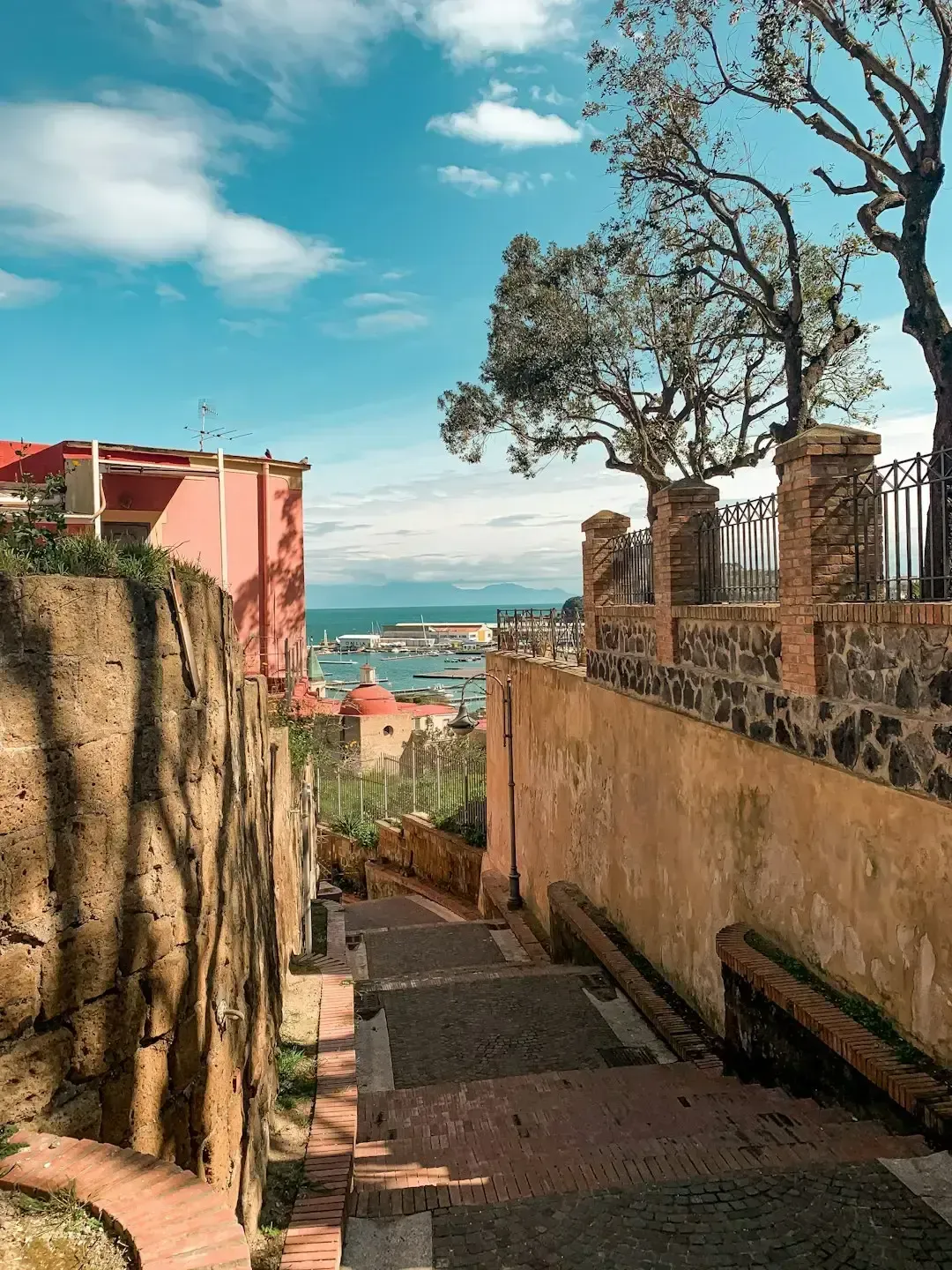
Naples carries perhaps the heaviest reputation burden of any Italian city when night falls. Despite its beauty, Naples struggles with high crime levels, with tourists being frequent targets of pickpocketing, bag-snatching, and muggings, facing visible urban decay with overflowing trash, graffiti-covered walls, and neglected historic buildings.
<pnaples presented a mixed safety environment for tourists. Recent figures placed the crime index at around 63 and the safety index at about 36, reflecting ongoing concerns in certain areas. While many visitors still enjoyed the city without issues, it remained important to stay alert, choose well-reviewed accommodations, and stick to more frequented neighborhoods, especially at night.
What strikes me most about these five cities is how the daytime tourist experience contrasts so sharply with nighttime realities. Each destination offers incredible cultural treasures and unforgettable experiences during daylight hours. Yet when darkness falls, statistical data and resident perceptions converge to create environments where heightened caution becomes non-negotiable. The key isn’t avoiding these magnificent cities – it’s understanding that smart travel means adjusting your awareness level as the sun sets. Did any of these surprise you with their nighttime safety challenges?