5 Ways Seniors Can Claim the New $6,000 Tax Deduction in 2026
Let’s be real, taxes can feel overwhelming at any age. When you’re a senior juggling fixed income streams, medical bills, and everyday expenses, navigating new tax rules might seem like the last thing you want to tackle. Here’s the thing though, there’s a brand new deduction that could put serious money back in your pocket. A new $6,000 tax deduction for Americans 65 and older could boost refunds for millions of older taxpayers, putting an average of about $670 more in their pockets this year, according to advocacy group AARP. Some seniors might save considerably more depending on their tax bracket and income level.
This tax break comes courtesy of legislation passed in July 2025, and it’s available for tax years 2025 through 2028. Think of it as temporary relief designed specifically for older Americans facing rising costs. The mechanics aren’t too complicated once you break them down. So let’s dive in and explore exactly how you can claim this deduction.
Meet the Basic Age and Filing Requirements

The first step was pretty straightforward. People who turned 65 by Dec. 31, 2025, were eligible for the new deduction, according to the IRS. If your 65th birthday fell on or before the last day of 2025, you were in. Simple as that.
The deduction provides $6,000 for each qualifying individual, or $12,000 for married couples who both qualify. Here’s what really matters though, you need a valid Social Security number to claim it. Individuals also need a work-authorized Social Security number to qualify for the senior deduction, H&R Block notes. Married couples must file jointly if both want to claim the full benefit.
Stay Within the Income Limits

Income thresholds determine whether you’ll receive the full deduction or a reduced amount. Single filers 65 and older qualify for the full $6,000 deduction if their modified adjusted gross income was below $75,000 last year, while married couples must earn less than $175,000 to receive the full $12,000. Notice that number? It’s not $150,000 for married couples to get the full amount – it’s actually $175,000 according to CBS News reporting.
The deduction is reduced by six cents for every $1 above those thresholds, and is fully phased out for single filers earning more than $175,000 and married couples earning more than $250,000. For instance, if you’re single with income of $80,000, you’d lose $300 of the deduction. It’s not an all-or-nothing situation for many seniors in that middle income range.
Claim It Whether You Itemize or Take the Standard Deduction
This is where things get genuinely exciting. Yes, the deduction is available to people who itemize, as well as for those who take the standard deduction, which stands at $15,750 for single filers and $31,500 for married couples filing jointly, according to H&R Block. Most seniors take the standard deduction because it’s easier, and this new break works on top of that.
The new tax break comes on top of an existing $2,000 deduction for seniors. Combined with the standard deduction, that means single filers 65 and older can deduct a total of $23,750, while married couples can deduct up to $46,700, H&R Block said. That’s a massive shield against taxable income. Think about it – you’re stacking multiple deductions together, something that doesn’t happen often in the tax code.
Let Your Tax Software or Preparer Do the Heavy Lifting
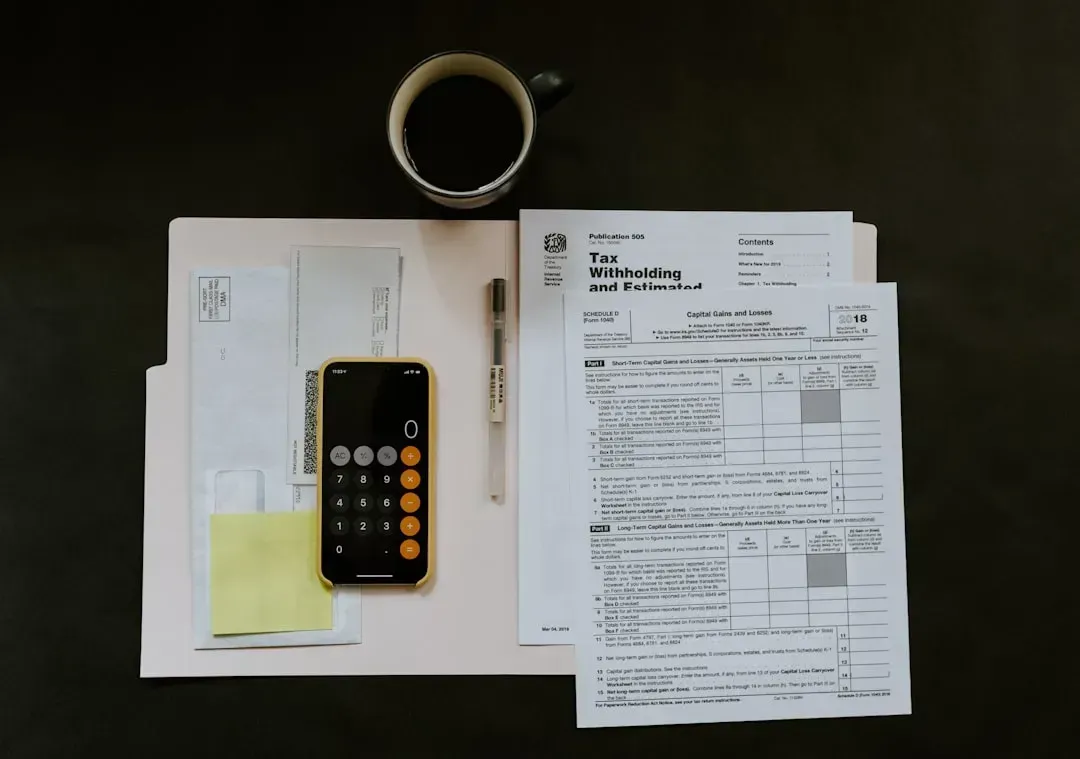
When you prepare your return, you’ll indicate your date of birth. If you are 65 or older, the IRS will automatically calculate your eligibility. Honestly, this is one area where technology actually makes life simpler. Most quality tax preparation software will recognize your age and apply the deduction automatically.
A good tax-prep software program should flag your eligibility automatically and apply the deduction for you. If you prepare a paper return, be sure to check the age/65+ box and include accurate Social Security numbers. The key is making sure your birthdate is correct on the form. If you’re working with a tax professional, mention this deduction specifically – they should be aware of it, though it never hurts to double-check.
Consider Strategic Income Planning for Future Years

Since this deduction runs through 2028, you have time to optimize your finances around it. Individuals who are age 65 and up and still working may be able to reduce their taxable income by contributing to a retirement plan. In 2026, individuals ages 50 and older may be able to contribute up to $32,500 to a 401(k)-retirement plan, including catch-up contributions. Individuals ages 60 to 63 may be able to set aside up to $35,750, with super catch-up contributions.
Charitable giving is another avenue to explore. Older taxpayers may also want to think about when they take required minimum distributions from retirement accounts or convert traditional IRAs to Roth accounts, as these transactions increase taxable income. The sweet spot is managing your income to stay under those phase-out thresholds while still meeting your financial needs. It’s a balancing act, sure, but the potential tax savings make it worth the effort.