6 Kitchen Countertop Trends Designers Say Are Quickly Fading
Kitchen countertops are one of the most permanent investments a homeowner can make, which makes choosing the wrong one especially painful. Replacing countertops costs between $43 and $140 per square foot on average, according to House Digest, so picking a style that ages poorly is a real financial risk. With every new year comes a new wave of design trends, bringing in updated looks and sending off some of the styles that have started to lose their appeal, as homeowners become more thoughtful about their design choices, focusing creativity on unique textures and color palettes rather than settling for standard styles. Here are the six countertop trends that designers say are fading fast right now.
1. High-Gloss, Polished Finishes
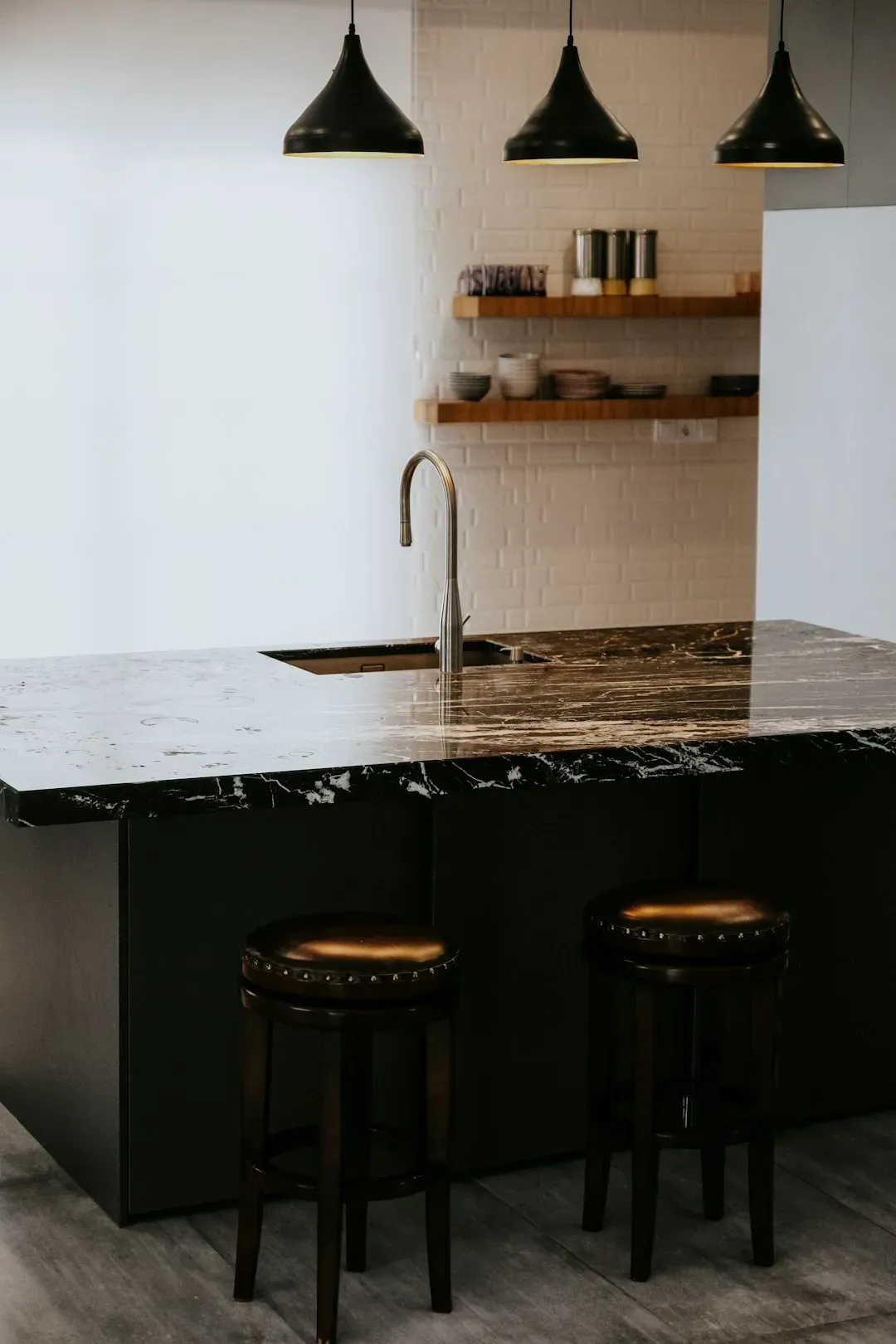
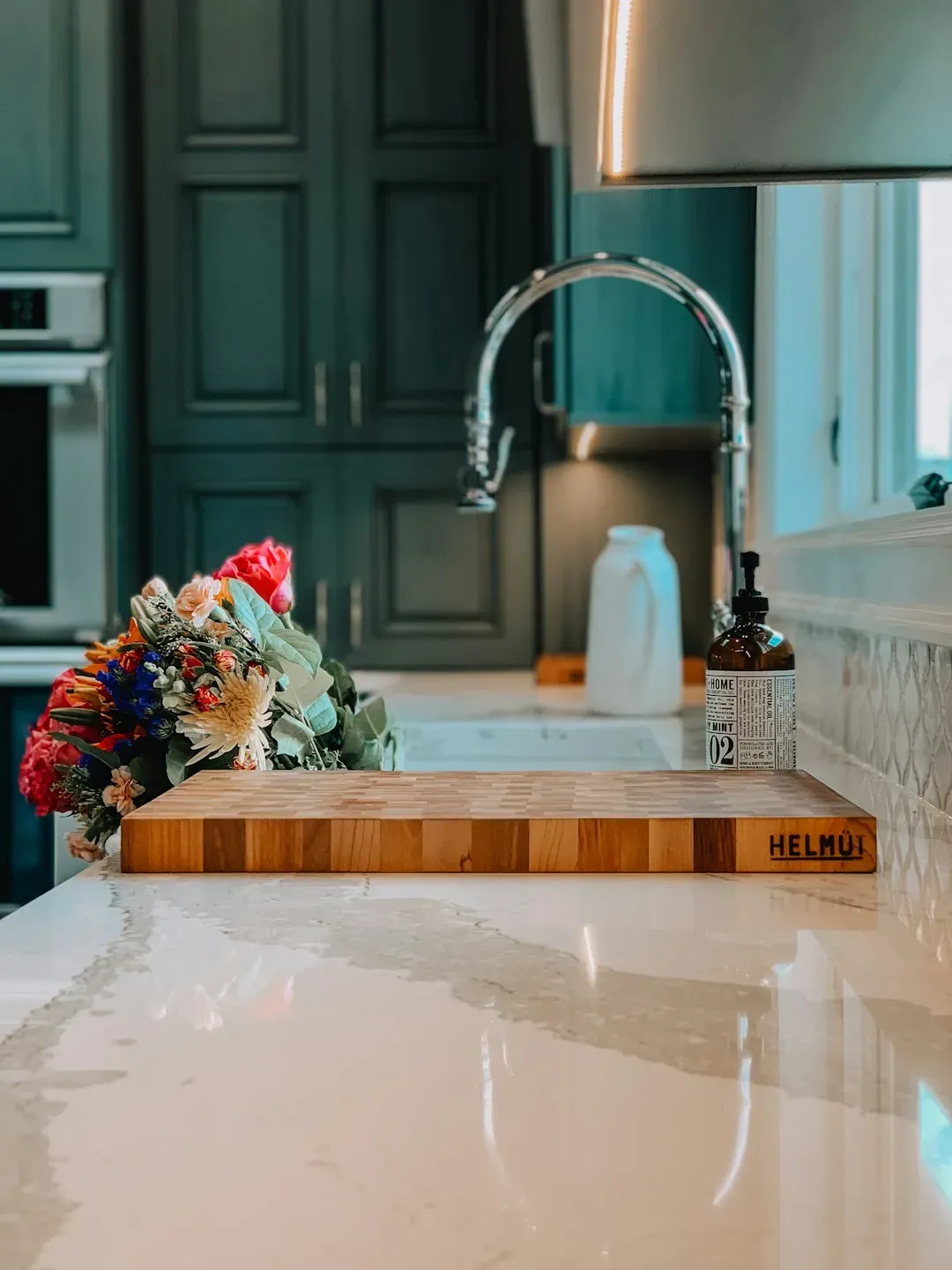
High-gloss countertops, once a go-to symbol of luxury, are fading from the spotlight. While a polished surface may catch the eye initially, it quickly becomes high-maintenance in everyday settings. Fingerprints, smudges, water rings, and micro-scratches are all more visible on glossy finishes, especially in kitchens where the surface is constantly in use. That level of upkeep simply doesn’t appeal to modern homeowners who want refined design without the stress of constant polishing.
As a result, we’re bound to see less of those once-popular, glossy countertop finishes, with many designers agreeing that this style is ready to cycle out. The trend is moving toward honed (a smooth, satin finish) and matte surfaces, which provide a soft, refined look that is easier to live with day-to-day. They absorb light rather than reflecting it, giving a space a calm, sophisticated feel and allowing the natural movement and color of the stone to truly shine. These textured finishes aren’t just about looks – they’re more forgiving with everyday use, hiding water spots and smudges. “Velvety finishes like honed marble, soapstone, and leathered quartzite are in high demand, not just for their tactile beauty, but for how they wear in.”
2. Speckled, Busy Granite in Brown and Tan Tones
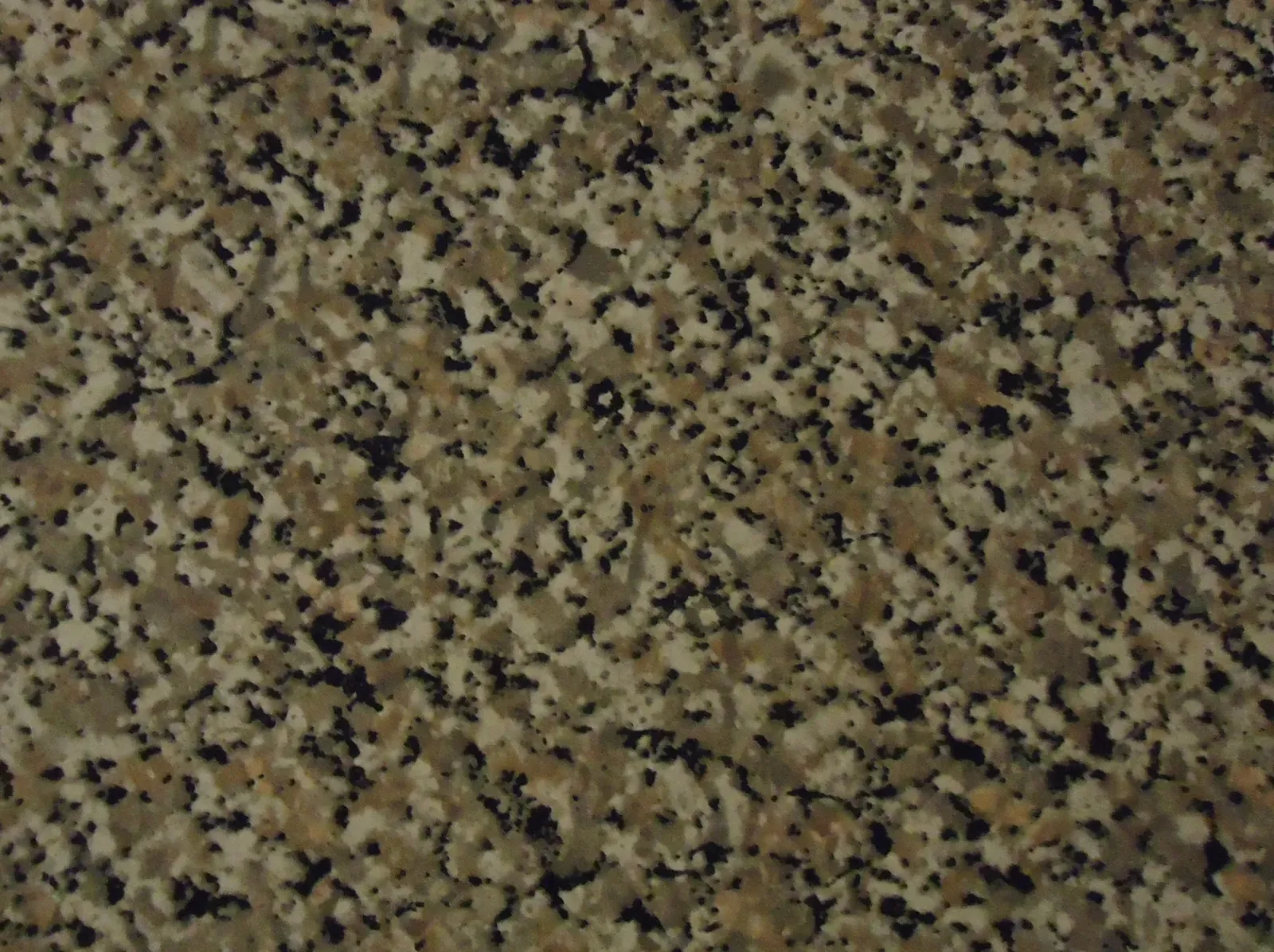
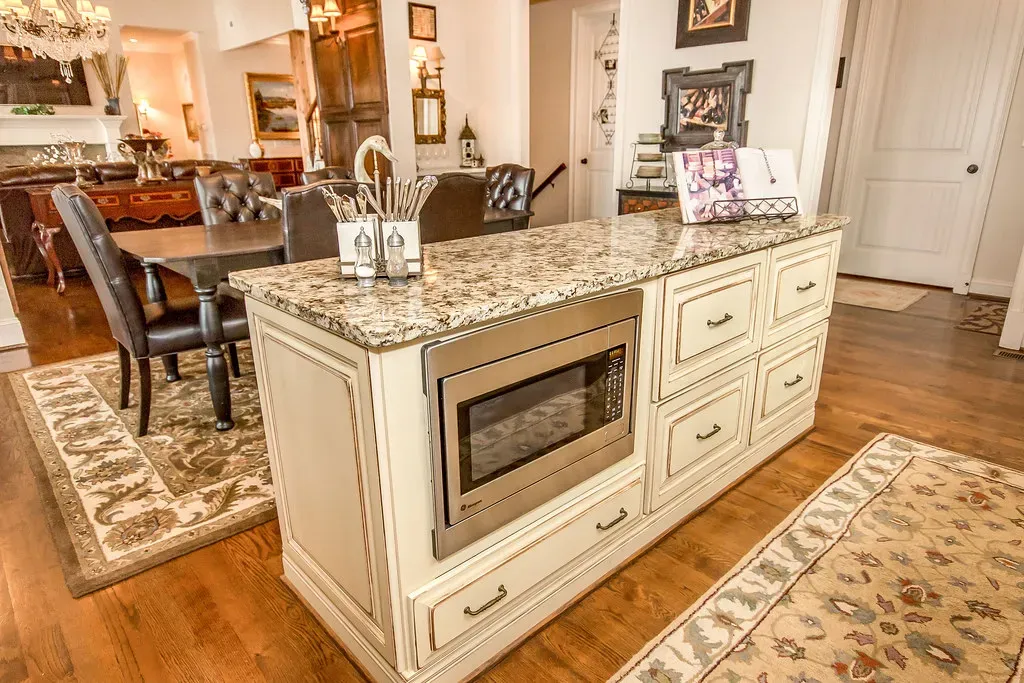
Granite takes on many forms, but according to roughly one in eight designers surveyed by Apartment Therapy, many of those forms are so out in 2026. Most granite countertops have a speckled look with movement that appears almost frenetic or like TV static. While it’s a distinct appearance, it’s also one that feels incredibly dated at this moment in time. While tan and brown versions of this material absolutely dominated kitchens in the ’90s and early aughts, it was overdone – just about every kitchen reno from that era mimicked the same look. Nowadays, many can’t shake the association, so this color instantly reads as outdated, even if it was recently installed.
The materials of such countertops, usually in natural colors such as tans, browns, or rosy tones, have chaotic spots and flecks that make the counter visually overwhelming. They were popular in the late 20th century, yet in the modern house, they are incompatible with the wish to have relaxed and uncluttered interiors. The speckles have the potential to render a space tedious and busy, particularly in an open-concept design. For 2026, homeowners are moving away from small, grainy speckle patterns and toward stones with flowing veining and more organic variation.
3. Stark White and Cold Gray Countertops
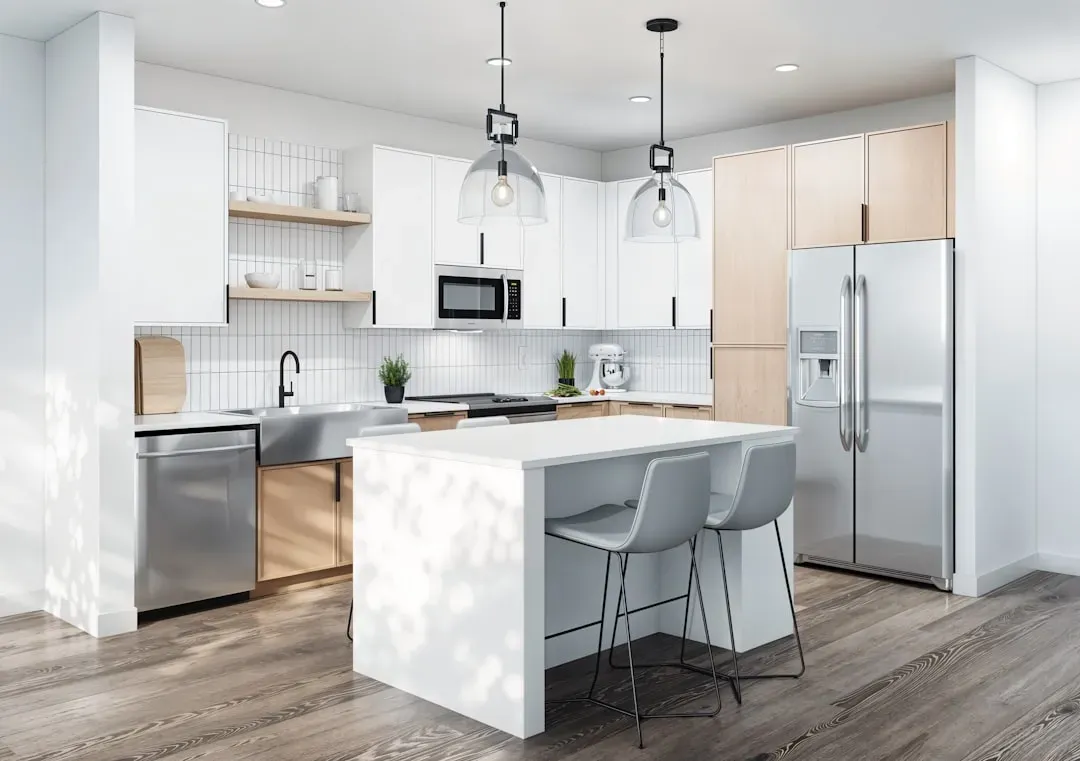
The all-white kitchen was all the rage just a few years ago, but now it’s one many interior designers are tired of seeing. “That clean, flat, minimal counter with no veining or movement feels a bit sterile now,” says Brad Thornton, founder of Thornton Projects. Whitney Hill, CEO and co-founder at Snap ADU, agrees that 100 percent white or gray kitchens are starting to feel outdated and instead offers neutral color design options to her clients with a little more warmth and pigmentation.
Gray dominated design as the go-to neutral for decades, but nowadays people are looking for ways to freshen up their cold, millennial-gray kitchens. Just like white, gray tones can read as bland, clinical, and unwelcoming, especially when they sit on the cooler side of the spectrum. According to the 2025 U.S. Houzz Kitchen Trends Study, white remains the top choice for upgraded kitchen countertops, with roughly four in ten homeowners selecting it, but interestingly, black countertops are more popular than gray or beige. This suggests that while white hues still reign, those looking for alternatives are going bold rather than beige.
4. Waterfall Edges
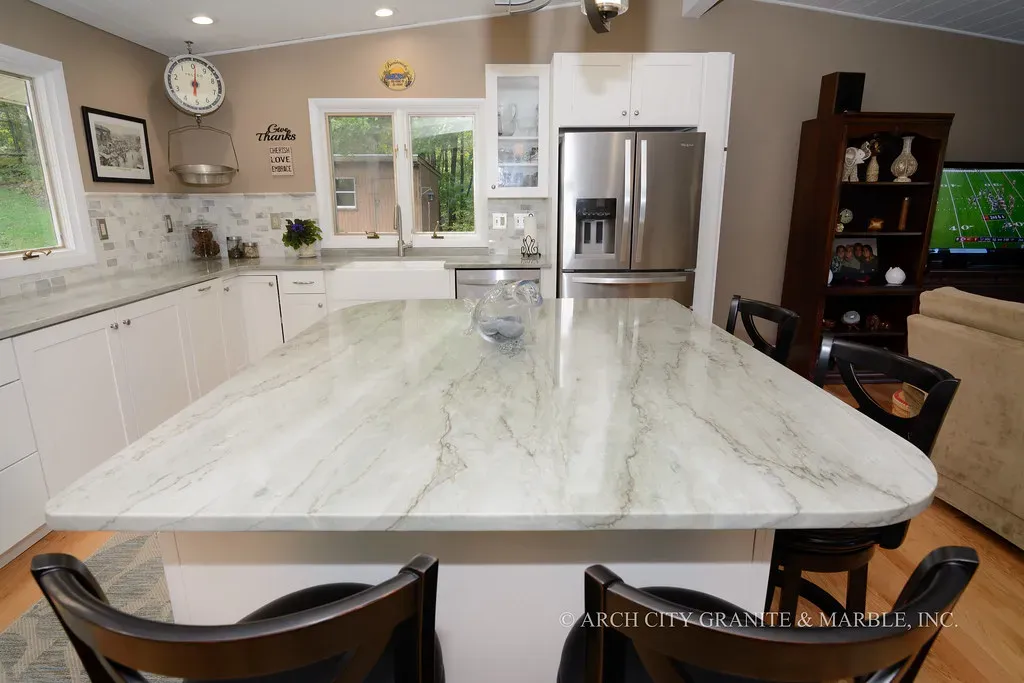
Waterfall edges had a huge moment a decade ago. This term refers to the feature where your countertop material cascades down the sides of an island, creating a waterfall effect. When it first arrived on the design scene, it felt unbelievably contemporary – bold, sleek, and modern. Now, more than a third of designers surveyed are ready to send waterfall edges floating down the river. Not only does a waterfall edge quickly drive up material cost, but it also feels a little too ubiquitous these days.
Every brand new modern home had a waterfall edge at one point, and it lost its impact. The sheer overexposure on social media and in new construction has stripped the feature of its once-distinctive appeal. The sleek, minimalist aesthetic that waterfall edges once embodied is being dismissed as sterile and uninviting, as designers and homeowners alike are craving warmth, character, and individuality instead of uniform minimalism. Designers are now pushing for more customized island treatments that feel personal rather than borrowed from a developer’s checklist.
5. Standard White Marble and Overly Maintained Surfaces
Marble sinks and marble counters are becoming less alluring in the kitchen, as consumers begin to shy away from finicky surfaces subject to staining and other maintenance issues. While this material is undeniably beautiful, its porous quality makes it vulnerable to discoloration, leaving it a trying surface to keep clean in a kitchen that’s regularly used. Homeowners are less keen on the staining and imperfections in the stone that high-traffic zones produce. “They’re more realistic about maintenance and looking for durable solutions that can still give that character but don’t make you nervous to live your life,” says designer Thornton.
Quartz and quartzite, which both have the appearance of natural stone without the higher burden of care, continue to gain ground as a top choice for counters and backsplashes. Quartz counters appear to be the most popular choice, being less expensive and more stain-resistant, but the wholly natural version, quartzite, follows closely behind in demand. According to a recent report by the National Kitchen and Bathroom Association (NKBA), quartz remains the top choice for countertops, favored by roughly three quarters of industry professionals. The shift reflects a broader desire for beauty that holds up to real life rather than surfaces that demand near-constant attention.
6. Engineered Quartz with Unnatural, Overly Obvious Veining
Engineered quartz was once a reliable and convenient option due to its longevity and effortless maintenance, but one style is rapidly declining in popularity: the ones with overtly unnatural veining. Just imagine slabs where one thick vein holds up in the middle without any natural flow. The design screams manufactured, since it attempts to imitate high-value stones such as marble but lacks its organic quality. As one designer puts it bluntly, “Faux anything” is out. “Consumers are becoming increasingly design-literate. They can spot faux finishes from a scroll away. Authenticity – whether in the form of real stone, sustainably harvested wood, or recycled materials – is what resonates now.”
The problem with thick-veined quartz, says designer Thomas Borcherding, is that “unless it is designated as quartzite or natural quartz, it’s a man-made, engineered product.” He notes it can have an unnatural feel and look once it’s installed, and some clients can be unhappy with that in situ. “While engineered quartz is a fantastic, sustainable countertop material, it’s important for clients to be informed of its engineered nature,” he says. To make way for current trends, designers are ready to wave farewell to overly engineered faux-stone patterns and quartz with highly visible, pixelated veining. The goal now is authenticity – materials should look and feel as natural as possible.