8 Restaurant Dishes You Won’t Find Outside The U.S.
Walking into an American diner feels like stepping into a culinary world that exists nowhere else. The United States has developed a unique food culture that blends convenience, comfort, and creativity in ways that perplex visitors from other countries. America has unique delicacies and treats that can rarely be found anywhere else and haven’t won over global tastebuds.
These distinctly American dishes represent more than just food choices. Taken together, they also paint a picture of American life, from the value of convenience to the influence of immigrant cultures.
Chicken and Waffles
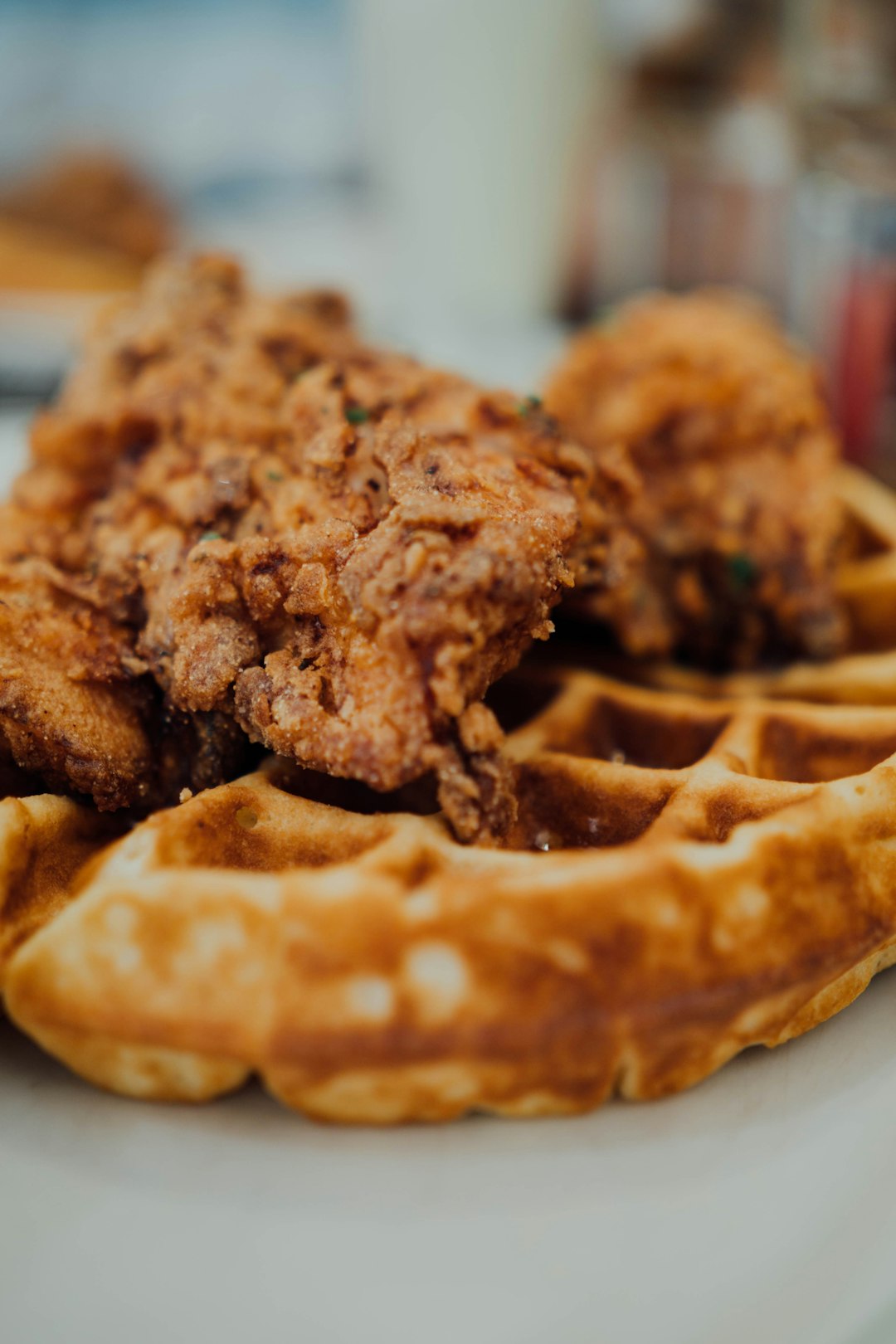
Chicken and waffles are particularly popular in the Southern States, although the exact origins are disputed, with some claims tracing early versions to Pennsylvania Dutch cuisine. Early versions involved piling the waffles with shredded chicken and a savory gravy, but over time, the dish has evolved into a sweeter, more indulgent affair. With its origins tracing back to Scottish immigrants and popularized by establishments like Roscoe’s Chicken and Waffles in Los Angeles, fried chicken and waffles have become a beloved culinary pairing enjoyed across the country. This combination continues to baffle international visitors who can’t understand why Americans pair crispy fried chicken with sweet breakfast waffles topped with maple syrup.
Biscuits and Gravy
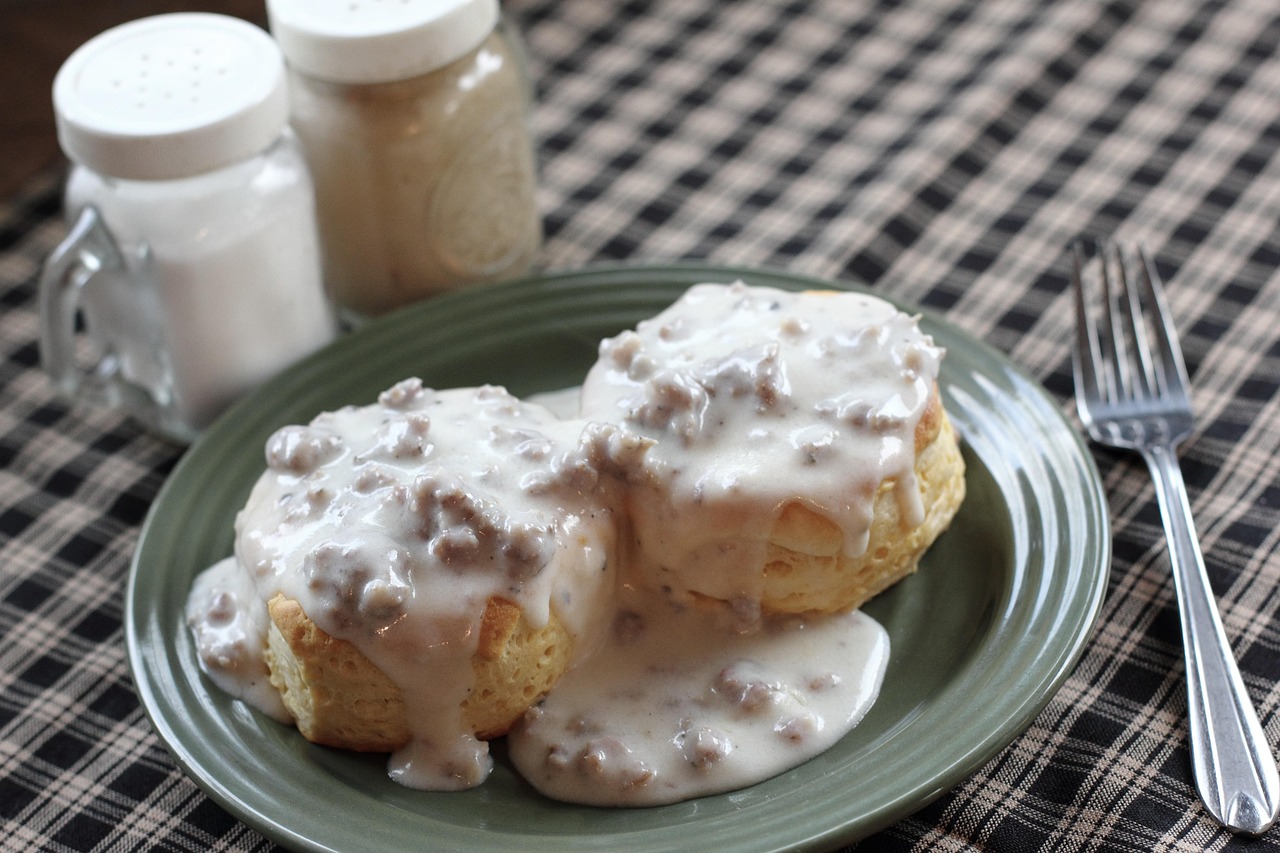
This Southern classic might seem like a suitably cozy way to satisfy your breakfast cravings, but it’s not a dish that’s widely enjoyed outside of the U.S. The biscuit-gravy pairing is especially confusing to Brits, who class biscuits as something entirely different altogether. In the U.K., the term “biscuit” refers to a firm-textured cookie (think shortbread, ginger snaps, or digestive biscuits), with the closest thing to an American-style biscuit being a traditional English scone. However, Brits typically serve scones with clotted cream and jam, and most definitely not a savory meat gravy. Sausage gravy has been an American breakfast staple since shortly after the American Revolutionary War and it remains one of America’s most popular breakfast items. Served over fluffy hot biscuits, you can find it served in practically every American diner.
Buffalo Wings
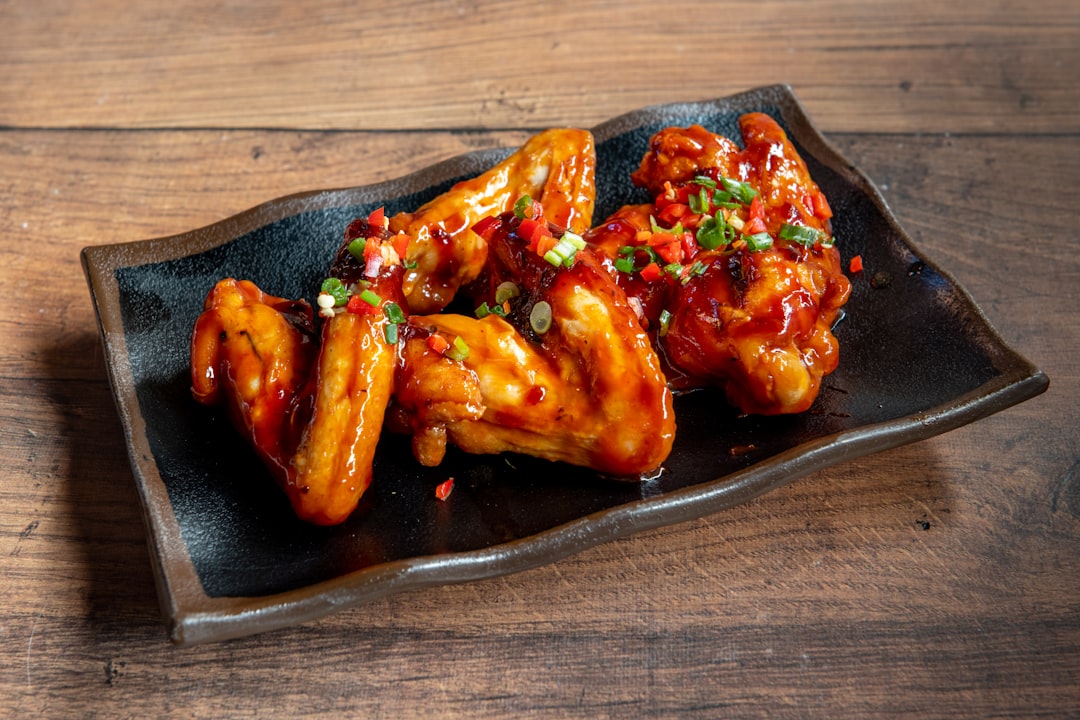
We all know buffalo wings to have originated in Buffalo, New York, but the story of their origination is somewhat disputed. Although most sources credit Teresa Belissimo of The Anchor Bar in Buffalo with their invention, what is undisputed is their impact on the American culinary scene. Chicken wings, once an undesirable cut of meat usually thrown away or used for stock, is now a hot item, and “buffalo” itself is considered a flavor all of its own. What makes this dish particularly American is not just the spicy sauce, but the entire ritual around it. From backyard barbecues to sports bars, buffalo wings have become a staple of American pub grub, celebrated annually at the Buffalo Chicken Wing Festival.
Thanksgiving Stuffing
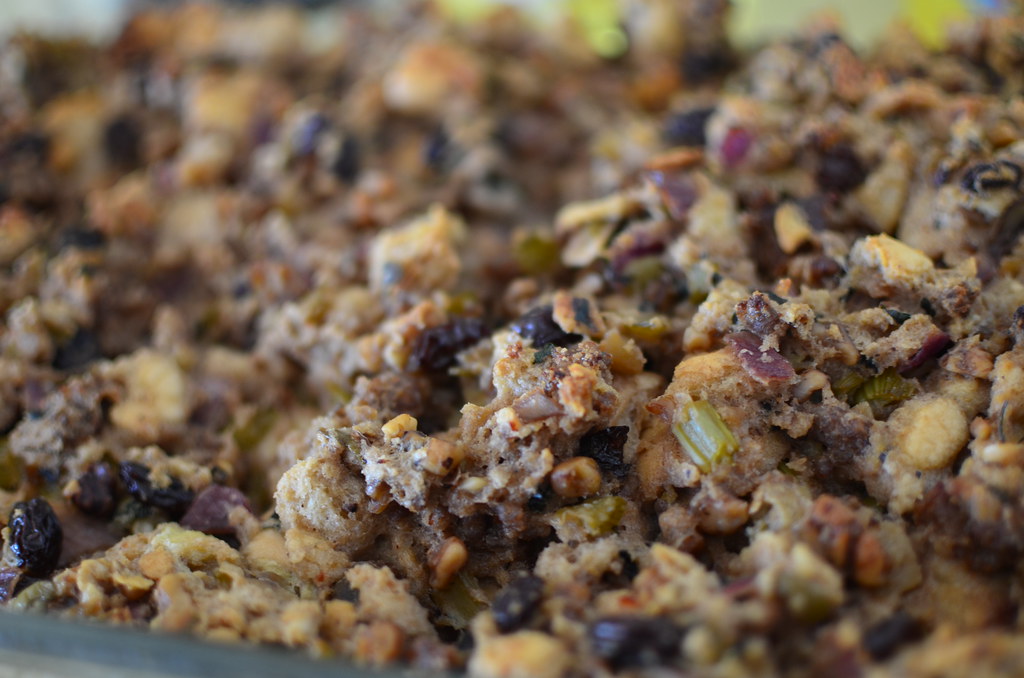
Whether you call it stuffing or dressing largely depends on what part of the country you’re from. And as it turns out, there are regional trends for how we like to prepare our stuffing, too. Google Trends recently shared a map of 2022’s most uniquely searched Thanksgiving stuffing variation by state. There are some undeniable trends, as meat-based stuffings are more popular in many states, while cornbread dressing is favored in others, particularly in the South. This bread-based side dish represents one of America’s most cherished food traditions, yet visitors from other countries often find the concept of eating seasoned bread cubes as a main accompaniment completely foreign. While turkey may be the centerpiece of the holiday table, personally, the real star of Thanksgiving is the dressing or stuffing. It can star any type of bread or rice; can include meat or seafood or be vegetarian; can be flavored however you wish; and can be baked inside the turkey, in a casserole dish or on a sheet pan.
Corn Dogs

Corn dogs, hot dogs on a stick coated entirely with fried sweet cornbread, are a sweet and savory on-the-go snack typically found at American recreational locales like theme parks, fairs, and state fairs across the country. Corn Dogs are sausages on a stick breaded in fried cornmeal batter. While you can buy corn dogs in almost every town in America, they are an iconic pair to ball games and state fairs. The concept of dipping a hot dog in cornmeal batter and deep-frying it until golden represents American fair food culture at its most creative. This portable meal on a stick embodies the American love affair with both convenience foods and creative combinations that would seem bizarre in most other culinary traditions.
Peanut Butter and Jelly Sandwich
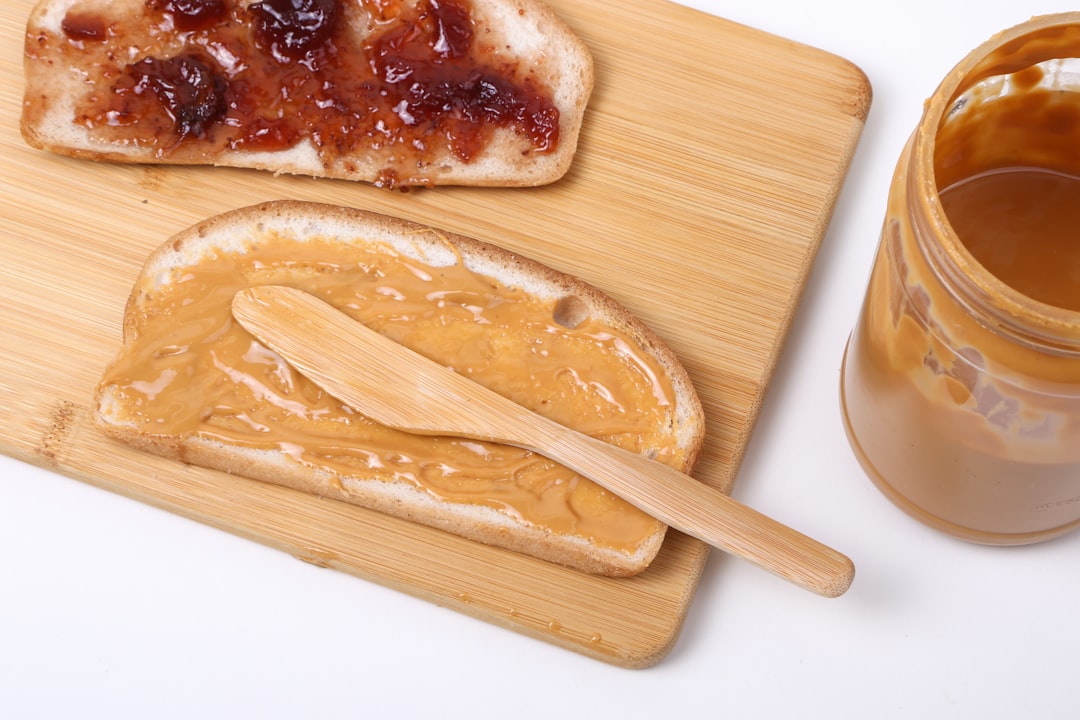
While a peanut butter and jelly sandwich is, if not beloved, at least known in practically every corner of this country, the very concept of a PB&J disgusts many in other countries. The simplicity of this sandwich masks its cultural significance in American childhood and comfort food culture. The PB&J is a quintessentially American sandwich, but it’s simply not as ubiquitous in other countries. Part of the reason is that peanut butter has been historically difficult to find in countries like Argentina and the Philippines, where there just isn’t a big market for this distinctly American spread. The sweet and salty combination that Americans find comforting strikes many international palates as an odd pairing for a meal.
Tater Tots
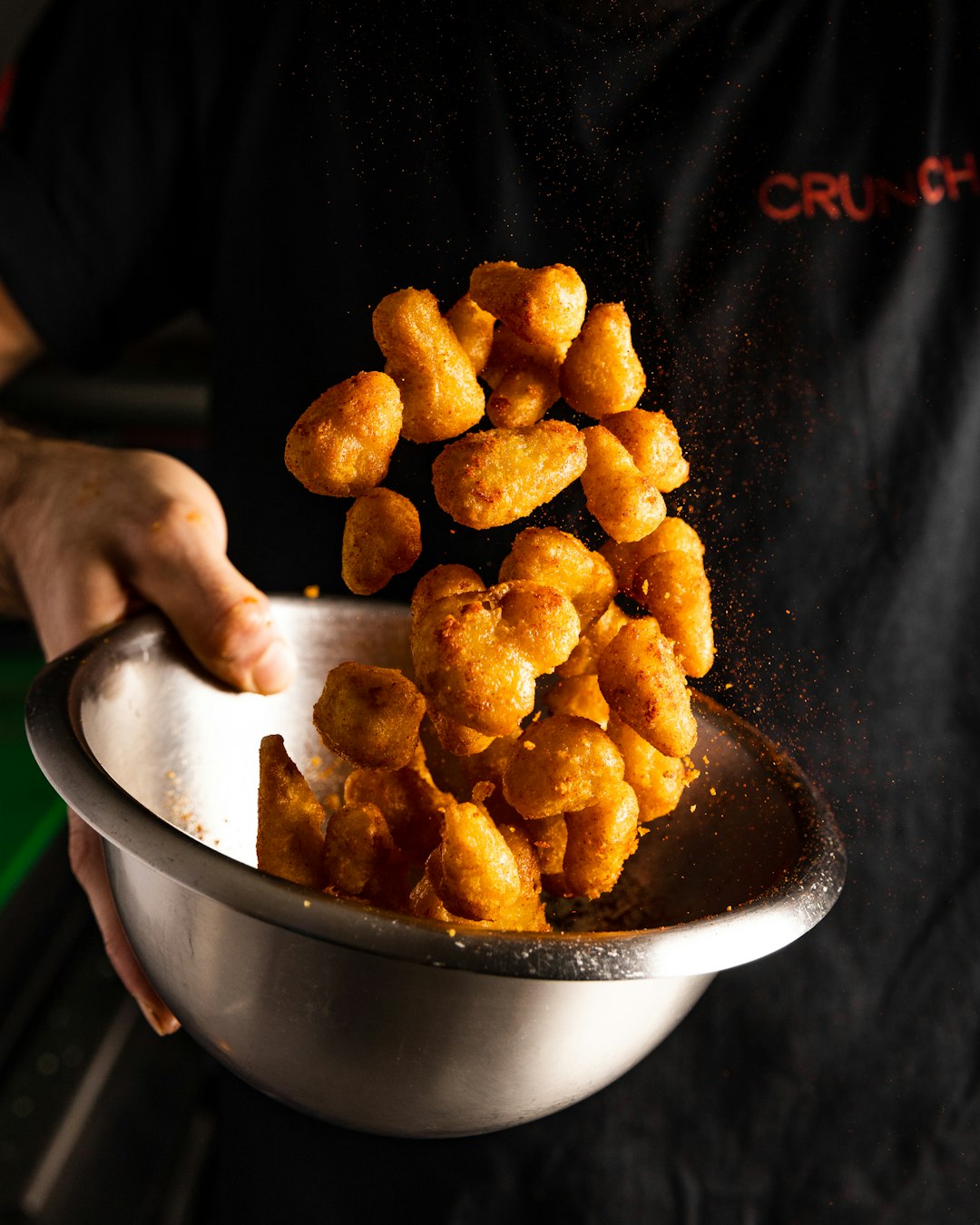
Tater Tots – little, poppable fried clumps of potatoes – were first introduced in 1954 by the founders of the American frozen food company Ore-Ida, F. Nephi and Golden Grigg. The crispy snack gained popularity due to its convenience and tastiness and has since been a staple of the American school cafeteria. These cylindrical potato bites represent American ingenuity in processed foods, turning potato scraps into a beloved side dish. While other countries have various forms of fried potatoes, the specific shape, texture, and cultural association of tater tots with American school lunches and casual dining makes them uniquely recognizable as an American creation. Their popularity spans from elementary school lunch trays to upscale restaurants creating gourmet variations.
Cheez Whiz on Cheesesteaks
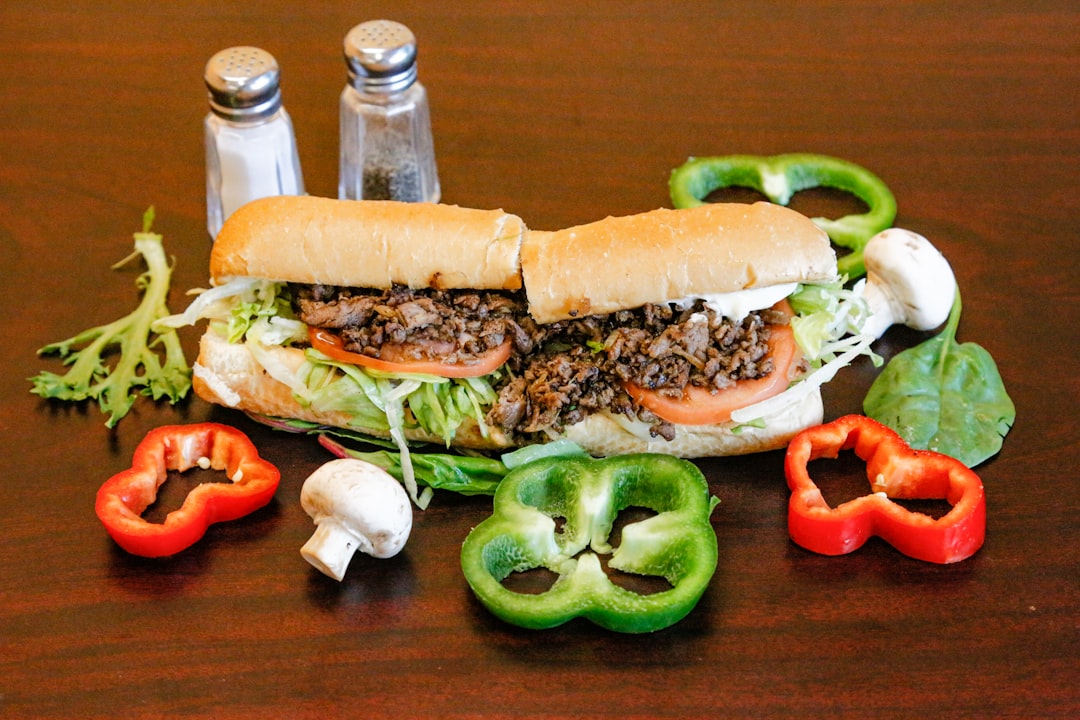
Cheez Whiz, a spreadable, processed cheese that comes in a jar or spray can, turns heads in countries like France, where high-quality cheese is a national treasure. While the first commercially processed cheese was made in Switzerland in 1911, the treat has been uniquely American since Kraft patented a formula for processed cheese in America in 1916. It has since been the choice cheese for many dishes, including Philly’s iconic cheesesteak. The Philadelphia cheesesteak topped with fluorescent orange Cheez Whiz represents everything that confounds food purists from other cultures. This processed cheese product, which can be dispensed from a can or jar, became so integral to authentic Philly cheesesteaks that many longtime establishments refuse to serve the sandwich any other way. The bright orange color and smooth texture create a uniquely American comfort food experience that visitors often find simultaneously fascinating and horrifying.
These eight dishes showcase America’s fearless approach to food combinations and our cultural embrace of convenience and comfort over traditional culinary rules. Spam made a bit of a comeback in 2024. But, according to the food and beverage market researchers at Datassential, Spam made “a new life for itself,” thanks to new social media attention, collaborations with influencers and chefs, and food inflation pushing shoppers toward inexpensive products. While it’s become popular in many Asian countries and there’s a level of notoriety for it in the U.K. (thanks to a “Monty Python” reference), Spam is often one of those foods that’s synonymous with overly processed American diets. What do you think about these uniquely American creations? Have you tried any of them?