How to Make a Balanced Breakfast Without Extra Prep Time
Most of us have experienced it. The alarm goes off, the morning scramble begins, and breakfast somehow becomes the first casualty of the day. You pour a coffee, maybe grab something from a packet, and tell yourself you’ll eat properly tomorrow. Sound familiar? Honestly, I think it does for a huge number of people.
Many people skip breakfast altogether, citing busy schedules, lack of hunger, or simply not knowing what to eat. The thing is, getting a balanced morning meal does not have to mean standing over a stove for thirty minutes. There are smarter ways to do this. Let’s dive in.
Why a Balanced Breakfast Actually Matters
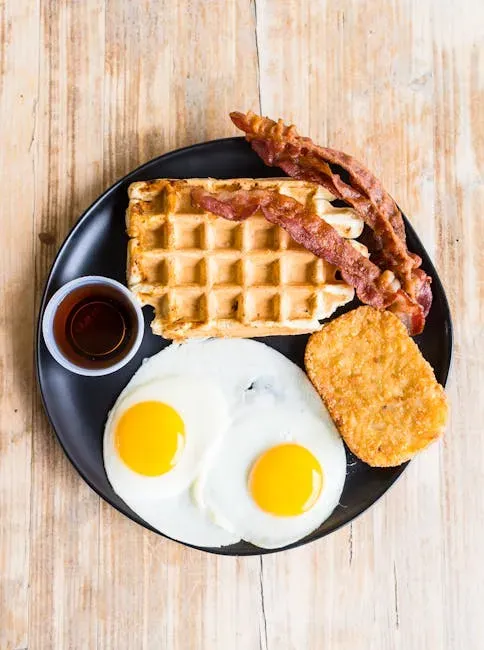
A balanced breakfast provides more than just fuel for the morning – it’s an opportunity to optimize your nutrition, improve your overall health, and lay the foundation for smart food choices throughout the day. Think of it like filling up a car’s tank before a long trip. Start on empty and you’ll be stalling before you even reach the highway.
A good quality breakfast is linked to improved glycaemic control, lower risk of weight gain, and reduced risk of metabolic syndrome, type 2 diabetes, and cardiovascular diseases. In contrast, skipping breakfast could lead to nutrient deficiencies, hunger, unhealthy snacking, and a higher risk of obesity. Those are stakes worth taking seriously.
What “Balanced” Actually Means on Your Plate
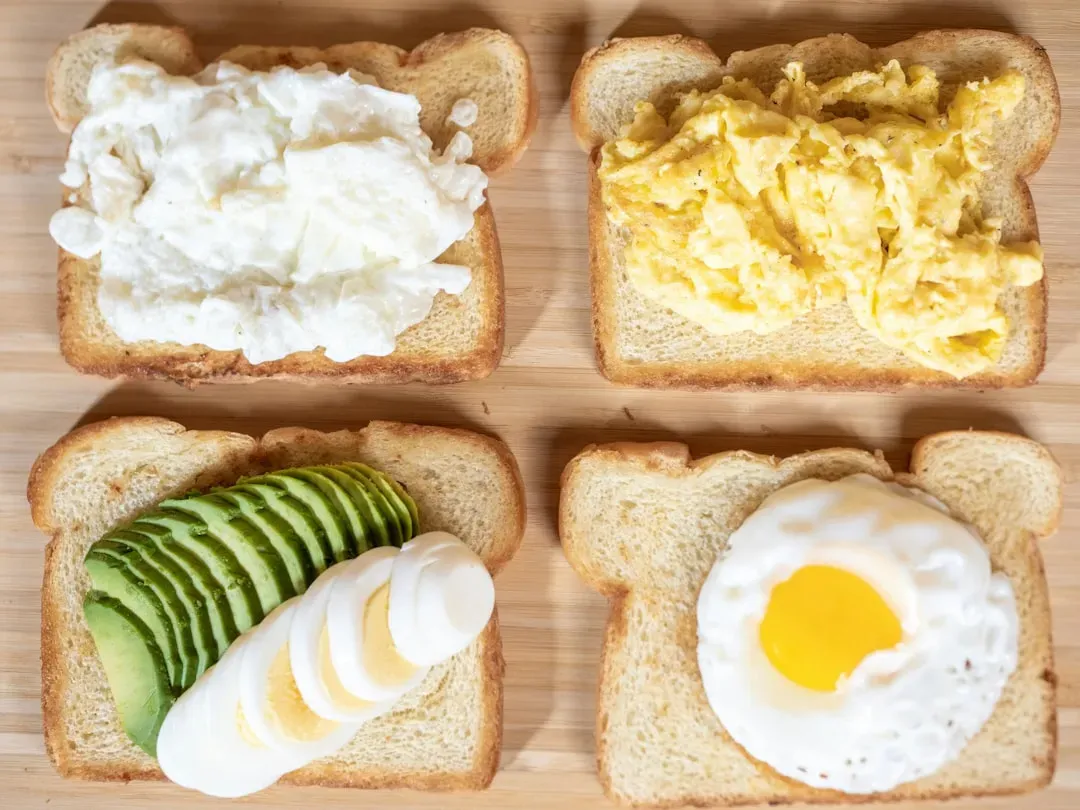
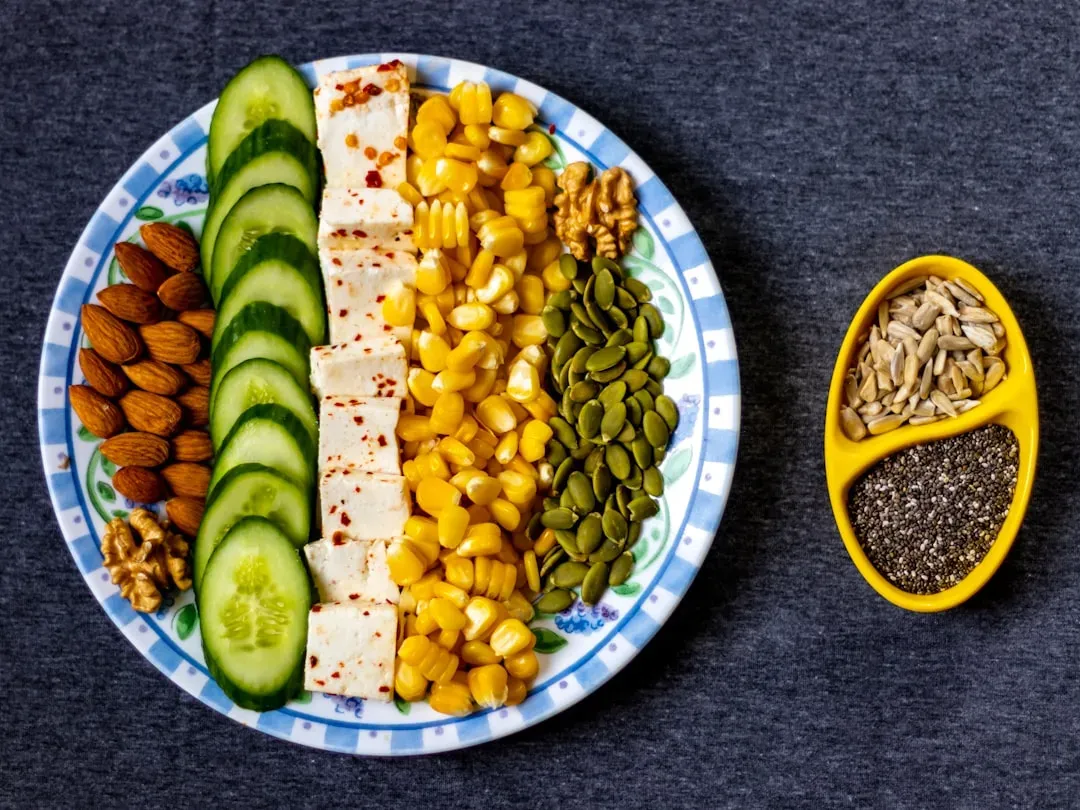
A balanced breakfast typically includes protein, fiber, and a range of nutrients. Aim for a breakfast that includes foods such as fruits, vegetables, wholegrains, nuts, healthy fats, and protein. It does not need to be complicated. Think of it as covering three basic bases: something that fuels you slowly, something that keeps you full, and something that nourishes you on a micronutrient level.
Your breakfast should provide you with about 20 to 25 percent of your total food intake for the day. Balancing carbs, fats, and proteins is essential every time you eat. Unless you have a specific condition or are metabolically unhealthy, focus on these three macronutrients at each mealtime. Simple as that.
The Power of Protein in the Morning
A new study has explored the link between diet and cognitive function, and the results reveal that a protein-rich breakfast can increase satiety and improve concentration. This is not just about feeling fuller for longer. It directly affects how sharp you feel during those critical morning hours at work or school.
Research demonstrates that breakfasts containing protein from plant and animal sources significantly increase plasma GLP-1 and PYY levels and reduce self-rated hunger compared to a carbohydrate-based breakfast. The comparable responses indicate that plant-based proteins can effectively replace animal proteins in supporting satiety without affecting subsequent calorie intake. So whether you prefer eggs or a plant-based smoothie, the protein principle works either way.
Overnight Oats: The Original Zero-Effort Breakfast
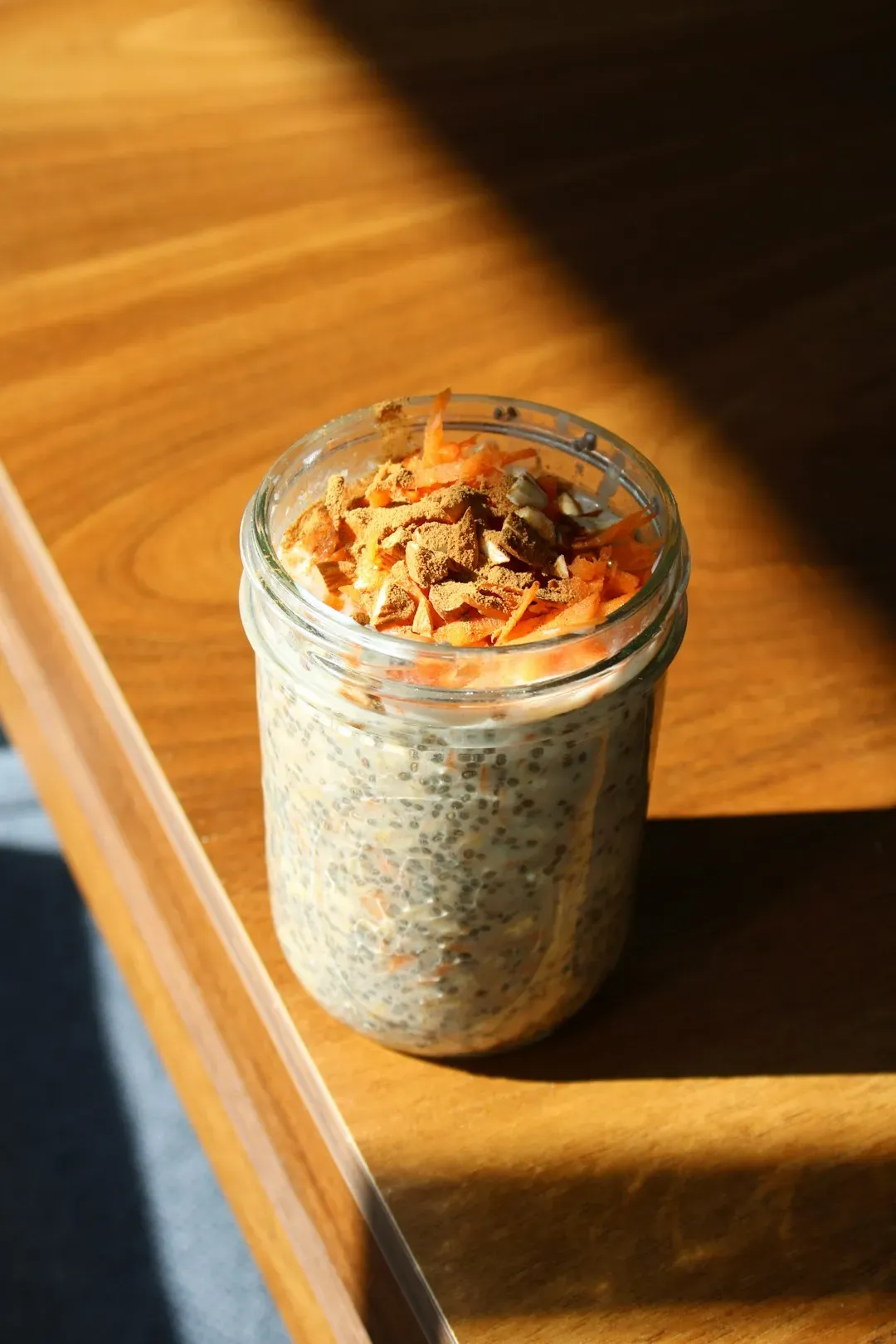
Preparing your breakfast the night before ensures you have something ready to go. Recipes like overnight oats are great make-ahead options. The beauty of overnight oats is that the effort happens the night before while you are already in the kitchen tidying up. In the morning, you open the fridge, grab a jar, and eat.
The combination of fiber and protein in overnight oats helps to slow down digestion so you get a more even release of energy throughout the morning. This easy overnight oats with Greek yogurt takes about 5 minutes to prepare and easily stores for 4 to 5 days for quick, grab-and-go breakfasts. Prep once on Sunday and you have nearly a full working week covered. That is a genuinely brilliant trade-off.
Greek Yogurt and Chia Seeds: Small Ingredients, Big Payoff

The classic overnight oats recipe, typically made with sweetener, milk, and fruit, can leave you hungry. Greek yogurt is a great source of protein, and chia seeds add a hefty dose of fiber. Together, the combination makes a powerful breakfast combo. It is almost like the two ingredients were designed for each other.
Chia seeds are high in fiber and omega-3s, and they support digestion and reduce inflammation. Overnight oats boast about 24 grams of protein and 5 grams of fiber, while chia seed pudding packs roughly 17 grams of protein and 20 grams of fiber. Depending on what you are prioritizing – more protein or more fiber – both options deliver serious nutritional value with almost no active cooking required.
Smoothies: Nutrition You Can Drink on the Go

Smoothies are always great no-cook breakfast ideas that require very little prep and cleanup time. They are essentially nutrition packed into a portable container. You blend, you go. If you pre-portion your frozen fruit and protein additions into zip bags the night before, you are looking at literally two to three minutes of morning effort.
A smoothie-protein shake combination can promote fullness and reduce hunger while providing a tasty and nutritionally balanced breakfast. The fiber in fruit helps slow your body’s absorption of its sugars, giving you a steady energy source. That steady energy is the difference between feeling sharp at 10 a.m. and desperately reaching for a biscuit.
Whole Grain Toast: Underrated and Instantly Ready

Wholegrain foods, including sliced bread, are a good source of energy. Use healthy toppings such as mashed banana or avocado, houmous, nut butters, low-fat cheese spread, or eggs. Whole grain toast is arguably the most underestimated quick breakfast option out there. It takes ninety seconds to make and can carry an impressive nutritional load depending on what goes on top.
Whole-grain bagels or toast are an especially good choice because they are higher in protein and fiber, keeping you powered for longer. Keep mornings simple and quick by using what you have on hand. The nut butter will provide protein, and the fruit additional fiber. Stack avocado, eggs, or nut butter on top and you have a complete, nourishing meal inside of three minutes.
Stocking a Smart Breakfast Pantry

Stock your kitchen with easy, nutritious options such as low-fat Greek yogurt, hard-boiled eggs, or pre-made smoothies. Here is the thing: a balanced breakfast is only as achievable as your kitchen allows. If your fridge and pantry have the right things in them, the decision is already made for you. No willpower required at 7 a.m.
High protein options include low-fat cottage cheese, plain Greek yogurt, and eggs. Pair these with nutritious, high-fiber foods such as whole grain bread, oats, and fruit. Keep rolled oats, chia seeds, nut butter, a bag of mixed frozen fruit, and a good Greek yogurt stocked at all times. With just those five things, you can construct a genuinely solid breakfast every single morning without thinking twice.
The Metabolic Case for Eating in the Morning
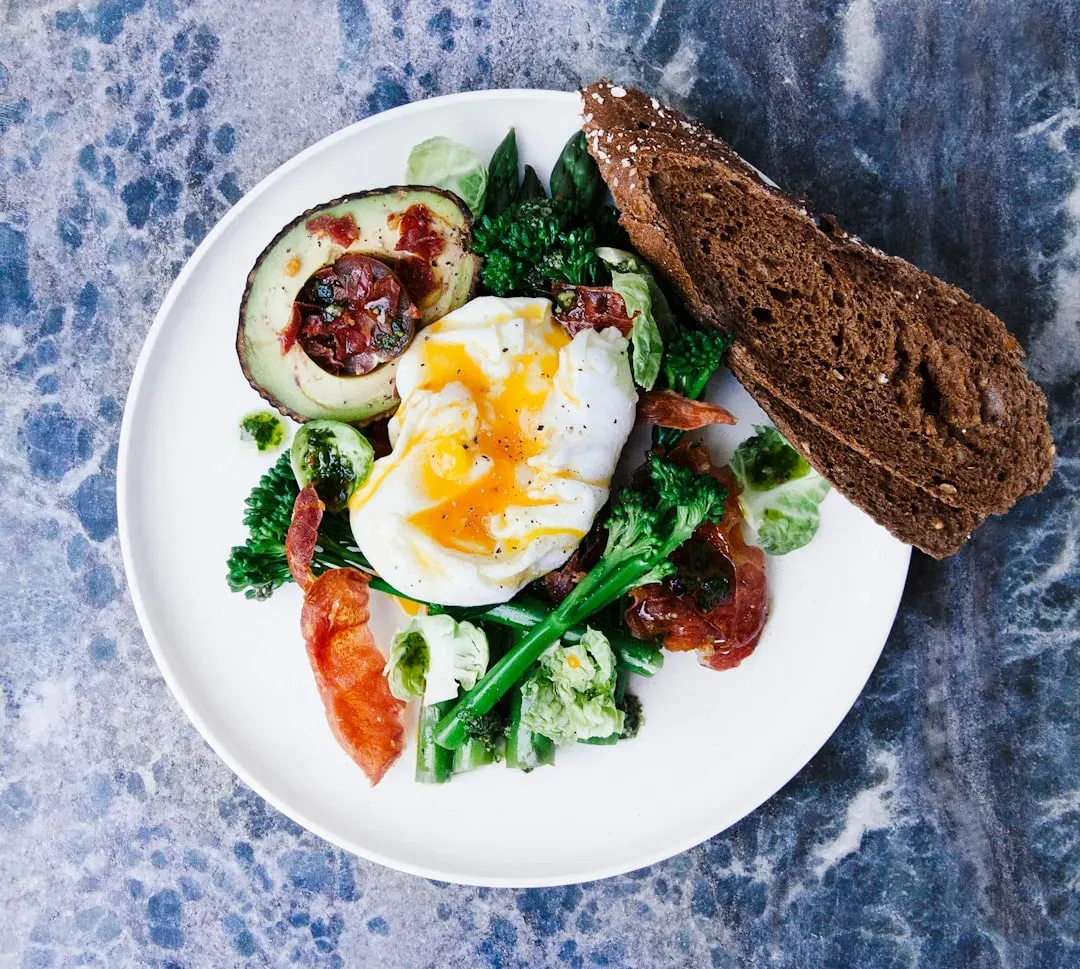
Morning is when your body is most insulin-sensitive, meaning carbohydrates and fiber are utilized more effectively. This is important. Eating in the morning is not just about avoiding hunger. It is about timing your nutrients when your body is biologically primed to use them most efficiently. Think of it as catching the metabolic wave at its peak.
Incorporating a dietary routine of two to three well-balanced meals a day, with a consistent emphasis on consuming a regular breakfast and avoiding late-night meals, can yield numerous health benefits. This approach has been shown to significantly improve insulin sensitivity, reducing the risk of diabetes, and lower overall hunger levels, aiding in weight management. The breakfast habit, it turns out, has ripple effects that reach far into the rest of your day and your long-term health.
Breakfast and Cognitive Performance
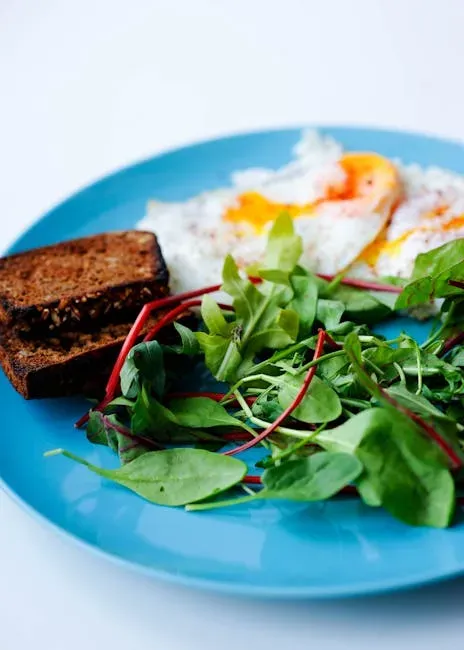
Breakfast consumption has been shown to improve cognitive function, memory, and mood – critical elements for a productive day. Research shows that breakfast eaters are more likely to meet daily recommendations for essential nutrients like fiber, calcium, and vitamins. It is not hard to see why: when your brain gets the fuel it needs first thing, it simply works better. Everything from focus to mood regulation improves.
Eating breakfast can enhance mood, boost cognitive function, and reduce the risk of illnesses. In 2025, the vast majority of daily breakfast eaters say eating a healthy breakfast gives them a sense of satisfaction, signaling that breakfast is functioning as a psychological anchor for the day ahead. That emotional payoff is real, and it starts with something as simple as a jar of overnight oats on your nightstand table shelf. What would your mornings look like if you protected breakfast the same way you protect your morning coffee? That might be the most important question you ask yourself this week.
What do you think? Tell us in the comments how your morning routine looks right now, and whether any of these ideas seem worth trying.