10 Banned Foods Still Commonly Eaten In America
Artificial Food Dyes Making America Colorful But Controversial
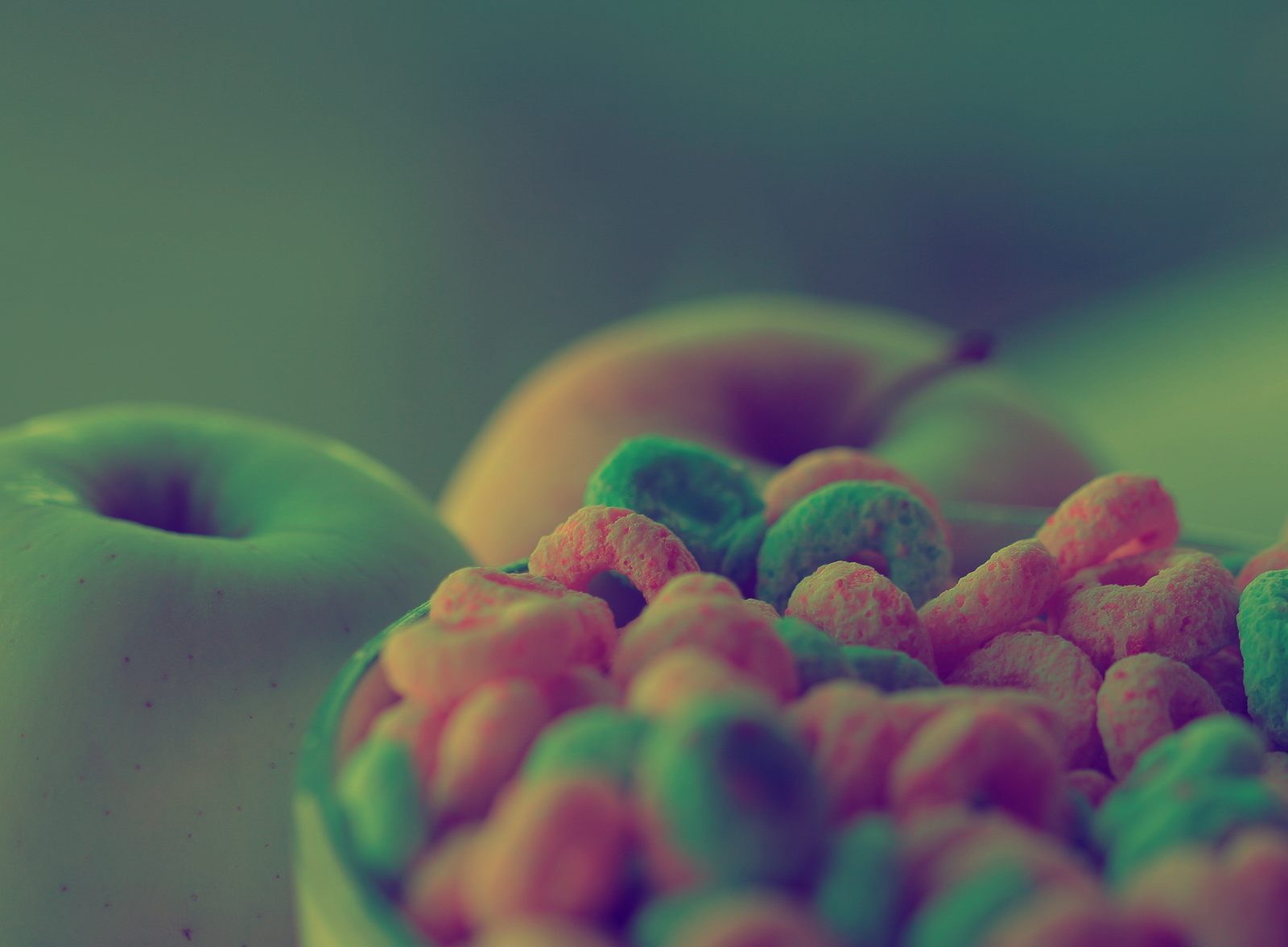
Let me tell you something that might completely change how you look at your breakfast cereal tomorrow morning. In January 2025, the U.S. Food and Drug Administration (FDA) announced a ban on the use of Red Dye No. 3 in all foods and ingested drugs. Enforcement of this ban is scheduled to begin on January 15, 2027, for foods and January 15, 2028, for ingested drugs. But here’s the kicker – this is just one synthetic dye out of many still flooding our grocery stores.
Some synthetic food dyes are banned in the UK or highly regulated in Europe and Australia, where more natural coloring compounds are used. In most of the world, for example, the beverage Fanta contains actual fruit juice and is dyed naturally. However, American Fanta is colored with petroleum-derived artificial dyes like red 40 and yellow 6. The European Union requires products with these dyes to include warning labels saying “the coloring agents may have an adverse effect on activity and attention in children.”
BHA and BHT – The Breakfast Serial Killers
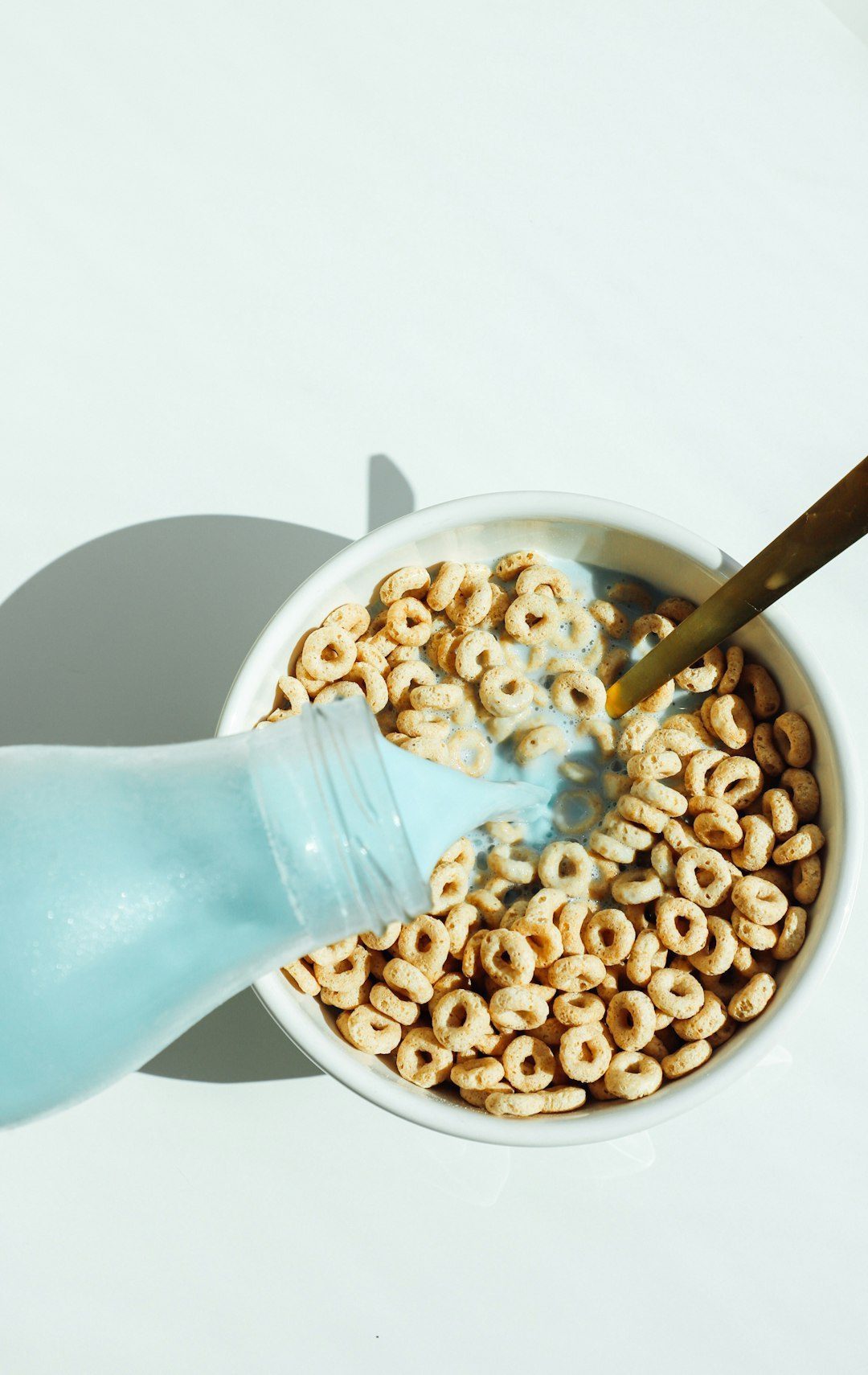
Your morning routine might include a bowl of Frosted Flakes or Froot Loops, but you’re also getting a side serving of something pretty alarming. They’re carcinogenic … and found in almost all packaged foods in the U.S. Pick up a bag of chips, a bottle of vegetable oil, a package of sausage or a box of cereal or cookies and chances are you’ll find BHA and/or BHT in the ingredients list. These preservatives have been linked to some seriously concerning health issues.
BHA is known to cause cancer in rats, and may be a cancer-causing agent in humans as well. In fact, according to the US Department of Health and Human Services, National Toxicology Program’s 2011 Report on Carcinogens, BHA “is reasonably anticipated to be a human carcinogen.” The U.K. doesn’t allow BHA in infant food. Japan, and parts of the European Union have banned both BHA and BHT. Meanwhile, Americans keep pouring these cereals into bowls every single morning.
Chlorine-Washed Chicken – Swimming in Chemicals
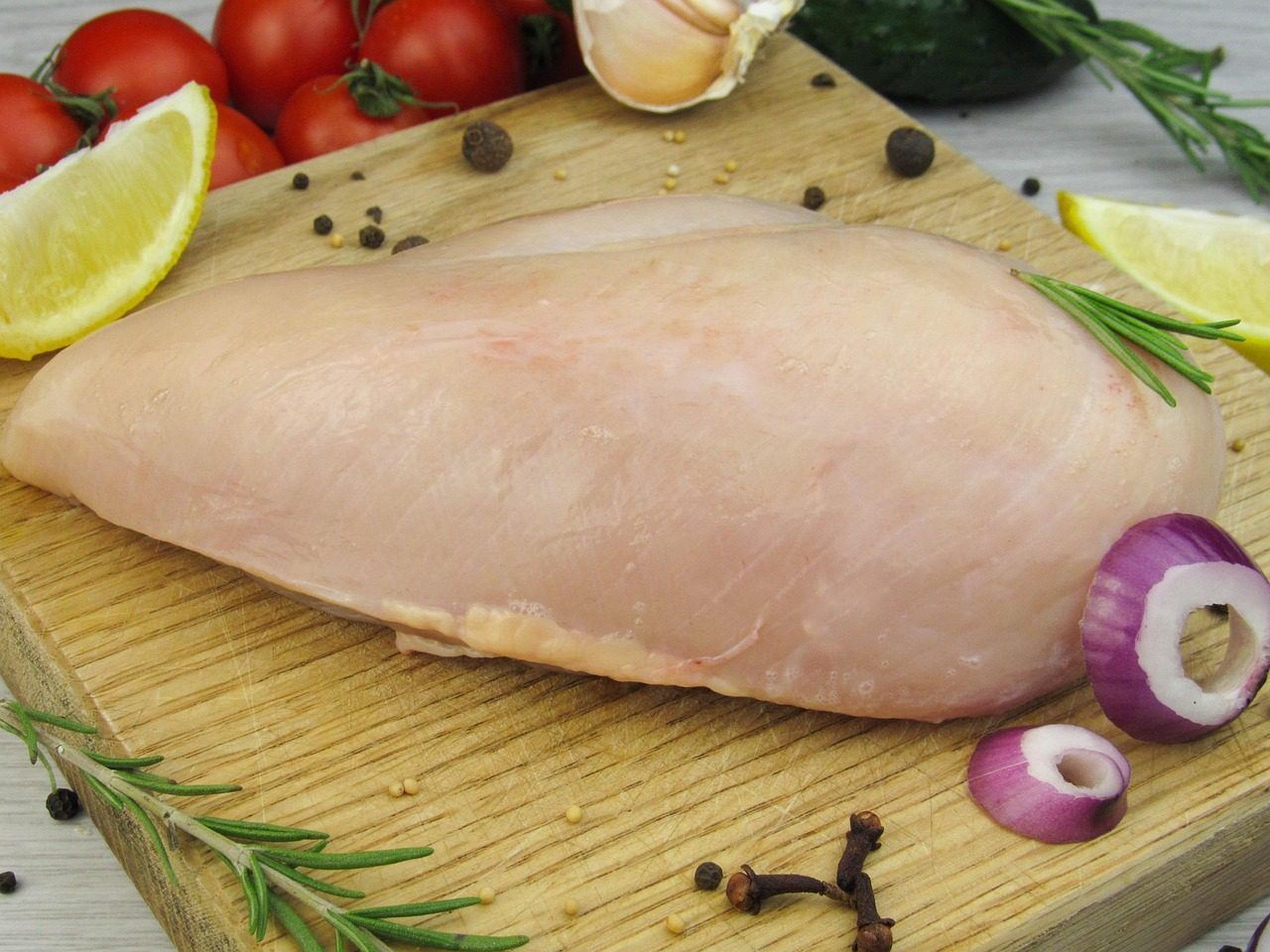
Picture this: your chicken dinner literally went for a swim in chlorine before hitting your plate. In the U.S, the chicken is routinely washed in a chlorine solution before it is market ready. This antimicrobial treatment reduces the possibility of salmonella contamination and other bacteria that can lead to foodborne illness. This practice contributed to the European Union’s 1997 ban on chlorine-washed poultry.
Chicken produced in the United States gets washed in chlorine to reduce its risk of spreading diseases and illnesses like salmonella. This practice is banned in the United Kingdom and the European Union because it promotes unsanitary farming practices. European regulators believe this chemical wash creates a false sense of security that allows producers to maintain poor hygiene standards throughout the entire process.
Potassium Bromate – The Bread Enhancer You Don’t Want
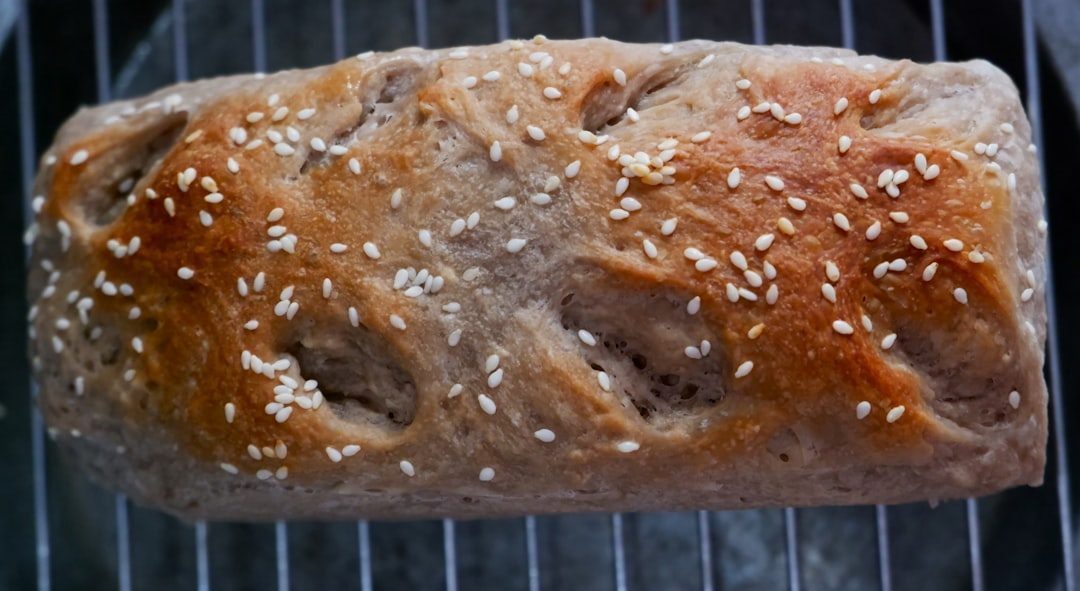
Every time you bite into that fluffy white sandwich bread, you might be consuming something that sounds more like a chemistry experiment. Potassium bromate finds its way into bread dough to enhance its structural integrity, yielding a more substantial rise, cutting down baking time and imparting a pristine white color to the final loaves. But this chemical is also associated with adverse health effects, including cancer, impairment of the nervous system and damage to the kidneys. While potassium bromate has been banned in various countries, such as the UK, Canada and Peru, it remains prevalent in numerous American bread variants, including bagel chips, rolls and even breadcrumbs.
Many American breads rely on potassium bromate, a dough conditioner used to improve texture and speed up baking. While common in the US, the additive has been banned in the EU, UK, Canada, and Japan over cancer concerns. Animal studies linked potassium bromate to tumors in the kidneys, thyroid, and other organs. In 1999, the International Agency for Research on Cancer labeled it “possibly carcinogenic to humans.”
rBGH Milk – The Hormone Cocktail in Your Dairy
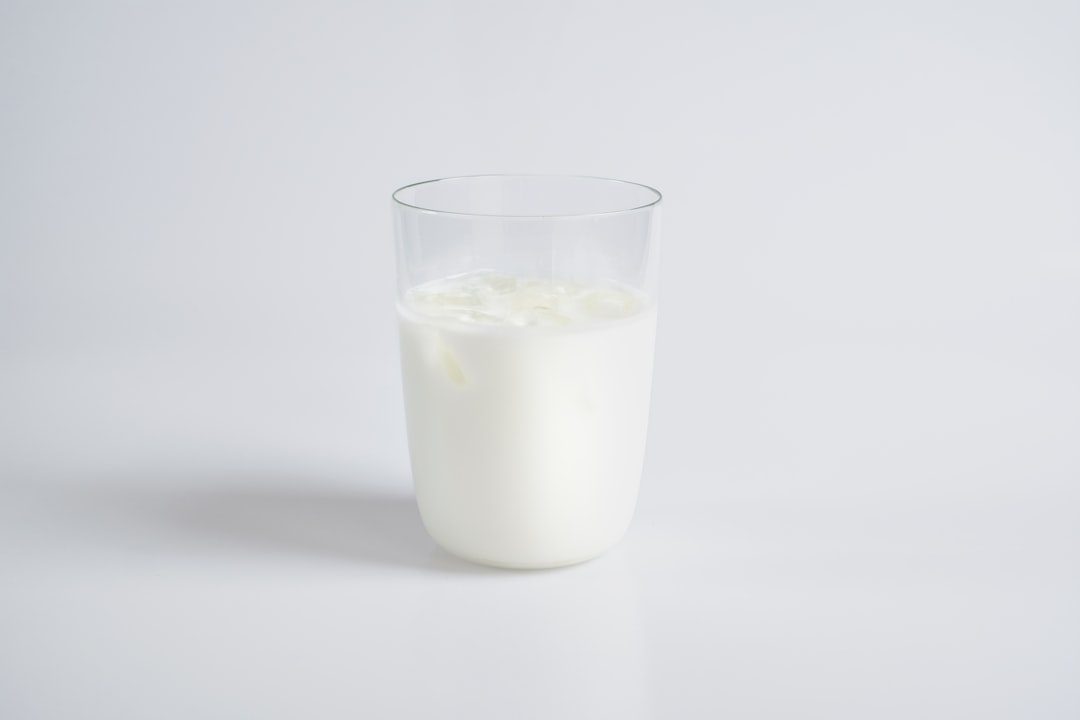
That glass of milk you’re drinking might come with an unexpected hormone boost. Europe, Canada, and many other countries are asking about milk produced in the United States, where dairy cows are fed with a synthetic man-made growth hormone rBGH to increase milk production. Developed by the agricultural biotech corporation Monsanto, recombinant bovine growth hormone rBGH, also known as rBST, was approved by the Food and Drug Administration (FDA) in 1993, allowing companies to produce vast amounts of cheaper milk in awful conditions at factory farms.
As one could imagine, drinking hormone-enriched milk cannot be the healthiest option. Studies have found that cows treated with rBGH produce milk that contains elevated levels of insulin-like growth factor-1 (IFG-1), which can increase the risk of breast cancer and other cancer types. The European Union, Canada, Australia, New Zealand, and Japan have all banned this synthetic hormone, but American consumers continue to drink milk from treated cows daily.
Ractopamine-Enhanced Meat – The Muscle Building Drug
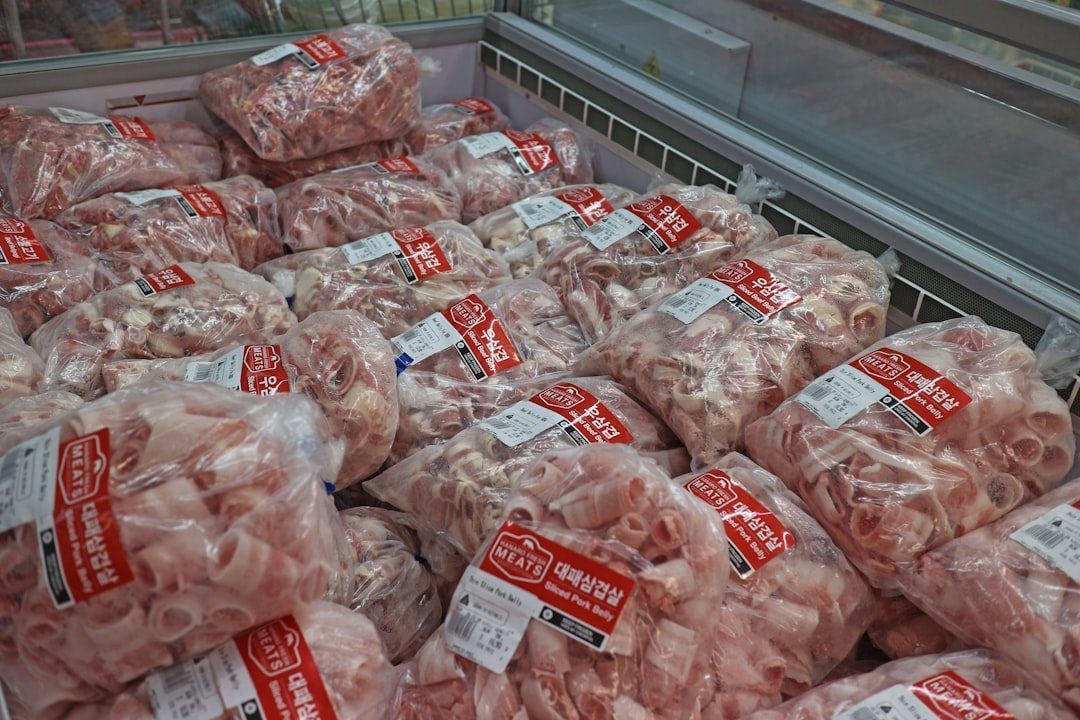
Your bacon and pork chops might contain something that would shock you. In the United States, farmers use ractopamine to increase lean muscle growth in livestock, including in 40-60% of American pigs. Elsewhere, 160 nations – including the European Union, Russia, and China – ban the use of the drug in meat production. This beta-agonist drug essentially acts like a steroid for animals, promoting muscle growth and reducing fat.
The drug doesn’t just disappear from the meat once it reaches your table. Studies have shown that ractopamine residues can remain in the meat products, and consuming these residues may have negative health effects on humans. As of 2025, rBST remains a sticking point in US-EU and US-Canada trade negotiations. Despite the global concern, American consumers continue eating this drug-enhanced meat without even knowing it.
Farm-Raised Salmon with Artificial Colors
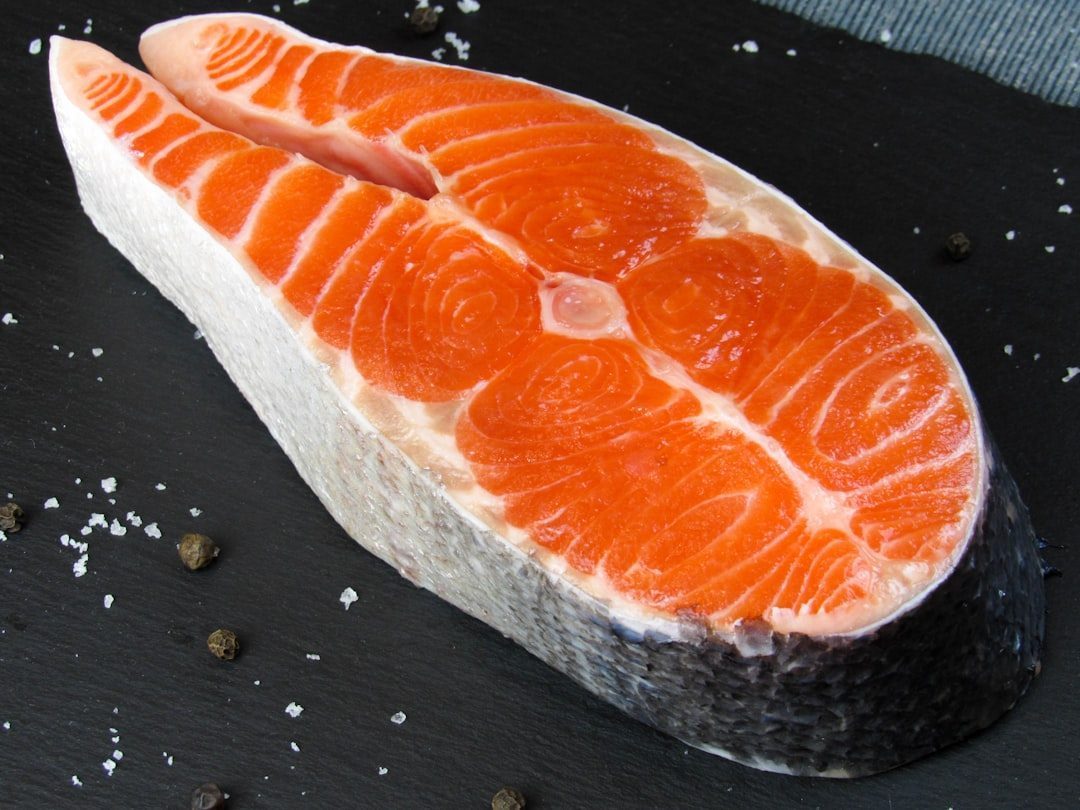
That beautiful pink salmon on your dinner plate might not be as natural as you think. People in the United States love their salmon. However, farm-raised salmon available in America is fed astaxanthin to give it its coral color. Salmon containing this petrochemical is banned for consumption in Australia and New Zealand. Without this artificial coloring, farm-raised salmon would actually appear gray and unappetizing.
Around two-thirds of salmon eaten by U.S. consumers comes from farms, and the other third is wild-caught. Salmon farming has long been scrutinized by sustainability advocates because of the harsh conditions in which the fish are raised. Farm-raised salmon are kept in crowded cages and are fed with fed processed fish feed and all kinds of dangerous chemicals like methyl mercury and dioxins. Additionally, the fish are given a lot of antibiotics and other drugs that are not safe for humans to consume.
High Fructose Corn Syrup – America’s Sweet Poison
Walk down any American grocery aisle and you’ll find this sweetener lurking in nearly everything from bread to barbecue sauce. Derived from a blend of pure fructose and sugar, this sweetening agent has been associated with an array of health concerns, including obesity and type 2 diabetes. It can be found in a wide spectrum of products, ranging from beverages to cereals and ice cream. While no country has implemented an outright ban on this sweetener, certain measures have been taken in the UK and several European countries involving product restrictions.
What makes this particularly troubling is how pervasive it has become in the American diet. Unlike regular sugar, high fructose corn syrup is processed differently by the liver and has been linked to increased appetite and weight gain. Many countries have imposed heavy taxes on products containing this sweetener or have encouraged manufacturers to use alternatives, but American consumers continue consuming it in massive quantities daily.
Genetically Modified Foods Without Labels
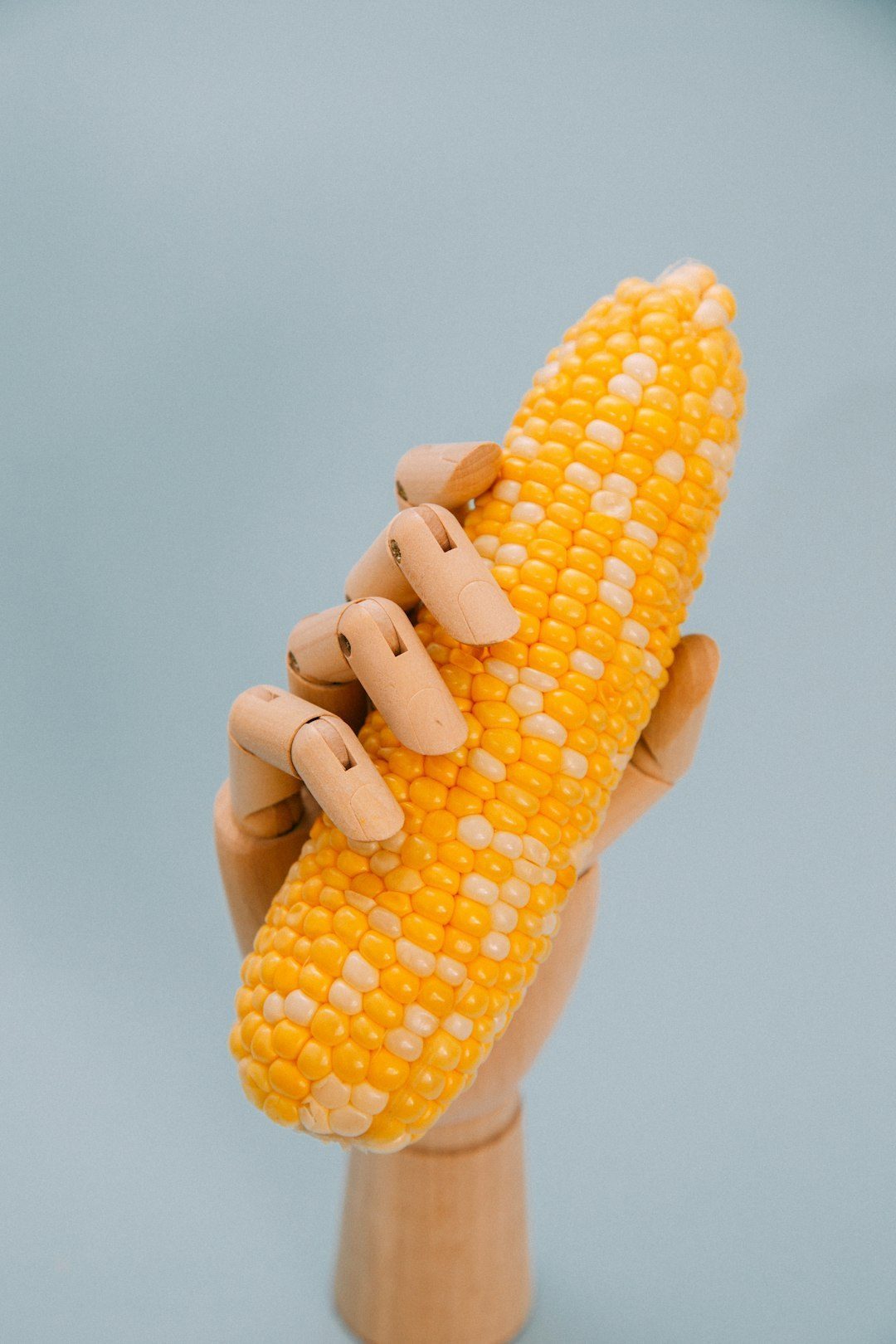
Americans consume genetically modified organisms daily, often without even realizing it. American Corn is banned in quite a few countries in the world. Like quite a few food items in the US, corn is also a GMO product. It’s been genetically modified to be resistant to ringspot, which, when consumed by humans, can have devastating side effects. These potential side effects include multiple organ damage, congenital disabilities, and tumors.
Hawaiian papayas like the SunUp and Rainbow varieties have been genetically modified since the 1990s to resist the ringspot virus. These GMO fruits are common in the US but are largely blocked abroad. The EU’s GMO legislation bars genetically modified organisms unless specifically approved for food use. Although there’s no targeted ban on Hawaiian papayas, they fall under this general restriction. The U.S. holds liberal policies on genetically modified organisms, which are more restricted or banned outright in other countries. Plus, many American food additives and production standards that have been approved domestically are banned or strictly regulated abroad.
Brominated Vegetable Oil in Soft Drinks
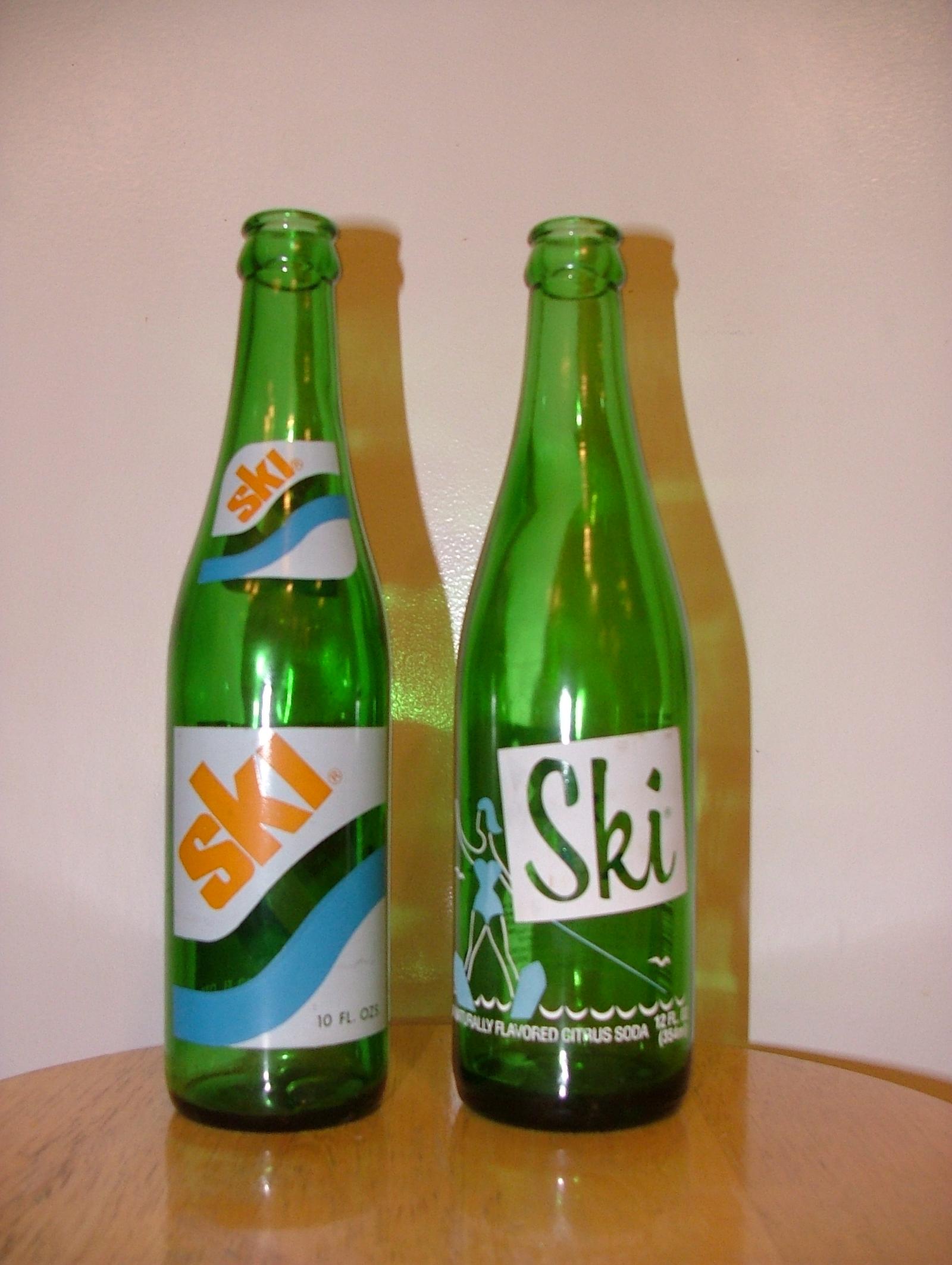
Your favorite citrus soda might contain something that was originally patented as a flame retardant. This citrus-flavored soft drink uses brominated vegetable oil (BVO) as an emulsifier. Brominated vegetable oil (BVO) is a synthetic chemical food additive commonly used to keep citrus soft drinks from separating. This chemical helps prevent citrus flavoring from floating to the top of beverages, creating that uniform taste experience.
BVO has been linked to numerous health concerns including memory loss, skin problems, and reproductive issues. The compound contains bromine, which can build up in the body over time and potentially cause neurological problems. Multiple countries including Japan and the European Union have banned or severely restricted BVO in food products, yet it continues to appear in popular American soft drinks and sports beverages.
The Reality Behind America’s Food Freedom
Generally Recognized As Safe (GRAS) approach. This means they consider food additives to be safe until shown otherwise – through new research or human reactions. This approach relies on expert opinions instead of proactive testing of new additives. Alternatively, the European Union will test new food additives to prove they are safe before they can hit grocery store shelves. This difference may be a large reason why some food products are available in the U.S. and not abroad.
Nearly 99 percent of food chemicals introduced since 2000 were “approved” by the food and chemical industry, not the FDA. Even when the FDA does assess chemicals for safety, it moves sluggishly. And it rarely reevaluates its decisions, even when new science raises doubt about them. So the vast majority of chemicals in our food supply haven’t been reviewed for safety for decades, if at all. This creates a system where American consumers essentially become test subjects for long-term safety studies. Recently, the state of Texas has considered legislation regarding food additives and their safety. This includes ingredients found in products like Skittles, Gatorade, Pop-Tarts, and cereal brands you’ve probably eaten for years. This landmark law is blowing the lid off a quiet truth: America’s food system is built for profit – not protection.