8 Old-School Diner Dishes Americans Wish Would Return
There’s something magical about walking into a classic American diner with its gleaming chrome, red vinyl booths, and the comforting aroma of freshly brewed coffee. These temples of comfort food have served as gathering places for generations, offering hearty meals at honest prices. Yet as we’ve moved further into the 21st century, many beloved dishes have mysteriously vanished from menus across the country, leaving food lovers yearning for the flavors of yesteryear.
Demand for breakfast restaurants and diners has increased, as revenue has grown in recent years, with the breakfast and diner segments showing steady increases, suggesting Americans still crave that authentic diner experience. However, the content of that comfort food has changed considerably over the years, with many classic dishes becoming casualties of changing tastes, supply issues, and modern dining preferences. Let’s explore eight iconic diner dishes that deserve another moment in the spotlight.
Chicken à la King
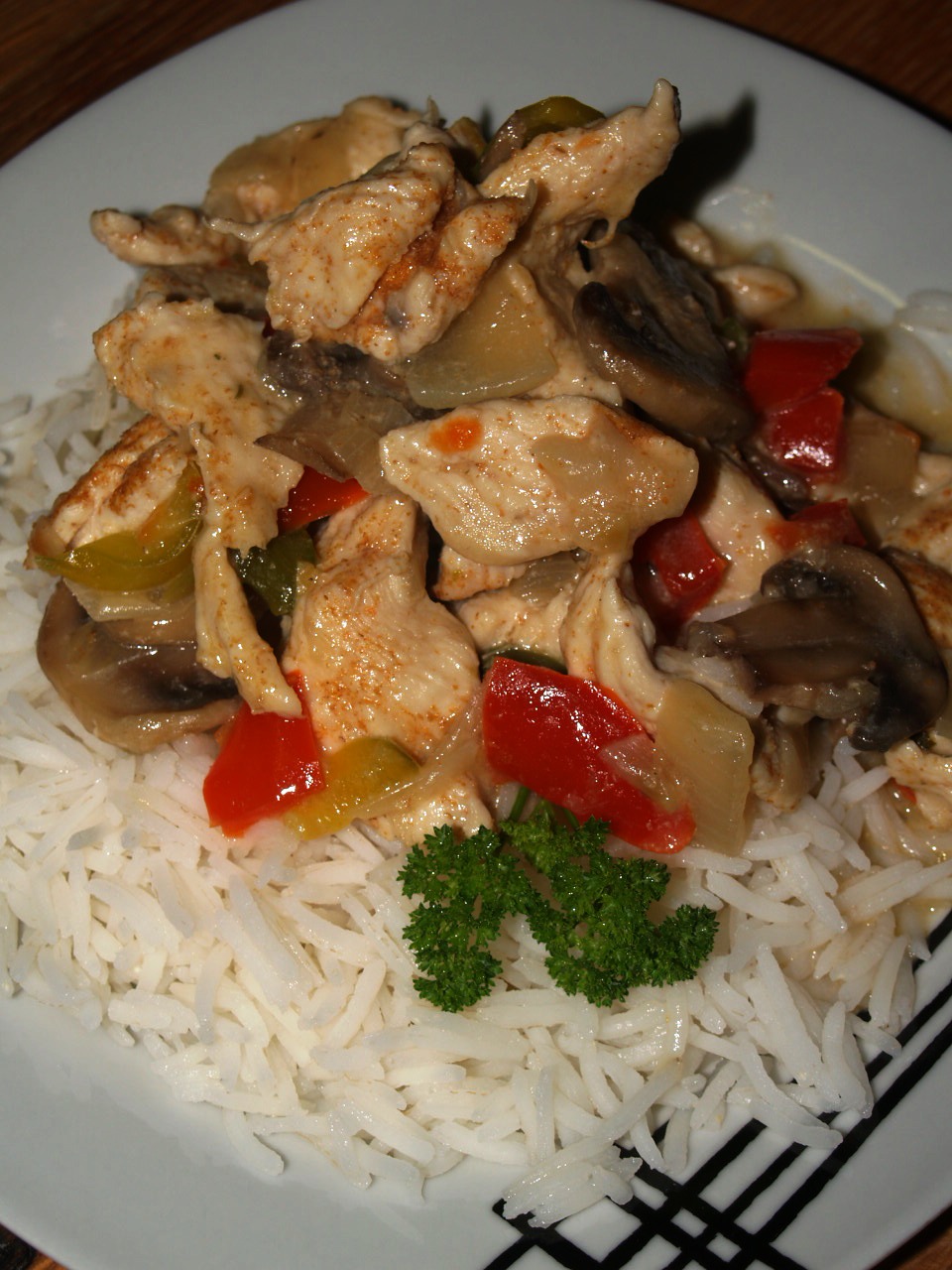
Chicken à la King sounds fancy, but it’s actually just chicken and mushrooms in a white sauce, usually served over toast. This simplicity didn’t hold it back from popularity in the 1950s and 1960s, when it appeared on household dining tables and restaurant and diner menus all over the country. Often, diners would put their own spin on the dish. The elegant name masked what was essentially an accessible comfort food masterpiece. It was a popular dish during the middle to late 20th century, though today you’d be hard-pressed to find it on most contemporary menus. It was such a prevalent dish during the mid-century that writer Calvin Trillin was wondering where its whereabouts were in an article for The Saturday Evening Post as it used to be everywhere from club dinners to weddings and almost every restaurant.
Salisbury Steak
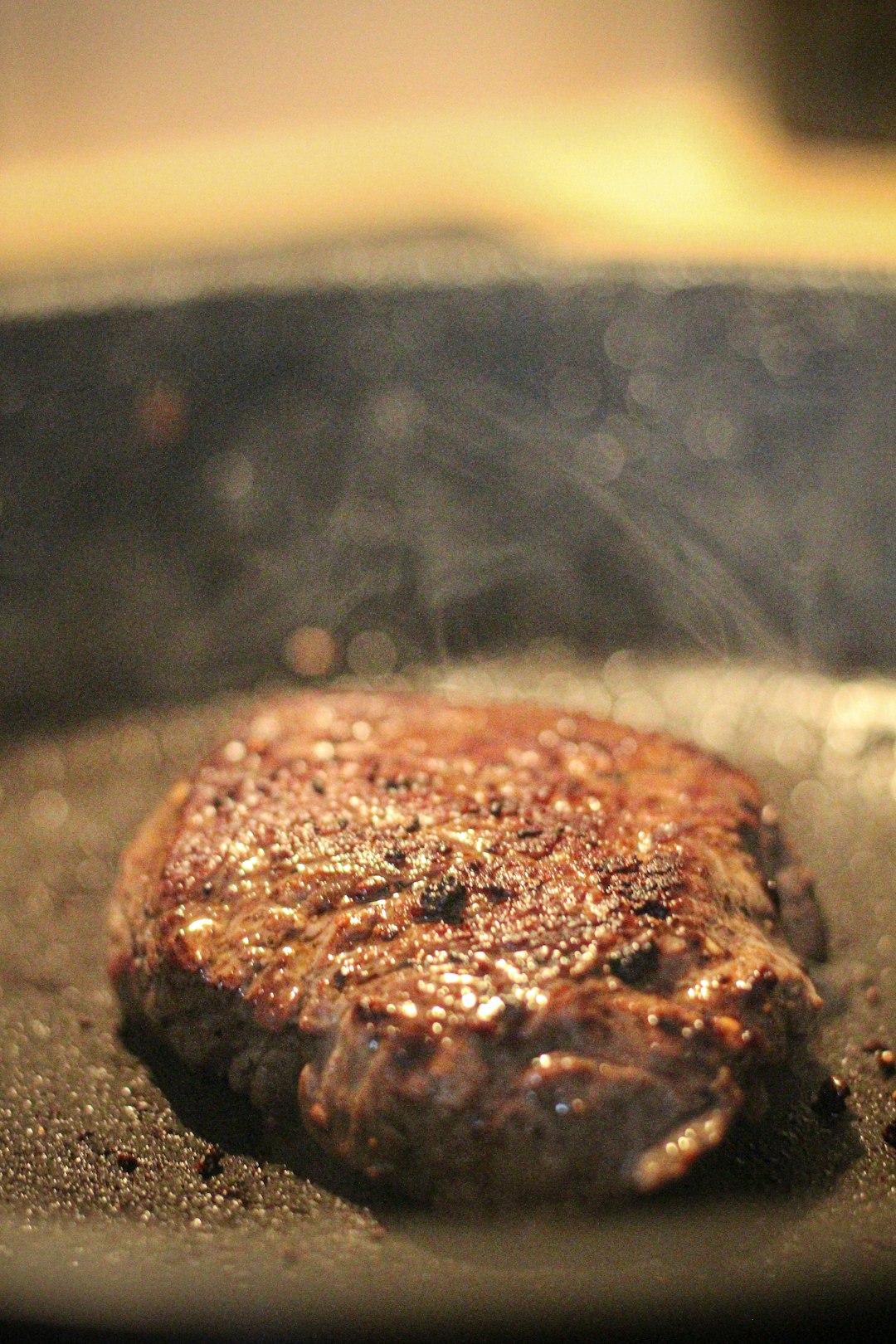
Salisbury steak is one of those dishes that had a meteoric rise and fall in popular culture. Once an easy-to-make and widely available dish that would have been shocking to leave off a menu, it has since become a frozen ready-made meal offering in the frozen foods section. You would be hard-pressed to find a modern diner that offers this meal. Despite how easy it is to make a classic Salisbury Steak it seems destined to remain a relic of the past. This ground beef patty smothered in rich gravy represented the height of satisfying comfort food. From its humble origins as a ‘health food’ during the American Civil War, Salisbury steak had its major heyday in the mid-to-late 1940s due to its ease of preparation and the wide availability of its ingredients.
Ham Steak with Pineapple
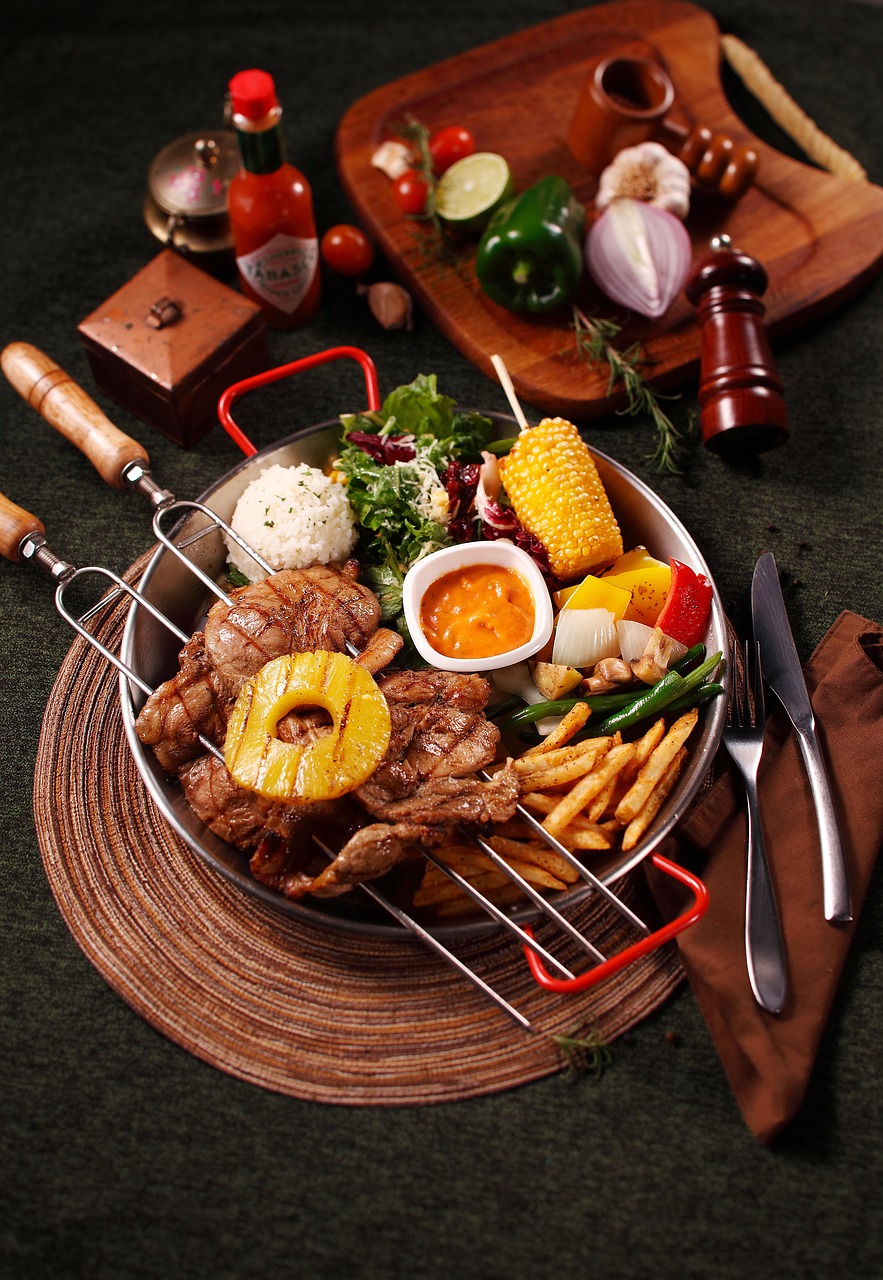
The sweet and savory combination of ham and pineapple tells a story of American ingenuity in the diner kitchen. Canned pineapple rings would be slotted into cuts made into the whole ham steak and cooked that way. This allowed the juices of the pineapple to marinade and tenderize the meat leaving the ham steak buttery and full of flavor. As an added bonus the diner was able to feed several patrons off of just one ham steak and two cans of pineapple rings, which allowed them to make more money with less overhead. This economical dish provided both visual appeal and incredible taste, making it a diner favorite for decades. Thanks to the modern convenience of pineapple and ham, the demand for this dish fell off as it became easier to make it at home.
Liverwurst Sandwiches
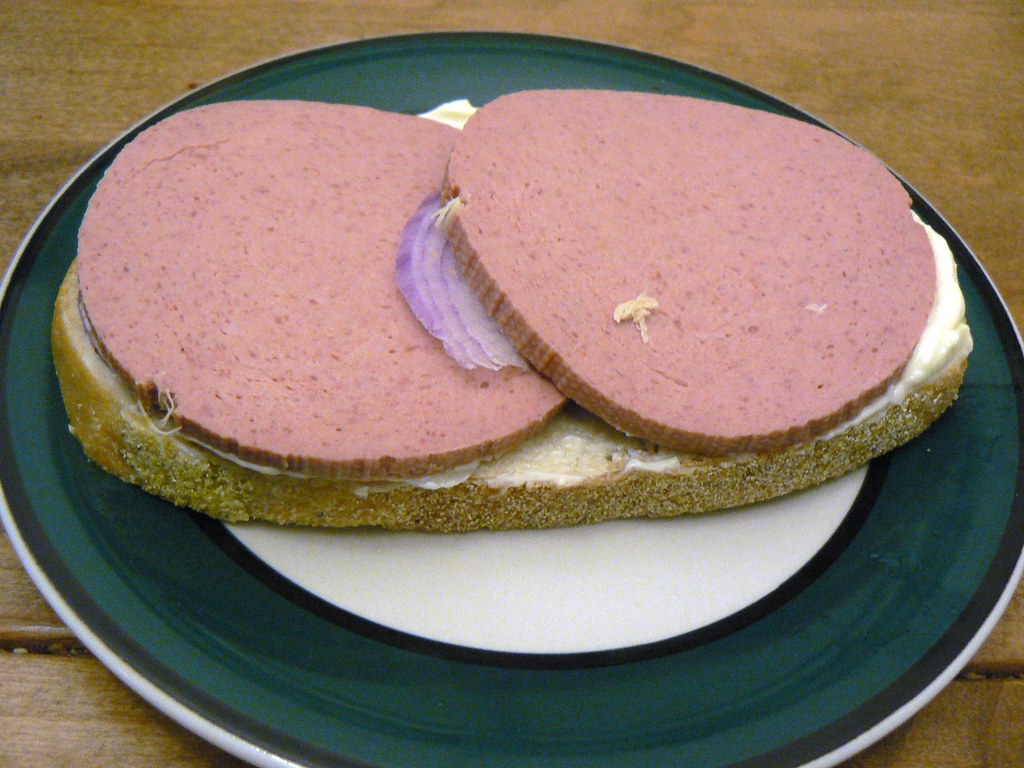
The meat, which is, as you may have guessed, a German sausage made with liver, was popular in the 20th century, largely because it was cheap. It hasn’t stood the test of time, though. In 2024, Boar’s Head, one of the biggest U.S. suppliers of deli meats like liverwurst, ended its production of the processed meat entirely after a major Listeria outbreak at one of its plants. This affordable protein source sustained working-class diners for generations with its distinctive flavor and nutritional density. While liver-based foods have fallen out of favor with modern American palates, liverwurst represented an era when diners embraced stronger, more distinctive flavors.
Turkey Devonshire
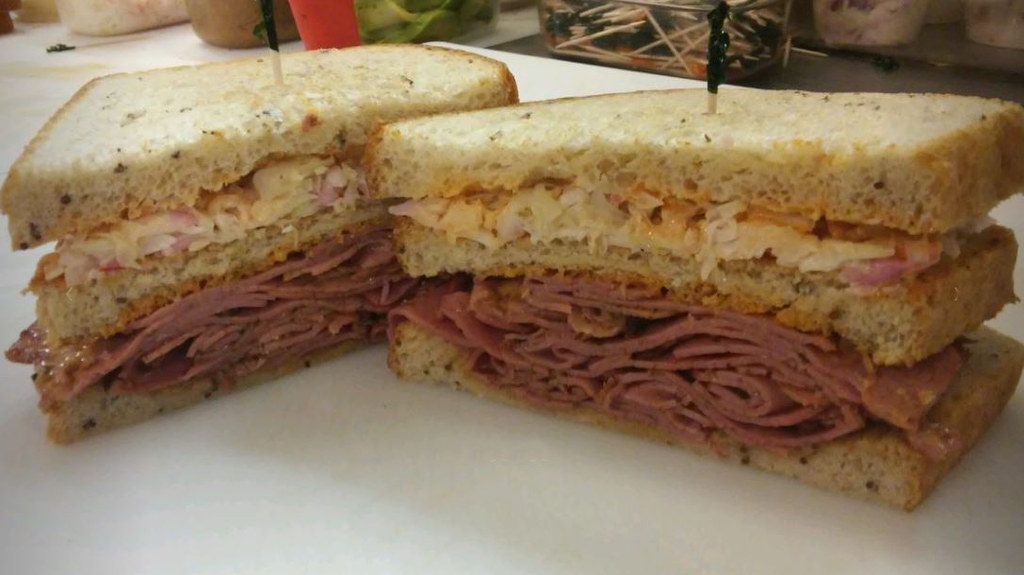
Turkey Devonshire was initially served to middle class restaurants as a “high-class answer to liver and onions,” according to Dave Forman, per Belt Magazine. It was a heavy combination of turkey on toasted white bread, with cheddar cheese sauce, thick bacon, tomatoes, and a sprinkle of paprika piled on top before the whole thing was baked in the oven until golden. This Pittsburgh-area specialty represented the ambition of mid-century diners to offer sophisticated fare while maintaining their accessible roots. This iconic Pittsburgh platter sounds as if it stepped straight out of “Downtown Abbey,” and, assuming the myth that Frank Blandi named it after a street sign is true, that was kind of the point.
Manhattan Sandwich
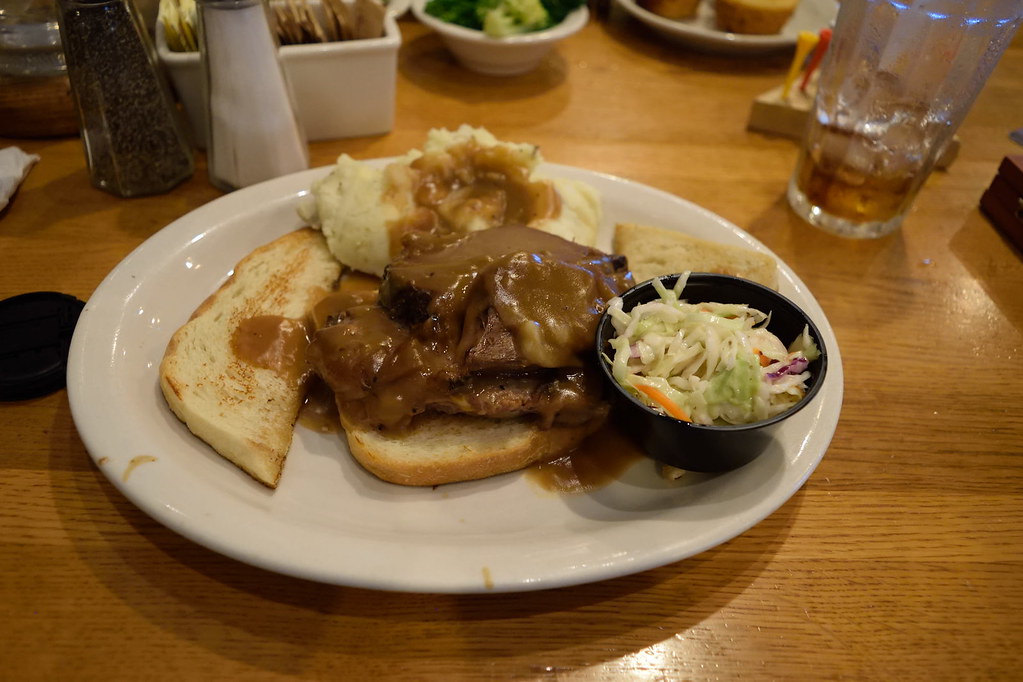
The open-faced hot roast beef sandwich with mashed potatoes and gravy became a comfort food legend that defined diner dining. Recently, diner fans have taken to Facebook to find out where they could get their hands on an “open-face hot roast beef sandwich with mashed potatoes and gravy,” or, to put it more succinctly, a Manhattan sandwich. This hearty dish embodied the diner philosophy of generous portions and straightforward flavors. Although not commonly on offer in American diners these days, there are a few regional variations on the beef Manhattan. Some are served with pot roast beef or pork tenderloin; others with crustless bread or a golden gravy.
Coconut Cream Pie
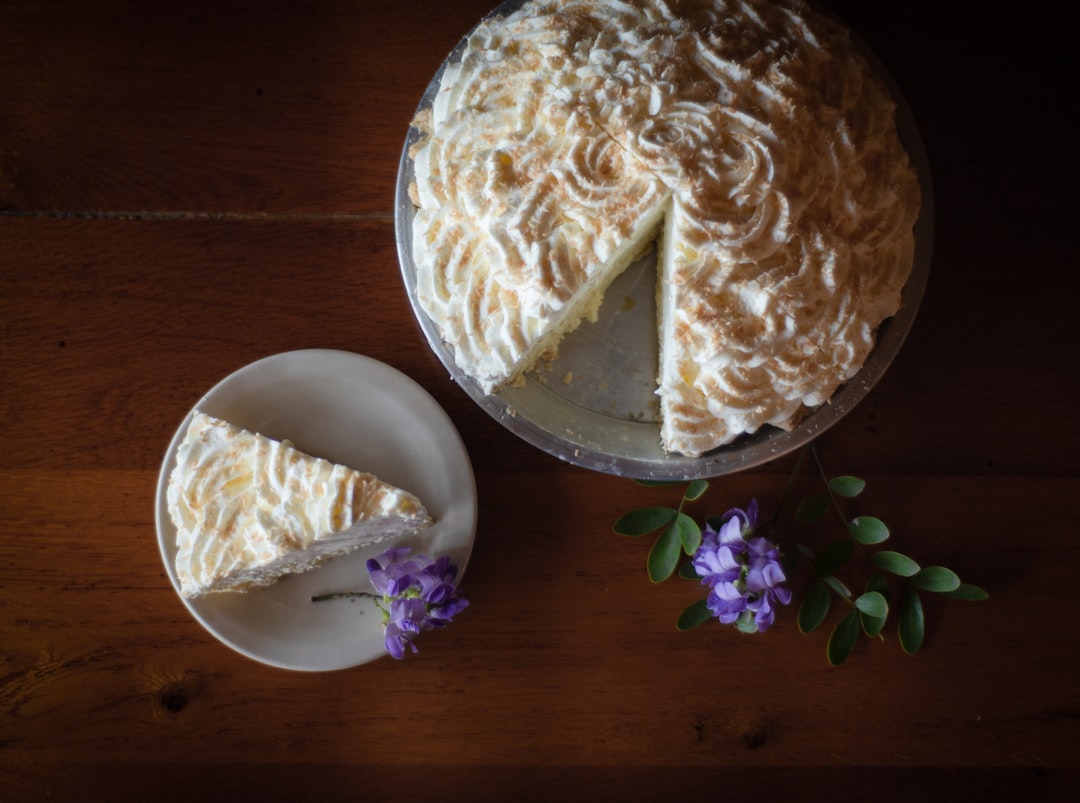
Many people’s lists of favorite diner pies don’t include a flavor that was one of the most popular of all – coconut cream pie. Many foodies have fond memories of picking up a slice at diners and cafeteria-style restaurants, and enjoying forkfuls of the sweet, custardy dessert. This dessert represented the pinnacle of diner indulgence with its layers of creamy custard, flaky crust, and toasted coconut topping. Coconut cream pie was thick custard in a crust, piled with whipped topping and a shake of shredded coconut. It was heavy, sweet, and felt a little fancy for a place that mostly served burgers and coffee. The dessert’s popularity aligns with current retro dessert recipes making a big comeback, bringing comfort and nostalgia to the baking world. People are rediscovering the joy of classic treats that remind them of their childhood, such as layered trifles, Jello molds, and homemade pies. This trend isn’t just about revisiting the past – it’s about reimagining these desserts with a modern twist while preserving their timeless charm.
Buckwheat Pancakes
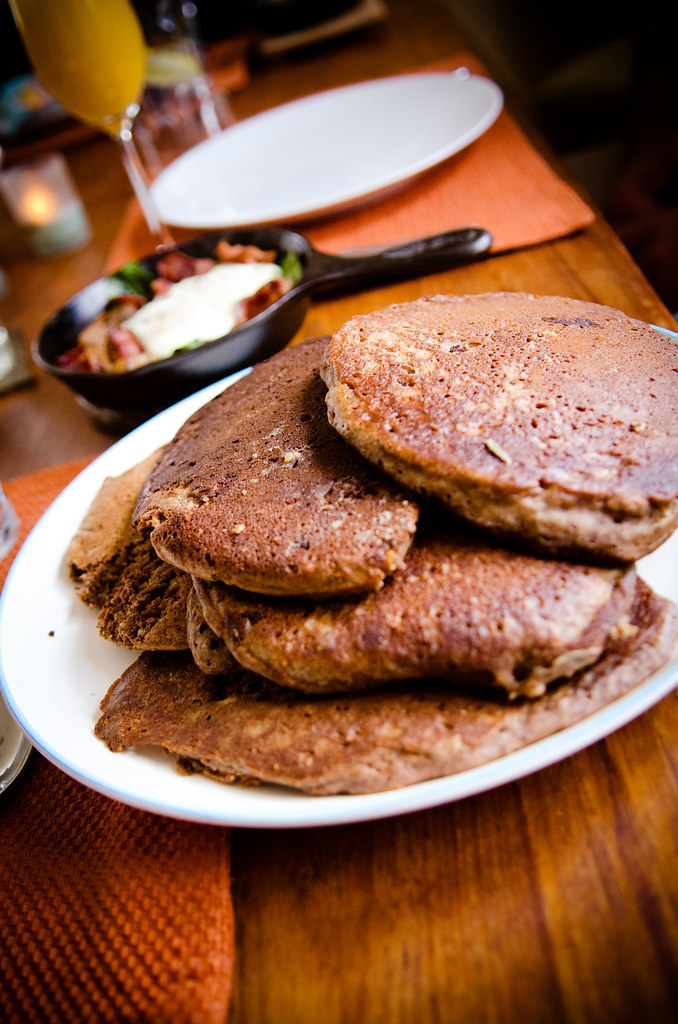
While some theorize it was the rise of processed white flour, others suggest regional tastes caused the shift. But buckwheat pancakes haven’t disappeared entirely. In 2024, CBS Mornings reported on a family-owned Western New York outlet, open for nine weeks per year, that still made them from scratch. These heartier, more nutritionally dense pancakes offered a completely different breakfast experience compared to today’s fluffy white flour versions. Their earthy, nutty flavor and denser texture provided sustained energy that kept diners satisfied through long work days. The shift away from buckwheat reflects broader changes in American grain preferences and processing methods.
The disappearance of these classic diner dishes reflects broader cultural shifts in American dining habits, health consciousness, and food production. In 2025, nostalgia-based trends are emerging from home decor trends to the family meal plan. While rising economic pressures and cultural shifts may contribute to unease and instability, many Americans are turning to the familiar dishes of their childhoods. Rooted in the traditions of the 1950s through the 1990s, these recipes offer more than a meal.
Perhaps it’s time for these forgotten favorites to stage a comeback, bringing with them the warmth and satisfaction that made American diners the beloved institutions they remain today. What do you think about bringing these dishes back?
Why These Dishes Vanished from Menus
The decline of classic diner fare wasn’t just about changing tastes – it was economics, plain and simple. Restaurant owners discovered that serving pre-made frozen items cost significantly less than employing skilled short-order cooks who could craft these dishes from scratch. By the 1990s, corporate chains began dominating the landscape, and their standardized menus prioritized speed and consistency over tradition. Health trends also played their part, as Americans became obsessed with low-fat diets and started viewing rich, hearty dishes with suspicion. The rise of fast-casual dining further squeezed traditional diners, forcing them to compete on price rather than quality. Interestingly, ingredient availability shifted too – suppliers stopped carrying certain items when demand dropped, creating a vicious cycle that made it nearly impossible for holdout diners to source quality organ meats or specialty cuts. The final nail in the coffin? A generational knowledge gap emerged as younger cooks never learned these traditional preparations, and the recipes that once passed from chef to apprentice simply faded into obscurity.