McDonald’s Ends Self-Serve Soda Machines: What It Means for Diners, Report Finds
The Golden Arches are making one of their biggest operational changes in decades. McDonald’s is transitioning away from self-serve beverage stations in dining rooms across the U.S. by the year 2032, marking the end of an era that began with the introduction of these machines in 2004. This shift will fundamentally change how customers experience McDonald’s dining rooms, and early reports suggest it may impact everything from wait times to refill policies.
The Timeline and Current Implementation
The transition started in the summer of 2024, and several franchise owners in Central Illinois revealed to The State Journal-Register plans for the drink stations to be completely gone by 2032. Several restaurants local in Illinois have already made the change, according to the State Journal-Register. Franchise owner Kim Derringer said that late 2024 would be the earliest any of her restaurants would fully become crew-poured-only.
McDonald’s Official Reasoning Behind the Change
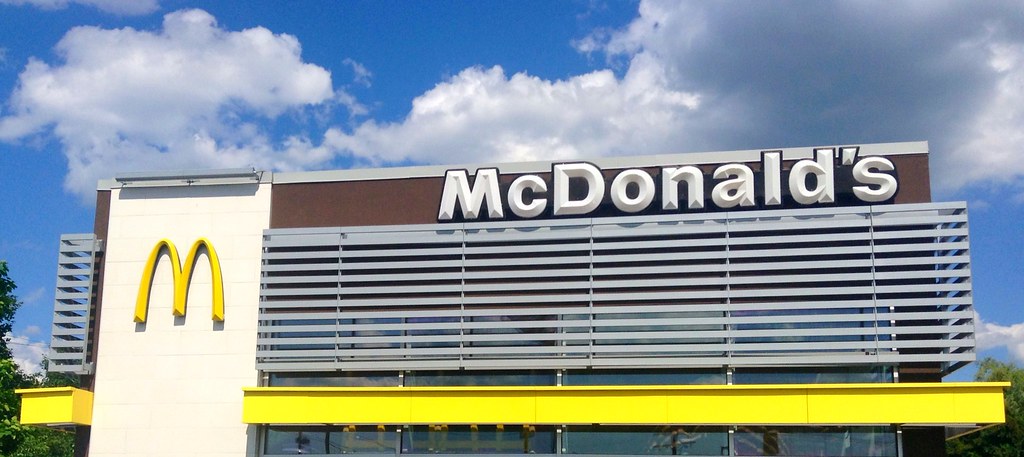
The fast food chain is eliminating its self-serve soda machines by 2032 at its US restaurants, the company said, explaining that the change will make the experience consistent for customers and crew across the chain. This change is intended to create a consistent experience for both customers and crew across all ordering points, whether that’s McDelivery, the app, kiosk, drive-thru or in-restaurant. The company wants to ensure uniformity regardless of how customers place their orders.
The Hidden Cost Factor
Cornell University professor Alex Susskind conducted calculations that reveal the financial impact of free refills. The fast-food giant serves millions of guests per day in the U.S. Now let’s say 20% of customers dine in, and 50% of those guests get a free refill. If McDonald’s pays 10 cents per beverage, that will cost the company $250,000 a day, Susskind said. That translates to more than $90 million a year. “Every penny is starting to matter, particularly in quick service,” Susskind said.
Free Refills May Become a Thing of the Past
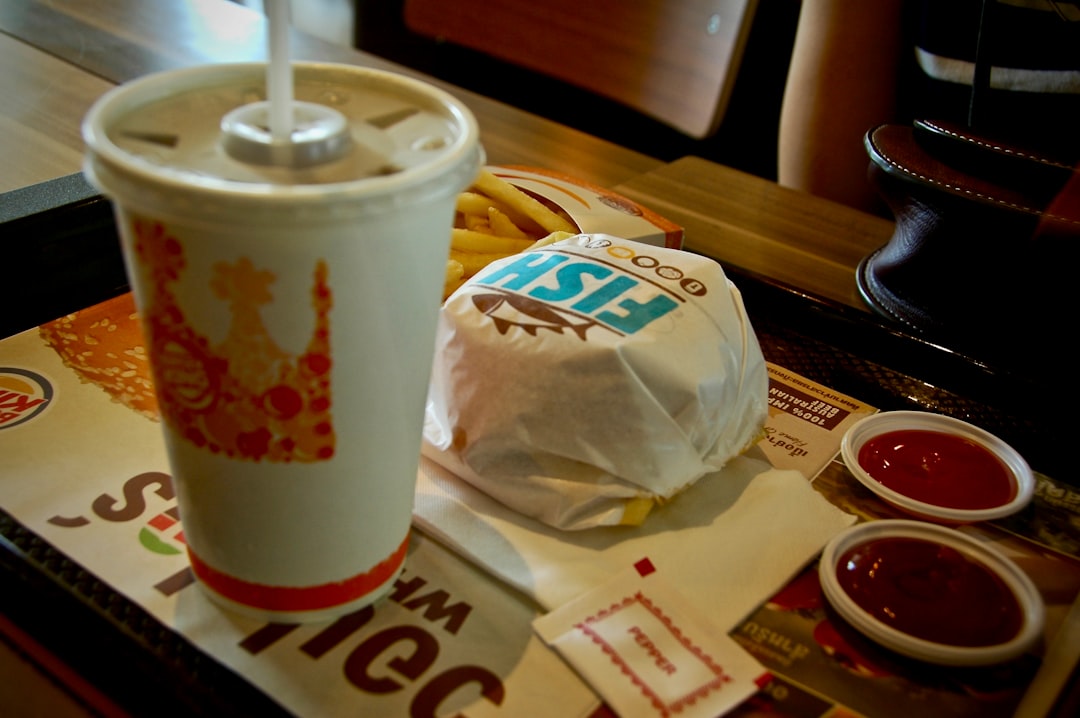
Uber Eats driver Nathan Selkirk told Marketplace in May 2024 that he was already seeing his Pittsburgh, Pennsylvania, McDonald’s charge for refills. This early implementation suggests that the practice of charging for refills may become more widespread as more locations remove their self-serve stations. The new policy involves an employee refilling the drink for you and charging you at least 50 cents for the refills. However, As for refills, McDonald’s USA said it’s up to the discretion of individual restaurants on whether they will charge for refills or not.
Customer Service Challenges
Early customer experiences highlight potential operational issues. The customer said they asked an employee for a refill and it took more than five minutes to get the the drink. “If they had them I could have refilled it myself in less then [sic] 30 seconds,” the person wrote. This represents a significant shift from the immediate self-service model customers have grown accustomed to over the past two decades.
The Shift Away from Dine-In Dining
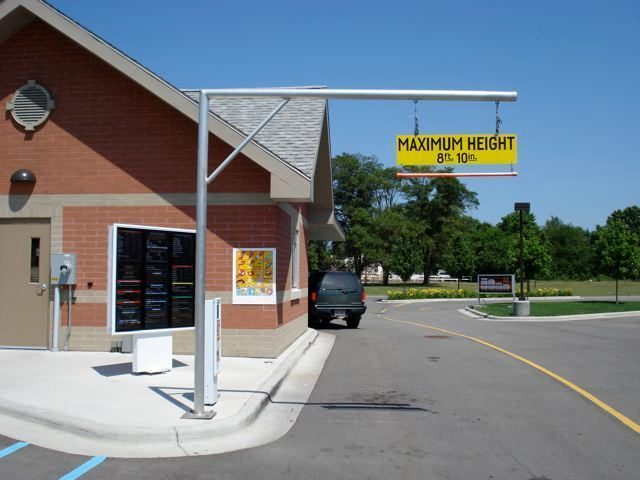
According to research, over 75% of fast food restaurant sales in the U.S. now come from drive-thrus. In 2023, McDonald’s reported that approximately 40% of its sales in major markets came from digital channels, including mobile apps, kiosks, and delivery services. This trend explains why self-serve stations, which primarily benefit dine-in customers, are becoming less relevant to McDonald’s business model.
Theft Prevention and Operational Benefits
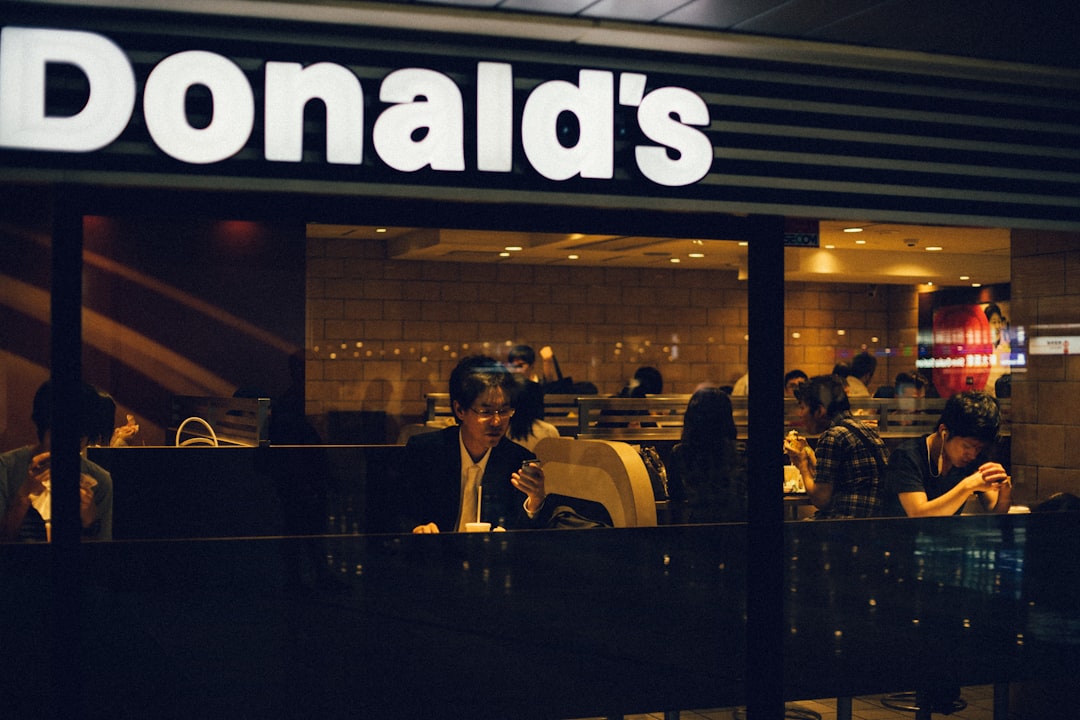
Other franchise owners interviewed by the newspaper mentioned theft prevention, food safety and fewer dine-in customers as contributing factors for getting rid of the stations. McDonald’s said they’re doing it because people abuse it and steal drinks. They said that people will come in with their own cups and fill up at the refill station and leave without ever buying any food or drinks. Additionally, other factors playing a role include the possibility of theft, the amount of space these machines take up, and the restaurant’s new emphasis on a “relaxed dine-in experience,” which includes servers bringing meals to the table.
Industry-Wide Implications
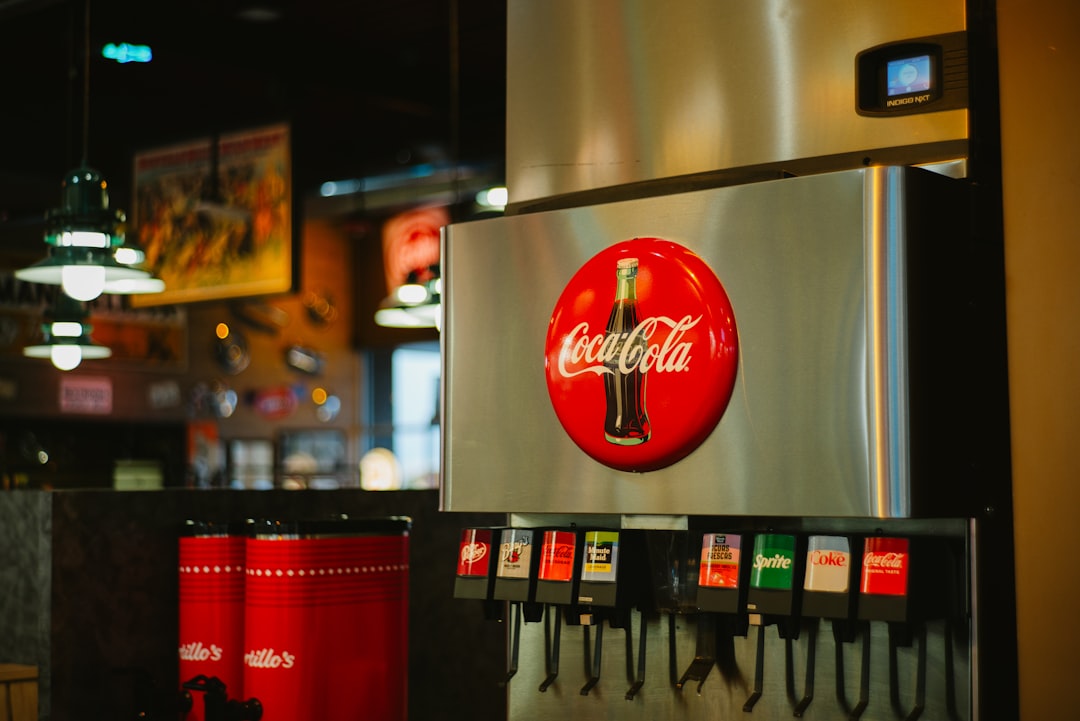
“McDonald’s tends to be a leader in the industry. And very often, when they make big changes, other restaurants follow suit. McDonald’s is very smart about their costs,” said Darren Tristano, CEO of FoodserviceResults, a research and consulting firm for the food industry. Some restaurants at mall food courts in Western New York and Pennsylvania have been putting their soda machines behind the counter, said Alex Susskind, a professor of food and beverage management at Cornell University. It’s a move that experts say will likely become more widespread.
Customer Reaction and Social Media Response
Some social media users have shared photos of the barren countertops at their local McDonald’s where the self-serve drink station once sat. Others expressed outrage over the change, with a Reddit thread on the matter racking up nearly 350 comments. “Seriously, this is such a bad idea. This is a huge reason I would choose McDonalds over another option. Shooting themselves in the foot with this one,” one person wrote.
The End of Custom Soda Mixing
For many customers, the self-serve stations represented more than just convenience. Testing out all the possible soda combinations at your local McDonald’s will one day become a thing of the past. McDonald’s launch of self-serve soda machines in 2004 allowed people to mix and match whatever concoctions they desired. Some on social media wondered how they’d be able to create unique beverages by mixing different sodas, with one user posting, “say goodbye to hybrid drinks”.
The removal of self-serve soda machines represents more than just an operational change for McDonald’s. It signals a fundamental shift in how the fast-food giant views customer interaction and cost management in an increasingly digital-first world. While the company maintains this move creates consistency across all service channels, the real impact will be felt by dine-in customers who lose both convenience and potentially free refills. As other chains watch McDonald’s implementation, this change may indeed reshape the entire fast-food industry’s approach to beverage service. The question remains whether customers will adapt to this new reality or seek alternatives that still offer the self-serve experience they’ve grown to expect.