9 Menu Items Top Chefs Admit They Wouldn’t Order Themselves
Ever wonder what professional chefs think when they scan a restaurant menu? These culinary experts have seen it all behind kitchen doors. They know the shortcuts, the red flags, and the dishes that just aren’t worth your money. Here’s the thing: chefs look at menus differently than the rest of us, and their insider knowledge can save you from a disappointing meal. Let’s be real, what they avoid says a lot about what happens in those bustling kitchens.
The Special of the Day

That daily special might sound tempting, yet many chefs never touch it because some restaurants construct their specials based on ingredients about to expire or items they need to move quickly. Think about it: servers push these specials hard for a reason that’s more about economics than culinary excellence. Specials often help kitchens use up ingredients nearing their expiration date, and seeing a long list of specials raises a major red flag. Even Gordon Ramsay warns about this tactic.
The truth hurts sometimes. If a special appears permanently on the menu, it contradicts the very nature of specials, which should be limited-time offerings using fresh, seasonal ingredients. You’re essentially paying premium prices for what might be yesterday’s inventory dressed up with a fancy description.
Chicken Dishes
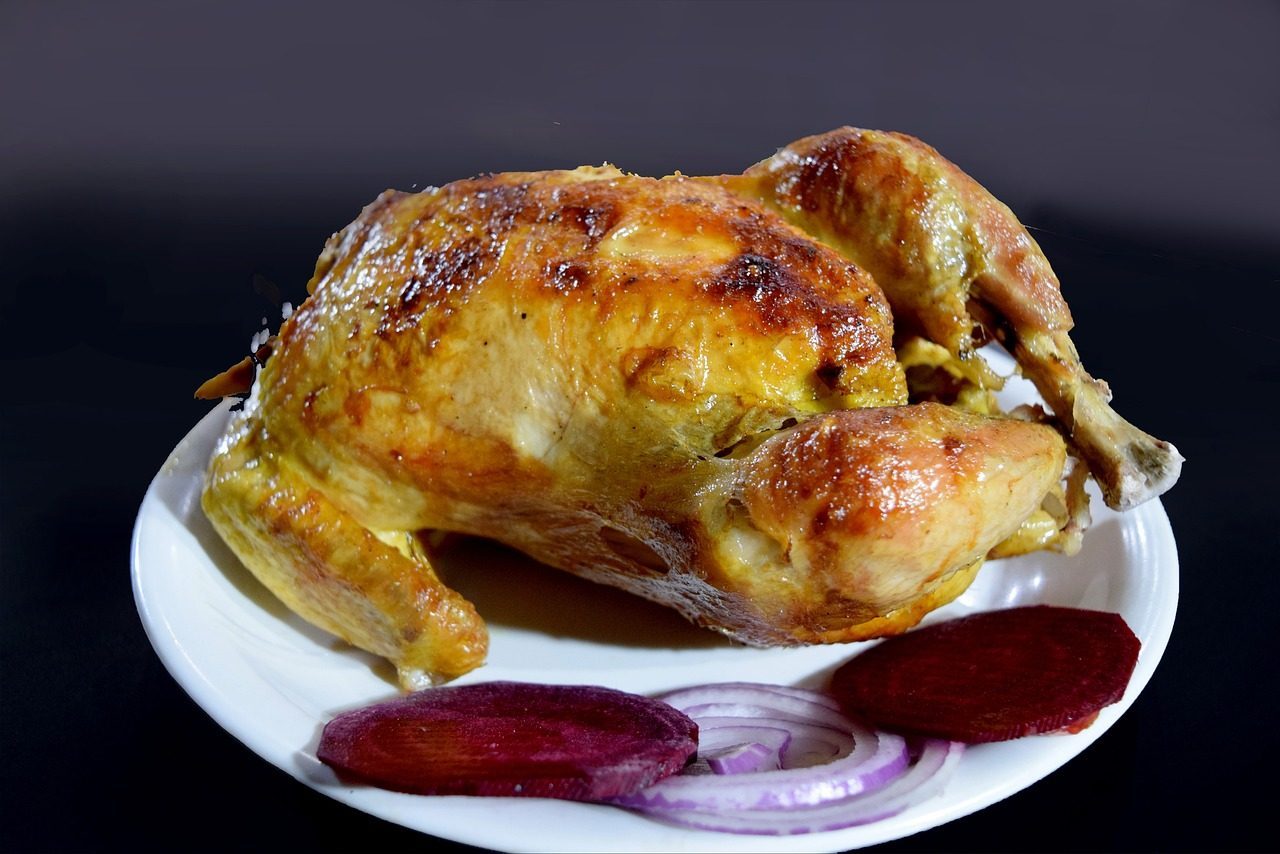
Chefs frequently avoid chicken at restaurants because it tends to be overcooked at most establishments. It’s such a common issue that multiple professional chefs have spoken out against ordering poultry when dining out. Anthony Bourdain famously stated that chicken is simply a chore for cooks to make, and other chefs note it frequently becomes tough and chewy due to overcooking.
According to the Food Network, chefs avoid ordering chicken for multiple reasons, including overinflated prices and lack of originality. Honestly, most restaurants only include chicken as a safe option for unadventurous diners. When was the last time you had truly memorable chicken at a restaurant?
Monday’s Fish Special
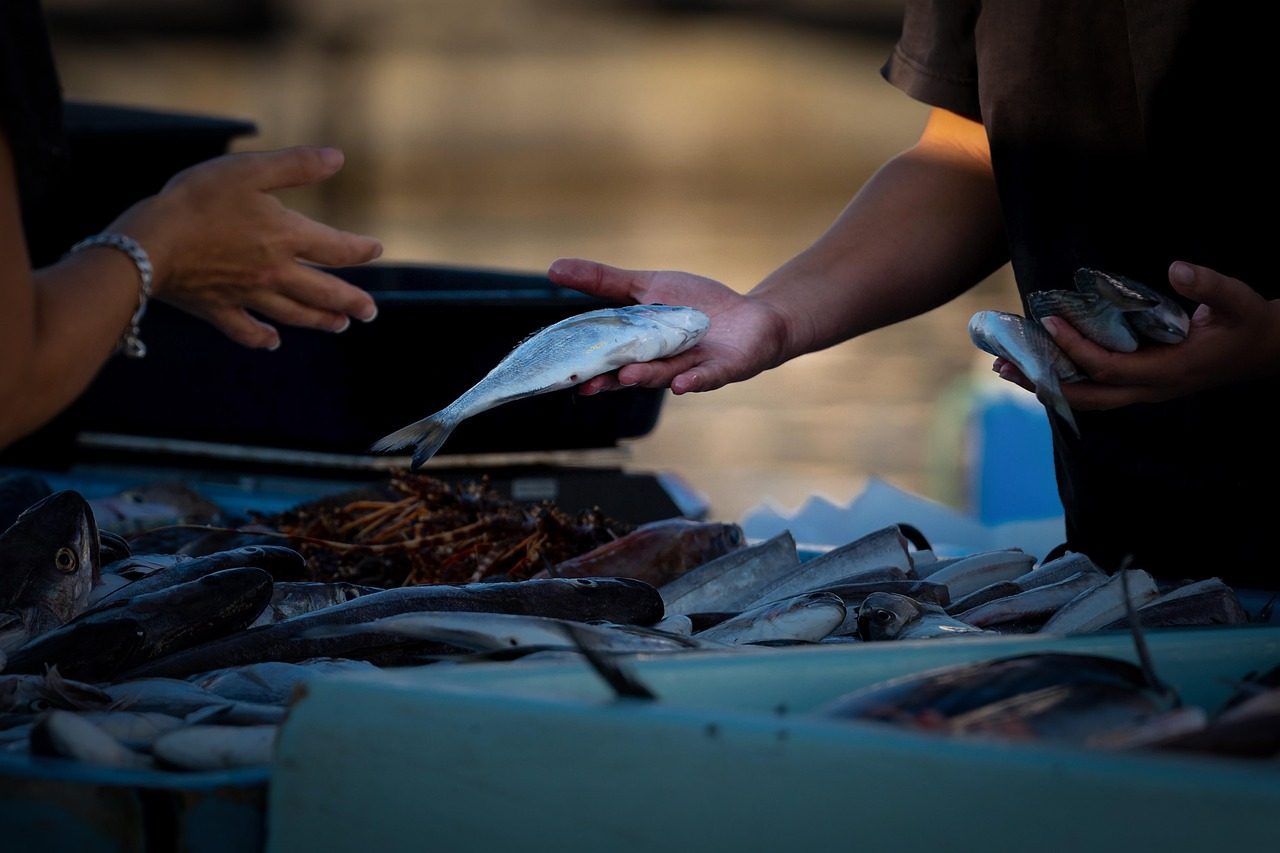
Here’s a controversial one that still sparks debate. The don’t-eat-fish-on-Monday rule continues because most fish markets don’t deliver on weekends. Chefs order seafood on Thursday night to sell over the weekend, aiming to complete the entire order by Sunday since weekend fish deliveries don’t exist, meaning Monday’s fish could be four days old.
That said, times are changing. The restaurant landscape has transformed with dramatically higher food standards, and restaurants can no longer get away with serving four-day-old fish. Still, better safe than sorry when you’re far from the coast.
Soup of the Day
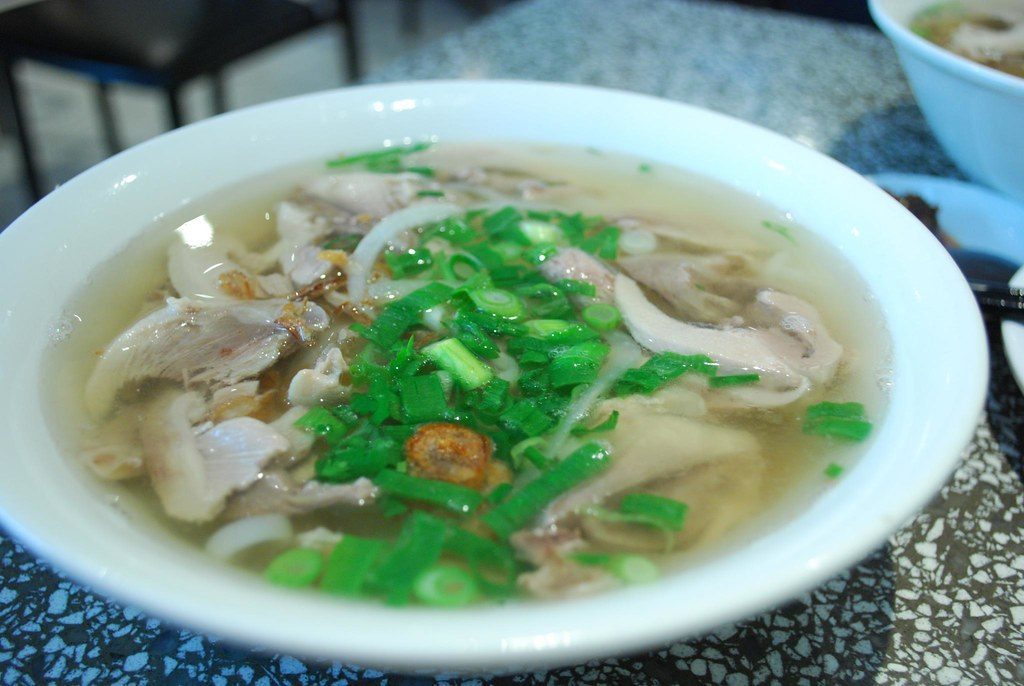
One chef explained he never orders soup du jour at restaurants, questioning whether it was really made today or how long it’s been sitting in the steam well. Gordon Ramsay shares this skepticism, suggesting you ask what yesterday’s soup du jour was because it may actually be the soup of the month. The idea of reheated, days-old soup suddenly doesn’t sound so appetizing, does it?
Restaurants have a tendency to serve their soup of the day several days in a row to decrease food waste, resulting in an expensive dish that’s neither special nor fresh. Plus, soup is ridiculously cheap to make at home, so you’re probably overpaying significantly.
Eggs Benedict
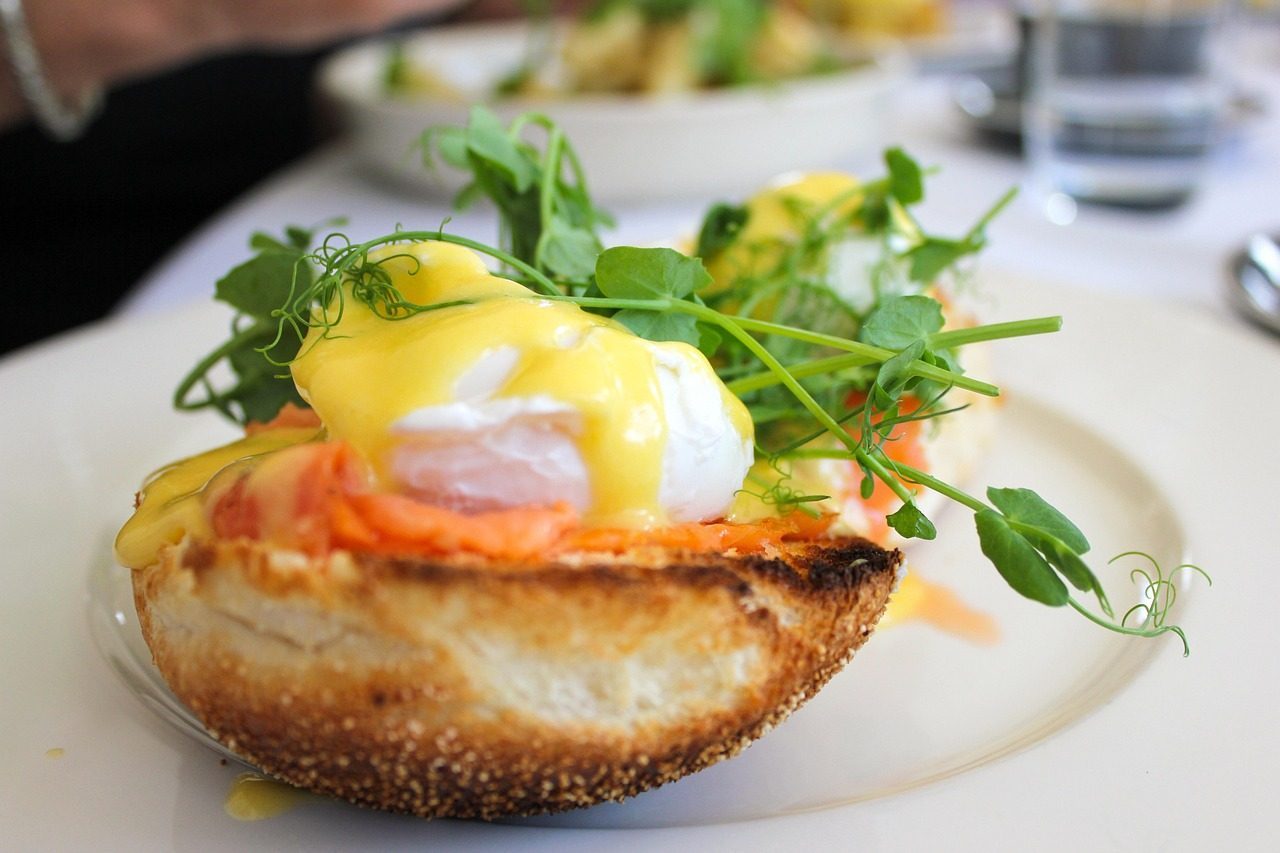
The hollandaise sauce in Eggs Benedict is temperamental, especially during a busy brunch rush, and if not made to order or held properly, you end up with a broken sauce or something that’s been sitting too long. This brunch classic might look Instagram-worthy, yet the risks are real. If hollandaise made with raw egg yolks isn’t kept at proper temperature, it becomes a breeding ground for salmonella.
Many chefs simply refuse to gamble on this dish. The technical skill required means it’s often executed poorly during hectic weekend brunches when kitchens are slammed and quality control slips.
Bread Basket
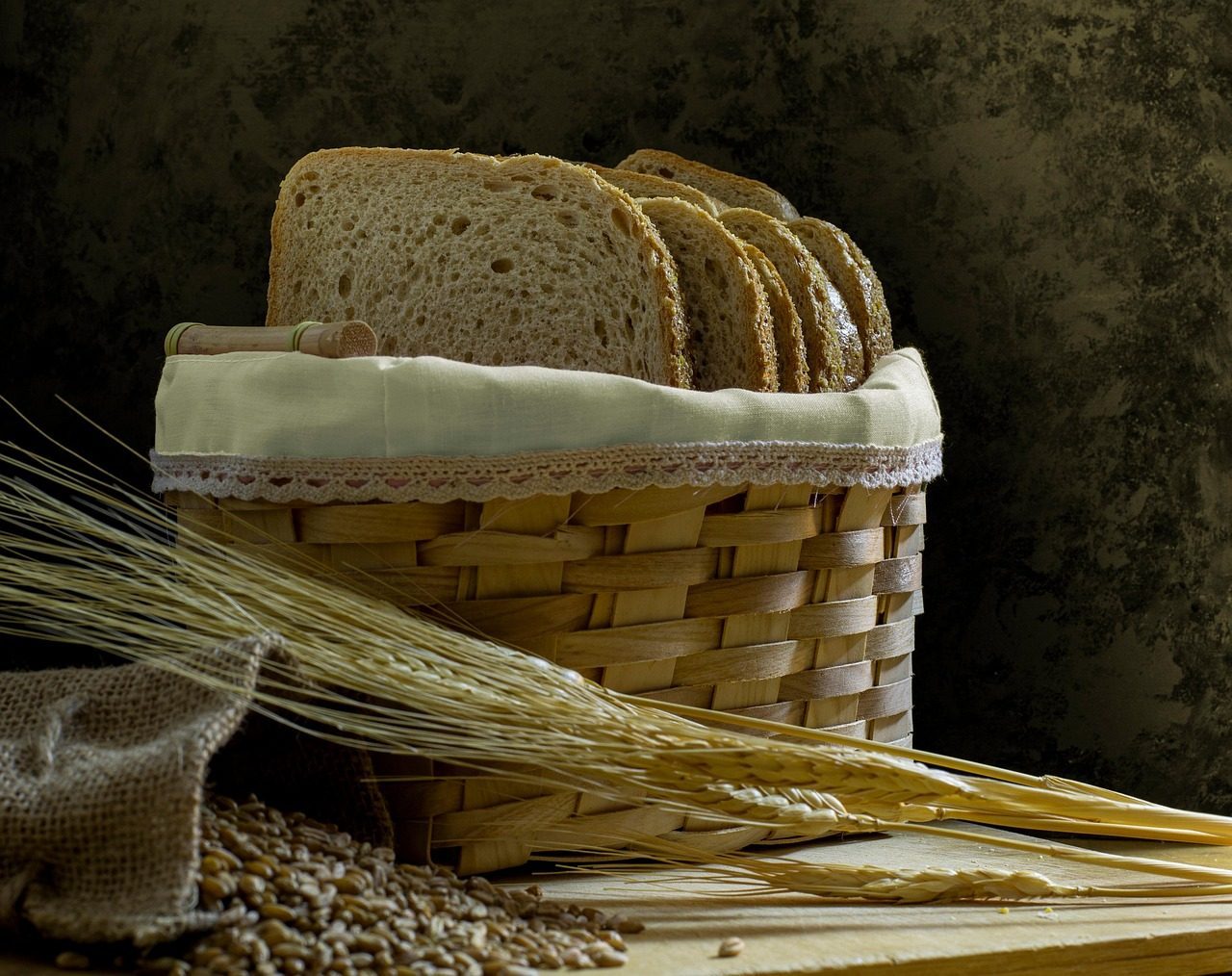
That warm bread basket may be fresh from the oven or reheated after gracing another table, and you’ll never know for sure unless you catch your server in the act. Chefs know this dirty little secret. According to Food Network’s chef survey, it’s not uncommon for uneaten bread to make its way to multiple tables.
Beyond the hygiene concerns, why fill up on bread anyway? Those delicious loaves are full of carbs and calories, and may also be full of germs from the diner who just left. Save your appetite for the main event you’re actually paying for.
Wedge Salad
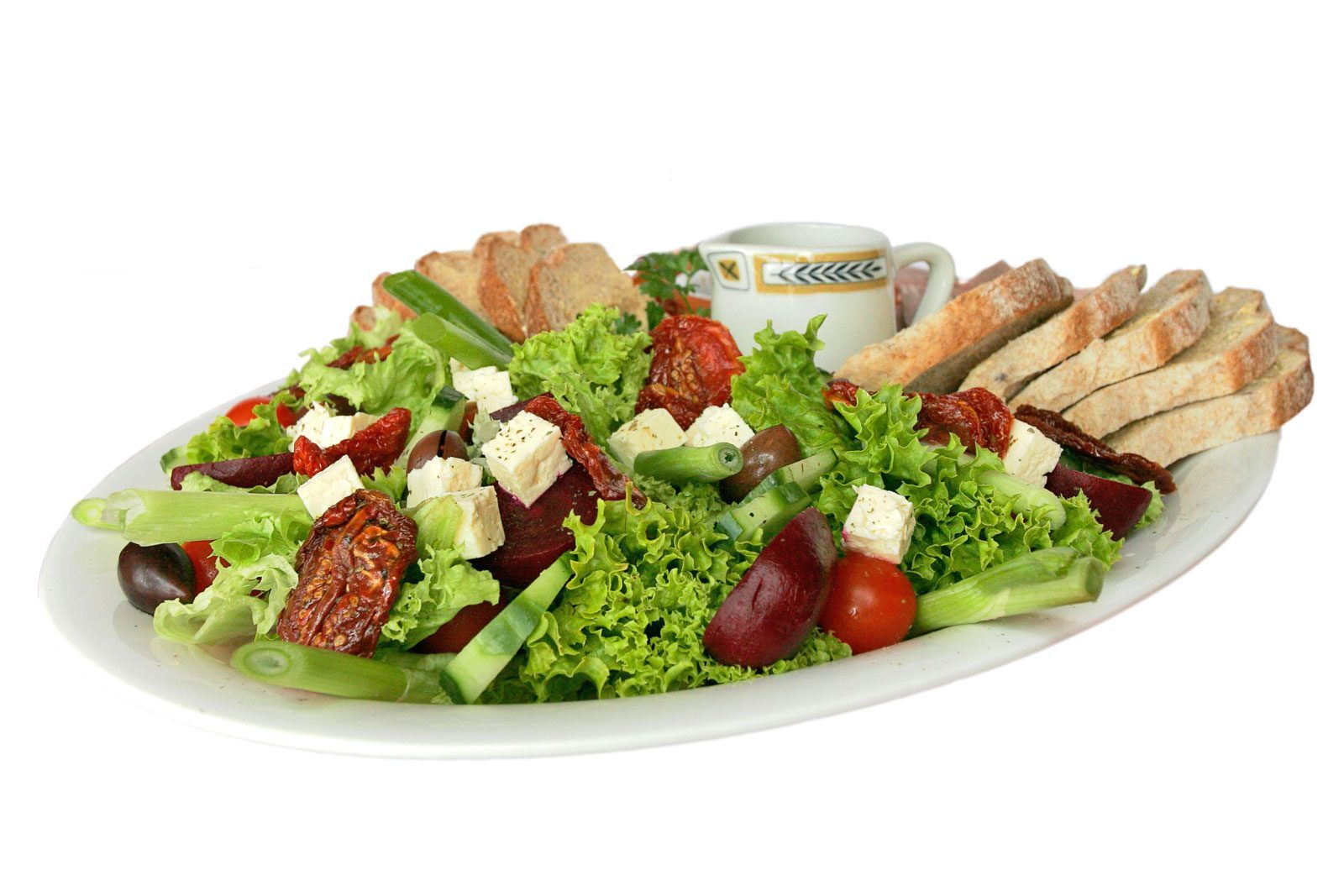
This one might surprise you. Celebrity chefs avoid ordering wedge salad because you’re literally paying over ten dollars for a chunk of iceberg lettuce, often with pre-fab commercial dressing. The markup on this dish is absolutely ridiculous when you think about what actually goes into it.
Salads are often highly overpriced, leading you to pay more for way less, with one chef noting she rarely feels impressed by restaurant salads and could make them at home in seconds for much less. If you love salad, order something with imagination and quality ingredients rather than this basic assembly job.
Anything with “Truffle” in the Name
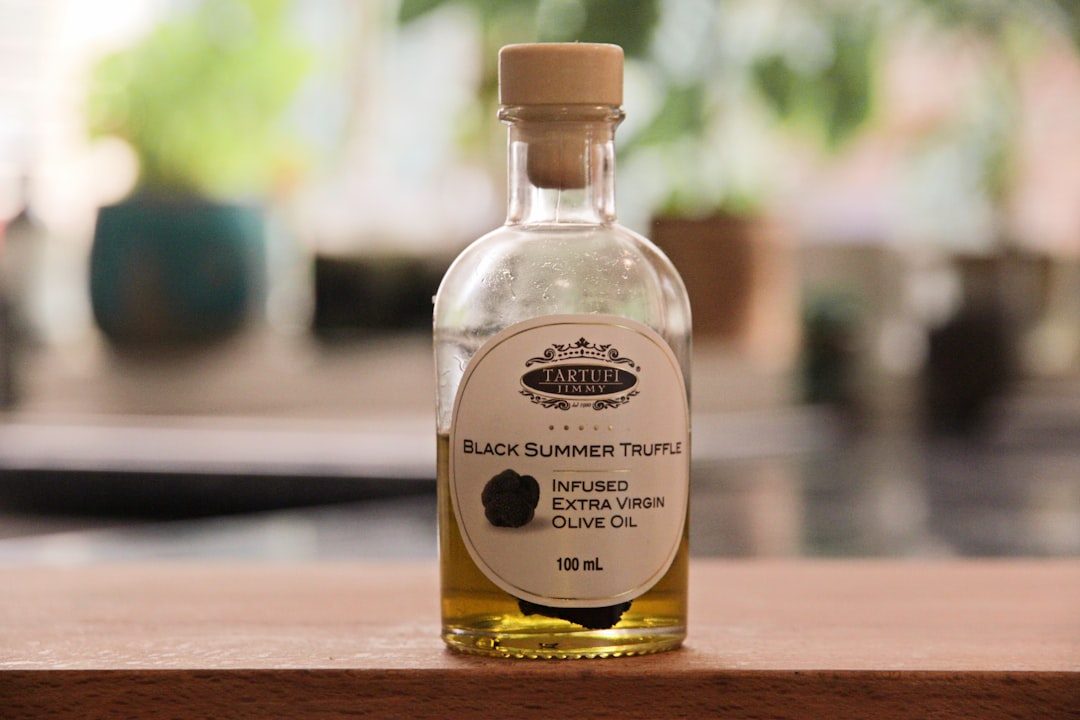
Unless you’re at a high-class fine-dining restaurant, items labeled truffle usually contain truffle oil, which is very rarely made with actual truffles. When you see truffled as a descriptive menu item but there’s no actual truffles in or on the dish, it’s a red flag because they’re just drizzling synthetically scented truffle oil.
Gordon Ramsay and Joe Bastianich famously despise truffle oil. Bastianich once threw a cylinder of truffle oil in the garbage during MasterChef, saying any restaurant with it on the menu wasn’t worth eating at, while Ramsay called it one of the most pungent, ridiculous ingredients ever known to chefs. That should tell you everything you need to know.
Overly Complicated Fusion Dishes
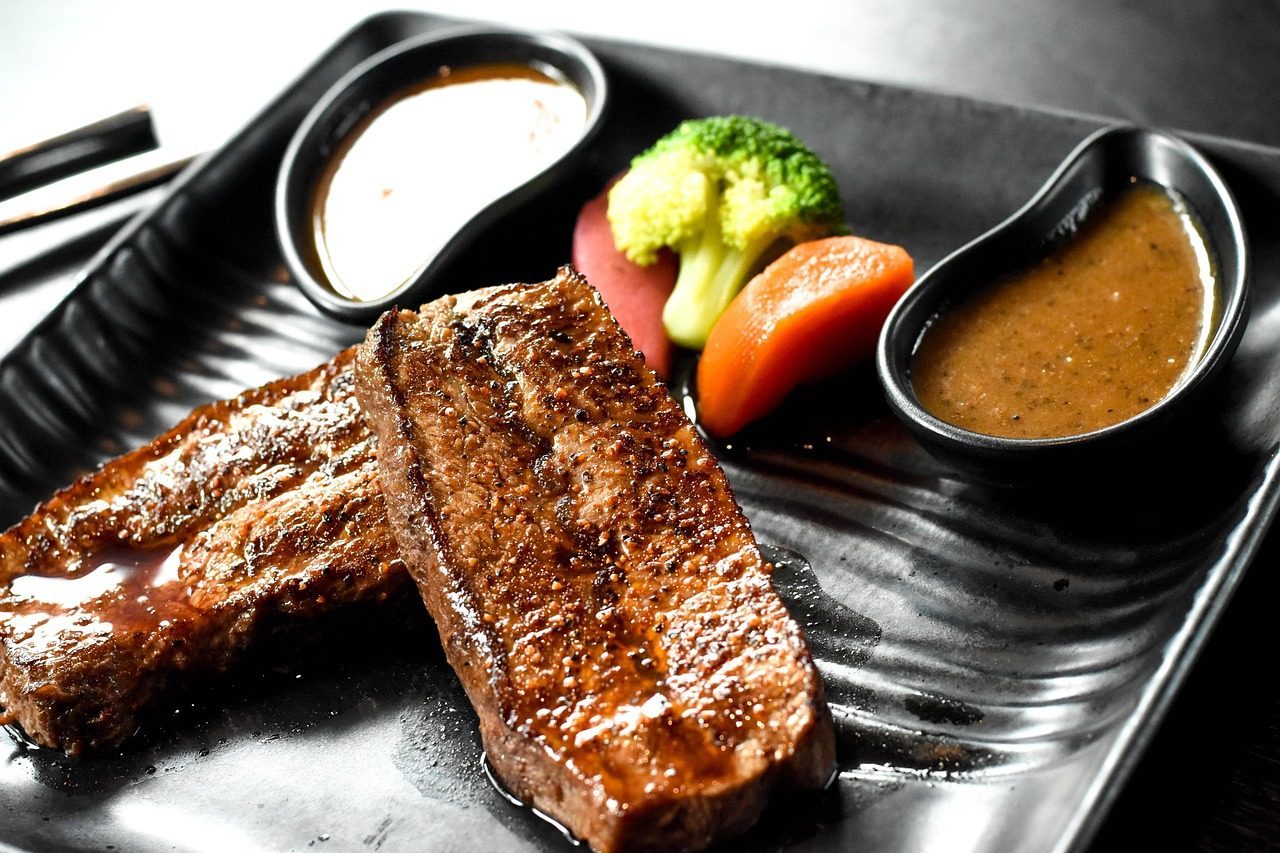
One head chef avoids complicated dishes that try to fuse five cuisines onto one plate because they often sound exciting on the menu but rarely deliver balance or depth, preferring one cuisine done well over a confusing mix of flavors. When a menu item reads like it’s having an identity crisis, that’s your cue to keep looking.
Dishes that incorporate an overload of disparate ingredients might sound intriguing on the menu, but often lead to a confused and unbalanced plate that professional chefs avoid. Sometimes simpler really is better, and chefs know that trying to do too much usually means doing nothing particularly well.
Final Thoughts
Armed with this insider knowledge, you can navigate restaurant menus like a pro. These aren’t just random preferences – they’re based on years of kitchen experience and understanding how restaurants really operate. Next time you’re out, think twice before ordering that special or that Monday fish dish.
The best meals come from knowing what to avoid as much as knowing what to order. Trust the experts on this one. What’s your take on these chef warnings? Ever had a bad experience with any of these dishes?