A Chef Explains 6 Steakhouse Dishes Worth Ordering – and 4 You Should Pass On
Walking into a steakhouse feels like stepping into a world where indulgence reigns supreme. The dark wood paneling, the sizzle of meat on hot grills, the aroma of butter and garlic hanging thick in the air. It’s an experience designed to make you feel pampered, special even. Yet behind those leather-bound menus and perfectly dimmed lights, there’s a whole world of kitchen secrets and chef wisdom that most diners never see.
Here’s the thing about steakhouse dining in 2025. It’s not just about showing up and ordering the biggest ribeye on the menu anymore. Chefs have strong opinions about what you should actually eat, and honestly, some of their insights might surprise you. Having spent years behind the line, these culinary professionals know which dishes showcase a restaurant’s skill and which ones are essentially overpriced disappointments waiting to happen.
Seafood Tower: The Ultimate Showstopper
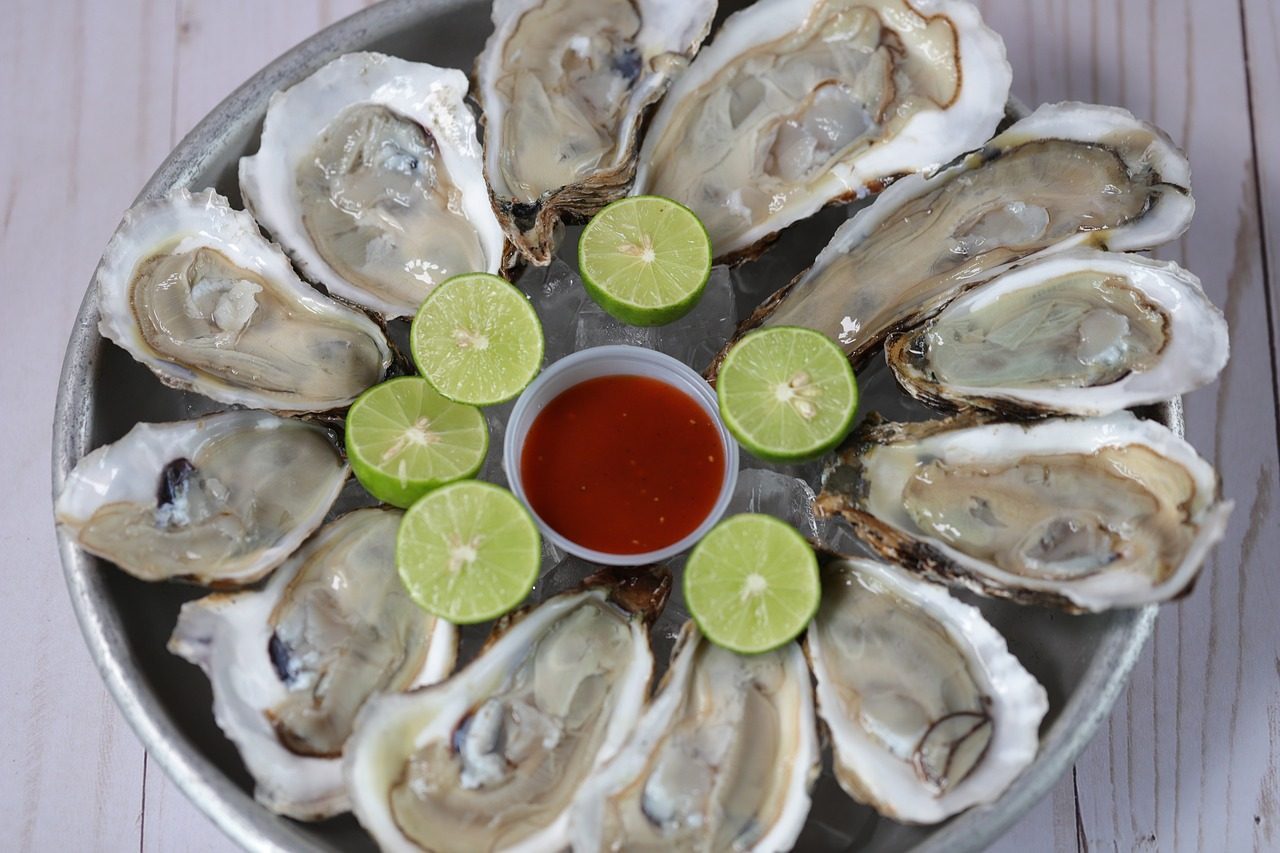
If you see a seafood tower on the menu, take it as an opportunity to remind yourself that we only go this way once, according to chef John Manion of Chicago’s El Che Steakhouse & Bar. This isn’t just an appetizer; it’s a statement piece. Chefs like Nick Fine, culinary director of Underbelly Hospitality in Houston, say they always like to splurge on champagne and oysters, and that combination creates pure magic.
Think about it. The richness of steak needs to be balanced with starters that awaken, not overwhelm, which is why seafood, acidity, and umami are frequent choices for the start of a steakhouse meal, with seafood starters like oysters, crab cakes, and tuna tartare being global favorites. Menus feature raw bar offerings like seafood towers with split cold-water lobster tails, full lobster claws, jumbo shrimp, snow crab legs, and green-lipped mussels. The sheer visual impact alone makes it worth every penny.
Wedge Salad: The Comfort Classic
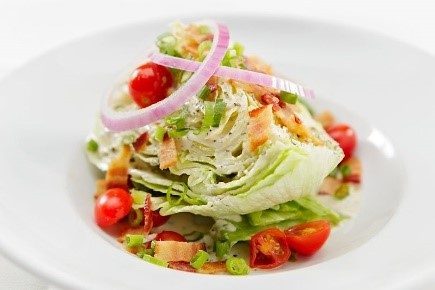
Shrimp cocktail and wedge salad are classic dishes that give insight into the execution and consistency of a restaurant, with the wedge salad being truly American cuisine at its apex, devoid of nutritional value, its simplicity almost poetic. I know what you’re thinking. A salad? Really? Trust me on this one.
Executive chef Megan Vaughan of Bourbon Steak Seattle loves to get simple things like an Old Fashioned, wedge salad, rib-eye, and creamed corn, noting these dishes are not new or inventive but are comfort foods that are cooked and made perfectly. There’s something deeply satisfying about that crisp iceberg lettuce, the cool crunch contrasting with creamy blue cheese dressing, the salty bacon bits scattered on top. It’s not trying to be fancy, which is exactly why it works.
Bone-In Ribeye: Worth Every Calorie
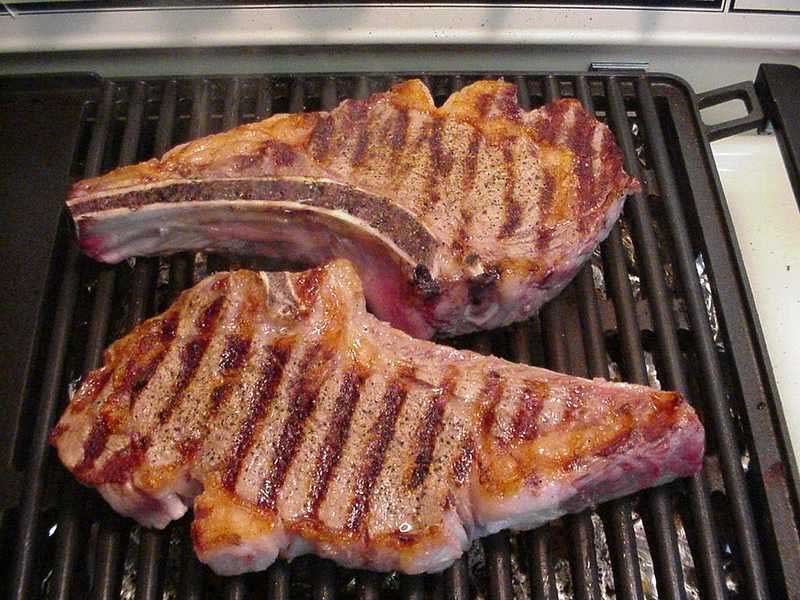
Bone-in ribeyes are nicely marbled with interior fat, and the fat melts during cooking and bathes the entire cut in rich, beefy goodness. This is what you came for, honestly. When a steakhouse does this right, it’s transformative.
Your steak probably tastes better at a steakhouse because they use lots of butter, with bonus points when it’s compound butter, and even dishes that aren’t served with a pat of butter on top are likely doused with a ladle of clarified butter to give the steak a glossy sheen and a rich finish. That’s the secret sauce, literally. Some steakhouses use custom-made grills to cook steaks over a live fire, burning wood like American Red Oak from the Central Coast, which imparts a sweet and smoky flavor to the steak. The result? Absolute perfection on a plate.
Beef Tartare: For the Adventurous Eater
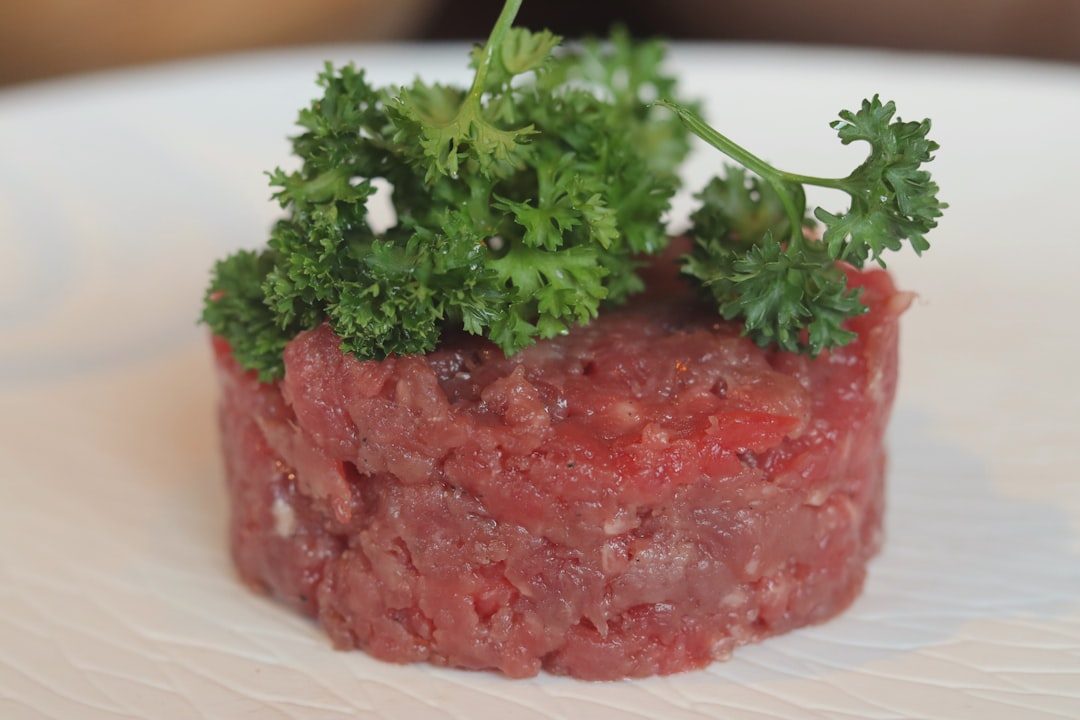
Steak tartare is a favorite classic steakhouse dish, with chefs like Dan Snowden of Chicago’s Land and Sea Dept flipping it on its head with additions like guajillo chile, which adds a rich, smoky fruitiness that pairs well with diced filet mignon and traditional capers and herbs, then finished table-side with quail egg and finely grated two-year gouda. This dish separates the culinary timid from the bold.
There are so many ways to prepare beef tartare, and at a steakhouse, it’s assumed they’re probably working with good quality meat and superior ingredients to make something great. It’s raw, it’s elegant, it’s surprisingly delicate. If you’ve never tried it, a high-end steakhouse is exactly where you should take the plunge.
Creamed Spinach: The Decadent Side
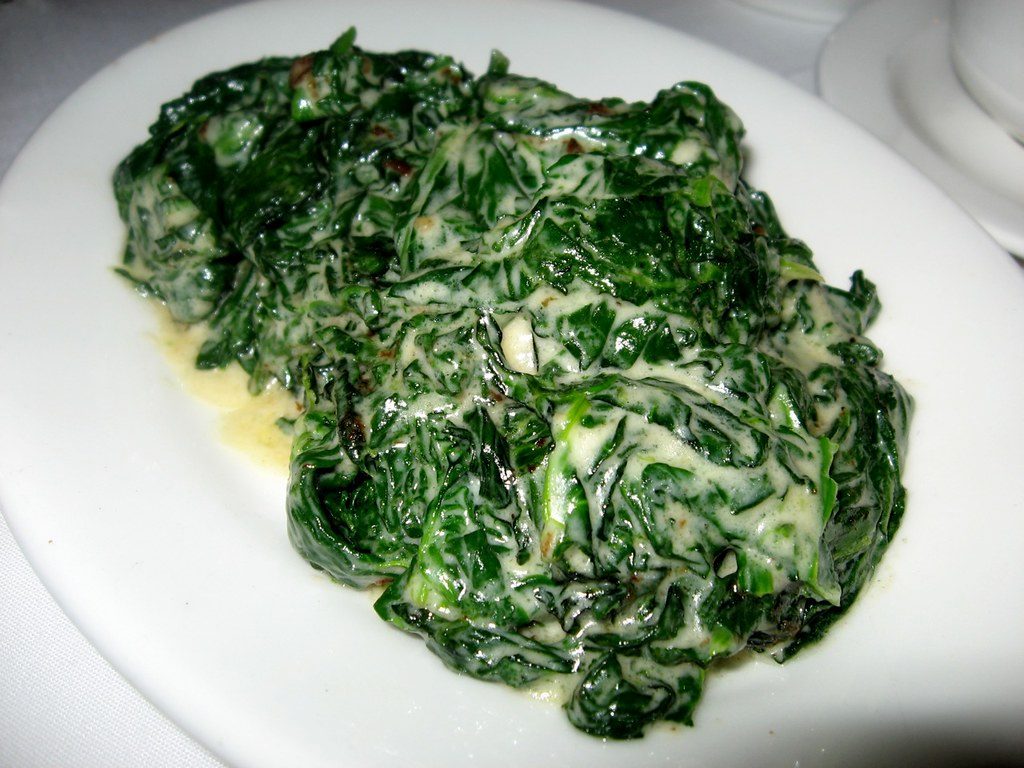
Let’s talk sides for a moment. Some favorite sides with steak are mashed potatoes, grilled green beans, asparagus, broccoli, mac and cheese, and chilled soups, with sauces like Worcestershire sauce, chimichurri, and red wine au jus being go-tos. Yet there’s one side that gets overlooked but shouldn’t be.
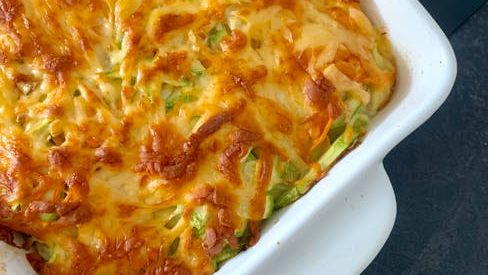
Despite what some critics say, Creamy garlic mashed potatoes are beautifully complemented by the cool, tangy bite of chilled wedge salad with blue cheese dressing. Still, the traditional creamed spinach remains a steakhouse staple for good reason. It’s rich, it’s velvety, and it provides that vegetable element without being boring. The key is finding a place that makes it fresh, not from a frozen bag.
Lobster Tail: The Luxury Add-On
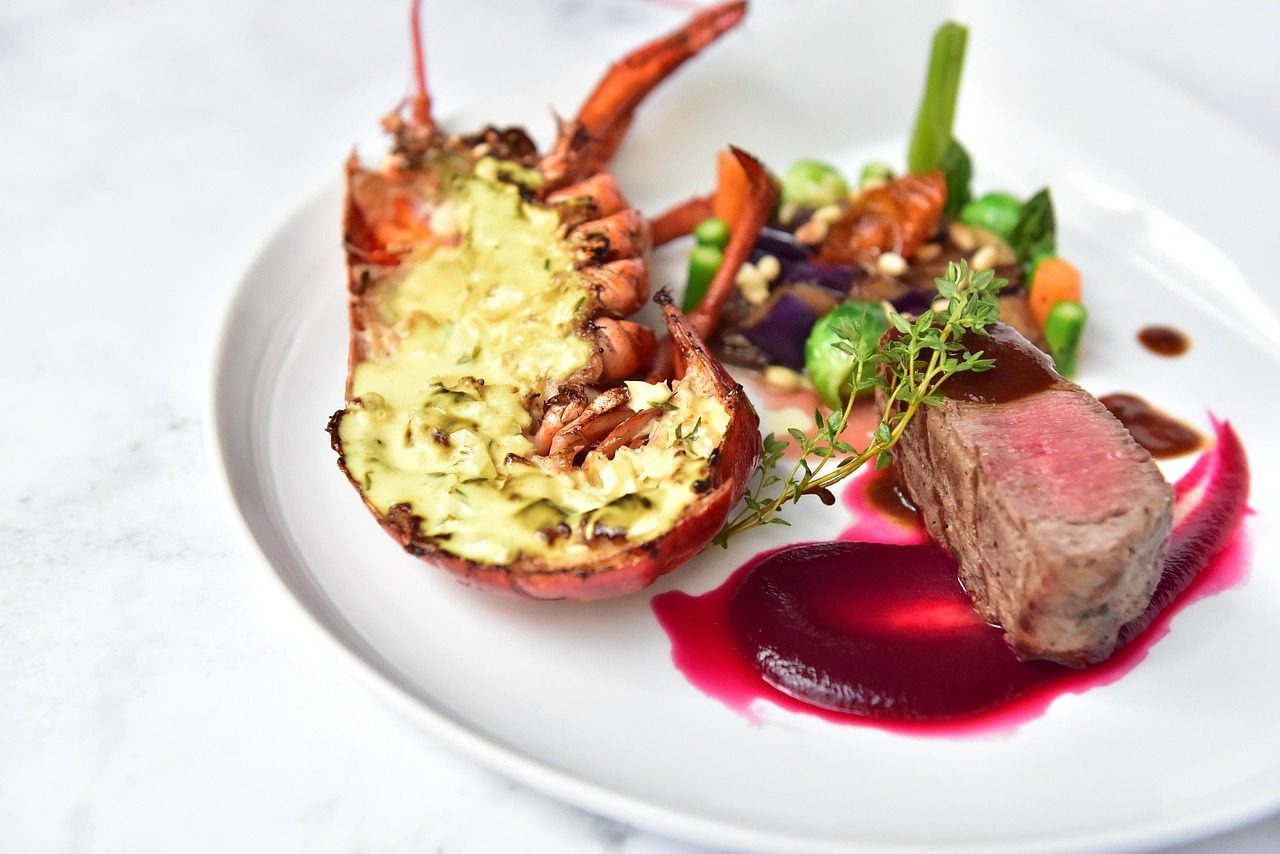
For a luxury item with some added healthy benefit, try ordering the lobster tail, as lobster is a decadent treat that is also chock-full of important nutrients like omega-3 fatty acids and vitamin B12. This is where surf meets turf in the most glorious way possible.
When dining at a steakhouse, obviously the vast majority of clientele is gravitating towards prime steaks and sides, but there are benefits to ordering seafood at a high-end steak house, as from a chef’s perspective, you can showcase more creativity and seasonality with seafood items as opposed to an à la carte steak. A perfectly cooked lobster tail with drawn butter alongside your steak? That’s what celebration dinners are made of.
Baked Potato: The Disappointing Classic

Now we get to the dishes you should skip. A steak and loaded baked potato sound like the classic choice, but chefs don’t recommend it because most steakhouse baked potatoes end up dry and under-seasoned, then they just drown the thing in generic sour cream and pre-shredded cheese from a bag.
Honestly, it’s hard to admit that such an iconic pairing often falls flat. You’re better off spending those calories on something the kitchen actually puts thought into, like truffle fries or hand-cut steak fries. The baked potato has become lazy, a default rather than a deliberate choice.
Lobster Mac and Cheese: Overpriced and Underwhelming
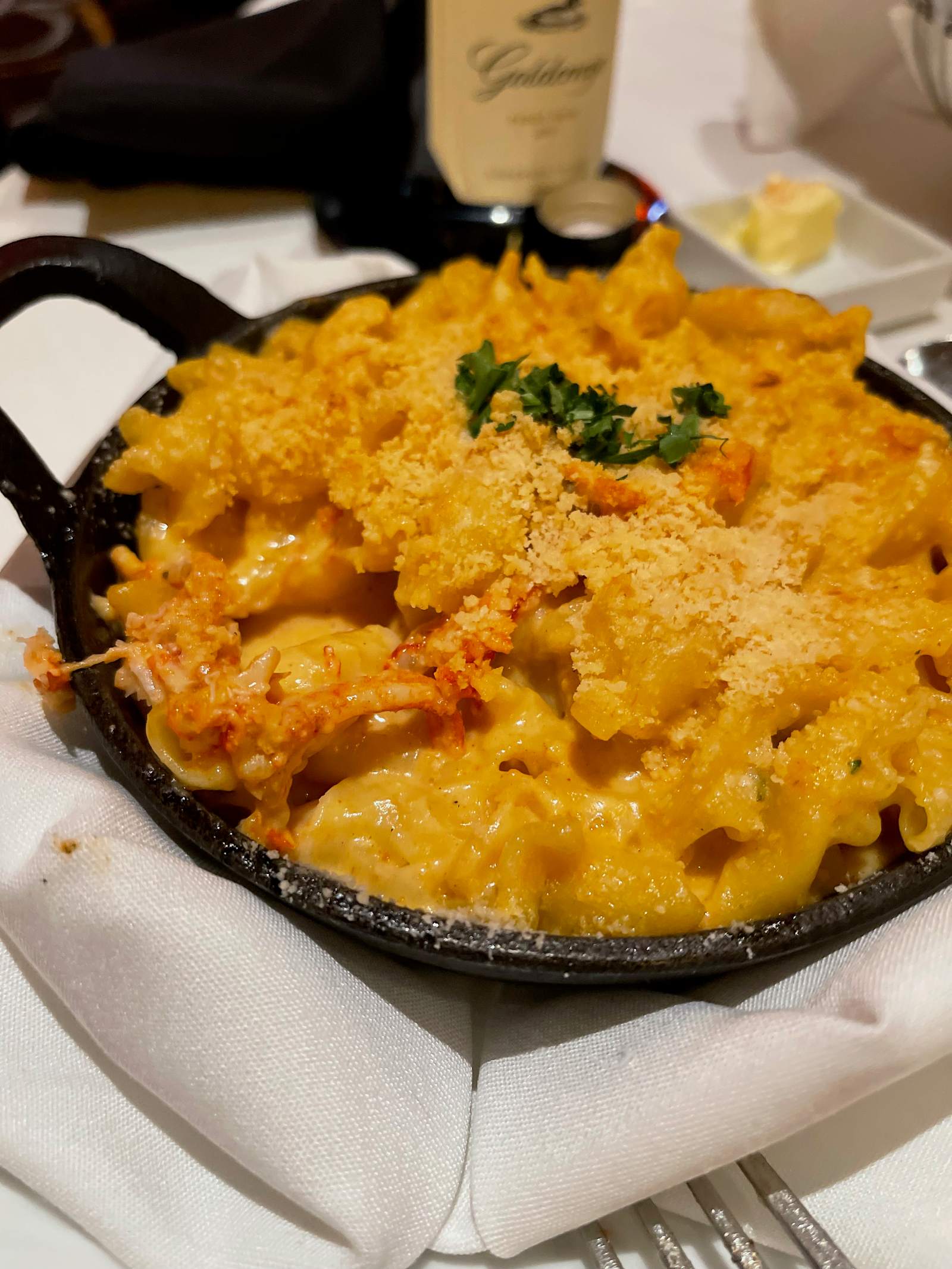
Unless you are in a restaurant that offers some type of lobster dish or is passionate about their seafood program, the lobster meat was brought prefabricated in a sealed bag, and because lobster is so expensive, chefs and owners are less likely to throw this item out and will hold on to it longer, potentially past its time of peak deliciousness, meaning your lobster mac probably came fresh out of the freezer.
This one hurts to acknowledge because it sounds so good on paper. The reality? You’re paying a premium for frozen lobster chunks mixed into mac and cheese. A creamy side of pasta is delectable on its own and should not be paired with steak, as pasta is often a misstep when dining at a steakhouse, with dishes made with alfredo sauce or deep-fried macaroni and cheese bites tending to clash with the savory flavors of the meat. Save your money and your palate.
Chicken Dishes: Not What They Do Best
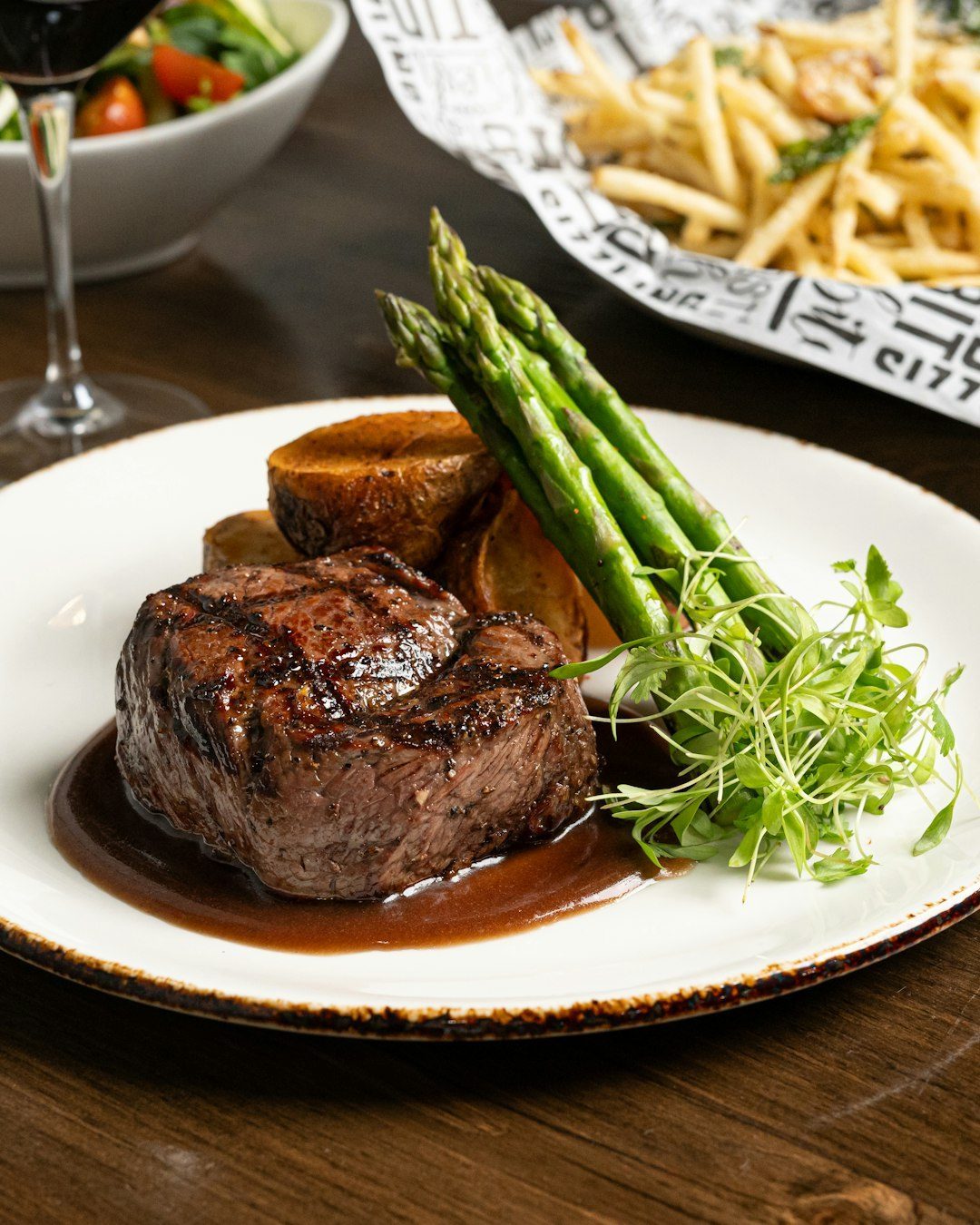
Unfortunately, chicken at a steakhouse may just not be any good, as executive chef Ryan Ososky warns he will order almost anything when going out but never chicken because it tends to be overcooked at most restaurants. This is a steakhouse, not a chicken house.
It’s a myth that ordering chicken will be healthier than ordering steak, as LongHorn Steakhouse’s Parmesan Crusted Chicken dish clocks in at 1,120 calories, with 28 grams of saturated fat and 3,160 milligrams of sodium when ordered in a 12-oz size, which is way more than the maximum of 2,300 mg that you should be eating in a full day. You came to a steakhouse for a reason. Order the steak.
Fish Entrees: Leave It to the Seafood Restaurants
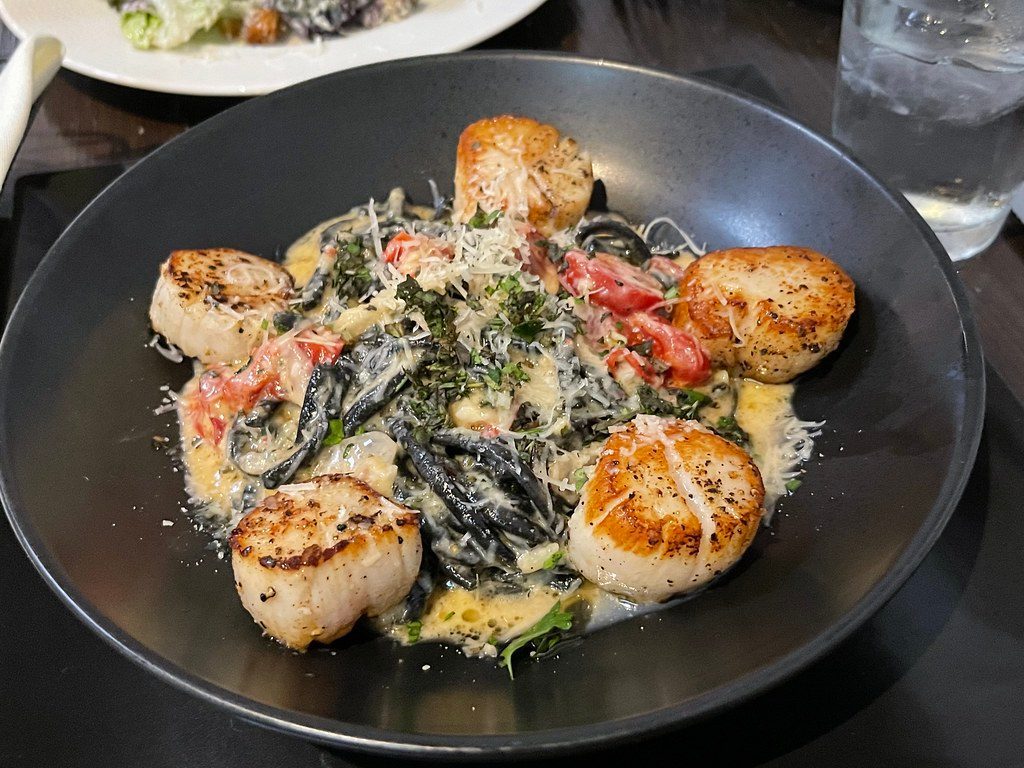
Never order fish at a steakhouse, suggests executive chef Jeremy Shigekane of 100 Sails & Bar at the Prince Waikiki Hotel in Honolulu, noting that just like with sushi, he believes in sticking to what the restaurant does best. It’s simple logic, really.
Having a pescatarian diet can mean struggling in steakhouses, and while some steak joints have put grilled fish dishes on their menus, these dishes are usually not worth your money because if you’re dining at a steakhouse, you’re dining at a place that specializes in steak, with chefs likely being pros at cooking red meat but potentially treating fish dishes as somewhat of an afterthought, and their relationships with seafood suppliers may not be so robust, leading to an inferior product. If you want excellent fish, go to a seafood restaurant. If you’re at a steakhouse, commit to the beef.
What strikes me most about these chef recommendations is how they all circle back to one central idea: order what the restaurant does best. A steakhouse has spent years, sometimes decades, perfecting their meat program. They’ve built relationships with ranchers, mastered their grills, trained their cooks to know exactly when a ribeye hits medium-rare perfection. That’s where their passion lives, where their expertise shines. The chicken? The baked potato? Those are menu fillers, afterthoughts designed to please the one person at the table who doesn’t eat red meat. They’re not getting the love and attention that goes into a perfectly aged bone-in ribeye or a tower of pristine shellfish. So next time you’re settling into that plush booth, cocktail in hand, leather menu open before you, remember what the pros would do. Order bold, order smart, and for goodness’ sake, skip the chicken.