6 Modern Societies Where Arranged Marriage Is Increasing Again, Studies Indicate
The world is changing faster than ever, yet something unexpected is happening in the marriage customs of several nations. While Western societies often assume arranged marriages are fading into history, recent data tells a different story. In certain modern societies, this ancient practice is experiencing an unexpected revival or showing surprising resilience. It’s a fascinating contradiction, really. In an era dominated by dating apps and individualism, family involvement in marriage decisions is staging a comeback in ways that might challenge everything you thought you knew about modern romance.
India: The Hybrid Marriage Model Takes Hold
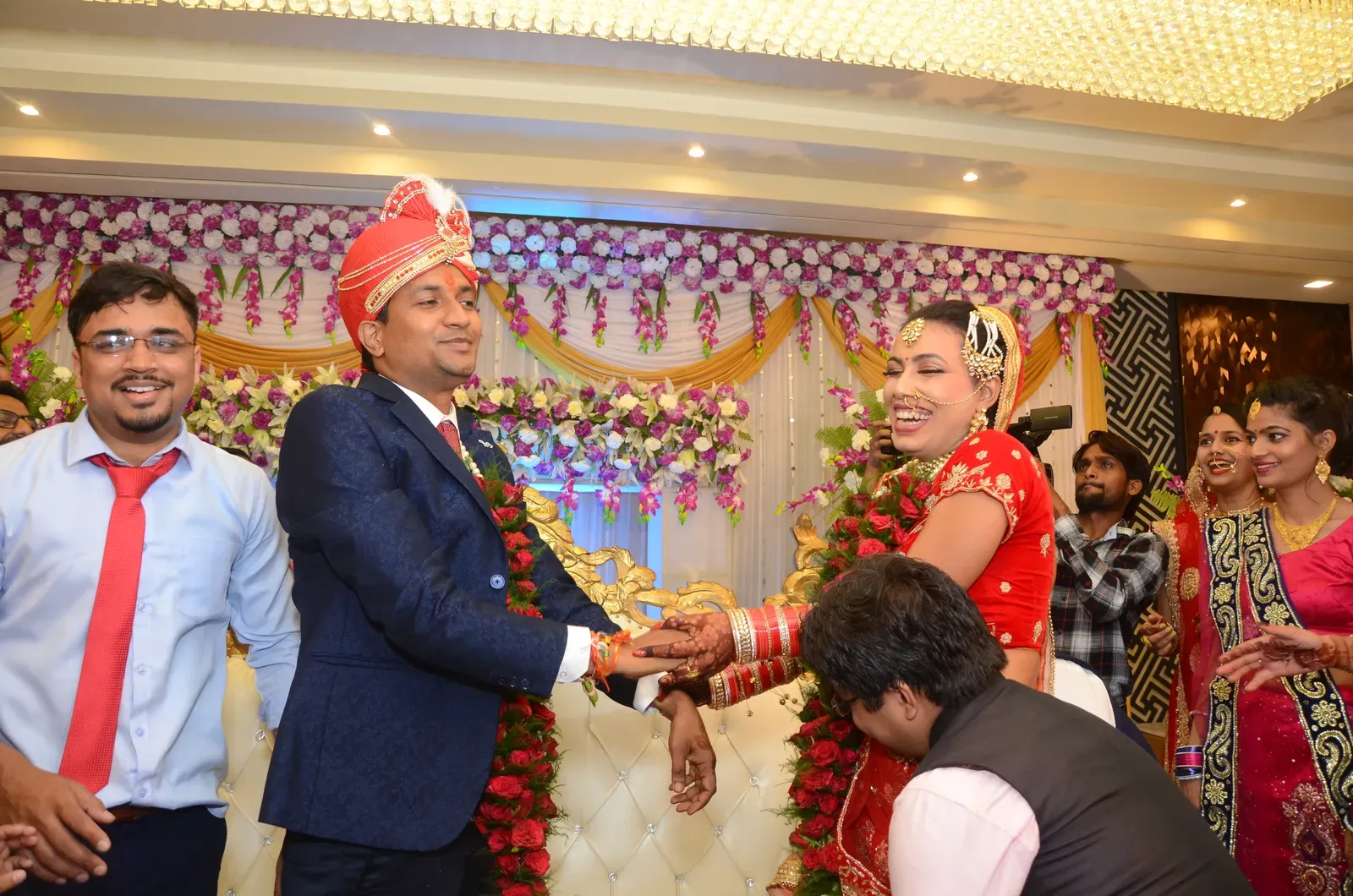
In a 2018 survey covering more than 160,000 households across India, 93 percent of married Indians reported that their marriage was arranged by the family. What’s striking isn’t just the overwhelming prevalence, though. Research from 2025 shows arranged marriage remains popular in India, with middle-class young adults viewing it as the “safest” option because parental support serves as insurance against later marital issues. The emerging trend of “self-arranged marriages” represents a fusion of both arranged and love marriage dynamics, reflecting enduring societal pressures to formalize family unions through matrimonial processes. Instead of disappearing, arranged marriage in India is evolving into something altogether more nuanced.
Pakistan: Strong Family Consent Persists
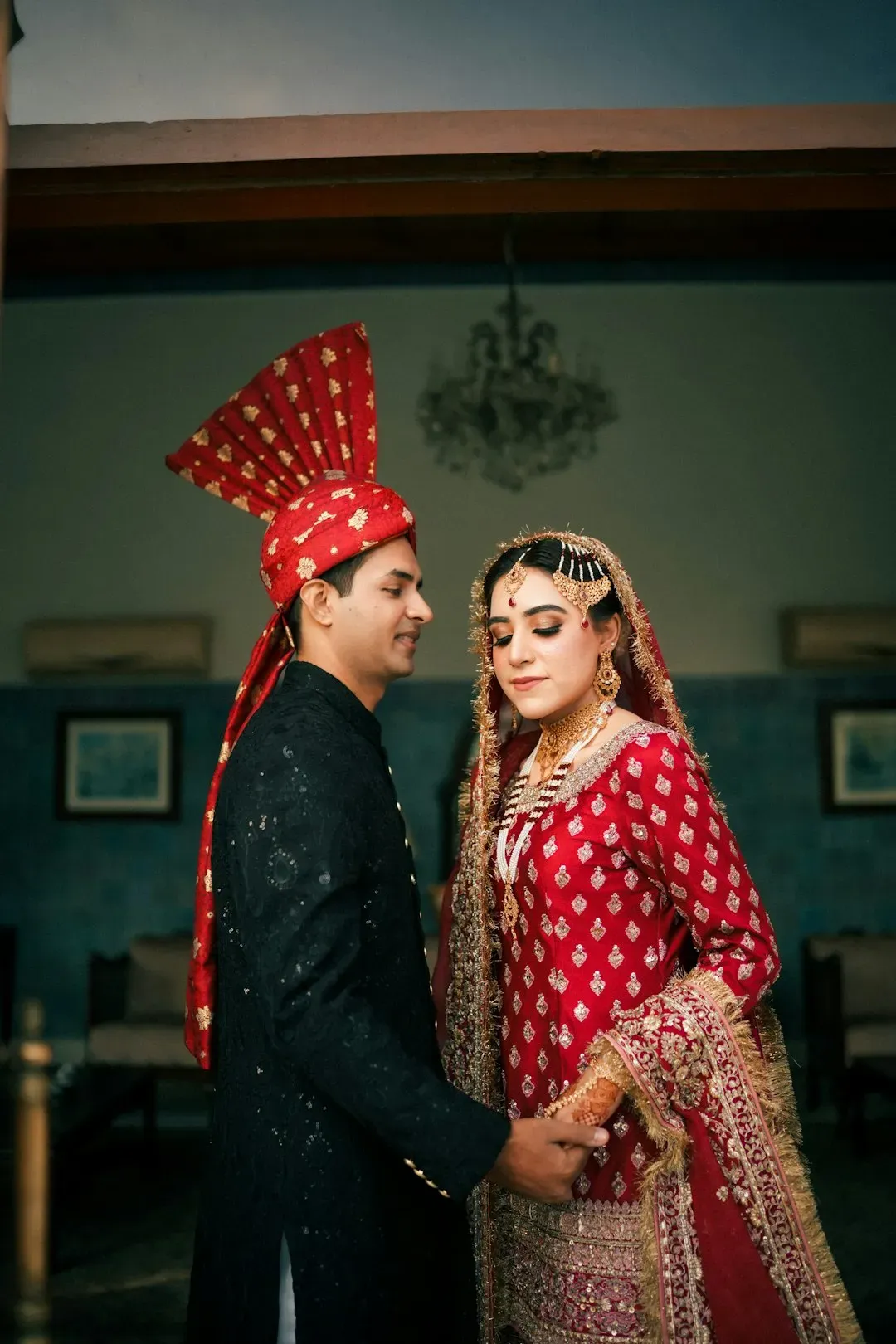
According to a Gallup Pakistan survey conducted between June 28 and July 10, 2024, over 85 percent of people said they had arranged marriages, while 14 percent married of their choice. Here’s the thing: these numbers show remarkable stability in a rapidly changing region. Among married Pakistanis, four out of five have an arranged marriage, with adults under the age of 30 having the highest rate of love marriage at 21 percent among all age groups surveyed. While the traditional form of arranged marriage is considered to be losing popularity among newer generations, it still dominates Pakistani marriage culture. Even as education levels rise and urban centers expand, parental involvement in marriage decisions remains deeply embedded.
Japan: The Omiai Tradition Finds New Life

Japan offers one of the most intriguing cases. In the 1930s and 40s, omiai practices accounted for 69 percent of marriages in Japan, dropping to just 5.2 percent by 2010. You’d think that was the end of the story. In recent years, Omiai matching has seen an increase in popularity again, fueled by changes in marriage agency methods, many of which are data driven. Japan’s demanding work culture leaves little time for dating, making Omiai a practical solution for those seeking companionship and marriage. Technology hasn’t killed this tradition. It’s given it a second wind.
United Arab Emirates: Modern Takes on Traditional Patterns
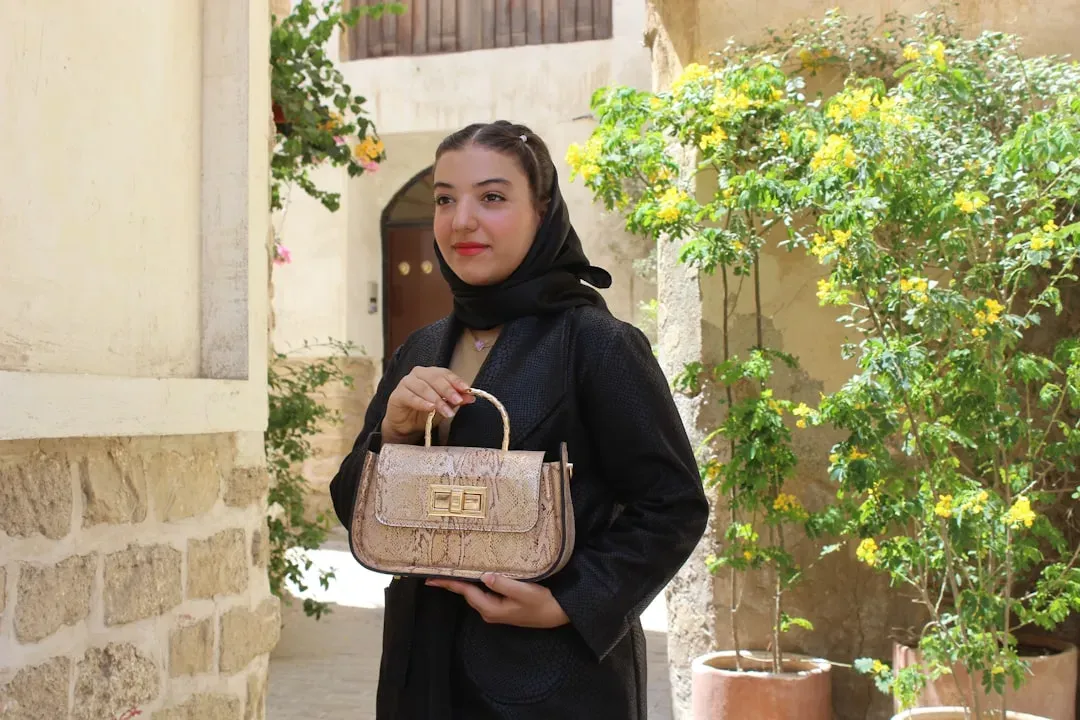
The requirement for genetic testing is attributed to the high prevalence of genetic disorders within the native population, linked to the 39 percent consanguineous marriage rate in the UAE. Let’s be real: that’s a substantial proportion of marriages still following traditional kinship patterns. In recent years, personal choice has become a bigger factor, with Emirati couples increasingly insisting on meeting and approving their future partner before signing on the dotted line. Parents and elders still typically play matchmaker for their sons and daughters, initiating introductions and vetting suitors. The structure endures even as individual agency increases.
Saudi Arabia: Shifting Yet Steadfast
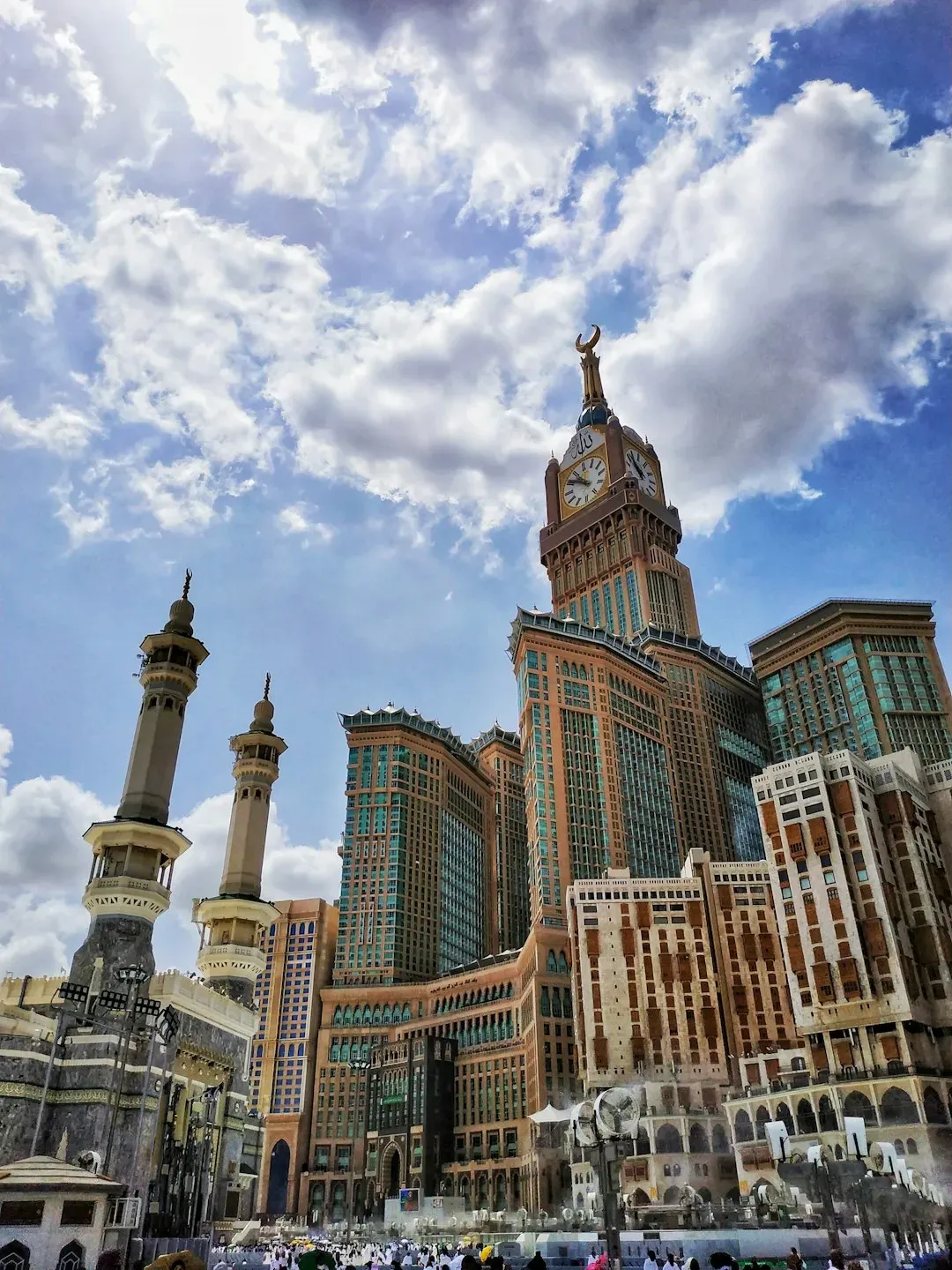
In Saudi Arabia, the majority at 65 percent or more of all marriages are endogamous and consanguineous arranged marriages. These aren’t marginal numbers. There has been a decrease in the incidence of arranged marriages and increases in inter-religious, ethnic and social class marriages in Saudi Arabia, though arranged marriages are on the decline in the region. The country is witnessing gradual evolution rather than wholesale abandonment of family-arranged unions. Between 25 and 40 percent of all marriages in parts of Saudi Arabia are first cousin marriages, while overall consanguineous arranged marriages exceed 65 to 80 percent in various regions of North Africa and Central Asia.
Bangladesh: Economic and Cultural Roots Hold Strong
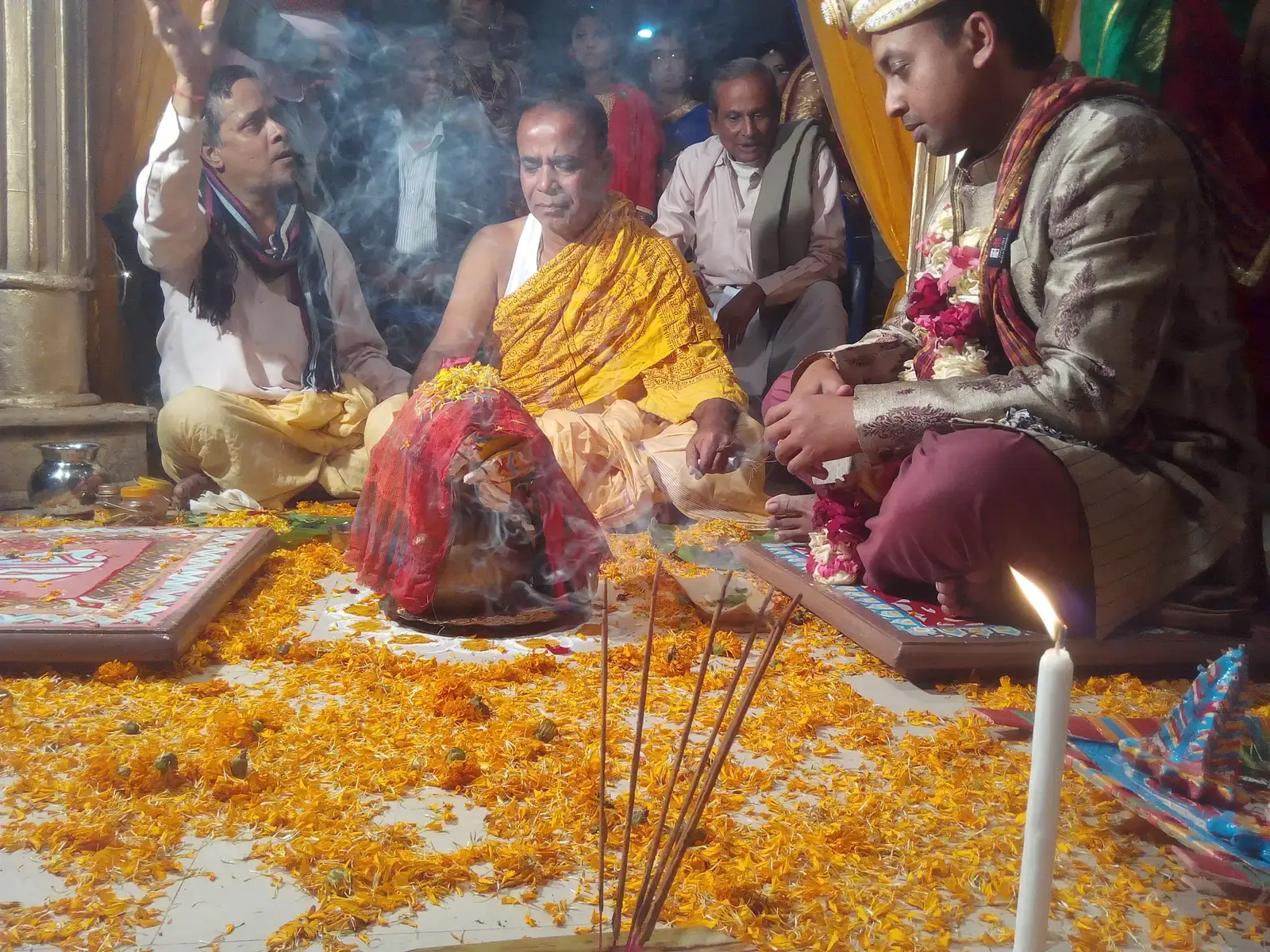
Studies suggest arranged marriage is widespread in Pakistan and Bangladesh, making Bangladesh another society where this practice shows lasting power. Bangladesh is one of the arranged marriage countries where forced marriages remain a concern, with arranged marriages existing for hundreds of years and symbolizing the alliance of two families. Bangladesh is among the nations with the highest rates of arranged child marriages globally, highlighting both the persistence and problematic aspects of this tradition. Economic factors and deep cultural expectations keep the practice firmly rooted despite modernization pressures elsewhere in society.
What becomes clear from examining these six societies is that arranged marriage isn’t some relic destined for extinction. It’s adapting, transforming, and in some places, even growing stronger through hybrid models that blend family wisdom with personal choice. Maybe the real surprise isn’t that arranged marriages persist, but that they’ve proven so adaptable to modern life. Did you think all these societies would be moving in the same direction?