10 Hidden Electrical Hazards Inspectors Say Could Turn Your Home Into a Fire Risk
Overloaded Power Strips Hiding Behind Furniture
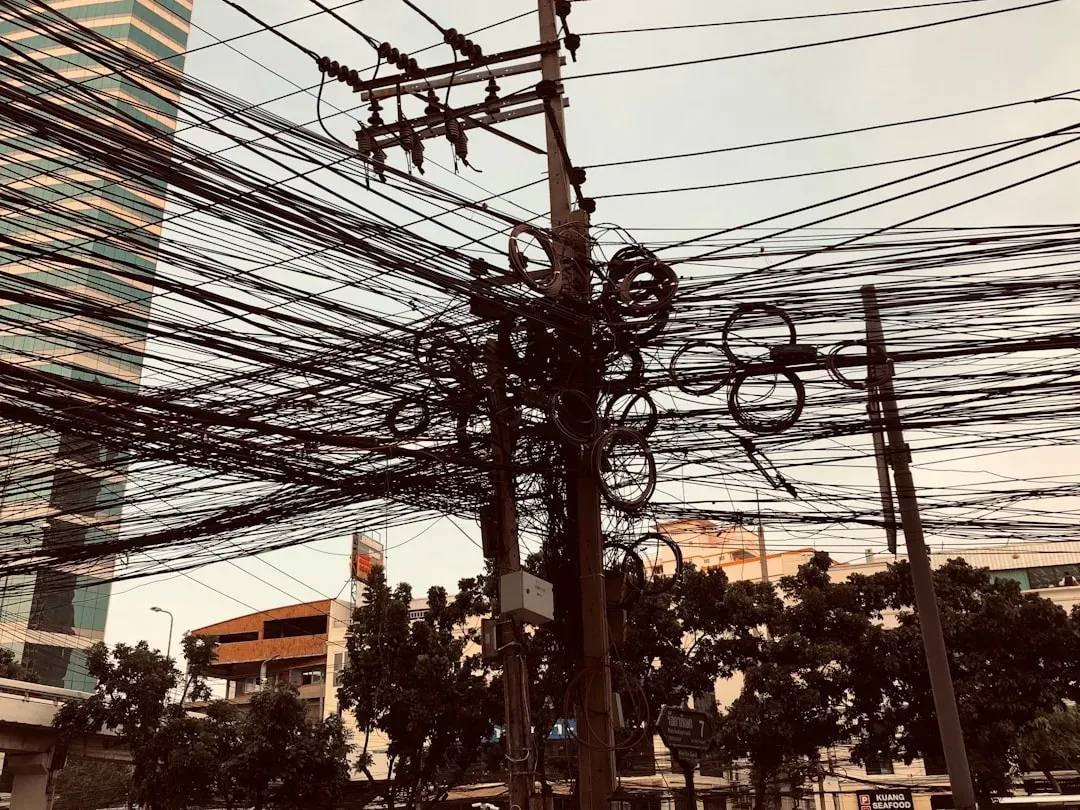
Fire inspectors keep saying one of the most common things they see after a house fire is a melted power strip tucked behind a TV stand or sofa, buried in dust and plugged full of devices. The U.S. Consumer Product Safety Commission has warned that overloaded power strips and extension cords are a major factor in thousands of home electrical fires every year, especially where high-wattage space heaters, air conditioners, or microwaves are daisy-chained together. When every outlet on a cheap strip is full, the internal wiring can overheat, and if it’s covered by a rug or jammed against curtains, the heat has nowhere to go. It looks neat and convenient, but it turns that hidden corner into a slow, ticking fire risk you rarely think about.
Extension Cords Used as Permanent Wiring
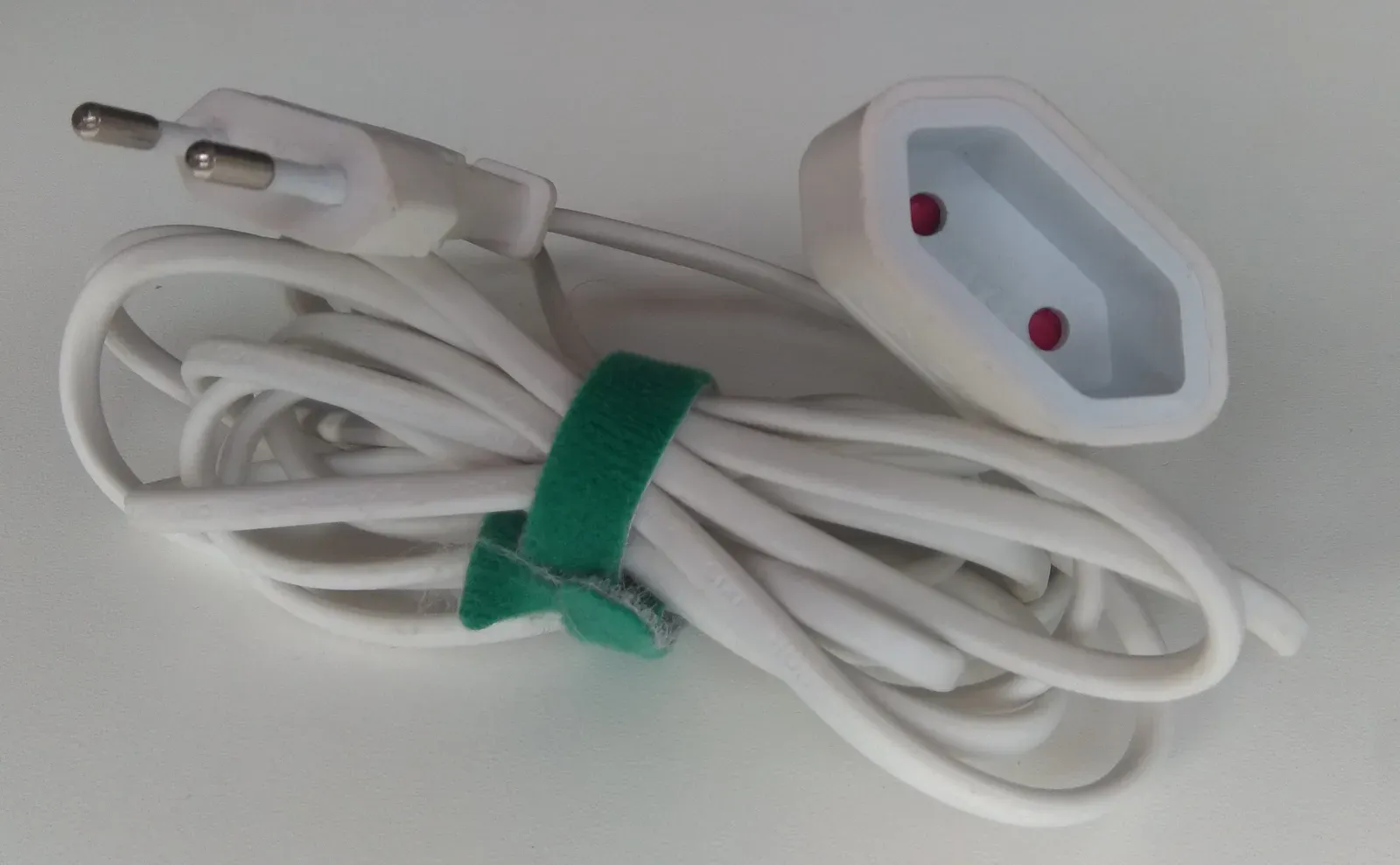
Extension cords are meant for temporary use, but inspectors still walk into homes where one cord has powered a fridge, a TV, or a home office for years. The National Fire Protection Association has reported that misuse of extension cords is involved in thousands of home fires annually, often because cords run under carpets, through doorways, or behind baseboards where they get pinched and damaged. When insulation breaks down from flexing or heat, the copper inside can arc, and those tiny sparks can set nearby dust or fabric on fire. It feels harmless to “just run one cord for now,” but when temporary becomes permanent, you’re quietly replacing safe, code-approved wiring with one of the weakest links in the electrical chain.
Space Heaters on Shared Circuits
Portable space heaters are small, but they pull a heavy electrical load, and inspectors regularly trace burned outlets and scorched wiring back to them. Safety agencies in the United States have pointed out in recent winter fire reports that heating equipment is still one of the leading causes of home fires, and plug-in heaters are a big piece of that puzzle. When a heater shares a circuit with things like a toaster, hair dryer, or entertainment system, the wiring in the wall can run hotter than it was ever designed to. You may never see a flame from the heater itself, but the real danger is the silent overheating behind the drywall every time you flip it on.
Loose or Warm Outlets No One Checks
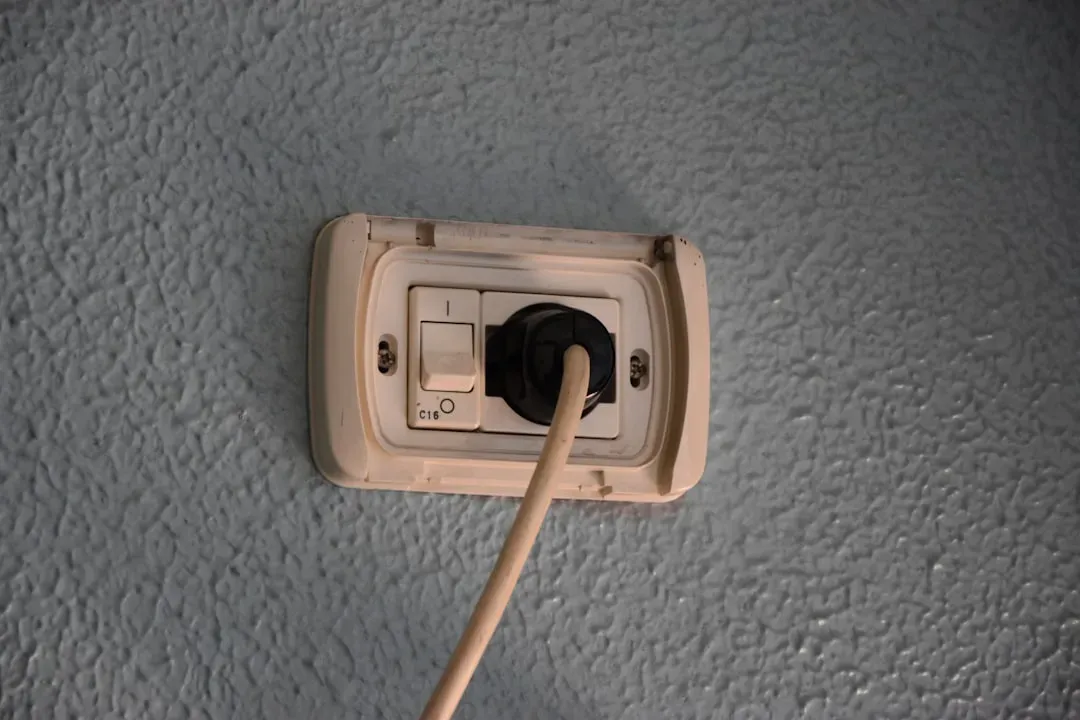
Electricians and inspectors often say that your outlets can tell you a lot about hidden problems, but most people only notice them when they stop working completely. A faceplate that feels warm to the touch, plugs that sag or fall out easily, or frequent flickering when you bump a cord are all classic signs of loose internal connections and arcing. U.S. fire data over the last few years continues to show that many electrical fires start at receptacles and switches because of bad connections or worn parts, not dramatic events like lightning strikes. It might look like a cosmetic annoyance, but that little bit of movement where metal meets metal can throw tiny, hot sparks over and over until something nearby finally catches.
Old Two-Prong Outlets and Ungrounded Circuits
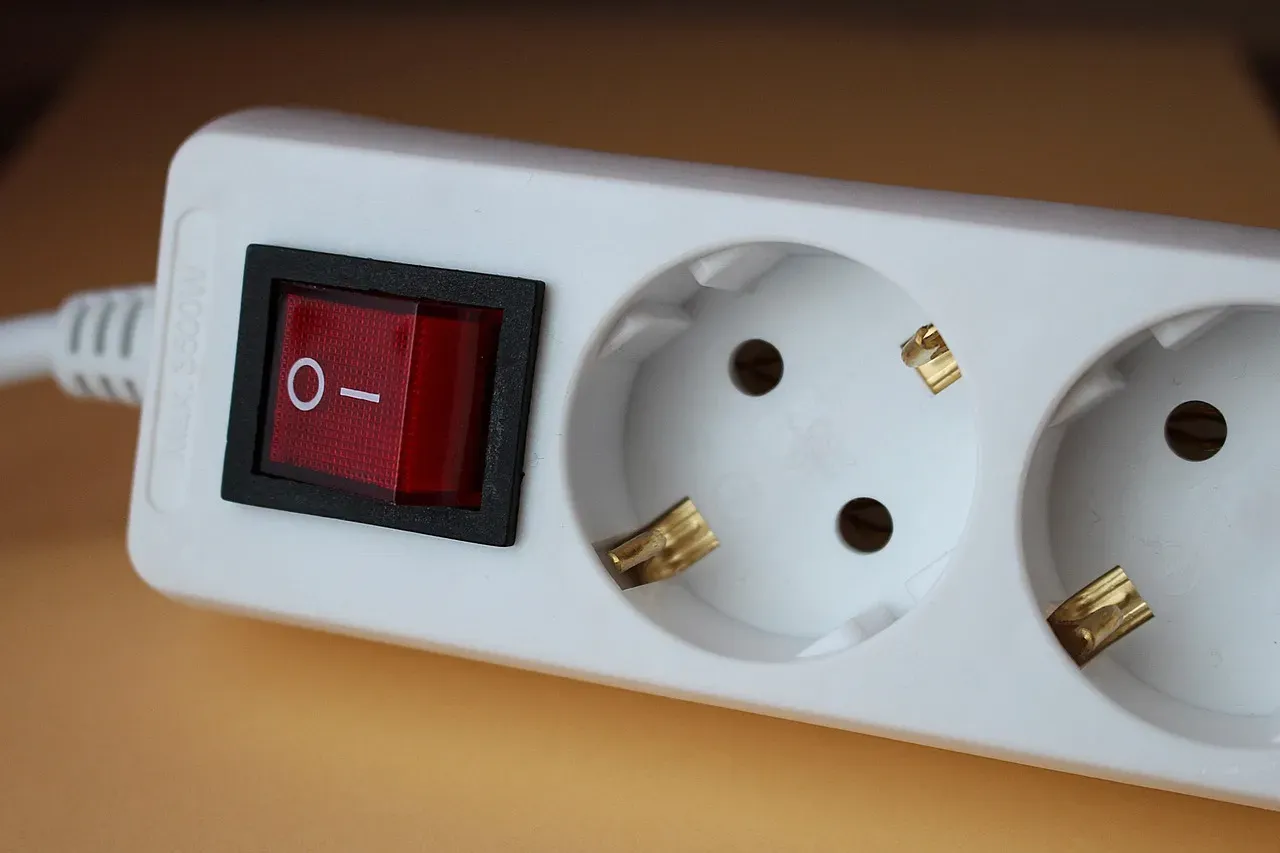
Homes built before modern electrical codes often still have two-prong outlets and ungrounded wiring, and inspectors see them as hidden red flags, especially when people use adapters to plug in three-prong devices. Grounding is there to safely carry away fault current when something goes wrong, and without it, that stray current can overheat wiring or energize metal parts of appliances. Fire investigation summaries in older housing stock keep pointing to outdated systems that were never upgraded but are now trying to handle today’s heavier loads like powerful computers, gaming systems, and high-wattage kitchen tools. An outlet that “still works fine” may simply be masking the fact that the entire circuit behind it is operating without one of the most basic safety protections we now take for granted.
Aluminum Branch Wiring in Older Homes
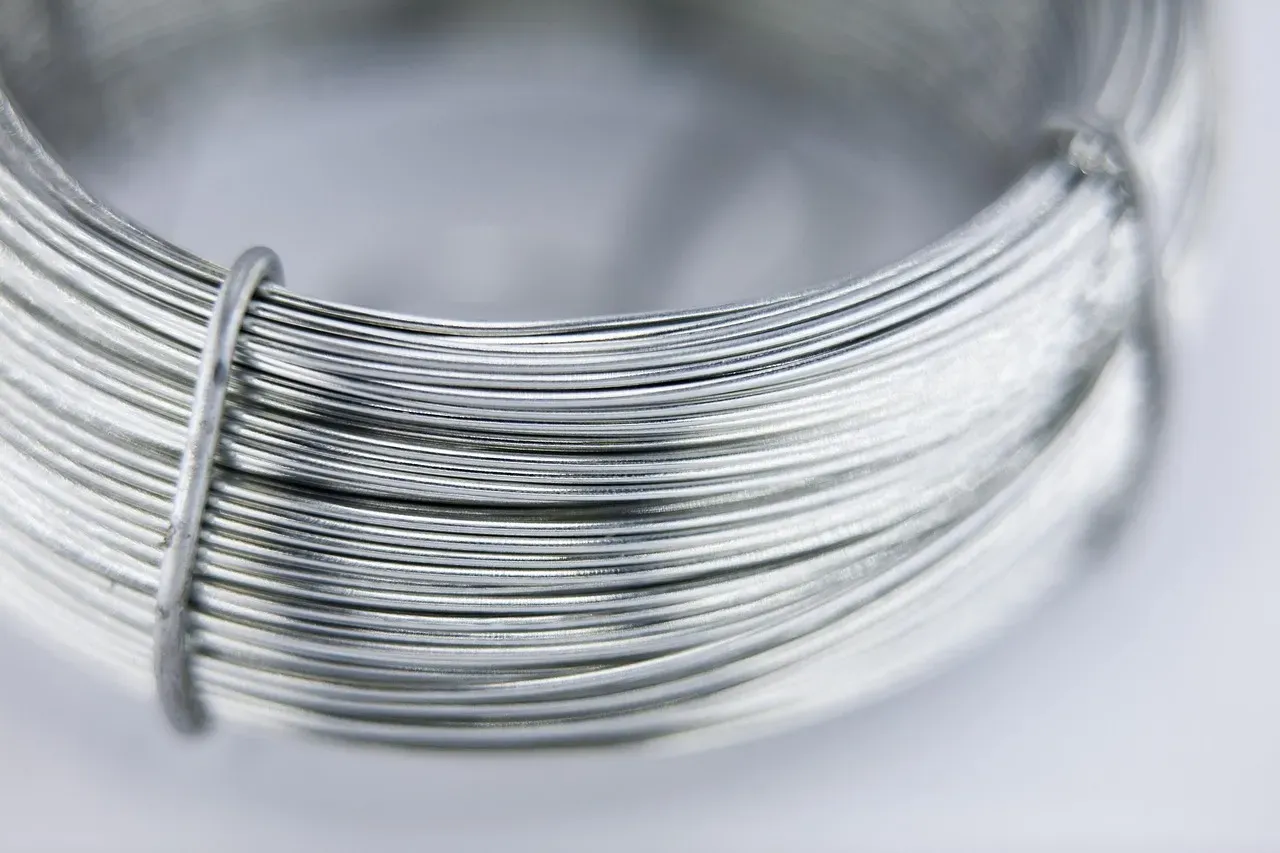
Inspectors in the United States still flag aluminum branch-circuit wiring from the late nineteen-sixties and nineteen-seventies as a serious fire concern, especially when it has not been professionally remediated. Government safety agencies have documented that aluminum wiring connections are more likely than copper to loosen and overheat over time, which can cause arcing and ignition at switches, outlets, and splices. Homeowners often do not even know they have aluminum, since it hides behind walls, yet insurance companies and some modern real estate inspections now specifically ask about it because of the fire history. It is one of those hazards that feels invisible and theoretical until an overloaded point of connection finally fails, sometimes with nothing more than a faint popping sound and the smell of burning plastic as the first warning.
DIY Light Fixtures and Fan Installs Without Boxes
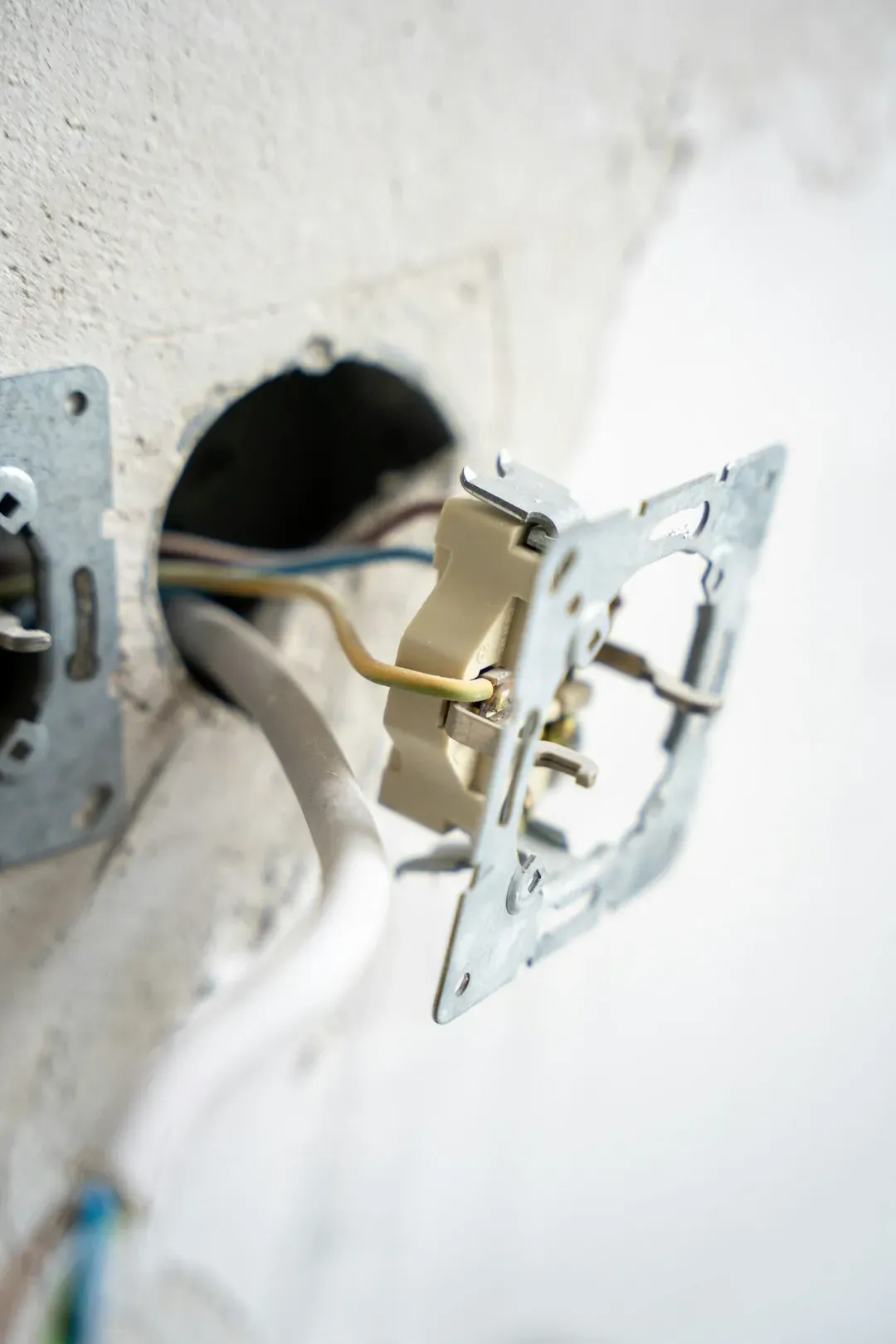
Many inspectors can tell in seconds when a homeowner has installed a light or ceiling fan without a proper electrical box, often by seeing wires shoved through a hole in drywall or a fixture hanging awkwardly. Electrical codes in the United States require listed junction boxes for good reasons: they contain heat, protect wire splices, and secure heavy fixtures so they do not strain the wiring. Fire case studies from recent years include examples where loose fan mounts and open splices in ceilings led to smoldering insulation, slow charring of joists, and eventually open flame, often long after the light was turned off. Swapping a light might look like an easy weekend project, but skipping the right box is like leaving a live campfire inside your ceiling and hoping the wind never picks up.
Hidden Damage From Rodents and Pests
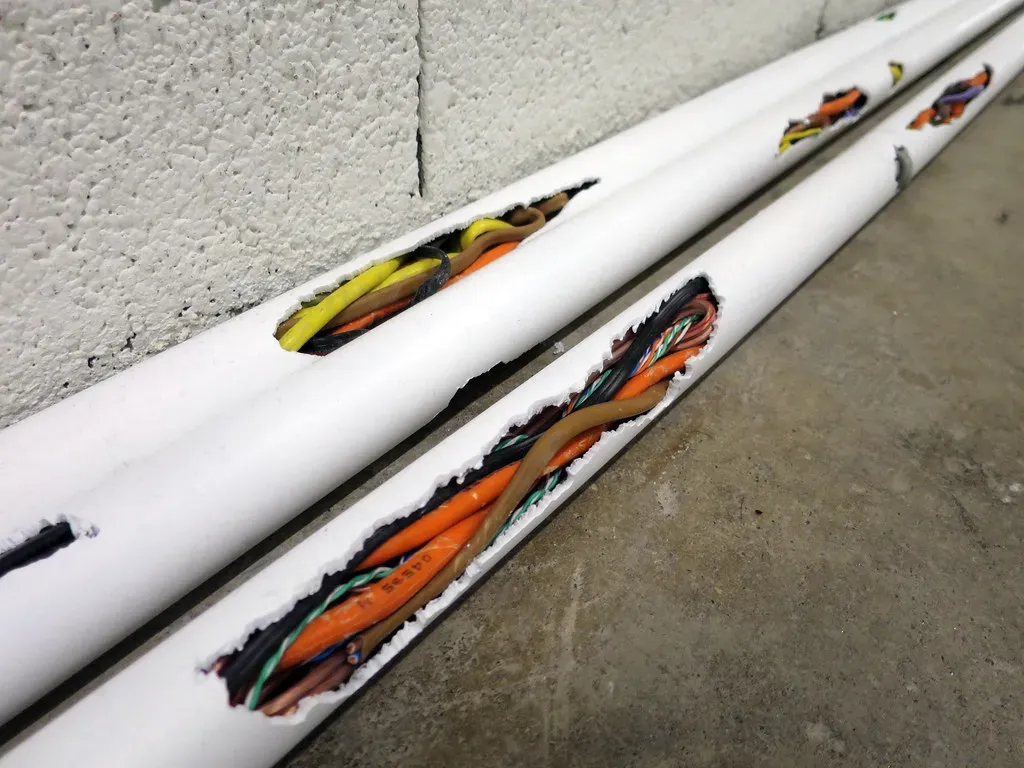
Home inspectors and pest control professionals frequently find gnawed electrical cables in attics, crawl spaces, and basements, especially in older or rural homes. Rodents chew on wiring insulation, which can expose bare conductors and dramatically increase the chance of short circuits and arcing, particularly when insulation is packed around them. Studies and field reports over the past few years have tied a noticeable share of mysterious attic and wall fires to this kind of damage, which often goes completely unnoticed until after an incident. If you have heard scratching in the walls or seen droppings in storage areas, there is a real chance the problem is not just hygiene, but a quiet attack on your electrical system that could set the stage for a future fire.
Improperly Wired GFCI and AFCI Protection
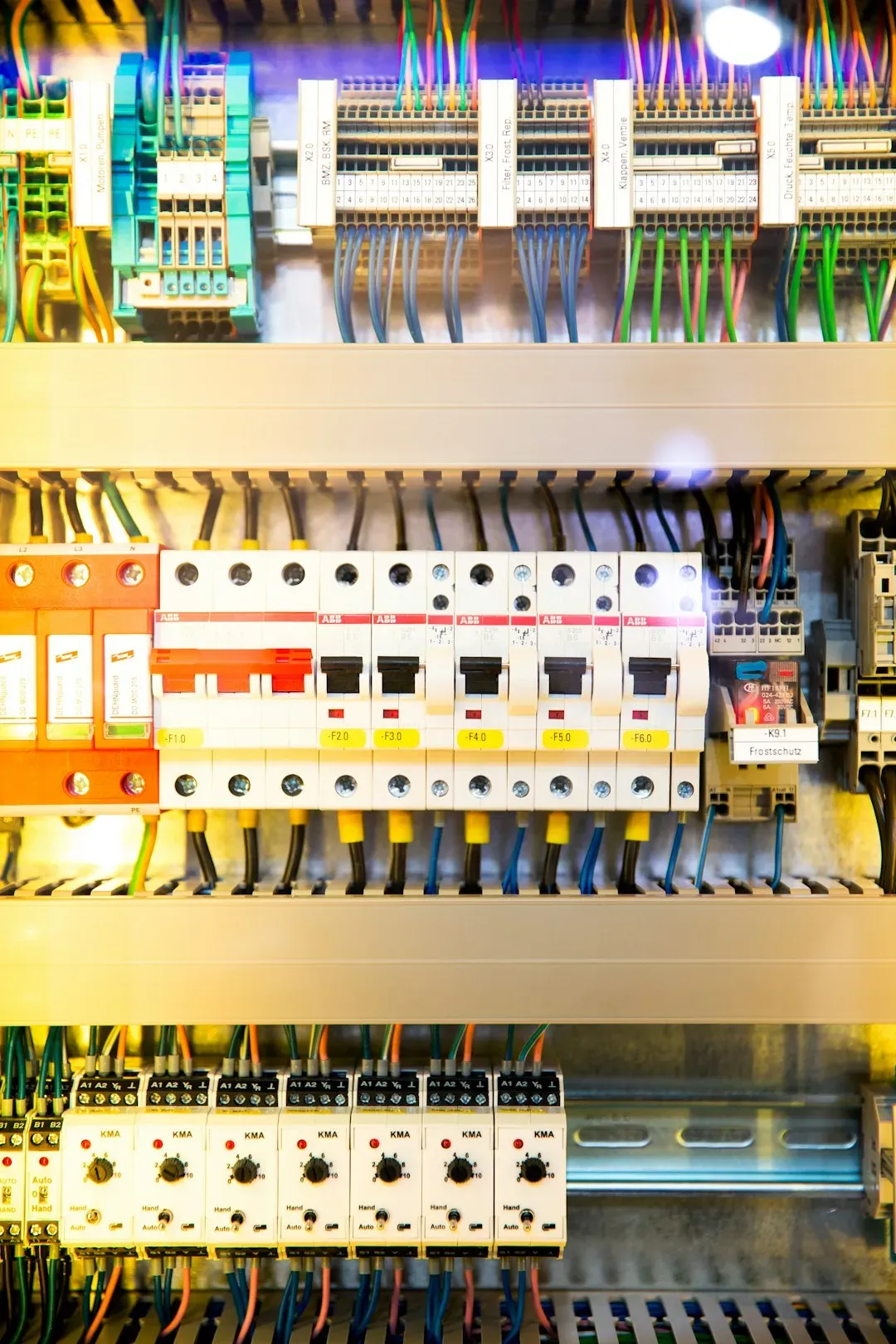
Ground-fault and arc-fault circuit interrupters are designed to shut power down quickly when something dangerous happens, yet inspectors regularly find them wired incorrectly or not installed where modern codes would require them. Recent updates to electrical safety standards in the United States have expanded recommended use of these devices in bedrooms, living areas, kitchens, bathrooms, and outdoor spaces, because data shows they can sharply reduce the risk of shocks and electrical fires. When a GFCI or AFCI is simply “there for looks” but not tested, miswired, or daisy-chained in odd ways, it may not trip when an arc starts behind the wall or an appliance begins leaking current. That false sense of security can be especially dangerous, because people assume the technology will save them while an unseen hazard keeps getting worse.
Old Appliances With Frayed or Recalled Cords
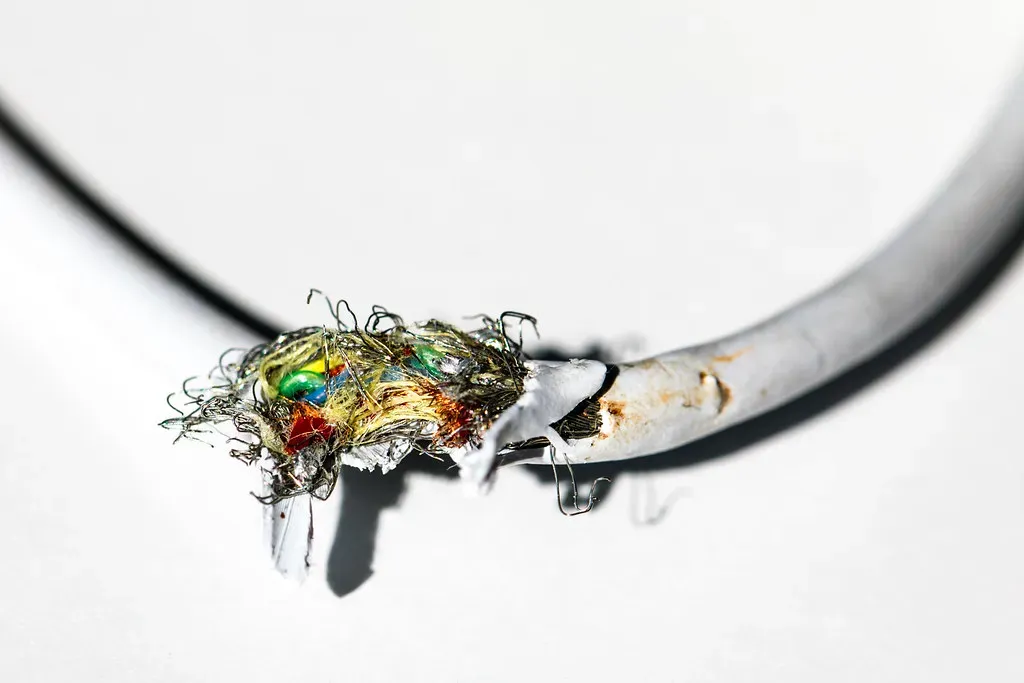
Inspectors and fire investigators often trace the origin of a blaze back to a single appliance with a worn, cracked, or damaged power cord, sometimes decades old and still in use. Safety agencies and manufacturers issue product recalls every year for electrical defects that can lead to overheating, and many of those recalls involve kitchen gear, heaters, and plugged-in devices people use every day. When cords are pinched behind furniture, wrapped tightly around the appliance, or repaired with tape instead of proper plugs and connectors, heat builds up and can ignite the outer jacket or nearby materials. Checking cord condition and recall notices might feel tedious, but in real fire reports it is often that simple, neglected detail that marks the thin line between a safe everyday routine and a devastating electrical fire.