5 Regional Sandwiches You’ve Probably Never Heard Of
Some of the best food stories in America don’t take place in celebrity chef kitchens or trendy fusion spots. They happen in small diners, corner delis, and family restaurants where recipes have been passed down for generations. These sandwiches might not have the fame of a Philly cheesesteak or the swagger of a po’boy, yet they’ve earned fierce loyalty from locals who guard them like family secrets. Let’s be real, half the fun of traveling through America is stumbling upon food you didn’t even know existed. So buckle up, because we’re diving into five regional sandwiches that most people outside their hometowns have never even heard of.
The Horseshoe: Springfield, Illinois’ Open-Faced Monster
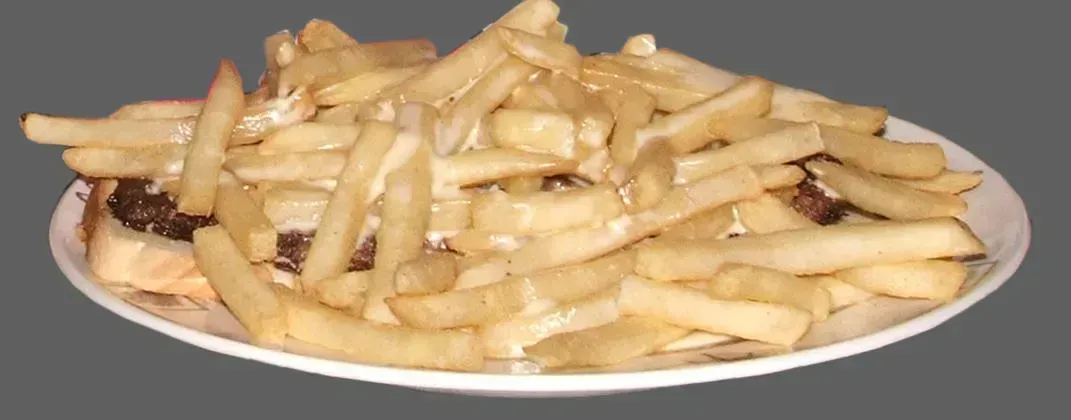
Picture this: two thick slices of toasted Texas toast, a mound of your protein of choice, a mountain of crispy French fries, and the whole glorious mess drowned in rich, beer-infused cheese sauce. The horseshoe is an open-faced sandwich originating in Springfield, Illinois, consisting of thick-sliced toasted bread, a hamburger patty or other choice of meat, French fries, and cheese sauce. The Signature Horseshoe Sandwich was created in 1928 at the Old Leland Hotel by Joe Schweska. The story goes that his wife, Elizabeth, suggested using a Welsh rarebit cheese sauce recipe, and Schweska ran with it. The name “horseshoe” was derived from the shape of the cut of ham used in the original sandwich. Today, the horseshoe can reach calorie counts around 2,700 according to some Springfield establishments, but honestly, nobody’s ordering this for its health benefits. Chicago native Mike Zengilani discovered that when building the menu for Boone’s, an older lady informed him that people in Springfield do horseshoes. To compete in Springfield as a local restaurant, you really need a horseshoe on your menu.
Cemita Poblana: Mexico’s Baroque Masterpiece From Puebla
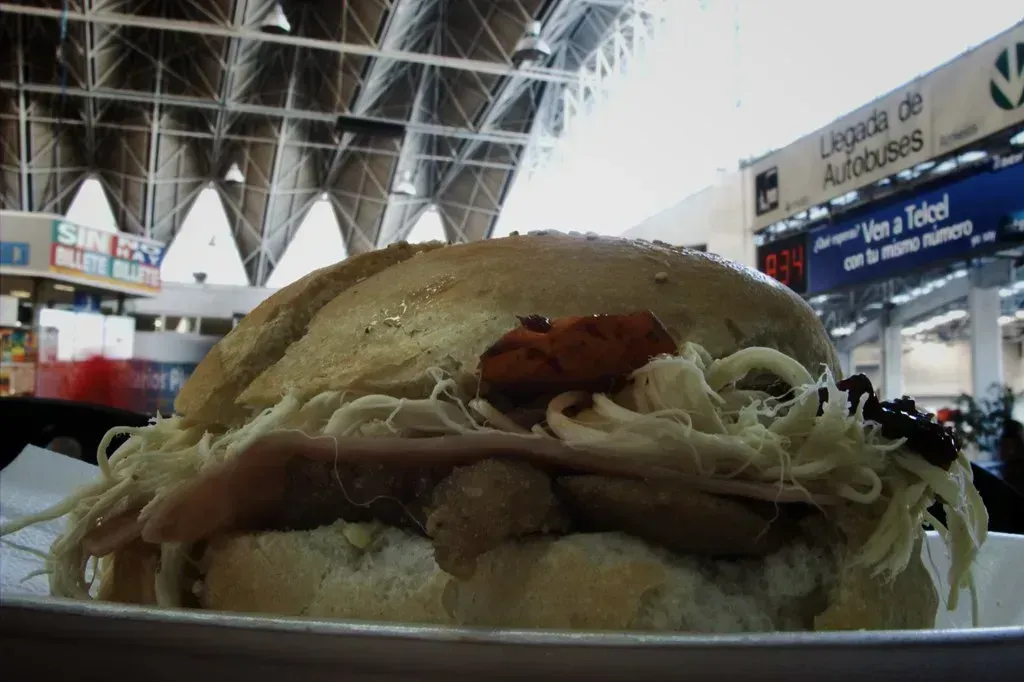
The cemita is a sandwich originally from Puebla, Mexico, also known as cemita poblana. This isn’t just any torta. The word refers to the sandwich as well as to the roll it is typically served on, a bread roll covered with sesame seeds, with ingredients usually restricted to sliced avocado, meat, Oaxaca cheese, onions, the herb pápalo and chipotle adobado, or jalapeño. Here’s the thing about pápalo: people either love it or find it overwhelming. The flavor is intense and hard to describe – a complex mix of cilantro, arugula, and maybe a hint of citrusy rue. The bread itself has serious history, rooted in Puebla’s renowned baking traditions. It’s food history wrapped in a sesame seed bun, and every bite tastes like it.
Loose Meat Sandwich: Iowa’s Humble Hero
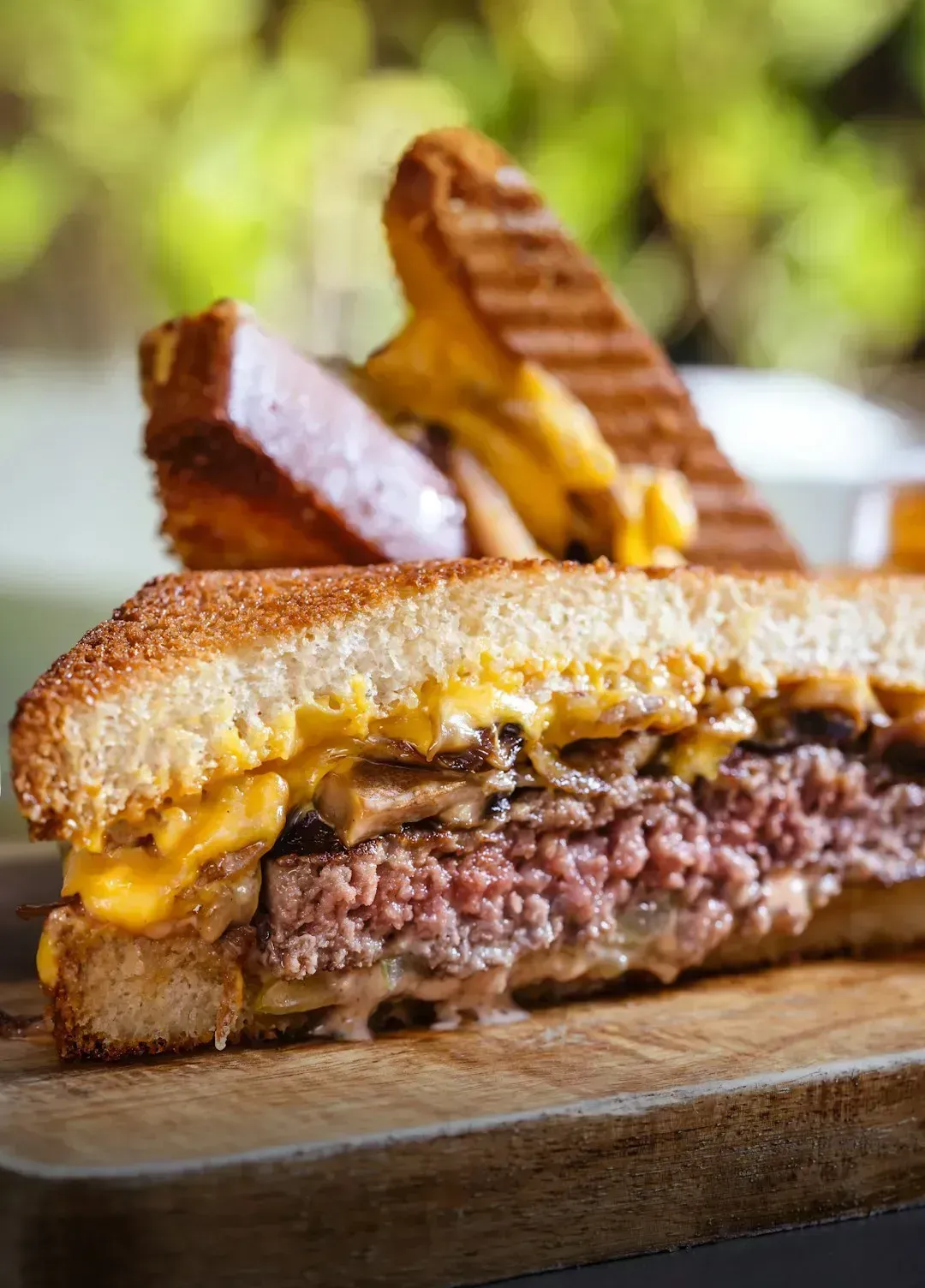
If you’ve never been to Iowa, a loose meat sandwich, also called a Maid-Rite or tavern sandwich depending on which town you’re in. A tavern sandwich is a sandwich consisting of ground beef on a bun, sometimes mixed with sauteed onions, and unlike a hamburger, a tavern’s meat is cooked loose rather than formed into a compact patty. In 1926, Fred Angell began selling his version of the sandwich at the first Maid-Rite restaurant in Muscatine, Iowa, under the name “loose meat sandwich.” This sandwich is almost a century old, which tells you something about how beloved it is. Maid-Rite operates more than 80 locations across several states, with the most in Iowa. It’s sort of like a Sloppy Joe’s less messy cousin, without the tomato sauce but with all the savory satisfaction. Don’t let the appearance fool you into thinking it’s dry. The beef gets simmered in broth and seasoned just right, making each crumbly bite juicy and packed with flavor.
The Gerber Sandwich: St. Louis’ Garlicky Secret
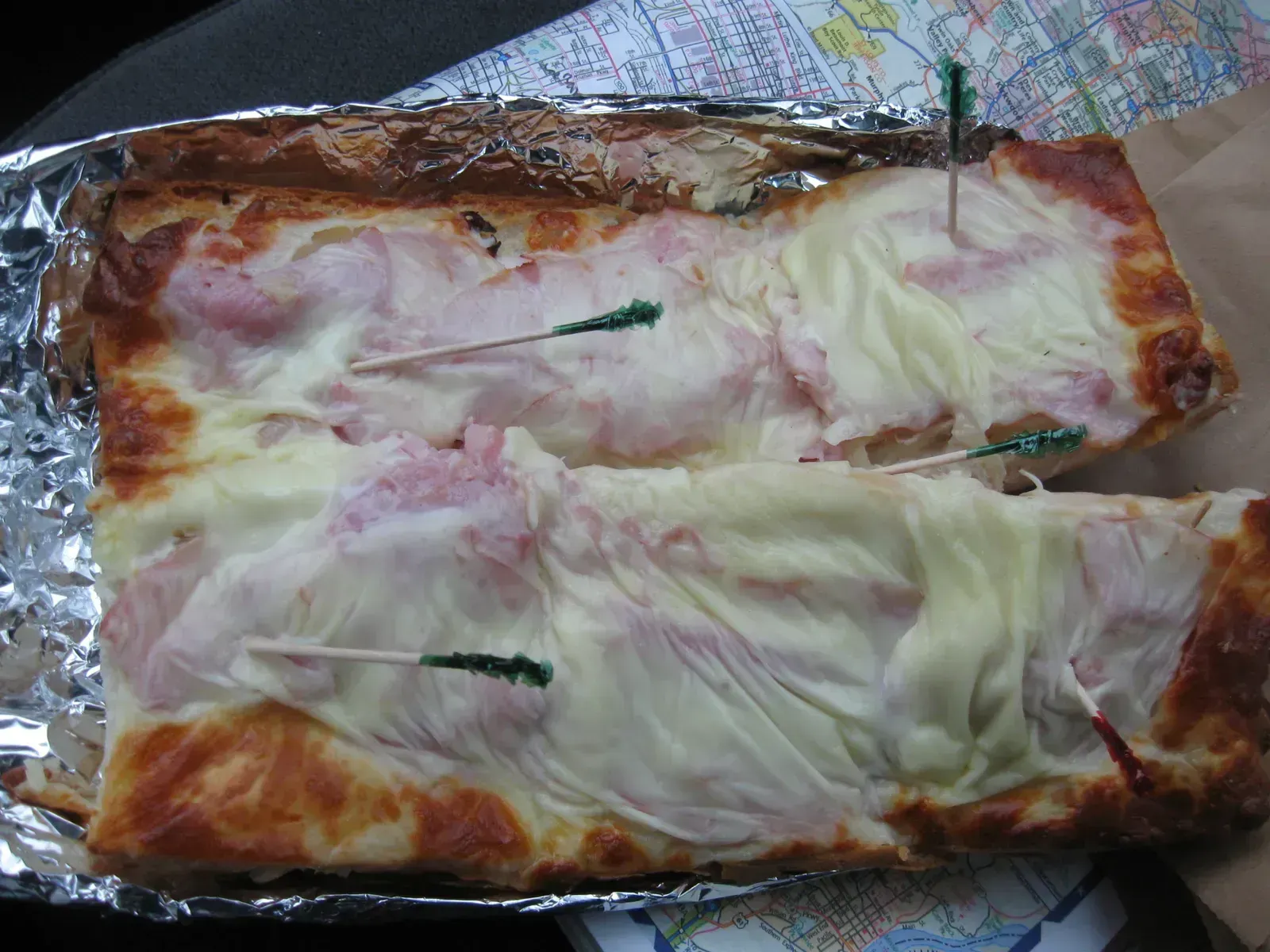
The Gerber sandwich is an open-faced toasted sandwich made with crispy Italian bread, garlic butter, ham and processed Provel cheese – a grilled ham and cheese meets garlic bread, invented in the early 1970s at Ruma’s Deli. Provel is a cheese that only St. Louis folks seem to truly appreciate; it’s a processed blend that melts into gooey perfection. The Gerber isn’t fancy, but it doesn’t need to be. You’ve got crispy bread slathered with garlic butter, layers of ham, and that signature cheese melted on top until it bubbles. It is not uncommon to call it a ‘Gerber’ only if you’re at Ruma’s Deli, where it was invented. It’s comfort food at its finest, the kind of thing you crave when you want something rich, satisfying, and unapologetically indulgent. Outside of St. Louis, good luck finding anyone who even knows what you’re talking about.
The Hot Brown: Louisville’s Decadent Open-Faced Classic
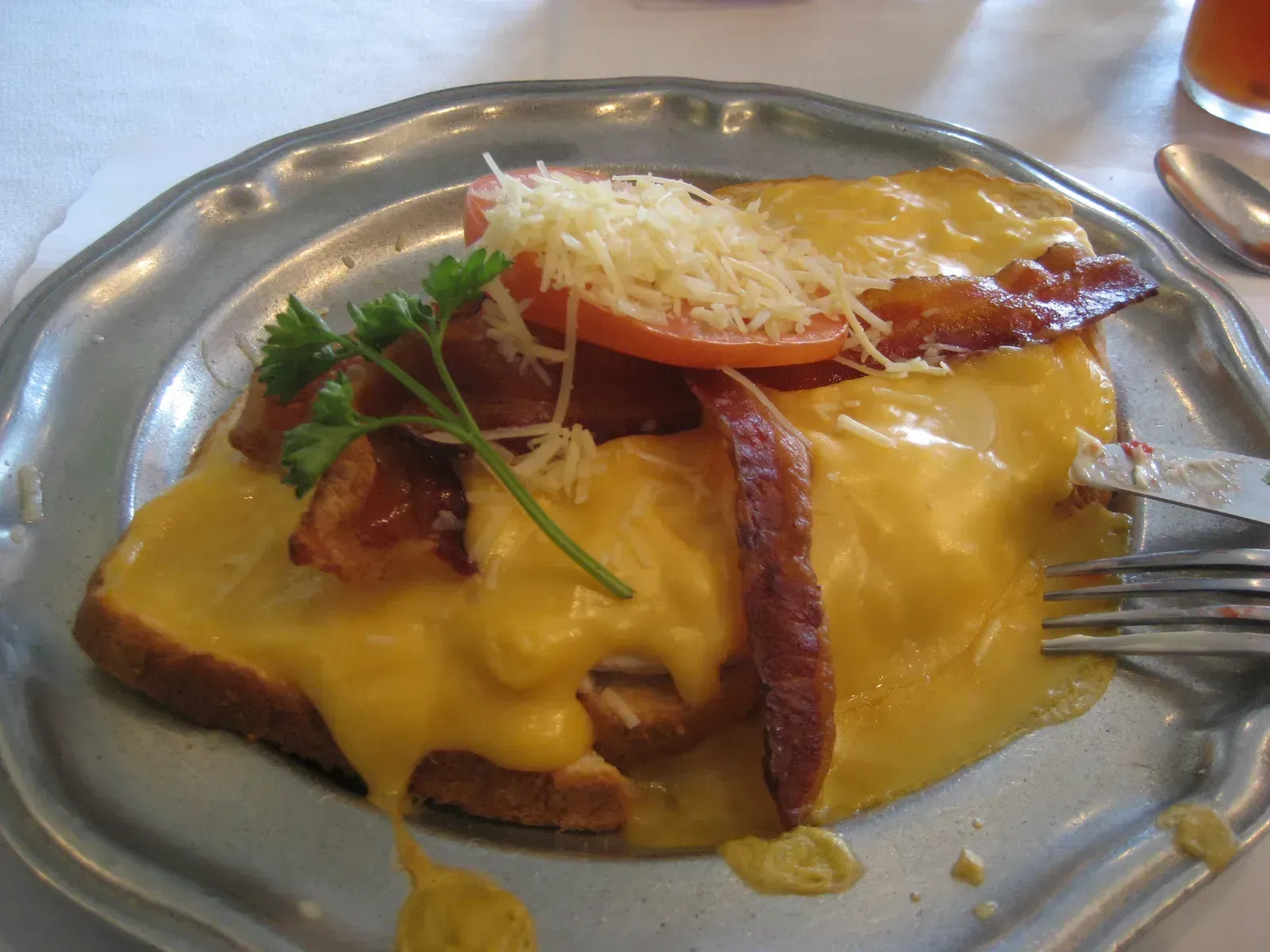
The hot brown is an open sandwich of turkey and bacon that’s covered in a cheesy Mornay sauce, then grilled until the bread is crunchy and the sauce is golden brown and bubbling, a local obsession in Louisville, Kentucky. The Hot Brown sandwich was invented in 1926 by chef Fred K. Schmidt at The Brown Hotel in Louisville, where over 1,200 guests would gather for a night of dinner and dancing. Chef Schmidt created this dish as a late-night alternative to the usual ham and eggs, and it became an instant hit. Today, variations abound across Louisville. Popular Louisville brunch spot Wild Eggs adds fried eggs, diced tomatoes and smoked paprika to its version called Kelsey’s KY Brown, while local chain Biscuit Belly serves its popular take on the hot brown on fluffy Southern biscuits instead of bread. It’s more meal than sandwich, really, with layers of turkey, crispy bacon, that luscious sauce, and sometimes a tomato slice for color. One bite and you’ll understand why Louisvillians have kept this tradition alive for nearly a century.
These five sandwiches prove that America’s best food often flies under the radar, thriving in regional pockets where locals know exactly what they want and aren’t interested in changing a thing. Each one tells a story about the people who created them, the places they call home, and the traditions that keep them alive. Have you tried any of these? Which one would you hunt down first on a road trip?