The 5 Places Where Tourist Violence Has Reached a Breaking Point
Barcelona, Spain: Water Pistols and Resident Rage
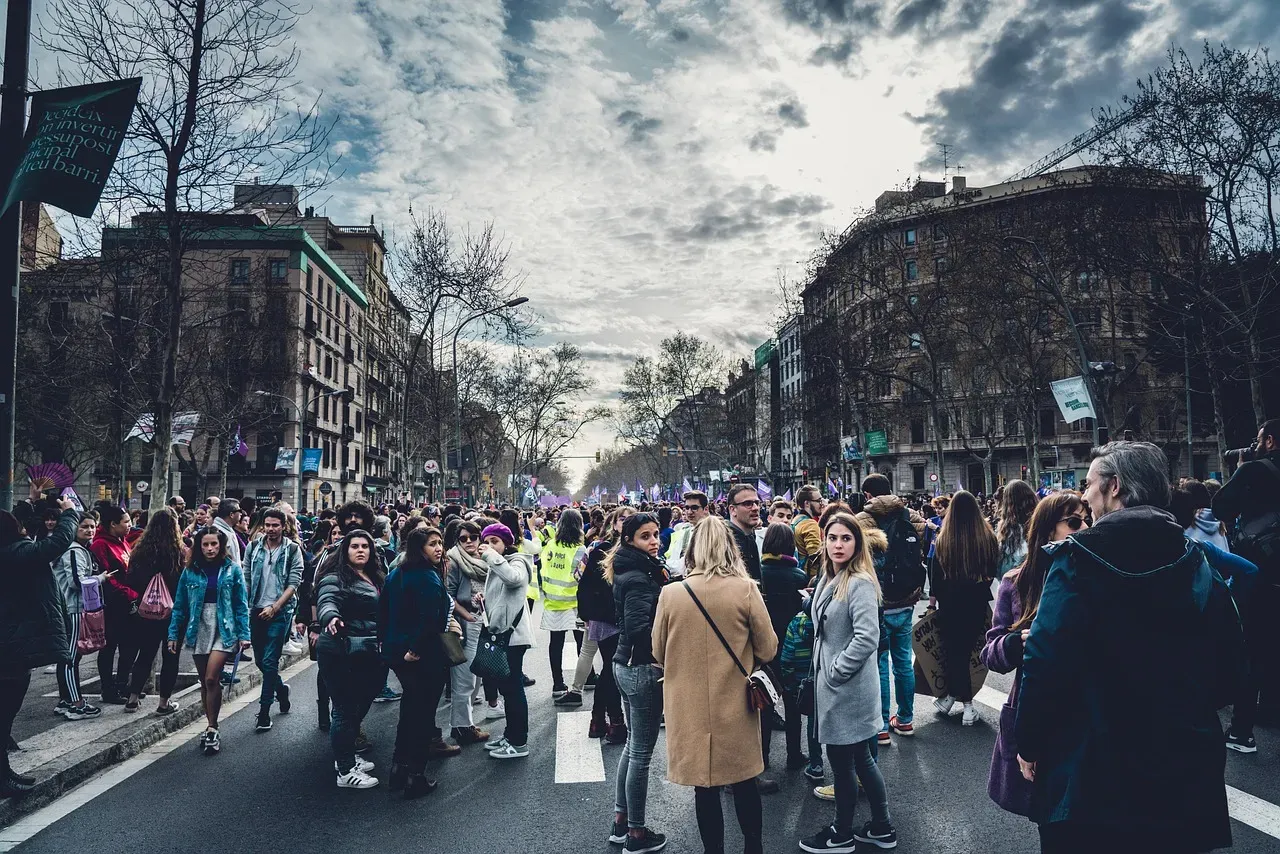
Barcelona has become ground zero for anti-tourist sentiment in Europe, with locals spray-painting “Tourists Go Home” across the Gothic Quarter and protesters shooting water pistols at visitors dining outdoors in summer 2024, with some incidents escalating to slashed bike tires and vandalized tour buses. In June 2025, large demonstrations were reported in Barcelona, where thousands of residents marched through central neighborhoods chanting slogans such as “Your holidays, my misery”. Honestly, this wasn’t just playful protest theater. In July 2024, there was a protest in Barcelona of about 3,000 people, some using tape to seal hotel exits and cordon off restaurants and other tourist services in public squares.
The numbers tell the story. The city received over 12 million tourists in 2023, while the resident population barely exceeded 1.6 million. Spain’s 48 million residents welcomed record 94 million international visitors in 2024. Let’s be real, when you’ve got eight times as many tourists as locals flooding your streets every year, something’s bound to crack. Housing activists report that short-term rental platforms have driven up rent prices by about 40 percent in popular neighborhoods like Barceloneta and El Raval since 2018.
Rent prices in Barcelona have risen sharply in recent years. Over the course of 2024, 94 million tourists visited Spain, compared to its 48 million population. What’s particularly striking is that Barcelona welcomed 14.5 million tourists in 2024.
Mallorca, Spain: The Island Under Siege
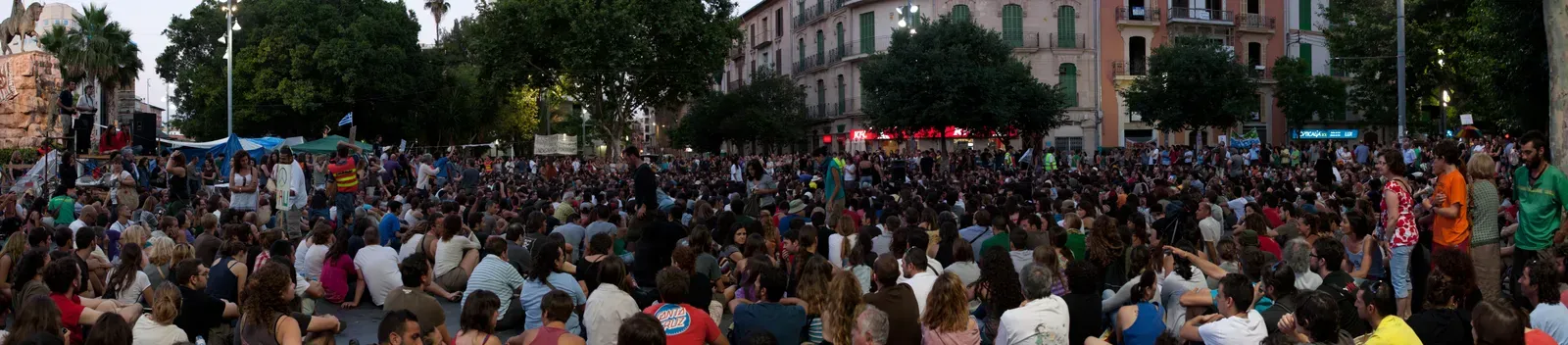
Another large protest in Palma de Mallorca took place on the evening of 21 July, coinciding with the start of school summer breaks in England, with up to 50,000 protesters taking part according to organisers, while local police reported 20,000. Around 5,000 people gathered in Palma, the capital of Mallorca, with some toting water guns as well and chanting “Everywhere you look, all you see are tourists”. The frustration here is palpable and deeply personal.
Space is naturally limited on islands, with a growth in tourism causing a housing crisis, and by 2024, about 1,000 residents of Mallorca lived in their vehicles. Think about that for a second. A thousand people sleeping in cars on a paradise island because they can no longer afford housing. Mallorca, long a magnet for sun-seekers and party-goers, has seen its population of just one million inundated by a staggering 10 to 18 million visitors a year.
In 2023, Mallorca received a record-breaking 14 million foreign visitors, and this year the trend shows no signs of slowing down, with more than six million tourists arriving even before the summer season, marking an eight percent increase on last year. Protestors asked for protection of natural resources, a limit on arriving flights and docking cruise ships, and to regulate non-resident accommodation, citing escalating living costs and the overuse of resources. It’s hard to say for sure, but the scale of these demonstrations suggests locals have passed the breaking point.
Kyoto, Japan: When Ancient Culture Collides with Modern Tourism
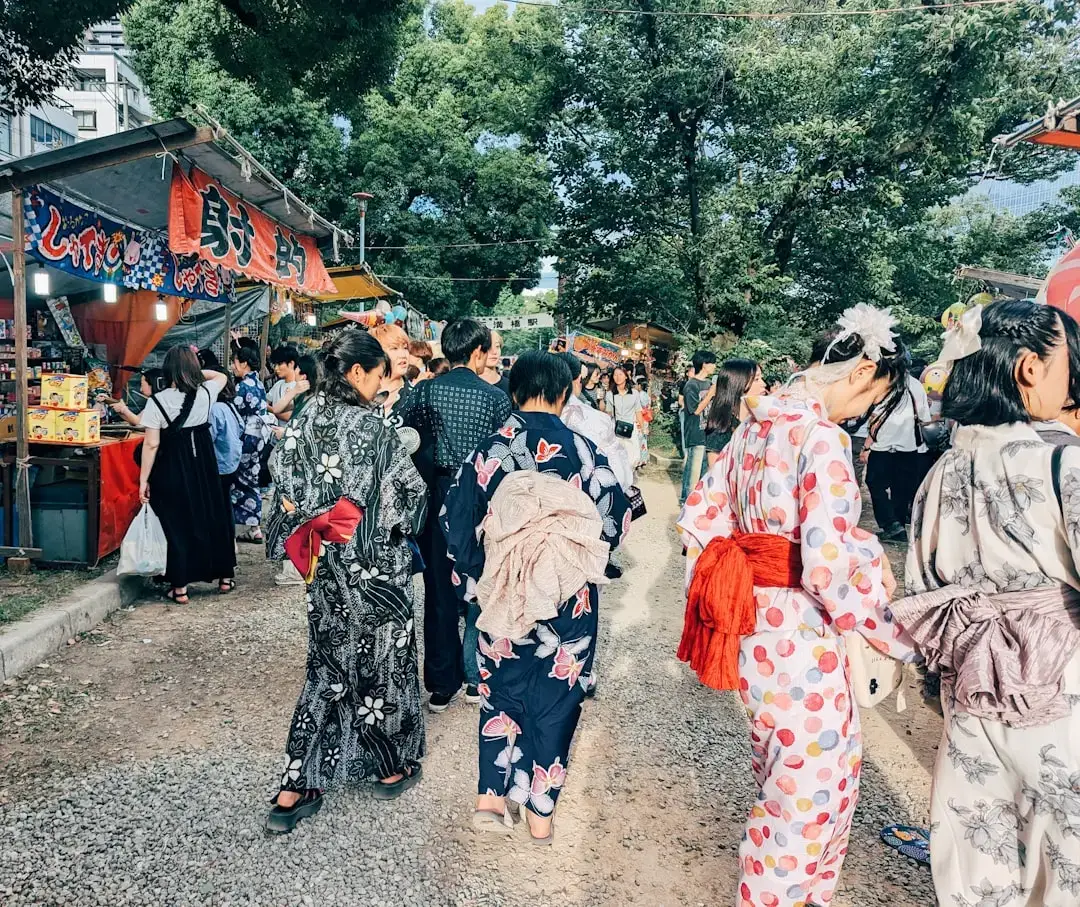
Local district official Isokazu Ota told the Associated Press signs were put up in April stating these are private roads and that those who walk on them will be fined 10,000 yen (approximately US$68 based on current conversation rates). Some tourists have been known to aggressively pursue geisha and maiko in order to get a perfect photo, leading them to be known as “maiko paparazzi”, and after one geisha had part of her clothing torn and another had a cigarette butt inserted into her collar, a photography ban was introduced in October 2019. These aren’t minor infractions. We’re talking about physical assault.
The number of foreign visitors to Japan in April 2025 hit a single-month record of 3.91 million, according to government data, bolstered by high travel demand due to the country’s cherry blossom season. Last year, the number of foreign visitors to Kyoto hit a record high of 10.88 million according to data published in a tourism survey by the Kyoto city government. It isn’t uncommon in Kyoto today for residents to have to wait for three or four packed buses to pass before being able to get on themselves, and once on board they often can’t get a seat.
In a recent Kyoto City survey, the top complaint among citizens was the overcrowding of city buses, which locals rely on for commuting and schooling, with one local stating tourists fill up buses early in the morning and students can’t get to school on time. Kyoto has recently restricted tourist access to certain geisha districts following repeated instances of harassment and disruption by overzealous travellers. The situation has become so severe that basic daily life for residents has been compromised.
Venice, Italy: Sinking Under Tourist Weight
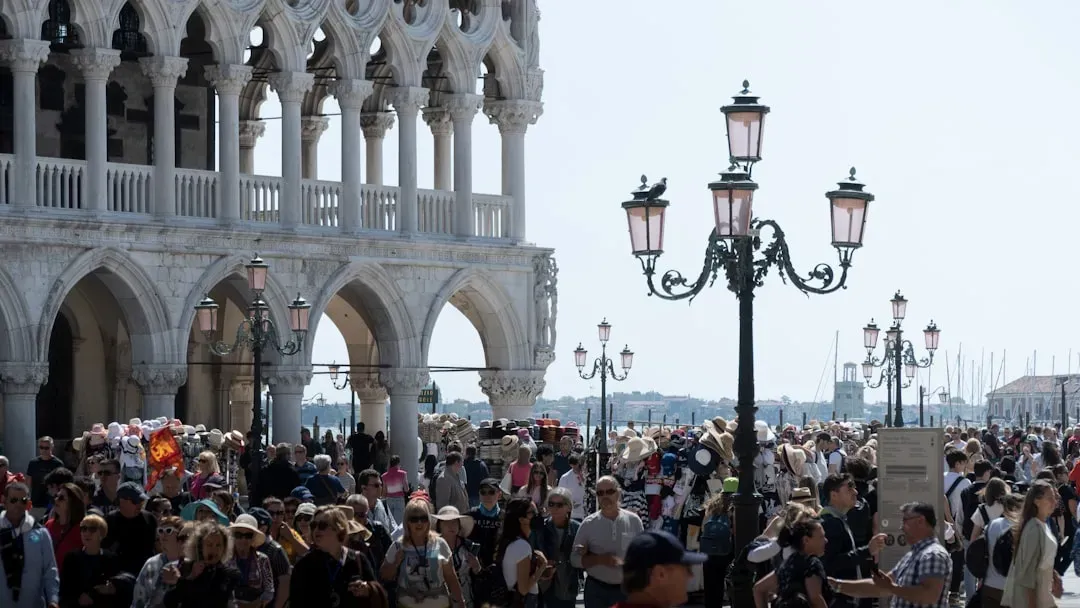
Venice implemented a controversial €5 entry fee for day-trippers in April 2024, a desperate measure to combat overwhelming tourist numbers that city officials say threaten the very survival of La Serenissima. Venice has seen rising concerns over crime. Venice has seen growing tensions over vandalism, alcohol-related disturbances, and overcrowding, pushing the city to introduce tourist caps and surveillance measures. The ancient city is literally drowning, not just from rising waters but from the sheer weight of human traffic.
About 20 million people visit the city annually, and about five million stay overnight. The theft rate is high considering its low resident population. The city has a fairly small population of about 250,000 people overall, with only 50,000 of those people living in the historic city center.
Here’s the thing that really gets me. In June 2025, protests against overtourism spread not just in Spain but also in Venice, where protesters unfurled a banner calling for a halt to new hotel beds in the lagoon city. Florence has seen increases in street robberies linked to tourist flows, with the phenomenon seeming linked to tourist flows. Venice is fighting for survival against an economic model that might ultimately destroy what makes it special.
Cancún and Tulum, Mexico: Paradise Lost to Cartel Violence

Rival cartels battling for control of drug distribution routes have turned tourist zones into occasional battlegrounds, including a shocking daylight shooting at Cancún’s airport in October 2023 that left two alleged gang members dead, and the Quintana Roo state prosecutor’s office recorded 611 homicides in 2023, up from 554 the previous year. The U.S. State Department maintained a Level 2 travel advisory for Quintana Roo state throughout 2024. This is fundamentally different from the other destinations on this list because the violence here isn’t protests against tourists – it’s actual criminal violence affecting tourists.
Tulum logged a shocking homicide rate of 83.9 per 100,000 residents between September 2024 and August 2025, with 46 murders recorded. Acapulco, formerly Hollywood’s playground, witnessed 560 homicides in that same timeframe. Tourists have been caught in crossfire situations at beach clubs in Tulum and Playa del Carmen, fundamentally changing the perception of safety in what was once considered Mexico’s safest tourist corridor.
In October 2024, the U.S. State Department updated its travel advisory for Quintana Roo, warning of increased violent crime including armed robbery and assault. The situation represents a complete breakdown of the safety tourists expect from major resort destinations. What was once Mexico’s crown jewel of tourism has become a cautionary tale about what happens when organized crime infiltrates tourist economies.
These five destinations represent different facets of the same global crisis. Whether it’s residents fighting back against economic displacement in Barcelona and Mallorca, cultural sites protecting themselves from disrespectful behavior in Kyoto, historic cities buckling under impossible visitor numbers in Venice, or actual criminal violence threatening tourists in Mexico, the message is clear. The tourism industry has reached a tipping point in multiple corners of the world simultaneously. The question isn’t whether change will come, but whether it will arrive through thoughtful policy or complete collapse of these destinations as viable places to visit or live.