Why McMansions Are Slowly Becoming Modern-Day Ruins Across America
Sales of homes over 4,000 square feet have declined recently, painting a stark picture of a shifting housing landscape. These oversized suburban homes, once symbols of prosperity and achievement, now sit vacant in communities from Missouri to Florida. Driving through certain subdivisions today feels like touring architectural graveyards where dreams grew too big and maintenance bills even bigger.
The Financial Burden Is Crushing Homeowners Into Abandonment
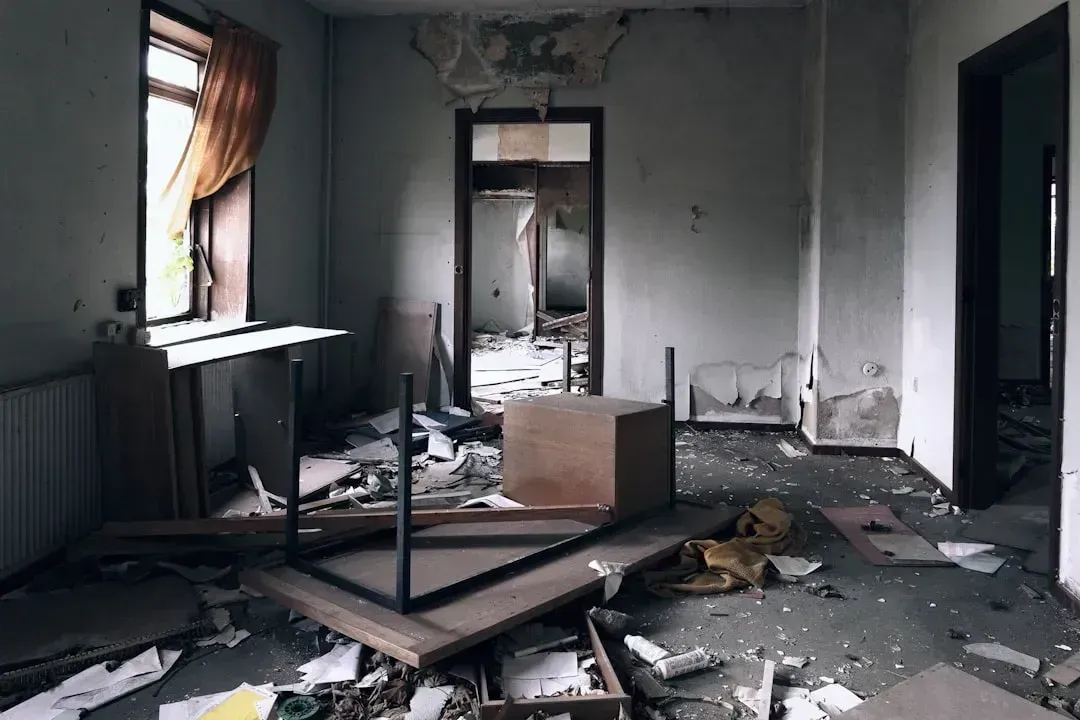
Honestly, the numbers are staggering when you look at what it actually costs to keep these giant houses running. Owning a McMansion comes with higher maintenance costs, including utility bills, property taxes, and repair expenses. Think about heating a home with nearly 5,000 square feet during winter or cooling it through scorching summers.
These roofs are nearing their time of needing to be redone and maintained at extraordinary cost due to their complexity, creating a financial chokepoint for owners who already stretched their budgets. Many purchased during the housing boom years of the early 2000s, and those structures are now approaching their twenties. The repairs aren’t just expensive; they’re extraordinarily complex because builders prioritized visual grandeur over practical longevity.
I’ve seen situations where owners quietly walk away rather than face another round of costly fixes. Properties within 500 feet of a vacant, tax-delinquent, and foreclosed property lost an average of 9.4% of their value in cities like Cleveland, setting off a domino effect throughout entire neighborhoods.
Changing Demographics Are Rejecting Suburban Sprawl
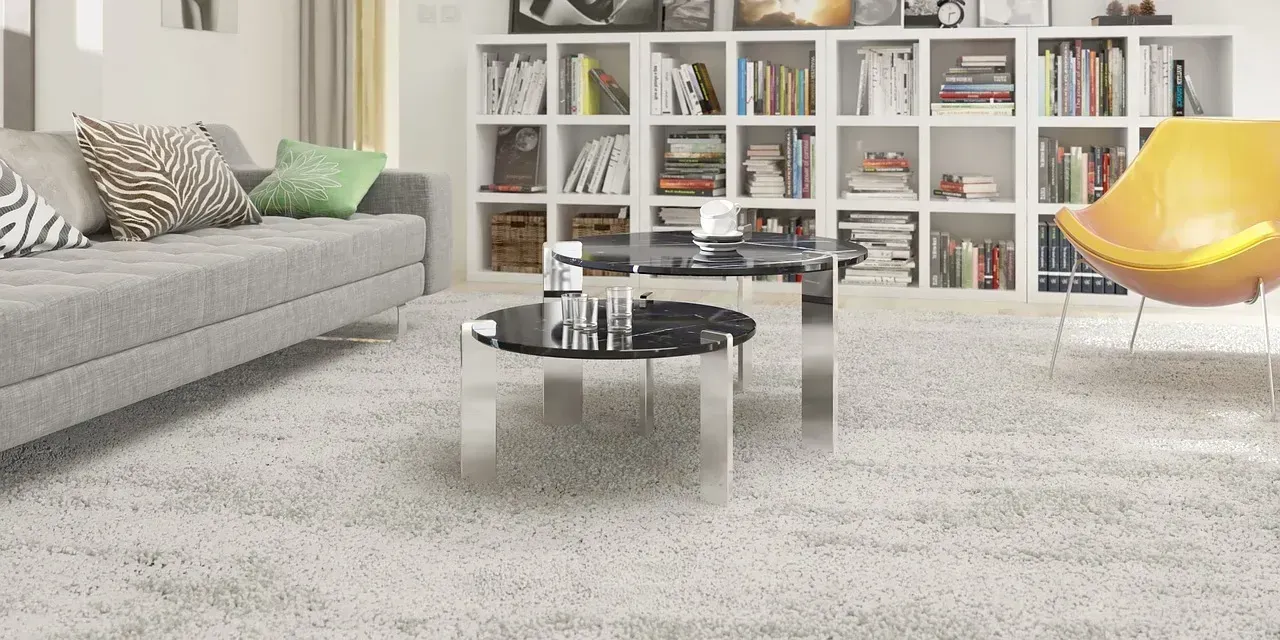
An April 2025 Redfin survey showed that a majority of homebuyers under 40 preferred smaller, more manageable homes. This wasn’t just a temporary trend or generational quirk – younger buyers prioritized walkability, sustainability, and community over square footage they’d never actually use.
McMansion-style neighborhoods probably won’t fare as well based on the current trends in demographics, according to housing market analysts tracking population shifts. The reality is harsh: the average size of new homes has been shrinking since 2015, hitting a low in 2024 not seen since 2010, according to the National Association of Home Builders.
Remote work changed everything too. Zillow’s 2024 consumer trends report found that many remote workers want a dedicated office rather than extra-large living spaces. People want functional layouts, not grand foyers that serve no real purpose except to impress guests who rarely visit.
Vacant Properties Create Neighborhood Nightmares
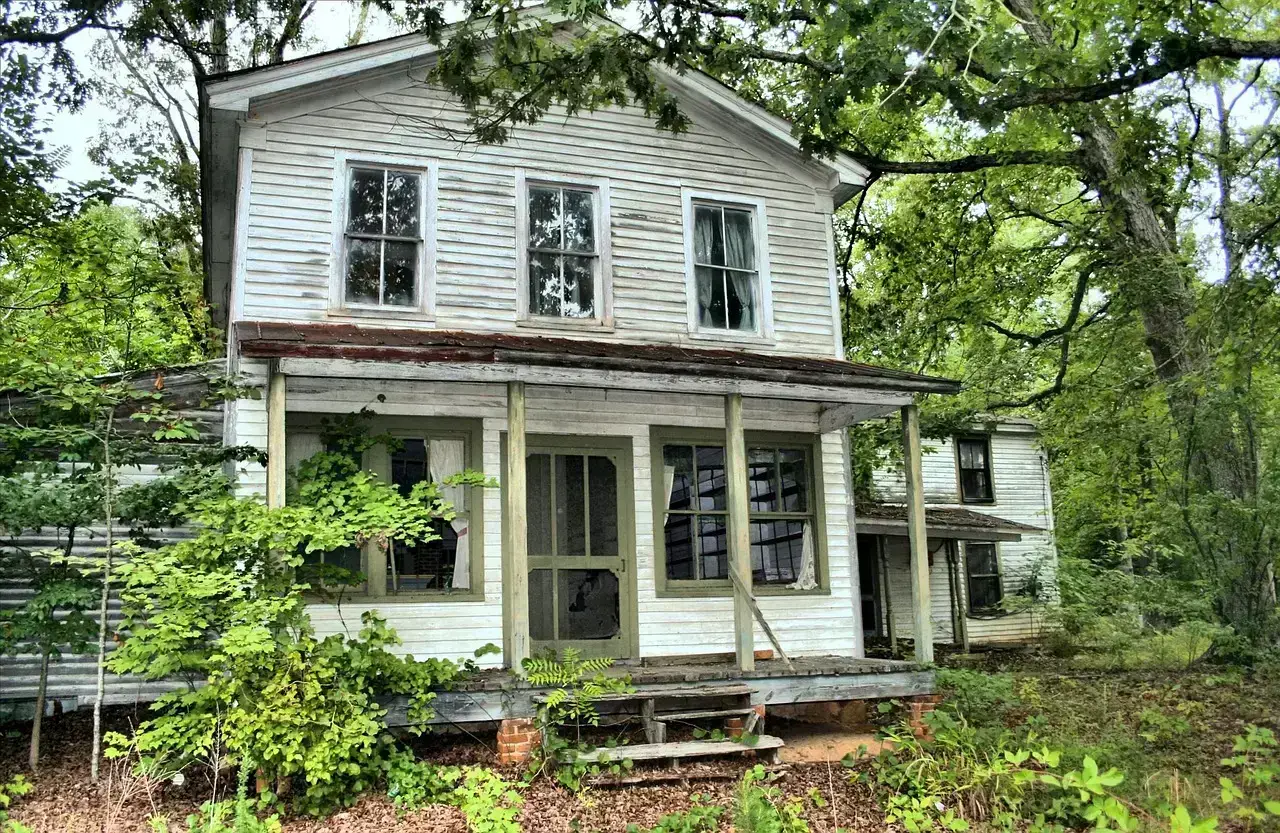
Let’s be real about what happens when McMansions sit empty. The U.S. Census Bureau estimates approximately 16 million vacant homes across the country, representing missed opportunities and declining neighborhoods. These aren’t just numbers on a spreadsheet; they’re communities watching their property values crater.
A study in Austin, Texas found that blocks with unsecured vacant buildings had 3.2 times as many drug calls to police, 1.8 times as many theft calls, and twice the number of violent calls compared to occupied areas. The security risks multiply quickly when no one’s home to notice broken windows or suspicious activity.
In Philadelphia, vacant and deteriorated properties reduced the value of city homes by an average of $8,000, costing the city $20 million in annual maintenance and $2 million in lost tax revenues. Municipal governments struggle to provide basic services when their tax base evaporates alongside declining property values.
Environmental Costs Make These Houses Unsustainable
McMansions have gained a reputation for being unsustainable due to their sheer size and the excessive resources required for construction and maintenance, with ample square footage meaning higher energy consumption, contributing to a larger carbon footprint. The environmental impact extends far beyond monthly utility bills.
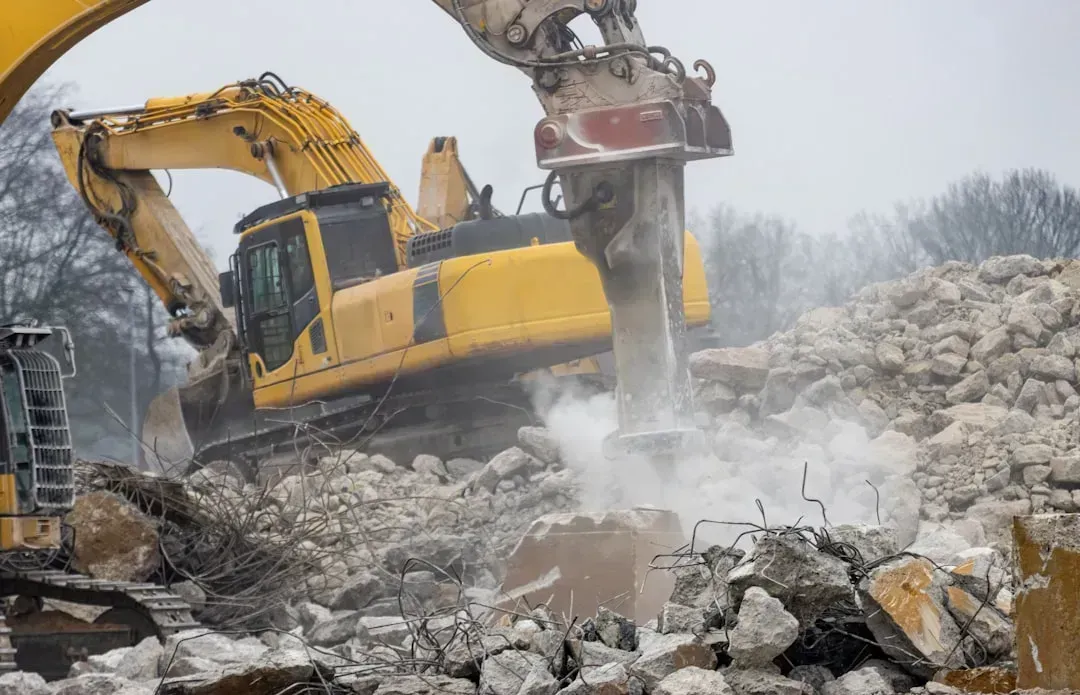
Demolition and construction now account for 25% of the solid waste that ends up in US landfills each year, according to the Chicago Metropolitan Agency for Planning. When these oversized homes eventually come down, they generate massive amounts of waste. Construction and demolition generate around 600 million tons of waste in the U.S. each year.
The materials used in McMansions often weren’t chosen for sustainability either. Cheap vinyl siding, synthetic stucco, and fossil fuel-based materials dominate these structures. They’re basically monuments to excess consumption frozen in architectural form.
The Teardown Trend Reveals What Land Is Really Worth
Here’s the thing that really tells you everything about McMansion value: In the 2000s, teardowns by wealthy baby boomers replacing houses across America with outsized McMansions became so common that municipal building codes in many areas were revised, putting up more barriers to tearing down existing homes. Now those same McMansions are becoming teardown candidates themselves.
In 2024, 6.9% of new single-family detached homes were teardowns, and another 20.1% were built on infill lots in older neighborhoods, according to the latest Builder Practices Survey. The cycle has come full circle with brutal efficiency. Dirt is much more valuable or expensive these days than the actual structure that it sits on, as real estate professionals bluntly acknowledge.
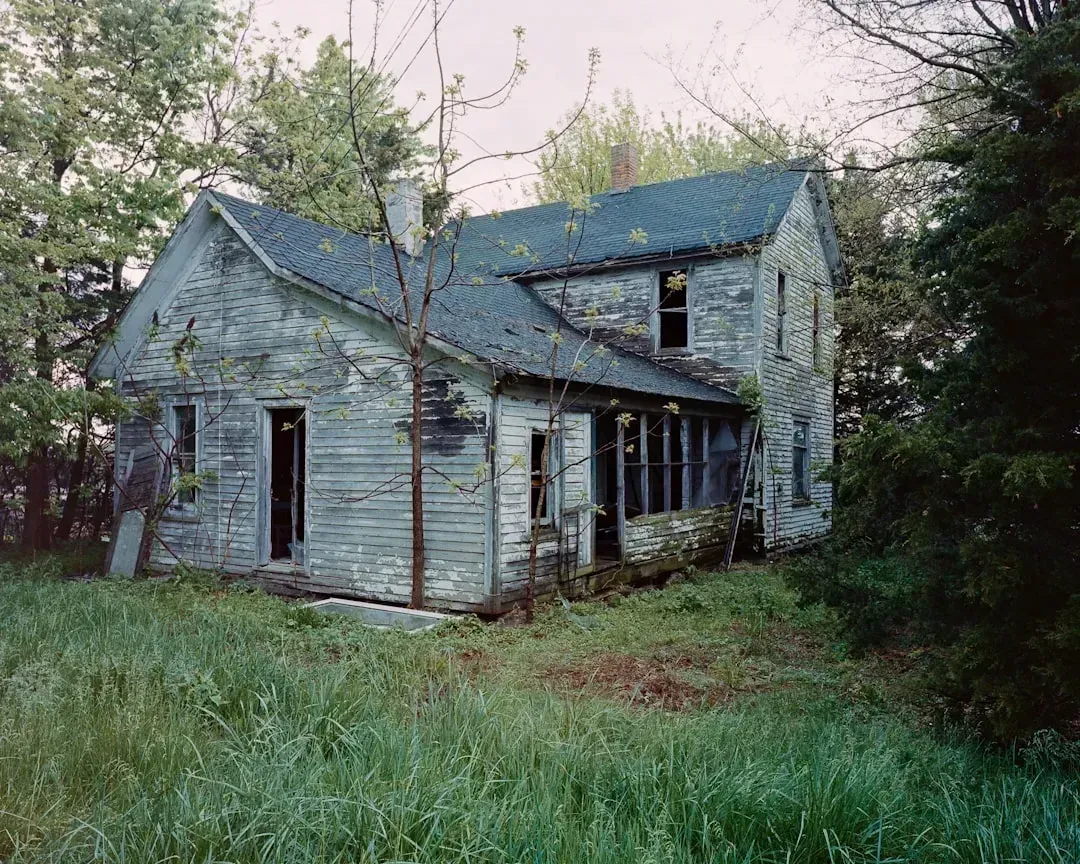
Ghost town developments like Missouri’s Indian Ridge Resort Community stand as cautionary tales. What was meant to be a lavish, development announced in 2006 that stalled during the financial crisis, but the financial crisis hit, bank loans were defaulted on and construction work came to a swift halt. Those McMansion skeletons still dot the landscape, slowly decaying into modern ruins.
The transformation of McMansions from status symbols to abandoned liabilities reveals something uncomfortable about American housing culture. These oversized monuments to excess are crumbling under their own weight, both literally and financially. What seemed like smart investments two decades ago now trap owners in cycles of costly repairs and dwindling resale values. As demographics shift and sustainability becomes paramount, these architectural dinosaurs face extinction. The question isn’t whether more will be abandoned, but how communities will handle the growing number of modern ruins scattered across suburban America. What do you think about this shift? Tell us in the comments.