8 Everyday Tools That Could Soon Be Banned From Backyards
California has already pulled the trigger, banning the sale of new gas-powered lawn equipment as of January 2024. The move signaled a monumental shift in how Americans maintain their yards. Across the nation, cities and states are now moving aggressively toward restrictions on backyard tools that millions of homeowners rely on every single day. The reasoning? Pollution levels that rival cars on long highway trips, noise disturbances affecting entire neighborhoods, and health hazards that workers and residents face daily.
Let me be honest here, most people have no clue their lawn mower produces as much toxic air as driving for hours. Yet the pressure to ban or severely limit these tools grows louder each month. What once seemed unthinkable now appears inevitable in many regions.
Gas-Powered Lawn Mowers
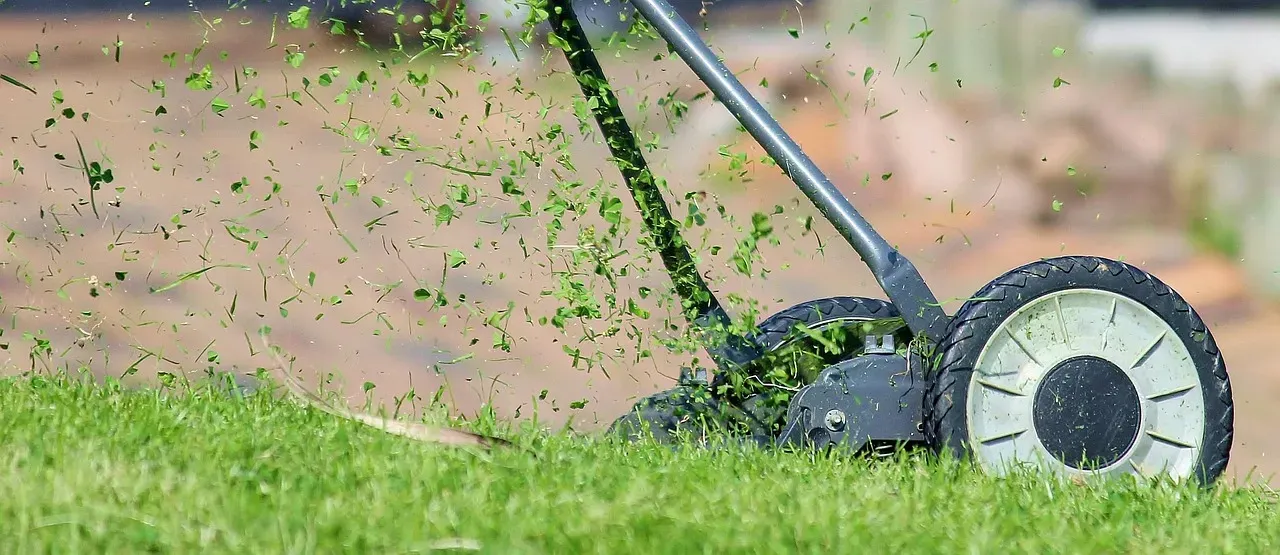
According to California air quality officials, using a gas-powered lawn mower for an hour generates roughly as much smog-forming emissions as a typical car driven 100 miles. That single fact captures why lawn mowers face mounting restrictions. California banned the sale of new small off-road engine-powered garden equipment in January 2024, affecting mowers statewide. Other states like Illinois and New York have introduced similar legislation, though most remain in committee stages.
California alone has more than 16 million gas-powered lawn care devices, showing just how widespread these machines are. The push to electrify lawn maintenance represents one of the most ambitious environmental campaigns in recent years. Commercial landscapers especially face tough transitions since battery-powered mowers often lack the endurance for all-day operation.
Leaf Blowers
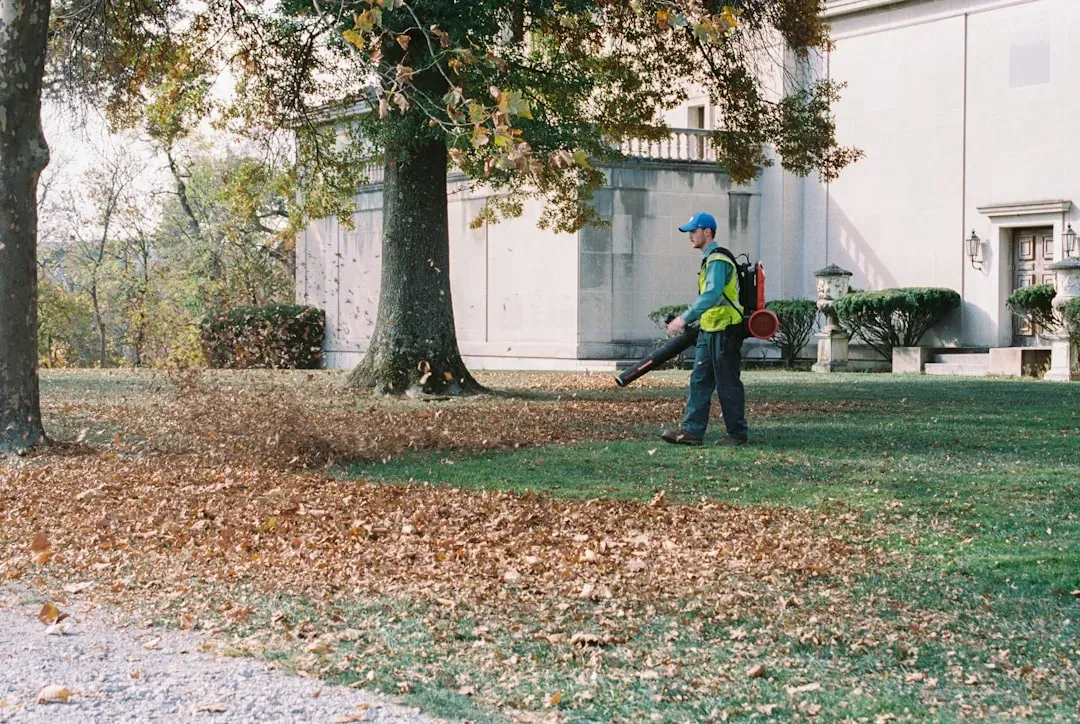
Outright bans on gas-powered leaf blowers have recently taken effect in Washington, D.C., Miami Beach, Florida, and Evanston, Illinois. The backlash against leaf blowers has been building for decades, driven by noise complaints and air quality concerns. Leaf blowers pump out up to 100 decibels of ear splitting sound and noxious air emissions that are dirtier than a high performance pick up truck or SUV being driven hundreds of miles.
Portland, Oregon, has enacted restrictions phasing out the equipment, with violators facing fines starting at $250. Montgomery County in Maryland has banned their use. Dozens of California cities have enacted strict regulations or complete prohibitions. The trend shows no signs of slowing, though resistance from landscaping businesses remains fierce.
String Trimmers and Hedge Trimmers
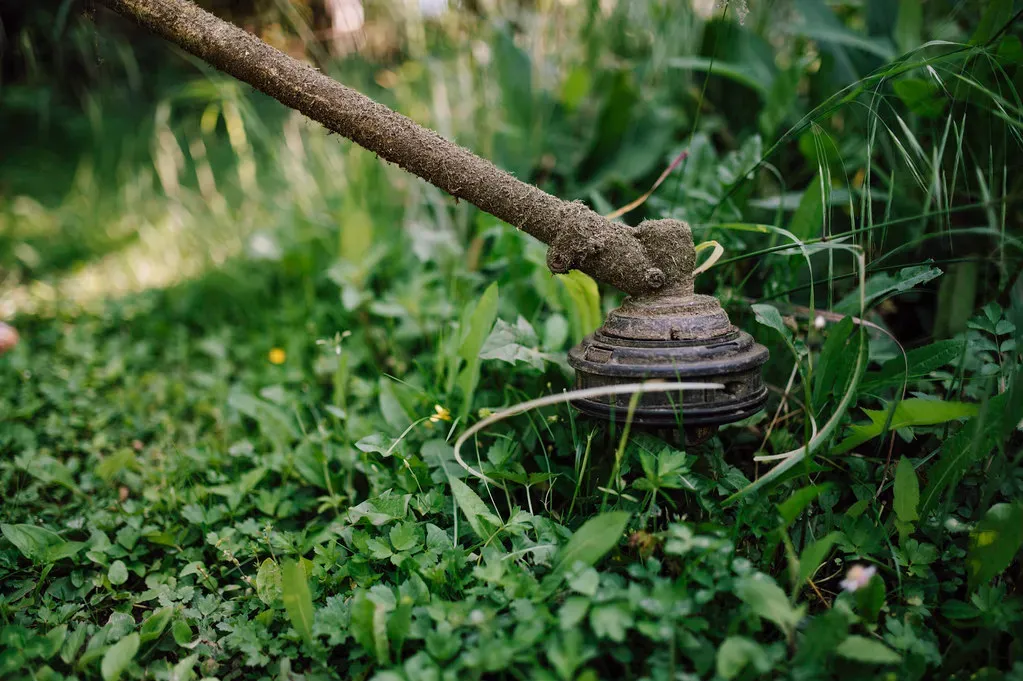
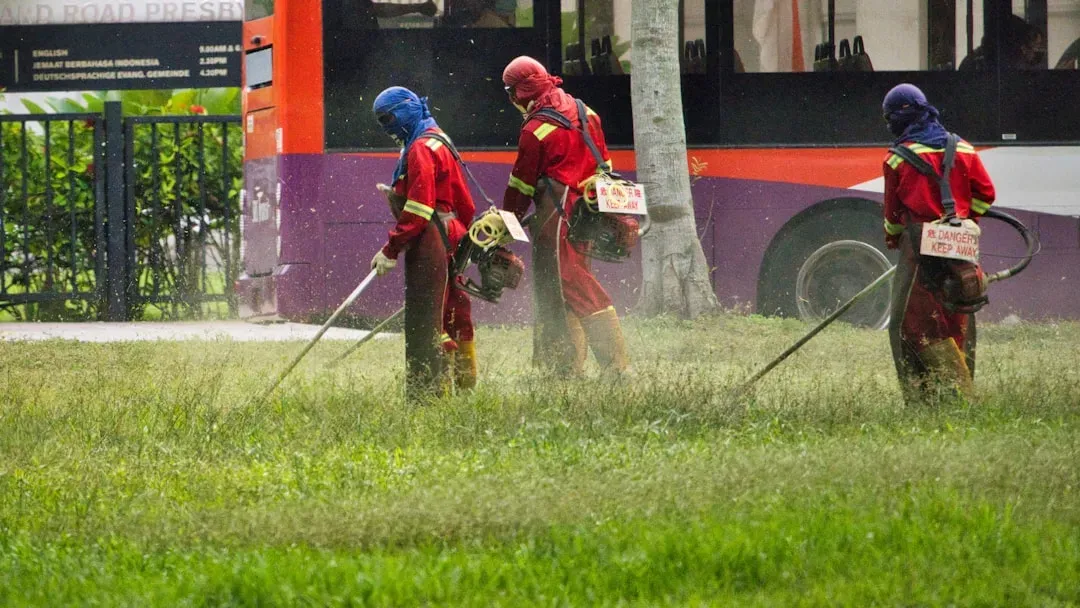
String trimmers and hedge trimmers operate with the same small off-road engines that power mowers and blowers. Irvine has implemented a phased ban on gas-powered landscaping equipment, including hedge trimmers and string trimmers, for use by large businesses starting in 2025. These tools produce similar emissions and noise pollution, making them targets in sweeping equipment bans.
What’s surprising is how quickly the regulations expanded beyond leaf blowers to encompass all gas-powered handheld tools. California’s ban includes all gas-powered lawn and landscape equipment, generators, pressure washers, and chainsaws. Homeowners who already own these tools can continue using them, but once they break down, replacements must be electric or battery-powered. The transition period creates a strange limbo where older equipment remains legal while new versions cannot be sold.
Chainsaws
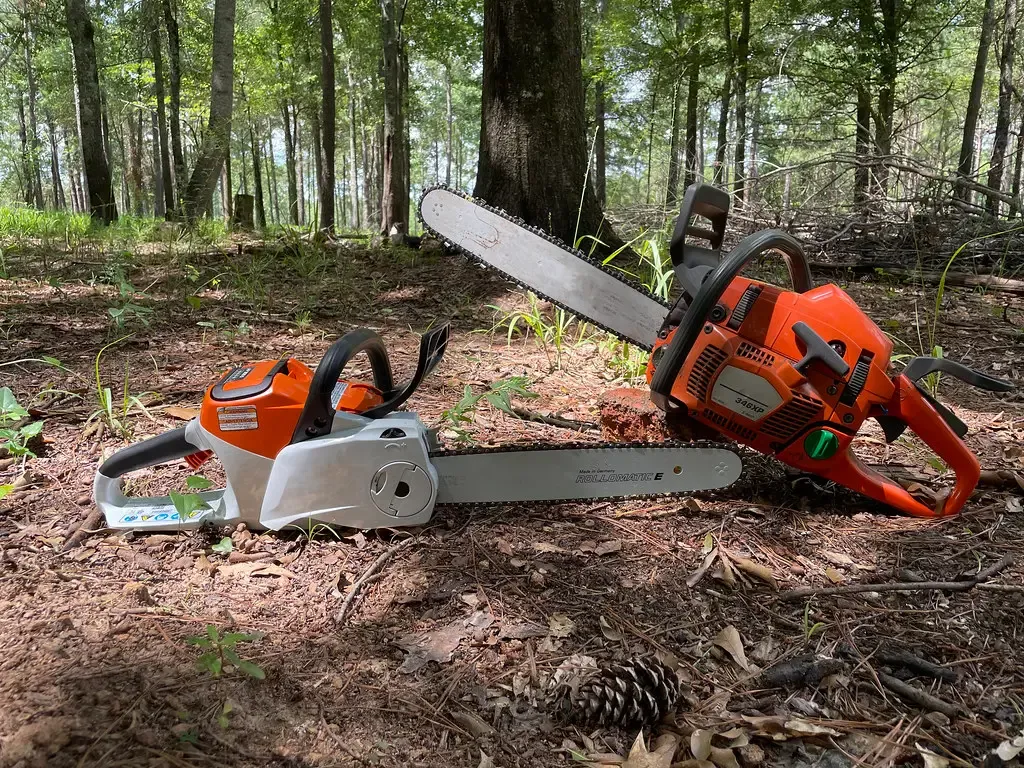
Chainsaws often escape the spotlight in backyard equipment debates, yet they’re included in multiple bans. California banned the sale of new small off-road engine-powered garden equipment including small chainsaws in January 2024. The distinction matters because larger professional chainsaws with more powerful engines aren’t always covered by the same restrictions.
Battery-powered chainsaws have improved dramatically in recent years. Still, professionals who clear trees or cut firewood all day find electric models fall short on runtime. The technology gap between gas and battery-powered chainsaws remains wider than with mowers or trimmers, creating legitimate concerns about effectiveness for demanding tasks.
Pressure Washers
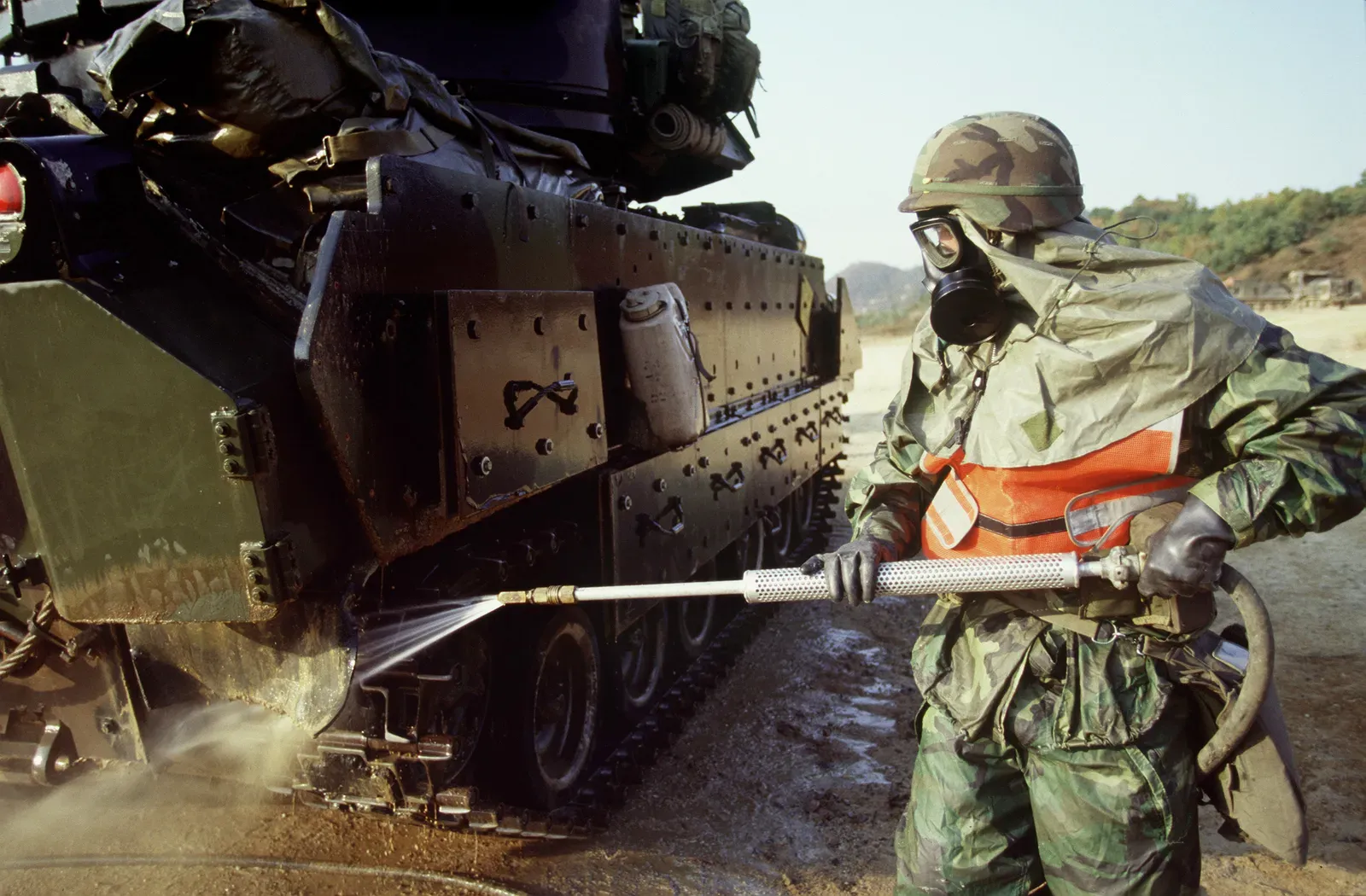
California’s ban affects pressure washers alongside lawn equipment, covering all spark-ignition engines rated at or below 19 kilowatts. Gas-powered pressure washers emit carbon monoxide and other pollutants, making them dangerous in enclosed or poorly ventilated spaces. In California, new gasoline engine powered pressure washers must now meet strict emission compliance rules to be sold.
The challenge with pressure washers is that electric models generally offer lower pressure ratings than gas versions, limiting their effectiveness for heavy-duty cleaning. Homeowners washing driveways or patios can manage with electric units, but commercial operators cleaning heavy equipment or industrial sites need the power gas engines provide. Phase two of California’s regulations targeting larger pressure washers takes effect in 2028, giving manufacturers time to develop more powerful electric alternatives.
Generators
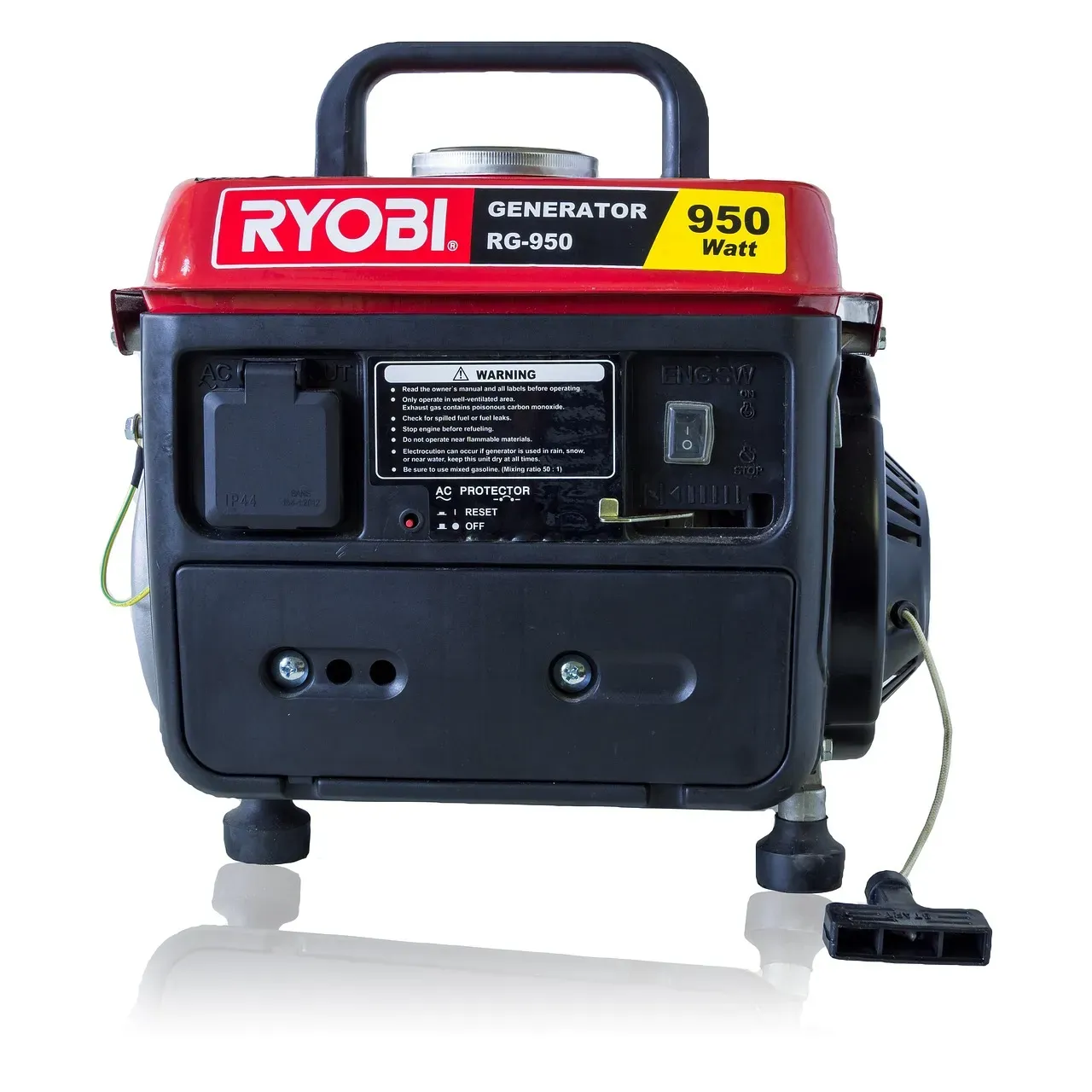
Phase two of California’s equipment regulations addresses large pressure washers and generators, going into effect in 2028. Portable generators face restrictions because they produce the same emissions as other small engines. The challenge is that generators serve critical backup power needs during emergencies when electrical grids fail.
California regulators acknowledged the difficulty, delaying generator restrictions to allow more development time for battery-powered alternatives. Solar-plus-battery systems can replace generators for some applications, but the cost difference remains substantial. Emergency preparedness advocates worry about limiting access to reliable backup power sources, especially in wildfire-prone regions where power outages are common.
Certain Pesticides and Herbicides
The EPA announced the emergency suspension of all registrations of the pesticide DCPA or Dacthal in August 2024, the first emergency action of this type in almost 40 years. The move came after studies showed serious risks to unborn babies. Beyond federal action, cities and counties are banning various pesticides for cosmetic lawn use.
Baltimore City Council prohibited the use of glyphosate, chlorpyrifos, and neonicotinoids on residential lawns and playgrounds, taking effect July 2022. Montgomery County banned all cosmetic pesticides including glyphosate on private lawns, while Takoma Park restricted cosmetic pesticides for lawn care on public and private property. The pesticide ban movement has gained serious momentum in the past few years, driven by health concerns and environmental damage to pollinators.
Two-Stroke Engine Equipment Generally
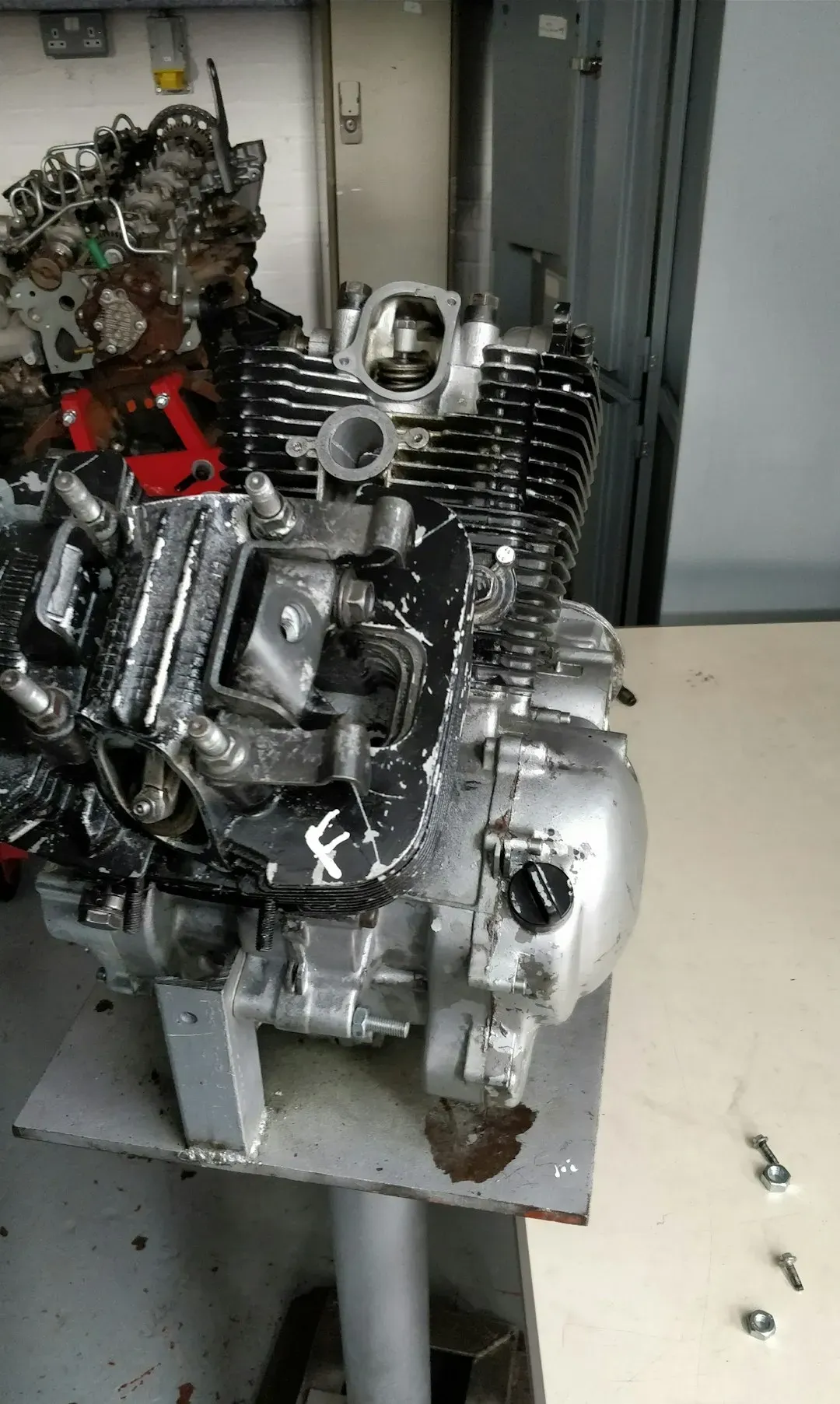
Two-stroke engines power many handheld lawn tools because they’re lightweight and powerful for their size. Yet they’re notoriously dirty, burning oil mixed with gasoline. Small, off-road engines like those found in leaf blowers emit smog-producing emissions equivalent to those from several hundred thousand passenger cars in California, highlighting why regulators target them.
Bans address concerns related to noise and air pollution from two-stroke engines commonly found in these tools. The political divide over these bans has sharpened considerably. Democrat-dominated states including California, Colorado and Vermont have passed restrictions in recent years, while Republican-led states such as Georgia and Texas have passed measures to block localities from implementing new restrictions. This creates a patchwork of regulations across the country, with some states accelerating toward zero-emission equipment while others actively prevent local action.
The landscape of backyard maintenance is shifting faster than most people realize. Equipment that seemed indispensable just a few years ago now faces regulatory scrutiny and potential bans. Electric alternatives improve constantly, yet challenges around cost, performance, and practicality remain real for both homeowners and professionals. What’s your take on these equipment bans? Share your thoughts below.