Think Twice: 9 Global Cities Americans Live Well In for Under $1,000
You might think living on under a thousand dollars monthly sounds like a stretch. Honestly, that budget can feel pretty tight in most American cities these days. Surprisingly though, that same amount can buy you an entirely different quality of life in certain corners of the world.
From bustling Asian hubs to coastal European cities and vibrant Latin American towns, these places aren’t just cheap. They offer genuine value, real culture, and daily comforts that many Americans pay triple for at home.
Lisbon, Portugal: Old World Charm Without the Price Tag
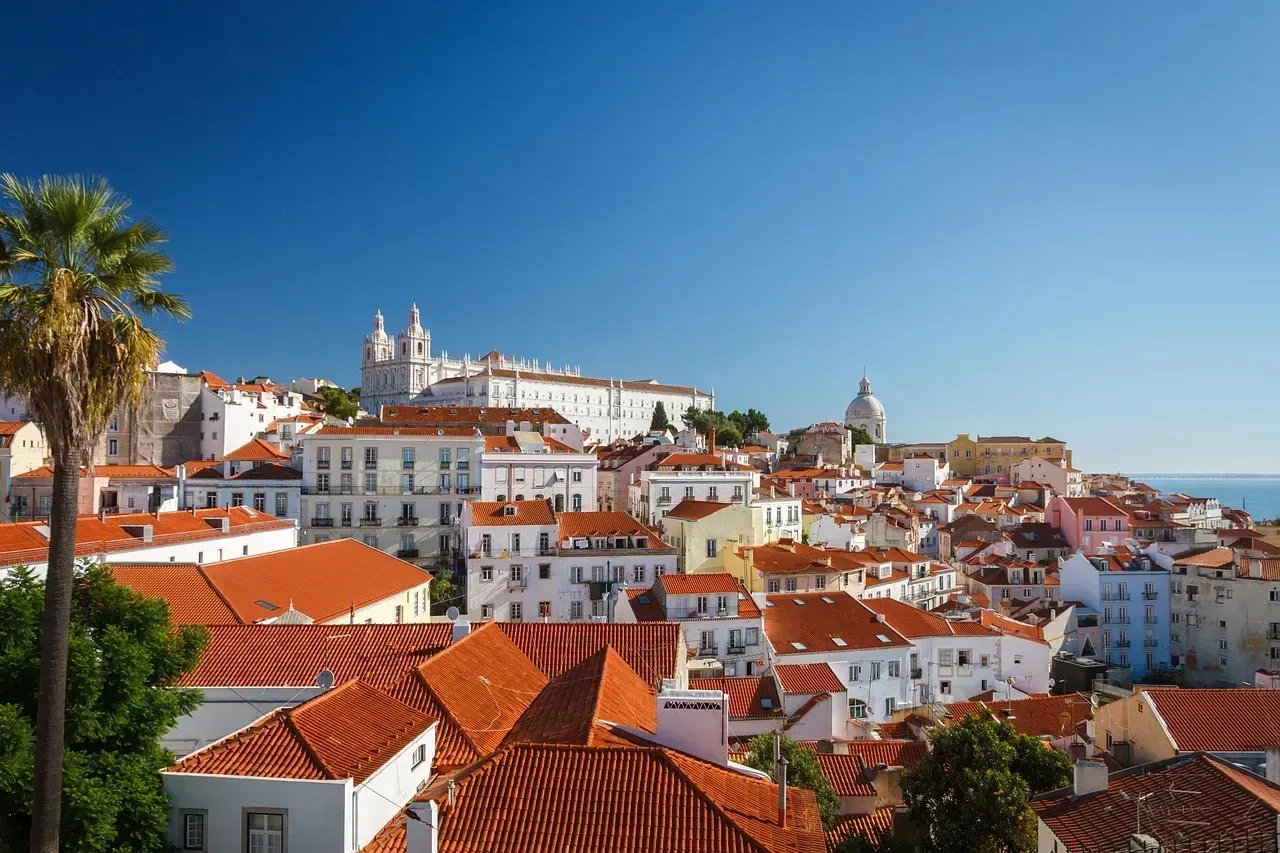
Estimated monthly costs in Lisbon for a single person are roughly eight hundred sixty-five dollars, excluding rent, and the city is nearly half as expensive as New York. The Portuguese capital delivers scenic coastlines, rich cultural diversity, and excellent healthcare without draining your wallet. In Lisbon, it may be possible to find a furnished one-bedroom for under $1,000 close to amenities and public transport, though finding that deal takes patience and good timing.
The cost of groceries in Lisbon is about forty-five percent lower than in Washington, DC, which makes stocking your kitchen surprisingly affordable. Healthcare in Portugal is some of the best in the world, ranked number twelve by the World Health Organization. Most expats appreciate the balance of affordability and quality, even if the city has grown pricier in recent years.
Chiang Mai, Thailand: Budget Paradise for Remote Workers
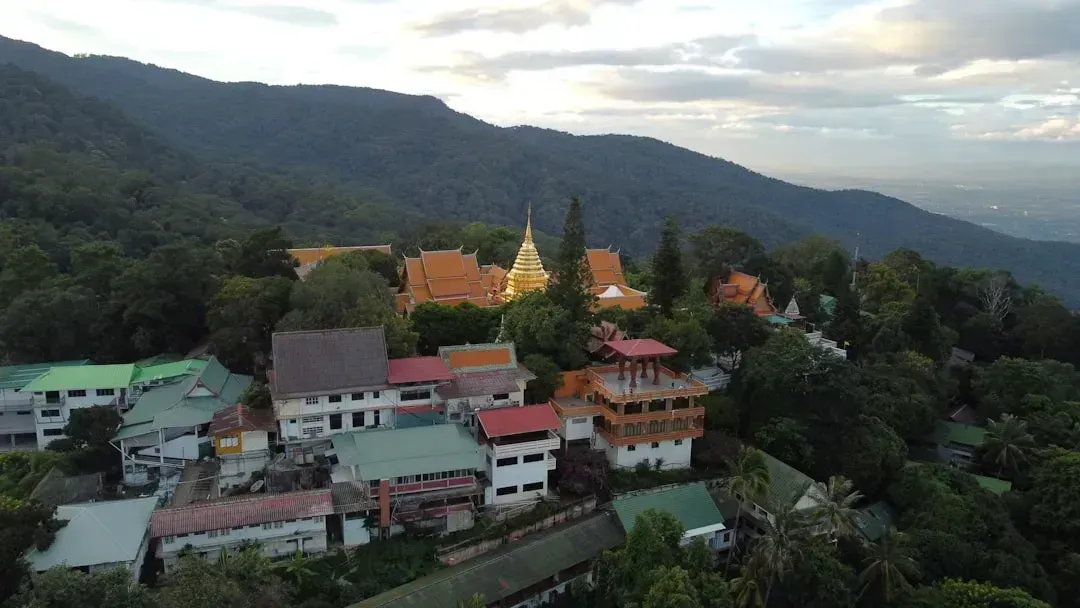
The cost of living in Chiang Mai is low, with a single person requiring around seven hundred seventy-five dollars per month. This northern Thai city has become legendary among digital nomads who want strong internet, great food, and an active expat scene. You can live on as little as a thousand dollars a month in Thailand and still be comfortable, while budgeting two thousand dollars a month means that you will have high financial security.
I’ve heard countless stories from expats who rave about the balance here. One expat noted that Chiang Mai is amazing and really quite cheap, especially once you get to know the city and the restaurants it contains, with great food available for between thirty to sixty baht in a lot of places, and condo buildings in the ten to fifteen thousand baht range getting you something really nice. There’s seasonal pollution during burning season though, which is something you need to plan around.
Mexico City: Big City Living on a Small Budget
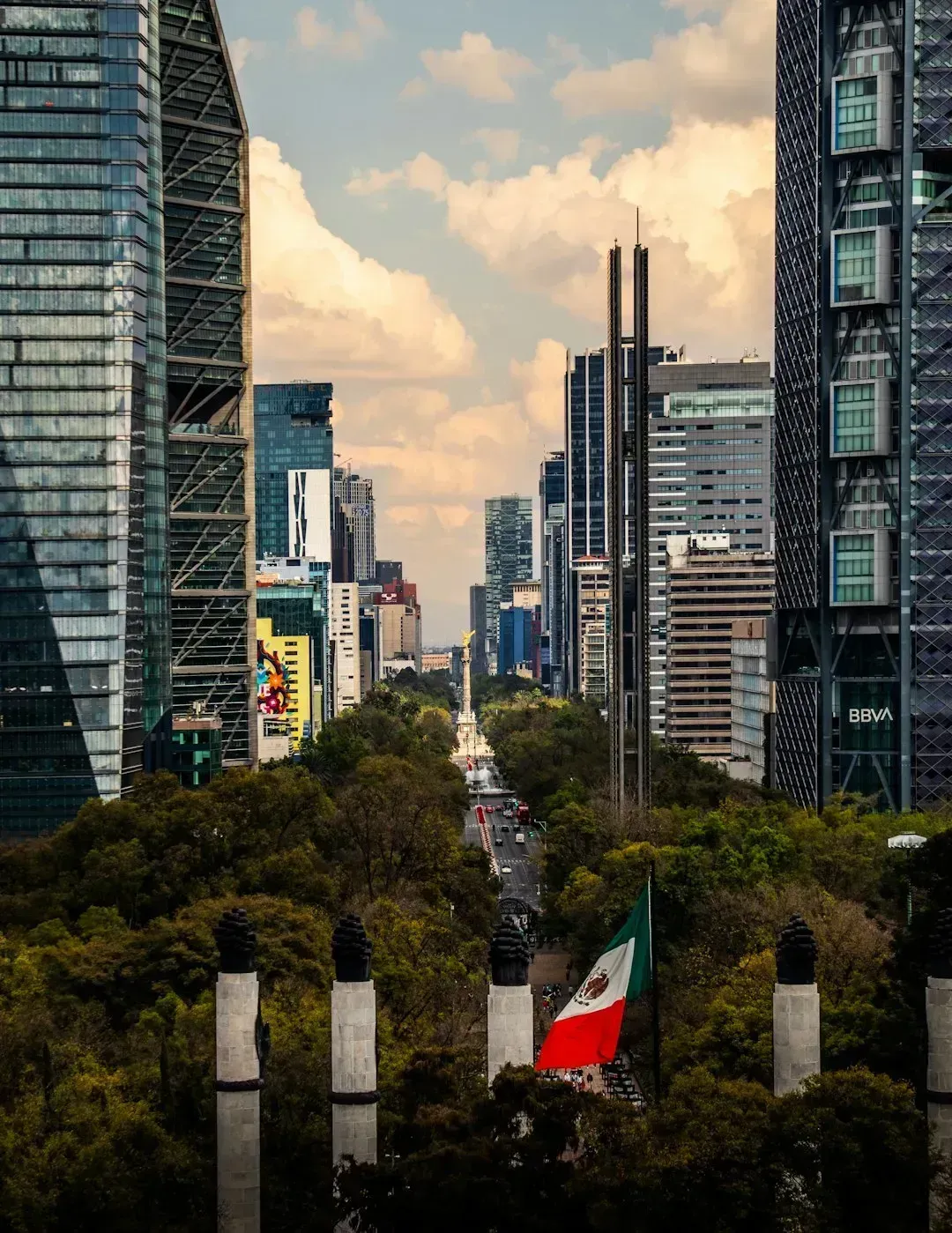
The average cost of living in Mexico is roughly one thousand dollars monthly for an individual, though major cities like Mexico City can reach up to fourteen hundred eighty-five dollars. The Mexican capital feels like a true metropolis with world-class museums, incredible street food, and neighborhoods that pulse with creativity. The monthly rent for a one-bedroom apartment in an average area of Mexico City will cost about four hundred to five hundred dollars, or six hundred eighty to eight hundred thirty dollars per month in a nicer area.
The city’s public transportation is shockingly cheap compared to American standards. Bus fares tend to run fifty to sixty cents a ride, while taxis and ride-hailing services such as Uber and DiDi generally charge only two to five dollars, depending on the distance, within most cities. Still, Mexico City neighborhoods vary wildly in price and safety, so research before committing to a specific area.
Ho Chi Minh City, Vietnam: Southeast Asian Dynamism
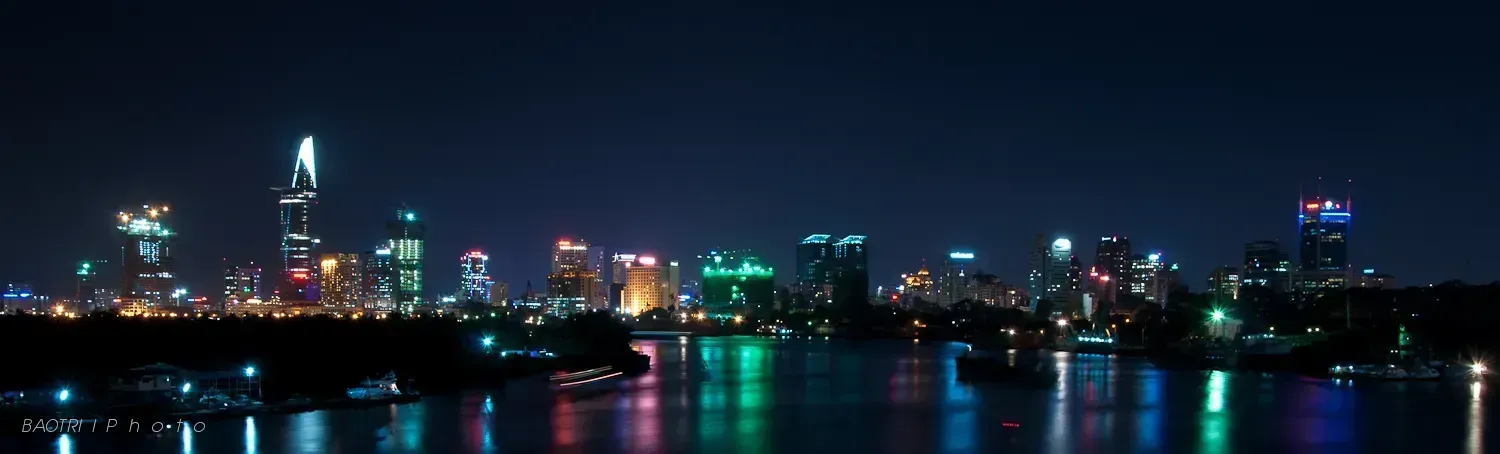
For the fifth consecutive year, Vietnam is the most affordable country in the world for expats, with eighty-nine percent of respondents pleased with the general cost of living and eighty-seven percent saying their disposable household income was about or more than enough to lead a comfortable life. Ho Chi Minh City combines frenetic energy with surprisingly low expenses. Modern conveniences are readily available at prices that make Western cities look absurd.
Vietnam offers expats the opportunity to live in a global city while still only paying one dollar for food and drink, classed as a developing country though major cities have all the modern conveniences of a Western city including restaurants, hospitals and shops, with the cost of living around fifty-nine percent cheaper than the UK and rent around seventy percent lower. The infrastructure is solid, the food is excellent, and you’ll find a tight expat community ready to welcome newcomers.
Mérida, Mexico: Colonial Beauty, Modern Comfort
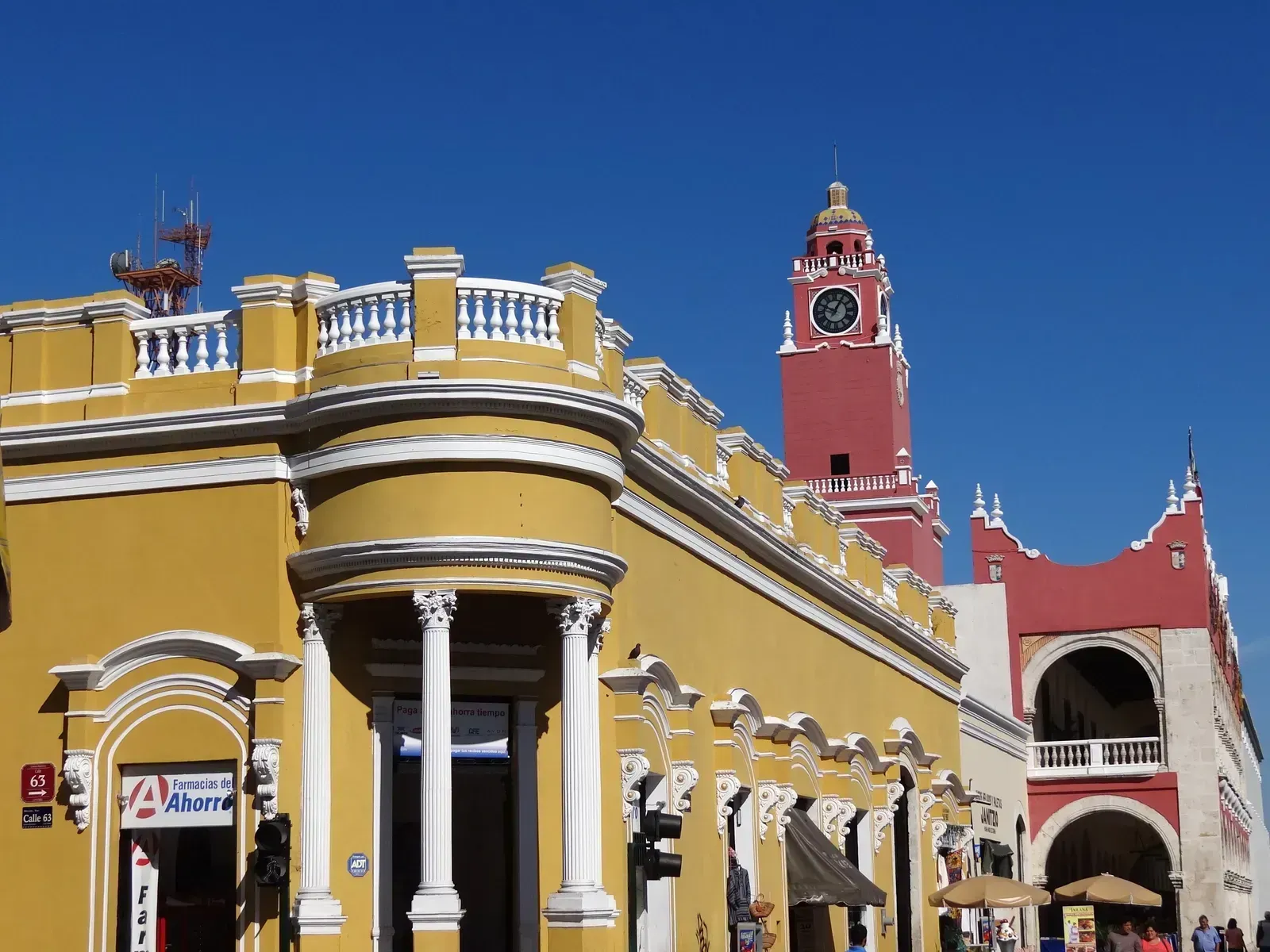
Mérida is frequently ranked as one of Mexico’s safest cities, with housing affordable at three hundred fifty to six hundred dollars for apartments, utilities modest outside the hottest months, and popular with retirees for its healthcare and walkability. This Yucatán gem offers colonial architecture, manageable heat most of the year, and a strong sense of community among expats. Unlike Mexico City, Mérida feels more relaxed while still offering big-city services.
In Mérida, a two-bedroom apartment in a safe, vibrant neighborhood averages five hundred to seven hundred dollars. The local markets overflow with fresh produce, and the healthcare system attracts medical tourists from across North America. Life here moves slower, which is precisely the point for many who relocate.
Buenos Aires, Argentina: European Flair at Developing World Prices
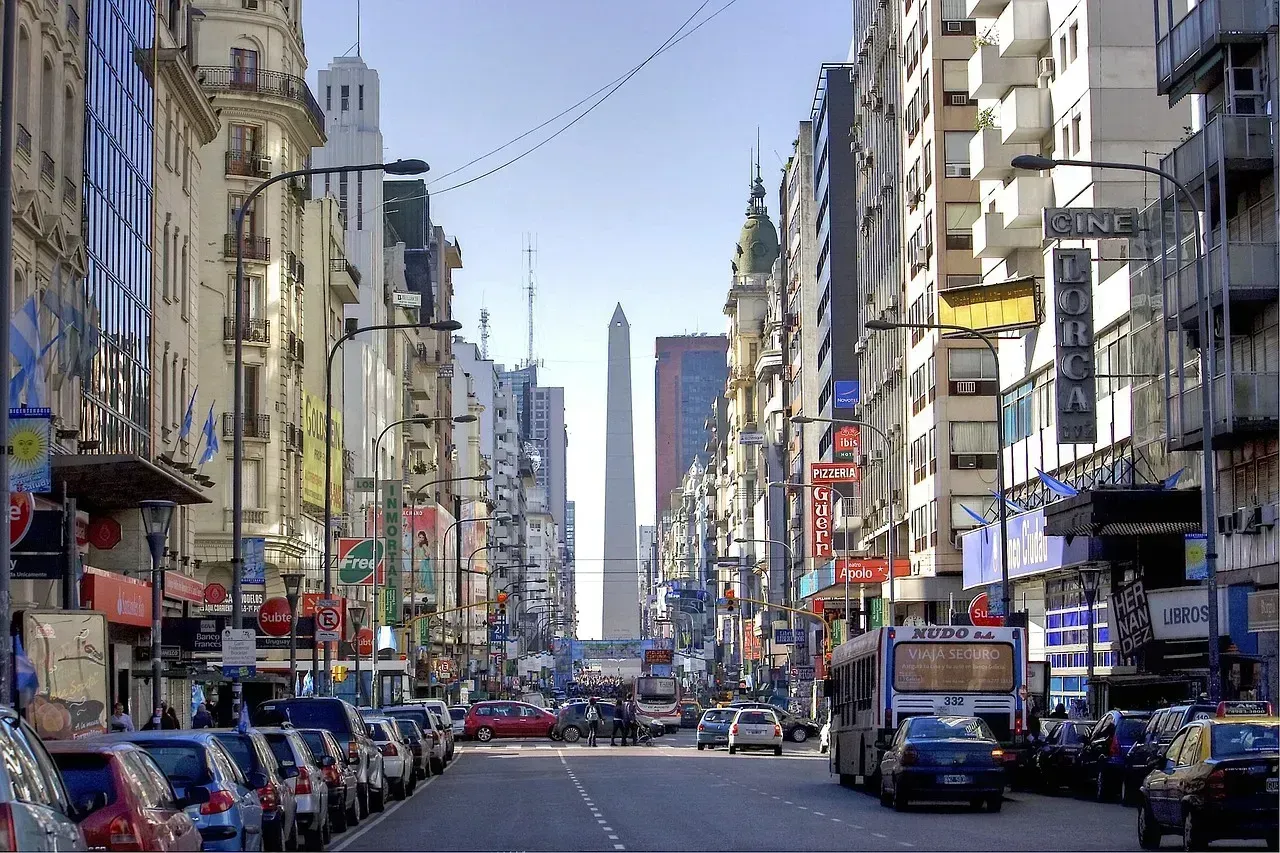
In January 2023, one US dollar bought one hundred seventy-seven Argentine pesos, but by December 2024, that same dollar could buy one thousand seventy-four pesos, which is six times more. Argentina’s dramatic currency devaluation has made Buenos Aires remarkably affordable for anyone earning in hard currency. The city delivers European-style boulevards, world-class steak, and a thriving arts scene at prices that feel like time travel.
The instability that creates these bargains also brings uncertainty though. Currency fluctuations can be wild, and economic policy shifts frequently. What makes Argentina unique among countries with severe currency problems is that it stands out because it’s not a violent place like Venezuela. For those willing to navigate the economic chaos, Buenos Aires offers incredible value.
Burgas and Varna, Bulgaria: Europe’s Hidden Coastal Gems

A 2024 report ranked Burgas as the second cheapest major city in Europe for rent, with Varna coming in fifth, and data from April 2025 showed average rents of about $304 in Burgas and $347 in Varna. These Black Sea cities give you European Union membership benefits, beautiful coastlines, and costs that make Western Europe look ridiculous. Utilities including electricity, heating, cooling, water, and garbage for an eighty-five square meter apartment average around eighty-six dollars in Burgas and one hundred twenty-three dollars in Varna.
Bulgaria became part of the Schengen Zone in 2024, so it’s still one of the cheapest places to live abroad, but it’s a lot easier for Europeans to move there than people from the Americas. The weather along the coast is pleasant, the internet is fast and cheap, and you’re within striking distance of the rest of Europe.
Bogotá, Colombia: Andean Heights with Low Costs
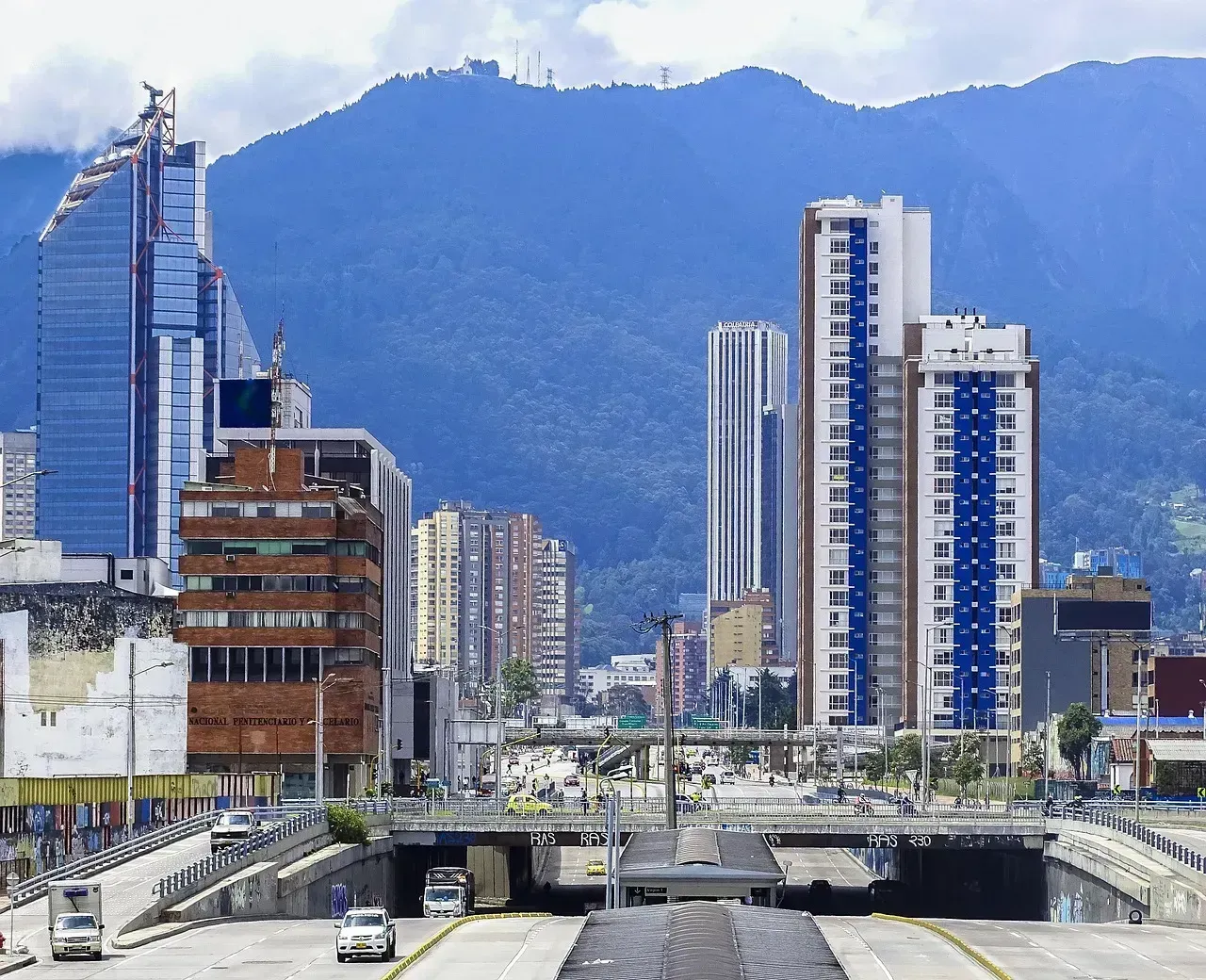
Several large emerging-market cities remained below one thousand dollars per month in US dollar terms in 2025, including Bogotá at three hundred seventy-five dollars. Colombia’s capital sits high in the mountains, delivering cool weather and a surprisingly cosmopolitan vibe. Colombia followed in second place for affordability, with the majority of survey respondents saying their disposable income was enough to live comfortably at ninety-two percent compared with sixty-nine percent globally, and no expat in the country flagged cost of living as a major concern before moving.
Colombia is one of the most inexpensive countries to live in, with a one-bedroom apartment in city centre costing around three hundred ninety dollars per month and outside city centre only two hundred sixty dollars per month, food and drink inexpensive especially if you buy local products, transport affordable for around twenty dollars per month in major cities, and the health care system ranking twenty-second out of one hundred ninety-one countries according to WHO. Bogotá offers culture, mountains, and enough variety to keep life interesting without breaking your budget.
Panama City, Panama: Tropical Base with Dollar Convenience
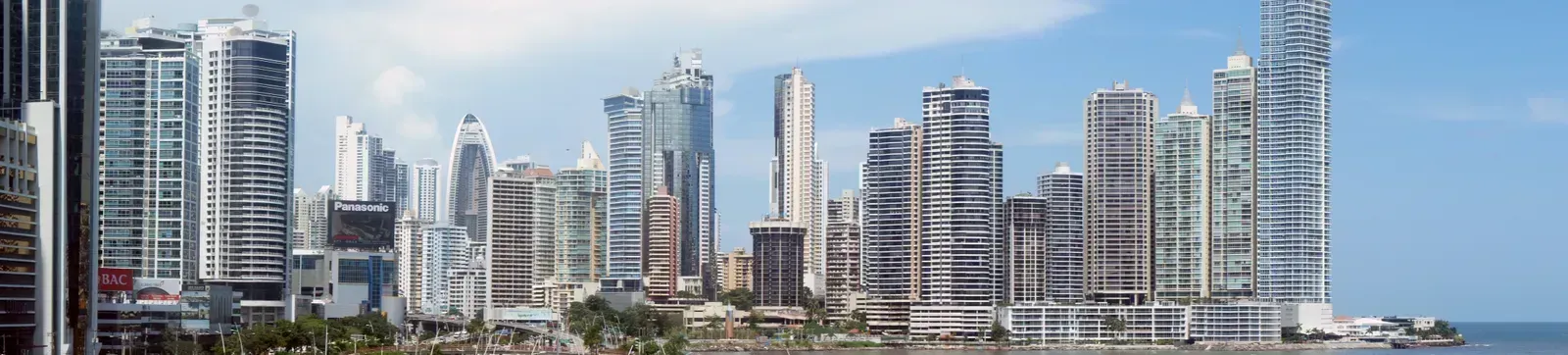
Panama followed Colombia in third place for affordability, and is particularly popular with retirees, with thirty-five percent of expats there already retired compared to just eleven percent globally. Panama City uses the US dollar, which eliminates currency conversion headaches entirely. The city offers a mix of modern high-rises, tropical weather, and easy access to beaches and rainforest.
The retirement visa program makes Panama especially attractive for Americans looking to relocate permanently. Infrastructure is solid, healthcare is good, and English is widely spoken in expat areas. Living costs hover around or just under a thousand dollars monthly if you’re strategic about housing and avoid the most expensive neighborhoods. Think of it as a tropical launching pad with first-world conveniences at developing-world prices. What’s not to like about that combination?