The “Passport Pattern” That’s Blocking Travelers at Gates in 2026
You’ve got your boarding pass, your luggage, and you arrive at the gate ready to jet off. Then the moment freezes. The airline staff glances at your passport, hesitates, and tells you there’s a problem. Your heart sinks because this wasn’t supposed to happen. Welcome to one of the most frustrating travel disruptions of our time, and honestly, it’s catching more people off guard than you’d think.
Water damage, torn or missing pages, peeling laminate, or an unreadable photo can all get you denied at the airport, according to travel experts. A damaged passport can cause delays at border crossings by raising suspicion of tampering or fraud. It’s hard to say for sure, but there seems to be a pattern emerging where even minor passport issues are stopping travelers cold in 2026, despite seemingly valid documents.
That Innocent Water Stain Could Cost You Your Trip
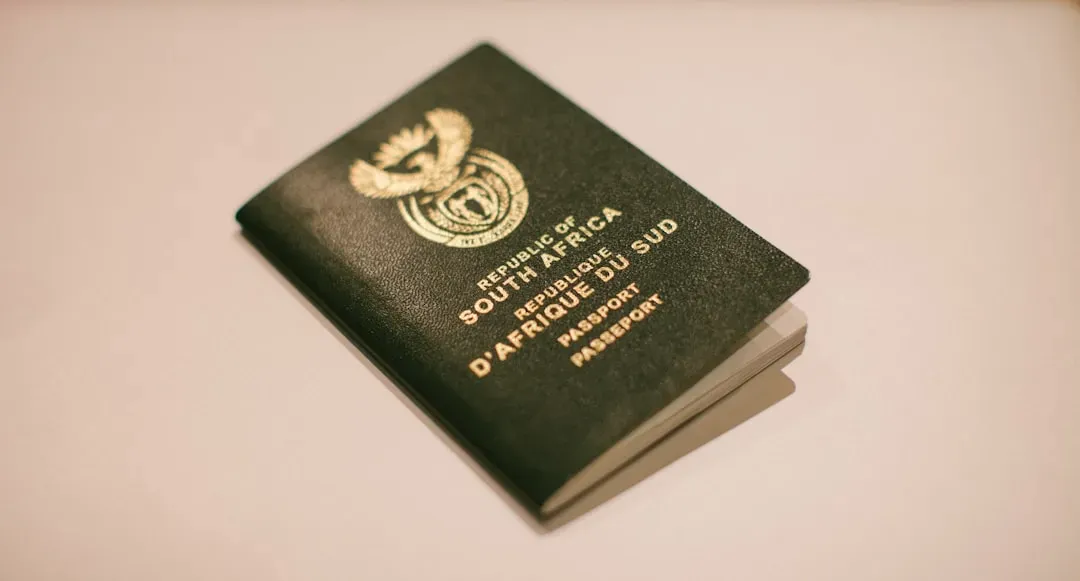
Let’s be real, most of us don’t think twice about tossing our passport in a beach bag or letting it sit near a coffee cup. A severely water-damaged passport, when the pages are illegible or blurry, is likely to be considered invalid. The thing is, what you consider “minor” might be a red flag for an immigration officer.
Water damage with swollen pages, blurred ink, or wrinkled paper can make your passport invalid for travel. I know it sounds crazy, but airlines are getting stricter because they face fines if they allow someone to board with questionable documents. Airlines have a responsibility regarding passport condition, and if they allow you to fly with an invalid document and you’re denied entry on arrival, they may face fines and costs for your return journey.
The Biometric Chip That Refuses to Read
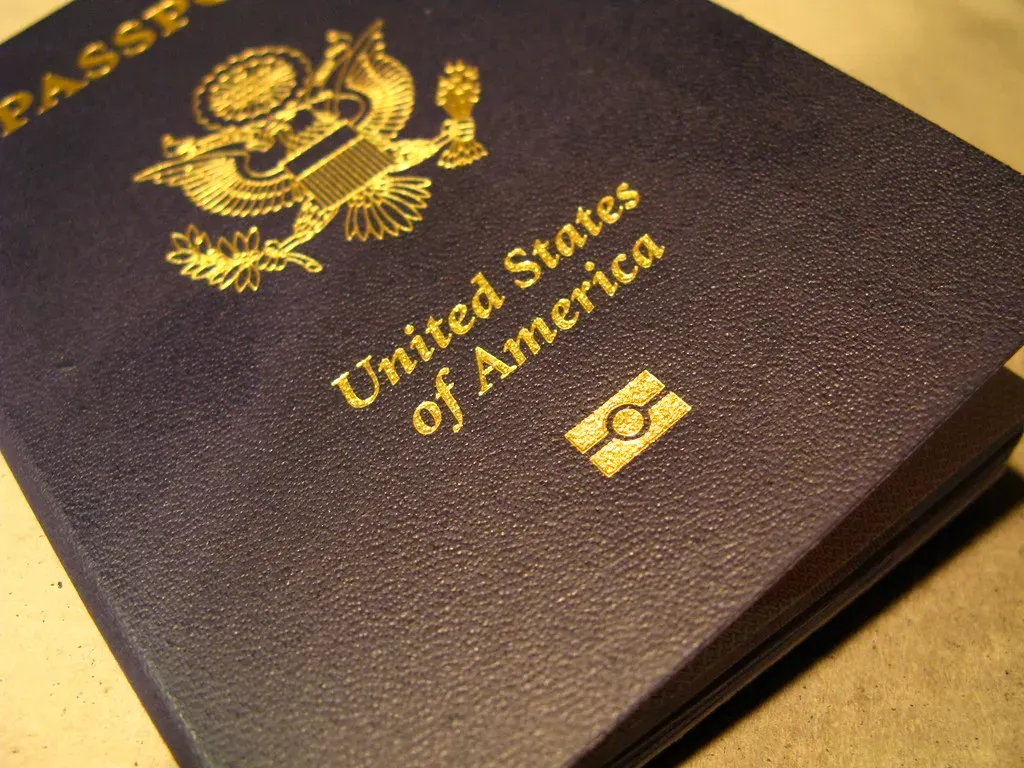
Here’s the thing about modern passports. They’re not just paper anymore. If the electronic chip is damaged or not working, it can cause problems at e-gates, automated border controls, and sometimes with airlines. You might look at your passport and see nothing wrong, yet those automated gates keep rejecting you over and over.
Your passport may be damaged or worn so the eGate cannot read the microchip or the biodata. The frustrating part? If the chip fails, the passport remains a valid travel document until its expiration date, and you will continue to be processed by the port-of-entry officer as if you had a passport without a chip. Still, the extra scrutiny and wait times can be maddening when everyone else breezes through.
The Six Month Validity Trap Nobody Warns You About
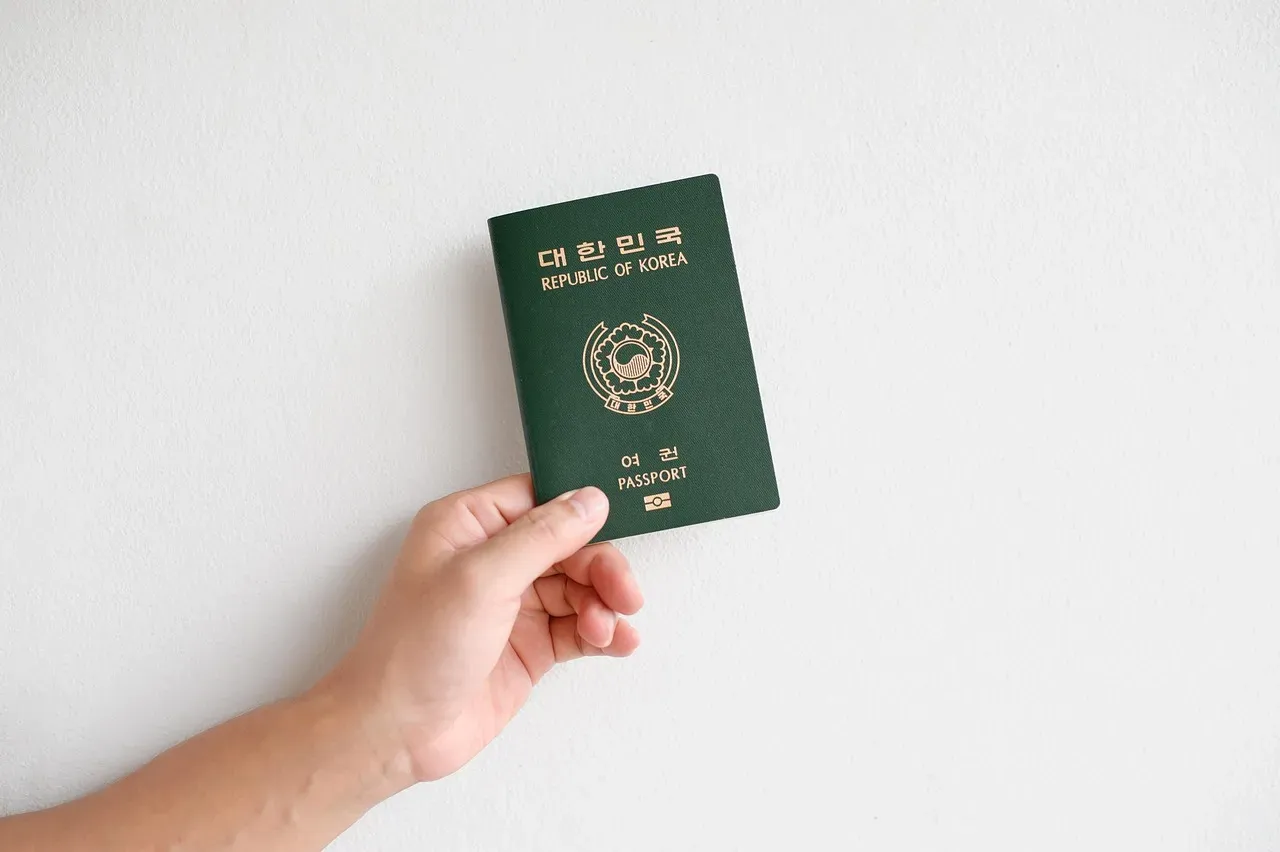
Think your passport is fine because it doesn’t expire until next year? Think again. Many countries require six months of validity beyond your travel dates, and border agents enforce this strictly at the start of the new year. This catches so many people by surprise.
A passport that was acceptable in December can suddenly be unusable in January simply because it crosses that six-month window. Airlines are cracking down on this because they may deny boarding if your passport does not meet the destination country’s validity rules. The worst part is discovering this at check-in when it’s already too late to fix anything.
When Airlines Misinterpret the Rules and Ruin Your Plans
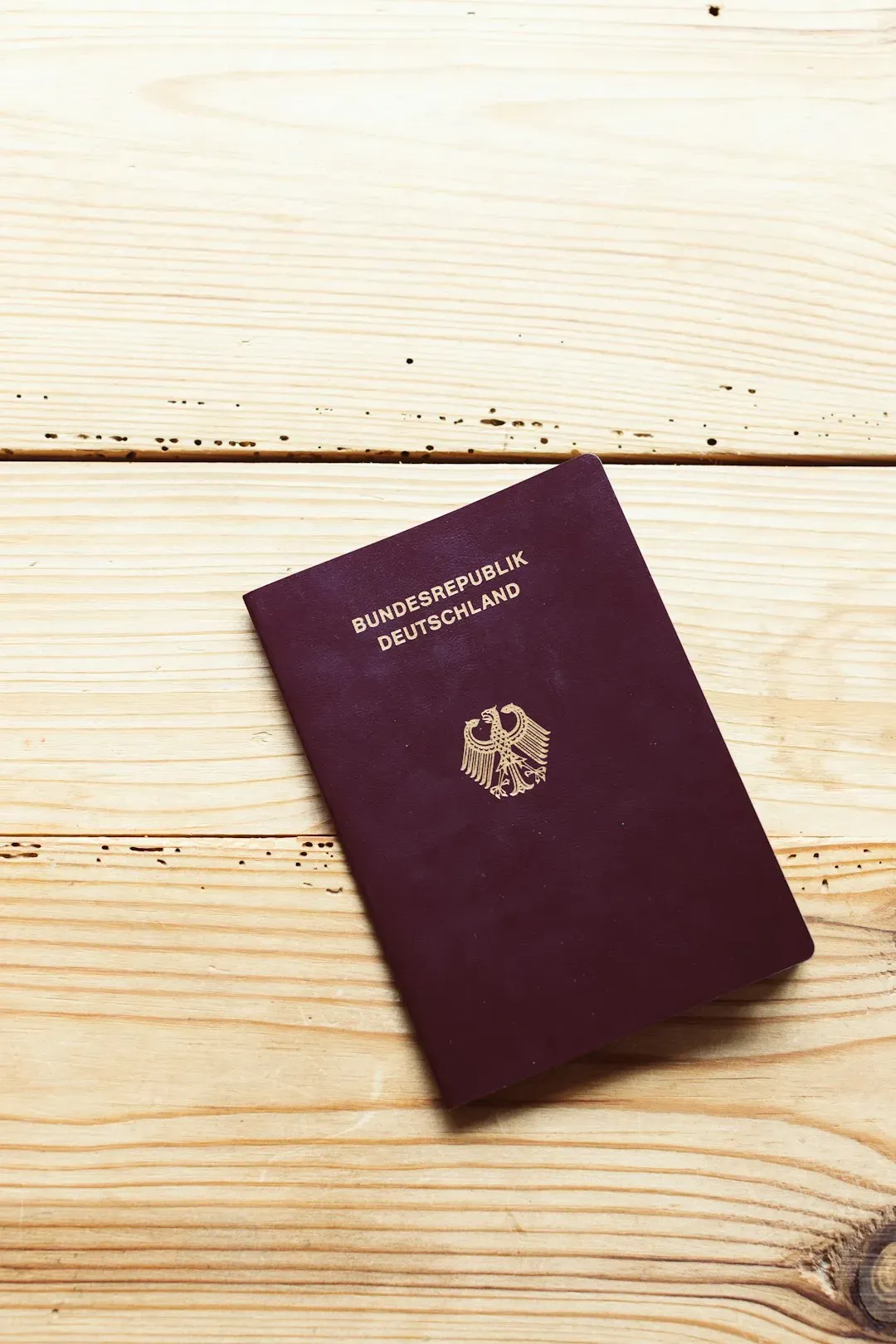
Sometimes it’s not even about your passport being damaged. It’s about confusion over the rules themselves. In September 2024, British Airways wrongly stopped a UK passport holder from boarding a flight to Florida, incorrectly saying she needed at least six months left on her passport to enter the United States, when in fact the United States only requires a passport to be valid until the date of departure.
Another UK citizen traveling to Spain was denied boarding at Gatwick when BA staff claimed his passport needed three more months of validity, which was incorrect as his passport was valid for travel in the EU until November. Imagine losing your vacation because an airline employee got the regulations wrong. There’s limited recourse in these situations, and that’s incredibly frustrating.
The New Digital Border Systems Creating Unexpected Headaches

The European Union’s new Entry/Exit System began its rollout on 12 October 2025 with a phased rollout across all 29 Schengen countries. US Customs and Border Protection says biometric processing compares a live photo to the photo in travel documents at entry and exit points, but when the match fails, manual checks return and the line slows.
The reality is that facial recognition gates and biometric systems are amazing when they work. When they don’t? You’re stuck in a slower verification path while everyone else moves forward. Starting January 30, 2026, Singapore is implementing strict “No-Boarding Directives,” meaning the border is moving to your departure gate and Singapore will check your status before you even get on the plane. It’s efficient in theory, but one small issue with your passport data and you’re grounded.
The passport rules in 2026 aren’t just stricter – they’re less forgiving of any imperfection. Whether it’s a wrinkled page from that rainstorm two years ago, a chip that mysteriously stopped working, or validity that’s cutting it too close, these “patterns” of damage are becoming dealbreakers at gates worldwide. What do you think about these tightening standards?