8 Things Bartenders Notice About You Before You Order
Your Body Language Speaks Before Your Mouth Opens
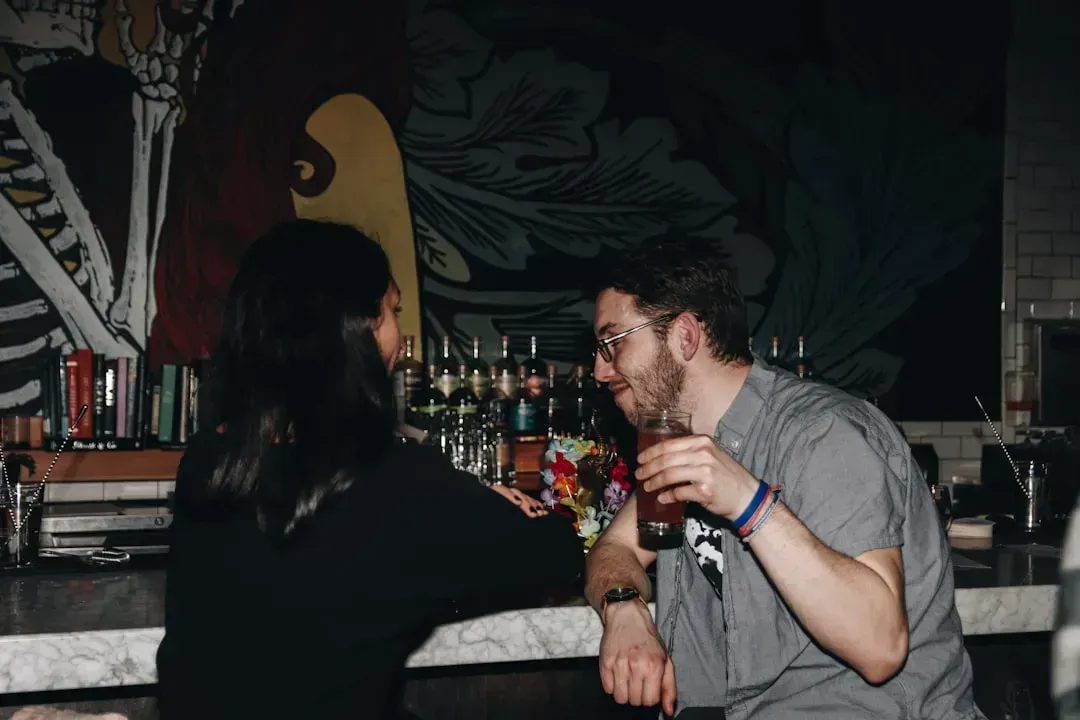
More than ninety per cent of the customers positioned themselves directly at the bar counter and turned straight towards the counter or a member of staff, according to a Bielefeld University research study. Here’s the thing: bartenders are trained observers. They can spot the difference between someone just standing near the bar and someone ready to order based purely on stance and positioning. It is commonly reported that 70% to 90% of communication is nonverbal, which means your posture tells a story before you say a single word.
The research team found that visitors who do not wish to place an order would instinctively avoid these behaviours. Honestly, it’s fascinating how unconscious this all is. People looking to chat with friends maintain distance from the bar and turn away, while those wanting service plant themselves front and center. The moment you step up and angle your body toward the bartender, you’ve essentially raised your hand without lifting a finger.
Eye Contact Is Your Secret Weapon

Making eye contact isn’t just polite; it’s essential. This eye contact is a visual handshake, according to researchers studying bartender-customer interactions. When you lock eyes with the person behind the bar, you’re opening a communication channel. The fascinating part? Once the bartender sees you standing there, you’ve been added to the list. the key there is, THERE’S A LIST. YOU DONT GET TO CUT, as one viral comment explained.
Still, there’s a balance. Staring aggressively or waving frantically makes you look desperate and annoying. A calm, confident glance signals readiness without entitlement. Eye contact should be brief but intentional, a mutual acknowledgment that says you’re next in line and you respect the process.
How You’re Dressed Matters More Than You Think
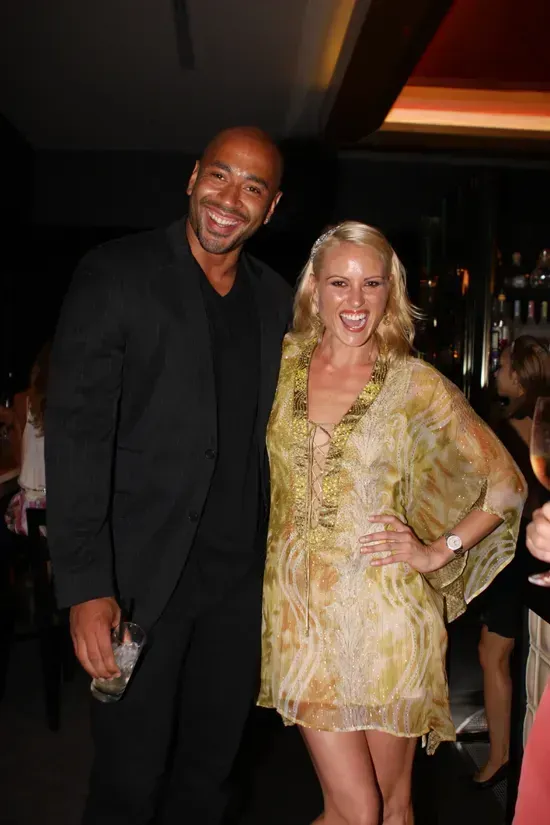
Let’s be real: bartenders size you up visually within seconds. Physical attractiveness is usually the first thing people take into consideration, research shows. This doesn’t mean you need to dress to the nines, but your appearance gives clues about your vibe, your spending power, and even what drink you might order. Someone in business attire might get offered whiskey recommendations, while someone in casual beach wear might hear about frozen cocktails.
Bartenders aren’t being superficial. They’re being smart. They’re reading visual cues to personalize service and make you feel seen. Your outfit becomes part of the conversation you haven’t started yet.
Your Demeanor Reveals If You’re Having a Good Day or a Terrible One
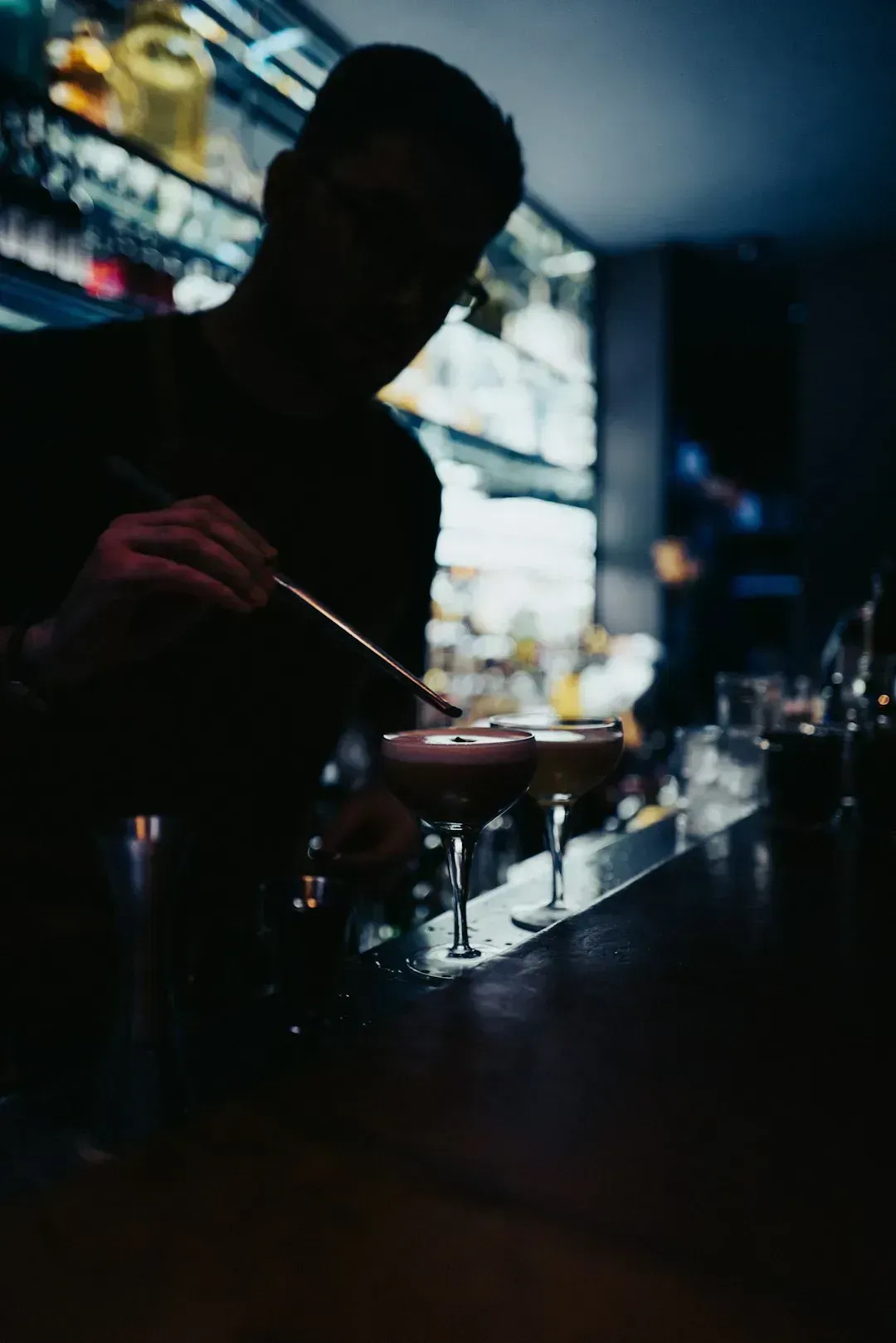
Behind the bar you can see everything, you can feel the vibes, says Minas Kotoulas, a head bartender. Bartenders are professional mood readers. They notice if you’re celebrating, if you’re stressed, or if you just had the worst commute of your life. Your energy radiates, and they adjust their approach accordingly.
Someone slouched and quiet gets a gentle check-in, while someone animated and laughing gets matched with upbeat banter. A great bartender is not only skilled in mixing drinks but also in reading the room, understanding the vibe, and adjusting their service style accordingly. I think this emotional intelligence is what separates average bartenders from exceptional ones.
Whether You Know What You Want – Or You’re Still Deciding
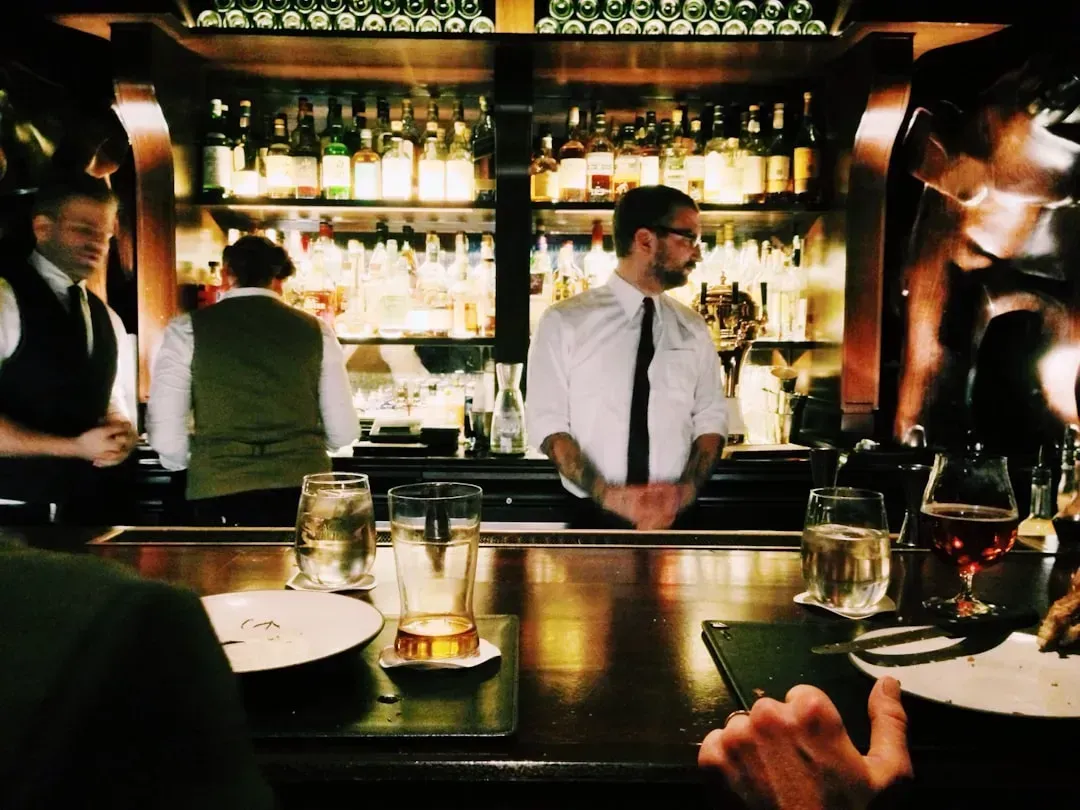
Nothing frustrates a bartender more than someone who makes eye contact, demands attention, and then blanks when asked for their order. It appears a lot of bartenders get frustrated whenever someone approaches the bar, stares at them, and when it’s finally their turn to be served they don’t know what they want to order yet. If you’re still undecided, that hesitation shows in your face, your scanning of the menu, and your overall uncertainty.
Bartenders notice this instantly. They might give you a moment, suggest a recommendation, or move on to someone more decisive. It’s hard to say for sure, but if you approach the bar confidently, make eye contact, and immediately know your order, you’ve already won half the battle.
Your Relationship to the People You’re With
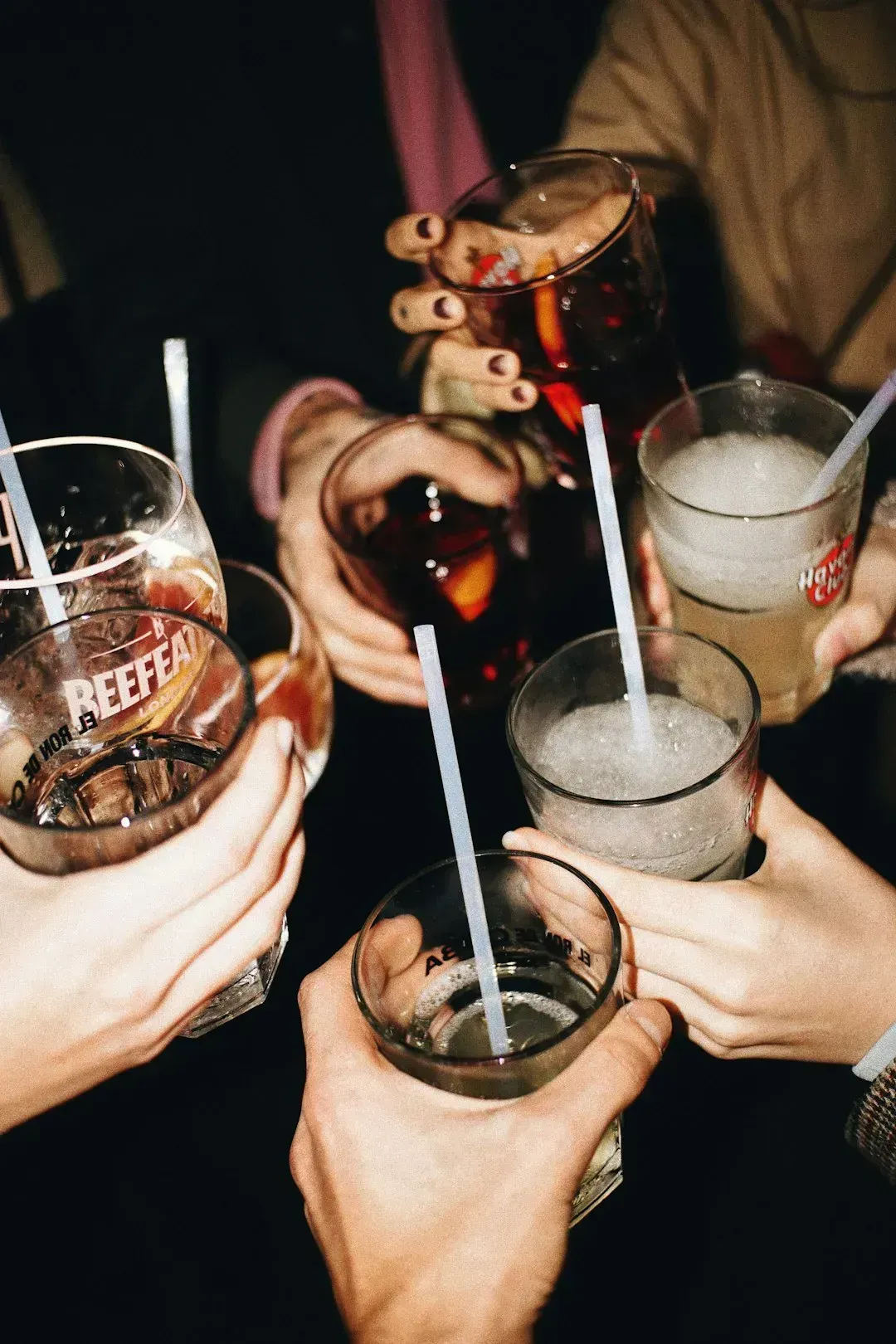
If you’re there on a first date, we know, from the moment you pass through the doors. We can see how uncomfortable you feel with someone that you are meeting for the first time, according to one bartender’s observations. They see couples on anniversary dinners, awkward Tinder dates, business meetings disguised as casual drinks, and groups of friends celebrating life. Each scenario has its own body language.
First dates often involve nervous laughter, excessive menu studying, and requests to sit at the bar for backup conversation with staff. Friends lean in close, share drinks, and radiate ease. Bartenders pick up on these dynamics and tailor their service. Maybe they give the nervous couple extra space, or they engage the solo drinker in light conversation to ease the tension.
How Much You’ve Already Had to Drink
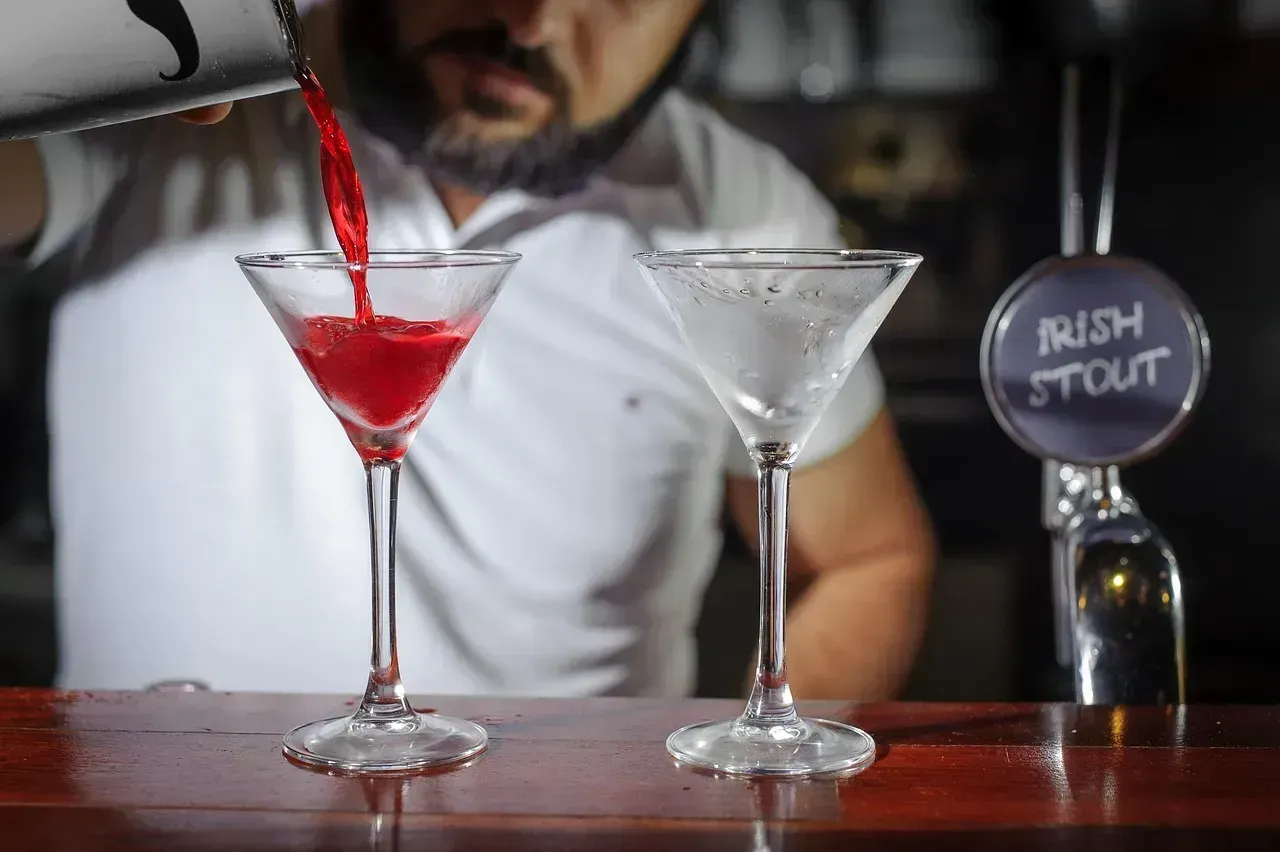
Bartenders must observe customers, identify those who are intoxicated or underage, and deny them service, according to the U.S. Bureau of Labor Statistics. This isn’t just good practice; it’s a legal responsibility. Bartenders watch for slurred speech, unsteady movement, louder-than-normal voices, and glazed eyes.
We are also here to make sure that you and our guests have a good time in our bar and go back home safe. We are always looking at guests’ behavior, and listening, one bartender explains. If you stumble up to the bar after three rounds elsewhere, they notice. They’re deciding in real time whether to serve you another or offer water and a polite redirect.
Your Patience Level and Respect for the Process
Bartenders can instantly tell if you’re the type who understands they’re busy or if you’re the person who thinks the world revolves around your drink order. For consumers who say they already know what they will drink, 63% reportedly state that they can still have their mind changed by a bartender recommendation, which shows the power dynamic at play. Respectful customers wait their turn, don’t interrupt, and trust the bartender’s pace.
Impatient customers wave, snap, lean over the bar, or worse, try to cut the line. These behaviors are noted and rarely rewarded. The bartender might still serve you, but you’ve just lowered your standing in their mental ranking system. Patience, eye contact, and a smile go much further than urgency and entitlement.