8 Pricey Meat Cuts That Aren’t Worth the Money
Walk into any upscale butcher shop or fancy steakhouse and you’ll see staggering price tags on certain cuts of beef. Some approach triple digits per pound. The question is, are they actually worth it? Let’s be real here. Just because something costs more doesn’t mean it tastes better. With beef prices hitting record highs through 2024 and into 2026, making smart choices at the meat counter has never been more important.
Beef prices rose nearly 15% since 2024, with retail prices hitting $9.26 a pound in July 2025. So when you’re paying this much, you better make sure you’re getting genuine value. Some premium cuts deliver on their promises. Others? They’re all hype and no substance.
Filet Mignon
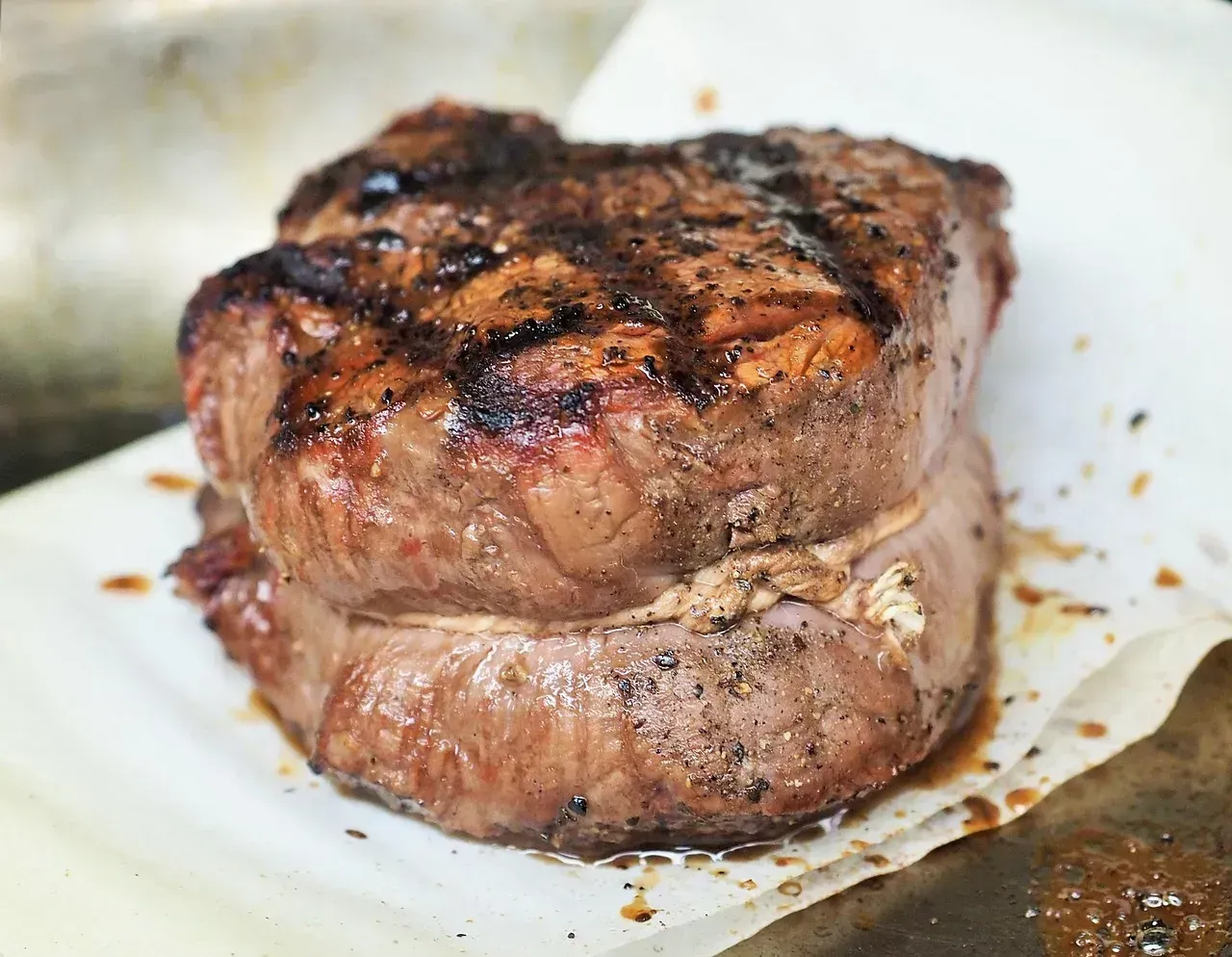
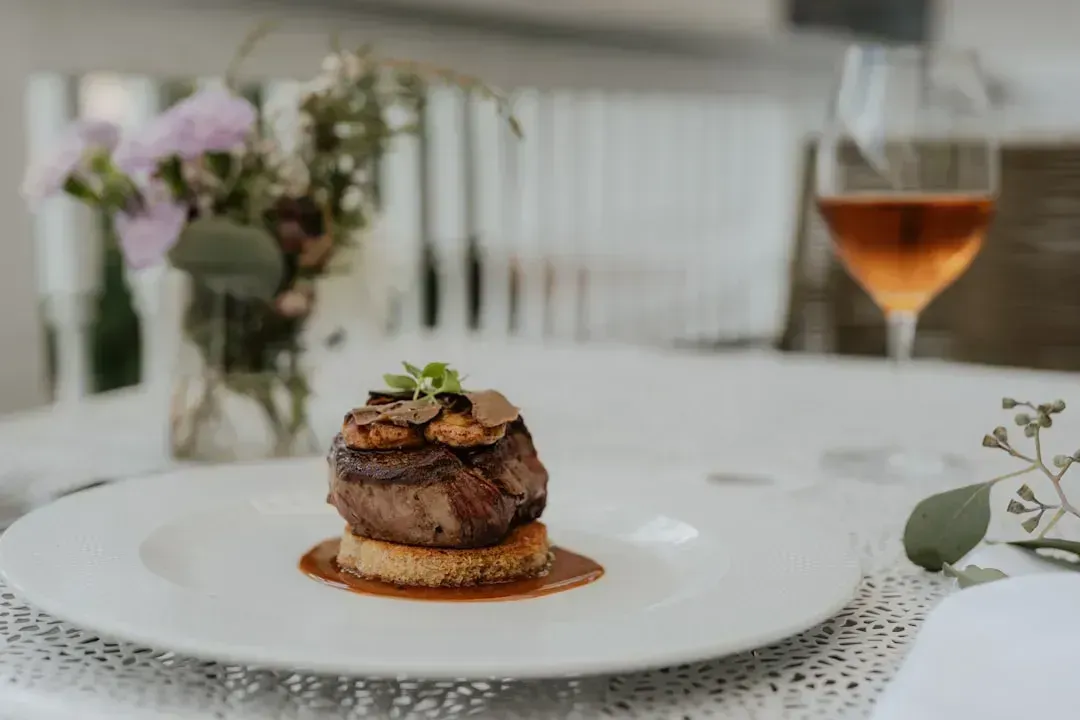
Anthony Bourdain famously called filet mignon “the most boring and uninteresting piece of meat on the animal”, and honestly, he had a point. Sure, this cut is incredibly tender since it comes from the loin primal section, a small, little-used muscle along the cow’s spine. That’s precisely why it lacks flavor. The cut has a limited flavor profile and high cost resulting from its scarcity, with the tenderloin typically being the most expensive cut of beef because of tenderness and limited quantity per animal. Here’s the thing though: tenderness is just one quality that makes meat good. Chef Paul Kahan described tenderloin as having no flavor or fat with horrible texture, calling it “the tofu of steak”. Fat is where the flavor lives, and filet mignon is lean to a fault. Fat gives steak its taste, with rich marbling melting as the steak cooks and imbuing it with savory flavor. You’re essentially paying a premium for texture while sacrificing everything that makes a steak memorable.
Japanese A5 Wagyu
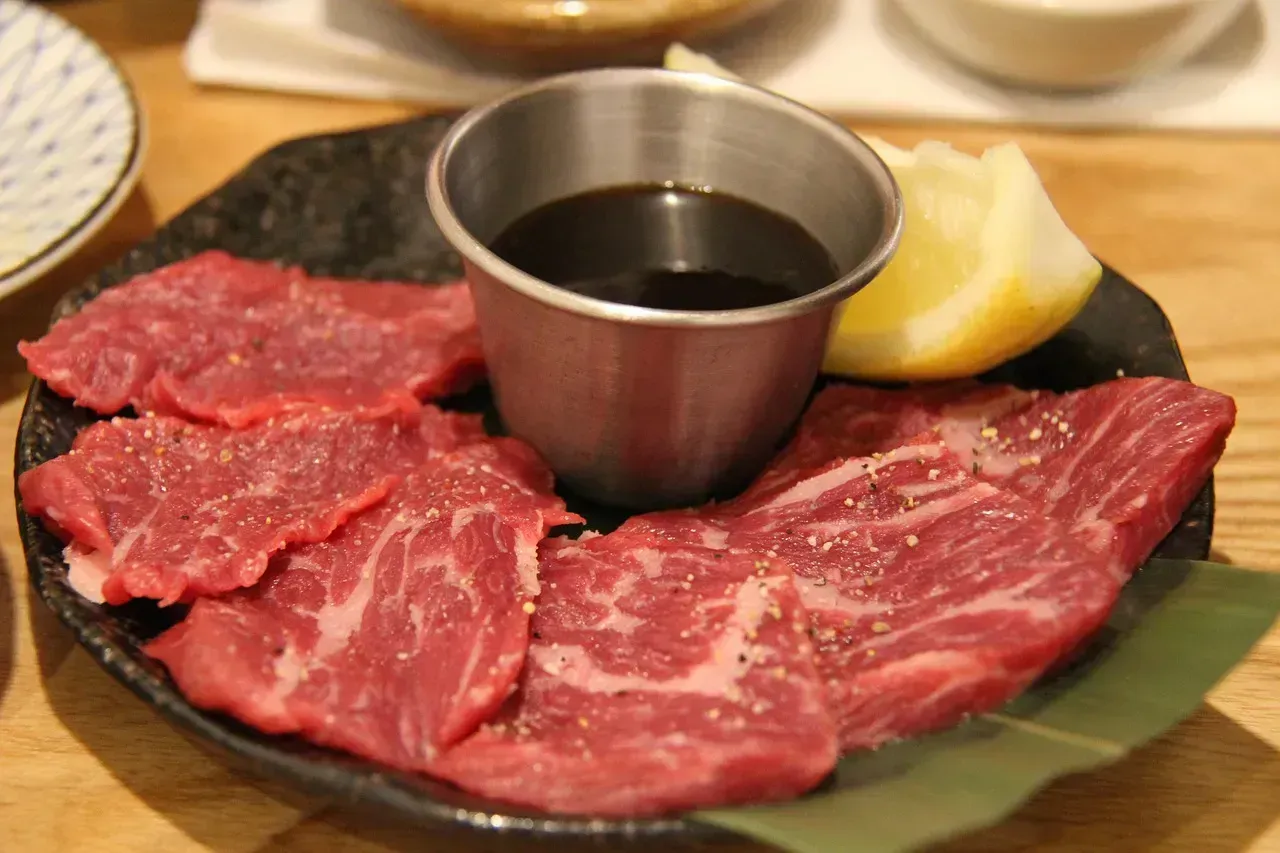
Grade A certified Wagyu raised in Japan can cost upwards of $200 per pound, and individual cows are worth $30,000 at auction. That’s not a typo. Authentic Japanese A5 Wagyu usually costs $100 to $300 per pound, making it one of the most expensive meats on the planet. While the marbling is undeniably impressive and the breeding process meticulous, there’s a practical problem: it’s almost too rich for most people. Wagyu beef is best consumed in smaller three or four ounce portions because a huge steak would overload your taste buds, and considering its high price tag you want to appreciate every bite. The fat content is so extreme that eating a full steak becomes overwhelming rather than enjoyable. Some chefs argue that American Wagyu from Snake River Farms rivals any A5 in marbling and eats better as a center of the plate steak since the fat melts more consistently while maintaining beef flavor. You can get a comparable experience for a fraction of the cost by choosing domestic options.
Dry Aged Beef Beyond 45 Days
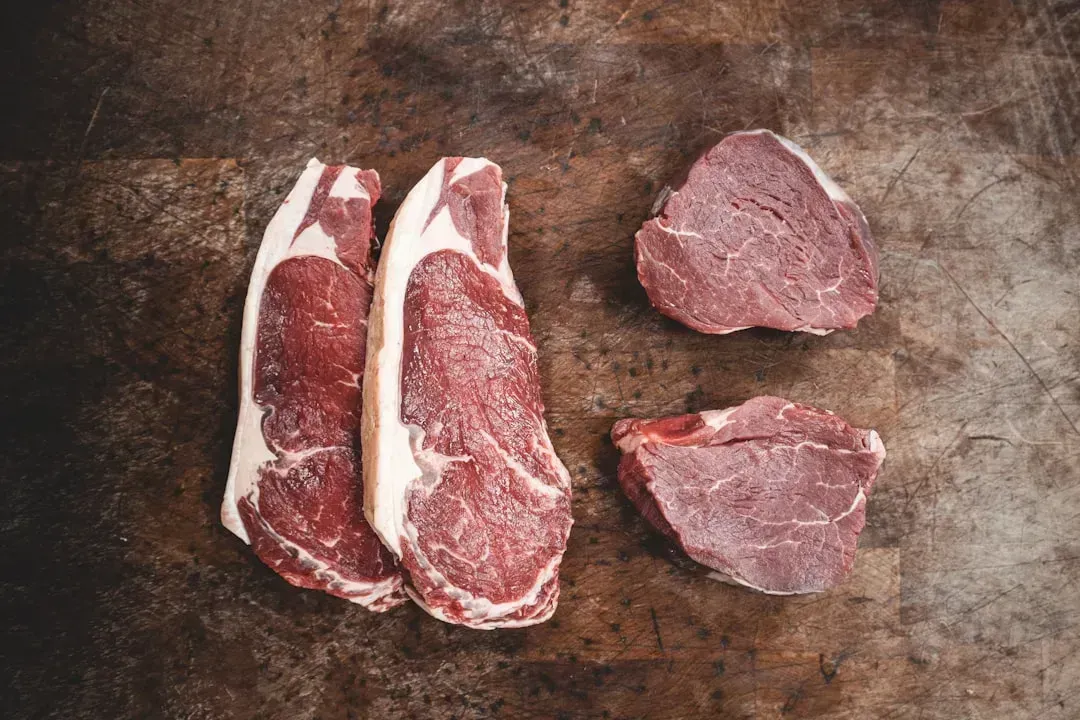
When a steak ages for 30 days it loses 15% of its total weight in water, while at 120 days that same steak has lost 35% of its weight. That weight loss gets passed directly to you at the register. Retail prices of dry-aged steaks should be up to 20% higher to return the net sales value and margin obtained from wet-aged meat, as dry-aged meat costs about 25% more. Sure, the flavor intensifies as moisture evaporates and enzymes break down muscle fibers. The 30-day mark delivers excellent results with a concentrated beefy taste. Going beyond 45 days, though? Steaks aged this long are very expensive and are best for true beef connoisseurs. Most people can’t even distinguish the nuanced differences past a certain point, and the funky, almost cheese-like flavors that develop can be polarizing. Whether dry-aged steaks are worth the hefty price tag is up to your taste buds, since they taste different rather than objectively better.
Kobe Beef From Questionable Sources
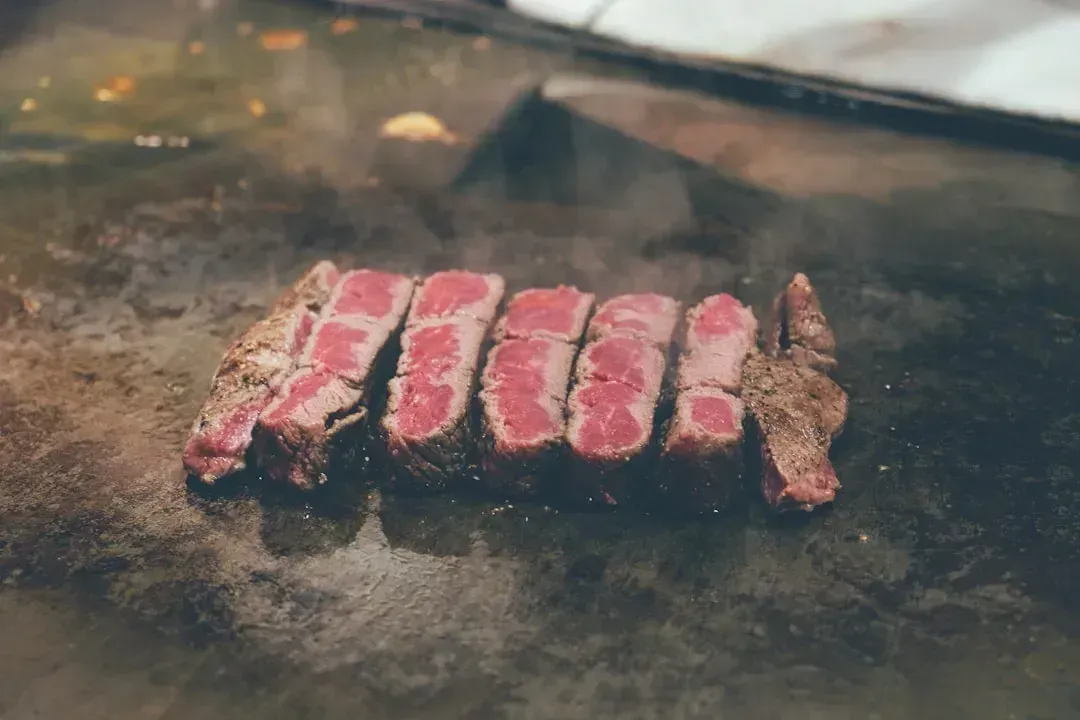
Real Kobe beef comes exclusively from Tajima cattle raised in Japan’s Hyogo Prefecture, and Kobe beef can only be grown and slaughtered within the city of Kobe to receive its designation. The problem? The Kobe variety of Wagyu is often falsely advertised as authentic, and it’s such a common occurrence that in 2016 it prompted investigations and lawsuits against major brands and well-known restaurants. You might think you’re getting the real deal at a steakhouse, but chances are high you’re paying Kobe prices for crossbred American cattle. Japan declared wagyu a national treasure in 1997 and banned further exportation of cattle, with only 221 animals exported to the United States before the ban. Limited supply means limited authenticity. Unless you’re at a restaurant with verifiable certification or ordering from a reputable importer with documentation, that “Kobe” burger is probably just fancy marketing attached to an inflated bill.
Whole Beef Tenderloin
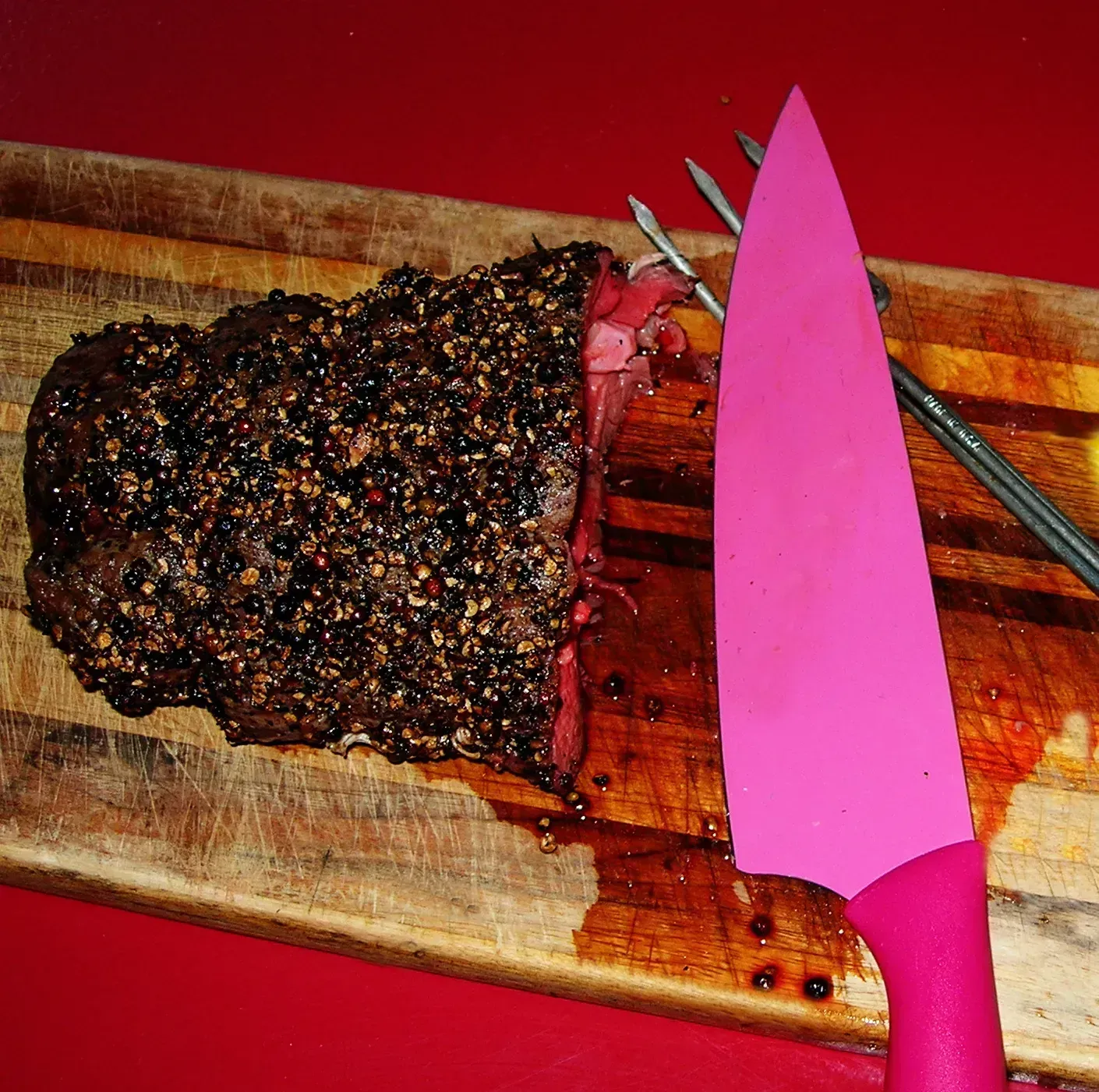
There are only two tenderloins in each cow, making up just 2% to 3% of the animal’s meat, and filet mignon is cut from one section of the tenderloin, with only 2 pounds of filet in an entire cow. The rarity drives prices sky-high, yet according to Sonny’s BBQ Pitmaster Shannon Snell, the tenderloin is one of the most overrated cuts of meat. The downside is its lack of fat content, resulting in a less robust taste profile that often requires additional sauces or toppings to enhance flavor regardless of meat quality. When a cut needs heavy sauce just to taste like something, that’s a red flag. Other cuts of beef like sirloin or rib steaks allow for a better balance between fat and lean, with some chefs suggesting opting for tri-tip or hanger steak instead. The tenderloin’s reputation is built on texture alone, which frankly isn’t enough to justify the premium when fattier, more flavorful cuts cost half as much.
Pre-Cut Specialty Steaks
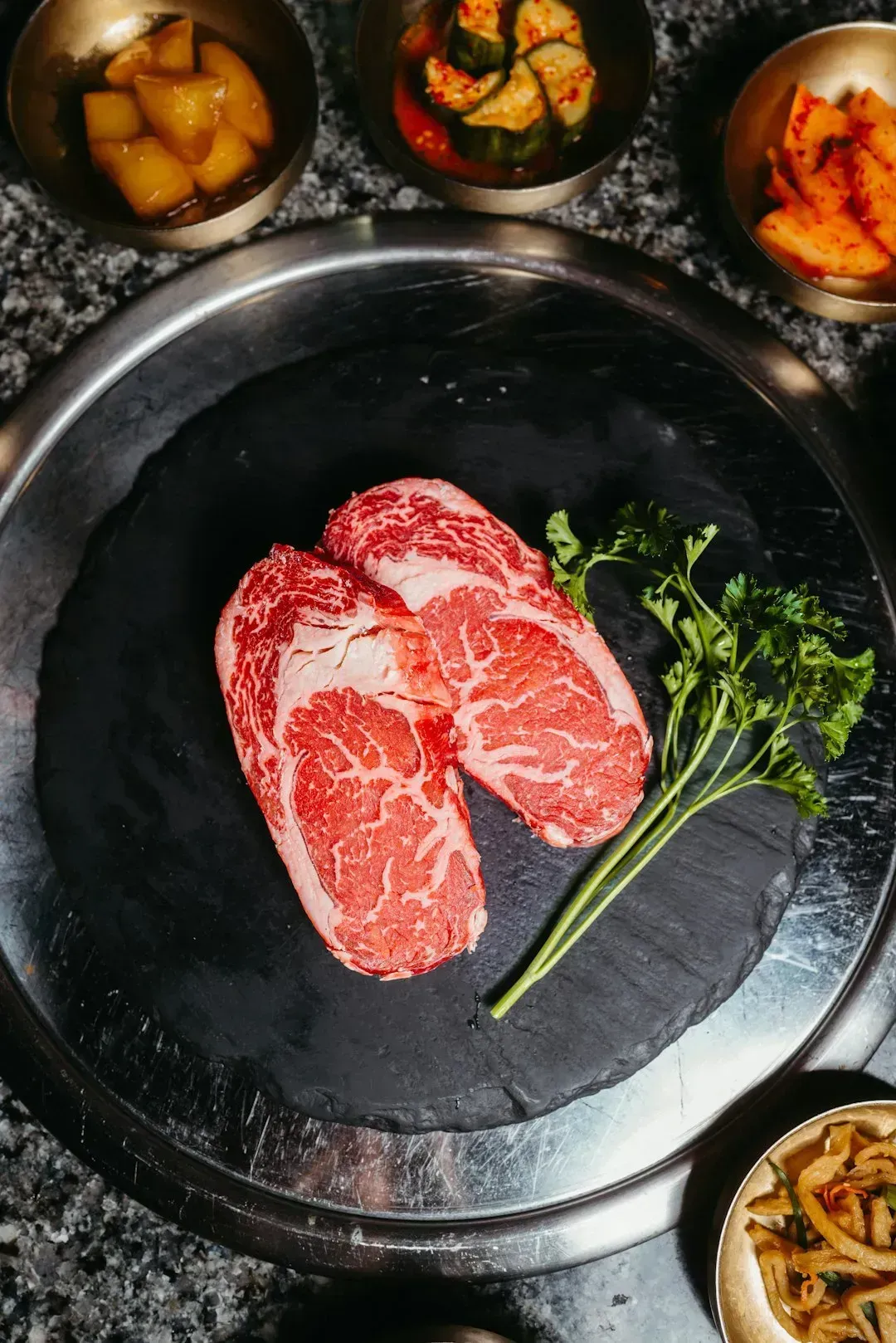
Those beautifully portioned, individually wrapped steaks in the fancy display case? You’re paying for convenience and presentation more than quality. Wagyu and branded all natural specialty items often seen on the meat counter always carry a hefty price tag, yet it’s not unusual to see packages carrying a discount sticker, and unlike most perishables the consumer experience eating the discounted cuts is not diminished. That tells you something right there. The markup on pre-portioned steaks covers labor, packaging materials, and the butcher’s time. Here’s the thing: you can buy whole primals or larger cuts and portion them yourself with minimal effort. The savings are substantial. A whole ribeye roast costs significantly less per pound than individual steaks from the same cut. Plus, you control the thickness and size. Learning basic butchering skills takes maybe an afternoon of YouTube videos, and you’ll save hundreds of dollars over a year of buying beef.
Branded Premium Programs
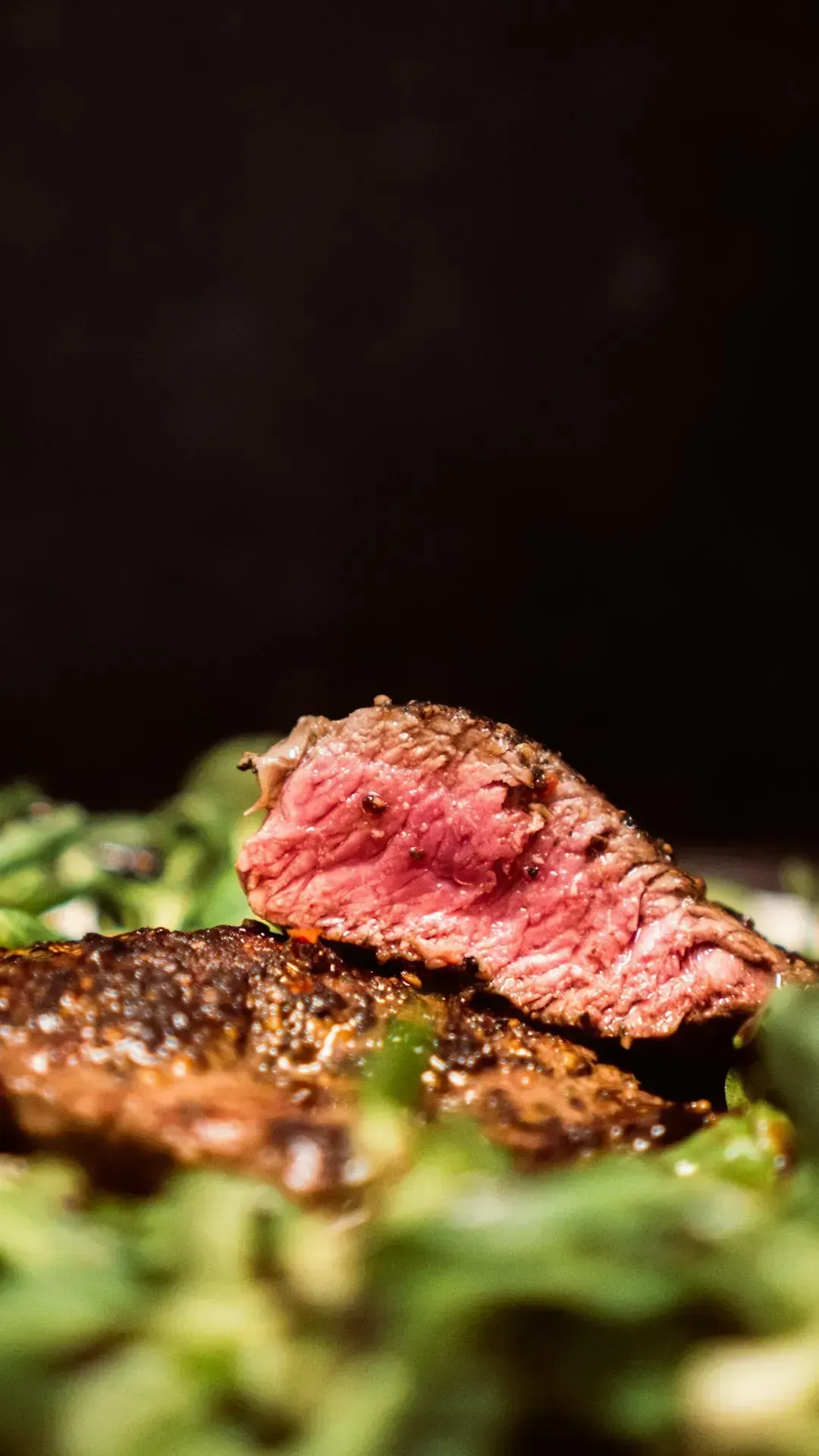
The best cuts of beef all come from the same primal cut, which only makes up about 8% of the entire steer. Supermarkets and suppliers have created countless branded programs promising superior beef through special feeds, genetics, or aging processes. Some are legitimate. Many are just marketing. There’s a clear price difference between conventional beef versus grass-fed, organic, ethically-farmed, heritage breed cattle, but the question is whether happy cows are worth the higher price tag. Often these programs slap a fancy name on Choice grade beef and charge Prime prices. USDA beef is graded based on marbling levels as Prime, Choice and Select, and that grading system is objective and consistent. Unless a branded program offers verifiable differences beyond standard USDA grading, you’re mostly paying for a story and pretty packaging. Check the actual grade on the label rather than falling for proprietary names.
Imported Premium Cuts During Price Spikes
Beef imports have been increasing to offset tight domestic supplies, with the U.S. importing lean beef trimmings blended with fattier ground beef produced domestically, and foreign imports giving consumers options for lower grade cuts when looking for economical options. However, tariffs will have a definite impact on consumer prices that could last for years, with prices rising in the short-term while producers decide how to adapt to new conditions. Right now in early 2026, with food prices expected to increase above the historical average, with beef and veal prices rising above historical averages, imported specialty cuts face even steeper markups. Most observers suggest the nation’s cattle supply will remain strained through at least 2026 and likely through 2027, meaning retail beef prices will remain elevated. When domestic beef is already expensive and imports face tariff surcharges, paying extra for foreign premium cuts makes even less financial sense. Stick with domestic options until market conditions stabilize.
Looking at where beef prices stand now, being strategic matters more than ever. Despite record-high prices approaching $10 per pound for steak, most consumers plan to keep buying beef, often opting for cheaper cuts or eating at home more than reducing overall consumption. That’s the smart approach. Focus on well-marbled cuts like ribeye or New York strip that deliver genuine flavor without inflated price tags justified solely by scarcity or marketing hype. Your wallet and your taste buds will thank you.
Grass-Fed Organic Labels at Boutique Prices

Don’t get me wrong – grass-fed beef has legitimate benefits, but the premium you’re paying at specialty butchers has gotten absolutely ridiculous. Some stores are charging $35-40 per pound for grass-fed ribeyes when conventional grain-finished ribeye sits at $18-22. Here’s the truth most people don’t realize: nearly all cattle spend most of their lives eating grass anyway, and the flavor difference between grass-fed and grain-finished isn’t always better – just different. Grass-fed tends to be leaner and sometimes tougher, with a more mineral-like taste that many Americans actually find less appealing than the rich, buttery flavor of grain-finished beef. Unless you’re specifically seeking that gamey profile or have strong ethical reasons for your choice, you’re essentially paying double for marketing buzzwords. The USDA organic certification adds another layer of cost without guaranteeing tenderness or taste. Smart shoppers can find responsibly raised beef from local farms at farmers markets for half what bougie grocery stores charge, or simply buy conventional beef from reputable sources and save the difference for actually enjoying more meals.