The Top 3 Signs Your Hotel Room Has Been Compromised
Unusual Activity or Tampering With Your Door Lock
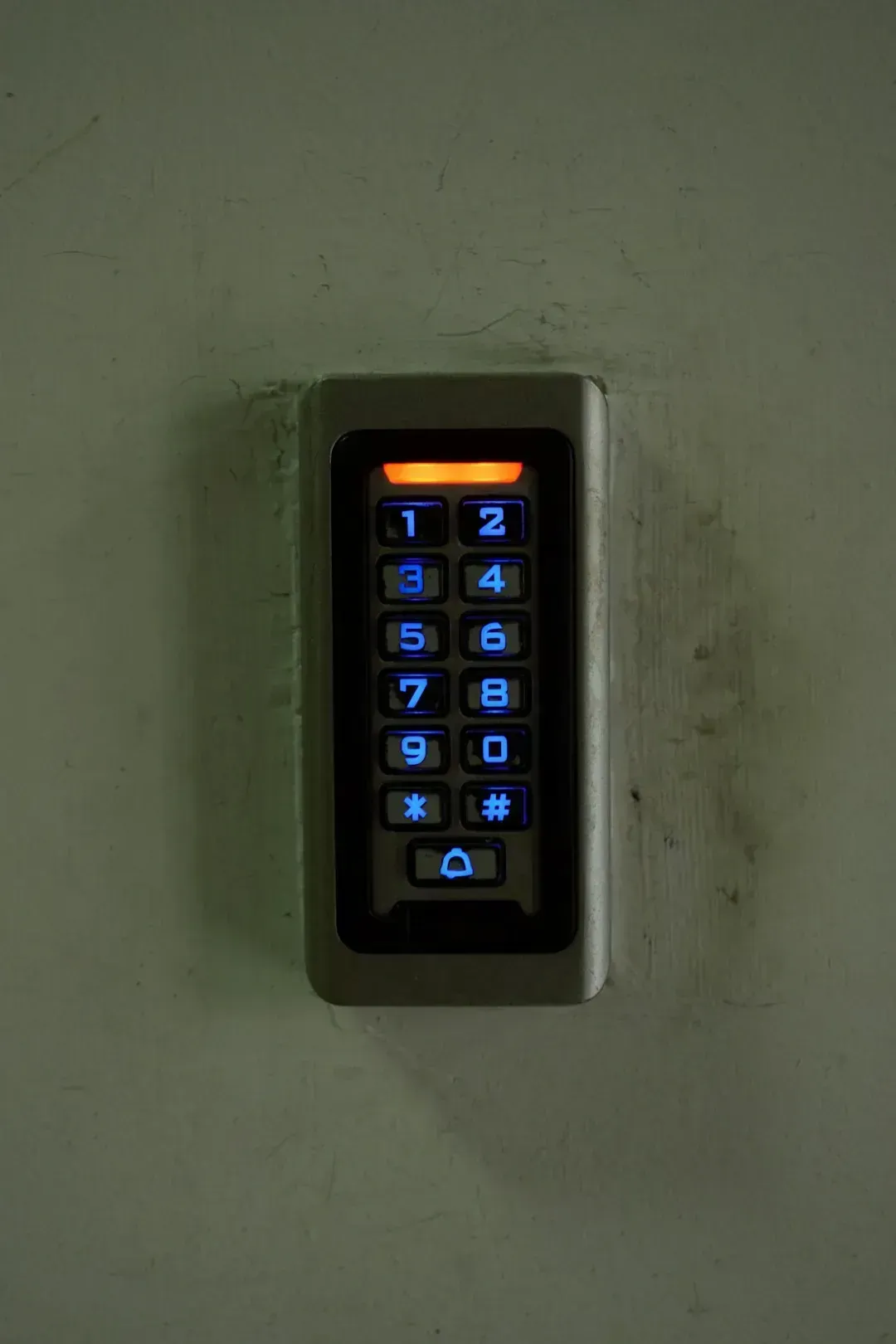
Let’s be real, if you’re seeing weird issues with your hotel room door lock, alarm bells should go off immediately. As of March 2024, only 36 percent of impacted locks have been updated or replaced after a major vulnerability was discovered in dormakaba’s Saflok system. Saflok locks are installed on more than 3 million doors across 13,000 hotels and multi-family housing environments in 131 countries, which means the scope of this problem is truly massive. If your keycard suddenly stops working, or worse, if you notice multiple failed entry attempts logged on your lock, that could mean someone’s been trying to forge access.
Due to the vulnerability, entry/exit records could be attributed to the wrong keycard or staff member, making it nearly impossible for hotel staff to properly track who’s entering your room. Here’s the thing though, even without a specific vulnerability exploit, faulty locks and improper maintenance create massive security gaps. Think about it this way: every time someone tries multiple keycards before one works, that’s a warning sign the system might be outdated or malfunctioning. Physical signs of tampering matter too – check if the door frame looks damaged, if hinges seem loose, or if the deadbolt doesn’t slide smoothly.
When you first walk into your room, make sure the lock and deadbolt function smoothly and securely by testing them several times. Some guests don’t realize that more sophisticated criminals may exploit weaknesses in a hotel’s electronic lock system or software, gaining access to multiple rooms without needing a physical key card. It honestly sounds like something from a spy movie, yet it’s a genuine threat in 2026. Most travelers never check these details, assuming hotels maintain flawless security, which unfortunately isn’t always the case.
Hidden Surveillance Devices in Unexpected Places
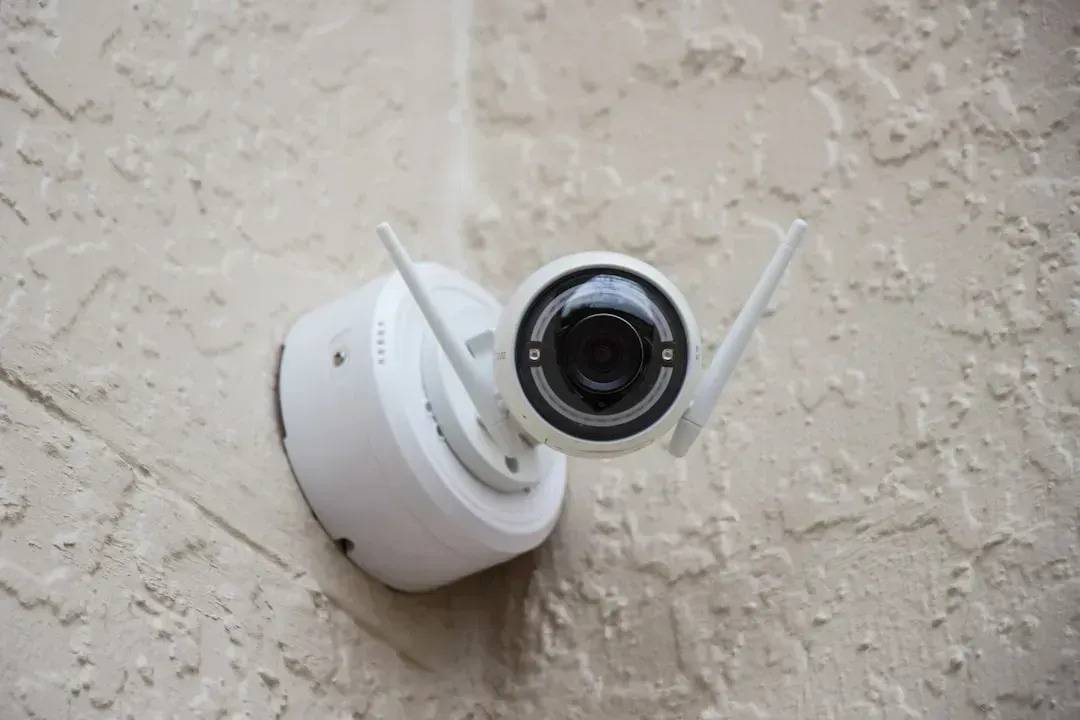
This one’s genuinely disturbing, yet it’s more common than you’d expect. One in 4 travelers found an illegally concealed camera in their vacation rental in 2023, according to a survey by property investment firm IPX1031. That’s a staggering statistic when you consider how many people travel annually. About 58% of Americans are worried about hidden cameras, and 34% say they searched their vacation property, showing that privacy concerns are absolutely on travelers’ minds right now.
The challenge is knowing where to look. Security experts consistently identify smoke detectors as the most popular location for hidden cameras in accommodation, along with air vents, electrical outlets, and even everyday objects like alarm clocks or picture frames. Social media posts about hidden cameras have increased nearly 400% in the past two years, reflecting a disturbing trend. Modern spy cameras can be incredibly tiny – some as small as the point of a pen – making visual detection extremely challenging without knowing what to look for.
I know it sounds paranoid, but taking ten minutes to inspect your room could save you from a nightmare scenario. Camera lenses usually have a blue or purple tint when you shine a light on them, which is your best DIY detection method. Turn off the lights and use your phone’s flashlight to sweep the room, paying special attention to objects positioned to face the bed or bathroom. Check smoke detectors for unusual openings or extra indicator lights that don’t match standard models. Honestly, hotels rarely place cameras in guest rooms, yet bad actors can occasionally get past security checks and successfully hide cameras.
Signs of a Recent Data Breach or Network Intrusion
Here’s where things get technical, though the consequences are deeply personal. The average cost of a data breach in hospitality rose from $3.62 million in 2023 to $3.86 million in 2024, reflecting both increased attack sophistication and the tremendous value of guest information. According to the FBI’s Internet Crime Complaint Center, public WiFi-related cyberattacks increased by 47% in 2024, with hotel networks being the third most targeted venue after airports and coffee shops. The scary part? You might not even know you’re a victim until weeks or months later when fraudulent charges appear.
Look for subtle clues that something’s off with the hotel’s systems. The incident disrupted reservations, payment processing, and digital room key access at many of its locations during the Omni Hotels cyberattack in March 2024. If you notice the hotel’s website is down, if check-in systems are experiencing unexplained delays, or if staff mention they can only accept cash payments, these could all indicate an active or recent breach. Hackers allegedly breached its systems from July until October 2024, with hackers stealing what they claim to be 7.8 terabytes worth of customer data from the company’s Amazon S3 buckets in the Otelier breach that affected multiple major hotel chains.
When connecting to hotel WiFi, be extremely cautious about what you access. Some hackers create rogue Wi-Fi hotspots with names similar to legitimate hotel networks, allowing them to intercept everything you do online. If you see multiple WiFi networks with nearly identical names – like “HotelGuest” and “HotelGuestNetwork” – that’s a red flag. Payment systems acting strangely should also concern you. Did the front desk ask for your credit card information multiple times? Did you receive confirmation emails from unfamiliar domains? These small anomalies could indicate your information has been captured by compromised systems rather than secure hotel databases.
What’s your take on hotel security in 2026? Have you ever encountered any of these warning signs during your travels?