If You’re Still Washing Produce Like This, You’re Doing It Wrong, Food Safety Experts Warn
Using Soap or Commercial Produce Washes Is Actually Dangerous
Here’s the thing: if you’ve been reaching for dish soap or those fancy produce cleaning sprays every time you wash your fruits and vegetables, you might want to stop right now. The FDA explicitly states that washing produce with soap, detergent, or commercial produce wash is not recommended because produce is porous and these substances can be absorbed by fruits and vegetables despite thorough rinsing, potentially making you sick. Think about it this way: your apple or lettuce is basically a sponge. While bleach can destroy harmful microorganisms, it should not be ingested, and using bleach or detergents to clean fruits and vegetables can make you sick if you swallow the chemicals.
Rewashing Prewashed Greens Could Contaminate Them
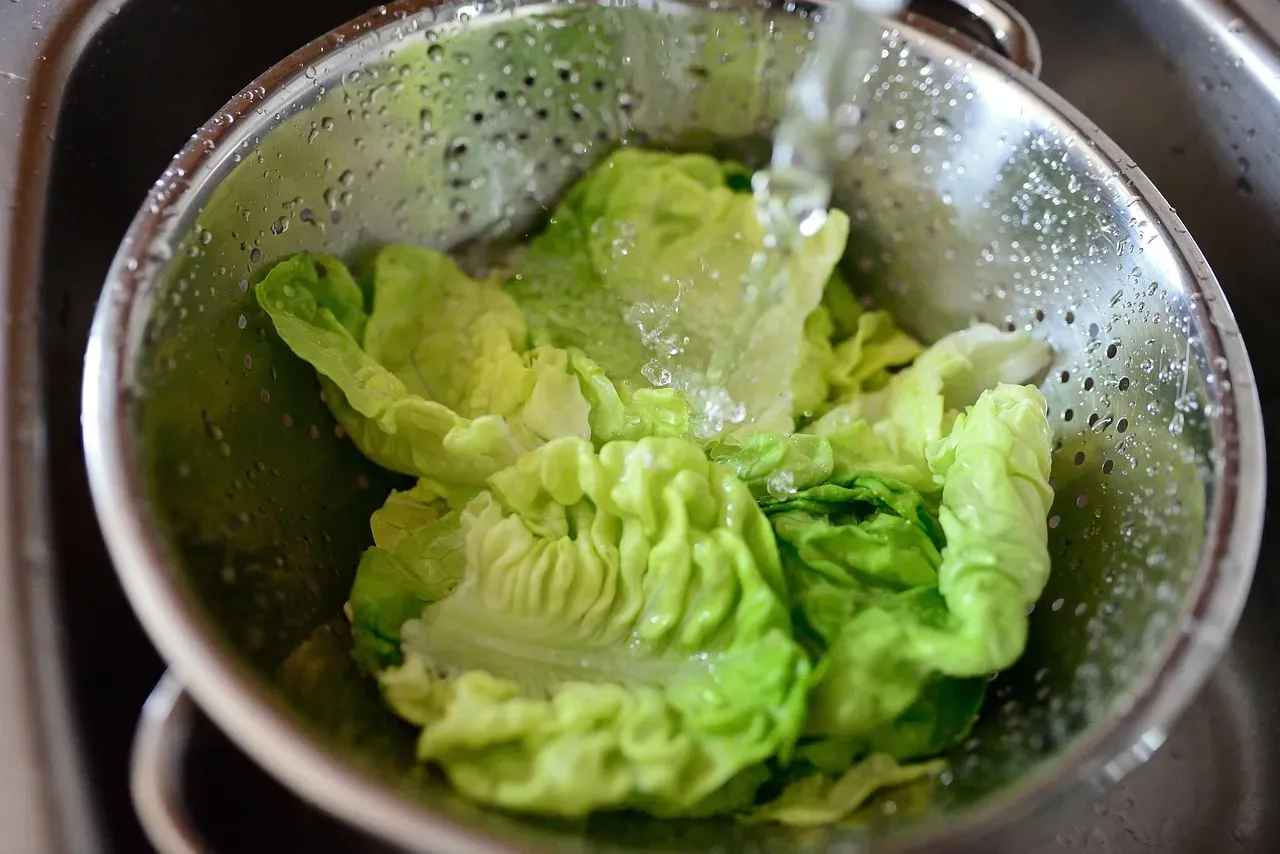
That triple washed salad mix in your fridge? Let it be. You should not wash packaged fruits and vegetables labeled ready to eat or washed, because if you do wash the produce, you actually have a greater chance of contaminating it from your own sink. Most of us don’t think twice about how many germs live in our kitchen sinks, especially if we’ve just rinsed raw chicken or dirty dishes in there. Many precut, bagged, or packaged fruits and vegetables are prewashed and ready to eat, and the guidelines used in the packaging facilities are extremely stringent.
Skipping Produce with Peels Is a Rookie Mistake
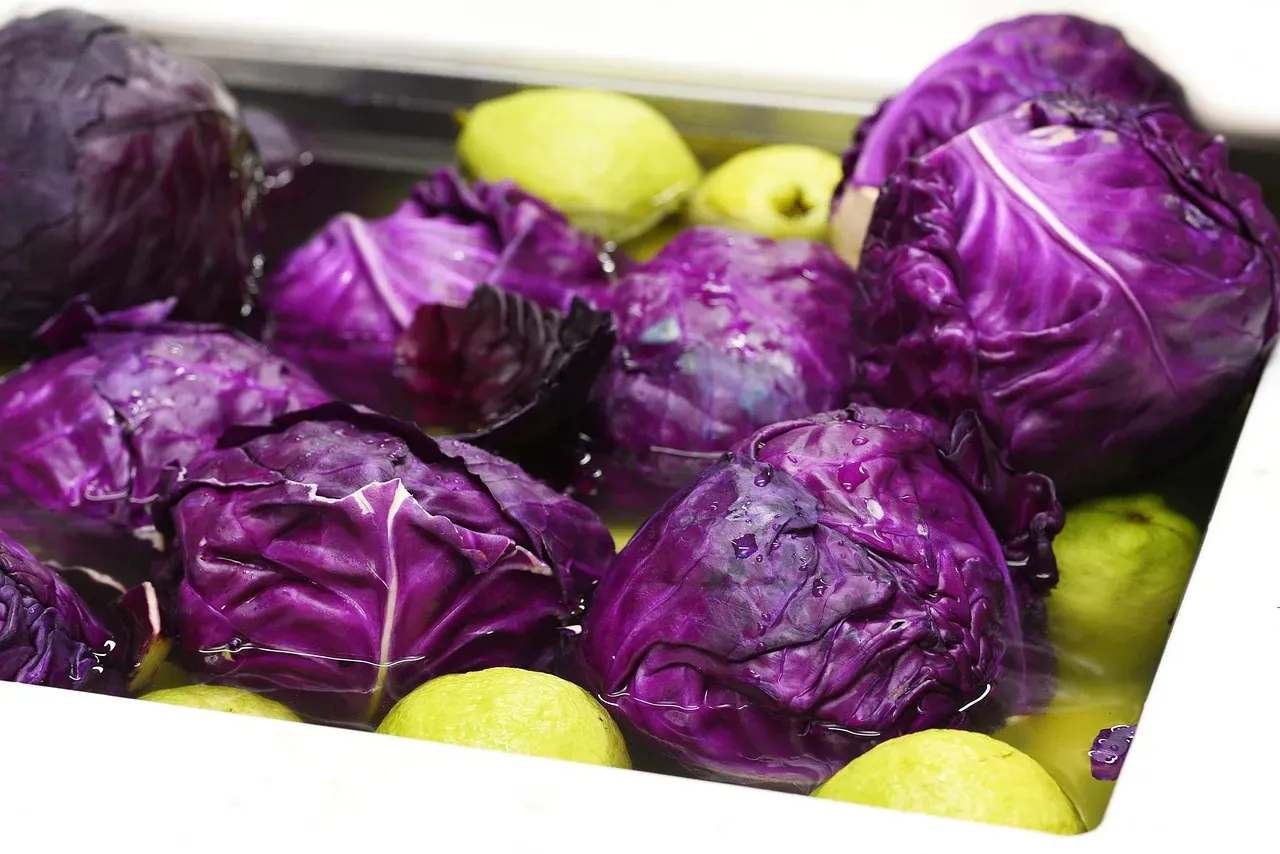
Ever thought you could skip washing that melon or orange because you’re tossing the peel anyway? That’s exactly how bacteria gets inside. Washing or scrubbing produce under running water is recommended even if you won’t be eating the peel, as dirt or germs on the skin can get inside the fruits and vegetables when you cut them. Wherever water comes into contact with fresh produce, its quality dictates the potential for pathogen contamination, and if pathogens survive on the produce, they may cause foodborne illness. Leafy greens, cucumbers, tomatoes, cantaloupes, and sprouts are the most commonly implicated commodities in foodborne outbreaks in both North America and Europe, with leafy greens being particularly prone to microbial contamination due to their irregular surfaces, large surface area, and ability to internalize bacteria through stomatal openings or damaged tissue.
The Vinegar and Baking Soda Debate Isn’t What You Think
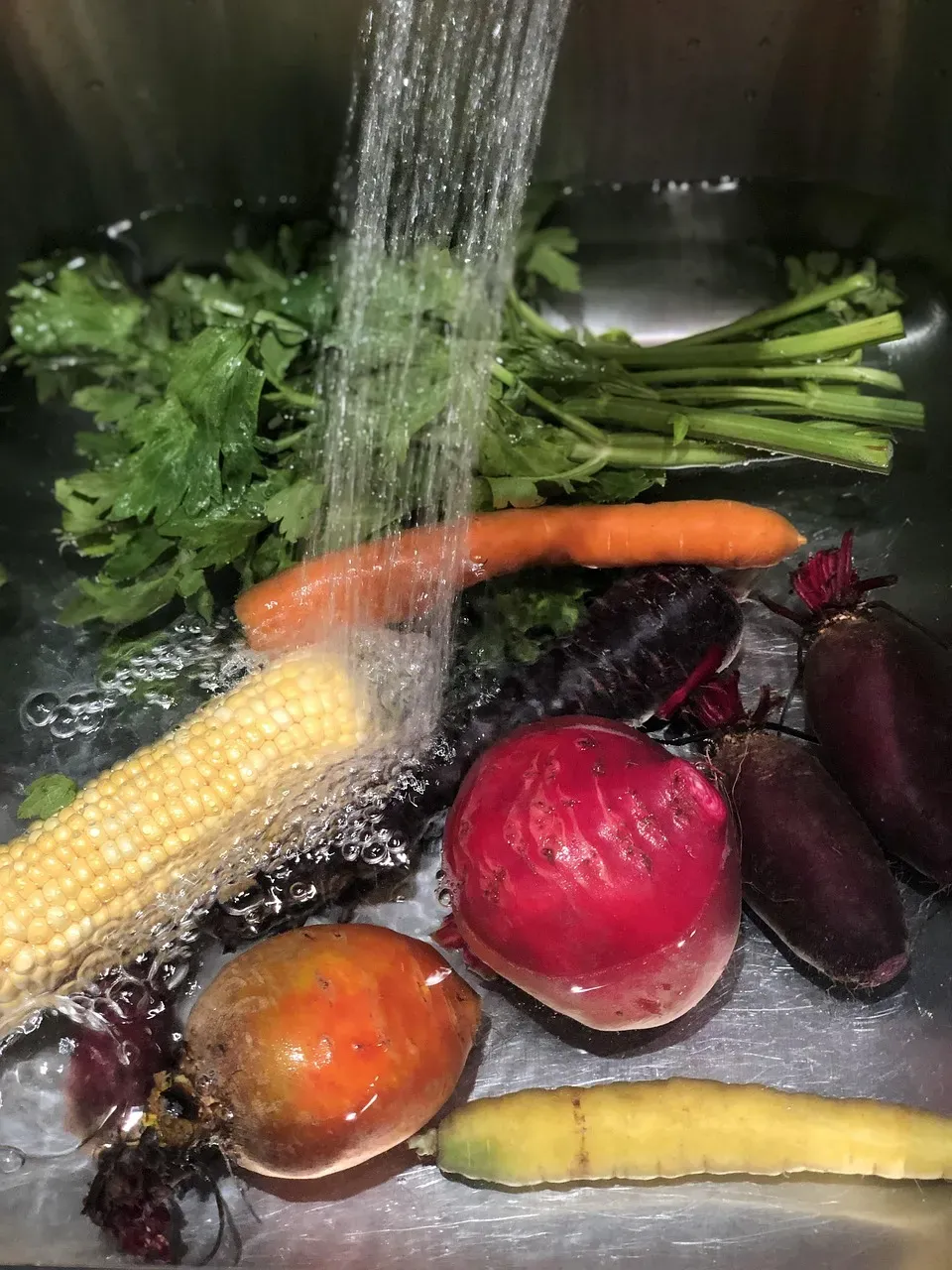
Sure, you’ve seen those social media posts swearing by baking soda or vinegar washes, but the science tells a different story. While research shows that soaking greens in vinegar or a vinegar water solution can reduce bacteria levels, it won’t kill all bacteria, and you can soak your greens in distilled white vinegar for ten to fifteen minutes then follow that with a good rinse. However, there’s a catch. Research that compared the effect of washing apples with water alone versus soaking them in baking soda found water was almost as effective as baking soda at removing pesticides, and most traces of pesticides found in fresh produce are at nonhazardous levels. Surface pesticide residues were most effectively removed by sodium bicarbonate solution when compared to either tap water or Clorox bleach. Still, most experts agree that plain running water does the job just fine for everyday use.
Cold Running Water Is Your Best Friend
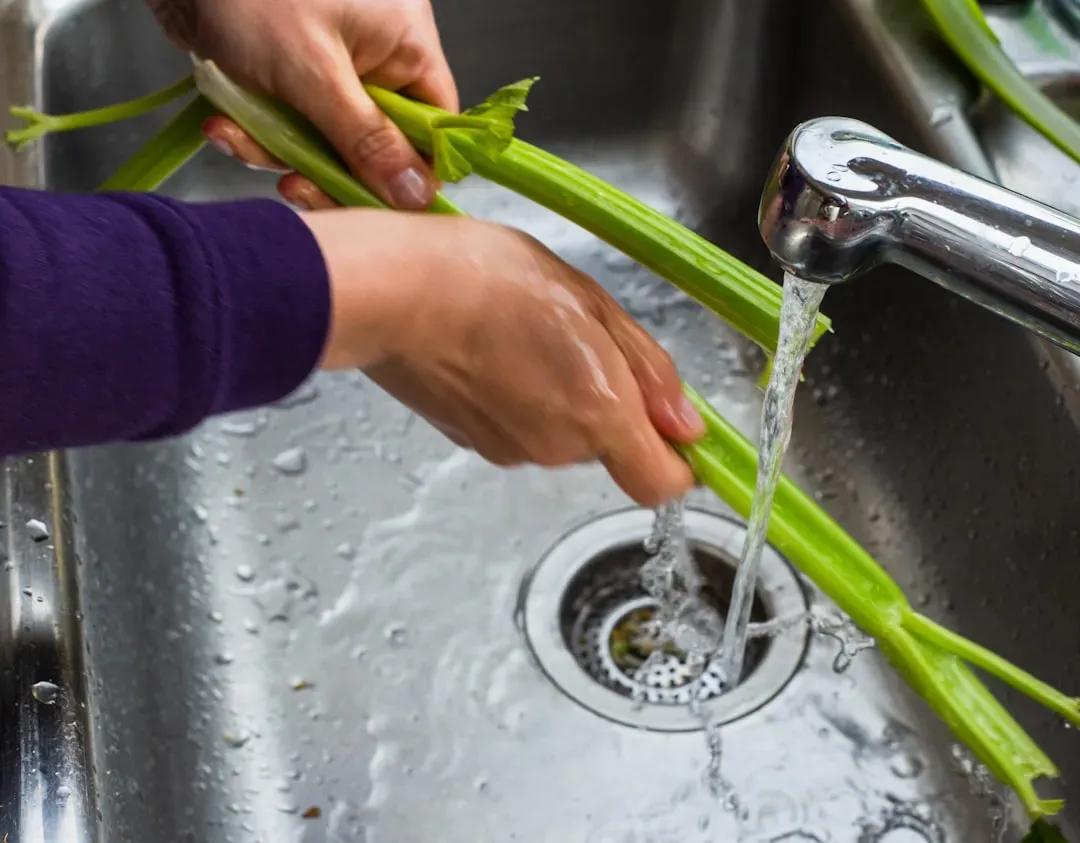
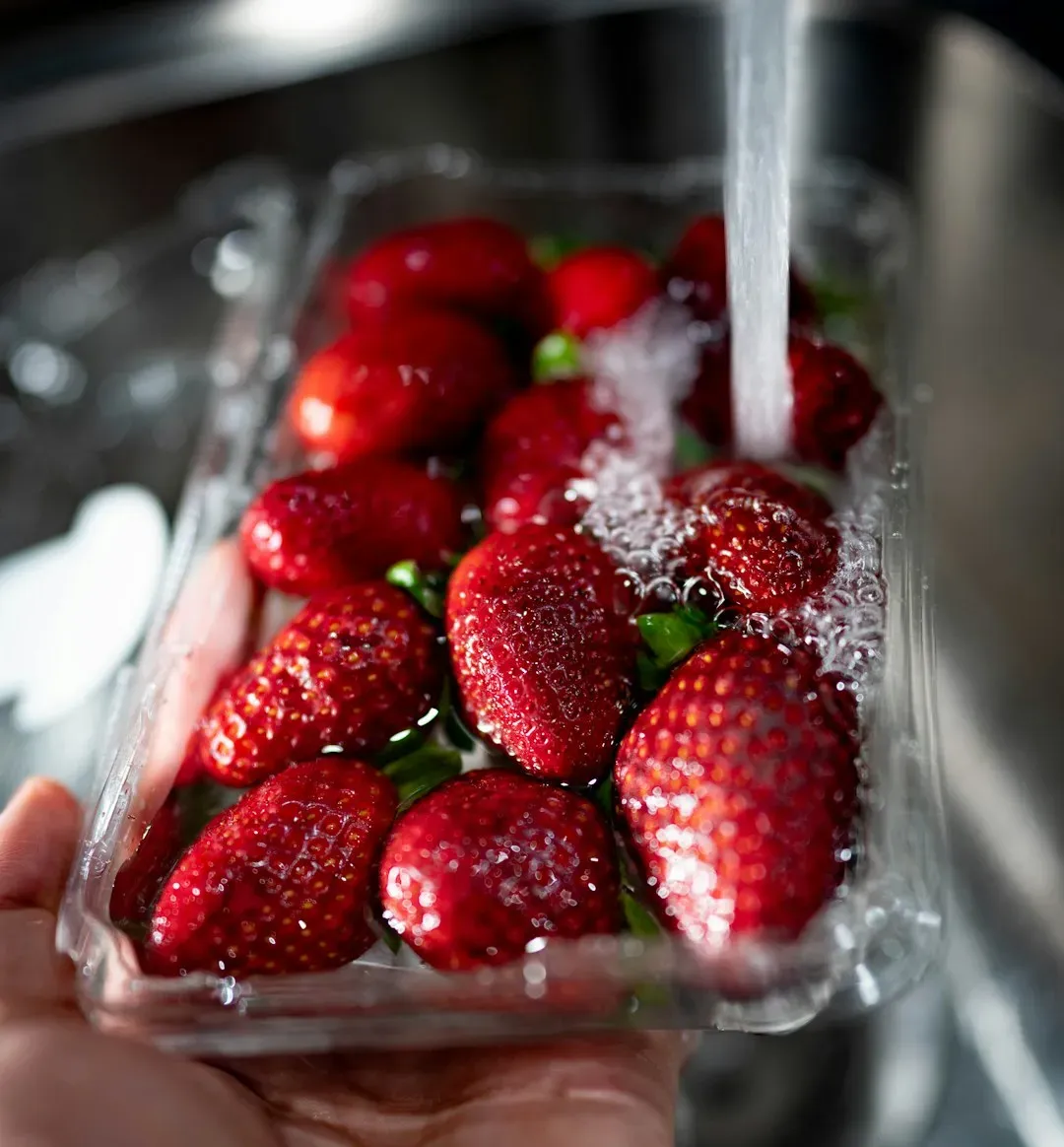
Sometimes the simplest solution really is the best one. Washing with water reduces dirt, germs, and pesticide residues remaining on fresh fruit and vegetable surfaces, and washing and rubbing produce under running water is better than dunking it. Fruits and vegetables should be washed with running tap water. After washing, you should dry fruits and vegetables with a clean paper towel. It really doesn’t need to be more complicated than that. For firm produce like potatoes or melons, grab a clean brush and give them a good scrub under cold water. The important part is actually rubbing or brushing the surface while the water runs over it, not just letting it sit in a bowl of water where bacteria can spread around.
Look, I know we all want to feel like we’re doing everything possible to keep our families safe. The reality is that foodborne illness remains a serious concern. Every year, forty eight million people get a foodborne illness, with over one hundred thousand being hospitalized, according to the Centers for Disease Control and Prevention. Simple cold water and a bit of elbow grease are honestly your best bet. Skip the soap, leave prewashed greens alone, and always wash everything else, even if you’re peeling it. What’s your go to method for cleaning produce? Have you been making any of these mistakes?