I Spent 15 Years in Property Management: 6 Home Features That Always Create Trouble
You’ve probably walked into dozens of rental properties. Some feel like they practically manage themselves. Others? They’re money pits disguised as amenities. After a decade and a half dealing with tenant complaints, emergency repairs, and surprise expenses, I’ve learned one thing. Certain features sound fantastic on paper but turn into recurring nightmares once someone moves in.
Let’s be real. Property management isn’t about chasing perfection or creating a showroom unit. It’s about balance. You want features that attract good tenants without draining your bank account every few months. Still, some landlords keep installing the same troublesome items, thinking this time will be different. Spoiler alert: it won’t be. Here are the six home features that consistently caused headaches throughout my career, backed by real industry data and practical lessons learned the hard way.
Wall-to-Wall Carpeting Throughout the Property
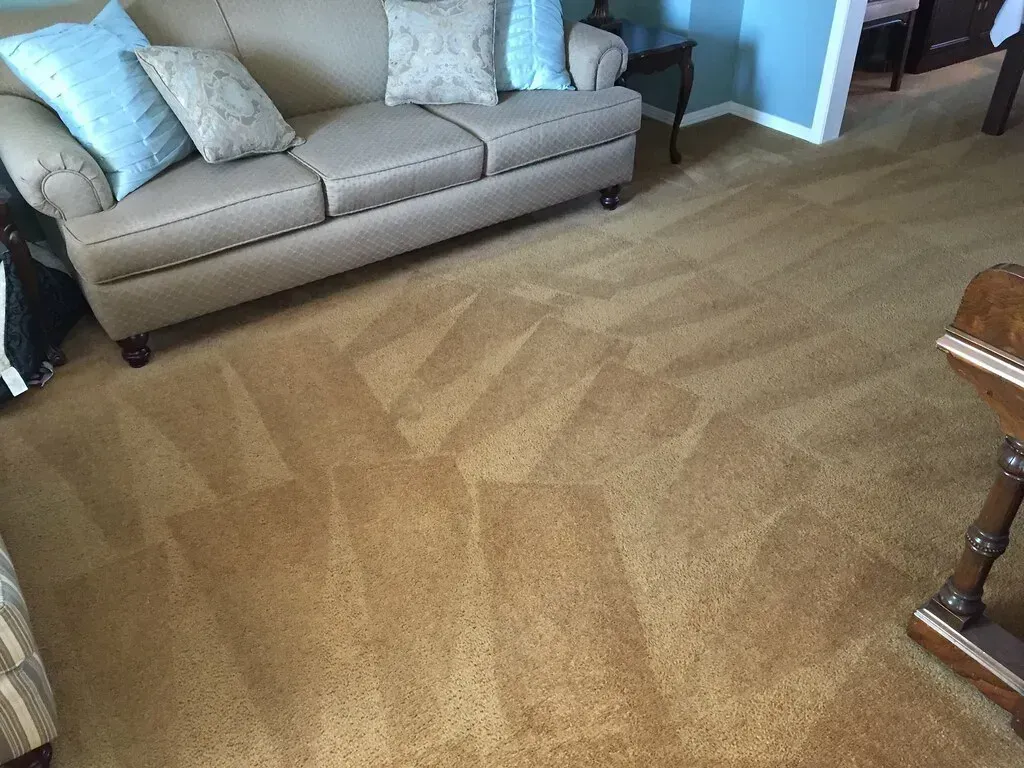
Carpet might feel cozy under bare feet, yet it becomes a maintenance monster in rental properties. Professional carpet cleaning costs an average of $51 per room, and it usually requires replacement every five to ten years, even for a high-quality product. Honestly, that replacement cycle hits faster when you’re dealing with tenant turnover.
The bigger issue isn’t just money. Carpet is not ideal for pet-friendly properties, as it traps allergens, hair, and other particles that may increase the need for maintenance and heavy-duty cleaning. I’ve seen carpets ruined by everything from red wine spills to mysterious stains that no amount of steam cleaning could touch. Meanwhile, carpets tend to wear out and need replacing every few years due to staining and heavy foot traffic, while hardwood can last for decades with only occasional refinishing.
Many landlords have decided to never buy carpet for rentals because it may be the cheaper option now, but it doesn’t last long and costs more to clean properly. Laminate and vinyl flooring make tenant turnover so much faster. You simply sweep, mop, and you’re done. No waiting for carpet cleaners or worrying about embedded odors that linger for months.
Garbage Disposals in Kitchen Sinks
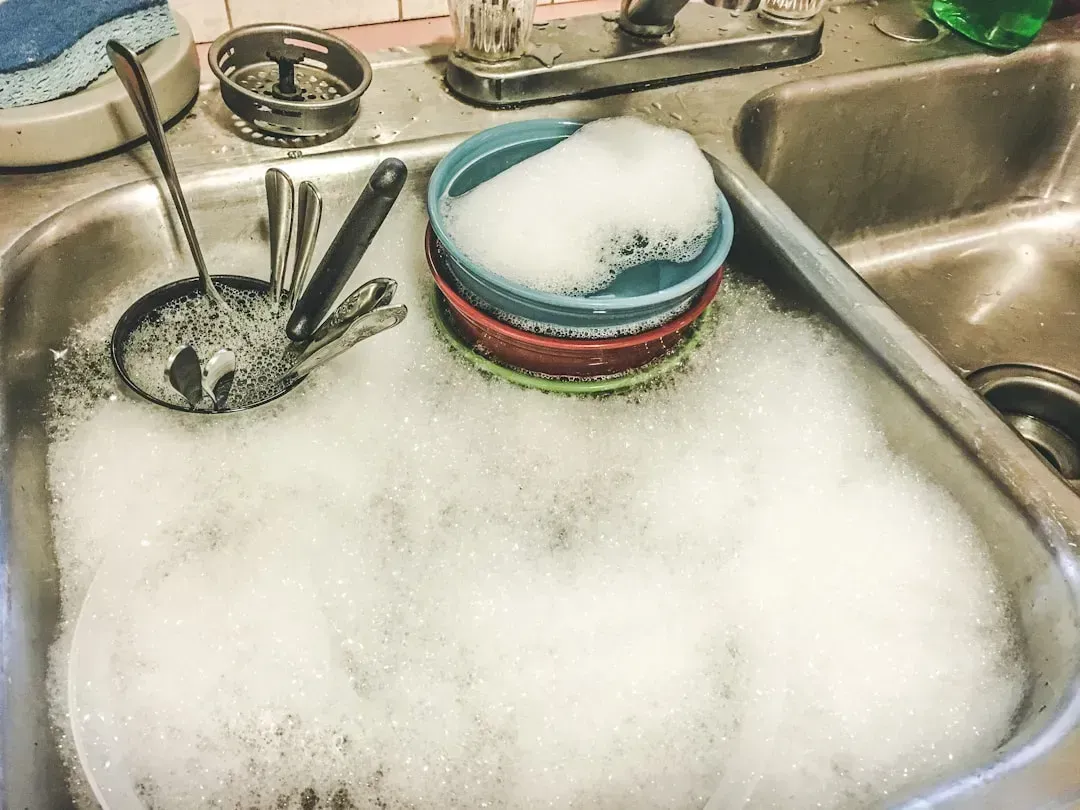
Here’s something I didn’t expect when I started. Garbage disposals rank as one of the most frequent maintenance requests in rental properties. Garbage disposals are the number one maintenance request for some property management companies. Tenants treat them like magical trash cans that can handle anything, from chicken bones to potato peels.
Several single-family rental owners report that garbage disposals are probably the thing most likely to break, leading some to remove them from properties and push back on tenants who ask for them. The repair costs add up quickly too. I’ve seen charges of $185 or more just to fix a jammed unit. If the rental is served by a septic system, it’s strongly advised not to install a garbage disposal, as septic tanks are delicate and can’t handle grease and oils, and even if landlords appreciate this fact, renters may not, leading to extra time and money on septic maintenance.
Sure, disposals can prevent drain clogs by grinding up food waste. Yet tenants rarely follow proper usage guidelines. They shove fibrous vegetables, coffee grounds, and grease down the drain, then call you when the whole thing seizes up. Of all kitchen appliances, garbage disposals are the ones most likely to require maintenance, and unless a lease clause assigns the job of maintaining the disposal to tenants, there’s a good chance landlords will get two or more repair calls a year.
Swimming Pools and Hot Tubs

Pools look amazing in listing photos. They’re also expensive, time-consuming, and legally risky. The maintenance costs alone should make any landlord think twice. You’re looking at regular chemical balancing, filter cleaning, pump repairs, and seasonal opening and closing procedures. None of this is cheap.
Average maintenance expenses for a single-family home now cost more than $10,000 a year according to industry data, and that’s without factoring in specialty features like pools. Then there’s liability. One accident, one slip on wet tile, one unsupervised child, and you’re facing potential lawsuits. Insurance premiums jump significantly when you add a pool to your property.
Tenants also don’t maintain pools the way owners do. They see it as your responsibility, not theirs. I’ve walked into properties where the pool water looked like a swamp because tenants assumed someone else would handle it. Even with a maintenance clause in the lease, enforcement becomes a constant battle. Winter damage, broken heaters, cracked tiles – it never ends.
Complex Smart Home Systems
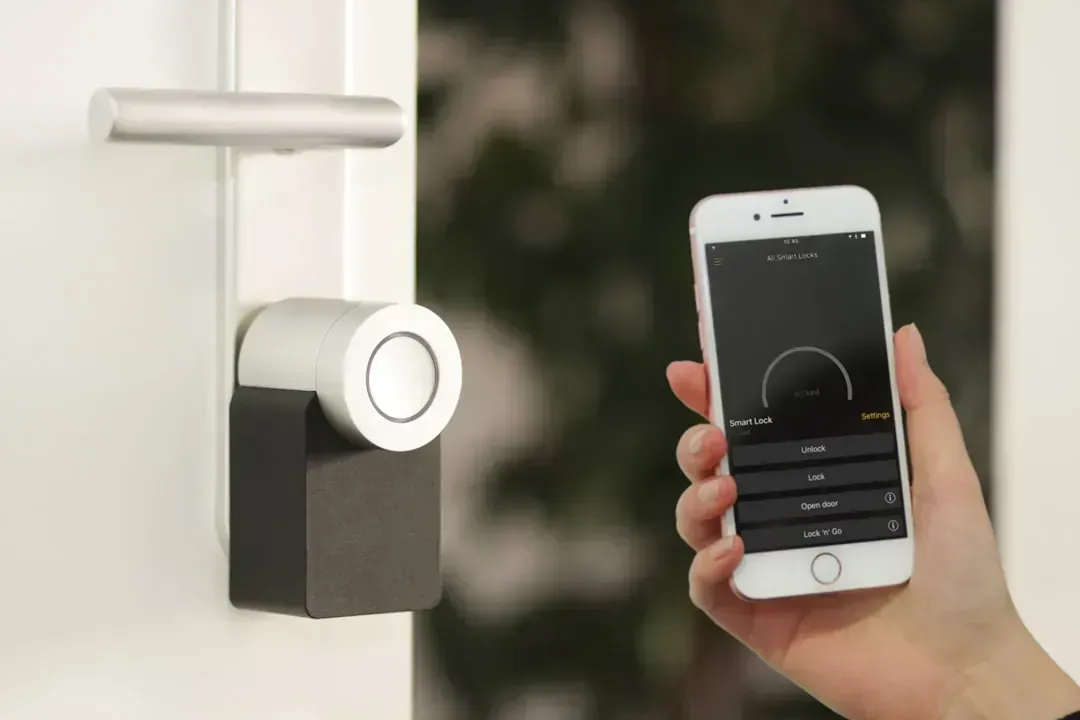
Smart thermostats, automated lighting, keyless entry systems – they all sound cutting-edge until something stops syncing. In 2024, renters prioritized convenience, safety, and sustainability, with features like smart home technology, energy-efficient appliances, and responsive property management becoming must-haves. That’s the theory, anyway.
The reality? Tenants often can’t figure out how to use these systems properly. They reset the thermostat incorrectly, change WiFi passwords without updating connected devices, or accidentally lock themselves out because the smart lock battery died. Every tech failure becomes your emergency.
Plus, technology ages fast. The smart system you installed three years ago might already be obsolete or no longer supported by the manufacturer. About 45 percent of property managers cite technology integration as a challenge, highlighting difficulties in consolidating multiple tools into a cohesive system. Software updates fail, apps get discontinued, and suddenly you’re troubleshooting digital problems instead of simple mechanical ones.
Luxury Appliances and High-End Fixtures
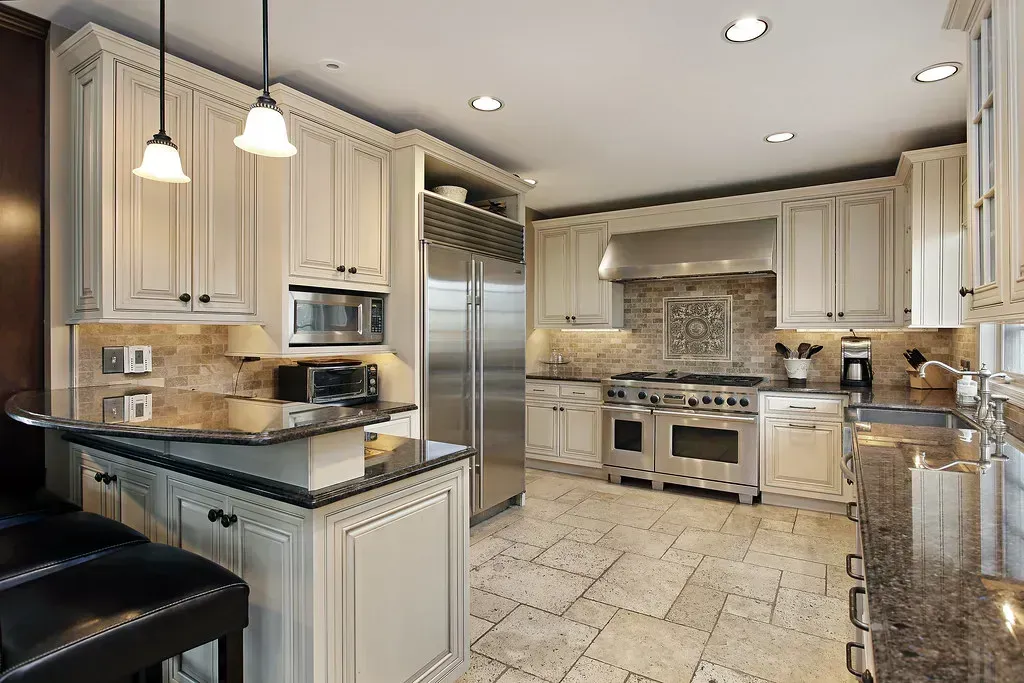
Professional-grade stoves, wine refrigerators, fancy faucets with pull-down sprayers – they justify higher rent, right? Maybe. They also justify higher repair bills. Specialty appliances require specialty repair technicians who charge premium rates. Good luck finding someone to fix that imported Italian espresso machine at 8 PM on a Saturday.
The average cost of property maintenance has increased by 12 percent in 2024, with property managers citing maintenance as about 1 percent of the property’s value per year. High-end fixtures accelerate those costs. Tenants don’t treat rental property upgrades with the same care they’d use in their own homes. That $800 designer faucet gets the same rough treatment as a basic $40 model from the hardware store.
Replacement parts become another headache. Standard fixtures use universal components you can grab at any home improvement store. Luxury items? You’re waiting two weeks for a special-order part that costs three times what you’d normally pay. Meanwhile, your tenant is calling daily asking when their kitchen will be functional again.
Unfinished Basements With Recreational Potential
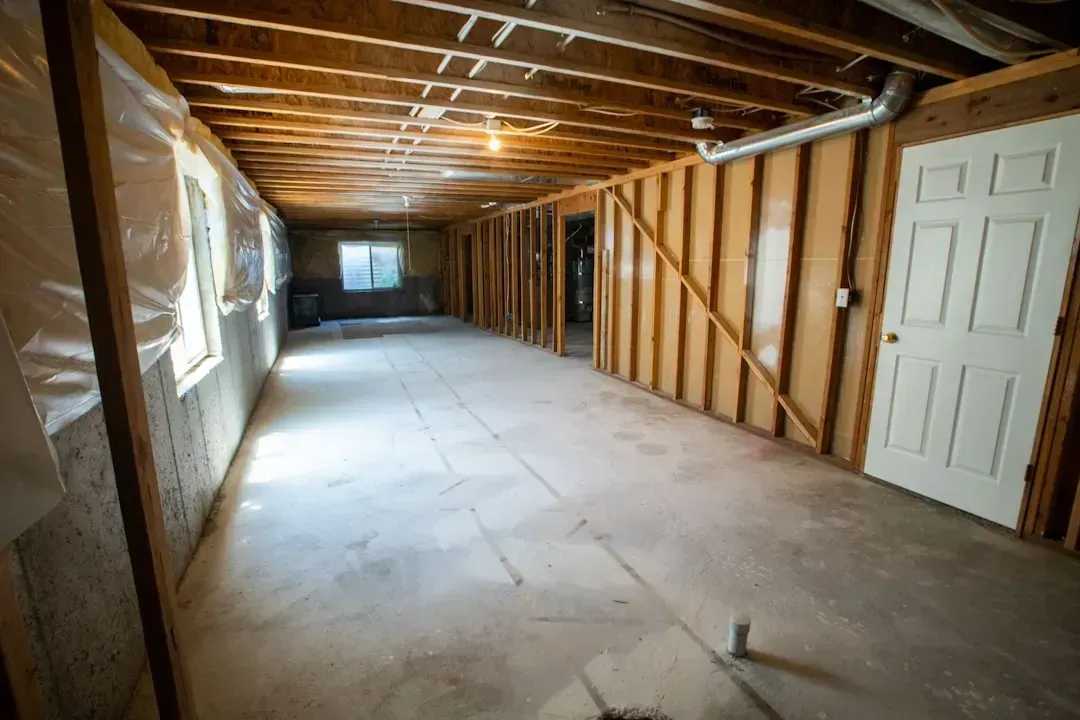
Landlords love advertising “bonus space” or “room for home gym.” Tenants hear that and imagine extra bedrooms, man caves, or playrooms. Then the problems start. Unfinished basements in rental properties create massive liability and habitability concerns.
Moisture and mold are constant battles in below-grade spaces. Without proper ventilation, dehumidification, and waterproofing, basements become damp breeding grounds for health hazards. The 2017 New York City Housing and Vacancy Survey found that 64 percent of rent-controlled units had maintenance deficiencies compared to 47 percent of unregulated units, and rent-controlled units were also more than twice as likely to have three or more major maintenance issues. Basements magnify these problems.
Tenants store belongings down there, then blame you when everything smells musty or develops mildew. They complain about spider webs, low ceilings, exposed wiring, and concrete floors. Some try to convert the space into living areas without permits, creating code violations you’re responsible for fixing. Among landlords surveyed in 2024, 38 percent cited property upkeep as one of their biggest challenges, and basements frequently topped the list of problematic areas requiring constant attention.
The smartest approach? Either finish the basement properly with permits and egress windows, making it legitimate living space, or don’t advertise it as usable area at all. Half-finished “potential” just invites trouble and disappointed tenants who expected more than concrete walls and a sump pump.