10 Things You Should Never Toss in the Recycling Bin (Yet Most People Still Do)
You think you’re doing the right thing. Tossing that greasy pizza box into the blue bin, dropping those plastic bags on top. It feels responsible. Nearly half of Americans skip recycling because they’re uncertain about what’s acceptable, according to the 2024 WM Recycling Report. Here’s the thing though: good intentions aren’t enough. What seems recyclable often wreaks havoc at sorting facilities, contaminating loads worth thousands of pounds and costing municipalities millions.
Despite regular recycling habits, a staggering eighty-four percent still place items in recycling that cannot be processed, research from AMCS revealed in their 2025 update. Let’s get real about what belongs in that bin.
Plastic Bags and Film Wraps
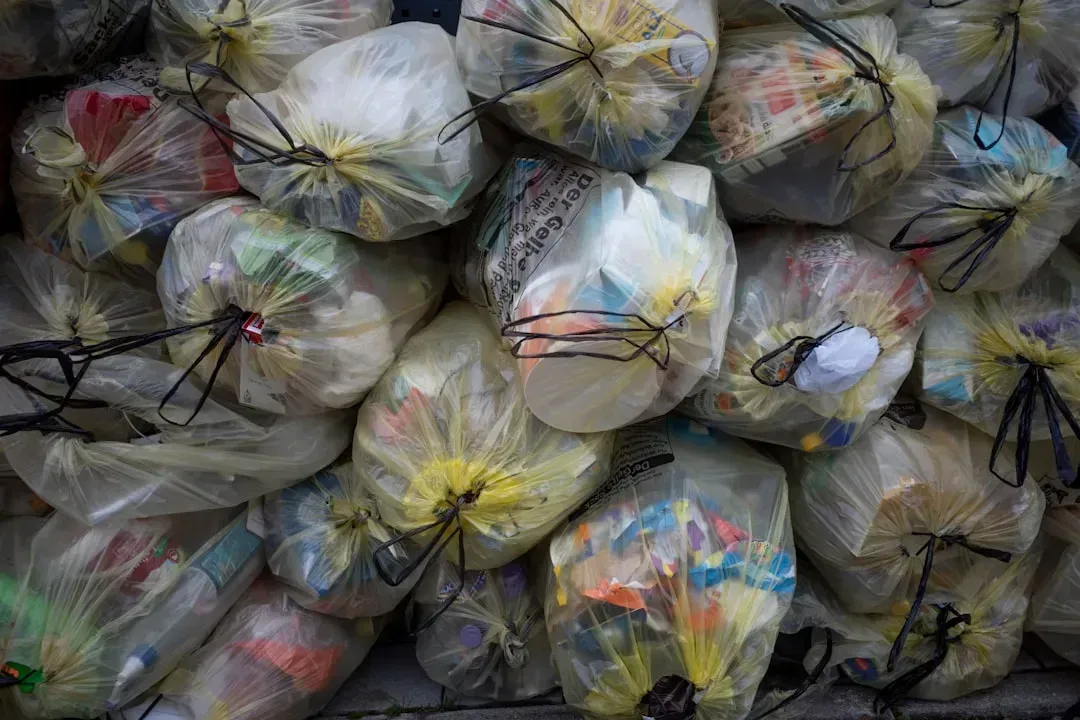
Plastic bags wreak havoc on recycling machines, bending easily and getting snagged in belts, jamming machinery and requiring manual removal. These lightweight items tangle up in recycling truck gears and wrap around sorting equipment at facilities, causing delays and shutdowns that can last for hours. Workers literally have to climb into machines to cut them out, creating serious safety hazards.
Recycling officials consistently identify plastic bags as the top source of contamination in curbside programs. Most people see the recycling symbol and assume inclusion with other plastics is fine. It’s not. In 2023, ABC News placed tracking devices in plastic bags dropped at collection sites across New York state, and several wound up in landfills or incinerators anyway. Take them to designated retail drop-off bins instead, or better yet, switch to reusable bags entirely.
Greasy Pizza Boxes
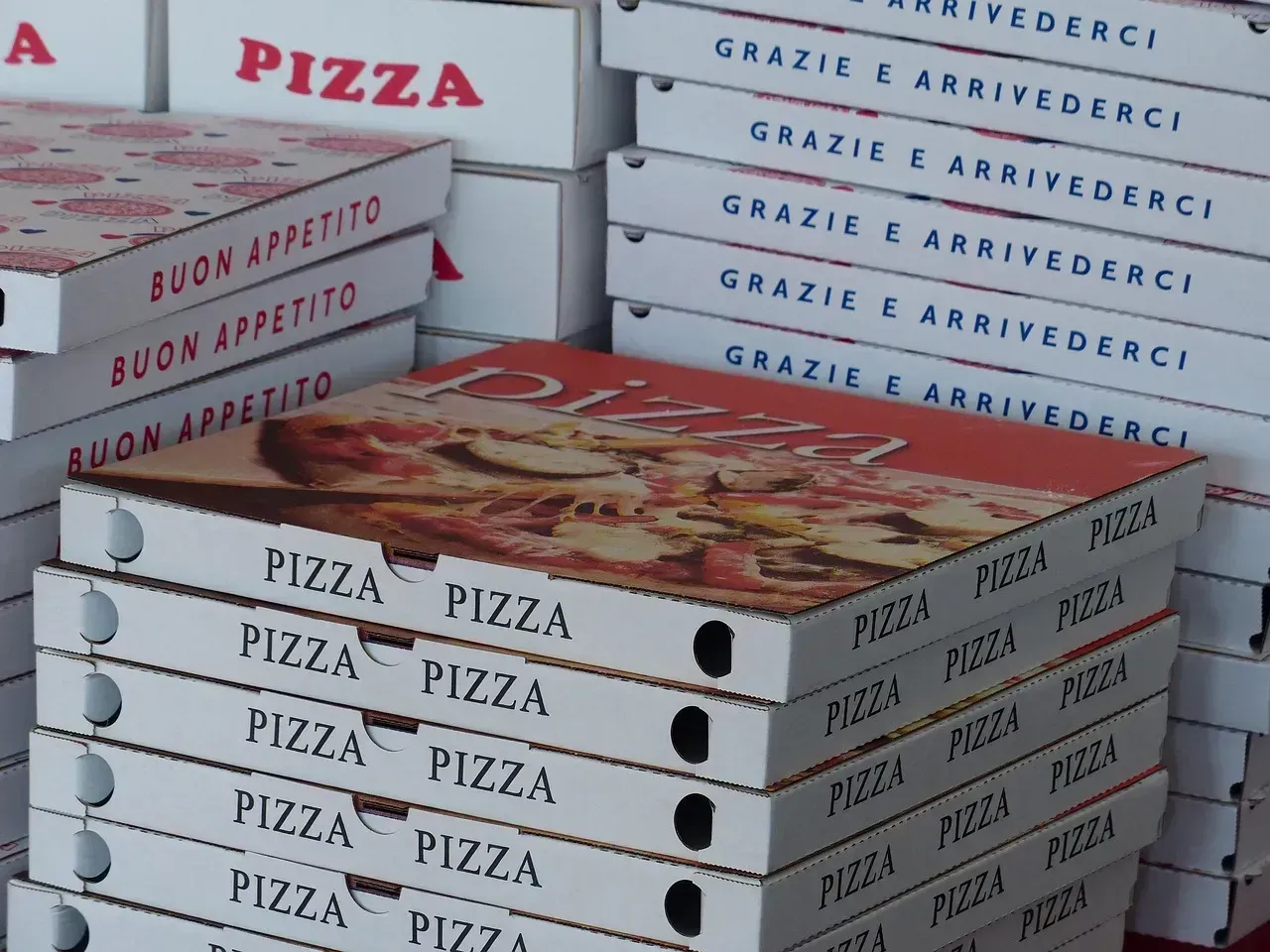
This one trips people up constantly. Here’s the science: grease from pizza boxes causes oil to form at the top of the recycling slurry, and paper fibers cannot separate from oils during the pulping process, essentially ruining the entire batch. Unlike glass or metal recycling where heat burns off food residue, paper doesn’t get heated during processing.
Since paper doesn’t get heated during the process, grease and oil combine with the pulp, which can ruin the entire batch. Excessive grease can contaminate an entire batch of recycled pulp, and paper mills process massive volumes where a small amount of heavily contaminated cardboard can compromise thousands of pounds of otherwise clean recyclables. Honestly, tear off the clean top portion and recycle that. Trash the greasy bottom.
Shredded Paper
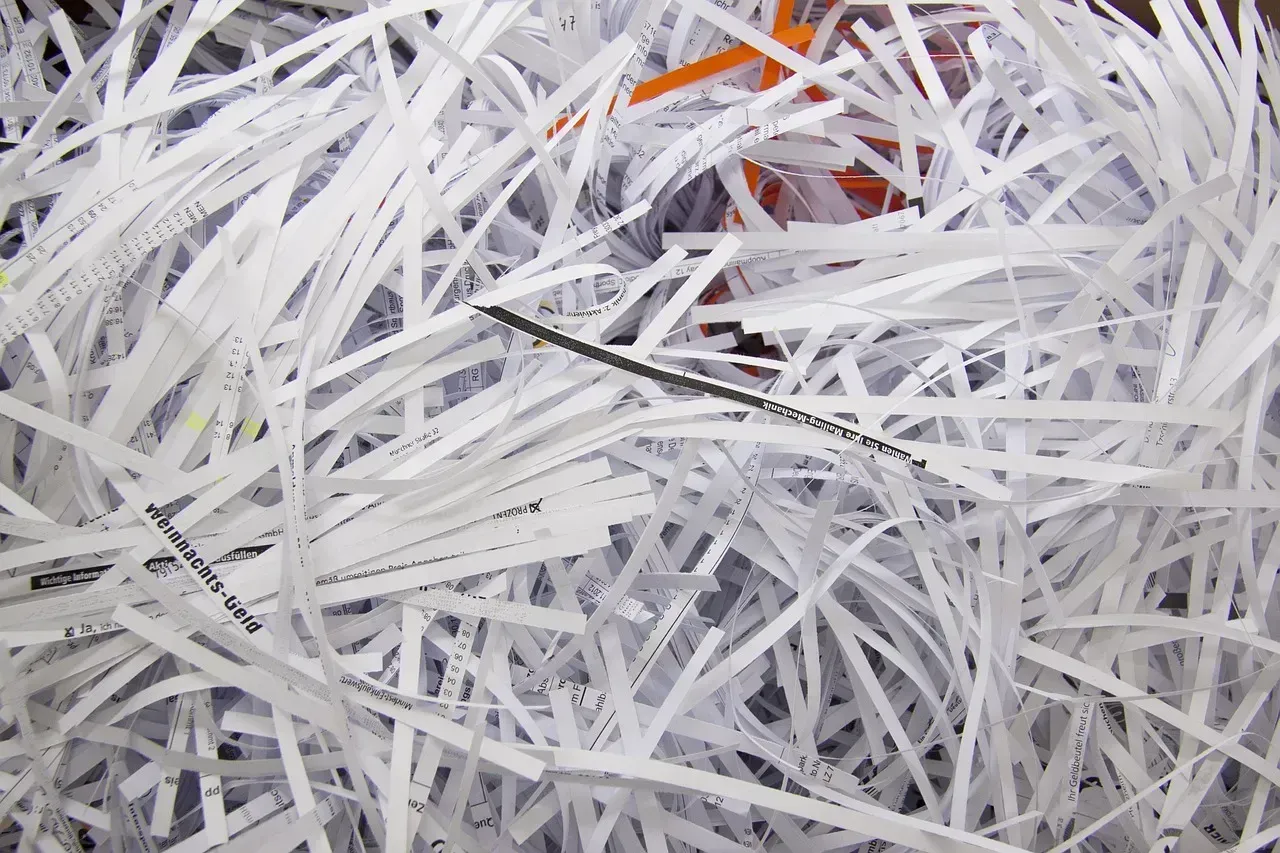
When paper is shredded, the fibers become shorter and are less useful in the recycling process, and once mixed with other recyclables, it becomes non-recyclable. The tiny pieces slip through sorting screens onto facility floors where they get swept up as trash. They also float around like confetti, creating chaos.
The longer and stronger a paper product’s fibers are, the more times it can be recycled, but shredding paper cuts its fibers and reduces its recyclability, dramatically shortening its lifecycle. A fresh office paper sheet can typically be recycled five to seven times. Shred it first and that potential vanishes. Only shred documents with truly sensitive information, not entire stacks unnecessarily.
Bagged Recyclables
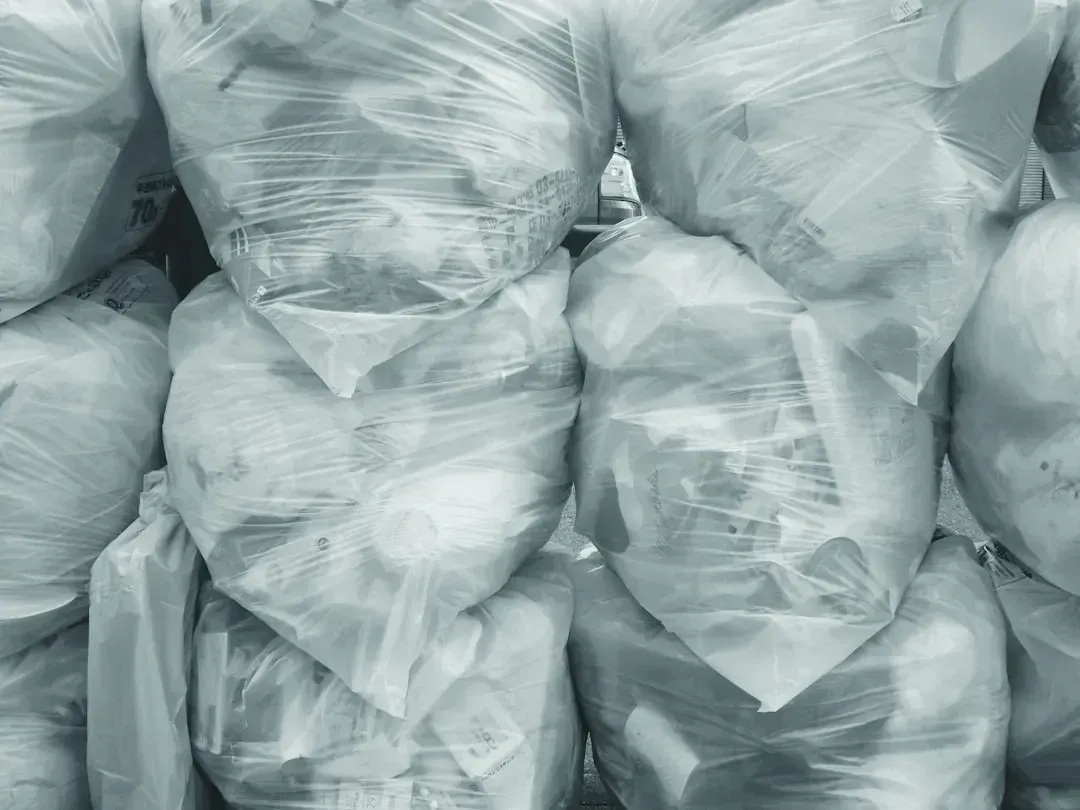
Even if you’re sorting everything correctly inside, putting recyclables in plastic bags causes problems because the recyclables inside can’t get properly sorted, the bags get tangled in machinery, and as a result, bagged recyclables are pulled from sorting lines by workers and sent to the landfill. The whole effort becomes pointless.
These bags can clog recycling machinery, contaminate other recyclable materials, and lead to more potentially recyclable material ending up in the landfill. Some folks do it for convenience or cleanliness concerns. I get that impulse. Still, facilities need items loose so optical sorters and mechanical systems can identify and separate materials properly. Dump everything directly into your bin.
Food-Contaminated Paper Products

Used paper plates, greasy napkins, food-soaked paper towels. They all seem like paper, right? Wrong destination. Grease and oil are two of the worst contaminants in paper recycling, and greasy pizza boxes are one of the biggest culprits, but the same principle applies to all food-soiled paper.
Recycling facilities do not clean recyclables, and leftover food in recyclables can grow mold and attract bacteria, rodents, and insects, which makes the material unacceptable for recycling. Paper mills need clean fiber to create quality products. Contamination from organic waste destroys entire batches, costing facilities serious money and rendering your other correctly sorted items worthless.
Disposable Coffee Cups

They look like cardboard. They feel like paper. They’re actually lined with a thin layer of plastic or wax to prevent liquid from soaking through. Most recycling facilities lack the specialized equipment needed to separate that plastic lining from the paper exterior during processing.
Those cups pile up fast too. Think about your local coffee shop on a Monday morning. Hundreds pass through daily, and nearly all wind up contaminating recycling loads or heading straight to landfills. Some progressive cities now accept them in composting programs instead, but curbside recycling remains a no-go in most places. Bring a reusable mug when possible.
Bottle Caps and Lids Left On
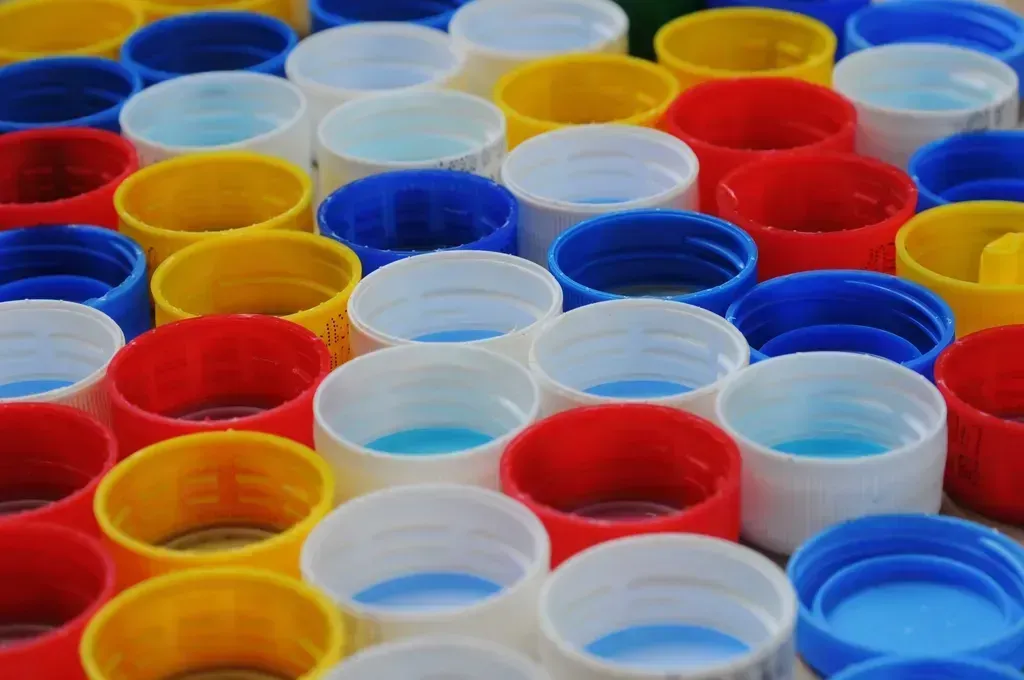
Wait, this one’s tricky because rules vary. Many facilities now ask you to leave caps on bottles since they’re often made from different plastic types that need separate sorting. However, loose caps become problematic. They’re too small for sorting machinery to catch and often fall through screens, contaminating other material streams.
Some municipalities request caps off, others want them on. The inconsistency confuses everyone. Each state, city, and metropolitan area takes a different approach to sustainability, meaning that what can be recycled in one town may be impossible to recycle in another. Check your local program’s specific guidelines. It matters more than you’d think.
Electronics and Batteries
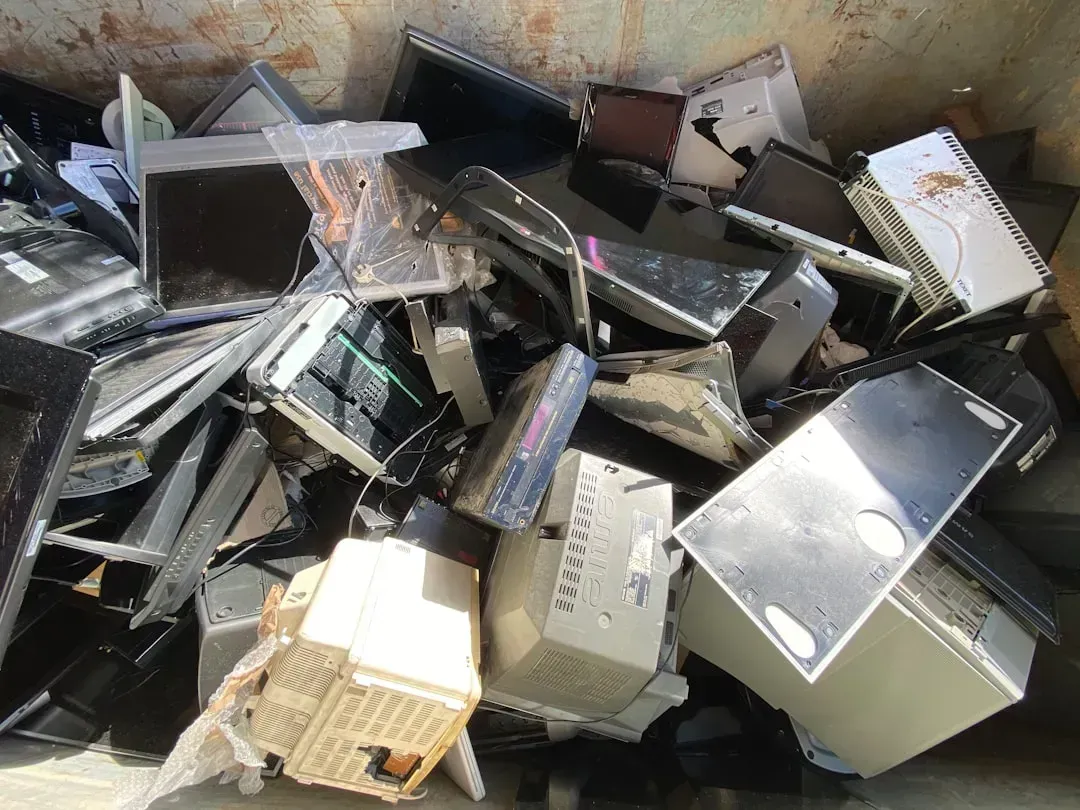
Batteries explode. Seriously. On a daily basis, these items clog machinery used to process recyclable materials resulting in operational problems, facility shutdowns and safety hazards to employees. Lithium batteries especially pose fire risks when crushed or punctured by sorting equipment.
The world’s generation of electronic waste is rising five times faster than documented e-waste recycling, with a record sixty-two million tonnes produced in 2022, up eighty-two percent from 2010. Electronics contain valuable materials like copper, gold and rare earth elements. They need specialized recycling facilities, not your curbside bin. Many retailers and municipalities offer free e-waste collection events.
Tanglers Like Cords, Hoses and Hangers
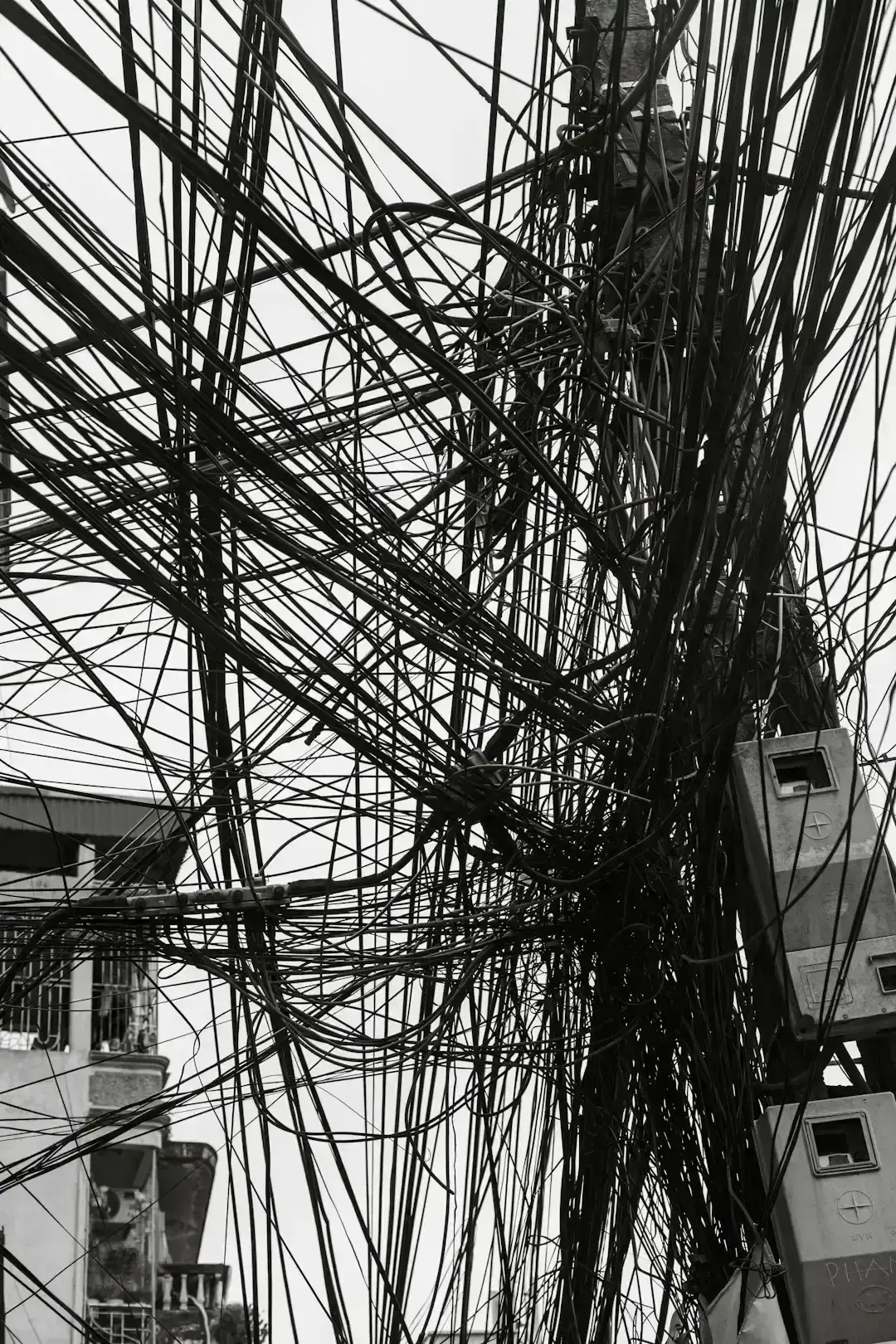
Garden hoses, phone charging cables, wire hangers, Christmas lights. Anything long and flexible spells disaster for sorting equipment. These items wrap around conveyor belts and mechanical sorters, forcing facilities to halt operations entirely while workers manually remove them.
Common non-recyclable items found in recycling bins include plastic bags, plastic wrap and film, liquids, food, soiled packaging, garden hoses, wire hangers, diapers, electronics, light bulbs, and batteries. The downtime costs facilities money, slows processing, and reduces the overall efficiency of recycling programs. Donate usable hangers to dry cleaners or thrift stores instead.
Styrofoam and Foam Packaging
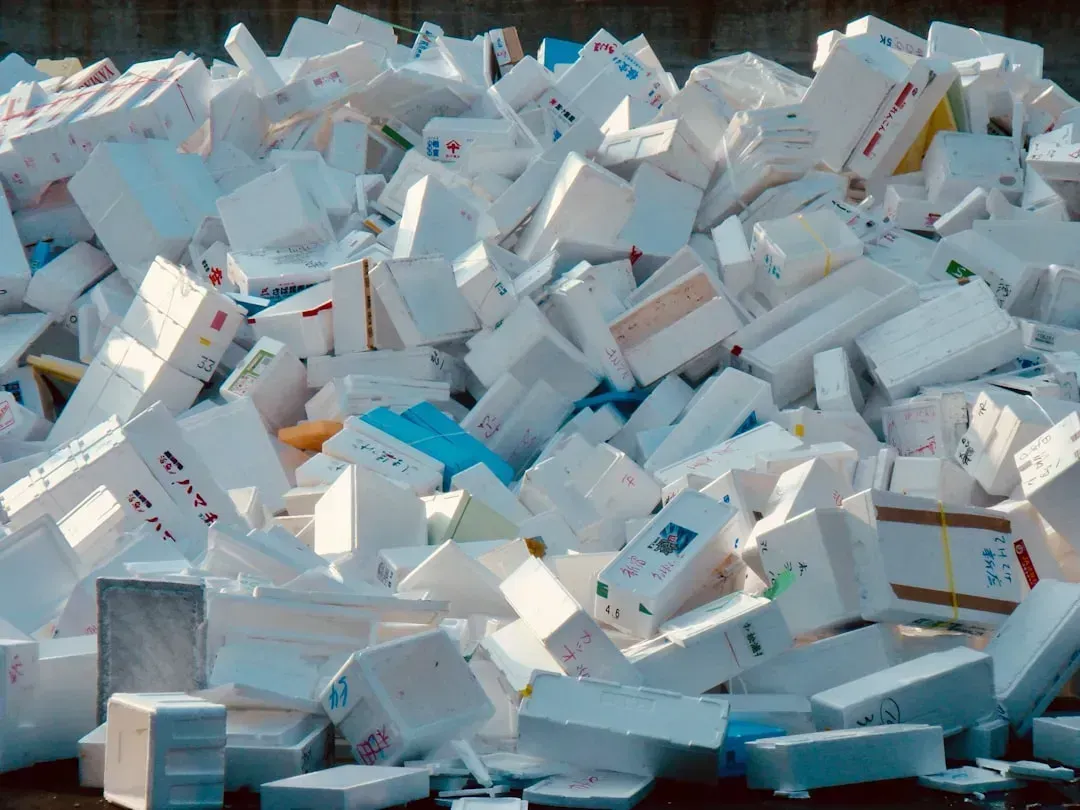
That takeout container, those packing peanuts, the foam tray under your meat at the grocery store. Technically it’s expanded polystyrene plastic, but nearly impossible to recycle through standard programs. The material is mostly air, making it economically unviable to transport and process.
When it comes to just plastic waste, recycling rates have actually dropped in recent years, from nine percent in 2018 to five percent today. Foam packaging represents one of the most problematic categories. Some specialty facilities accept it, though they’re few and far between. Most foam winds up in landfills where it persists for centuries, breaking down into microplastics that infiltrate ecosystems.