10 Illegal Electrical Add-Ons Inspectors Say Homeowners Keep Trying to Install
You’d be amazed at what home inspectors find behind walls during routine checks. Every year, thousands of homeowners attempt electrical modifications they believe will save money or solve a problem quickly. Yet these seemingly minor additions often violate the National Electrical Code and create serious fire hazards. The truth is, many DIY enthusiasts have no idea their weekend project could void insurance coverage or trigger costly fines when discovered during a home sale inspection. Let’s take a look at which electrical modifications inspectors see again and again, despite being completely illegal.
Permanent Extension Cord Installations as Fixed Wiring
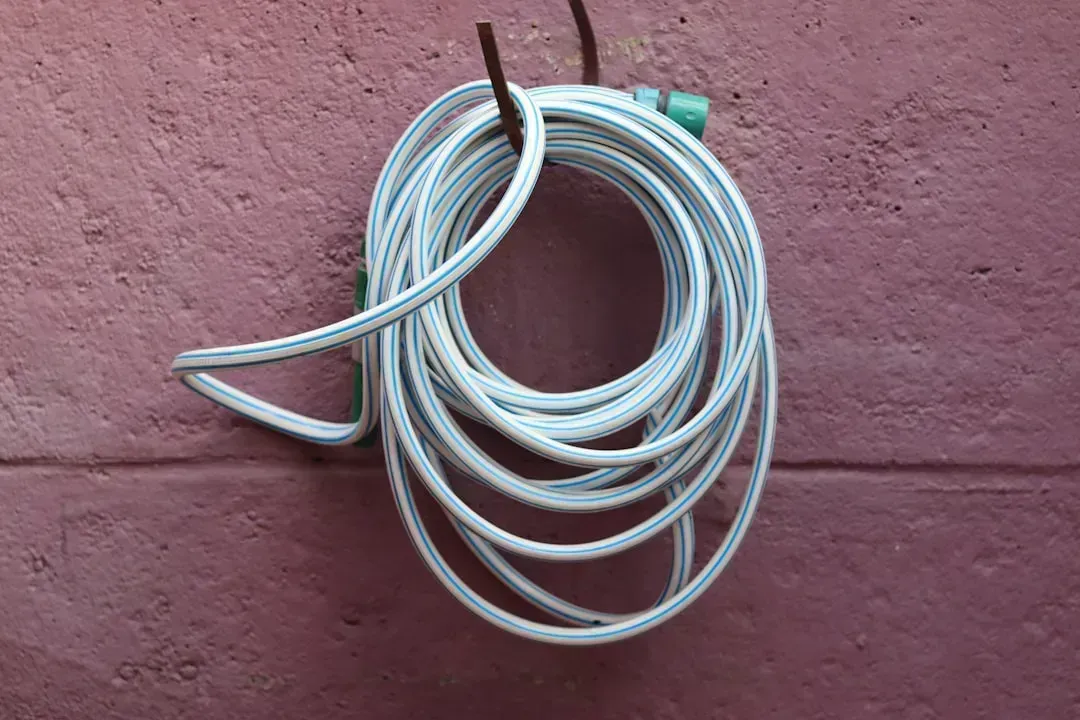
Extension cords are designed for temporary use and lack the insulation and load capacity needed for long-term power delivery, with fire investigators repeatedly linking permanent extension-cord setups to overheating and house fires, as U.S. codes require fixed wiring to be installed in approved conduit, raceways, or walls. Think about the garage where cords have been strung across rafters for years, feeding power tools and lighting. Many homeowners rely on extension cords for convenience, but over time cords can fray, overheat, or cause electrical fires, with the U.S. Consumer Product Safety Commission reporting extension cords are involved in more than 3,000 home fires annually. The wiring simply isn’t rated to handle constant electrical load, which causes deterioration and overheating in ways you won’t see until it’s too late.
Oversized Breakers Installed to Stop Tripping
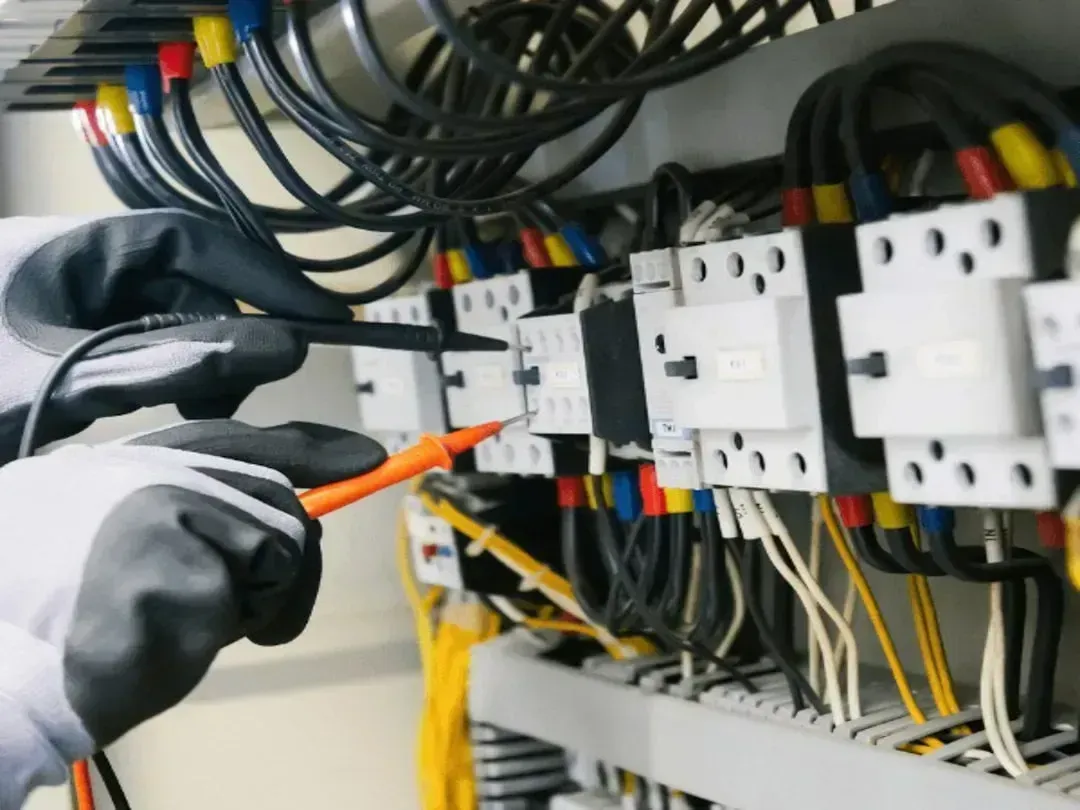
Replacing a 15-amp breaker with a 20- or 30-amp breaker to stop tripping is illegal and extremely dangerous, allowing wiring to carry more current than it was designed for and dramatically increasing fire risk. Honestly, this practice is terrifying because frustrated homeowners think they’re fixing an inconvenience when they’re actually creating a disaster waiting to happen. DIYers aggravated by a constantly tripping breaker often hastily replace the offending breaker with a larger capacity breaker, which in addition to being extremely dangerous is also illegal and in direct violation of electrical codes, as a breaker is matched to load capacity and wire size, with larger breakers allowing more current to flow through before they trip, catch on fire or blow out a home’s electricity system. The breaker is supposed to trip when the circuit exceeds safe limits.
Ungrounded Three-Prong Outlets in Older Homes
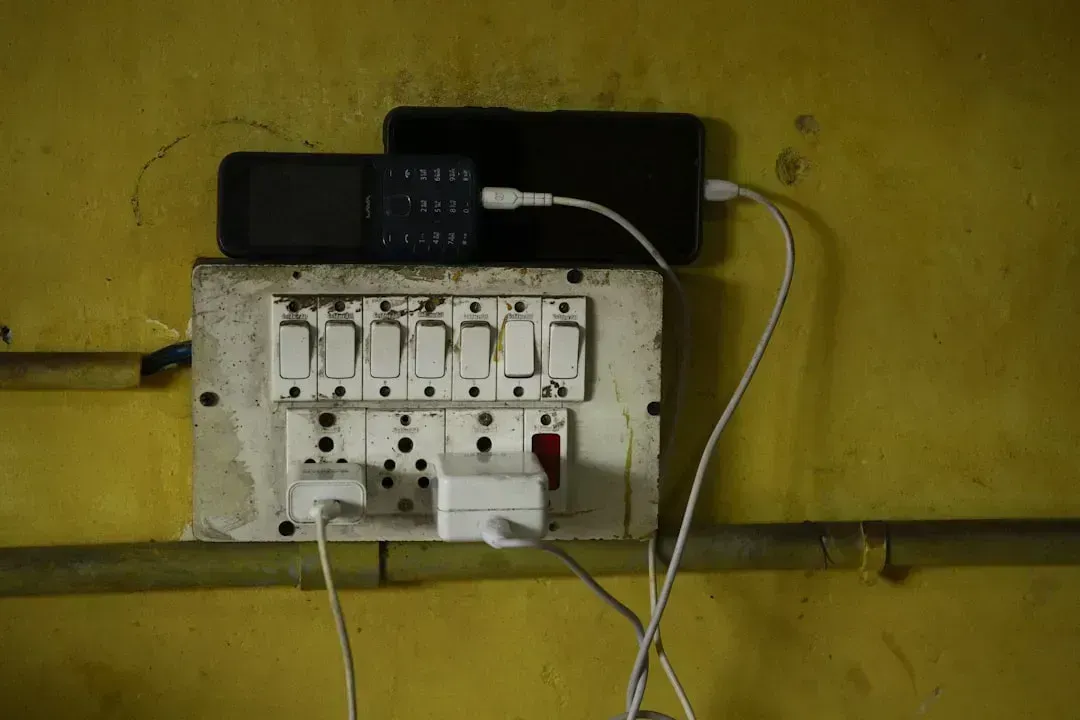
Some homeowners add outlets without connecting them to a grounded system, especially in older houses, with ungrounded outlets violating electrical code and putting users at risk of shock, especially when plugging in metal-cased appliances or electronics, as certified electricians emphasize grounding as essential for both surge protection and personal safety. I’ve seen this in countless renovations where someone swapped two-prong receptacles for modern three-prong versions without actually running a ground wire. It looks legitimate to the untrained eye but offers zero protection. A previous homeowner swapped out two-slot, non-grounding type receptacles for three-slot, grounding-type ones, which was a code violation.
Ceiling Fans Mounted to Light Fixture Boxes
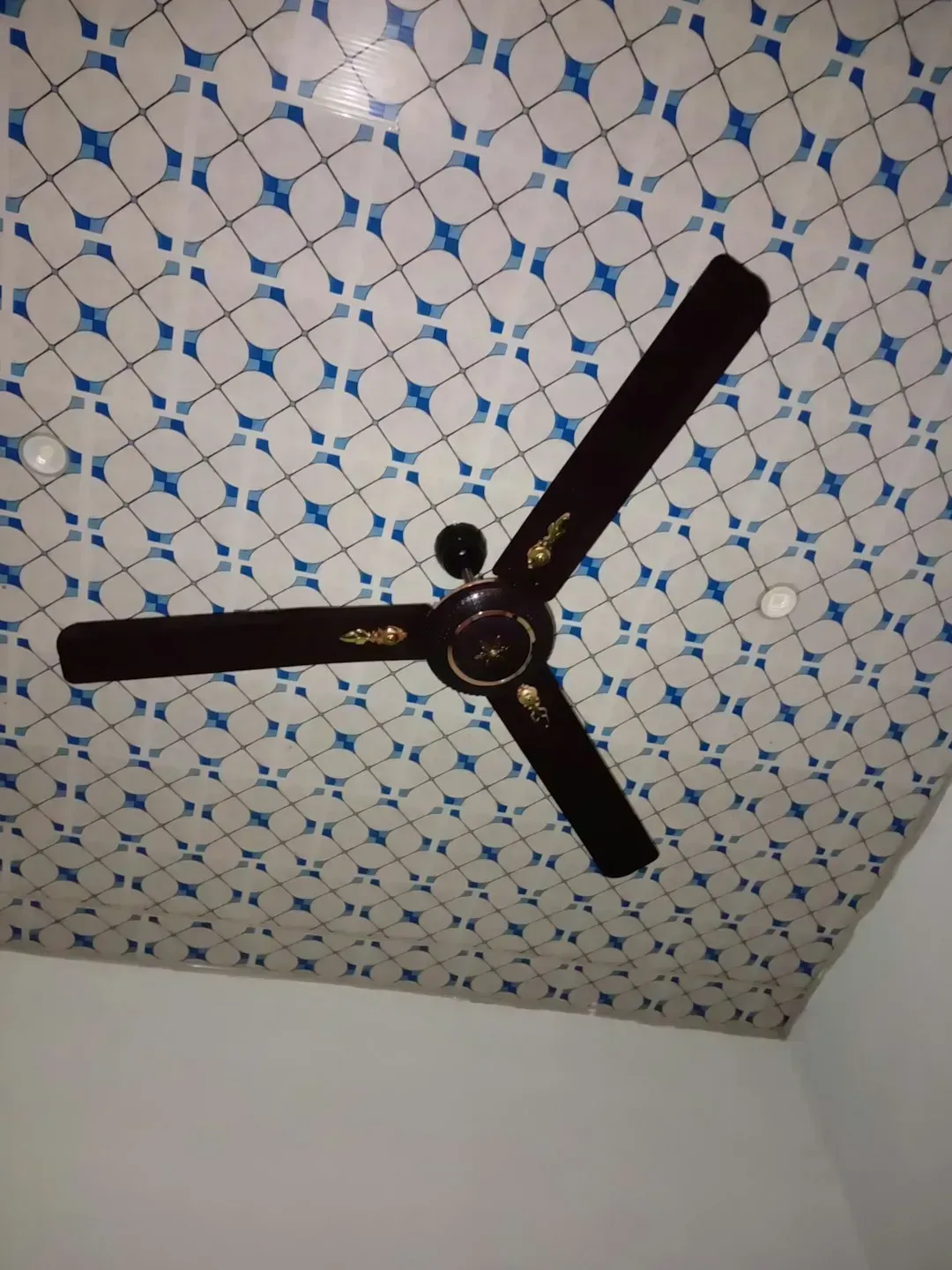
Some homeowners mount heavy ceiling fans to boxes designed only for light fixtures, with electricians warning that these boxes cannot handle the weight or vibration of fans and failures having caused injuries and structural damage, as U.S. building codes specify fan-rated boxes for any overhead fan installation. A standard electrical box isn’t engineered to withstand the dynamic stress that ceiling fans create through constant rotation and motor vibration. The weight alone can stress the mounting points, leading to a catastrophic failure where the fan crashes down. You need specialized mounting hardware designed specifically to bear the load and movement of a fan, not just a bracket meant for a static light fixture.
Wire Splices Hidden in Walls Without Junction Boxes

Twisting wires together in a wall cavity and covering them with tape is strictly prohibited, as U.S. electrical code requires all splices to be enclosed in approved boxes to reduce the risk of arcing, short circuits, and overheating. Here’s the thing: junction boxes aren’t optional decoration. Junction boxes provide vital protection for connections that minimize the risk of fire, must be placed in a visible location that enables easy access and cannot be installed inside a wall, with all wires required to be clamped to the box to prevent movement and wire ends inside the box required to be at least 6 inches long to facilitate connectivity. Let’s be real, splicing wires with electrical tape and burying them behind drywall is asking for a house fire.
Missing GFCI Protection in Water-Prone Areas
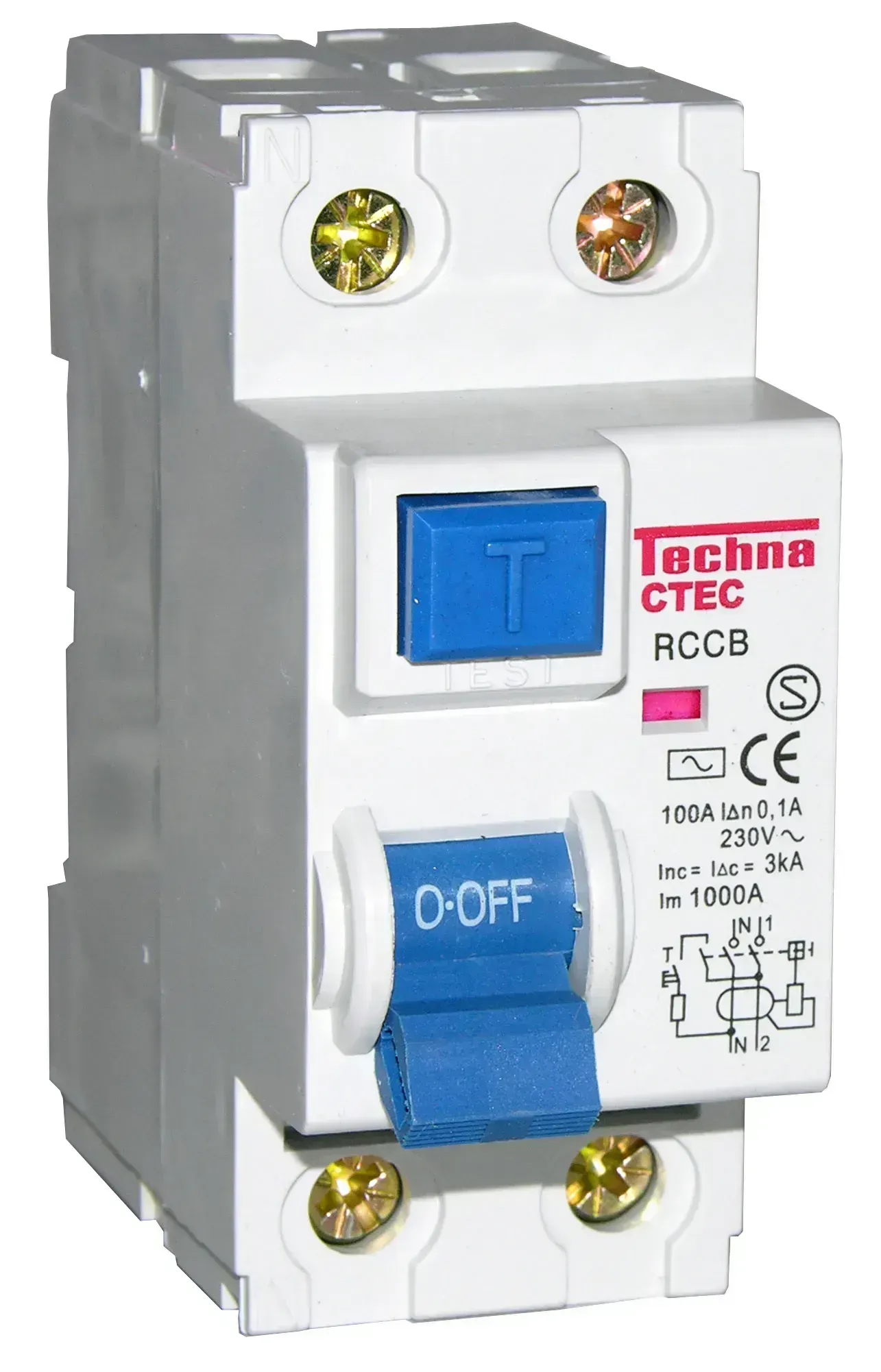
Kitchens, bathrooms, garages, and outdoor areas require GFCI outlets to prevent shock hazards, as these outlets cut power instantly when a fault is detected thereby reducing the risk of electrocution, with the National Electrical Code mandating GFCIs wherever water and electricity might meet. The Electrical Safety Foundation International emphasizes that GFCIs have saved countless lives since their introduction in the 1970s, yet many older homes remain out of compliance today. Water conducts electricity exceptionally well, turning ordinary tasks like plugging in a hairdryer near a wet countertop into potentially deadly scenarios. Installing GFCI protection isn’t excessive caution, it’s basic life safety equipment.
Disabled or Bypassed GFCI and AFCI Devices
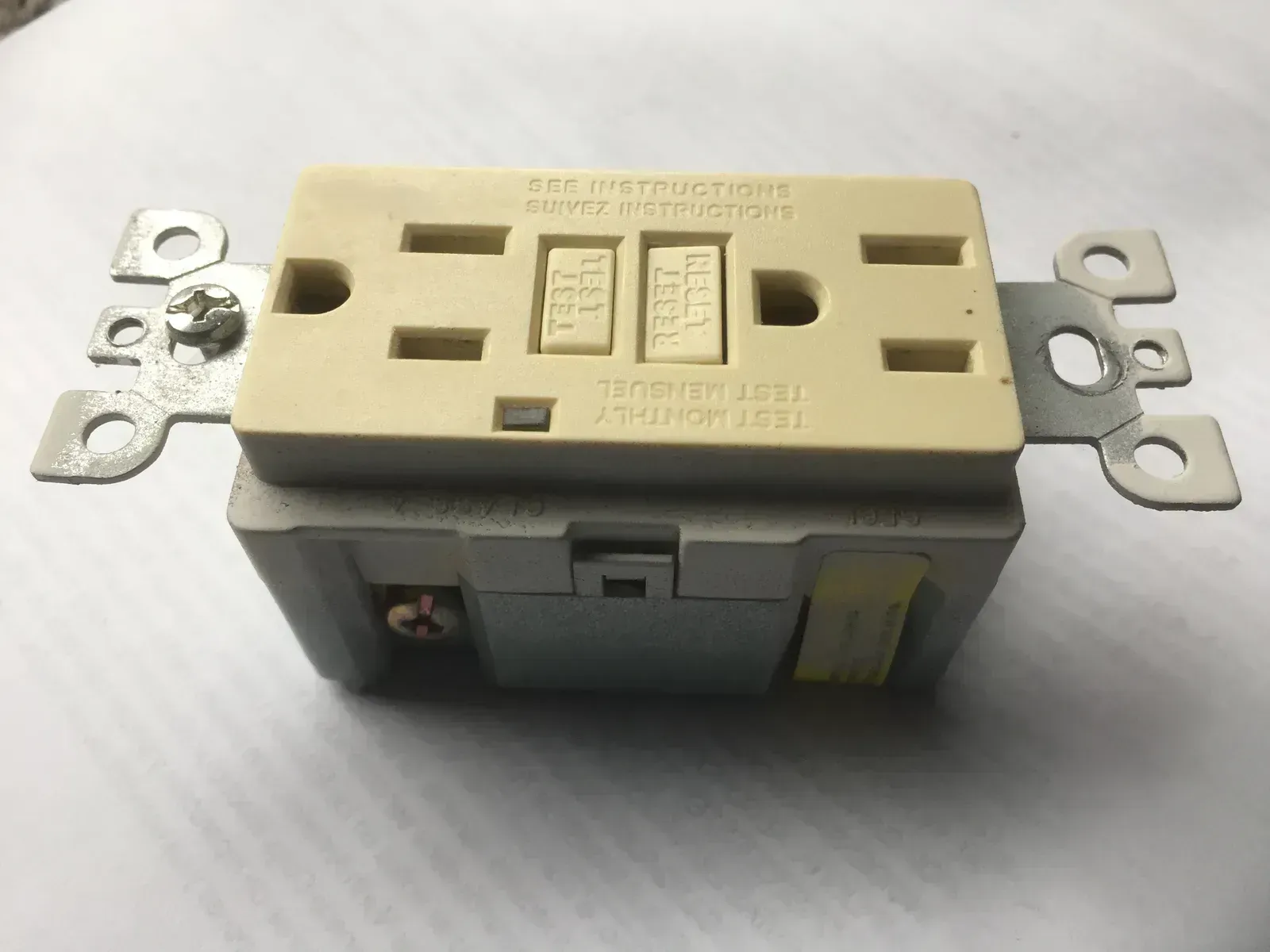
Some homeowners disable ground-fault or arc-fault protection because of nuisance tripping, with both devices required by modern U.S. code in areas where shock or arc hazards are high such as kitchens, bathrooms, and bedrooms, as disabling them removes critical safety layers that prevent electrocution and electrical fires. Nothing frustrates a homeowner quite like a constantly tripping GFCI, so some folks decide to just bypass the protection entirely. The devices are tripping for a reason though, usually indicating a faulty appliance or moisture issue that needs addressing. Eliminating the warning system instead of fixing the underlying problem is like disconnecting your smoke alarm because you’re tired of it beeping when you burn toast.
Unpermitted Circuit Additions to Electrical Panels
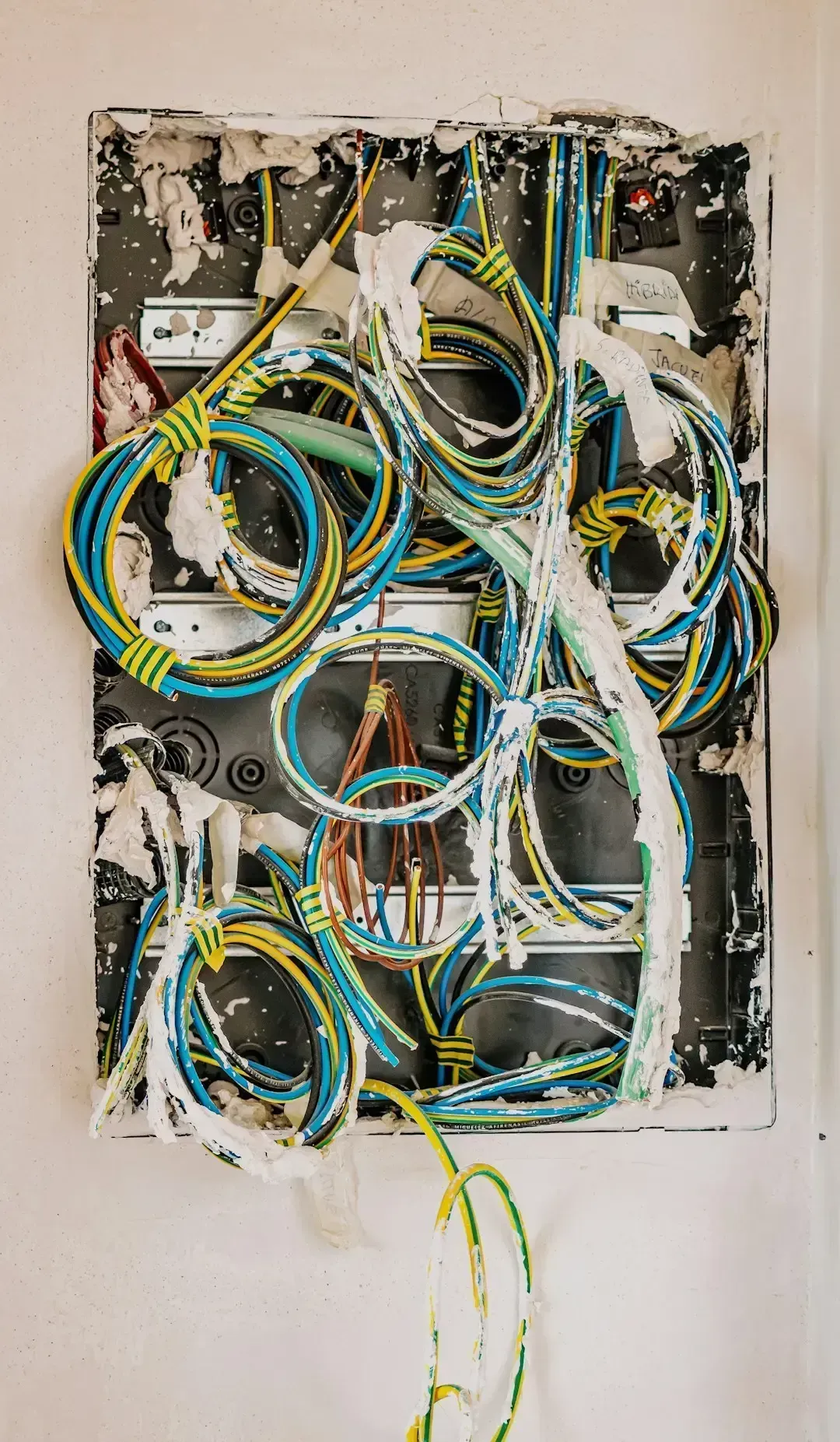
Electrical panels must be evaluated for available capacity before adding circuits, with unpermitted additions often overloading panels, creating unsafe heat buildup, and violating local codes, as home inspectors frequently flag these illegal upgrades when homes are sold, sometimes requiring expensive corrections. I know it sounds paranoid, but electrical panels aren’t construction toys where you can just keep snapping in new breakers. If you attempt electrical repairs without a permit or inspection, you could be violating local building codes or the National Electrical Code, which becomes a big problem when you sell your home. Every addition must be calculated against your total service capacity or you risk dangerous overheating throughout the system.
Incorrectly Placed or Inaccessible GFCI Outlets
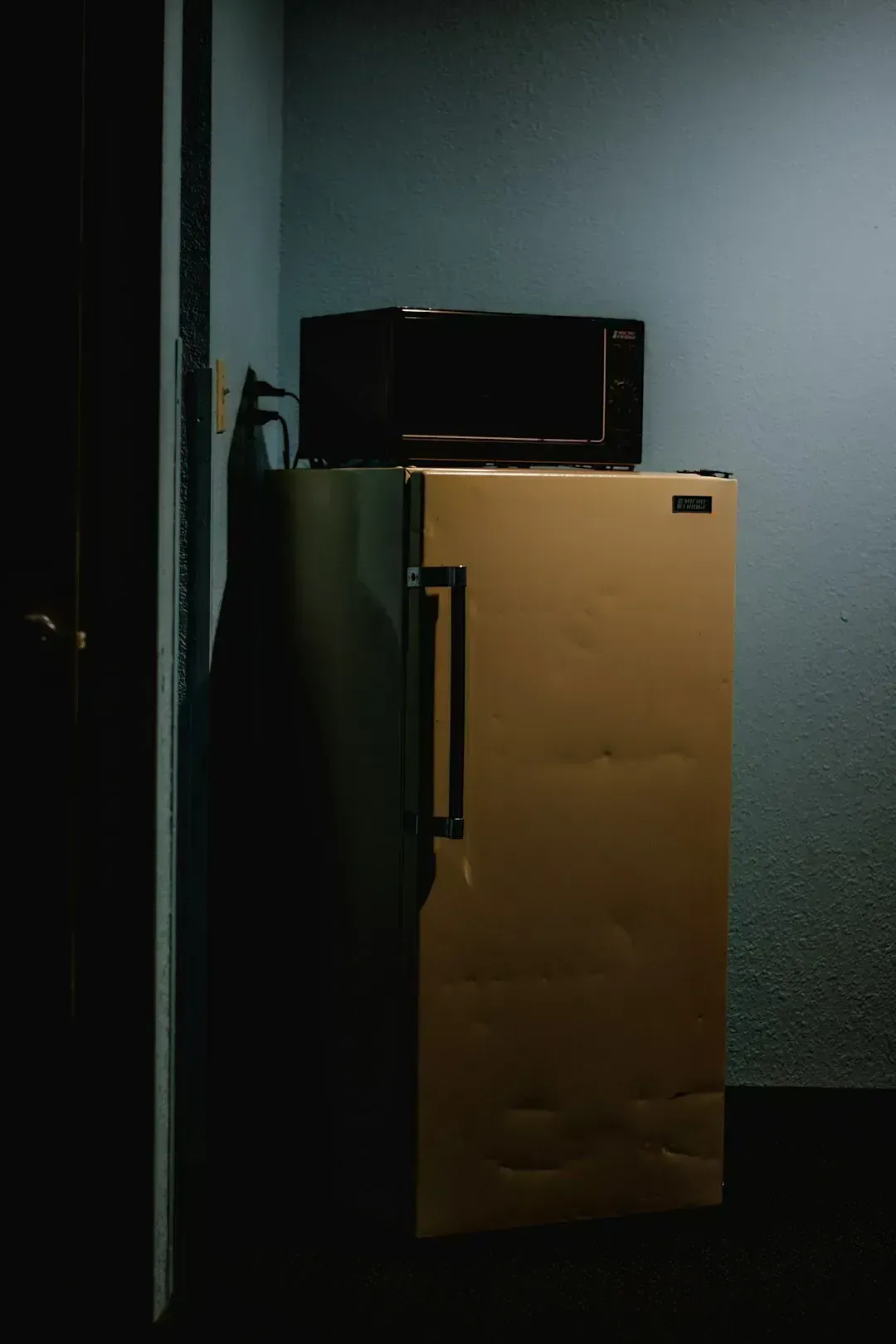
Installing GFCIs in a location that is hard to find or access can create headaches for homeowners and electricians alike, with a great example being behind a refrigerator, as the NEC requires kitchen and garage receptacles to be GFCI-protected but it’s very hard to move a fridge if the GFCI trips, which is why the NEC requires GFCIs to be installed in a readily accessible location with no climbing up ladders, no fumbling for a key, and no moving something heavy. The code requirement isn’t arbitrary annoyance, it’s about making sure you can actually reset the device when needed. Imagine a GFCI tripping behind a heavy appliance at midnight when you’re trying to figure out why half your kitchen lost power.
Using Indoor-Rated Extension Cords for Outdoor Applications

Indoor cords are not built to handle weather or moisture, yet many people use them for outdoor lighting or tools, with the U.S. Consumer Product Safety Commission reporting using the wrong cord type can lead to insulation breakdown and serious electric shocks, as outdoor cords are rated for UV resistance and heavy-duty insulation unlike their indoor counterparts, with the NEC specifically requiring cords marked with a W for outdoor use and breaking this rule potentially rendering insurance claims following electrical accidents void. Indoor cords deteriorate rapidly when exposed to sunlight, rain, and temperature fluctuations. The insulation cracks and exposes live wires, creating shock hazards that people touch without realizing the danger. It’s hard to say for sure, but I suspect many outdoor electrical injuries stem from this exact mistake.
Aluminum Wiring Connected to Copper Without Proper Fittings
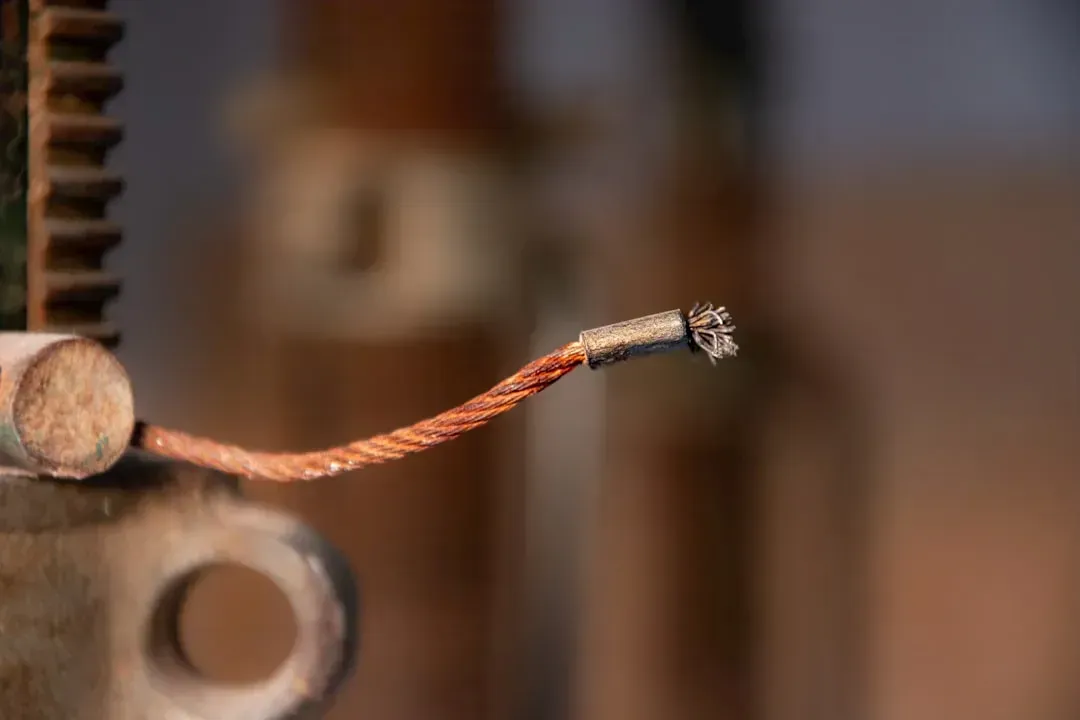
Mixing aluminum and copper wiring seems harmless enough, but electricians will tell you it’s one of the most dangerous shortcuts homeowners attempt during DIY projects. When these two metals touch directly, they create a chemical reaction called galvanic corrosion that gradually loosens connections and generates heat – sometimes enough to start fires inside your walls where you’d never see them coming. The Consumer Product Safety Commission found that homes with aluminum wiring are 55 times more likely to have fire hazard conditions at outlets compared to copper-wired homes, and improper connections make this risk even worse. You absolutely need special connectors called AlumiConn or COPALUM fittings that prevent the metals from touching, but many people just twist the wires together with a wire nut and call it a day. Inspectors catch this violation constantly in renovations where homeowners extended circuits without understanding why their 1970s aluminum wiring requires completely different handling than modern copper. The scary part is these connections can work fine for months or even years before they fail catastrophically, giving you zero warning before disaster strikes.