9 Things Grandparents Say – That Stay With You Forever
Every family has them. Those phrases your grandparents repeat so often they become woven into the fabric of your memory. Maybe it’s something comforting, maybe it’s advice you didn’t understand until years later. Whatever form it takes, the words grandparents speak carry weight in ways that linger long into adulthood.
Recent research reveals that nearly 70 percent of grandparents are actively involved in raising grandchildren in certain cultures, forming a collaborative intergenerational childcare model that fundamentally shapes childhood development. National surveys indicate that over 35 percent of grandparents in the United States and approximately 54 percent in the United Kingdom are actively involved in grandchild care. Studies show that childhood relationships with grandparents lay the foundation for current relationships and can exert long-term impact on young adults’ psychological outcomes. The simple things they say? Those become your internal compass.
“You’re Always Safe With Me”
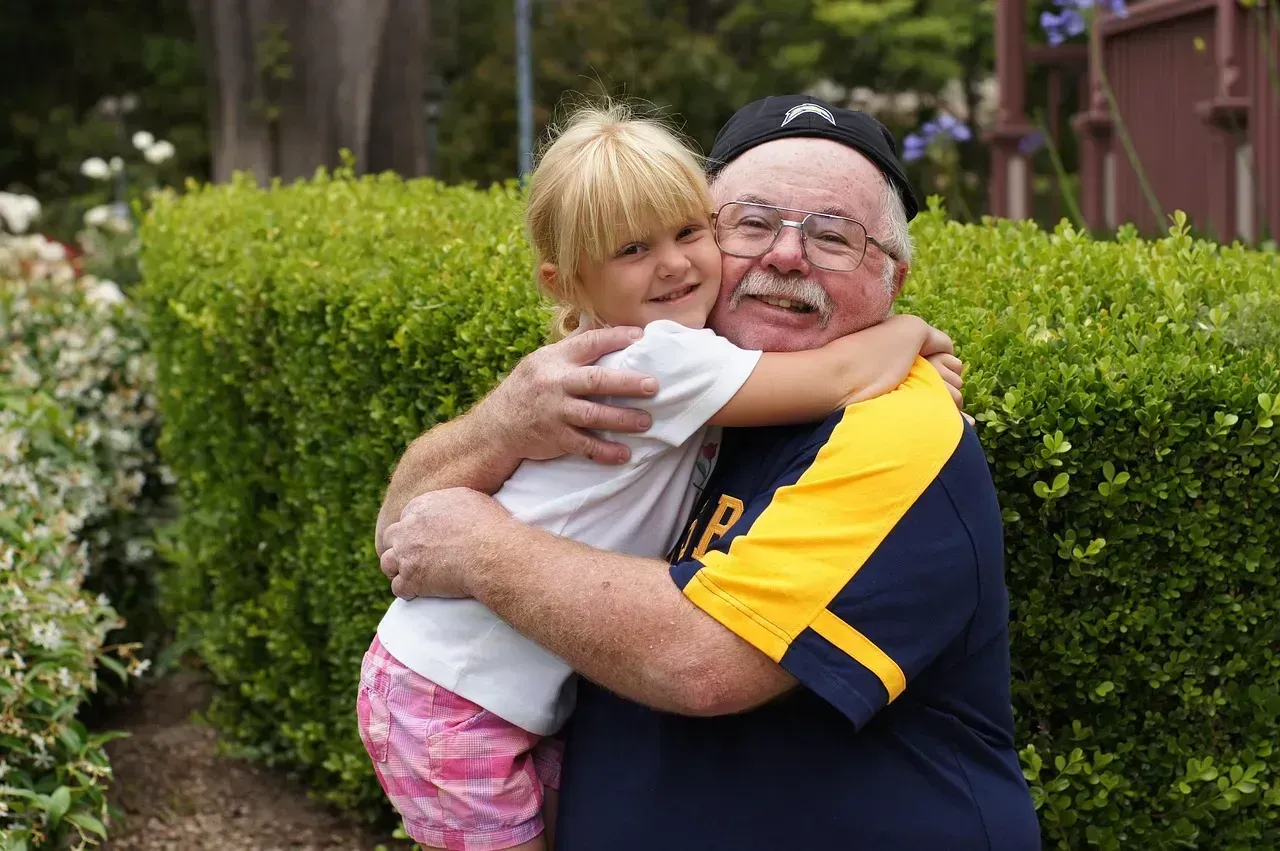
When life feels chaotic, grandparents often become an anchor of safety. This phrase isn’t about rescuing you from danger every time. It’s about creating a space where you feel protected emotionally and physically. Research shows that grandparents often provide the kind of emotional support that helps children and teens manage stress, build confidence, and grow into healthy adults, with their stories, advice, and quiet strength reminding us of family history and helping shape our sense of identity. This promise of safety becomes internalized over time. In 2024 studies, affectual solidarity to grandparents was found to be associated with fewer depressive symptoms in grandparents and grandchildren. Even when you’re grown, the echo of that phrase reminds you there’s always somewhere you can turn.
“This Too Shall Pass”

When you’re young, everything feels permanent. A bad grade feels like the end of the world. A breakup feels insurmountable. Then your grandparent offers this simple wisdom, often paired with a knowing smile. They’ve lived through wars, losses, recessions, and personal heartaches. A grandparent can quell the urgency of a seemingly disastrous event with the quiet reassurance of perspective, providing a stability that allows a grandchild to navigate hardships with renewed confidence. Honestly, it’s annoying to hear when you’re in the thick of things. Yet years later, when facing your own crisis, you realize they were right. Life is a series of waves, not one endless storm.
“Eat, You’re Too Skinny”
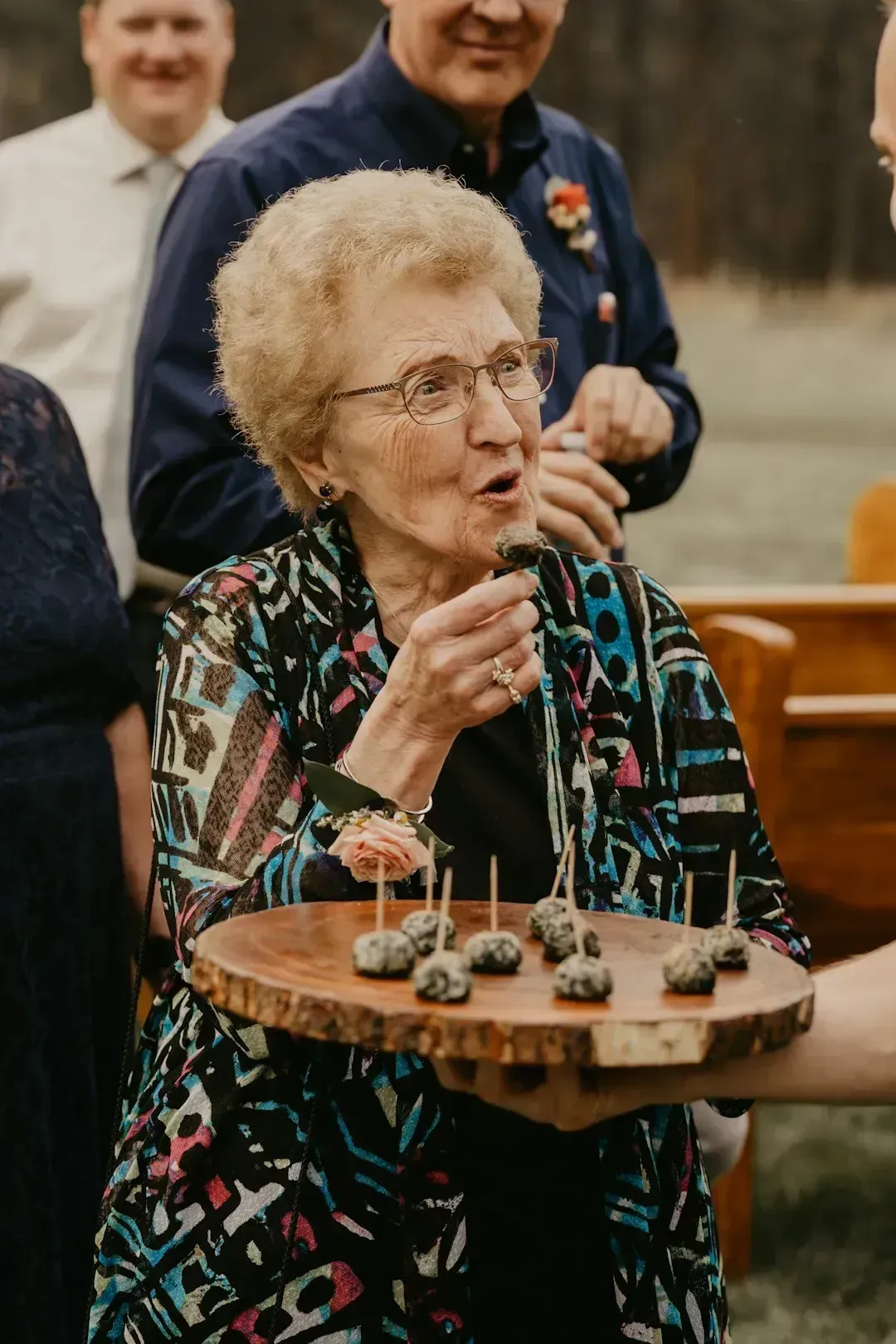
This one’s almost universal. Grandparents and food have a language all their own. It’s not just about nutrition or making sure you’re fed – it’s about love expressed through plates piled high. There’s a tenderness in their insistence, even when it borders on comical. You might roll your eyes when Grandma pushes a third helping onto your plate. Yet when you grow older and find yourself cooking their recipes, you understand. The phrase wasn’t about your weight. It was their way of saying, “I want to take care of you.” That lesson sticks. Food becomes memory. Recipes become rituals. And somewhere in all of it, you hear their voice again.
“I’m So Proud of You”
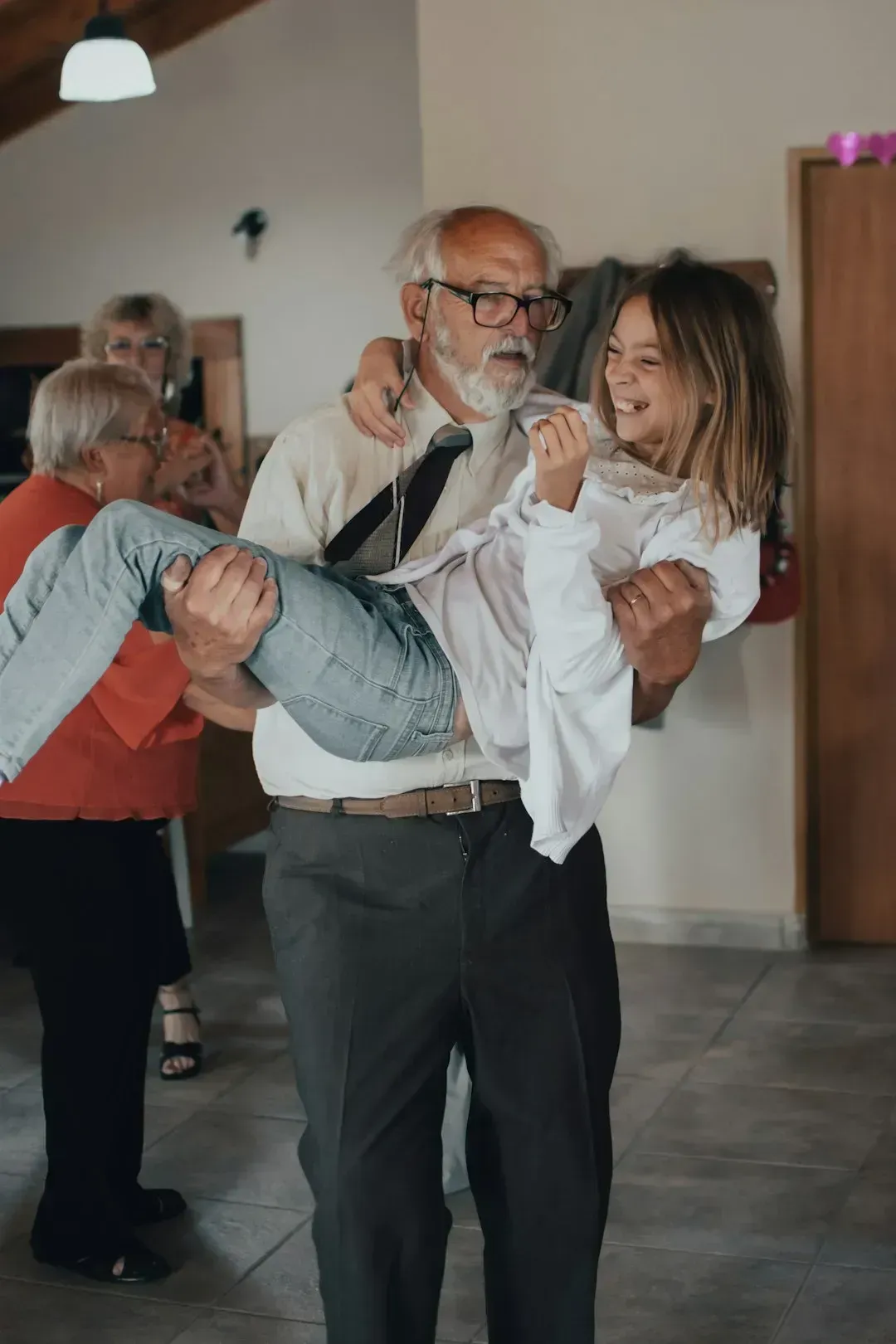
Older age is associated with notable improvements in social and emotional functioning and increased investment in close relationships, meaning that grandparents may be particularly well suited to support the emotional development and wellbeing of their grandchildren. They say this phrase without conditions. Not when you win an award or ace a test – sometimes just because you showed up. This unconditional pride becomes a foundation for self-worth. Studies show that children who are close to their grandparents exhibit fewer emotional issues and lower levels of depressive symptoms, with grandparents offering something unique: unconditional love without the burden of day-to-day discipline. When the world feels critical and judgmental, remembering their pride becomes a shield. It’s almost like they planted seeds of confidence you didn’t even know were growing.
“Family Comes First”
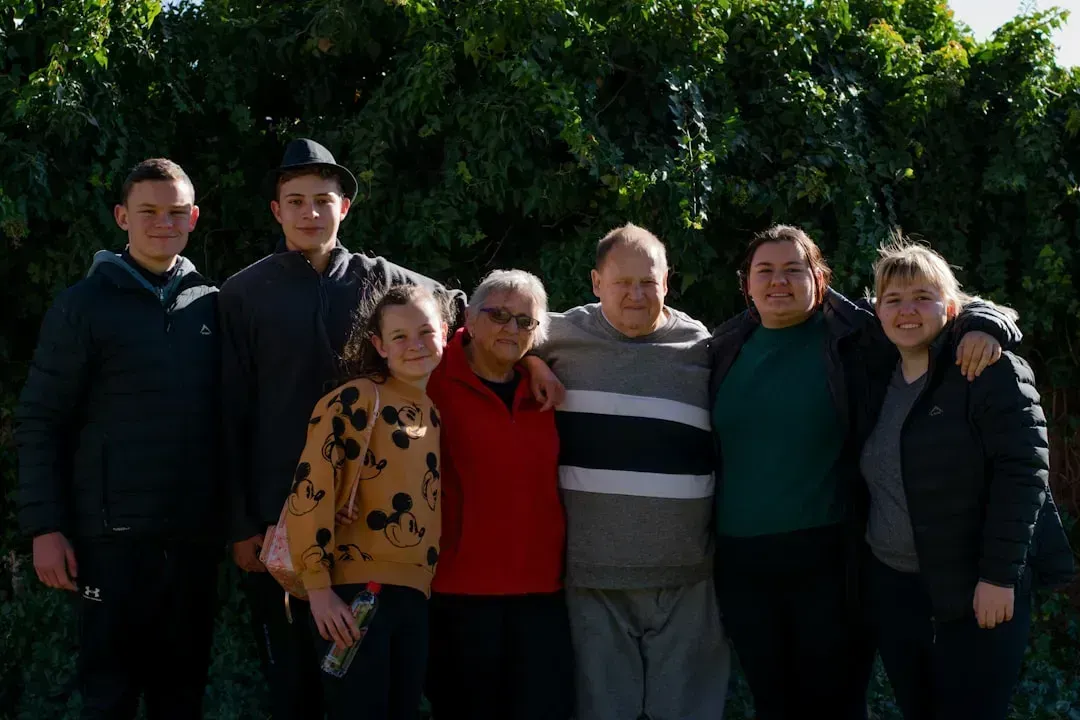
Grandparents tend to emphasize family loyalty in ways that younger generations sometimes find old-fashioned. They lived through times when community and kinship weren’t optional – they were survival. Grandparents help teach family culture, tradition and history, playing a pivotal role in passing down cultural values, rituals, and customs, enriching their grandchildren’s sense of identity and belonging. This phrase becomes a moral compass. Even if you don’t always agree with every family member, you learn the value of showing up, of maintaining bonds even when it’s hard. The familism value has cultivated the tradition of grandparents caring for grandchildren, and grandparental involvement during the grandchildren’s childhood could further contribute to the importance of the grandparent-adult grandchild relationship. The lesson isn’t about blind loyalty. It’s about understanding that relationships require effort, forgiveness, and presence.
“When I Was Your Age…”
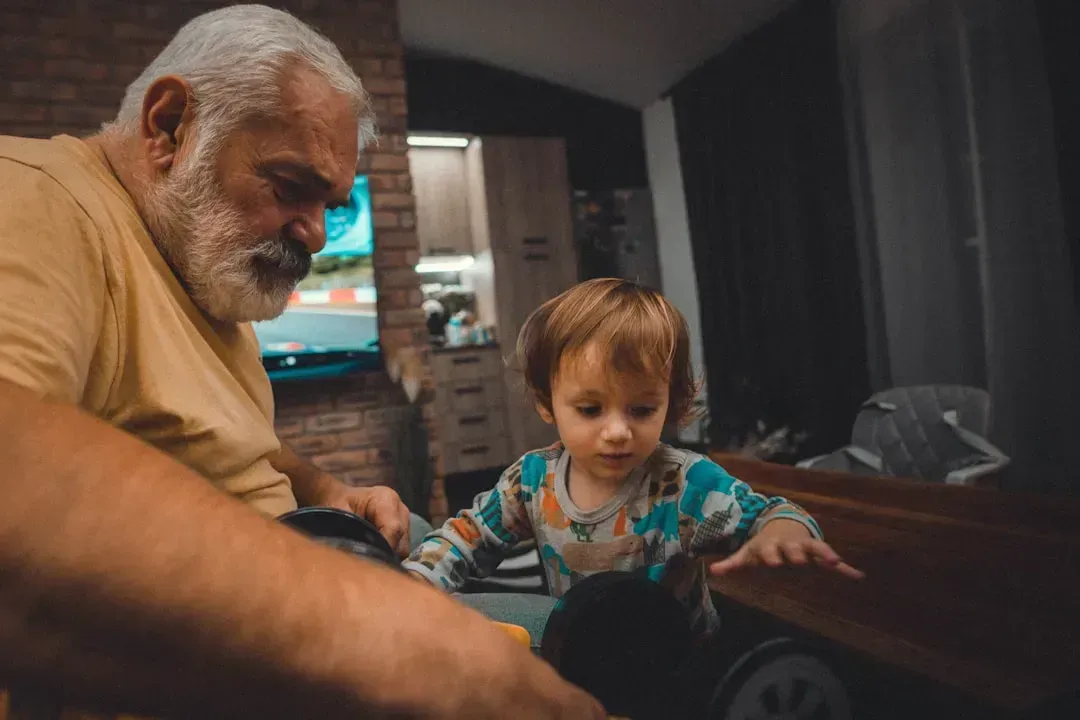
Yes, it’s a cliché. Yes, you’ve heard it a thousand times. Yet embedded in these stories are lessons about resilience, work ethic, and gratitude. Your grandparent’s childhood was likely filled with experiences you can barely imagine – walking miles to school, living without technology, facing hardships that shaped their character. Grandparents are like walking, talking libraries full of wisdom, knowledge, and real-life experience, having lived through good times and tough ones, often using those stories to teach valuable life skills from how to handle rejection and disappointment to how to treat others with kindness. These stories aren’t meant to guilt you. They’re meant to give context. When you face your own challenges, you remember their resilience. You realize strength isn’t about never struggling – it’s about pushing through anyway.
“Just Do Your Best”
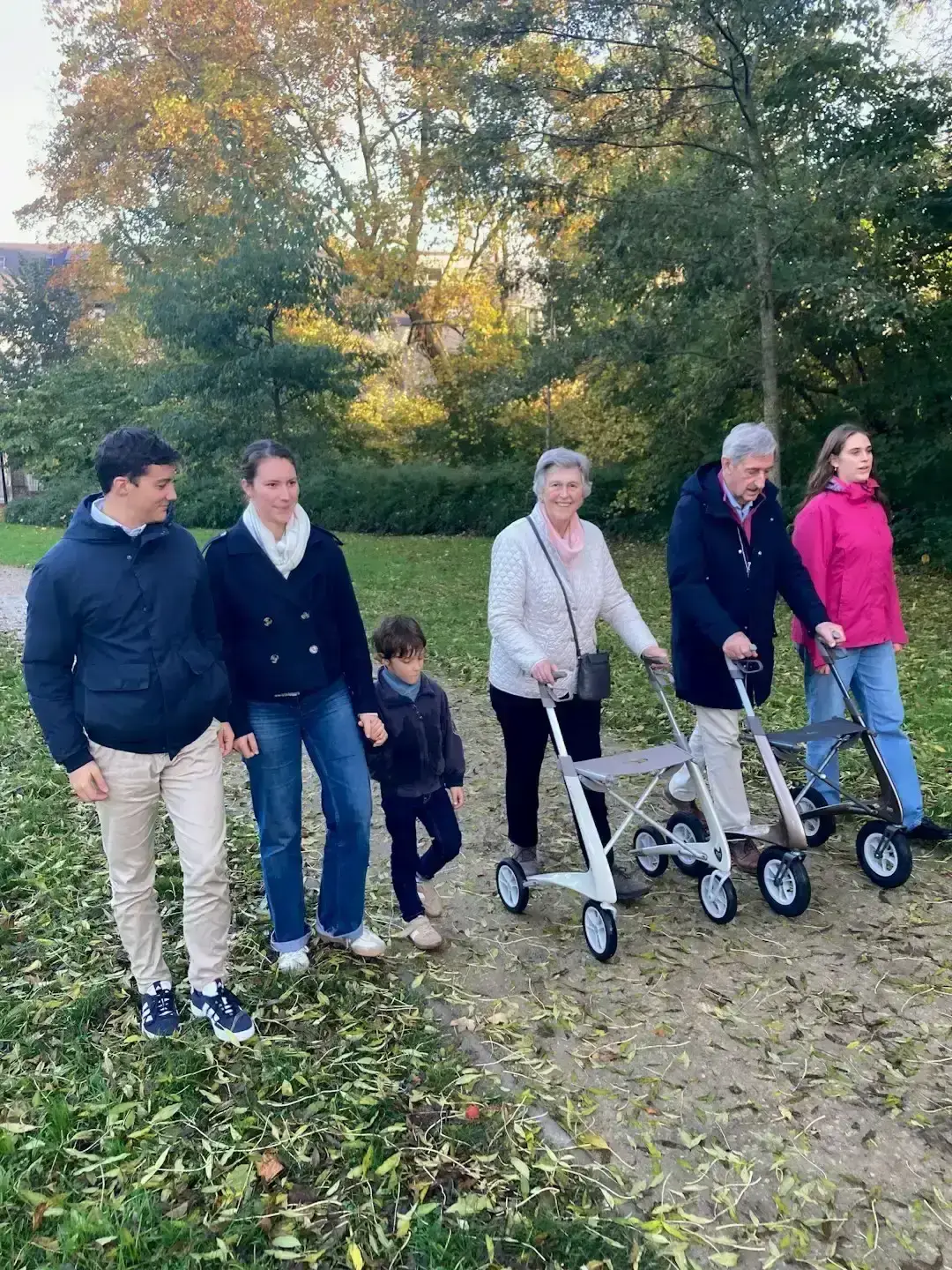
In a world obsessed with perfection and comparison, this phrase offers relief. Grandparents aren’t fixated on outcomes in the same way parents often are. They’ve seen enough of life to know that “best” is subjective and effort matters more than results. By offering a listening ear, guidance, and a sense of safety and security, grandparents can help their grandchildren develop greater self-awareness and emotional intelligence, better emotional regulation skills, and improved mental health outcomes. This phrase becomes a mantra during stressful times. When anxiety creeps in, when you feel like you’re falling short, you remember their words. Doing your best is enough. That simple permission to be human stays with you.
“I’ll Always Love You, No Matter What”

Research from 2025 showed that kids who had adverse childhood experiences were less likely to show the negative effects of these experiences as they grew if a maternal grandmother was in their life offering support. Researchers found this protective, or buffering, effect only with maternal grandmothers, not other grandparents, which was expected and aligned with an evolutionary theory known as the grandmother hypothesis. This unconditional love creates a psychological safety net that shapes how you relate to others and yourself. Even when you mess up, when you disappoint people, when you feel unworthy, this phrase echoes. The nurturing bond between grandparents and grandchildren is likely to influence determinants of child health, and has the potential to reduce risky behavior, including smoking and drug use among teenagers, while a strong bond may improve nutritional outcomes, reduce the likelihood of childhood obesity, and be associated with better mental health in grandchildren. Their love wasn’t transactional. It didn’t depend on your achievements or behavior. That lesson reshapes your understanding of what love should be.
“Make Sure You Call Me”

This one hits differently as you get older. When you’re young, it’s just something they say before you leave. Later, you realize what’s underneath it – the awareness of time passing, the desire to stay connected, the quiet fear of being forgotten. Research shows that as a result of adult grandchildren’s new social roles and departure from the parental household, contact frequency with grandparents significantly declines after the grandchildren reach adulthood, but the emotional bonds remain. As an adult, this phrase becomes a reminder to prioritize relationships before it’s too late. You learn that connection requires intention. The calls you make, the visits you plan – they matter more than you knew. When they’re gone, you’ll wish you’d called more. Their gentle reminder becomes one you wish you’d heeded better.
The phrases grandparents say aren’t profound because they’re original. They’re profound because they’re repeated with love, delivered at the right moments, and rooted in decades of lived experience. These words become part of your internal dialogue, shaping how you move through the world. Recent research suggests that grandparent involvement during childhood, conceptualized as the amount of contact and emotional closeness, is positively linked to emotional development, cognitive functioning, and social adjustment in early adulthood. Long after they’re gone, you’ll find yourself repeating their phrases to your own children or to yourself during tough times. That’s the legacy of grandparents – not just what they say, but how those words become woven into who you are.