3 Japanese Car Brands Struggling With Major Reliability Problems in 2026
Japanese cars have long been held up as the gold standard of reliability. For decades, if you wanted something that would run forever with minimal fuss, you bought Japanese. That reputation isn’t completely dead, but cracks are showing. Three brands that once wore the reliability badge proudly are now facing real trouble, backed by hard data from recent dependability studies and owner complaints. These aren’t minor glitches or one-off issues. We’re talking about persistent patterns that have pushed these manufacturers toward the bottom of reliability rankings in 2025 and 2026.
Nissan: Financial Crisis Meets Transmission Nightmares
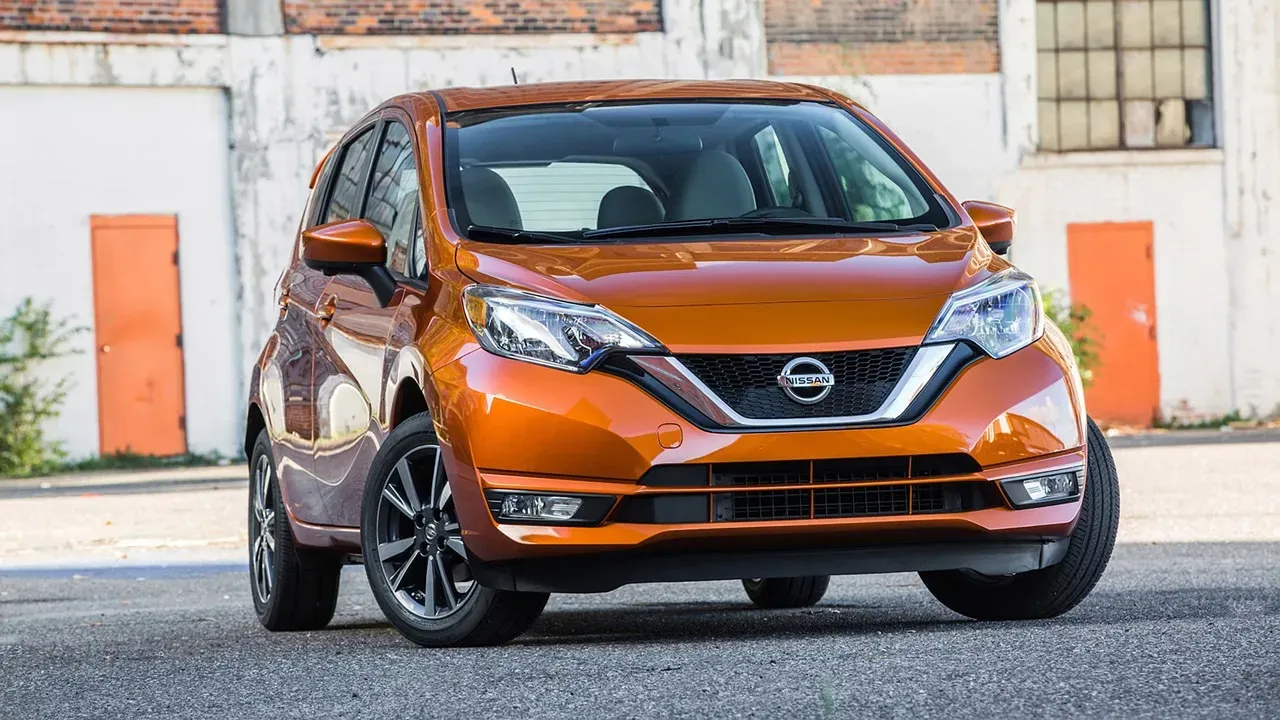
Nissan is laying off 15% of its global workforce, roughly 20,000 employees, after losing $4.5 billion last year. That’s not just bad business news. It’s a warning sign about the brand’s overall health. Moody’s downgraded Nissan’s stock rating to “junk” status earlier in 2025, signaling deep structural problems.
The real killer for Nissan has been its continuously variable transmissions. Nissan’s use of continuously variable transmissions (CVTs), which many owners report failing prematurely, sometimes well before 100,000 miles. Mechanics have described some Nissan models as “ticking time bombs” because of these transmission problems. These aren’t isolated complaints from picky drivers. In WhatCar’s latest reliability survey, Nissan ranked fourth among the least reliable car companies in the world. Electrical issues, particularly infotainment glitches and sensor malfunctions, further eroded trust in the brand.
In 2025, Nissan issued a major recall affecting nearly 444,000 vehicles across several model years and nameplates–including the Rogue, Altima, and Infiniti QX50. The issue stems from a defect in the VC-Turbo engine’s bearings that can lead to internal damage and potential engine failure. When your brand’s newest engines need complete replacements under warranty, that’s not just a bad week. That’s a reliability crisis.
Mitsubishi: So Irrelevant Consumer Reports Didn’t Bother
Here’s the thing about Mitsubishi. Mitsubishi has grown so irrelevant as a brand in the U.S. that Consumer Reports didn’t even include it in its annual reliability report. That’s brutal. You have to really fall off the map for the industry’s leading reliability watchdog to basically shrug and say you’re not worth tracking anymore.
In JD Power’s 2025 dependability report, Mitsubishi ranked last among Japanese carmakers. Owners reported issues in crucial systems – like the drivetrain and electrical components – within the first few years of ownership. According to industry experts, aged technology and low-cost components plague the brand. The industry average for vehicle problems has climbed 6%, reaching the highest level since 2009. Mitsubishi sits at the bottom of that already troubling trend.
Owner complaints paint an even grimmer picture. Problems range from infotainment screens that randomly reboot to steering rack failures within the first month of ownership. Certain 2022 – 2024 Mitsubishi Outlander and 2023 – 2025 Outlander PHEV models have a software error in the in-vehicle infotainment system that freezes the display of the rearview camera, or stops it from displaying entirely. Safety features that don’t work on brand-new vehicles? That’s a massive red flag.
Infiniti: Luxury Badge, Nissan Problems
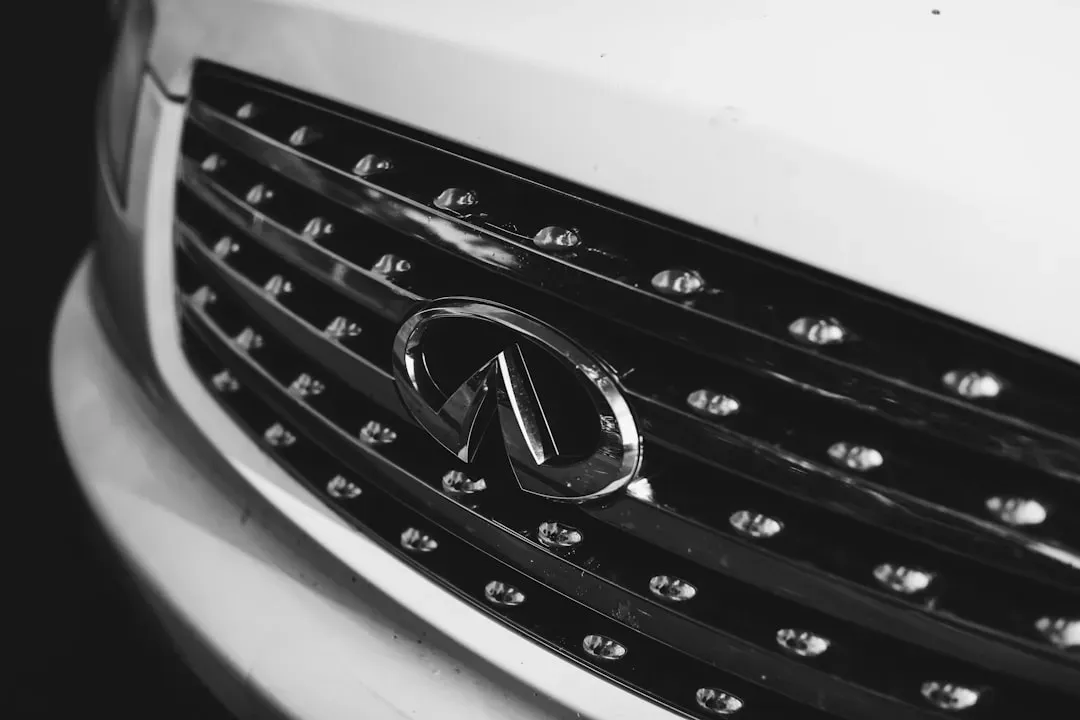
Toyota has Lexus, Honda has Acura, Hyundai has Genesis, and Nissan has Infiniti. The latter suffers from all the same reliability issues as its parent company. After all, Infinitis are manufactured in the same factories, with the same parts and processes. They just get stamped with a different logo. Basically, you’re paying luxury prices for Nissan’s well-documented headaches.
Infinitis have more problems than their competitors, especially on the electrical side according to automotive specialists. The Infiniti QX80 has the same kind of reliability as the Land Rover Range Rover or Mercedes-Benz GLS – terrible. Eleven other three-row luxury SUVs had higher predicted reliability scores than the QX80. The Infiniti QX80 got a twin-turbo V6 and a big tech boost for 2025 as part of a complete redesign. New engines and complex tech usually spell early reliability trouble.
Honestly, if you’re shopping for a luxury SUV and you value dependability, Infiniti shouldn’t be on your radar. The brand combines the worst of both worlds: premium repair costs with subpar reliability. You’re better off looking at Lexus or even a well-equipped Toyota if budget matters.
These three brands prove that past reputation means nothing if current quality drops. Japanese engineering built a legacy that decades of excellence earned. That legacy is being squandered model by model, recall by recall. The smart money in 2026 stays with Toyota, Honda, Subaru, and Lexus. If dependability actually matters to you, steer clear of Nissan, Infiniti, and Mitsubishi until they prove they’ve turned things around.