12 Common Decor Items That May Trigger Anxiety (Most Families Keep Them Anyway)
Your home should feel like a sanctuary, a place where stress melts away the moment you walk through the door. Yet for many of us, certain decorative items we’ve grown accustomed to could be quietly ramping up our anxiety levels without us even realizing it. These aren’t obscure objects either – most families have them sitting in plain sight, convinced they’re harmless or even beneficial. From that collection of knickknacks on your mantelpiece to the seemingly innocent digital clock on your nightstand, these everyday items might be working against your mental wellbeing in surprising ways.
Decorative Clutter and Collectibles
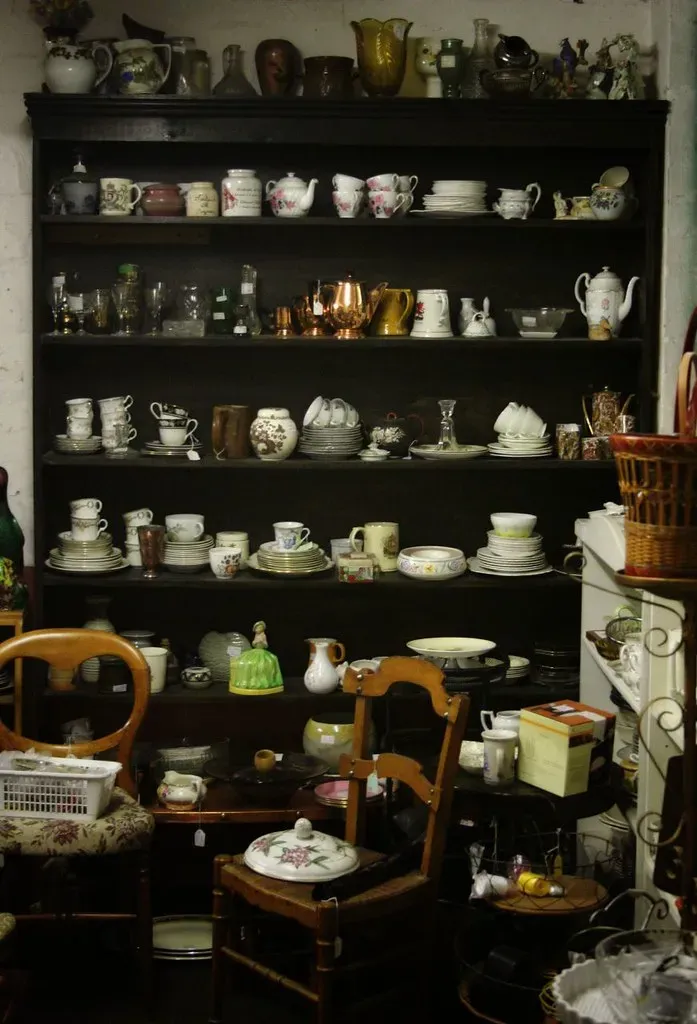
Those adorable figurines, souvenir tchotchkes, and decorative pieces scattered throughout your home might seem harmless, yet they’re potentially wreaking havoc on your mental state. Research shows that women who saw their homes as cluttered had high levels of the stress hormone cortisol throughout the day, creating a constant low-grade anxiety. Clutter serves as a form of visual distraction that increases cognitive overload and even reduces working memory capacity, essentially filling up your brain’s whiteboard with unnecessary information. Every single item demands a tiny sliver of your attention, and when you multiply that by dozens of objects, your brain is constantly processing visual noise instead of relaxing.
Multiple Mirrors Throughout the Home
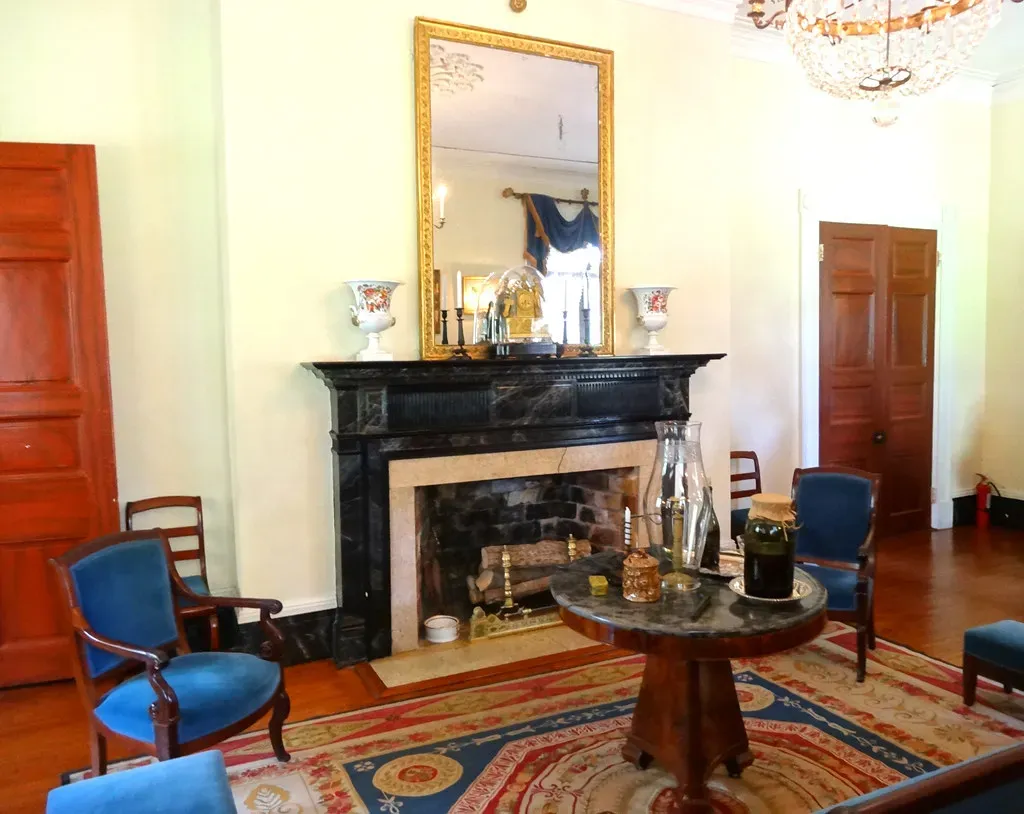
Mirrors are a staple in interior design, praised for making rooms appear larger and brighter. However, having too many reflective surfaces can amplify anxiety, particularly for those with body image concerns. Researchers at the Institute of Psychiatry in London found that people with body dysmorphic disorder were increasingly anxious after looking at themselves for just 25 seconds. Even more surprisingly, women who were happy with their looks felt stressed about their appearance over a short period of time in front of the mirror. While one mirror in your bathroom makes sense, strategically placed mirrors in bedrooms, hallways, and living spaces can create unwanted moments of self-scrutiny throughout your day.
Digital Clocks With Blue Light Displays

That convenient bedside digital clock with its glowing blue numbers might be sabotaging your sleep quality and increasing daytime anxiety. Being exposed to blue light in the evening can trick our brain into thinking it is still daytime, disrupting circadian rhythms and leaving us feeling alert instead of tired. Chronic sleep disruption can cause or exacerbate mental health issues like depression and anxiety, as poor sleep impairs the brain’s ability to regulate emotions and process emotional information. Even if you’re not actively looking at the clock, that ambient blue glow penetrates your eyelids and signals your brain to suppress melatonin production, creating a vicious cycle of poor sleep and heightened anxiety.
Overly Bold and Bright Wall Colors
While a pop of color can energize a space, going overboard with intense hues creates more stress than style. Rooms with excessive use of red, bright orange, or neon tones may increase feelings of restlessness, keeping your nervous system in a state of alertness when you’re trying to unwind. Design experts note that bright yellow and burnt umber can make people feel overwhelmed and even aggressive. The walls in your home form the backdrop of your entire visual experience, and when they’re screaming for attention with saturated colors, your brain never gets a chance to truly relax.
Sharp-Edged Furniture Pieces
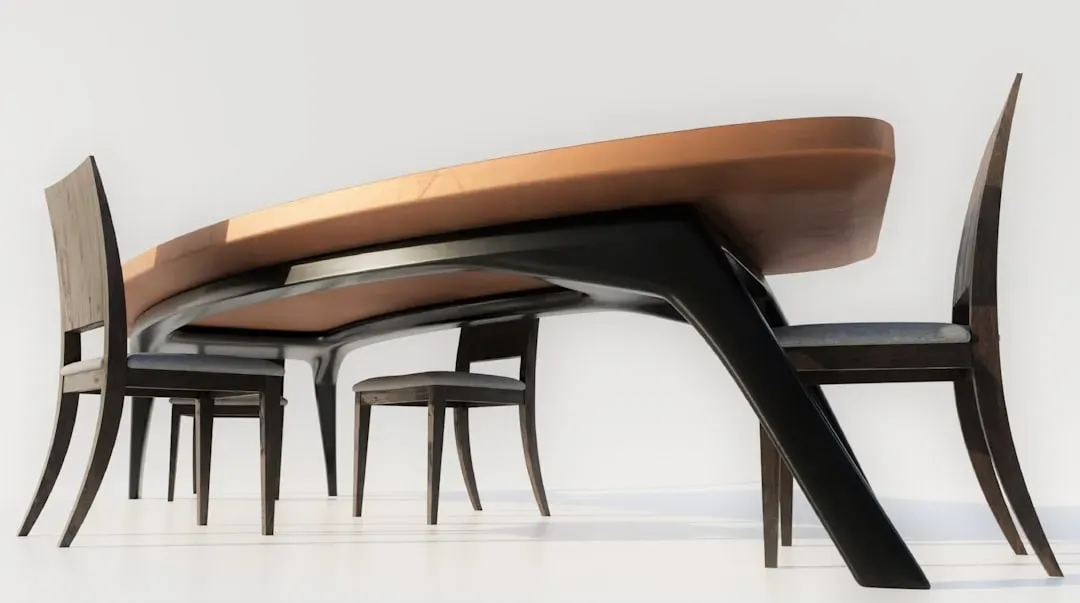
That sleek modern coffee table with razor-sharp corners might look sophisticated in design magazines, yet it’s subtly triggering your anxiety every time you navigate around it. If it feels like banging a toe or a shin into a piece of furniture might really hurt, it’s probably going to make you quietly anxious when you have to live with it. Our brains are wired to identify potential threats, and sharp-edged furniture registers as a hazard that requires constant vigilance. Too many straight lines, sharp points and jagged edges in a room can create an elevated sense of anxiety, keeping you on alert rather than allowing you to fully relax in your own space.
Excess Indoor Plants (Yes, Really)
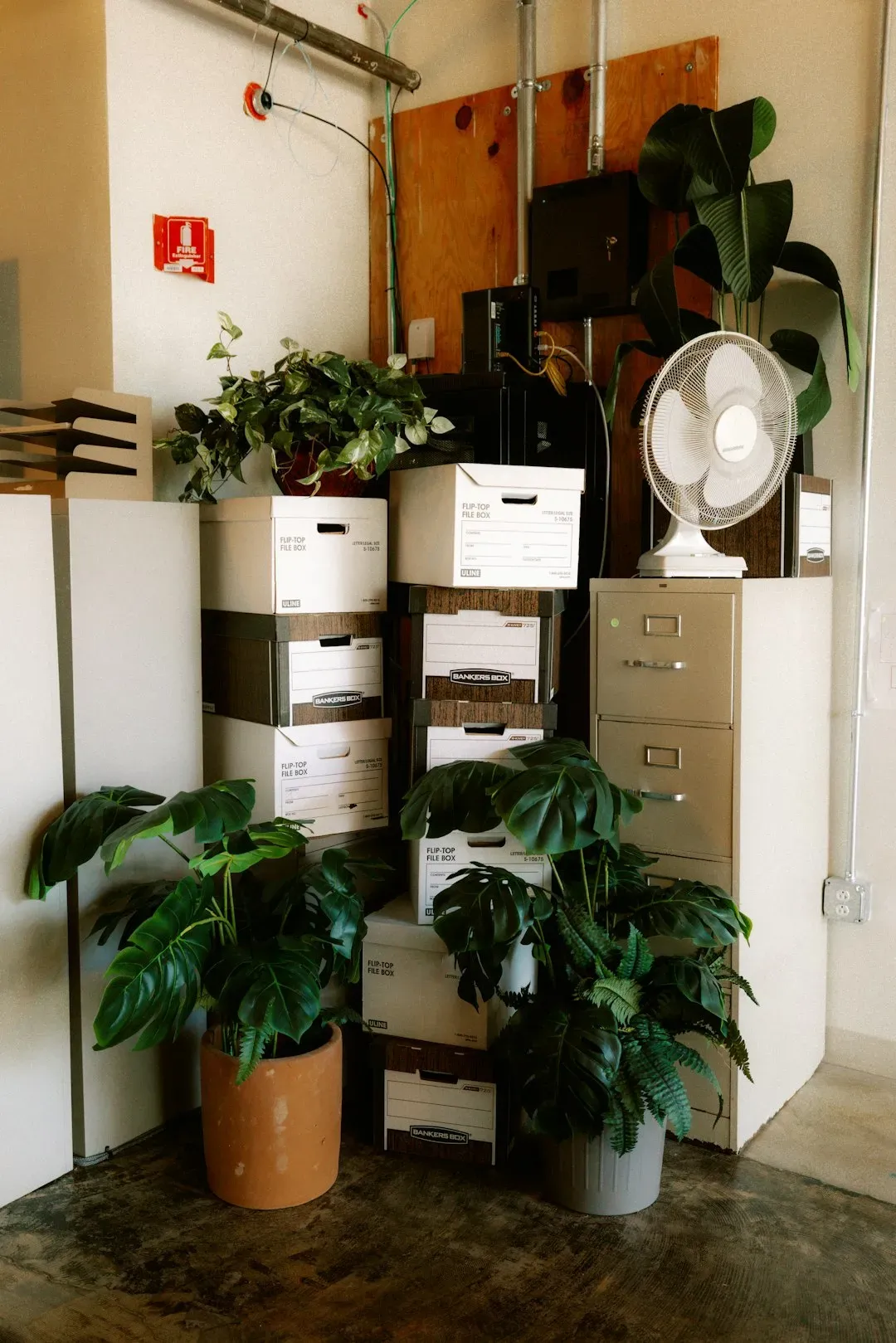
This one might surprise you since plants are typically touted as stress-relievers. While strategically placed greenery offers genuine mental health benefits, going overboard can backfire spectacularly. Health risks of the presence of natural indoor plants were explored concerning poor indoor air quality caused by pathogenic fungal and bacterial components released from potting soils. Beyond potential allergens, an overwhelming number of plants creates visual clutter, adds maintenance stress, and can harbor gnats or mold. The constant worry about watering schedules, pruning needs, and keeping them alive transforms what should be calming into yet another source of household anxiety.
Poorly Placed or Insufficient Lighting
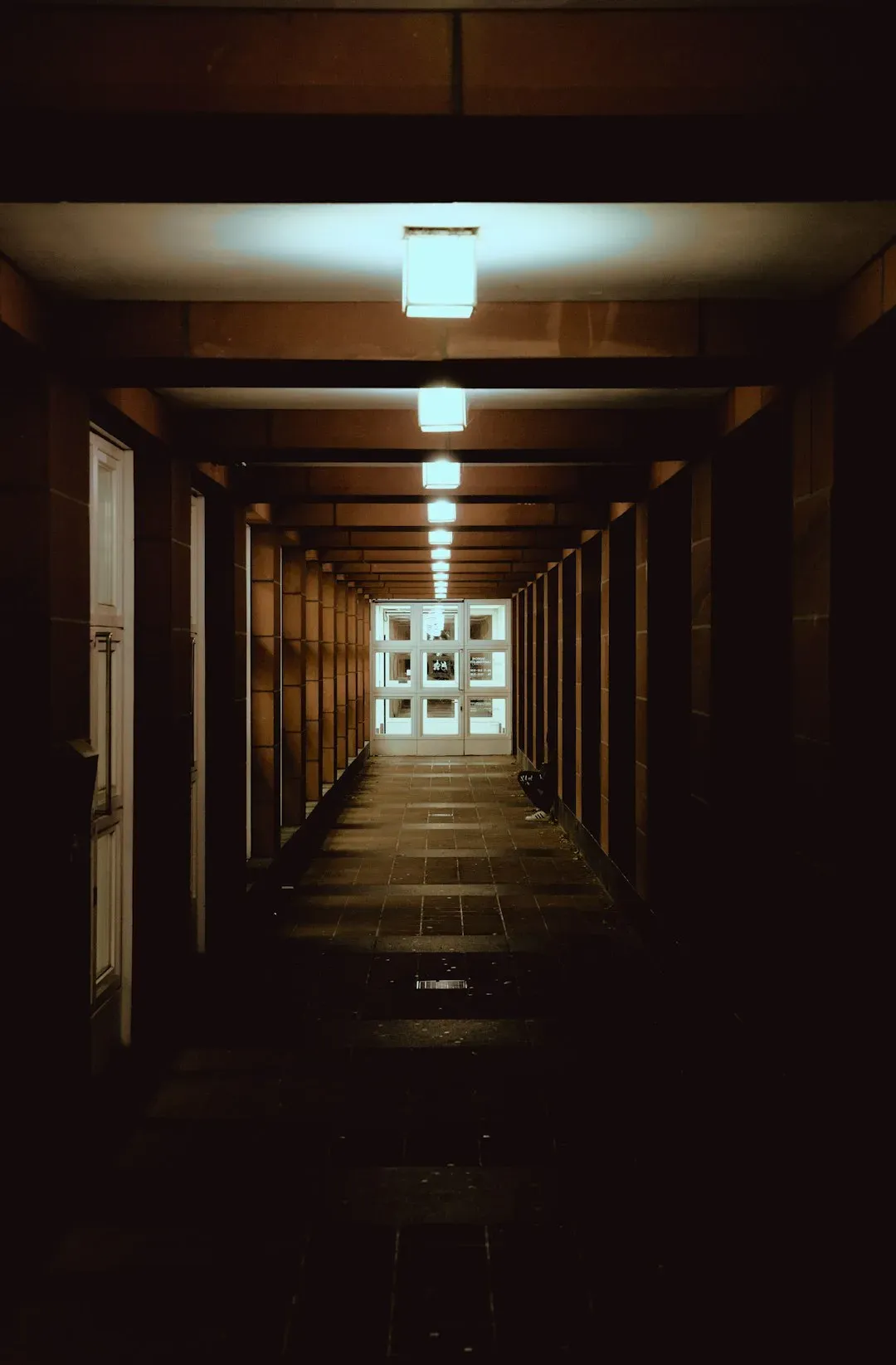
Dimly lit or poorly illuminated spaces can make a room feel gloomy and oppressive, with lack of natural light affecting mood and leading to feelings of lethargy or sadness. Conversely, lighting of unique colors can cause eye pain, headache and several discomfort experiences, leading to anxiety. Studies suggest that too much cool artificial light and not enough access to warm or natural sunlight can heighten symptoms of anxiety and depression over long periods of time. Finding the right balance is crucial – your lighting should support your activities without creating harsh shadows, glare, or an institutional feeling that keeps you on edge.
Furniture Arranged to Block Flow
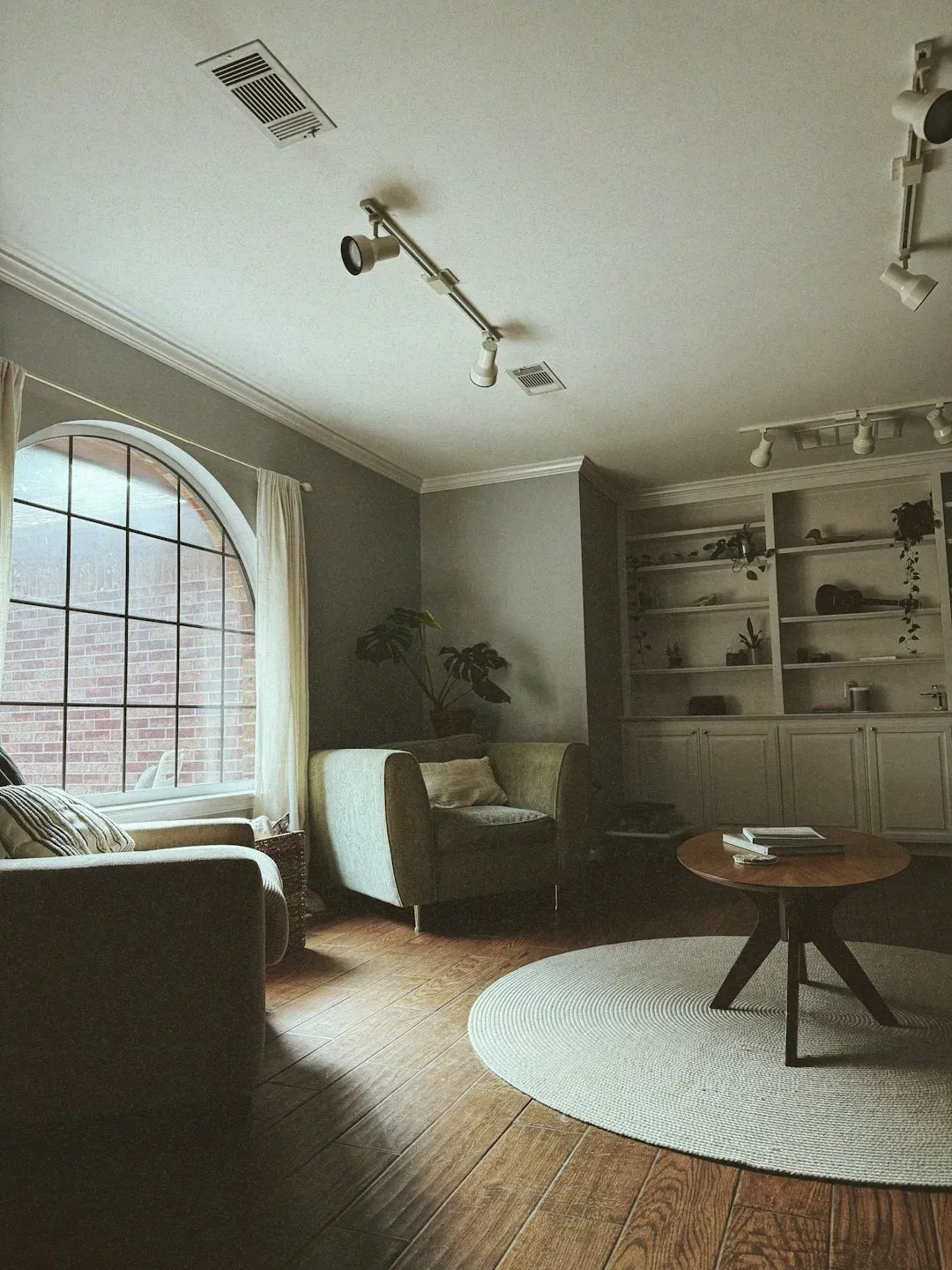
The way you arrange your furniture might be creating invisible obstacles that stress you out more than you realize. Research has shown that the arrangement of anchor furniture pieces in a room’s layout can heighten the release of chemicals associated with either anxiety or relaxation by directly impacting the amount of cortisol your brain releases. When you have to awkwardly squeeze past your couch to reach the window, or your dining chairs block the pathway to the kitchen, your brain registers these as obstacles requiring constant navigation. Rooms where furniture is intentionally arranged to be open and foster social interaction are received more positively in controlled studies than cramped or non-social rooms.
Stacks of Magazines and Unread Books
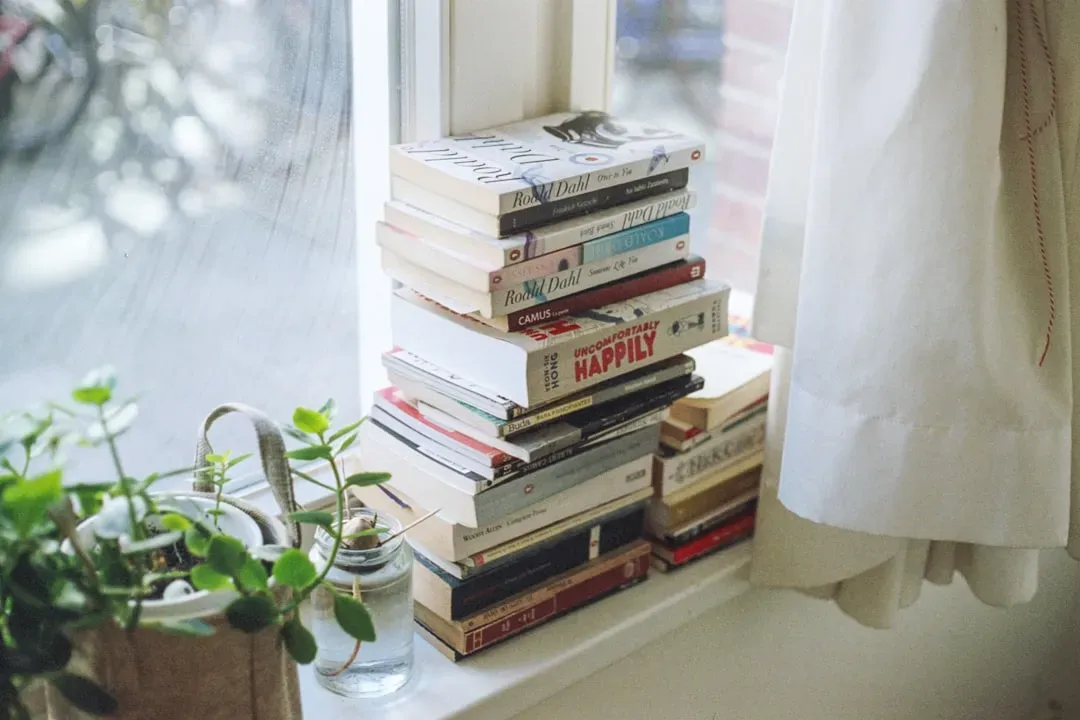
Those decorative book stacks and magazine piles might look effortlessly chic on Pinterest, yet in reality they’re broadcasting a constant message of unfinished business. Clutter in your sleeping area can serve as a visual reminder of unfinished business, which can provoke anxiety or guilt when you’re trying to relax. Every time you see that stack of unread magazines or books you’ve been meaning to tackle, your brain registers it as a task waiting to be completed. Joseph Ferrari’s psychology of clutter research and controlled studies have repeatedly demonstrated that living or working in cluttered spaces can increase our stress and anxiety levels, decrease productivity, and present mental health challenges to otherwise healthy individuals.
Overly Personalized Spaces With Too Many Photos
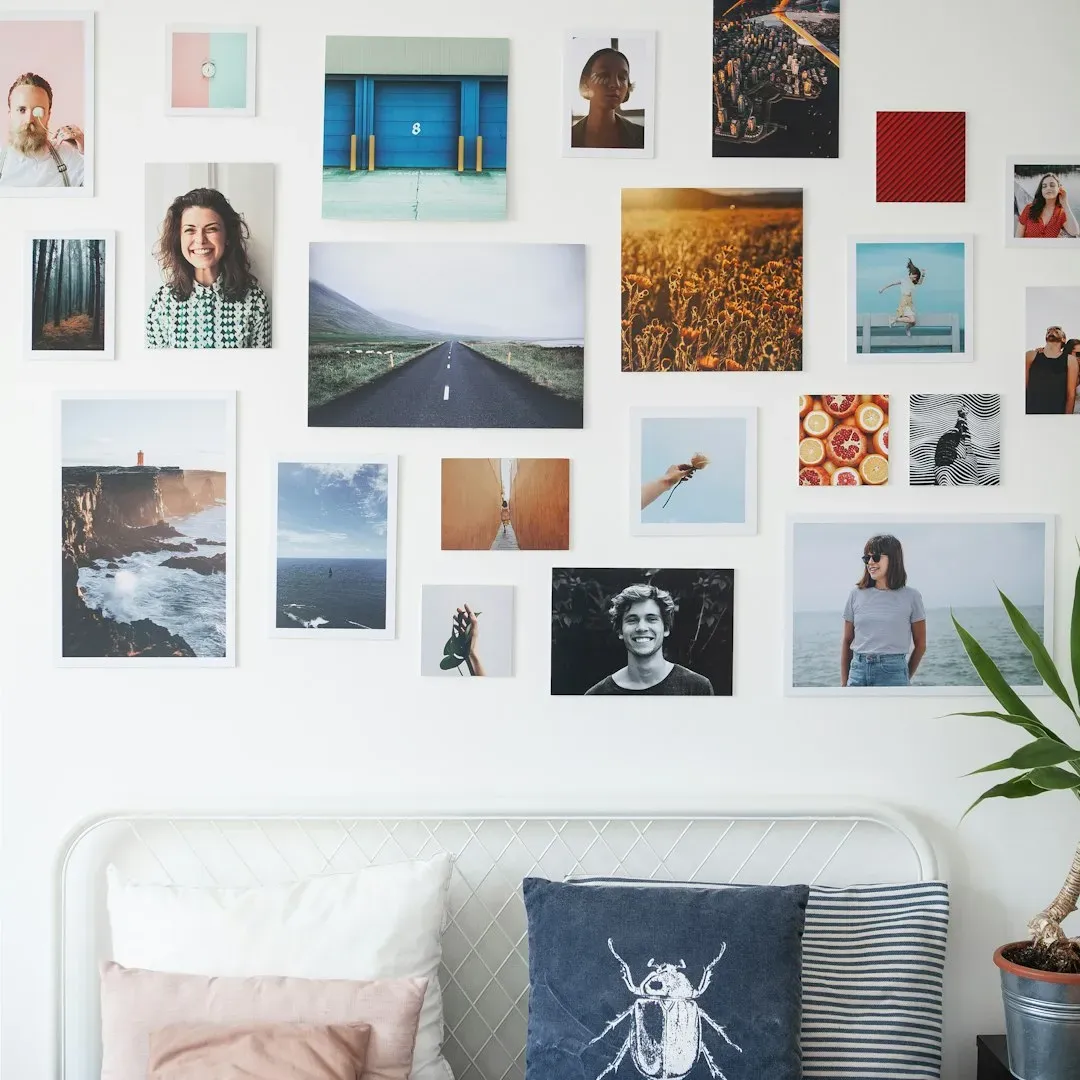
Family photos and personal mementos create emotional connection and comfort, yet there’s a tipping point where too much personalization becomes overwhelming. Too much decor can contribute to visual clutter, even when those items hold sentimental value. When every surface displays framed photos, vacation souvenirs, and memorabilia, your eyes have nowhere to rest. The brain needs visual breathing room to process and relax. Each photograph triggers memories and emotions – mostly positive, sure – yet that constant emotional engagement can be mentally exhausting when you’re simply trying to unwind after a demanding day.
Open Shelving Packed With Items
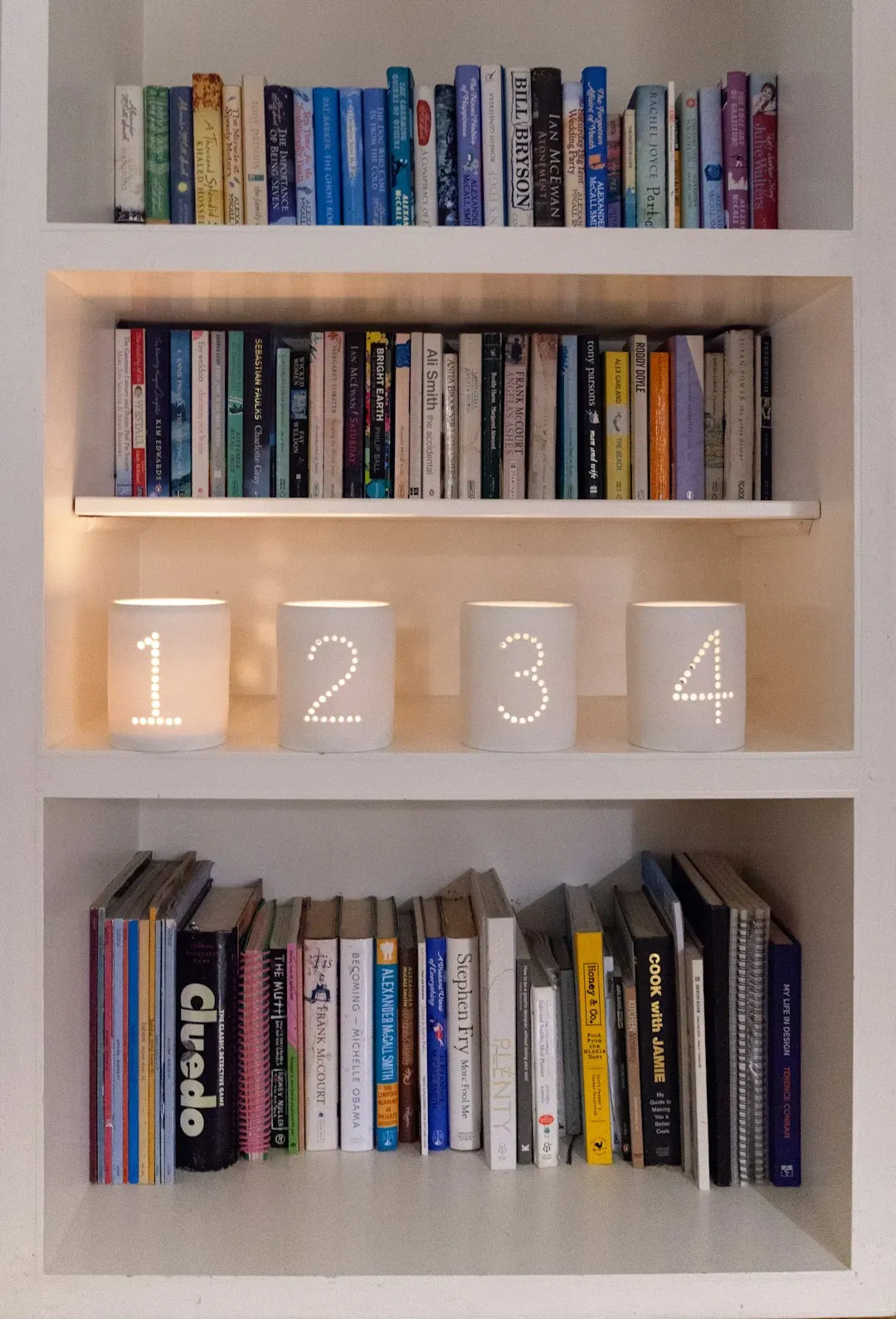
Open shelving has become wildly popular in modern design, particularly in kitchens and living spaces. The problem? It puts everything on constant display, creating visual chaos that your brain must continually process. Filling up your home with books and knick knacks creates a cluttered environment, which leads to an increased level of cortisol according to the Society for Personality and Social Psychology. Unlike closed cabinets that hide away items, open shelves showcase every mismatched mug, uneven stack of dishes, and random object. When you walk into a chaotic kitchen or trip over clutter on the floor, your brain registers that disarray as a source of stress, triggering low-level fight-or-flight responses throughout your day.
Heavily Patterned Wallpaper or Textiles
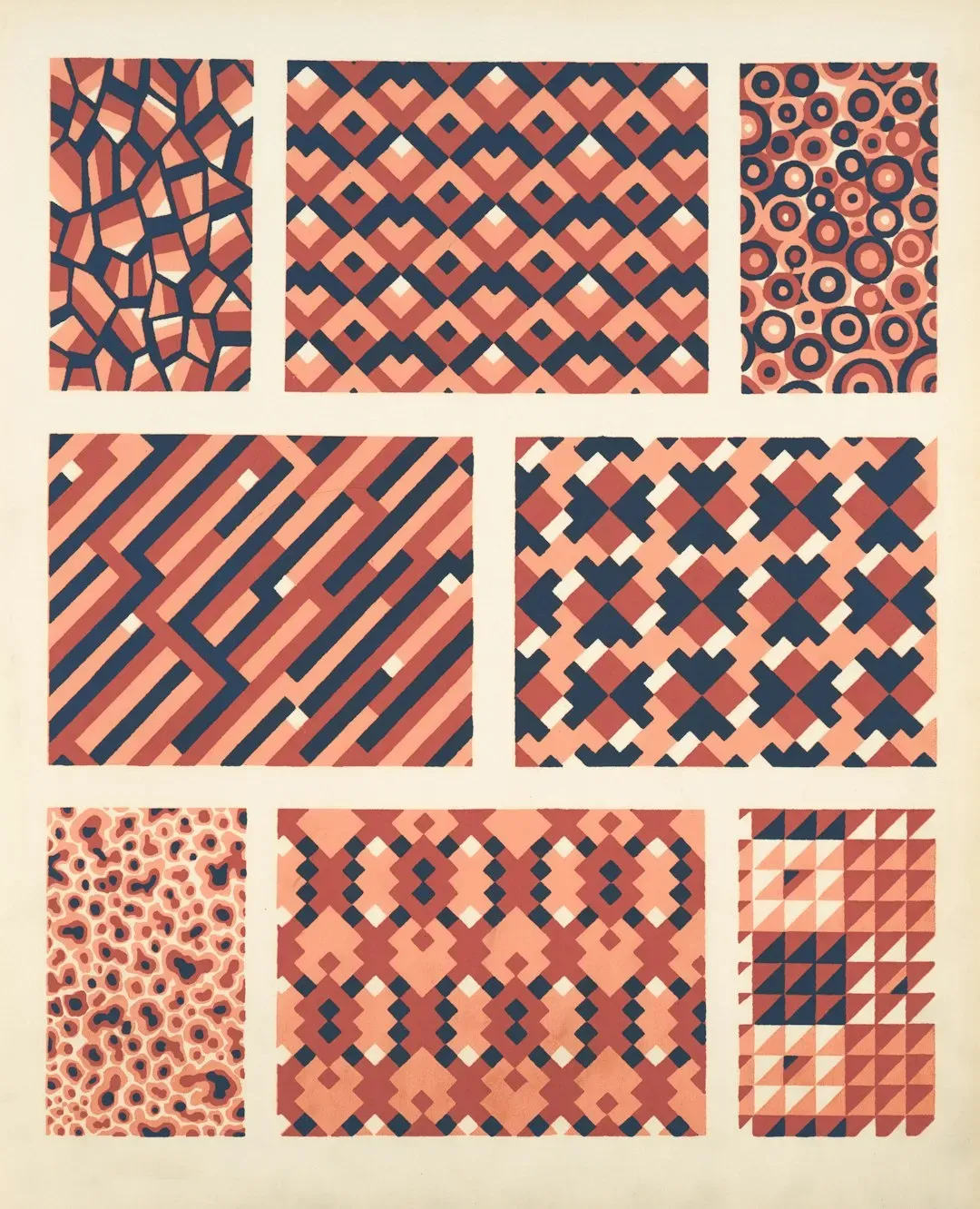
Busy patterns – whether on wallpaper, curtains, or upholstery – force your brain to work overtime processing visual information. While bold colours and patterns can be exciting, too much visual stimulation can make a space feel hectic rather than harmonious. Intricate patterns with multiple colors, complex geometries, or conflicting designs compete for your attention, creating the visual equivalent of being in a noisy room. Your eyes naturally try to follow patterns and make sense of them, which means your brain never fully disengages. The result is subtle but persistent mental fatigue that manifests as irritability and anxiety, especially in rooms where you spend significant time trying to relax.
Your home environment plays a more significant role in your mental wellbeing than most people realize. These dozen common items aren’t inherently evil – they’ve simply accumulated over time or seemed like good ideas when you first brought them home. The key is recognizing that every object in your space either contributes to calm or detracts from it, and sometimes the most anxiety-inducing culprits are the ones we’ve become so accustomed to that we don’t even see them anymore. What items in your home might be quietly working against your peace of mind?