Why Realtors Quietly Tell Sellers to Remove These 4 Paint Colors Before Showings
Ever wonder why your agent keeps circling back to that accent wall in your dining room? It’s not because they don’t appreciate your personal style. Here’s the thing: there are certain paint colors that make realtors wince the moment they step into a listing appointment. These aren’t just minor preferences. They’re colors backed by real data showing they can cost sellers thousands of dollars in potential offers. Let’s get into which shades are secretly sabotaging your home sale.
Red: The Color That Screams “Danger” to Buyers
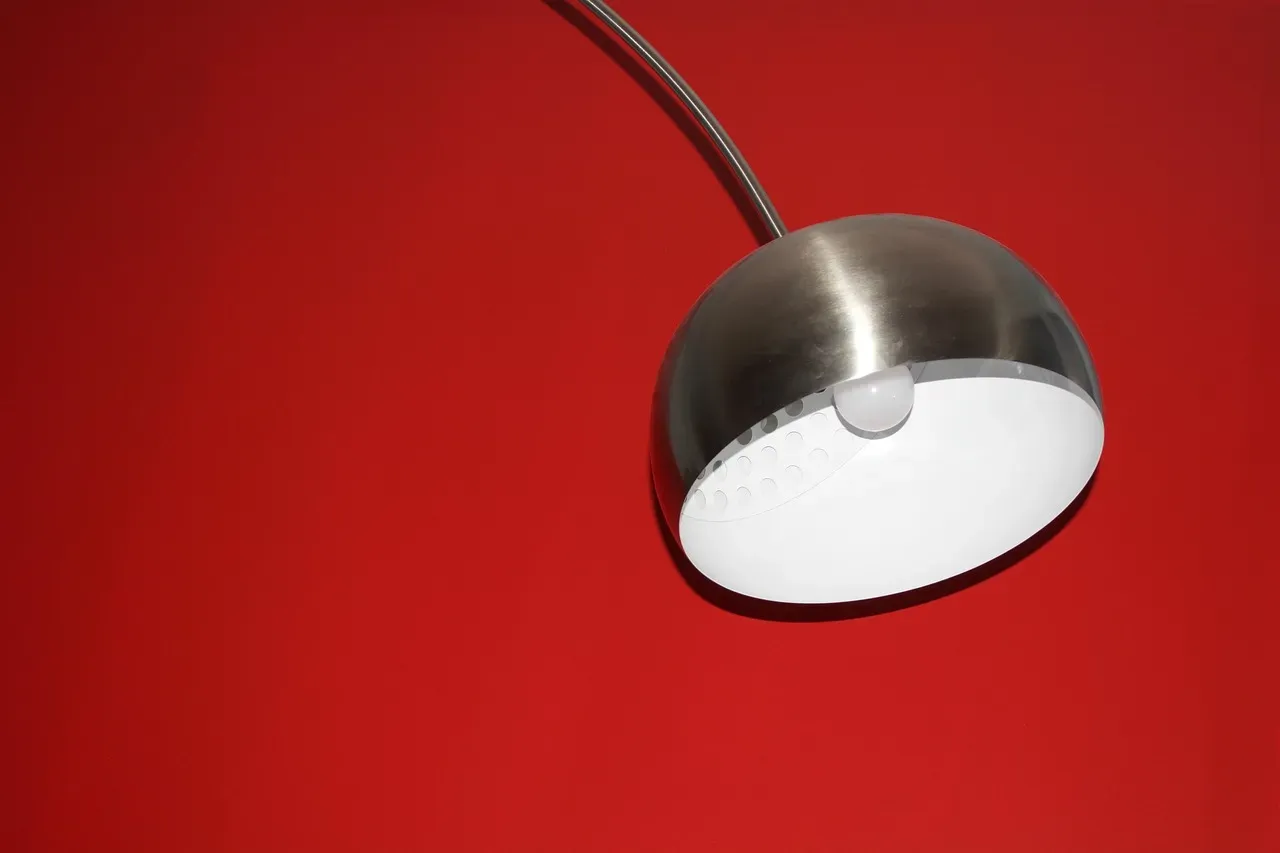
Red is the most off-putting color, according to a survey of home staging and design professionals conducted by the home remodeling site Fixr.com. The home remodeling site polled 71 interior designers and home stagers, and 59 percent agreed that red turns away buyers. Think about that for a second. Nearly six out of ten professionals, people who stage homes for a living, say this color is a dealbreaker.
Why such strong feelings about red? Red walls can come across as harsh and intense, and red tends to put people on edge – physiologically, people see red and feel ‘danger or stop’! That’s not exactly the welcoming vibe you want when someone walks through your front door. Red can evoke strong emotions, which is exactly the problem; it’s intense, energizing, and, in many cases, agitating, and in a home setting, red walls can make rooms feel smaller, darker, and more chaotic.
Real estate professionals consistently warn that deep shades of red create a psychological barrier for buyers trying to envision their own furniture in the space. The color dominates so completely that potential buyers spend their showing mentally calculating repaint costs instead of falling in love with your home’s features. Honestly, when a buyer’s first thought is about extra work, you’ve already lost them.
Bright Yellow: The Kitchen Killer
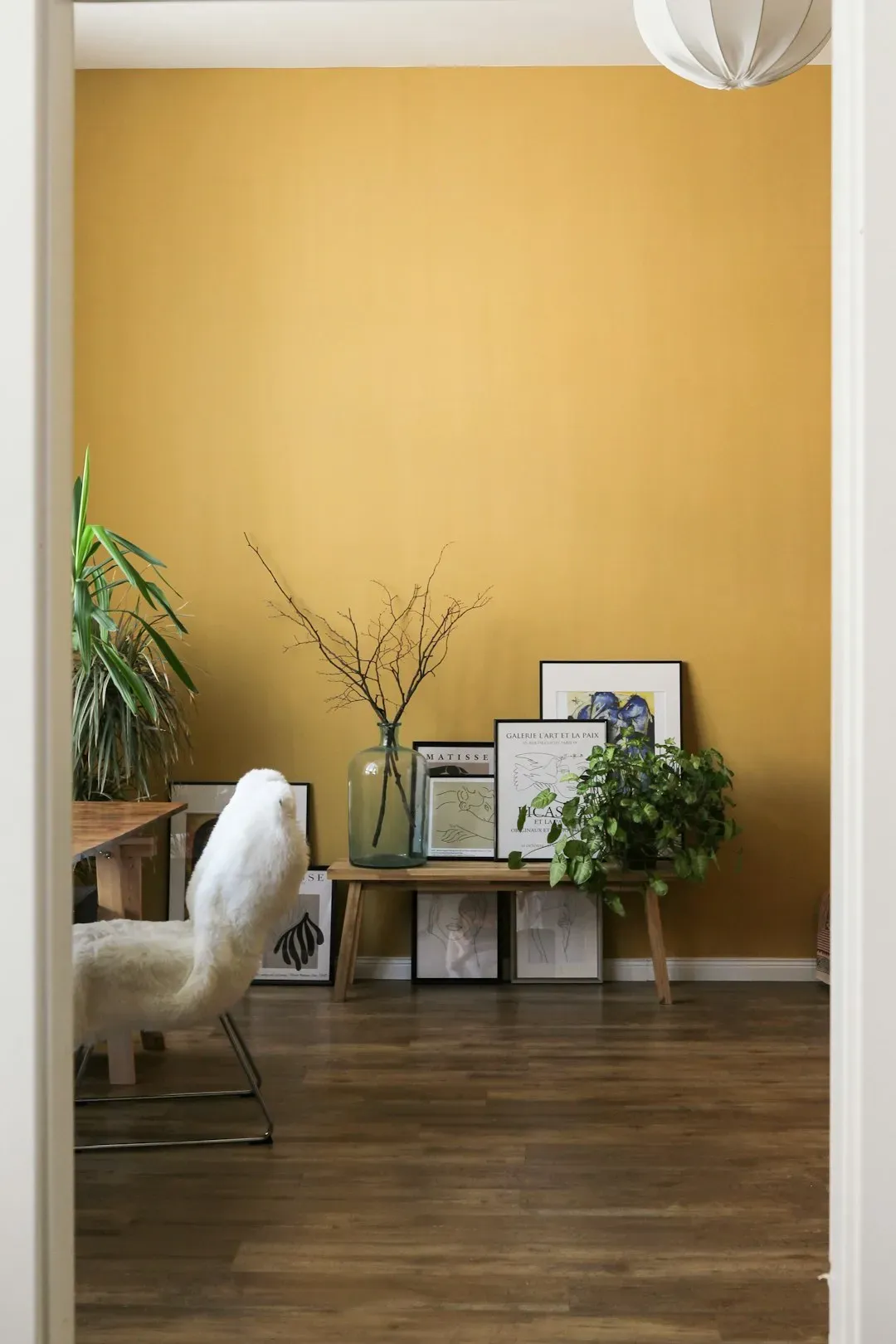
Yellow kitchens might feel sunny and cheerful to you, but buyers see something else entirely. Bright yellow kitchens sank sale prices of homes by $2,125, according to Zillow’s data. Offers are $3,032 lower for a home with a bright yellow living room, according to Zillow. We’re talking about real money here, not just subjective preferences.
Colors like red, lime green, and yellow can stress out potential home buyers, according to Fixr’s Paint and Color Trends Report 2024. The issue with bright yellow is similar to red: it overwhelms the senses. Kitchens should feel clean and functional, spaces where buyers imagine themselves preparing meals and gathering with family. A wall painted in daisy yellow or mustard tones immediately shifts focus from the room’s potential to its loud, distracting color.
What’s interesting is that not all yellows are created equal. Pale, soft yellows can actually work in certain contexts. The problem emerges with those bold, saturated shades that scream for attention. Buyers want a home that feels like a blank canvas, and bright yellow is basically the opposite of that.
Lime Green: The Number One Turnoff

If there’s one color that unites real estate professionals in collective horror, it’s lime green. When asked about the top off-putting color for buyers, 73% of experts agreed lime green was the worst. Lime green topped the list of worst interior paint colors for home buyers in 2025 at 73%. Nearly three quarters of staging experts say this is the color to avoid at all costs.
If you have this color in your home, you should paint over it – it’s neither neutral nor on-trend. The color sits in this awkward space where it’s too bold to be neutral yet not classic enough to have lasting appeal. Lime green might have had a brief moment years ago, but in the context of selling a home, it creates an immediate disconnect between the seller’s taste and what most buyers want to see.
The reality is that buyers walking through a home with lime green walls aren’t thinking about the beautiful hardwood floors or the updated fixtures. They’re mentally tallying up how much time and money it’ll take to cover up that aggressive shade. Bold colors can be overwhelming, limit buyer imagination, and make spaces feel smaller or outdated, and they distract from the home’s architecture.
Bold Pink: The Barbiecore Backlash
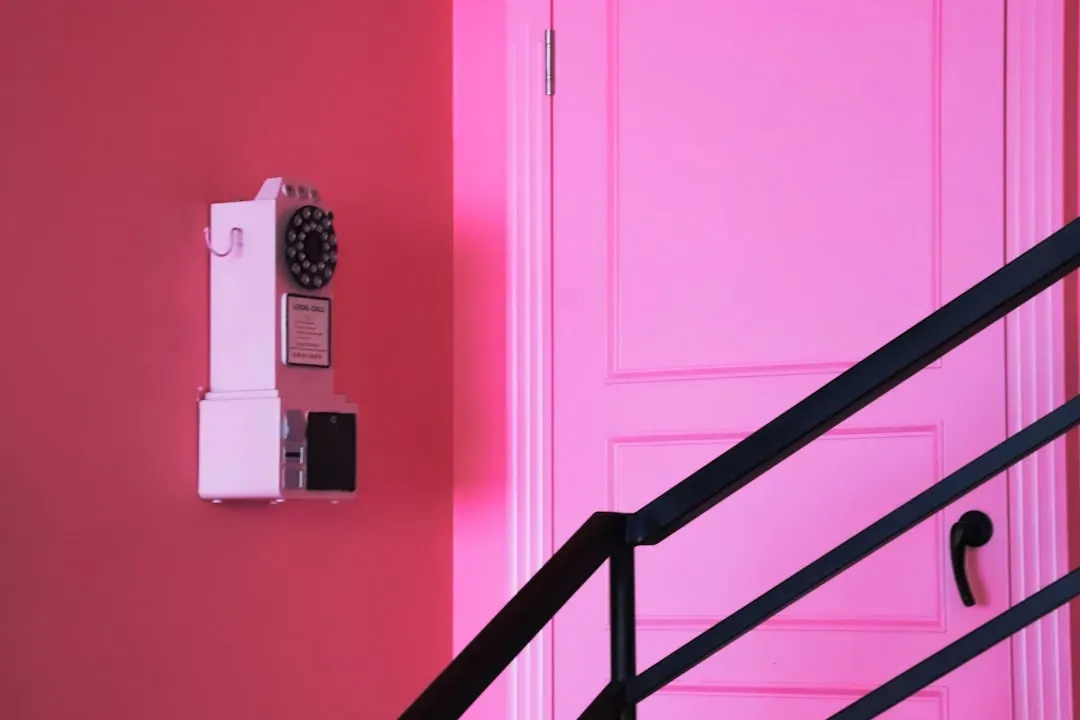
The second worst paint color was bold pink, chosen by 42% of design experts, and when showing a home, the hue can deter buyers from seeing past it. Bold pink came in at 42% as one of the worst interior paint colors for home buyers in 2025. Remember when Barbiecore was everywhere? Well, that trend doesn’t translate well to real estate.
While Barbiecore had its moment in the summer of 2023, the look can feel overwhelming to those hoping to envision their own design style in the space. Staging professionals point out that pink creates a very specific mood that most buyers simply can’t see themselves living with long term. It signals a highly personalized choice rather than a move in ready home.
What works for social media doesn’t always work for showings. Bold pink has had its moment, but when it comes to selling a home, it’s best left out of the equation; staging professionals say it distracts buyers from architectural features and can be hard to match with furniture or decor, and the goal is to create a blank canvas, not a Barbie dreamhouse. Buyers want to imagine their own style in the space, and bold pink makes that nearly impossible. They’re too busy reacting to the color to notice anything else about the room.
The Financial Reality Behind Paint Choices
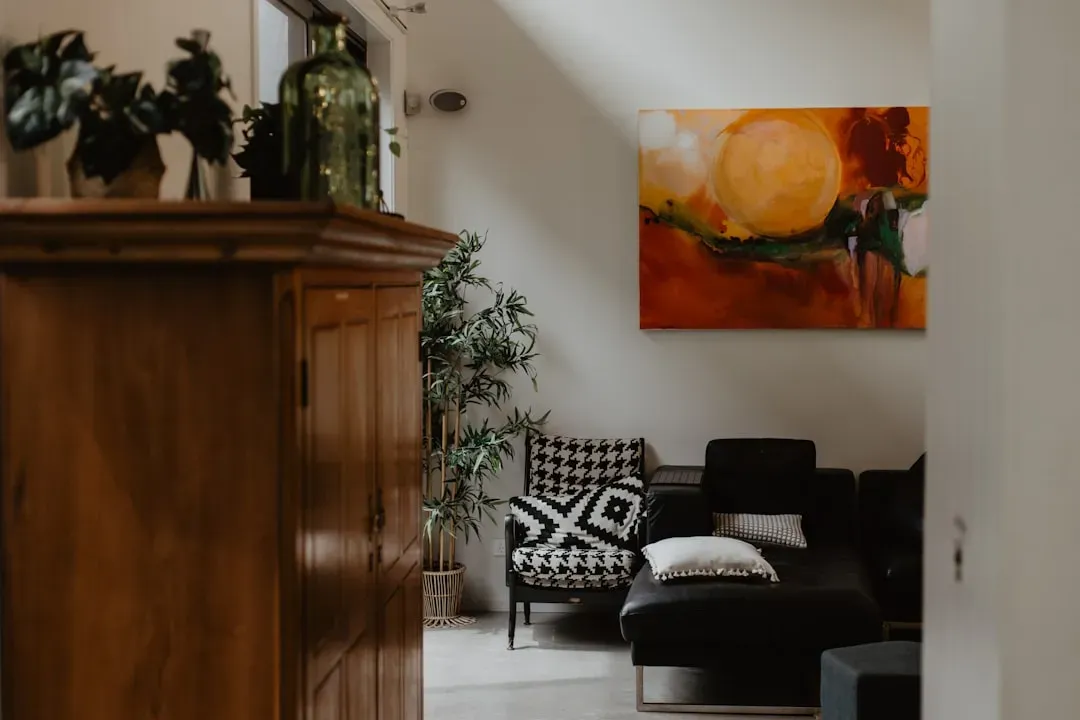
Let’s talk numbers for a moment. HomeLight’s Top Agent Insights Report for Summer 2023 explains that, on average, fresh paint adds an estimated $8,000 in resale value. That’s significant money just for choosing the right shade. Conversely, choosing the wrong paint colors could cost the typical U.S. homeowner more than $8,000 when it comes time to sell.
A 2023 Zillow study found that homes needing paint sold for 7% less than identical, freshly painted homes. Seven percent might not sound dramatic until you calculate what that means for a typical home. On a house valued at $400,000, we’re talking about $28,000 left on the table simply because of paint. That’s real money that could go toward your next down payment or moving expenses.
The solution? According to the Top Agent Insights Q1 2020 Report, 98% of agents believe that buyers gravitate towards neutral color schemes. In 2025, buyers are gravitating toward soft, warm white tones, according to 85% of experts surveyed. Warm neutrals, soft whites, greige, and light beiges create that coveted blank slate that lets buyers mentally move in before they’ve even made an offer. Did you expect paint to matter this much? Most sellers don’t, until they see the data.