8 Items You Can’t Put in a Moving Truck (But People Still Do)
Let’s be real here. When you’re packing up your entire life into boxes, it’s incredibly tempting to toss absolutely everything into that moving truck and call it a day. Who wants to deal with extra trips or special arrangements when you’ve already got a thousand other things on your mind? The problem is, professional moving companies aren’t just being difficult when they hand you that prohibited items list. Moving companies operate under strict federal regulations enforced by the Department of Transportation and Federal Motor Carrier Safety Administration, and there are solid safety reasons behind every single item on that no-go list.
Violating hazardous materials regulations can result in fines up to $75,000 per violation for the moving company. That’s serious money, which explains why movers get nervous about certain household goods. What might shock you, though, is just how many everyday items fall into the forbidden category. We’re talking about stuff sitting in your garage, under your kitchen sink, and maybe even in your bathroom cabinet right now.
Propane Tanks and Gas Canisters
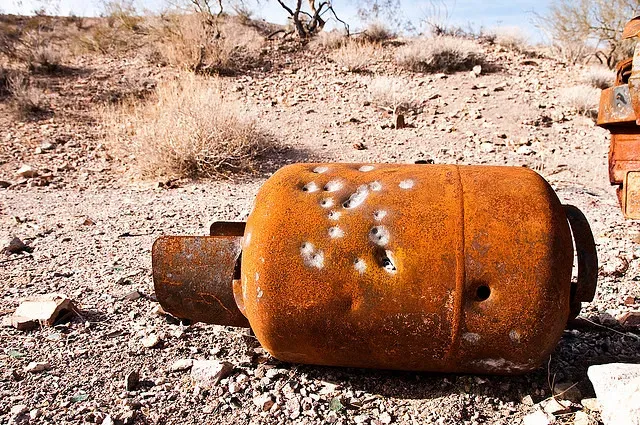
Here’s where a lot of people get tripped up. You’ve got that propane tank for your grill, maybe some camping fuel canisters, and you figure they’re mostly empty anyway, so what’s the harm? Propane tanks can explode in hot trucks, and moving trucks aren’t exactly known for their stellar climate control. According to the Consumer Product Safety Commission, there are roughly 600 propane tank explosions per year. Now think about that tank bouncing around in the back of a moving truck on a scorching summer day, surrounded by all your worldly possessions. Even a seemingly empty tank contains residual gas vapors that can ignite under the right conditions. The pressure inside these containers increases dramatically when temperatures rise, turning what you thought was harmless into a genuine hazard.
Household Cleaning Products
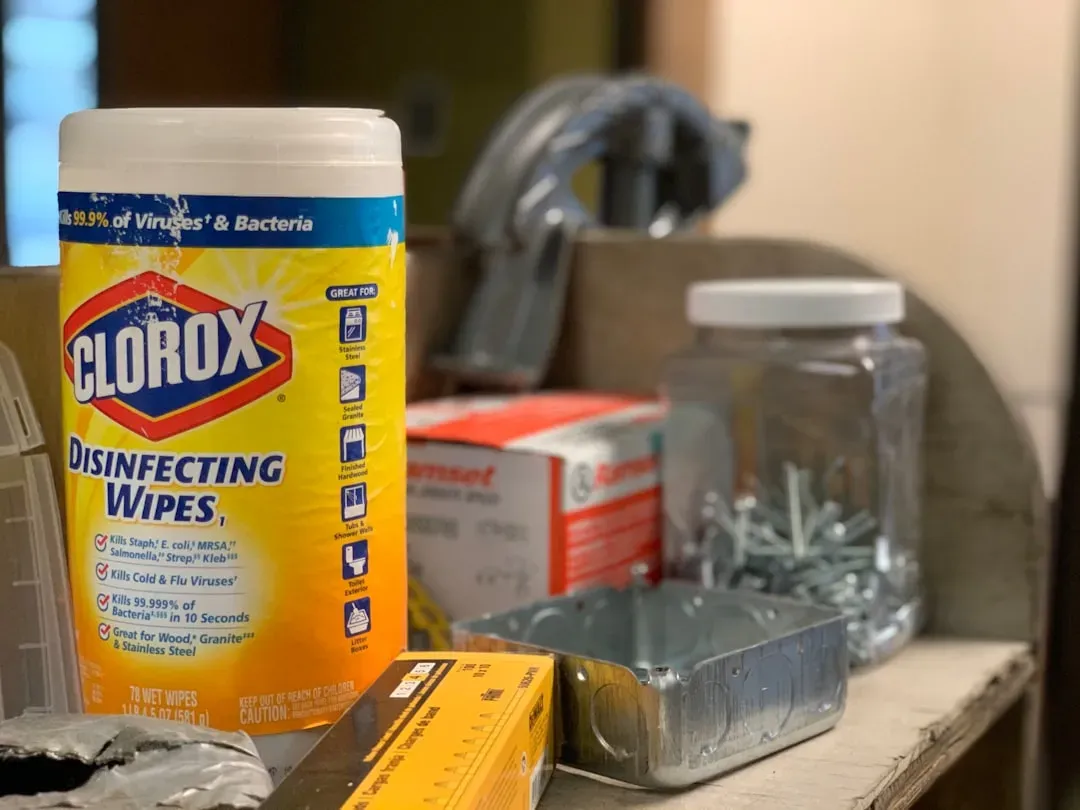
Movers will not move opened or partially used cleaning supplies because they contain hazardous chemicals that could leak, corrode, or combust during transport. That bleach under your sink? The drain cleaner you bought three months ago? All forbidden. Drain cleaners, oven cleaners, bleach in large quantities, and fertilizers are examples, and even seemingly harmless items can become hazards when mixed unintentionally during transit or shift in the truck. One leaking bottle can destroy multiple boxes of belongings, and if certain chemicals mix together, you could be looking at toxic fumes or even chemical reactions. People often don’t realize that these everyday products are classified as corrosive or flammable materials under transportation regulations. Your best bet is to use up what you’ve got before moving day, or pass them along to neighbors who can actually use them.
Lithium Batteries and High-Capacity Power Sources
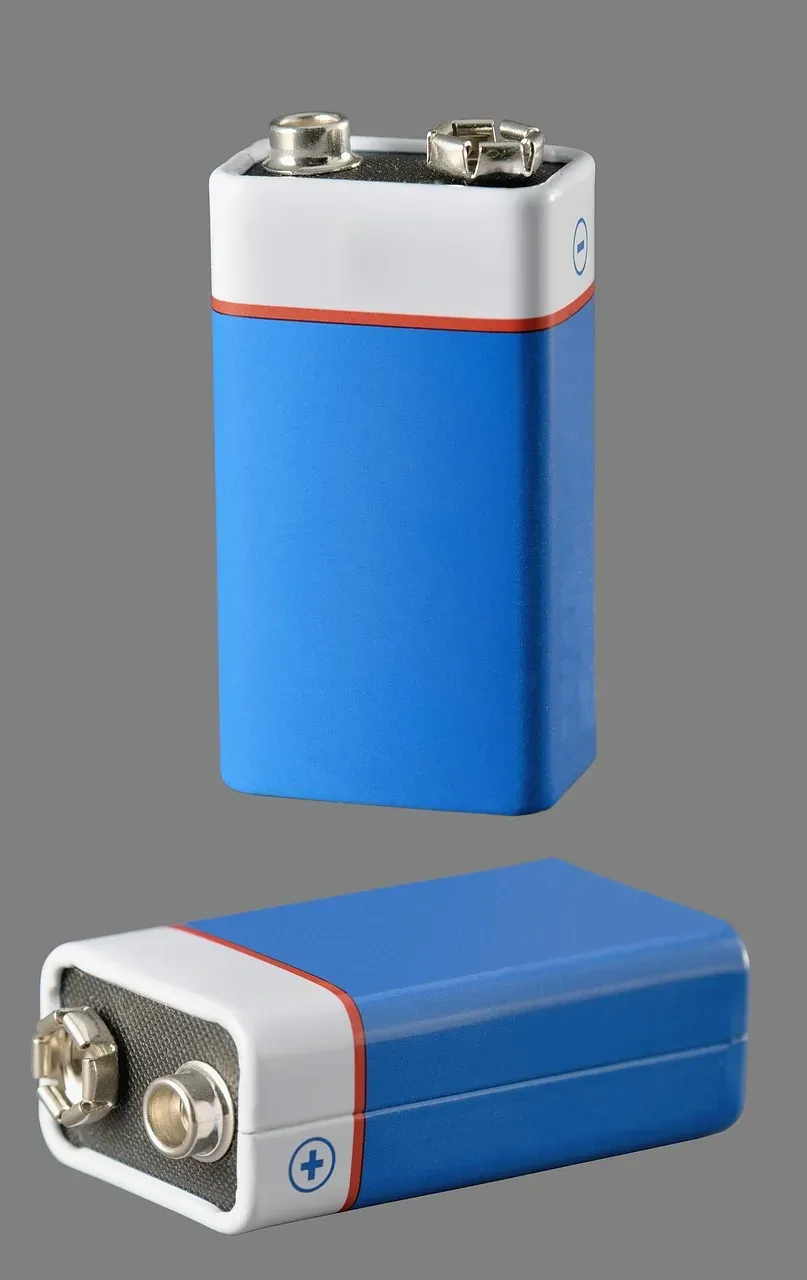
This one catches people off guard because we’re so used to batteries being everywhere. High-voltage lithium batteries are prohibited on moving trucks due to thermal runaway risk, including e-bike batteries, power tool battery packs, hoverboard batteries, and portable power stations. Lithium battery fires burn at extreme temperatures over 1,000 degrees Fahrenheit, hot enough to melt metal truck components, and cannot be easily extinguished. Standard electronics with built-in batteries like your laptop or phone are generally fine, but those removable high-capacity batteries are a different story entirely. The problem is thermal runaway, which is basically a chain reaction where the battery overheats and catches fire. Once that starts, it spreads rapidly and releases toxic gases that are seriously harmful to anyone nearby.
Paints, Solvents, and Similar Materials
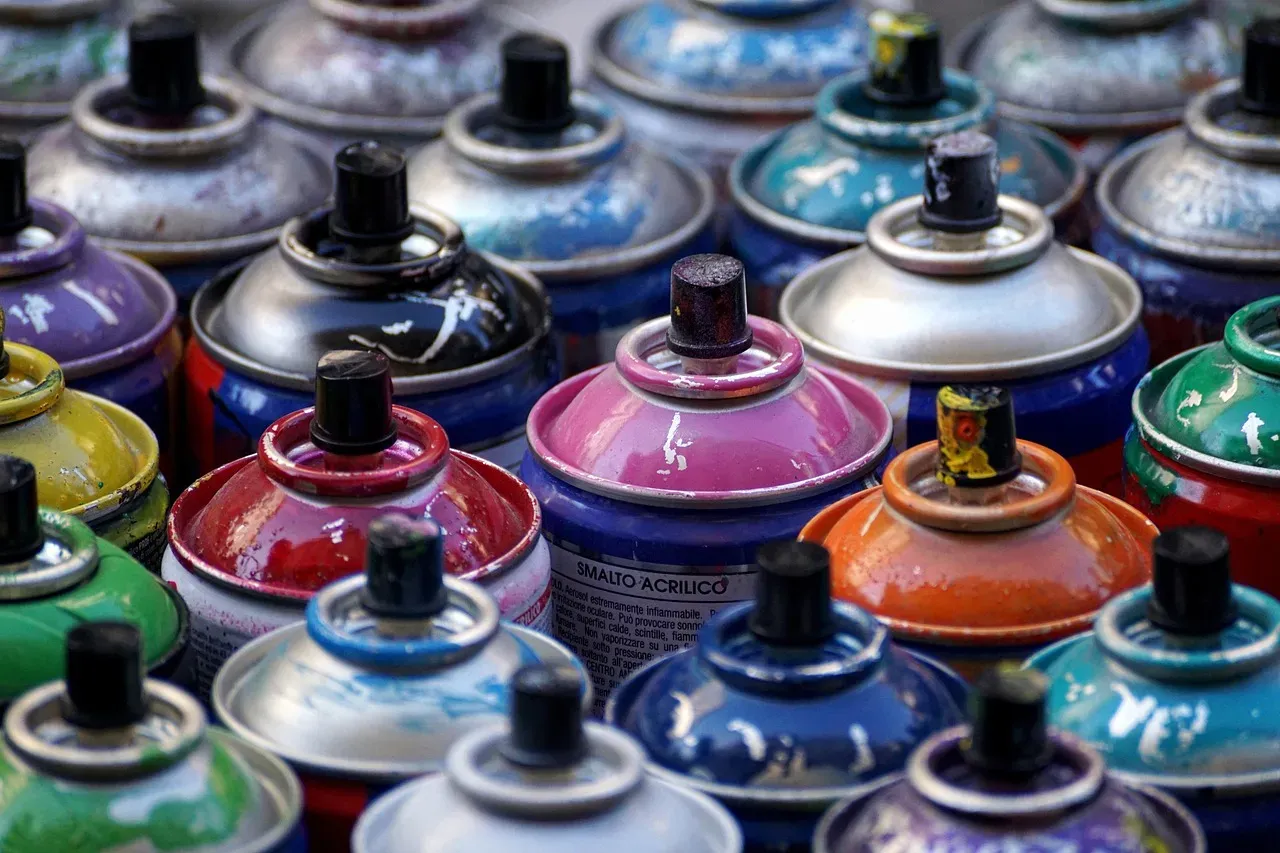
Got half-used paint cans from that bedroom makeover sitting in your garage? Yeah, those aren’t going on the truck either. Paints, paint thinners, varnishes, and similar products are classified as flammable or toxic materials. They contain volatile organic compounds that can ignite or release harmful fumes, especially in the enclosed, unventilated space of a moving truck. The temperature fluctuations during transport make these materials even more unpredictable. Many cities run hazardous waste drop off events which is safer than packing paint in a truck that will travel hundreds of miles. Professional movers simply won’t risk it, and honestly, it makes sense when you think about what could happen if those containers rupture and spill all over your furniture and boxes.
Houseplants and Living Organisms

Movers can transport houseplants on local moves under 150 miles, but cannot move them on long-distance or interstate relocations, as plants are living organisms that cannot survive extended time in dark, temperature-uncontrolled moving trucks. Many states have agricultural restrictions prohibiting plant transport across state lines to prevent invasive species and pest transmission. People get genuinely upset about this one because they’ve nurtured those plants for years. The reality is that plants harbor insects, soil contains pests, and states take agricultural biosecurity incredibly seriously. Live plants and soil can harbor harmful insects, eggs, and larvae that can infest the van and your items, and can significantly damage crops in states where they’re not native. If you’re moving long distance, you’ll need to transport plants in your personal vehicle where you can control temperature and light exposure.
Perishable Food Items

Movers won’t generally take perishable foods because the environment on the truck won’t keep the food fresh, and food that melts or spoils during transit could cause odor and damage to the truck and its contents. That casserole in your fridge, the frozen pizzas, the milk and eggs – all of it needs to go. Moving trucks aren’t refrigerated, and food spoils incredibly quickly in those conditions. As food spoils, it may also attract insects that could infest other items on the truck, such as your clothing, furniture and bedding. Non-perishable items like canned goods are usually acceptable, but honestly, when you think about the cost of shipping versus just replacing those items at your destination, it often makes more financial sense to donate or toss them anyway.
Ammunition and Firearms

This is a tricky area because regulations vary significantly by state and by moving company. Though ammunition is universally excluded, many moving companies will ship unloaded firearms, and some will also move secure gun safes. A dizzying number of state and national laws dictate how guns may be shipped. Ammunition is the absolute no-go item here because of the obvious explosion risk. If you’re transporting firearms, you’ll need to declare them in advance, verify they’re unloaded, lock them properly, and be prepared to provide documentation. Most people find it easier to transport these items personally in their own vehicle where they maintain complete control and can ensure compliance with all relevant laws.
Pressurized Containers and Aerosols
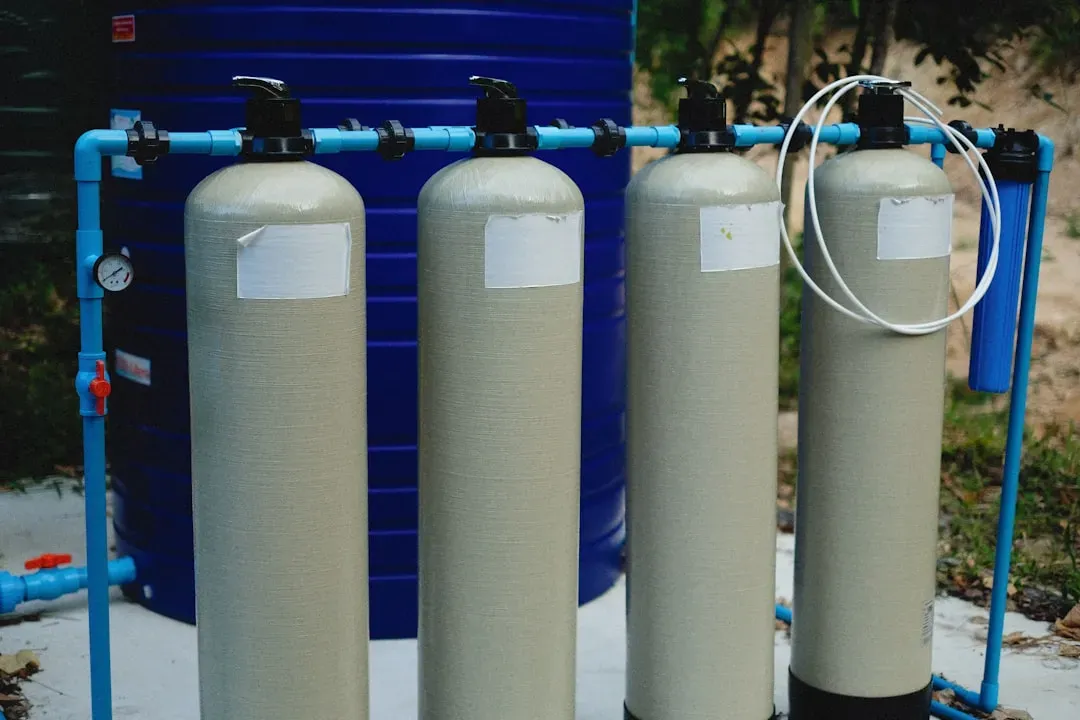
Fire extinguishers, oxygen tanks, scuba tanks, aerosol cans – basically anything under pressure is prohibited. Fireworks and contents under pressure like oxygen tanks or fire extinguishers run the risk of exploding during transport, and these items are too dangerous to pack into your moving truck. In a collision, there’s no way movers can be certain aerosol cans, scuba tanks, or fire extinguishers won’t rupture, and a hard turn or unexpected bump can cause items to shift and possibly cause a puncture, and it doesn’t matter if you’ve emptied your scuba and propane tanks. Even empty pressurized containers pose risks because residual pressure remains. The confined space of a moving truck combined with temperature changes creates the perfect storm for pressure-related incidents.
Moving is stressful enough without adding preventable disasters to the mix. Taking time now to properly identify and handle prohibited items saves you from potential catastrophe down the road. Did you realize just how many everyday household items were actually forbidden on moving trucks?