The Tree Law Trap: How Cutting One Branch Can End in a Lawsuit
You might think trimming a few branches off a tree is no big deal. Maybe it’s blocking your view, dropping leaves in your pool, or just annoying you every time you look out the window. It seems simple enough. Just grab the saw and solve the problem yourself.
Here’s what most people don’t realize: cutting that branch could cost you more than your annual salary, trigger triple damages, and land you in a years-long legal nightmare. Tree law is one of those hidden legal landmines that catches regular homeowners completely off guard. The consequences can be shockingly severe.
When One Cut Becomes a Million-Dollar Problem
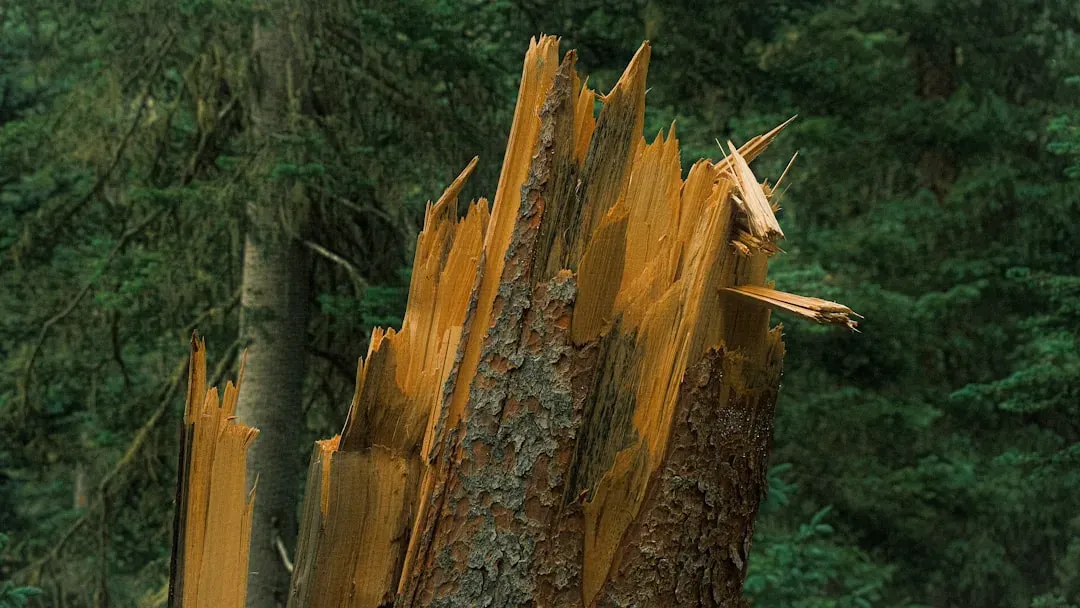
A Menemsha resident sued neighbors for alleged illegal tree cutting and agreed upon a settlement worth two and a half million dollars. Around 136 trees, including beech, oak, and locust trees, were chopped down to enhance water views. Estimated restoration costs reached as much as three point six three million dollars. The financial devastation from a seemingly straightforward tree removal decision shocked even legal observers.
In August 2012, a California Court of Appeal upheld an award of double damages for cutting down a boundary line tree, totaling over 107,000 dollars. Rather than going to court to resolve the dispute, one neighbor simply hired a contractor and had the tree completely cut down. That impulsive decision transformed what could have been a mediation into a six-figure judgment. The costs spiraled far beyond what anyone anticipated.
The Treble Damages Trap
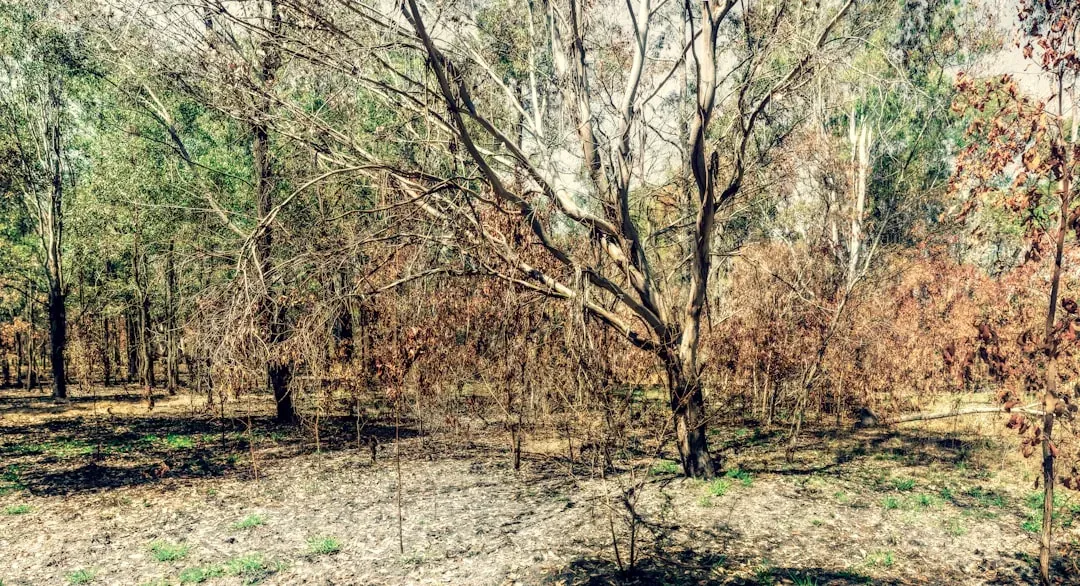
Under New Hampshire law, tree owners must be awarded damages equal to the market value of trees, multiplied by a factor of at least 3 and not more than 10. This legal mechanism isn’t just punitive. It’s designed to protect trees as valuable community assets and deter careless destruction.
Under Washington law, harming or destroying a boundary tree can come with treble damages, meaning you’ll owe three times the tree’s monetary value plus any associated emotional distress. Many states have similar provisions. North Carolina law mandates triple the value of wood, timber, shrubs or trees injured, cut or removed without consent.
Let’s be real, most people have no idea these multipliers even exist. You think you’re just dealing with the cost of a replacement tree. Then you discover the court can multiply that base value several times over, plus tack on attorney fees, restoration costs, and other damages.
How Courts Calculate What Your Mistake Will Cost
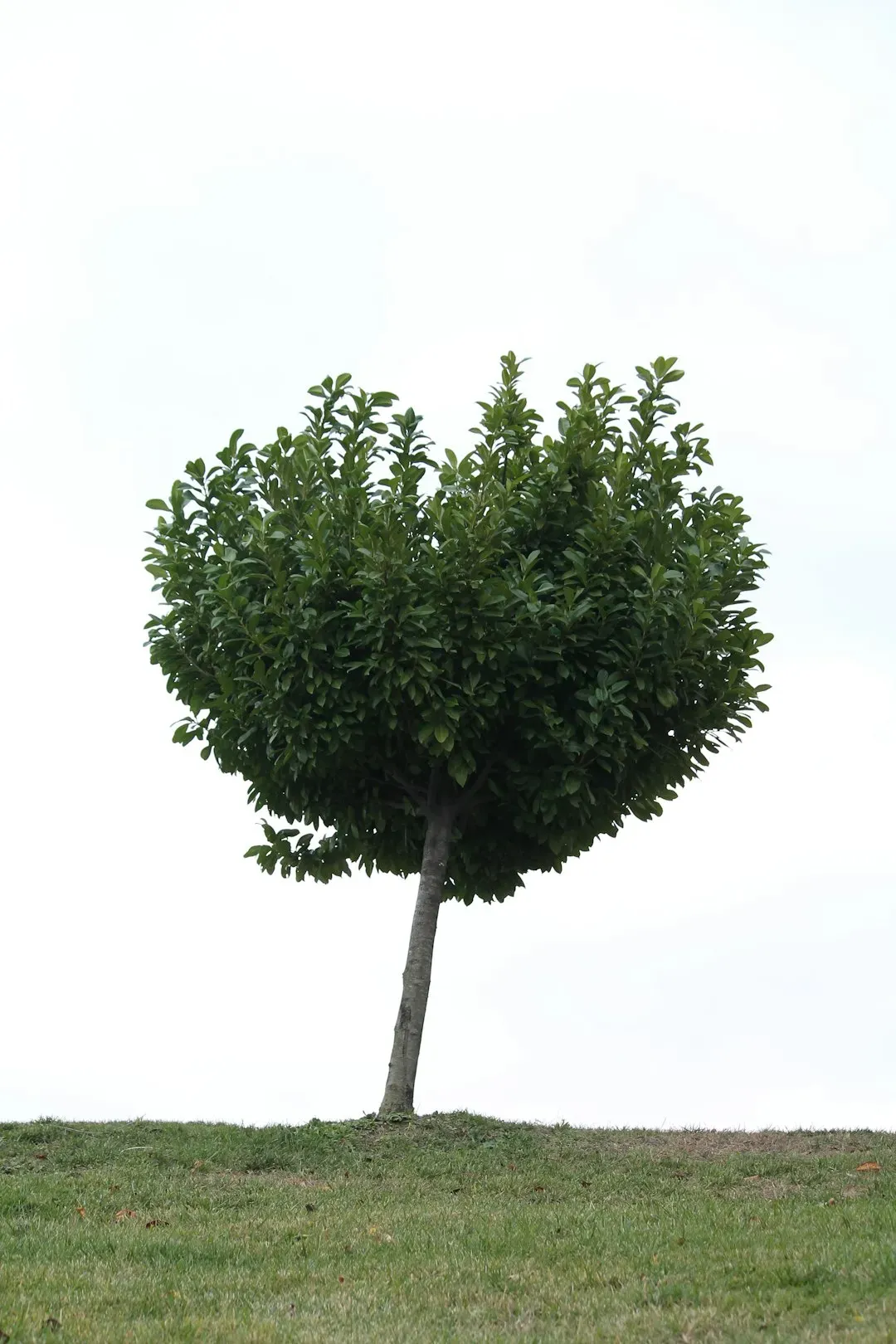
The Council of Tree and Landscape Appraisers distributes guidelines accepted by professionals in landscape and legal professions, using a formula that accounts for base value, cross-sectional area, species class, condition class, and location class. The calculation is more sophisticated than most people expect. Tree appraisers don’t just eyeball it.
Oak trees may be worth almost ten times red pine or hemlock trees, with white pine trees somewhere in between. Species matters enormously. That old oak shading your neighbor’s deck could be valued at tens of thousands of dollars before any damage multipliers kick in.
In reality, one Arkansas case involved more than 44,000 dollars worth of trees on a property. The plaintiffs won over six thousand dollars, which included cleanup cost, tree stump value, and home price devaluation. Even when courts don’t award the full replacement value, the financial hit can still be substantial.
The Boundary Tree Minefield
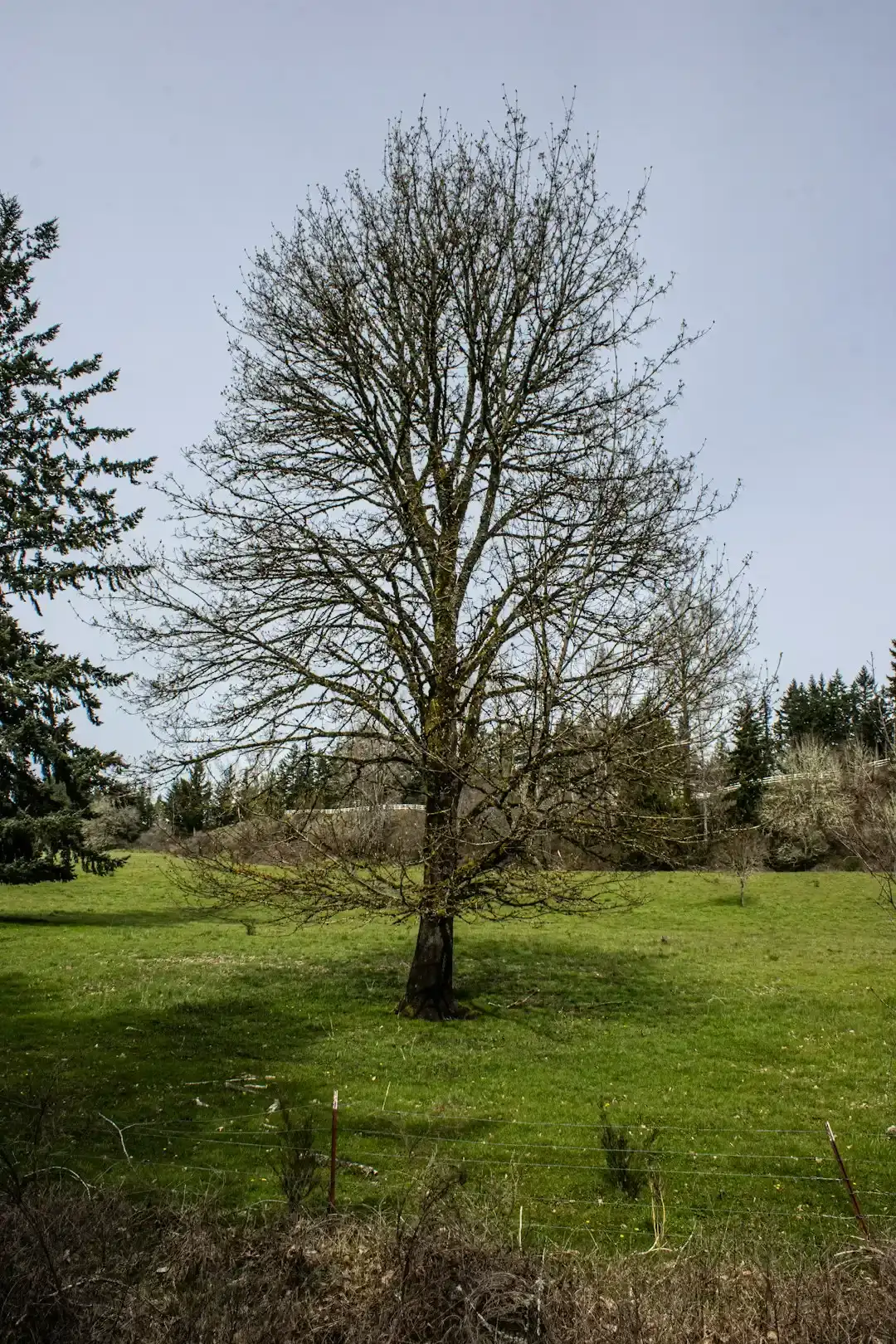
With respect to a boundary tree, both adjoining property owners own that tree as common property, and if one of those owners cuts down, destroys, or damages the tree without consent, this will constitute a timber trespass. This concept catches people by surprise constantly. You assume the tree on your side belongs to you, but if the trunk crosses the property line, you’re a co-owner.
If you have a tree on your neighbor’s property and branches extend onto yours, you can trim those branches, even if it damages the tree, but if it’s a boundary tree straddling the line, cutting branches or roots that causes the tree to die makes you liable for damages. The distinction seems technical until you’re facing a lawsuit. Honestly, the law here feels almost like a trap for the unwary.
If any part of the trunk crosses the border at ground level, it’s a jointly owned tree, and five inches of trunk crossing the border was enough to give one side veto power. You can’t unilaterally remove or significantly harm a shared tree. Both owners must agree.
What You Can Actually Do Without Getting Sued
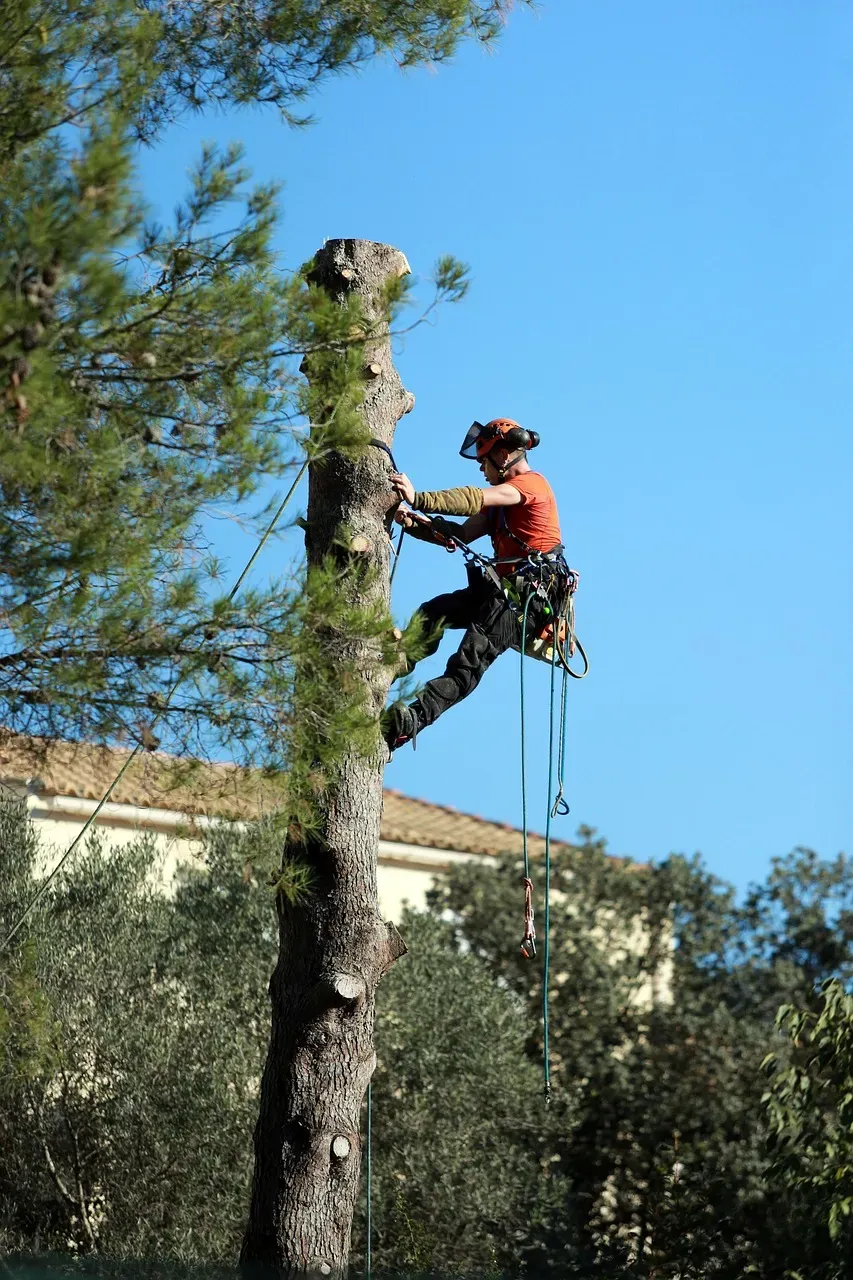
In every state, a common-law right exists that allows a property owner to cut branches and roots of a neighboring tree invading their property, with the rationale that neighbors should work to solve problems together rather than jumping into lawsuits. Self-help isn’t completely off the table. You do have some rights.
You cannot injure the tree when trimming. You must first warn the tree owner prior to commencing work, you may not go onto the neighbor’s property to prune, and you cannot cut the entire tree down, destroy structural integrity, or ruin cosmetic symmetry by improper trimming. The boundaries of acceptable action are narrower than most people think.
If trimming seriously injures your tree, your neighbor will be liable to you for the damage done. Even when you have the legal right to trim, you’re still on the hook if your actions harm the tree’s health. Hire a professional arborist. Get advice. Don’t wing it with a chainsaw on a Saturday afternoon.
Did you expect that trimming one branch could spiral into such a costly legal disaster? The smarter move is always communication first, professional assessment second, and legal action only as a last resort.