12 Home Features Rapidly Losing Appeal as Buyer Anxiety Rises
Housing affordability is pushing buyers to reevaluate what they truly need in a home. The cost of owning a home now, when adjusted for inflation, is at its highest point in decades, creating a challenging environment for both first-time buyers and those looking to move up the property ladder. Record-setting home prices, elevated mortgage rates, rising property taxes and increased insurance costs have left many homeowners stretched thin. Meanwhile, something interesting is happening beneath the surface. Once-coveted home amenities are quietly falling from favor.
As economic pressure mounts and priorities shift, features that dominated wish lists just a few years ago now sit in the crosshairs of changing buyer sentiment. This isn’t speculation. Recent industry data reveals clear patterns about which home features are being actively downgraded or outright rejected.
Formal Dining Rooms Are Fading Fast
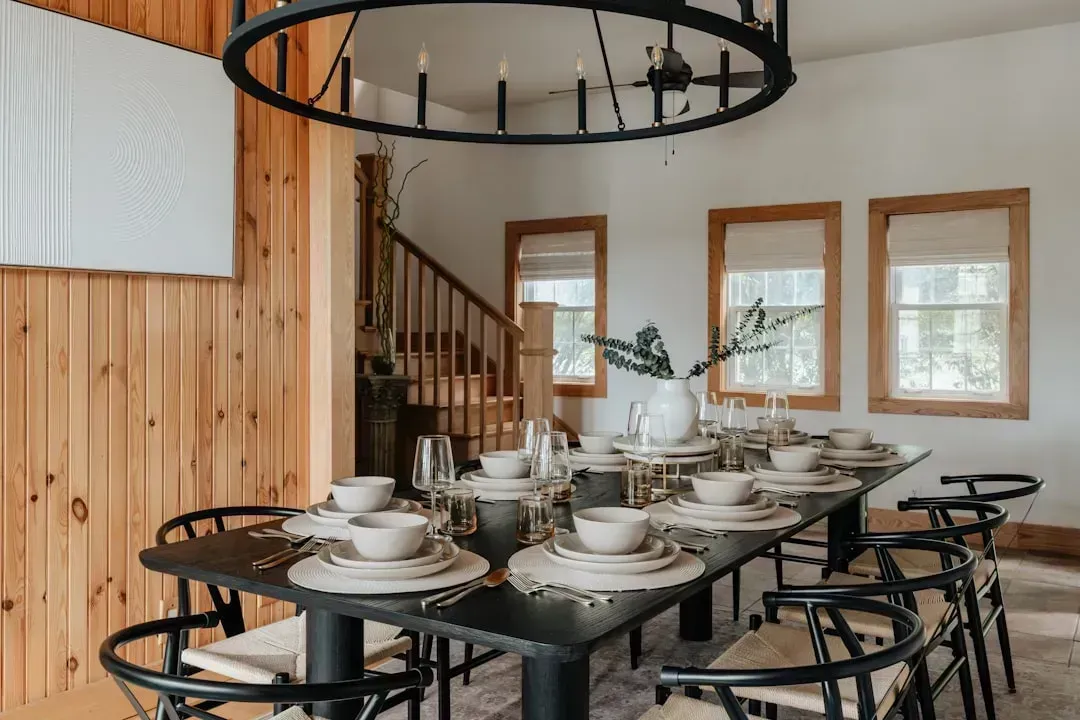
A trend report released by Realtor.com in late 2025 revealed that listings featuring formal dining rooms with built-ins saw a 25.3 percent year-over-year decline, signaling a massive drop in buyer interest. The numbers don’t lie here. What was once considered essential for entertaining has become a relic of a different lifestyle altogether.
People are choosing multifunctional layouts over stiff, traditional floor plans. Interior designers are promoting separate rooms as a hot design trend for 2024, with formal dining rooms and separate living rooms coming back, though the market data tells a more nuanced story. Honestly, most families prefer a casual eat-in kitchen or an open concept that allows them to repurpose square footage.
Granite Countertops Hit Rock Bottom
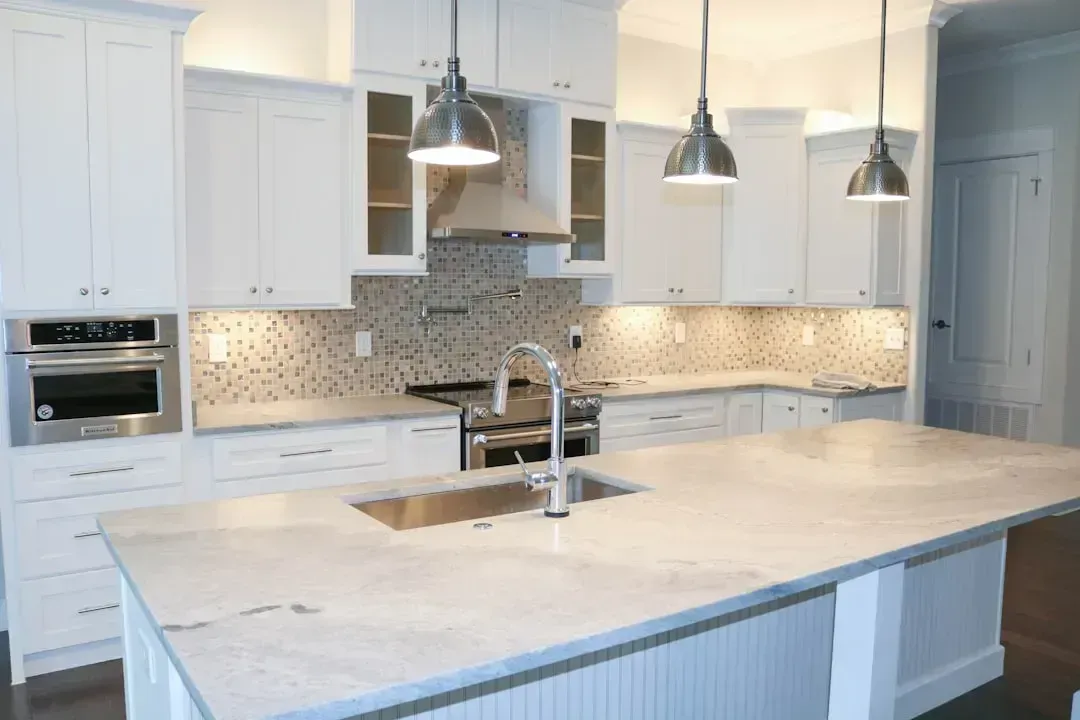
Granite was the undisputed king of kitchen renovations for decades, but its reign has officially ended, with buyers now rejecting the busy, speckled look of granite in favor of cleaner, lower-maintenance materials that fit modern aesthetics. It’s hard to say for sure, but the maintenance factor probably played a huge role.
The requirement to seal natural stone annually is a chore that today’s low-maintenance homeowner is happy to leave behind. The National Kitchen and Bath Association’s 2026 forecast reported that 78 percent of professionals now favor quartz for its durability and consistency. Buyers want something practical, not something that creates another task on the weekend to-do list.
Wall-to-Wall Carpeting Gets the Boot
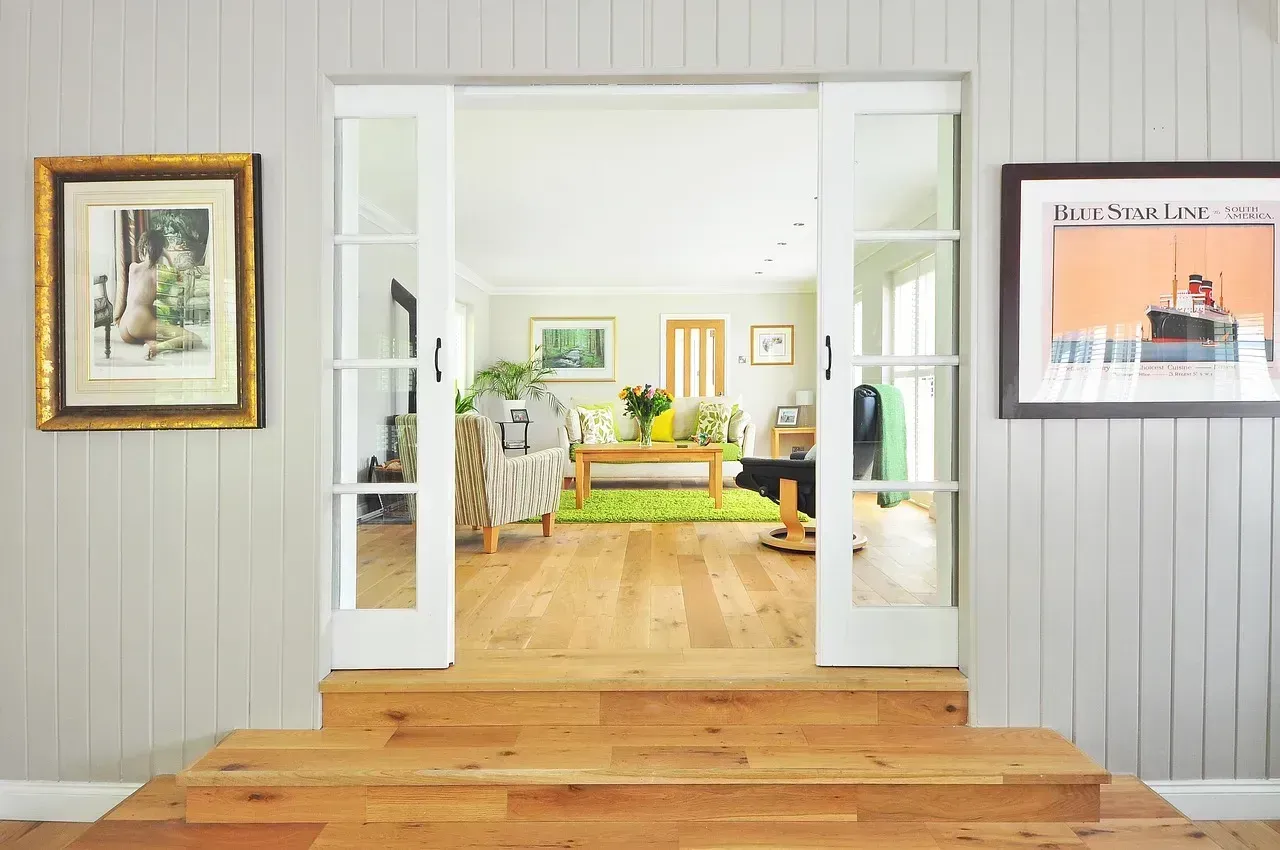
The shift away from carpeting has become undeniable. Fifty-four percent of homebuyers said they’d pay more for a house with hardwood floors. From a statistical standpoint, the carpet category fell a manageable 4.1% to $7.15 billion in 2024 while volume was down 4.2%, though this represented improvements over the previous year.
Let’s be real, carpet just doesn’t align with modern lifestyle demands. Seventy percent of respondents prioritize durability and ease of maintenance, with 68% in the USA and the UK favoring hardwood and luxury vinyl flooring for their longevity and low upkeep. Allergens, pet stains, and the general hassle of deep cleaning have buyers scrolling past listings with plush bedroom carpets. Hard surfaces win in nearly every category that matters today.
Bathtubs Are Draining Away
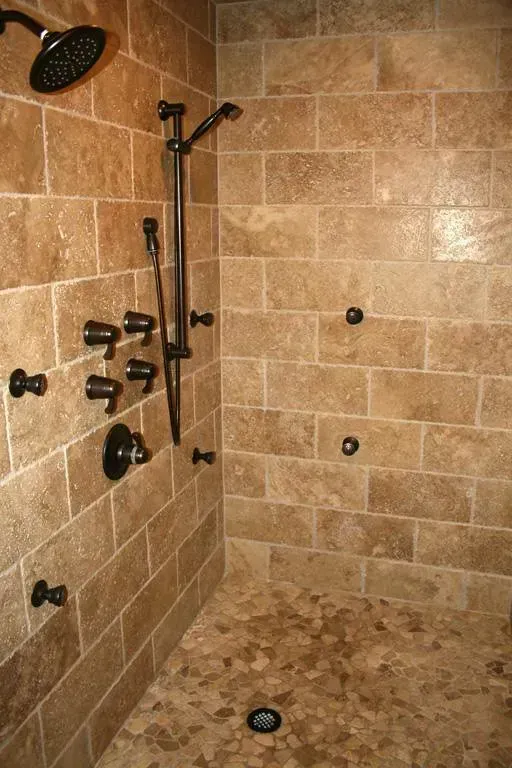
A 2025 report from Houghton Contracting highlights that bathroom remodels focusing on walk-in showers and water efficiency are generating an ROI of 60 to 70 percent, outperforming the installation of large soaking tubs. Think about it. How often do most people actually take baths? The fantasy of soaking in a tub rarely matches the reality of quick morning showers.
This shift is partly driven by the practical needs of aging homeowners and the desire for streamlined cleaning, with buyers voting with their wallets for accessibility and speed over occasional relaxation. Universal design isn’t just a buzzword anymore. It’s becoming standard, and that massive jetted tub is looking increasingly like wasted square footage.
Open Floor Plans Lose Their Openness
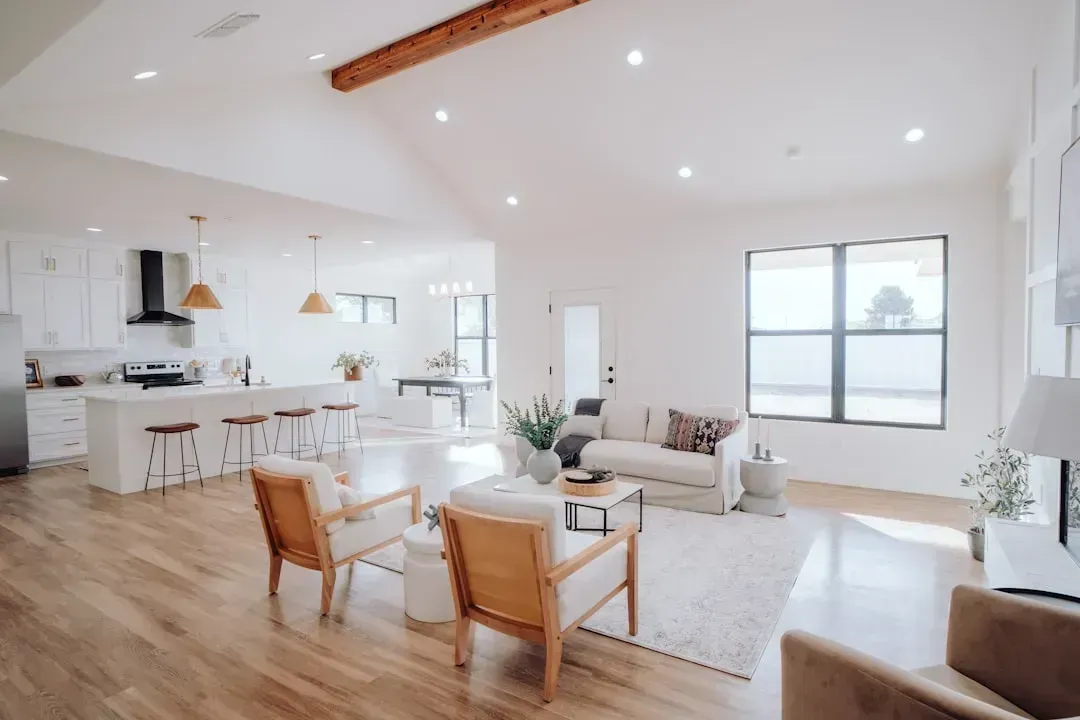
Here’s the thing. Open concepts dominated for years, but the 2020 pandemic changed everything. The pandemic and the rise of remote work influenced the kind of homes buyers seek, as during lockdowns, open spaces granted less privacy and families sought privacy in separate spaces, with the benefits of having separate rooms leaving its imprint on interior design trends.
The biggest criticisms of open floor plans have been noise and lack of privacy, with the inability to shut the door becoming a practical necessity, particularly in households where work-from-home is the lifestyle. Yet the picture isn’t completely black and white. Experts note the open floor plan is still the most preferred option by buyers and renters looking for their next place. What’s emerging is a hybrid solution, spaces that feel connected but offer the ability to close off zones when needed.
Double Ovens Get Downsized
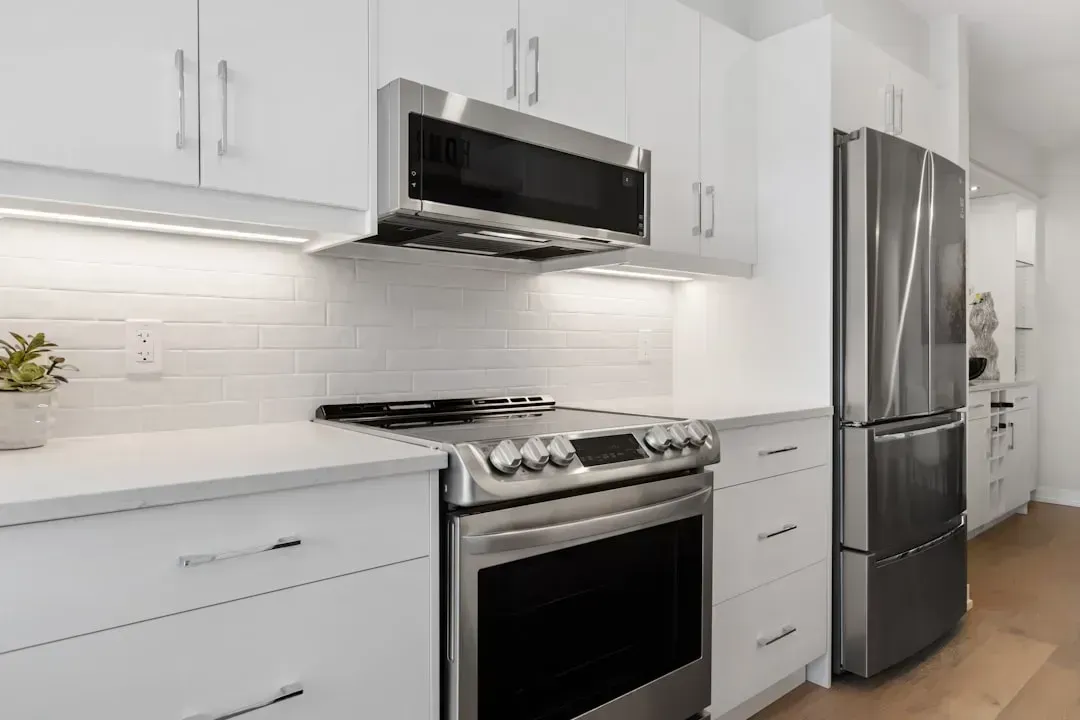
The prestige of the double oven is fading as kitchen technology advances and cooking habits change, with sacrificing cabinet space for a second oven used only twice a year no longer making sense unless a buyer frequently hosts massive holiday dinners. I know it sounds crazy, but that second oven becomes a status symbol nobody actually uses.
Countertop air fryers and multifunctional smart appliances have rendered the second wall oven largely obsolete for the average American family. Kitchen real estate is precious, and buyers in 2026 are prioritizing pantry space and coffee bars over redundant cooking capacity. Function matters more than flex in today’s market.
Dark Wood Finishes Darken Property Values
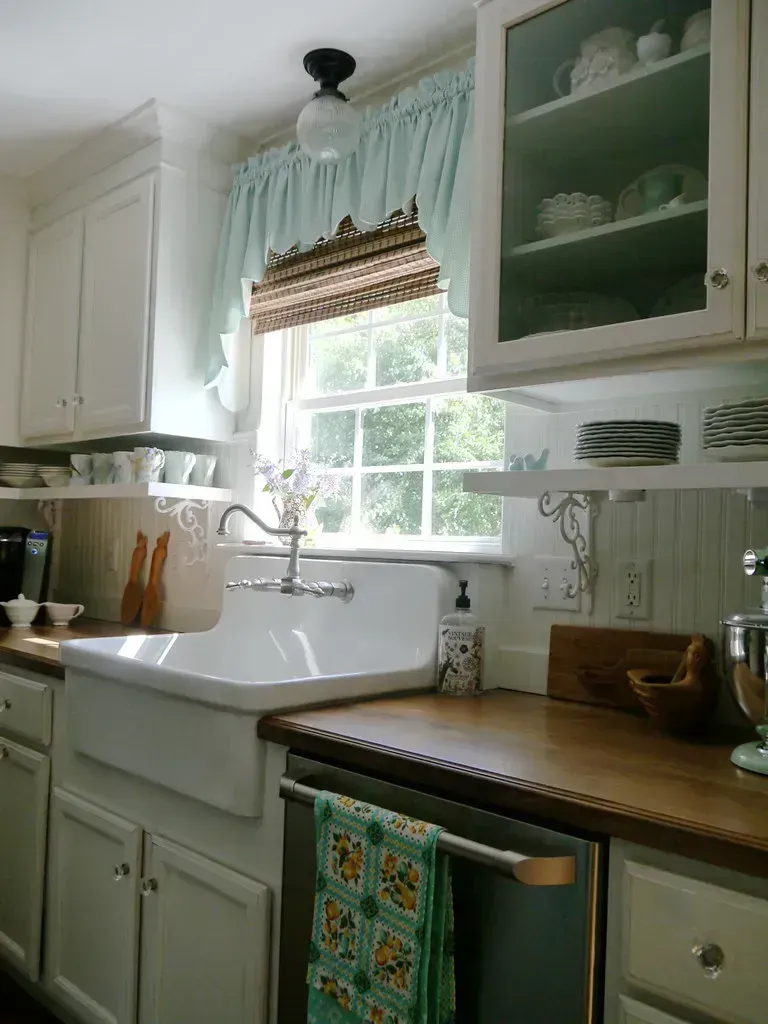
Dark or heavy wood finishes, once a staple in many homes, are becoming less desirable to today’s buyers, as these finishes tend to make kitchens and other spaces feel smaller, more cramped, and less inviting, with dark cabinetry absorbing light and making areas feel dull. The visual impact is genuinely significant.
As home buyers increasingly prefer bright, open spaces, dark wood finishes may lead to a 3-5% reduction in property value. Lighter, airier aesthetics are what’s moving homes off the market faster. Natural wood tones and painted cabinetry in whites and grays reflect light and give smaller spaces breathing room, which is what buyers crave right now.
Outdated Wallpaper Sticks Around Too Long
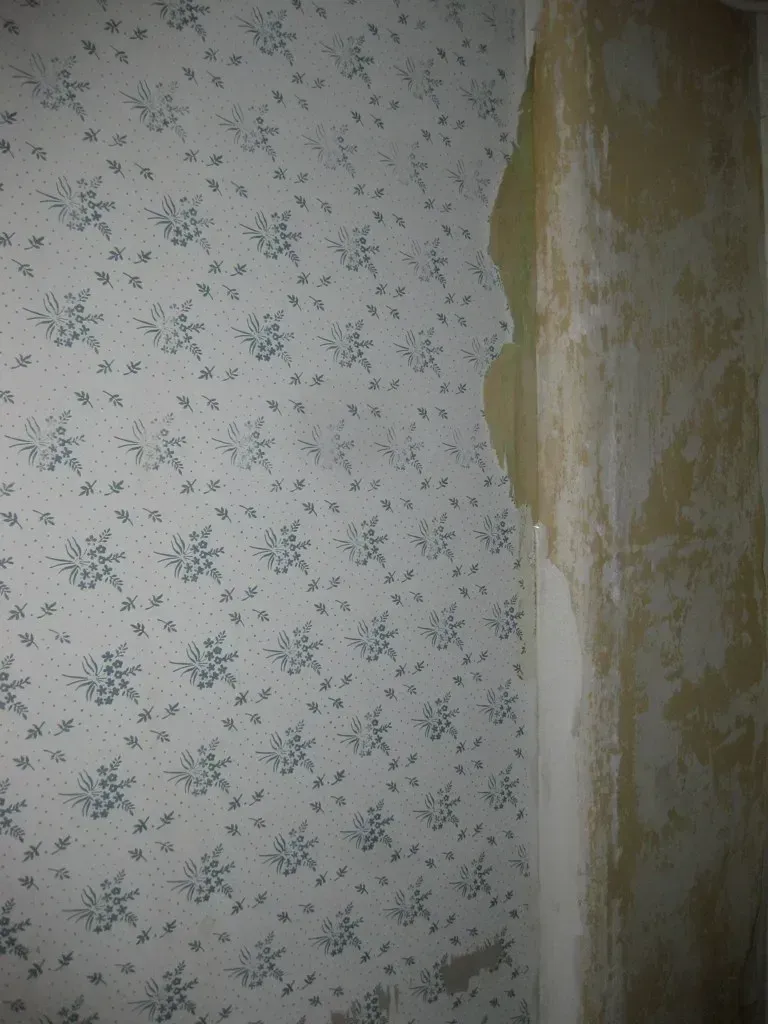
According to a 2025 market analysis from Vancouver Home Hub, homes with outdated or damaged wallpaper can deter buyers, while removing it and applying fresh paint significantly improves buyer perception and offers a strong return on investment. There’s something about wallpaper that instantly dates a home, even when it’s not technically old.
The financial data support hesitation about wallpaper, as removing old wallpaper is increasingly viewed as a necessary step to protect home value, with smart sellers stripping the paper themselves to avoid losing thousands at the closing table. Neutral paint is safer, more affordable to update, and appeals to the broadest pool of buyers. Honestly, patterned walls narrow your audience before they even walk through the door.
Oversized Homes Shrink in Demand
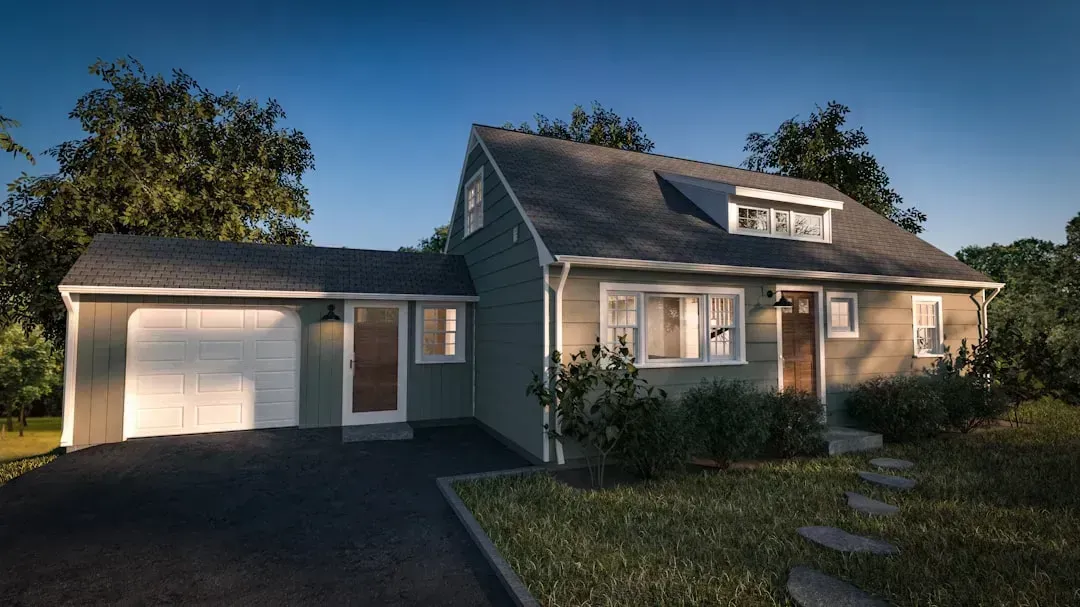
The average size of a new home continues to inch smaller, dropping from 2,479 square feet in 2022 to 2,411 square feet in 2023, the smallest average size in 13 years. Home buyers are looking for homes around 2,070 square feet, compared to 2,260 twenty years ago. Economics are driving this shift hard.
Builders are acting on this trend, with 38% indicating they built smaller homes in 2023 to help support home sales and 26% indicating they plan to build even smaller in 2024. With rising costs for utilities, maintenance, insurance and property taxes, the total costs for homeownership are far more than just mortgage principal and interest payments alone, with these extra costs for a single-family home adding an average $21,400 per year, up 18% from just one year ago. McMansions are becoming financial albatrosses that drain monthly budgets through heating, cooling, and upkeep.
Pool Houses Make Smaller Splashes
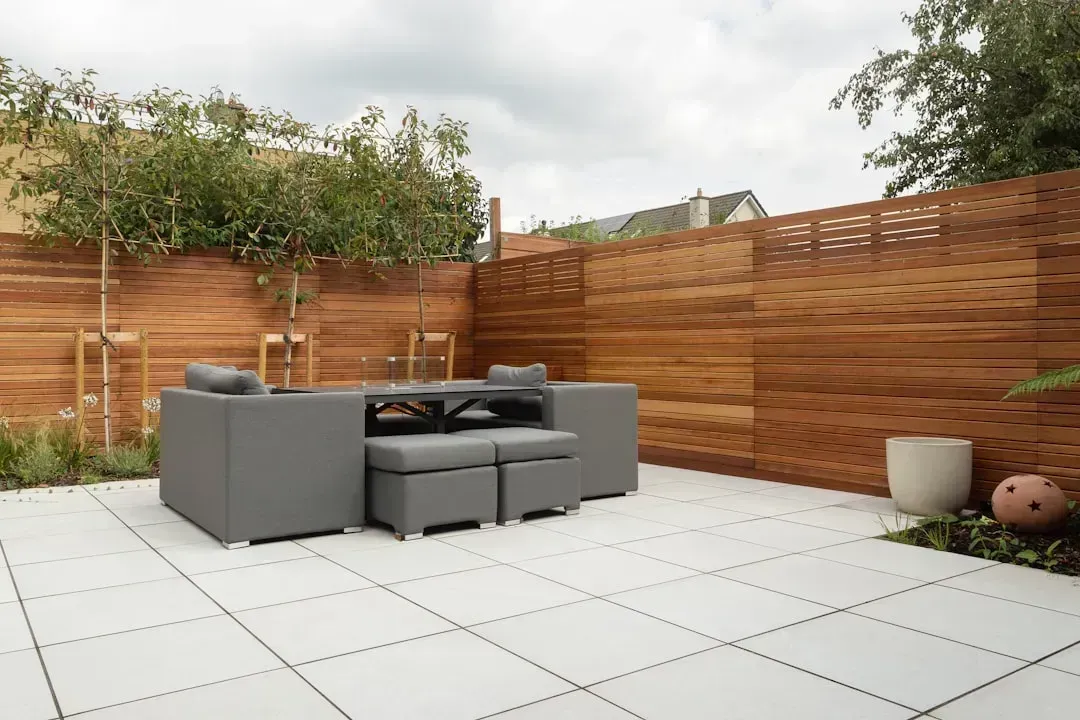
Swimming pools have always been divisive, but the maintenance burden is tipping the scales against them more decisively now. Between chemical costs, equipment repairs, insurance hikes, and the sheer time investment of upkeep, pools increasingly feel like money pits rather than assets. It’s not that outdoor spaces aren’t desirable. They absolutely are.
Covered patios, outdoor kitchens and firepits are in high demand, creating seamless indoor-outdoor living experiences. The preference is shifting toward lower-maintenance outdoor amenities that offer enjoyment without becoming another monthly expense or safety liability. Buyers want usable backyards, not aquatic projects that sit unused half the year.
Popcorn Ceilings Pop Up as Deal Breakers
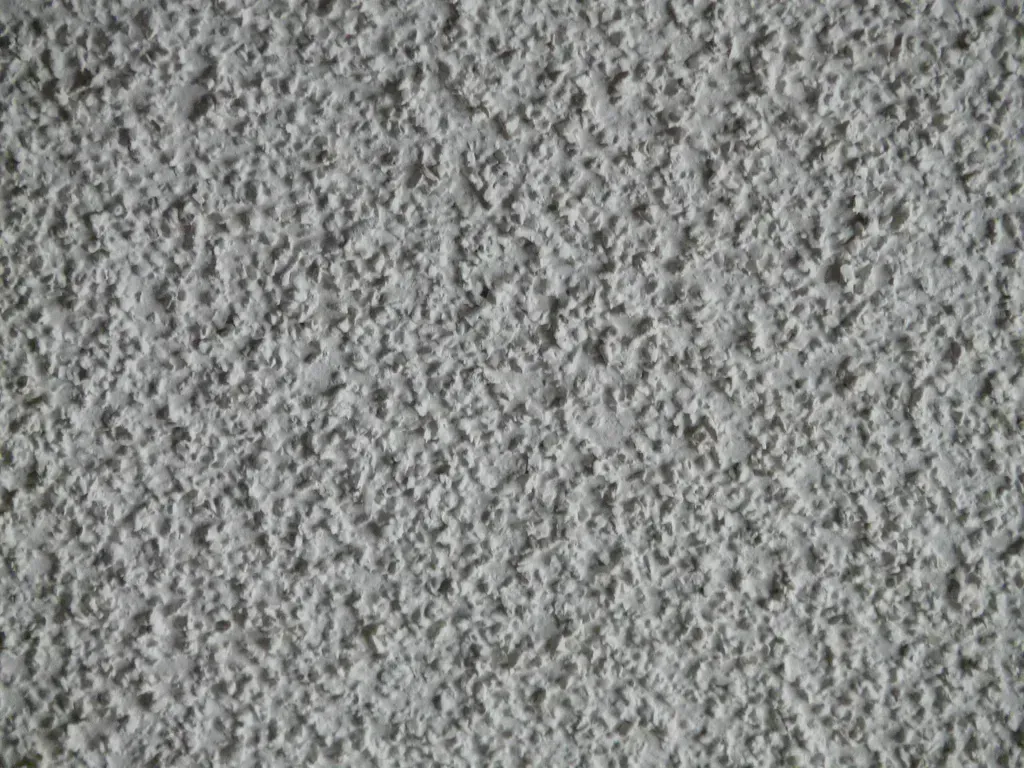
Popcorn ceilings have been unpopular for decades, yet they linger in older homes. Today’s buyers see them not just as outdated but potentially hazardous, particularly in homes built before the 1980s when asbestos was common in ceiling textures. Removal isn’t cheap either, and buyers are factoring that cost into their offers or walking away entirely.
Smooth, clean ceilings reflect modern construction standards and contribute to that bright, contemporary feel buyers demand. When every other house on the market has updated finishes, why would someone settle for a textured eyesore overhead? They won’t. The visual alone triggers immediate buyer resistance and lower valuation instincts.
High-Maintenance Yards Weed Out Interest

Homeowners want to be active but decrease maintenance and energy consumption, favoring sustainable materials sourced locally to pare carbon footprints and support local businesses, which is especially true for millennials and Generation Z. Lawns requiring constant mowing, edging, fertilizing, and watering are falling out of favor with time-starved buyers.
Native landscaping, xeriscaping, and artificial turf are gaining traction because they cut down labor and water bills while maintaining curb appeal. Gen Z and millennial cohorts are finding innovative ways to enter the market, often through co-living arrangements or equity-sharing programs, with house hacking growing in popularity. These younger buyers don’t want to spend weekends maintaining finicky gardens. They want outdoor spaces that look good with minimal effort, freeing them up for life beyond yard work.
The housing market isn’t just shifting because of mortgage rates and inventory levels. What buyers actually want inside those homes is changing too. Better designed homes are replacing bigger ones. Features that once signaled luxury or sophistication now register as burdens, expenses, or simply irrelevant to how people actually live. As affordability pressures mount and lifestyle priorities evolve, the disconnect between traditional home features and modern needs will only widen. What does your home say about where the market is headed?