Realtors Say Buyers Are Walking Away From These 6 Formerly Popular Home Features
The housing market has always been finicky, shaped by what buyers need today rather than what worked a decade ago. Right now, buyers are ruthlessly selective. With high housing costs and rising inventory making homebuyers more selective, according to recent Redfin analysis, they’re not settling for homes with features that once seemed essential. Those formal dining rooms and wall-to-wall carpets that grandma swore by? They’re quickly becoming deal-breakers, not selling points.
Here’s the thing. What made a house desirable in 2015 isn’t always going to fly in 2026. Buyers today want function over formality. They want to live comfortably, not impress neighbors at dinner parties they’ll never host. So let’s dig into what’s pushing buyers to walk away.
Formal Dining Rooms Are Gathering Dust, Not Dinner Guests
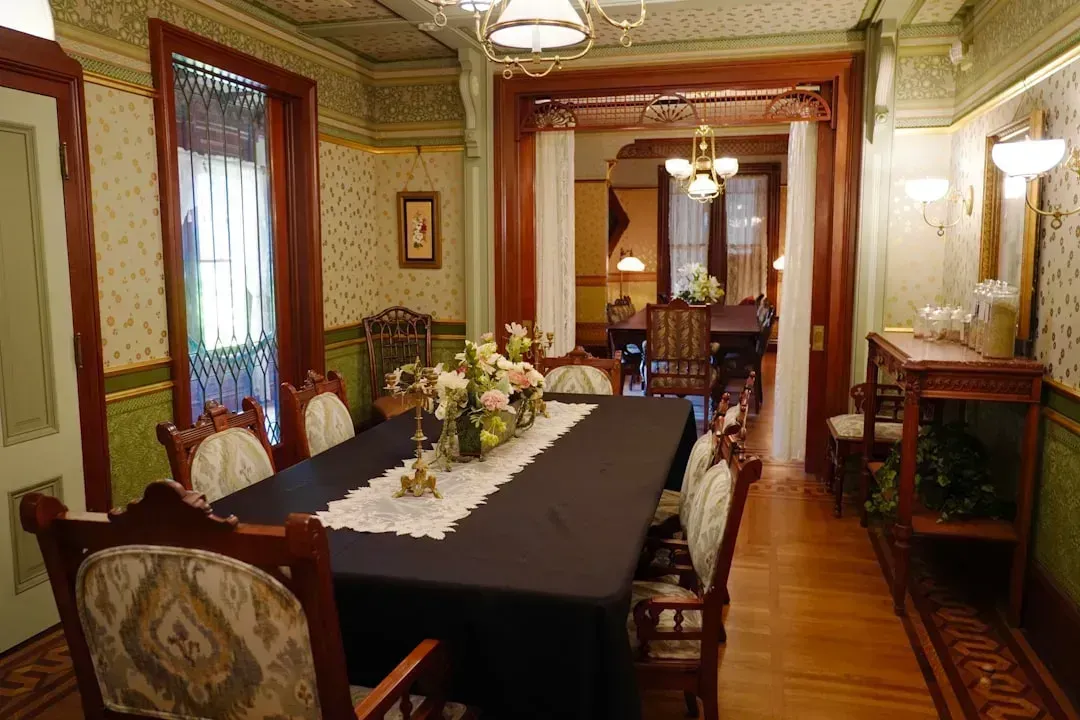
Once considered the crown jewel of any respectable home, the formal dining room is now practically obsolete in the eyes of modern buyers. The once-coveted formal dining room is falling out of favor, with many buyers seeing it as wasted square footage, especially when open-concept kitchens with eat-in islands are more practical. The reality is most families aren’t sitting down for three-course meals on a Tuesday evening. They’re eating casually at the kitchen island or grabbing dinner on the couch.
There’s data to back this up. A trend report released by Realtor.com in late 2025 revealed that listings featuring formal dining rooms with built-ins saw a 25.3 percent year-over-year decline, signaling that buyers simply don’t see the value anymore. Instead, they’re asking for flexible spaces – home offices, playrooms, maybe even a cozy reading nook. Honestly, I think the shift makes total sense. A room you only use twice a year doesn’t justify the mortgage premium.
Wall-to-Wall Carpet Feels Like Yesterday’s News
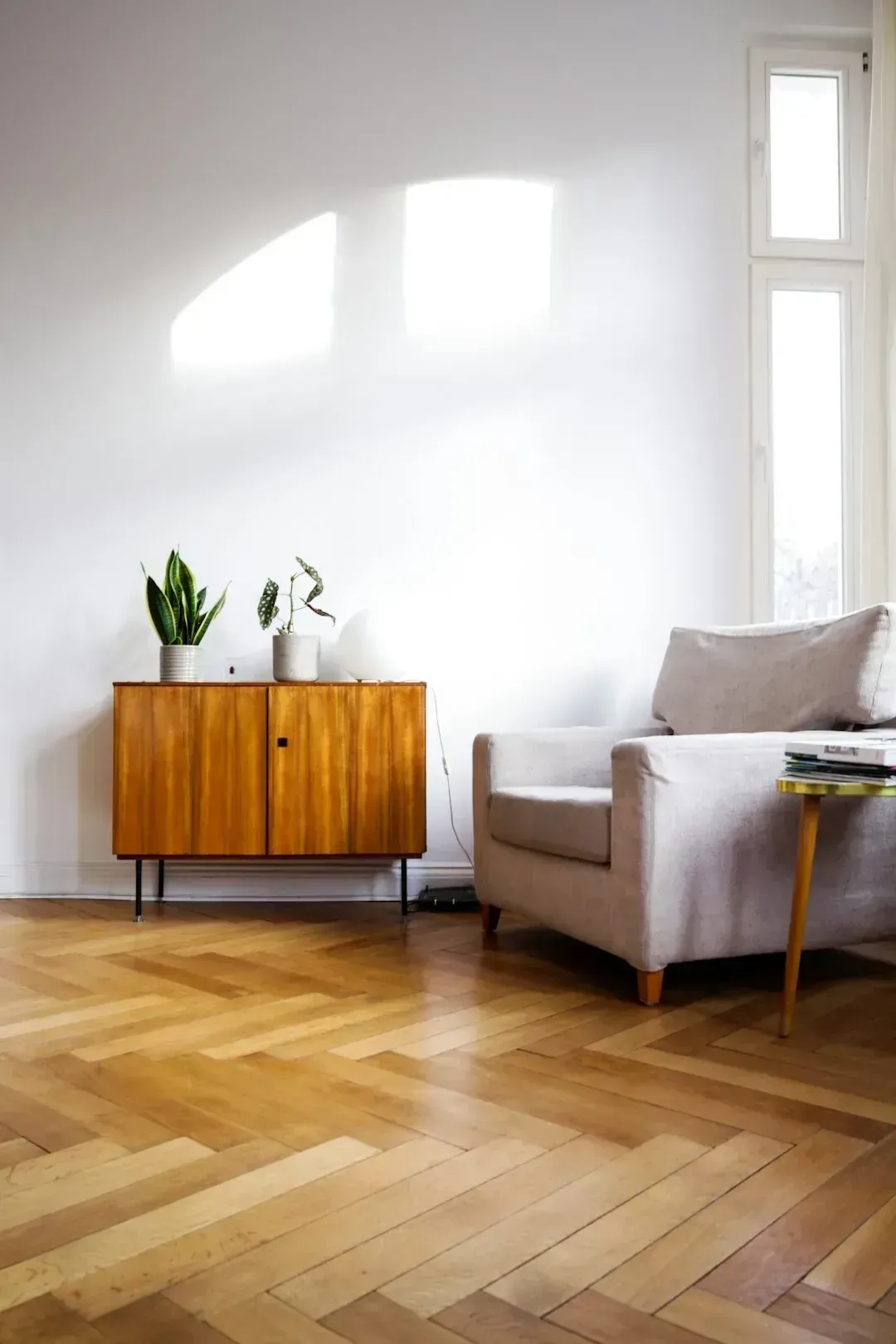
Wall-to-wall carpet is officially out, with today’s buyers overwhelmingly preferring hardwood, vinyl plank, or tile for easier cleaning and a more modern look. Carpet has become synonymous with trapped allergens, lingering pet odors, and stains that never quite come out no matter how hard you scrub. Even brand-new carpet triggers suspicion. Buyers see it and immediately start calculating replacement costs in their heads.
The flooring industry has noticed. According to recent carpet market reports, residential carpet is down 6.1% in square feet through the first two quarters of 2025 compared to the year-ago period. Hard surfaces just make more sense for today’s lifestyle – lower maintenance, better for allergies, and they look cleaner longer. It’s hard to say for sure, but I doubt wall-to-wall carpet will make a serious comeback anytime soon.
Jetted Tubs Are Soaking Up Space, Not Buyers’ Interest
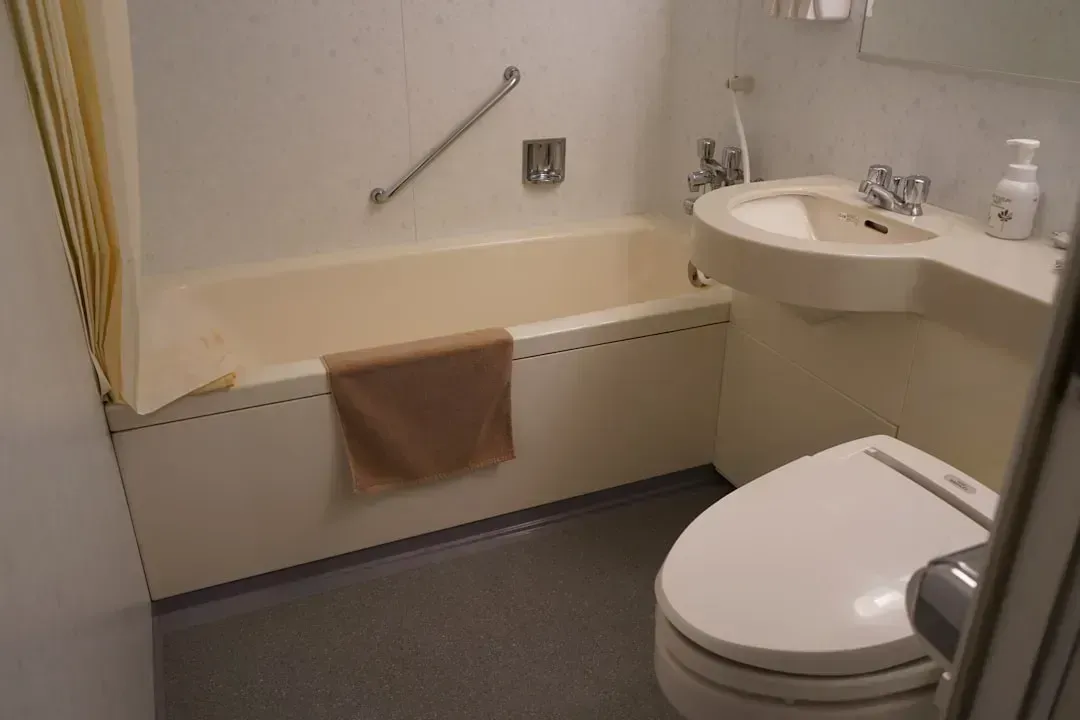
Once seen as the pinnacle of relaxation, jetted tubs are losing their appeal as buyers are now wary of the maintenance, energy use, and space they require, with many saying they’d rather have a luxurious walk-in shower than a bulky tub they’ll rarely use. These massive soaking tubs take forever to fill, use absurd amounts of water, and according to real estate experts, are now viewed as dust collectors more than spa-like retreats.
A 2025 report from Houghton Contracting highlights that bathroom remodels focusing on walk-in showers and water efficiency are generating an ROI of 60 to 70 percent, far outpacing tub installations. The modern buyer wants efficiency and function. A rainfall showerhead and heated floors? Sign them up. A tub that needs industrial-strength cleaner to prevent mold buildup? Hard pass.
Dark Granite Countertops Are Heavy and Out of Style
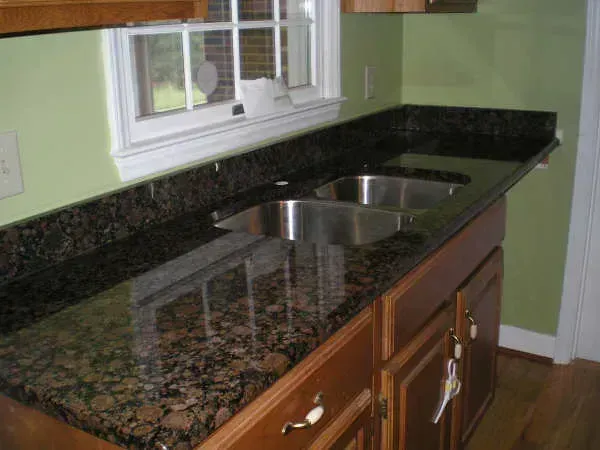
Dark granite was everywhere in the early 2000s – a sign you’d splurged on an upscale kitchen. Flash forward to today, and dark granite used to be a sign of an upscale kitchen, but trends have moved on, with today’s buyers wanting light, bright spaces and preferring white quartz, butcher block, or soft veining. Those speckled black slabs now make kitchens feel dated and cramped, even when the layout is perfectly modern.
Let’s be real – granite is high maintenance too. The requirement to seal natural stone annually is a chore that today’s low-maintenance homeowner is happy to leave behind. Quartz has taken over for good reason: it’s non-porous, stain-resistant, and comes in clean, contemporary finishes. Buyers in 2026 want countertops that look effortlessly elegant, not heavy and dark.
Swimming Pools Turn Into Expensive Liabilities
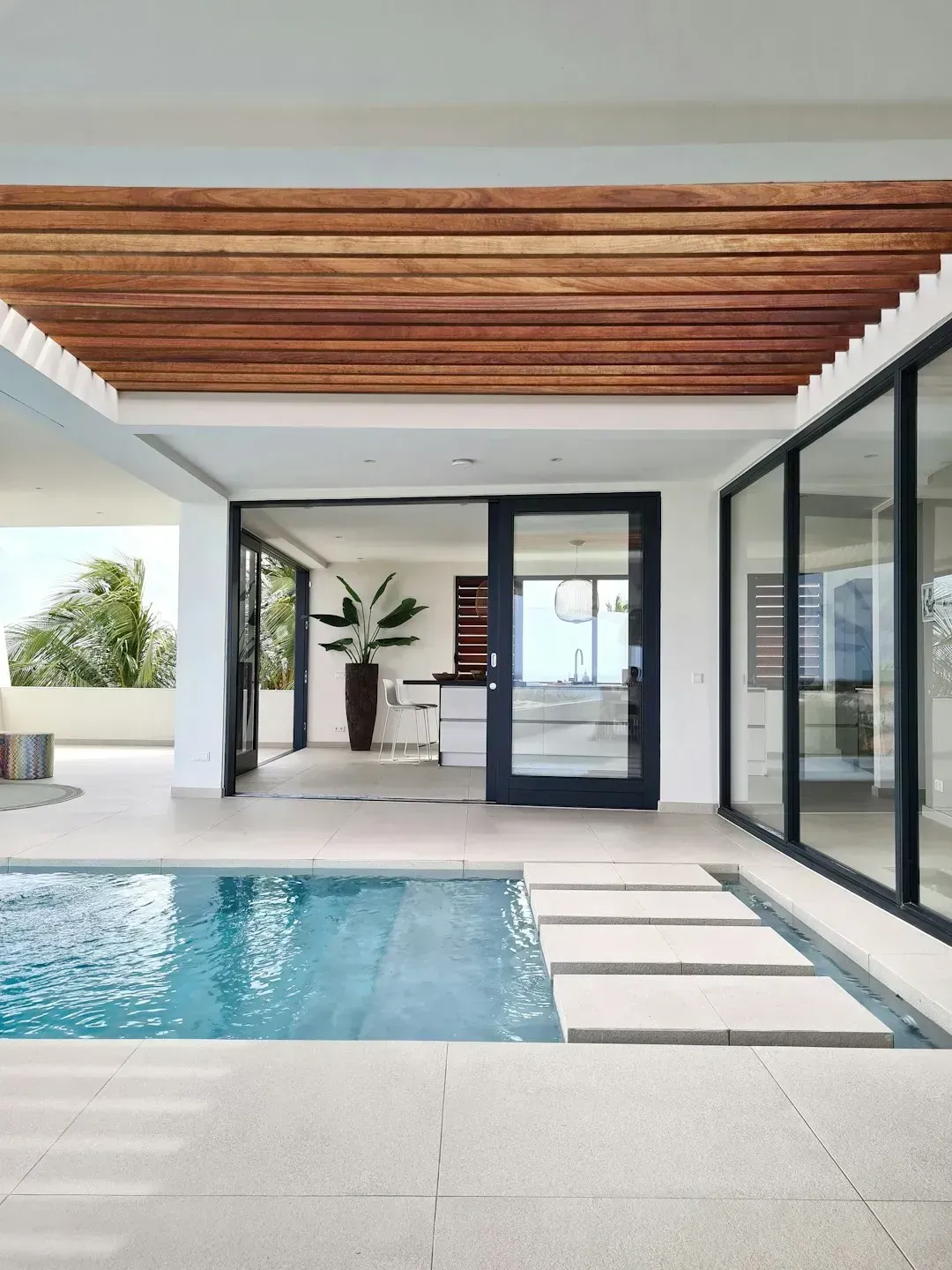
Swimming pools may seem like attractive luxury features, particularly in warm climates, but they’re also expensive to maintain and have safety risks, with a swimming pool often going straight to the ‘cons’ section of a homebuyer’s list. The initial appeal wears off fast once buyers start tallying up monthly maintenance costs, chemical treatments, insurance premiums, and the constant fear of accidents with young children.
According to Elizabeth Dodson, co-founder of HomeZada, pools have significant maintenance needs and may be a buyer dealbreaker, representing safety issues, with families with small children less likely to be in the market for a house with a pool. Sure, a backyard pool looks amazing in listing photos. In reality, it’s a money pit that demands year-round attention. Buyers would much rather invest in low-maintenance outdoor living spaces like covered patios or fire pits.
Built-In Offices with No Flexibility
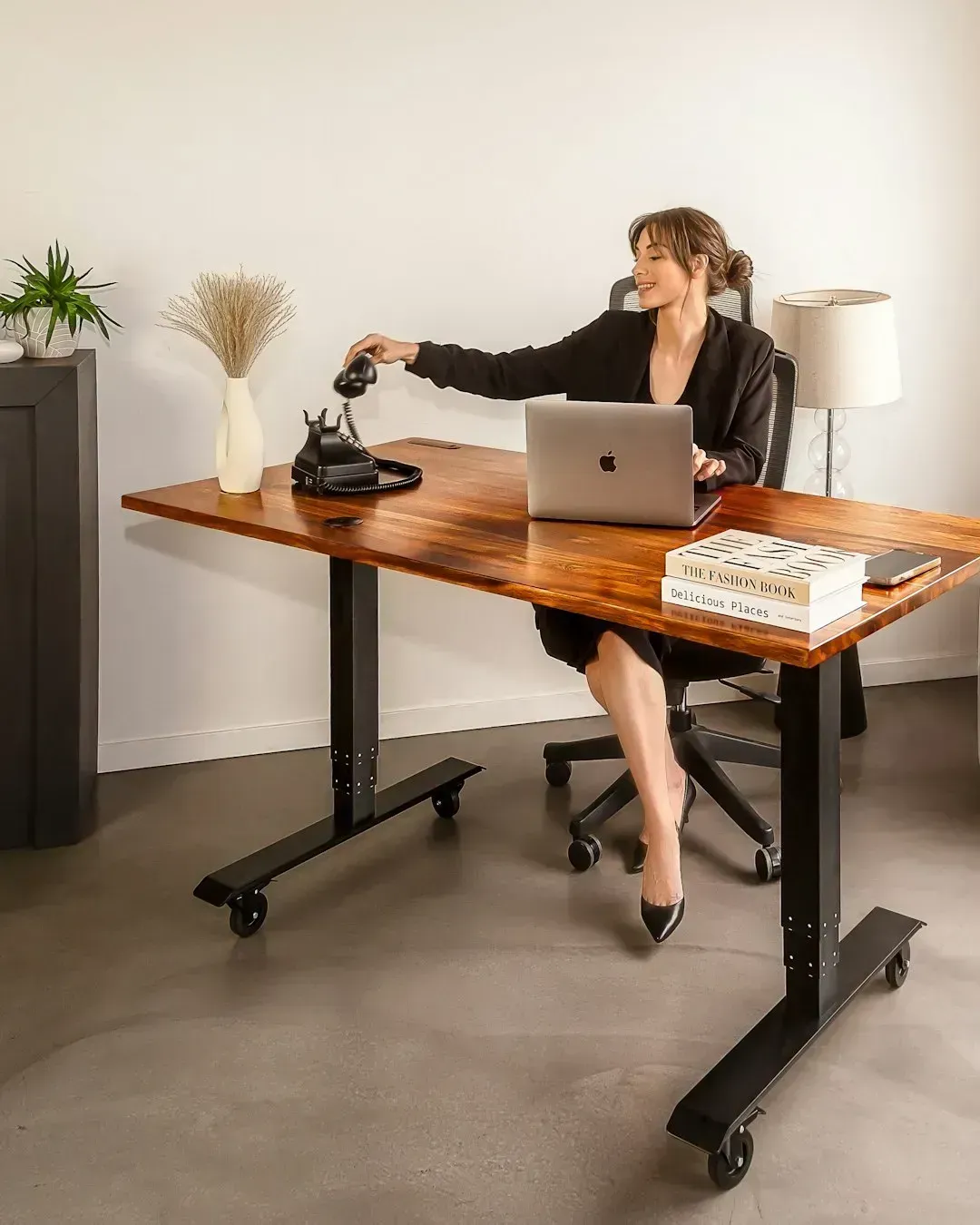
The 2020 pandemic made home offices essential, but buyers don’t want a home with an office that can’t be converted back into an additional bedroom, with most homebuyers still preferring a bedroom over an office or at least wanting to have the choice. Those custom built-ins and floor-to-ceiling shelving that seemed so practical in 2020? They’re now seen as restrictive and limiting.
Adding built-in shelving to an office restricts the next buyer’s ability to convert the room back into a bedroom, locking future owners into a layout they might not need. Buyers want flexibility. A spare room that can function as a guest bedroom, nursery, or office depending on life circumstances is far more appealing than a dedicated workspace they can’t reimagine. It forces them to start calculating the added cost of creating the room they really want.
The housing market keeps evolving, and what worked five years ago might be your home’s biggest weakness today. Buyers in 2026 are practical, budget-conscious, and looking for homes that fit their modern lifestyles without requiring expensive renovations. So if you’re selling soon, it might be time to rethink those features you once considered assets. What do you think – are any of these surprises, or have you noticed the shift yourself?