Passport Red Flags: 6 Sneaky Reasons Your Identity Could Be Flagged at International Customs
Walking through international customs should feel routine, yet thousands of travelers each year find themselves pulled aside for additional questioning. The tap of an officer’s screen, a second glance at your passport, and suddenly you’re waving goodbye to your connection flight while being escorted to a secondary inspection room. What went wrong? The truth is, your identity can be flagged for reasons that have nothing to do with criminal activity, and many travelers don’t realize they’re carrying red flags until it’s too late.
International border control has transformed dramatically in recent years. Modern customs officers don’t just flip through your passport pages. They’re scanning biometric data, cross-referencing security databases, analyzing travel patterns through sophisticated algorithms, and even checking your social media footprint. More than a million times each day, DHS welcomes international travelers into the U.S., and within that massive flow of humanity, certain profiles trigger alerts that demand closer scrutiny. Here are six sneaky reasons your identity might land you in that uncomfortable position.
Your Passport Shows Physical Damage You Never Noticed
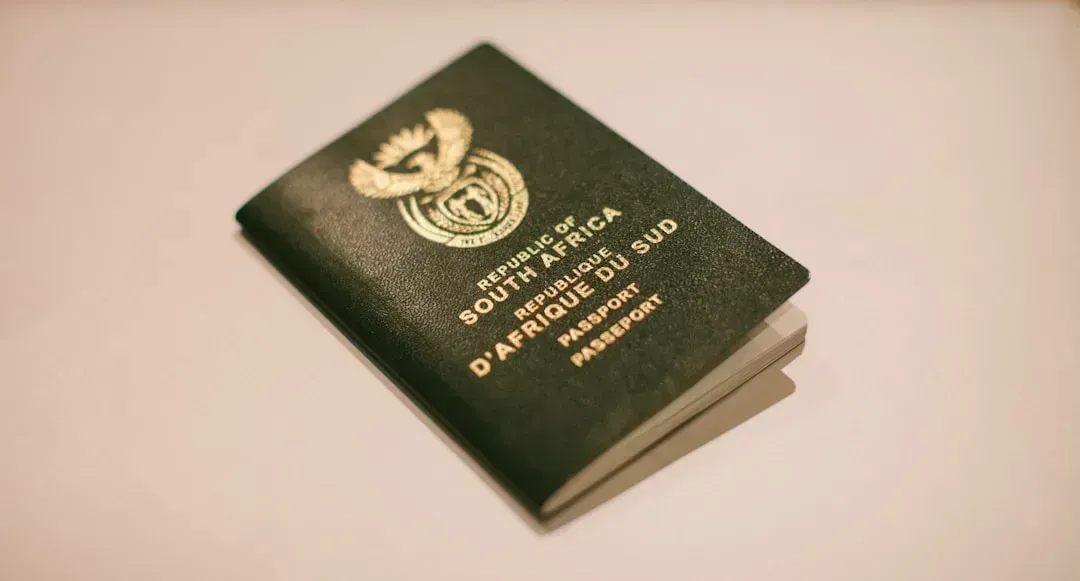
You might think a small water stain or a loose page is no big deal, but customs officers see it differently. With over 300,000 rejections in 2024 alone, authorities have moved to zero-tolerance enforcement. Even damage you consider minor can render your passport invalid at the discretion of border agents. The U.S. Department of State considers a passport “mutilated” if it has been torn, altered, or otherwise compromised in a way that affects its function as proof of identity and citizenship. Even relatively minor damage can trigger problems. A tear on the photo page, a warped or water-stained cover, or smudged ink on the machine-readable section may cause airlines or border officials to reject the document.
Qatar Airways has denied entry to several passengers due to people peeling off laminate and souvenir stamps. Indonesian and Australian authorities and local airlines, such as Virgin Australia, seem quite strict and have turned down several passengers. Several travelers also reported that Air Canada can be extremely harsh regarding passport damage rules. The problem extends beyond just entry denials. While one country could allow you to enter with your damaged passport, another could deny you entry. Traveling with a damaged passport opens you up to being detained in a foreign country or even sent back home. Airlines face significant fines if they allow passengers with damaged passports to board, which is why gate agents sometimes refuse boarding even when the damage appears minimal to your eyes.
You’re on the Interpol Database Without Knowing It
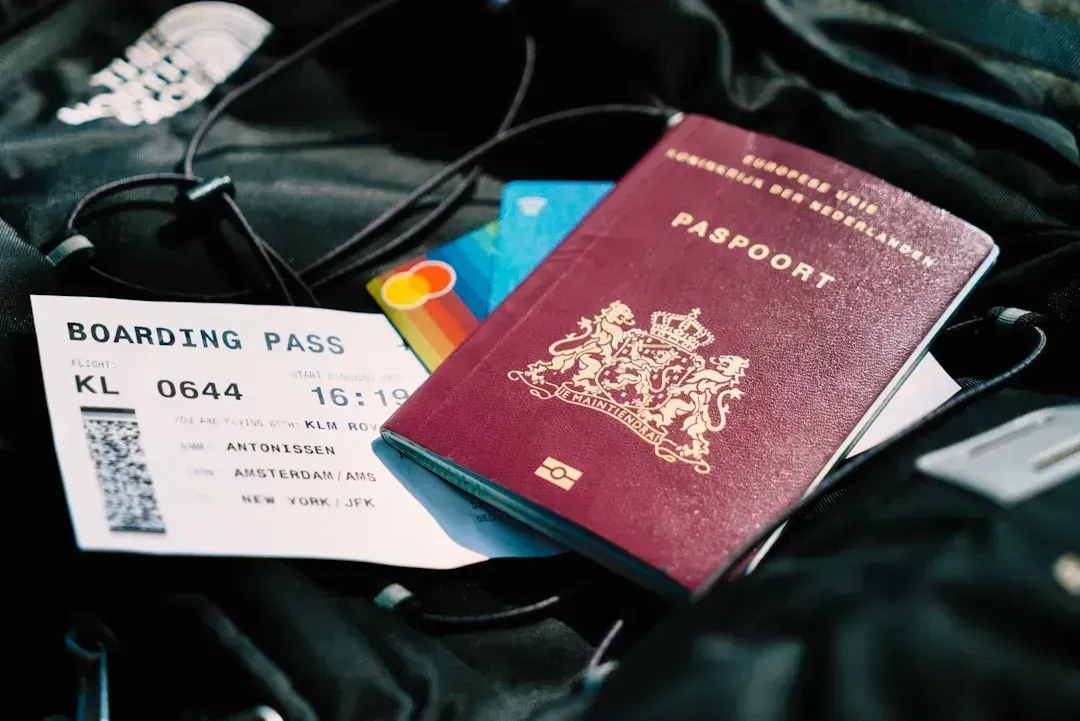
Since January 2026, a critical INTERPOL SLTD database error has incorrectly flagged valid US passports, leading to travelers being stranded and denied entry in global hubs. The Stolen and Lost Travel Document database serves as the backbone of international passport verification, and when errors occur, travelers pay the price. Starting this month, American travelers are discovering at foreign immigration counters – AFTER landing halfway around the world – that their US passports have been flagged as “lost or stolen” in Interpol’s global database. These individuals never reported their passports missing, yet the system shows otherwise.
While the process is meant to protect against identity theft and other security risks, the confusion arises when passports, that may be found later, are not updated in the system. In such cases, even if a passport is later found, it may still appear as flagged in international databases until the passport holder contacts authorities to rectify the situation. The consequences are severe. Travelers have been deported immediately after long international flights, losing thousands of dollars in nonrefundable hotel bookings and vacation plans. Notably, many airlines do not thoroughly check the passport’s validity or theft status before allowing passengers to board, placing the responsibility on travellers to ensure their documents are in order.
Your Passport Photo Doesn’t Match Your Current Appearance
Border officers spend mere seconds scanning your face, but those seconds involve sophisticated biometric technology comparing your live appearance to your passport photo. A new haircut, different makeup, a dubious mustache, weight loss, colored contacts, or plastic surgery – all these factors can raise a red flag. In addition to manipulating the appearance of the person, there could be changes to the passport photo itself, for example, the addition of a morphed photo. The stricter photo requirements implemented in 2025 have only heightened this scrutiny. The US Department of State ends its grace period for non-compliant photos on December 31, 2025, with strict enforcement beginning January 2026. Over 300,000 passport applications were rejected in 2024 due to photo issues alone. These changes affect all 22 million annual US passport applicants and align with new global ICAO biometric standards impacting 193 countries.
The enforcement has become particularly unforgiving. Eyeglasses create glare and reflections that interfere with facial recognition systems at border crossings. The glasses prohibition, implemented in 2016 and now strictly enforced, ensures biometric scanners can accurately verify your identity. Even AI-enhanced photos that you thought looked natural can trigger rejection. AI Editing Ban: Zero tolerance for photos altered using computer software, phone apps, filters, or artificial intelligence – including skin smoothing and background replacement The technology at border crossings is designed to detect these modifications, and when discrepancies appear, you’ll find yourself explaining the mismatch to an officer who has broad discretion over your entry.
Your Travel Patterns Trigger Algorithmic Red Flags
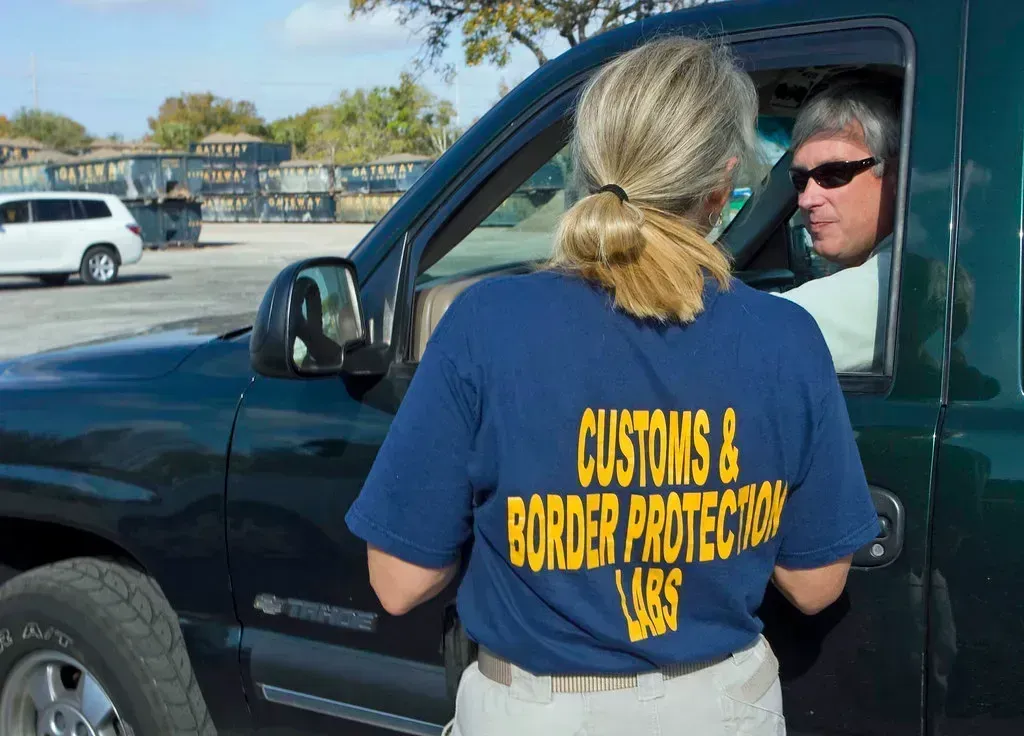
Every time you cross a border, the following information is captured and put into a database. This information forms your “passage history.” Computers analyze passage histories to pinpoint people who have suspicious travel patterns. These individuals may be earmarked for closer scrutiny by customs officials and law enforcement agents on subsequent trips. What constitutes suspicious? The criteria are deliberately opaque, but certain patterns stand out. Authorities leverage advanced algorithms to examine travel patterns. Frequent, unexplained gaps in passport usage often trigger red flags, prompting questions about an individual’s travel motivations and activities, with a particular focus on unusual trip frequencies or destinations.
Your digital footprint compounds these concerns. Border control agencies are often cross-referencing travel records with publicly available social media data. An absence of online activity between trips can prompt border officials to question a traveler’s authenticity, as they search for evidence of real-life activities during gaps in passport usage. Even your choice of airlines can raise eyebrows. Participation in frequent flyer programs might inadvertently lead to heightened scrutiny. Border officials may notice travel patterns that deviate from typical tourist behavior, such as unexplained hops between low-cost carriers that might not be commercially viable. The system doesn’t just look at where you’ve been, but how your movements fit established behavioral patterns for legitimate travelers.
Your Name Matches Someone on a Watchlist
Sharing a name with someone flagged in security databases can turn every international trip into an ordeal. Passport numbers may be flagged if they appear on watchlists maintained by national or international security agencies. These watchlists typically include individuals who are suspected of involvement in criminal activities, terrorism, or other security threats. The frustrating reality is that these systems operate on name matches, not definitive identity confirmation. If your name is similar to someone under investigation, you’ll repeatedly face additional screening regardless of your innocence.
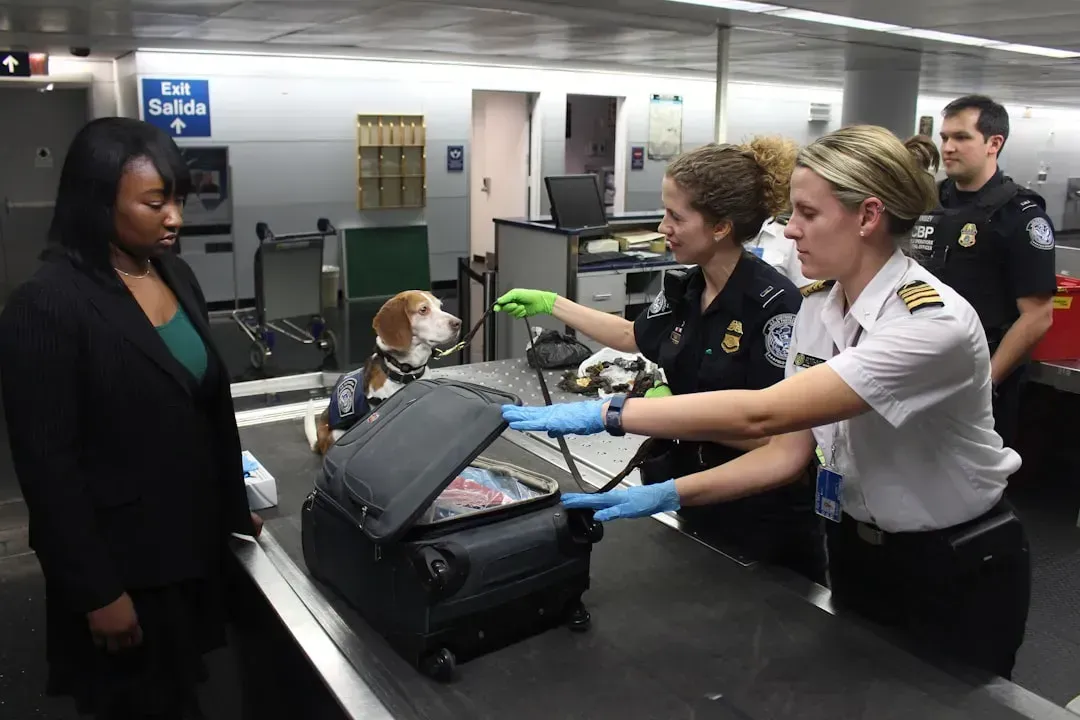
If there are red flags – such as a name match in a watchlist database, unclear visa usage, or an employer inconsistency – you may be referred to secondary inspection. The secondary inspection process can take hours and involves extensive questioning, document verification, and sometimes electronic device searches. DHS has a centralized complaint center called the Traveler Redress Inquiry Program (TRIP) here you can submit your information if you’re repeatedly getting flagged for additional scrutiny at TSA checkpoints, passport control or customs. Once you file a complaint and provide copies of your identity documents, DHS will do some investigating to see if you’re being flagged because your name is similar to someone on a watch list. If they determine that’s the case, they’ll issue you a “redress number” that you can include when making flight reservations. Still, this process takes time, and until resolved, each border crossing remains a gamble.
Enhanced Vetting Protocols Target Your Background
The landscape of border security shifted dramatically in late 2025 with expanded vetting protocols. On December 3, the U.S. State Department announced the expansion of its “online presence review” requirement to include H-1B workers and H-4 dependents. Applicants are now instructed to disclose social media identifiers and ensure that their accounts are set to public visibility during the visa adjudication process. Previously, this screening applied primarily to F, M, and J visa categories. Your online presence is no longer private when it comes to international travel. Officers can and do examine your social media accounts, messages, and digital communications during secondary inspections.
Expanded biometric screening of non-U.S. Citizen employees (for example, permanent residents, H-1B, L-1, TN, O, and other NIV classifications) at the border may increase the likelihood that discrepancies between travel documents, visa records, and CBP databases will trigger delays or referral to secondary inspection. The expanded biometric collection includes facial recognition and fingerprinting that cross-references multiple government databases. Once a flight booking is made, airlines compile and transmit detailed Passenger Name Records (PNRs) up to 72 hours before departure. These records include not just name and passport number, but often travel itinerary, seat assignment, payment data, contact details, and even dietary preferences. Such comprehensive data enables immigration agencies to build a detailed pre-arrival profile for each traveler. Before you even arrive at the border, authorities have constructed a detailed profile of who you are, where you’ve been, and what you might be carrying. Any inconsistencies in that profile become grounds for additional scrutiny that can derail your travel plans and leave you stranded far from home.