20 Gay Actors And Actresses Who Concealed Their Identity To Survive Old Hollywood
Hollywood’s Golden Age wasn’t quite as glamorous as those black and white movies made it seem. Behind the glittering premieres and red carpet smiles, countless talented performers were forced to live double lives, hiding their true selves to keep their careers alive. We’re talking about an era when being openly gay could end everything you’d worked for overnight.
The studio system controlled every aspect of an actor’s life, from who they dated to where they were photographed. During the Golden Age of Hollywood in the 1920s, actors and actresses shot to fame – but only if they tailored their images to the demands of the big studios. For LGBTQ+ actors, that often meant marrying a person of the opposite sex. These weren’t just rumors or whispered gossip. This was systematic control that shaped and destroyed lives.
Let’s be real, the stories you’re about to read are both fascinating and heartbreaking. They reveal a side of Hollywood history that the studios desperately wanted to keep hidden. So let’s dive in.
Rock Hudson: America’s Leading Man With A Secret
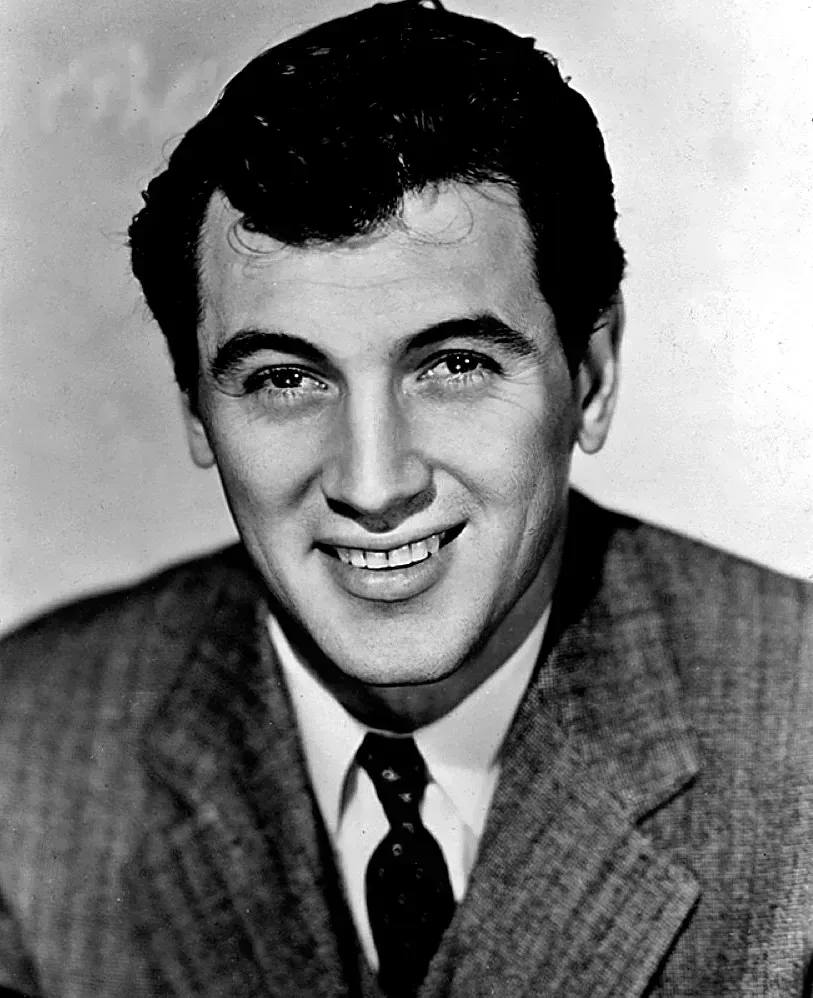
Rock Hudson was an American actor and one of the most popular film stars of his time, with a screen career spanning more than three decades as a prominent figure in the Golden Age of Hollywood. The irony is almost painful when you think about it. Here was a man playing the ultimate romantic hero opposite Doris Day while hiding who he really was.
In 1955, Confidential magazine threatened to publish an exposé about Hudson’s secret homosexuality. Willson stalled this by disclosing information about two of his other clients, including the arrest of Tab Hunter at a party in 1950. According to some colleagues, Hudson’s homosexual activity was well known in Hollywood throughout his career, and celebrity friends including Elizabeth Taylor kept it a secret for him.
The studios even arranged his marriage. Soon after the threat from Confidential, Hudson married Willson’s secretary Phyllis Gates. Gates later wrote that she dated Hudson for several months and married Hudson out of love. The marriage lasted just three years before ending in divorce.
His secret was successfully concealed from the public until he was dying of causes related to AIDS. In 1985, he died at the age of 59. It was a turning point in the public awareness of the AIDS epidemic.
Montgomery Clift: The Beautiful Tormented Soul
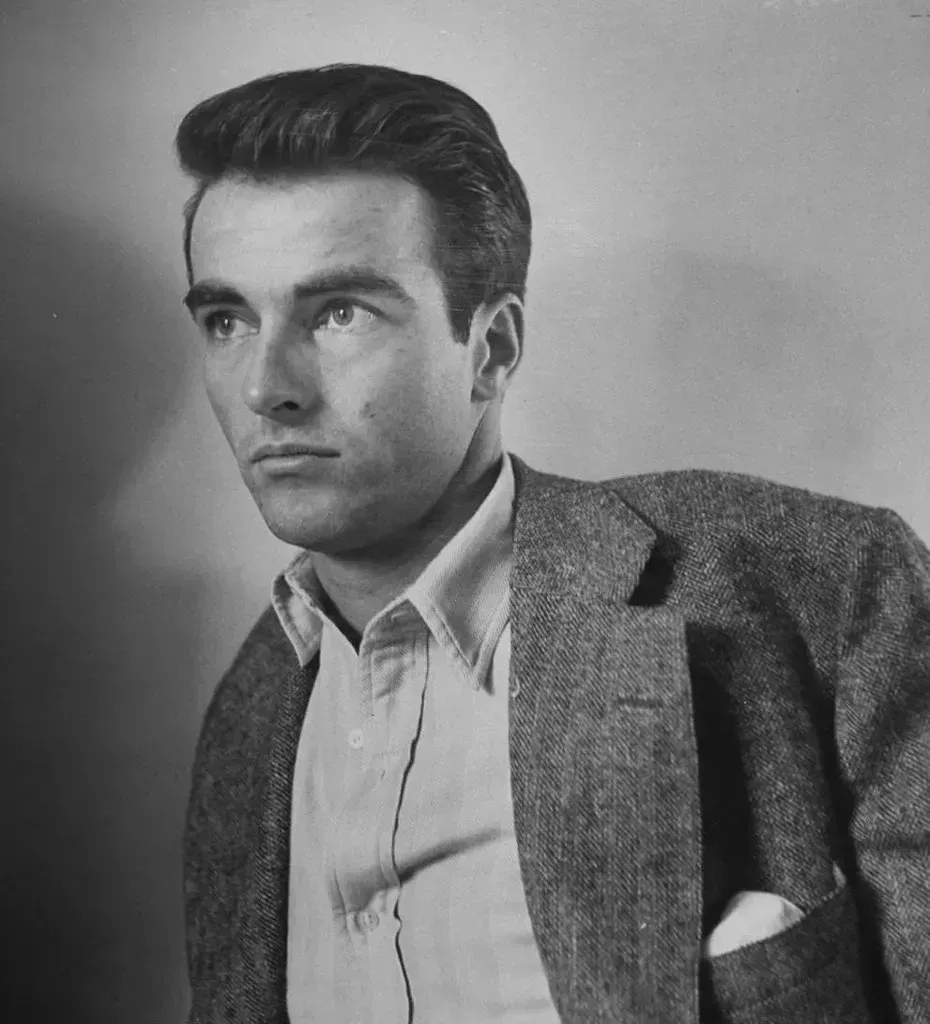
Montgomery Clift was different from other leading men of his era. A four-time Academy Award nominee, he was known for his portrayal of “moody, sensitive young men” and is best remembered for his roles in Red River, A Place in the Sun, From Here to Eternity, and The Misfits.
His sexuality remained a closely guarded secret during his lifetime. When Clift began therapy in late 1950, he told his psychiatrist he thought he was homosexual and wanted to know how to deal with it. After his death, in a taped telephone conversation with his brother, Clift’s mother stated that she had known early on that Clift was homosexual.
Clift was deeply and intensely involved with Broadway choreographer Jerome Robbins. They camouflaged their relationship by dating women. In 1948, when Clift left Robbins to pursue a movie career in Hollywood, the announcement devastated Robbins. He also had relationships with actors Jack Larson and Roddy McDowall.
It wasn’t until 2000 that anyone publicly confirmed what insiders had known. At the GLAAD Media Awards, where Taylor was honored for her work for the LGBT community, she made the first public declaration by anyone that Clift was gay and called him her closest friend and confidant. Clift’s brother claimed he was bisexual.
Cary Grant: The Debonair Star’s Hidden Life
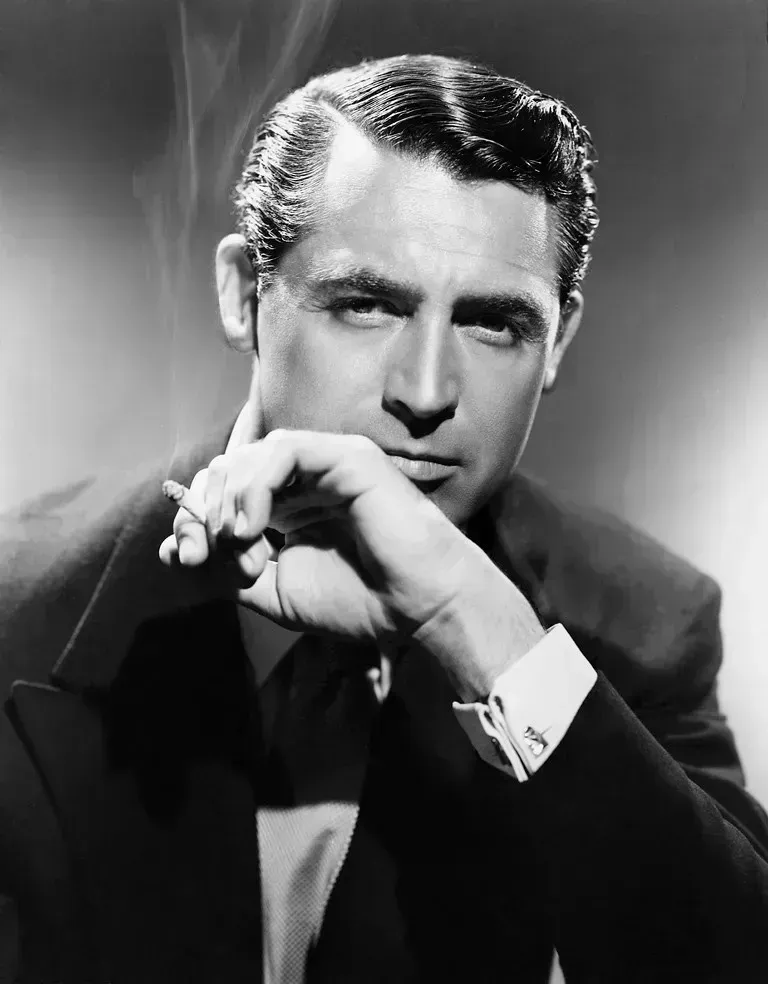
Cary Grant embodied sophistication and charm on screen. What audiences didn’t know was the complexity of his personal life. Cary Grant and Randolph Scott lived together off-and-on for nearly 12 years, sharing a Santa Monica beach house and a mansion in Los Angeles’ Los Feliz neighbourhood.
Their relationship was remarkably open for the time. A series of publicity photographs taken in 1933 of the two actors in their home and on the beach fanned the rumors, along with Scott’s decision to continue living with Grant, even after Grant’s bride, actress Virginia Cherrill, moved in with them.
According to those who knew them, the bond was deep. Their mutual friend, Carole Lombard, once jokingly referred to the pair as having the perfect relationship: “Randy pays the bills and Cary mails them.” Fashion critic Richard Blackwell claimed in his memoir that they were “deeply, madly in love, their devotion complete.”
A 2016 documentary stated that Grant was gay and acknowledged Grant was in a gay relationship with costume designer Orry-Kelly in the 1920s. Grant cycled through five marriages to women during his lifetime.
Barbara Stanwyck: Hollywood’s Biggest Closeted Lesbian
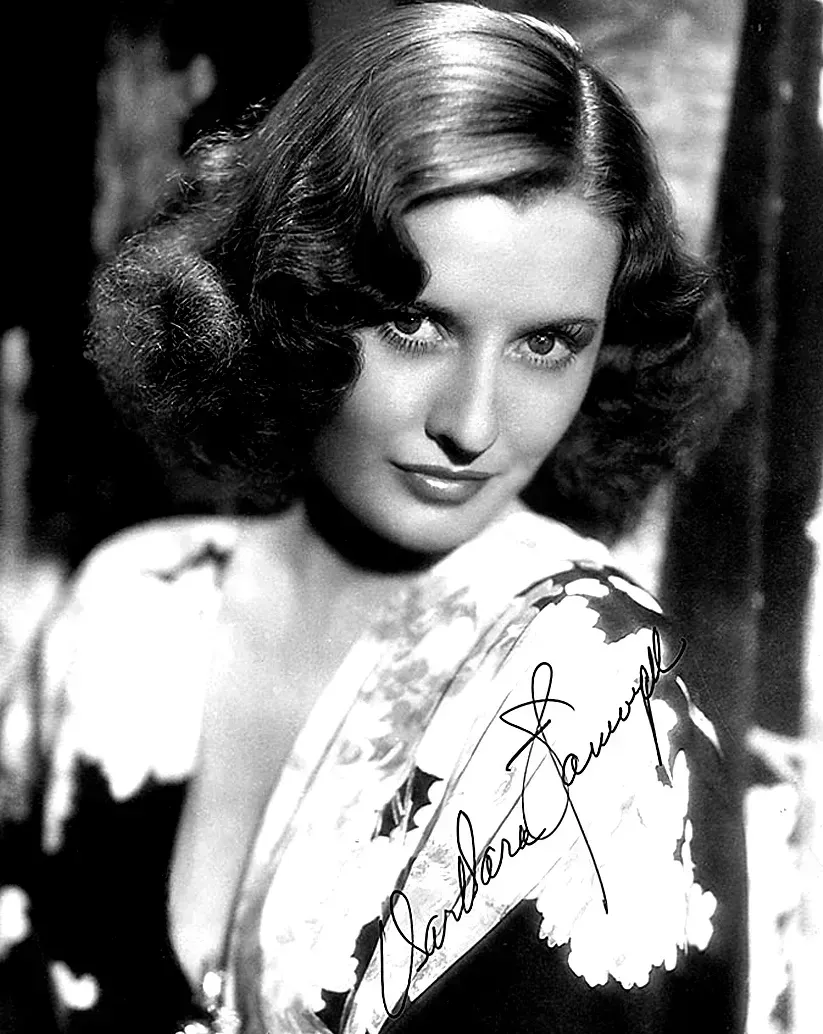
Barbara Stanwyck was one of the most respected actresses of her generation, known for playing strong, independent women. According to biographer Axel Madsen, the actress was widely suspected to be “Hollywood’s biggest closeted lesbian.”
For years, rumors reportedly swirled that her unions to Robert Taylor and Frank Fay were so-called “lavender marriages” arranged by studio brass to conceal her secret. These marriages served as cover, allowing her to maintain her career while hiding her true identity.
There were whispers throughout Hollywood. Even Stanwyck’s second husband, Robert Taylor, told actress Shelley Winters that his wife was a lesbian, and they didn’t share a bed. Lesbian singer Tallulah Bankhead once said she slept with Stanwyck.
Stanwyck refused to discuss her sexuality publicly. When author Boze Hadleigh tried to question her about it, she reportedly ejected him from her house. She took her secrets with her to the grave.
Tab Hunter: The All-American Boy Next Door
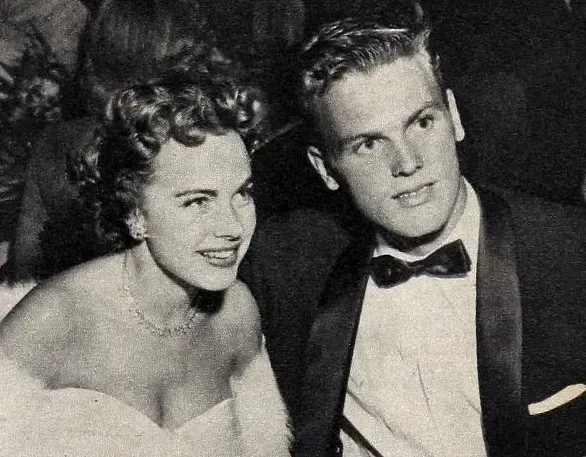
Tab Hunter was discovered at 17 years old and ushered into a film career. He was never considered a star for his extraordinary acting ability so much as his undeniable good looks and charm. His tan, chiseled face and blonde hair made him a poster boy for the wholesome all-American young man during the 1950s and ’60s.
But Hunter had a dangerous secret. Five years before Hunter became a star, he was arrested along with several other men for “lewdness,” a common charge for men showing any signs of homosexuality in public. His arrest became the topic of Confidential magazine. Hunter’s studio decided to ignore the story, predicting that many people will forget about his arrest, and they were right.
In a twisted act of protection, his agent sacrificed him to save Rock Hudson. Confidential magazine got wind of the truth and threatened to expose him. To protect Hollywood’s cash box, agent Henry Wilson sacrificed Tab Hunter, another closeted heartthrob, to the gossip mill instead, and then married off Hudson to his secretary.
Hunter eventually found peace. He is one of the few Old Hollywood stars who were able to marry their longtime partners once same-sex marriage was legal in California. He was able to talk about his sexuality openly later in his life.
Katharine Hepburn: The Four-Time Oscar Winner
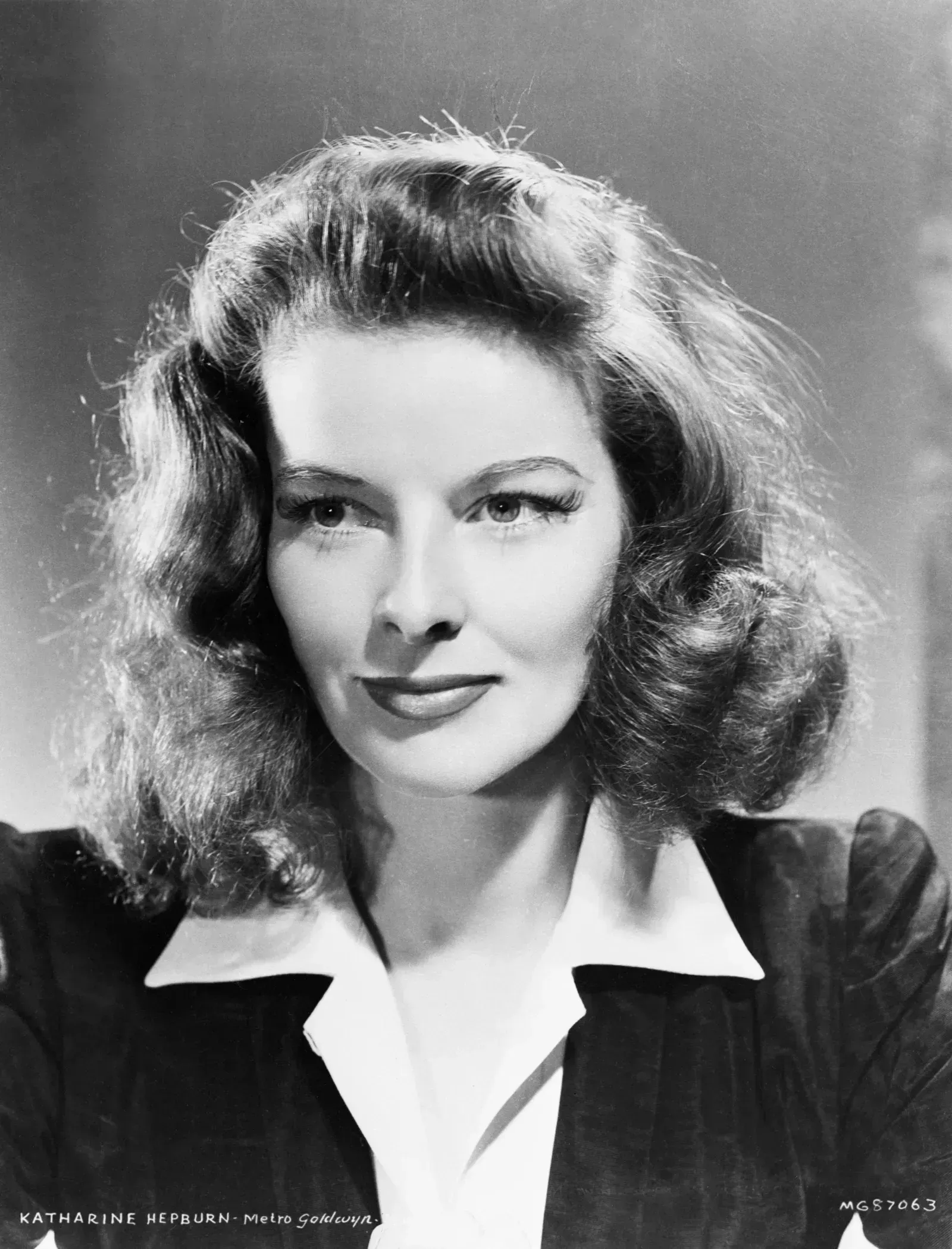
Katharine Hepburn is perhaps the most renowned actress in the history of Hollywood, with four Academy Award wins over a 60-year career. In 1999, she was named the Greatest Female American Screen Legend by the American Film Institute. Known for her independent spirit and masculine style, Hepburn defied Hollywood conventions.
Her relationship with Spencer Tracy was legendary, but possibly not what it seemed. By several accounts, Hepburn’s 25-year relationship with frequent co-star Spencer Tracy was more about friendship than attraction. Screenwriter and gay rights activist Larry Kramer claimed of the famous couple, “Hepburn and Spencer Tracy were both gay. They were publicly paired together by the studio. Everyone in Hollywood knows this is true.”
Many authors have speculated that Hepburn was bisexual, with Barry Paris claiming in his 2002 book that she was “technically bisexual, predominantly lesbian, and increasingly asexual.” Columnist Liz Smith, a close friend of Hepburn’s, attested in the 2017 documentary Scotty and the Secret History of Hollywood that this was indeed the case.
According to Hollywood insider Scotty Bowers, Hepburn had numerous relationships with women throughout her life. She lived her truth in private while maintaining a carefully crafted public image.
Greta Garbo: The Mysterious Swedish Beauty
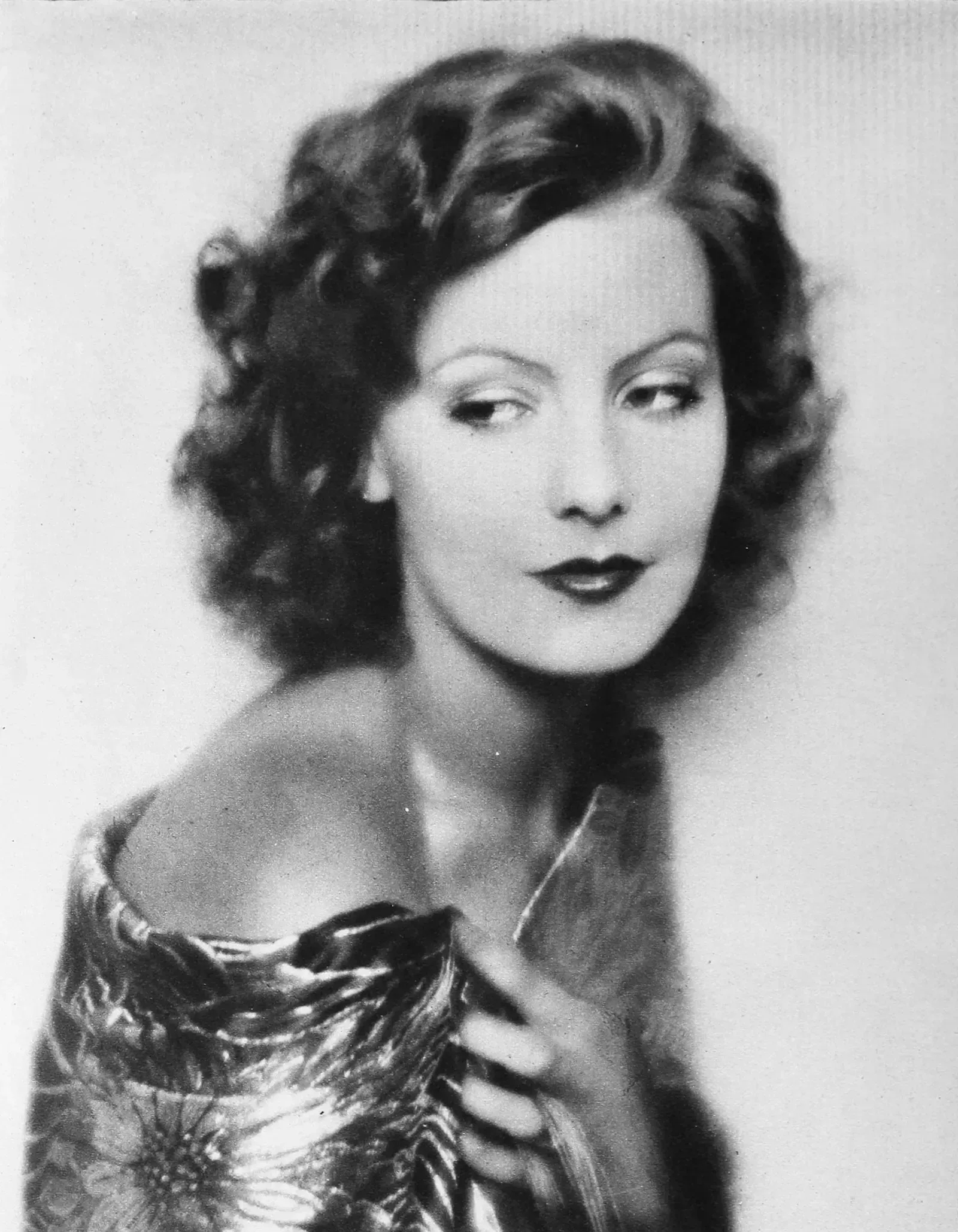
Greta Garbo was legendary for her beauty, talent, and need for privacy. She was also rumored to have loved women more than men. Writer Diana McLellen researched her life extensively and found evidence of passionate relationships with women throughout her life.
She wrote love letters to Swedish actress Mimi Pollack and writer Mercedes da Costa. In one letter to Pollack, Garbo wrote, “We cannot help our nature, as God has created it. But I have always thought you and I belonged together.” McLellan also tries to prove that Garbo and Marlene Dietrich had an affair in Berlin before both became international movie stars.
Garbo refused to discuss Dietrich publicly, but her silence spoke volumes. Garbo refused to let anyone speak about Dietrich around her but never admitted to a relationship with her. She was one of the few stars to flourish in both the silent and sound eras. She hated being a celebrity and after one flop of a movie, Garbo retreated out of the public eye until her death in 1990. Garbo’s secretive nature and short career make her an intriguing mystery to this day.
Cesar Romero: The Joker Who Never Married
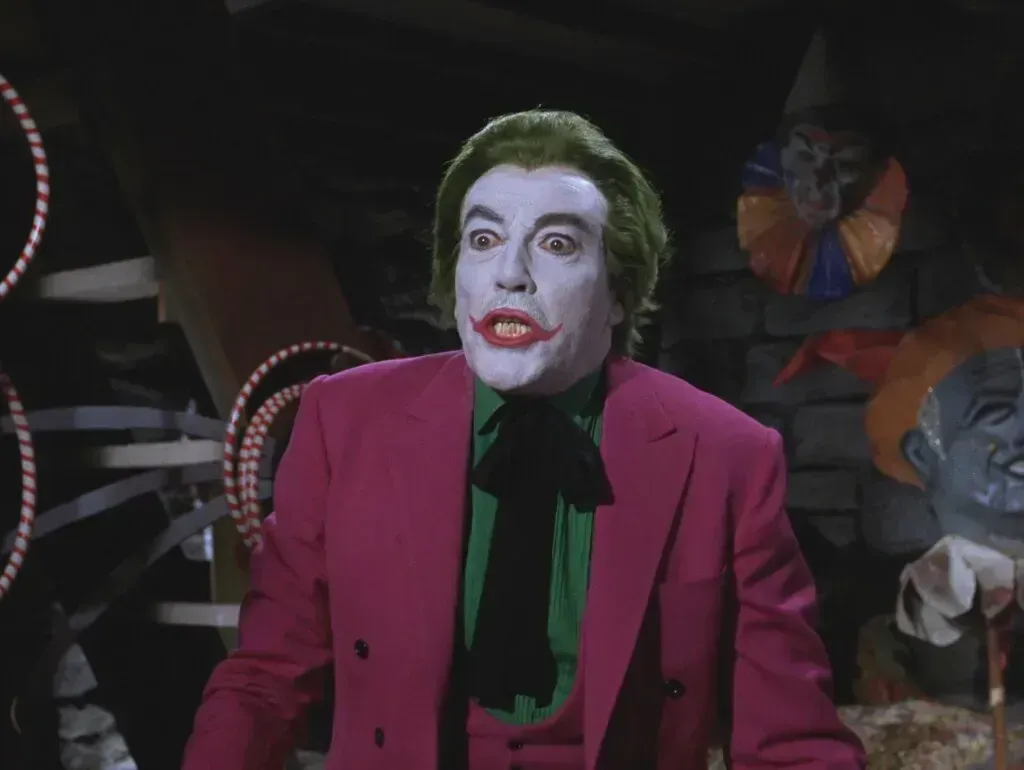
Cesar Romero was impossibly handsome and charming, best known for playing the Joker in the original Batman film. Cuban-American actor Cesar Romero was impeccably handsome and tall making him quite the Hollywood leading man. Romero appeared on the silver screen alongside stars such as Marlene Dietrich and Carole Lombard, and he was also a lifelong best friend to actress Joan Crawford. He is best known for his legendary role of playing The Joker in the original film version of Batman.
Romero never married and reportedly lived openly within Hollywood’s gay circles. According to The Hollywood Reporter, the actor allegedly opened up to Hollywood Gays author Boze Hadleigh and claimed to have had what the outlet called a “wide-ranging gay sex life,” despite being regularly papped with actresses. Hadleigh also claimed that Romero, who was closeted to fans and colleagues, had a fling with I Love Lucy star Desi Arnaz, as well as a rumored relationship with Tyrone Power.
He remained a bachelor his entire life, choosing his career and discretion over living openly. The studios were content to let him be, as long as he maintained appearances for the public.
Ramon Novarro: The Latin Lover’s Tragic End
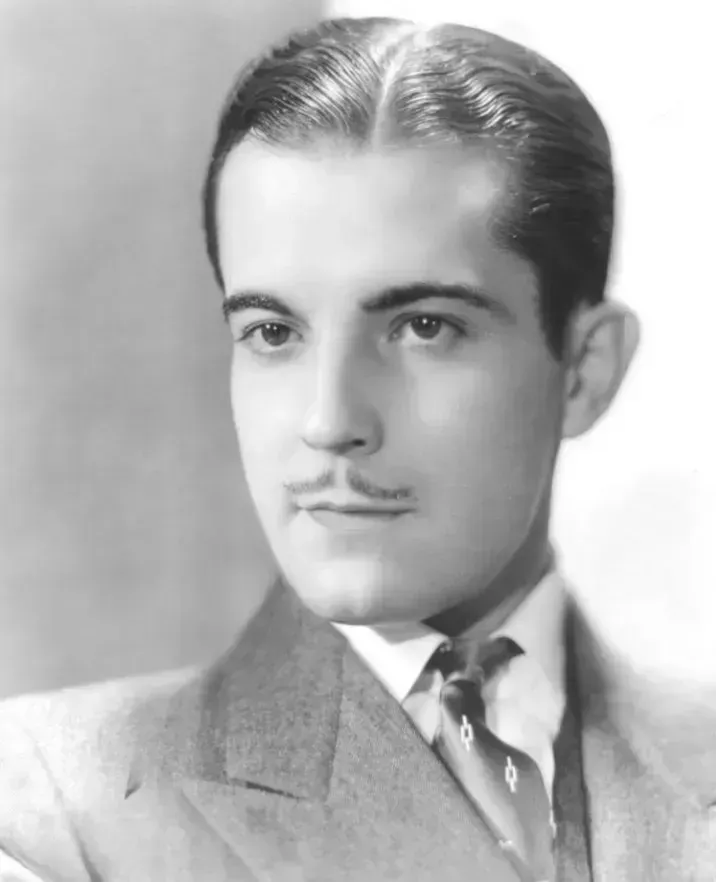
Mexican-American actor Ramon Novarro was marketed as the rival to sex symbol Rudolph Valentino. He was one of Hollywood’s earliest gay icons, though he kept his sexuality hidden due to intense pressure from the film industry and his Roman Catholic upbringing.
MGM mogul Louis B. Mayer reportedly tried to coerce Novarro into a “lavender marriage,” which he refused. Novarro was romantically involved with journalist Herbert Howe, who was also his publicist in the late 1920s, and with a wealthy man from San Francisco, Noël Sullivan.
His life ended in tragedy. In October 30, 1968, the brothers Paul and Tom Ferguson, who called Novarro offered their sexual services. Novarro had in the past hired prostitutes from an agency to come to his Laurel Canyon home for sex. However, Novarro would be a victim and murdered by the Ferguson brothers. According to the prosecution in the murder case, the two young men believed that a large sum of money was hidden in Novarro’s house.
James Dean: The Rebel With A Cause
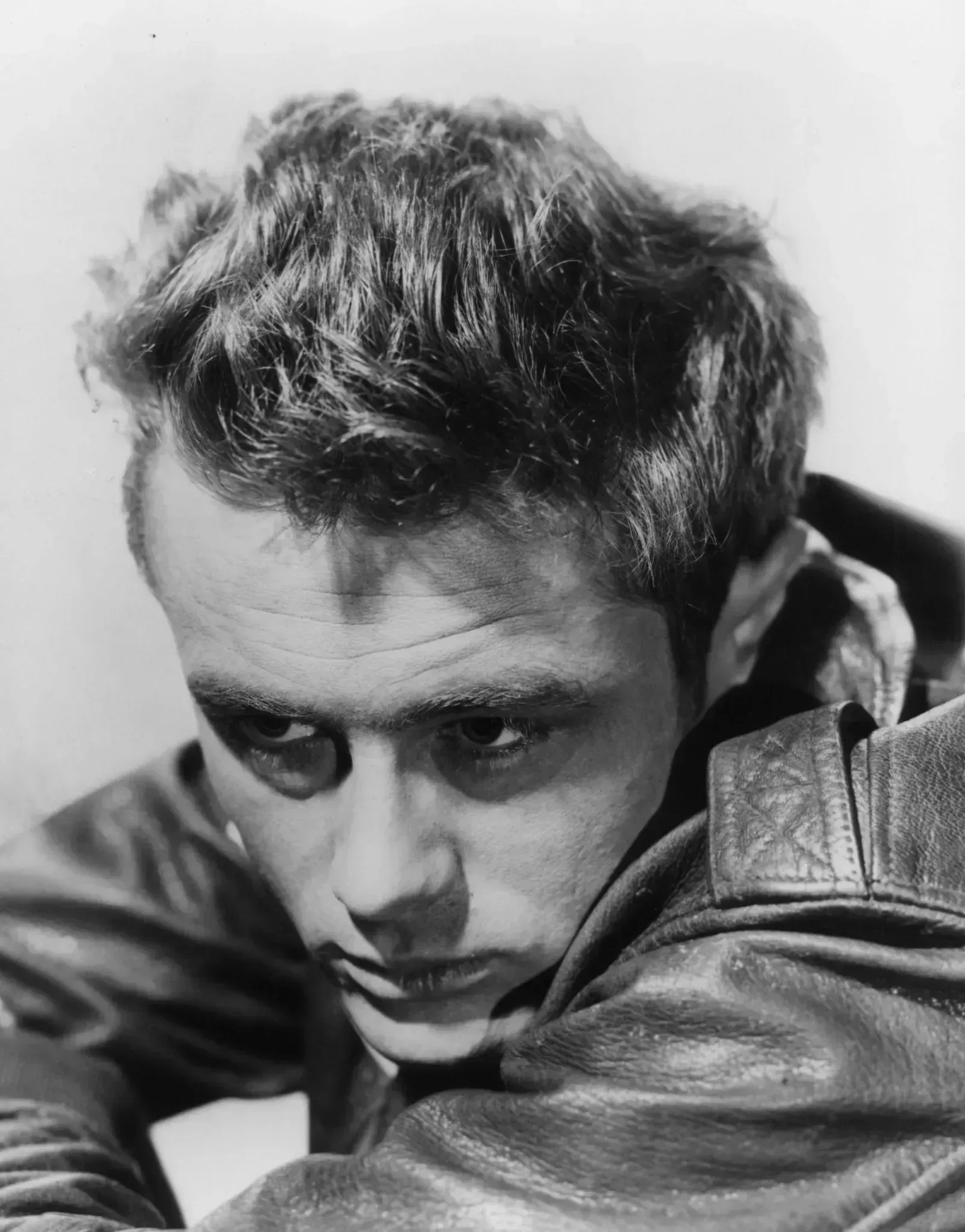
James Dean became an icon after appearing in only three films before his death at 24. Despite only appearing in three films, the cultural status of James Dean as a disillusioned rebel is just as strong in the 21st century as it was at the height of his popularity. Dean passed in 1955, at age 24. Rumors swirled around his sexuality in his heyday, and persist today.
Dean himself was cryptic about his sexuality. According to Kenneth Anger’s Hollywood Babylon II, Dean reportedly dodged the draft during the Korean war by kissing the medic. Dean once claimed, “No, I’m not homosexual, but I am also not going through life with one hand tied behind my back.”
James Dean’s ambiguous and seemingly experimental take on sexuality has transformed him into a queer legend. Director Nicholas Ray went on record to say Dean “was not straight, he was not gay, he was bisexual.” Several books published after his death claimed he had intimate encounters with men.
Spencer Tracy: The Distinguished Leading Man
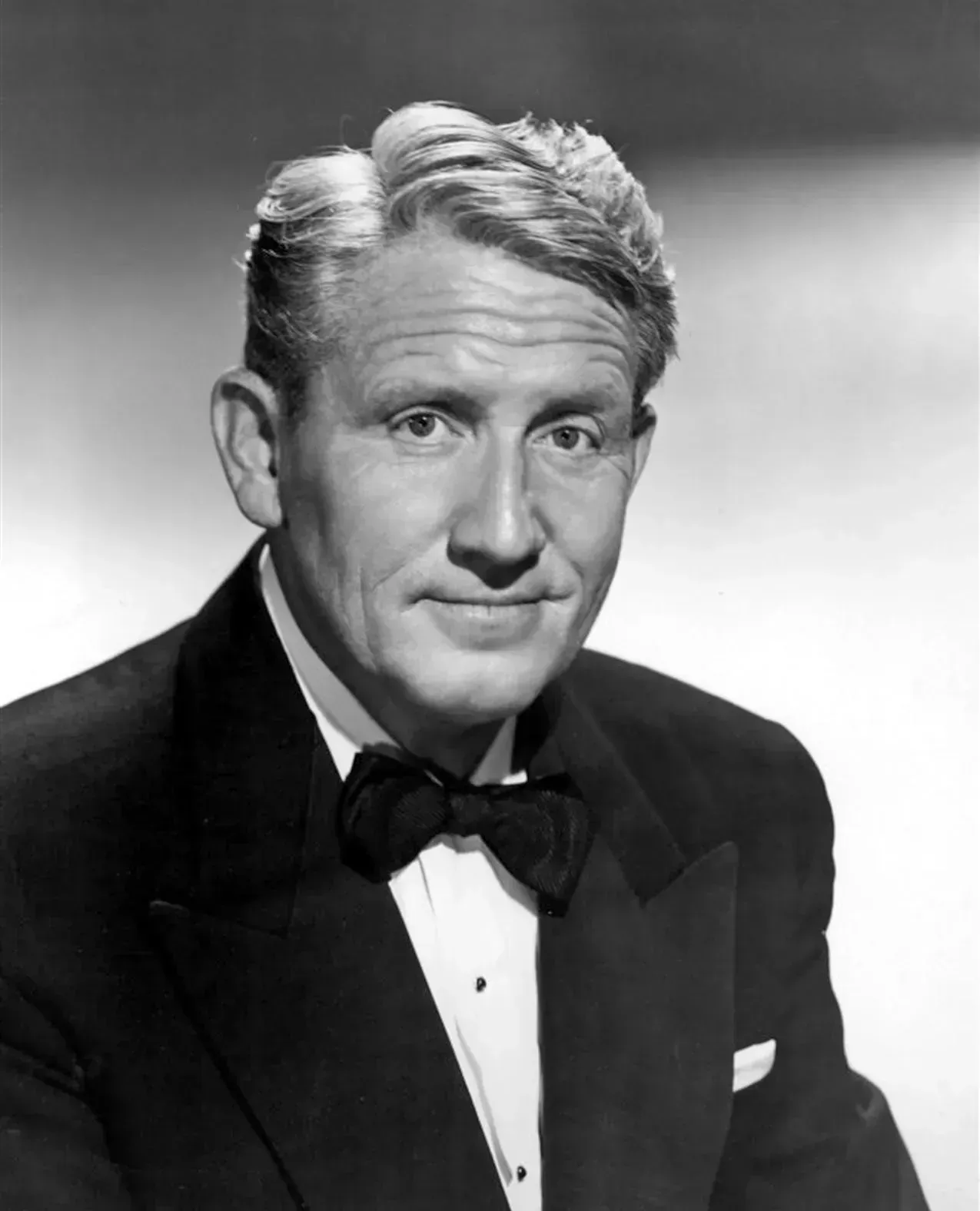
Spencer Tracy was one of the biggest movie stars in old Hollywood. During his 40-year career, he was nominated for nine Academy Awards, with two wins. The actor was married with two kids, and even though he became estranged from his wife Louise, they never divorced, which Tracy claimed was because of his Roman Catholic upbringing.
His public relationship with Katharine Hepburn was likely a studio creation. Tracy was rumored to have been involved in a long-term relationship with actor John Derek, and it has been alleged his relationship with Katharine Hepburn was studio-engineered.
The studios were masters at creating narratives that protected their investments. Tracy and Hepburn’s “romance” sold tickets while allowing both stars to hide their true orientations from a public that wouldn’t have accepted the truth.
George Cukor: The Women’s Director
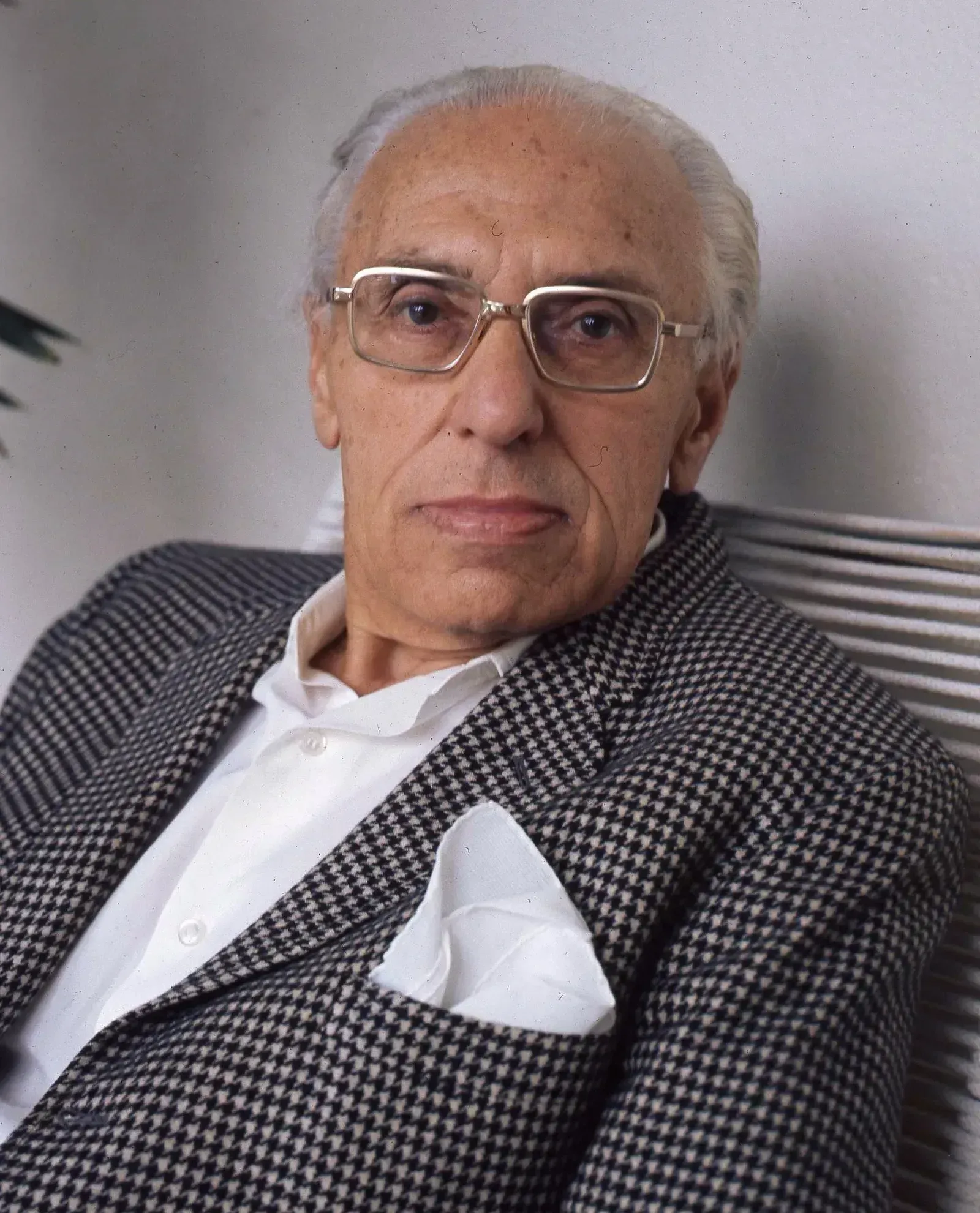
George Cukor was one of Hollywood’s recruits from the New York theater scene after sound was introduced into moviemaking. He found success at RKO Pictures and quickly gained a reputation for being “the woman’s director” for being one of few filmmakers who could get great performances out of any actress. He became the go-to director for women’s pictures.
Unlike many gay actors, Cukor’s sexuality was somewhat more openly acknowledged within the industry. Cukor’s mansion, decorated by gay former actor William Haines, became the center of LGBT society in Hollywood. It was a well-known fact that Cukor was gay, even though he never publicly spoke about it. For the most part, his sexuality didn’t get in the way of his success.
However, he still faced discrimination. He was asked to leave one of the largest Hollywood productions of all time. Cukor was the original director of Gone With the Wind. Leading man Clark Gable was very hostile about working with Cukor because the director’s sexuality made the actor uncomfortable. It’s been rumored that this was because Gable used to be a sex worker, and Cukor had once been his customer.
William Haines: The Star Who Chose Love
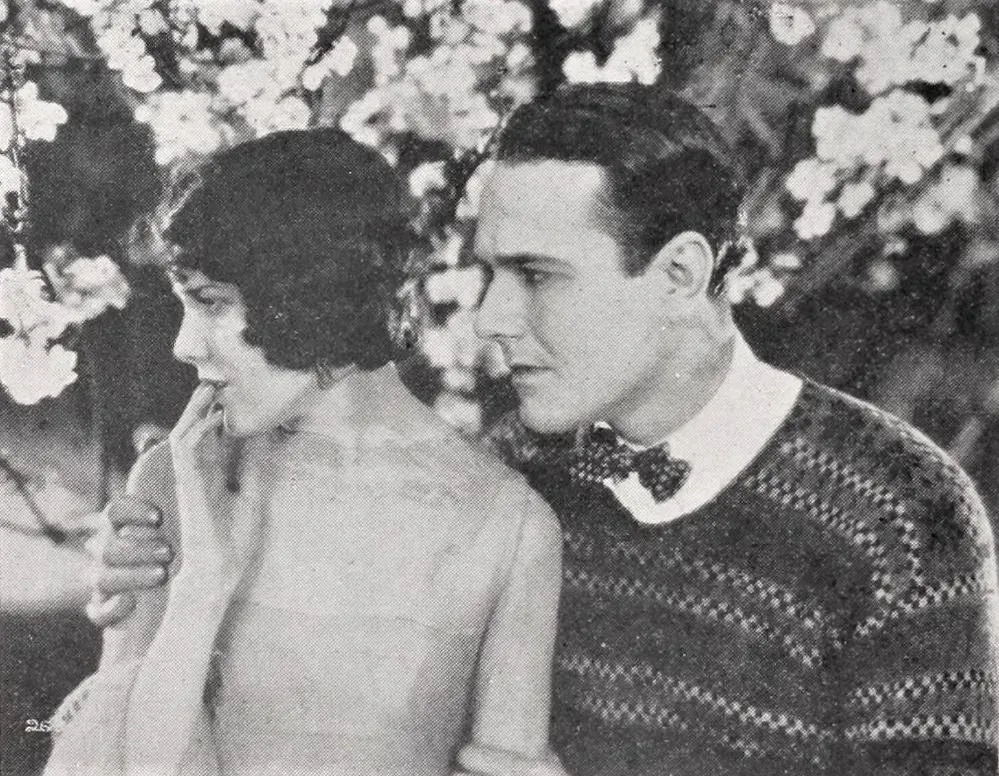
William Haines was once the top box-office attraction in the country. Once listed as the top box-office attraction in the country, William Haines had a persona as a wisecracking, leading man. His fame boomed in the late 1920s and early 1930s with films like Navy Blues and Way Out West, and Hollywood thought he was sure to be the next big thing.
He made a choice that would end his Hollywood career but define his integrity. Upon discovery of their relationship, Louis B. Mayer, then head of MGM, gave Haines an ultimatum: remain with Shields, or agree to a sham lavender marriage. William Haines chose Jimmie Shields, didn’t silence his own homosexuality, and was fired from MGM because of it. He spent the rest of his life, a further 47 years, owning an interior design business with Shields.
Joan Crawford, a friend, said of them that they were “the happiest married couple in Hollywood.” Haines proved that happiness was possible, even if it meant walking away from stardom.
Tallulah Bankhead: The Outspoken Bisexual Actress
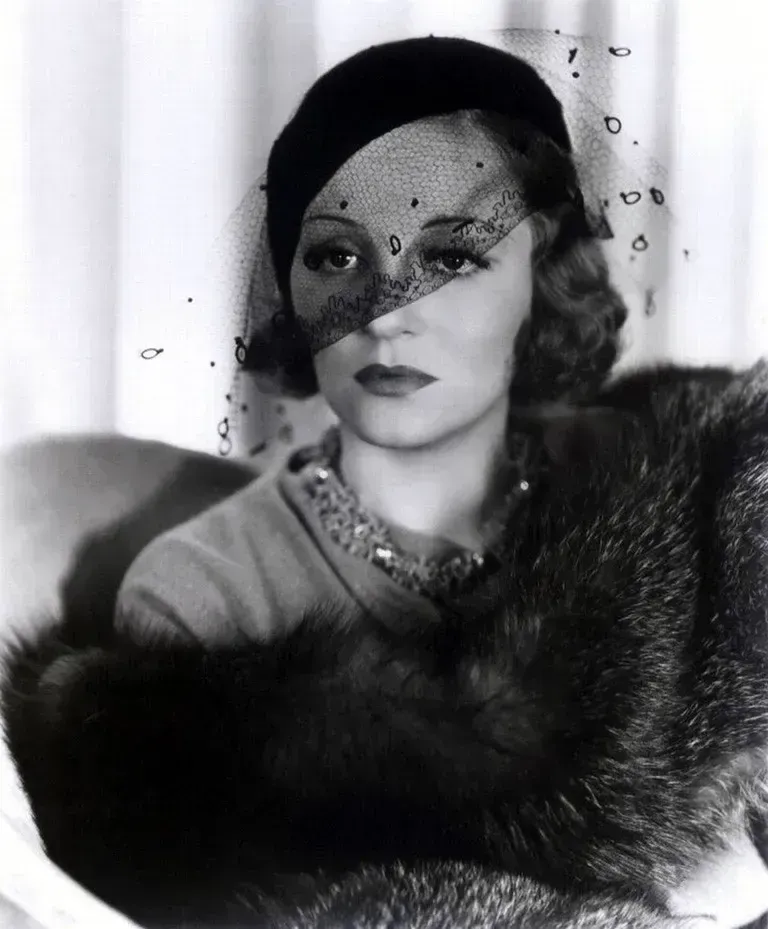
Tallulah Bankhead was known for her deep voice, wild personality, and refusal to conform. Unlike most stars of her era, she was relatively open about her attraction to both men and women. Kelly had a relationship with actress Tallulah Bankhead, who was very open about her attraction to both men and women. Throughout her film career, Kelly remained as a supporting role which was likely due to her openess about her sexuality.
Her bisexuality was something of an open secret in Hollywood. She had relationships with numerous actresses and wasn’t particularly discreet about it. The fact that she maintained any career at all speaks to her talent and force of personality.
Bankhead represents a different approach to surviving Old Hollywood. Rather than completely hiding, she lived on the edge, daring anyone to challenge her while maintaining just enough respectability to keep working.
Joan Crawford: The Ambitious Star’s Hidden Affairs
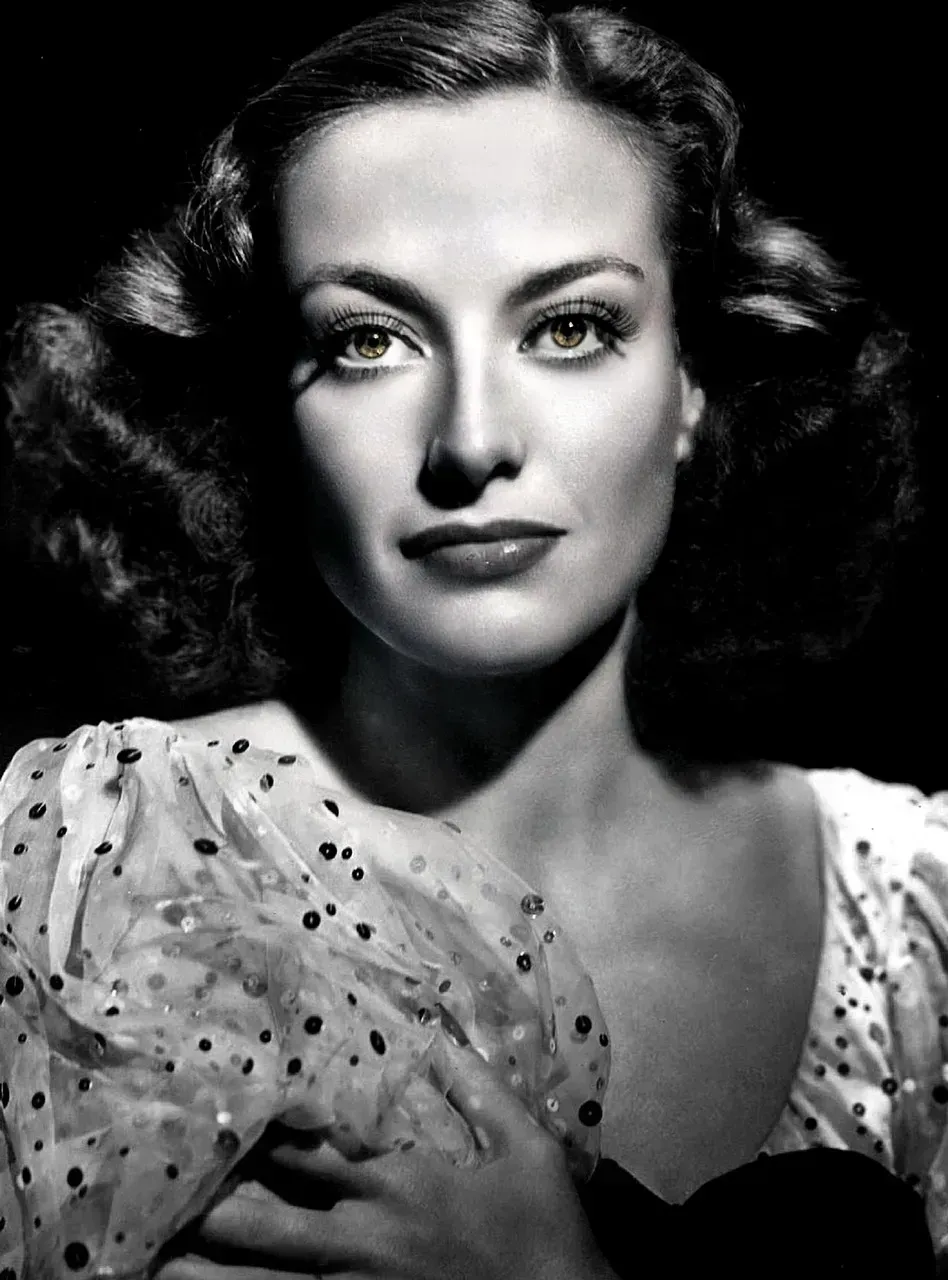
Joan Crawford was one of Hollywood’s greatest stars, but she harbored secrets that could have destroyed her career. There’s some evidence of Crawford’s bisexuality in EJ Fleming’s book about notorious Tinseltown problem solver Eddie Mannix. Crawford has been alleged to have had various lesbian romances with various Hollywood actresses including Marlene Dietrich and Marilyn Monroe. Fleming alleges Mannix got MGM to pay $100,000 to stop the release of a lesbian porn film starring Crawford before she was famous.
The studios went to extraordinary lengths to protect their stars’ images. Crawford’s alleged early work in adult films could have ended her career before it even began, but MGM’s fixers made the problem disappear.
Her rumored relationships with women remained just that – rumors – throughout her lifetime. Crawford understood the game and played it masterfully, becoming one of the most powerful actresses in Hollywood.
Patsy Kelly: The Refreshingly Honest Comedian
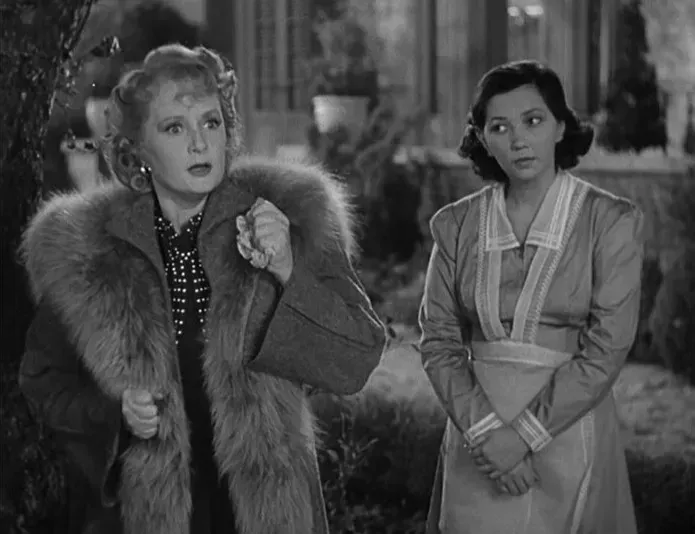
Patsy Kelly can be recognised from her roles playing the sassy best friend in 1930’s comedies like The Girl From Missouri and Merrily We Live. Kelly was very open and explicitly talked about her homosexuality during her career from the 30s to the ’40s. She told magazines that she was a “dyke” living with her girlfriend and never planned on marriage.
Kelly’s openness was remarkable for the time. Throughout her film career, Kelly remained as a supporting role which was likely due to her openess about her sexuality but today, she has a strong following in the cult classic movie community and is one of the strongest examples about a celebrity being openly homosexual in early Hollywood.
Her career was limited because of her honesty, but she carved out a space for herself on her own terms. Kelly proved that some level of authenticity was possible, even if it meant sacrificing leading roles for supporting parts.
Randolph Scott: The Cowboy’s Secret Romance
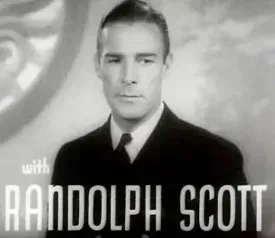
Randolph Scott was known for his Western roles and his impossibly handsome face. Randolph Scott was an American film actor whose career spanned from 1928 to 1962. They met in 1932 when they were cast together in Hot Saturday. His relationship with Cary Grant became one of Hollywood’s most enduring mysteries.
In Hollywood Gays, Boze Hadleigh cites homosexual director George Cukor who said about the homosexual relationship between the two: “Oh, Cary won’t talk about it. At most, he’ll say they did some wonderful pictures together. But Randolph will admit it – to a friend.”
In 1944 Scott and Grant stopped living together but remained close friends throughout their lives. Scott later married and had children, following the expected path for a Hollywood leading man. When Grant died in November 1986, Scott passed away just three months later.
Janet Gaynor: The First Best Actress Winner
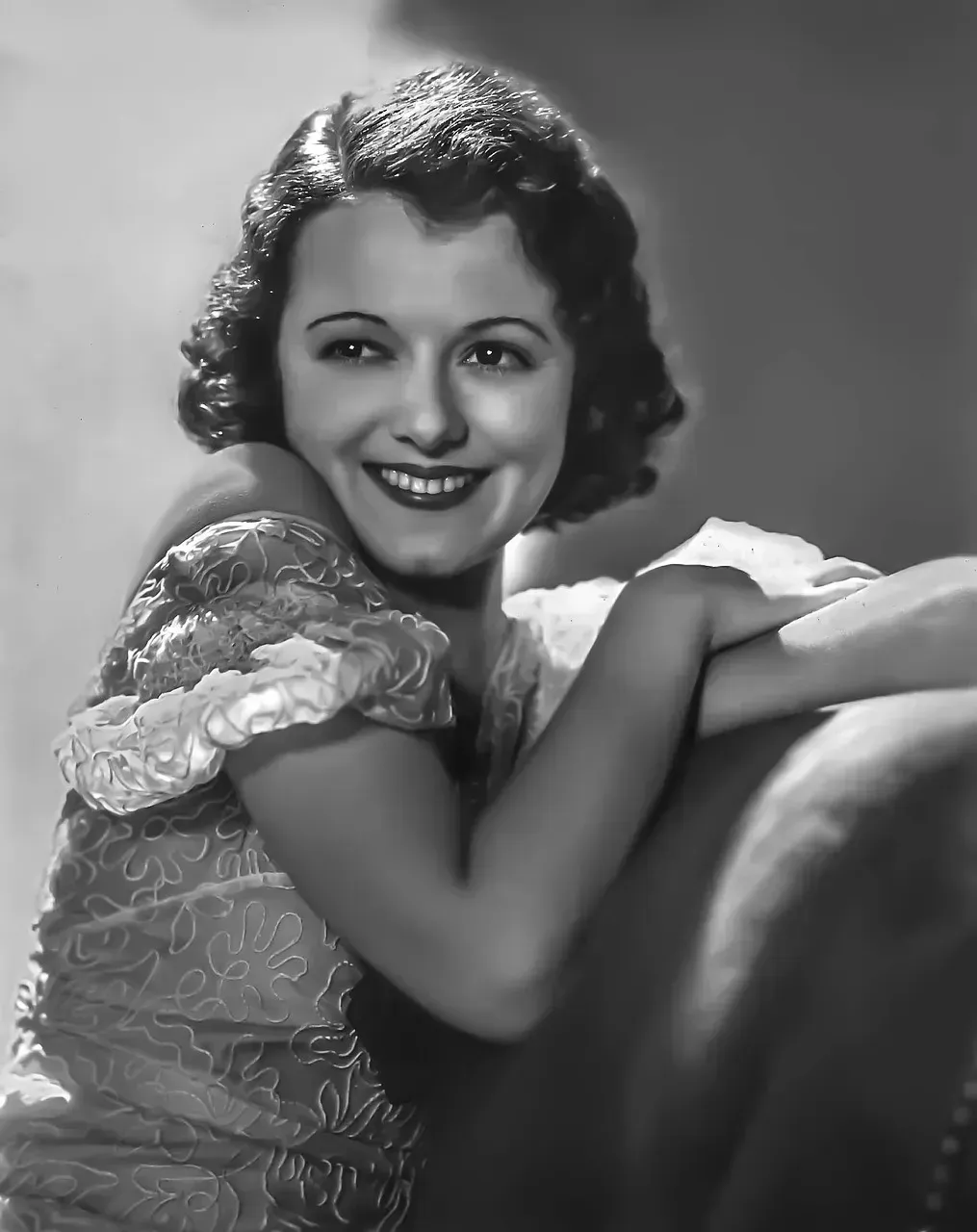
Janet Gaynor, the first person to win an Academy Award for Best Actress, entered into a lavender marriage with renowned costume designer Adrian Adolph Greenberg. Both were believed to be gay, and their marriage served as protection for both of their careers.
In 1939 he married Oscar-winning actress Janet Gaynor, to whom he remained wed until his death in 1959. Rumors about both Adrian and Gaynor’s sexuality have been hard to prove. Their marriage is believed to be a lavender marriage, which was an arrangement made to debunk rumors that they were both gay.
Actor Bob Cummings is quoted in the book as saying, “Janet Gaynor’s husband was Adrian, the MGM fashion designer. But her wife was Mary Martin.” Despite these accounts, the couple’s son maintains that his parents’ marriage was a real one. The truth remains murky, lost in the carefully constructed facades of Old Hollywood.
Jean Acker: The Silent Film Star
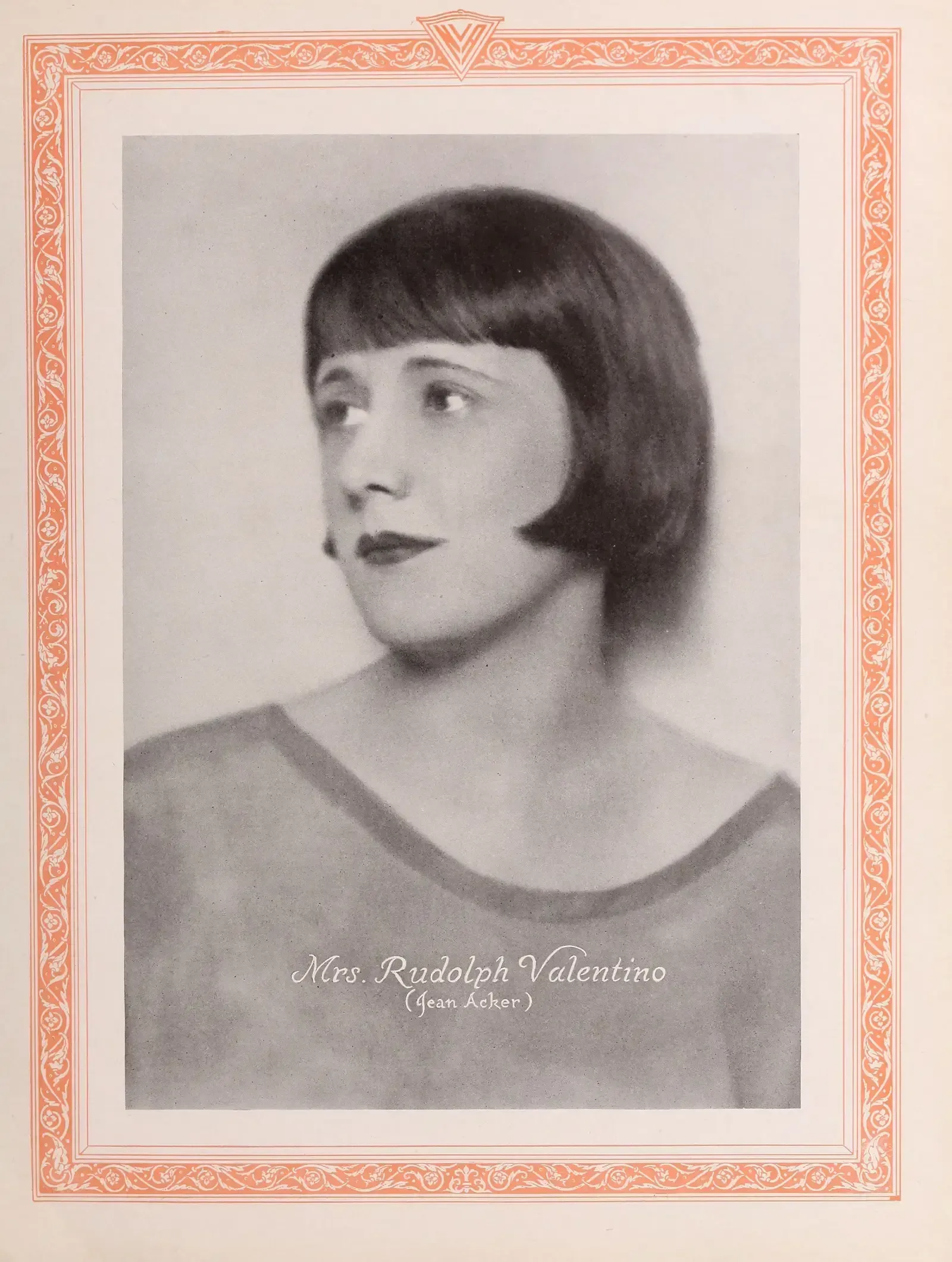
One of the earliest speculated lavender marriages was the 1919 union of silent film actor and early sex symbol Rudolph Valentino and actress Jean Acker, who was rumored to have been lesbian. Their wedding night became legendary in Hollywood for all the wrong reasons.
On the couple’s wedding night, Acker apparently quickly regretted the marriage and locked her new husband out of their hotel room. It was an inauspicious start to what would become a brief and troubled union.
Jean Acker married Rudolph Valentino. At the time, Acker was notably more famous than The Sheik star, who eventually became one of the biggest silent film actors of the era. Valentino believed the lesbian actress might help his career, and they wed on a whim. The night of their wedding, Acker reportedly “slammed the door in his face.”
Marlene Dietrich: The Bisexual Icon
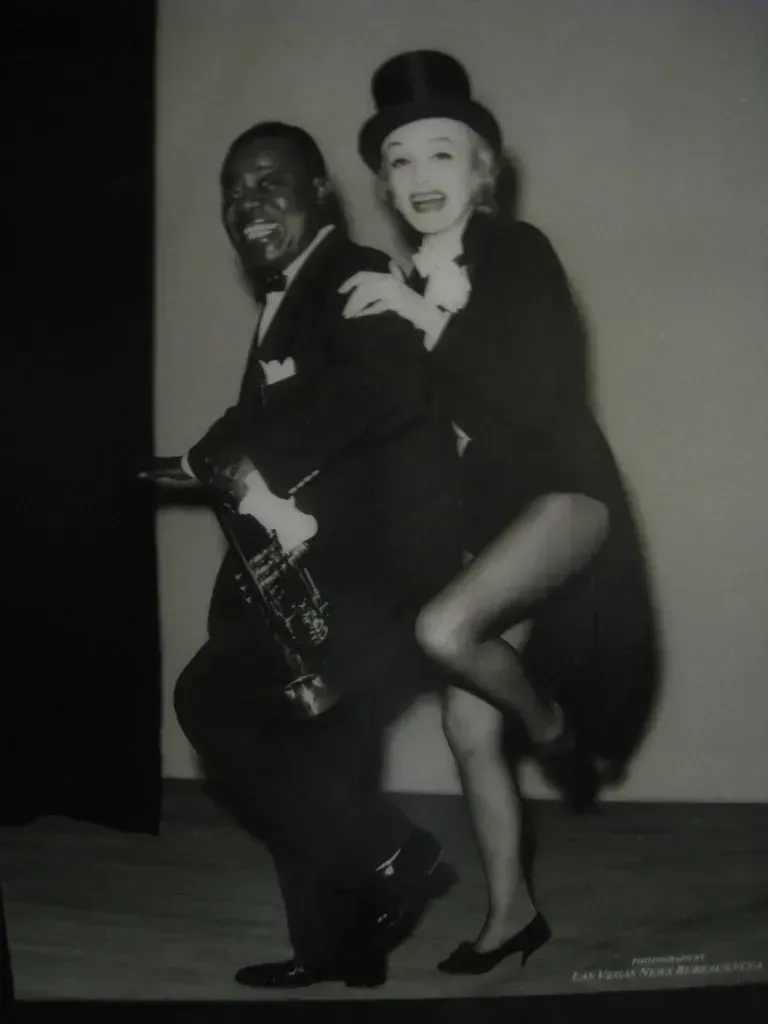
Marlene Dietrich was more open about her bisexuality than most stars of her era, at least in certain circles. She had affairs with both men and women throughout her career and didn’t particularly care who knew about it within the Hollywood community.
Her masculine style and androgynous appeal made her a queer icon long before the term existed. Dietrich represented a different kind of Hollywood star – one who pushed boundaries and challenged gender norms on screen.
She reportedly had relationships with Greta Garbo, Joan Crawford, and numerous other women while maintaining romances with men as well. Her European background perhaps gave her more freedom to explore her sexuality than American-born stars had.