Wait Before You Buy: 10 Grocery Items Shoppers Say No Longer Justify the Price
Something shifted in the American grocery aisle over the past few years. People who used to toss items in their carts without a second thought are now standing in front of shelves, doing the mental math, and walking away empty-handed. It’s not a minor inconvenience. It’s a full-scale reckoning between what things cost and what they’re actually worth.
Food prices are up roughly 34.6% since 2019, and that number hits differently when you’re staring at a price tag that makes a simple weeknight dinner feel like a luxury splurge. A staggering roughly four out of five shoppers now identify rising food prices as their top concern, and honestly, it’s not hard to see why. Here are ten grocery items that are pushing consumers over the edge, and why shoppers are increasingly saying enough is enough. Let’s dive in.
1. Eggs: From Breakfast Staple to “Treat Yourself” Territory
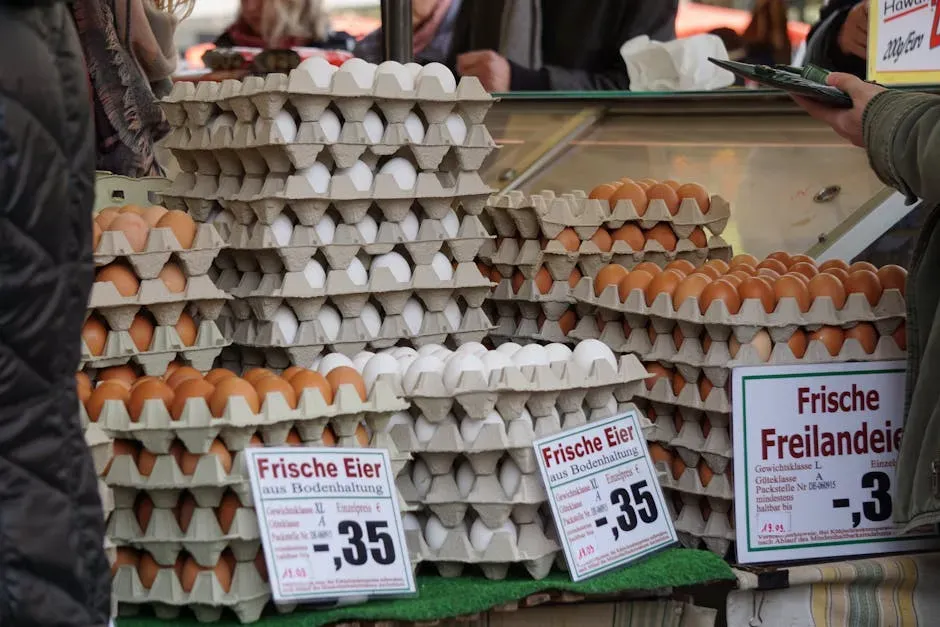
There was a time when eggs were the budget hero of every shopping trip. Cheap, protein-packed, endlessly versatile. Then came the bird flu outbreaks, and everything changed. As of mid-2025, a total of 1,700 outbreaks of highly pathogenic avian influenza had been reported in the U.S. since January 2022, affecting more than 169 million birds and contributing to a sharp rise in egg prices.
Eggs became the most frequently mentioned item that consumers have cut back on or stopped buying altogether, with many now treating them as a “luxury,” waiting for sales or substituting alternatives. That’s a genuinely strange thing to say about eggs. Think about it. The most ordinary grocery item on the planet is now getting the same treatment as imported cheese.
Retail egg prices had decreased by early 2026, but only after the spread of Highly Pathogenic Avian Influenza caused them to spike dramatically in late 2024 and early 2025. The emotional hangover from those sky-high prices? Still very much alive in shoppers’ minds.
2. Ground Beef: America’s Love Affair Gets Complicated
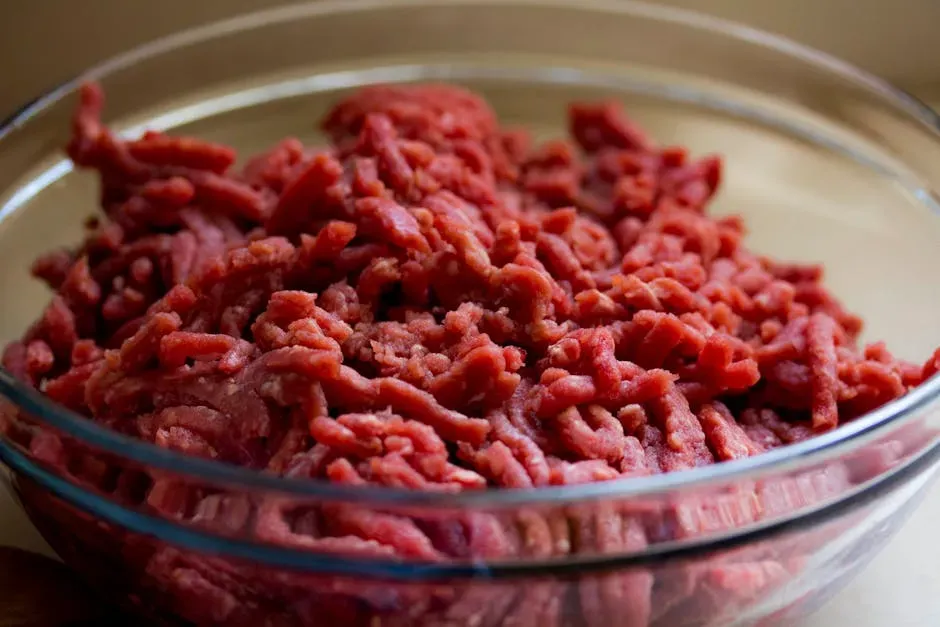
The backyard barbecue used to be sacred ground. Affordable ground beef meant burgers on demand, meatloaf on Tuesdays, and tacos on Fridays. That era is quietly fading. Beef prices have increased over 50% since 2020, causing restaurants and stores to raise their prices.
The U.S. cattle herd is at 70-year lows while beef demand remains at all-time highs. That’s the kind of supply-demand collision that doesn’t resolve itself quickly. Industry analysts expect elevated ground beef prices to persist through at least 2026 to 2027, as the USDA projects cattle inventories will bottom out in 2025, with recovery taking several years due to the natural breeding and growth cycles of cattle.
Most concerning for consumers is the cost of meat, which tracks with the overall change in CPI in this category, with the cost of one pound of ground beef having risen by more than a dollar since the beginning of 2025. Shoppers who used to buy it without flinching are now leaving it on the shelf and reaching for chicken thighs instead.
3. Olive Oil: “Liquid Gold” Was Not Just a Nickname
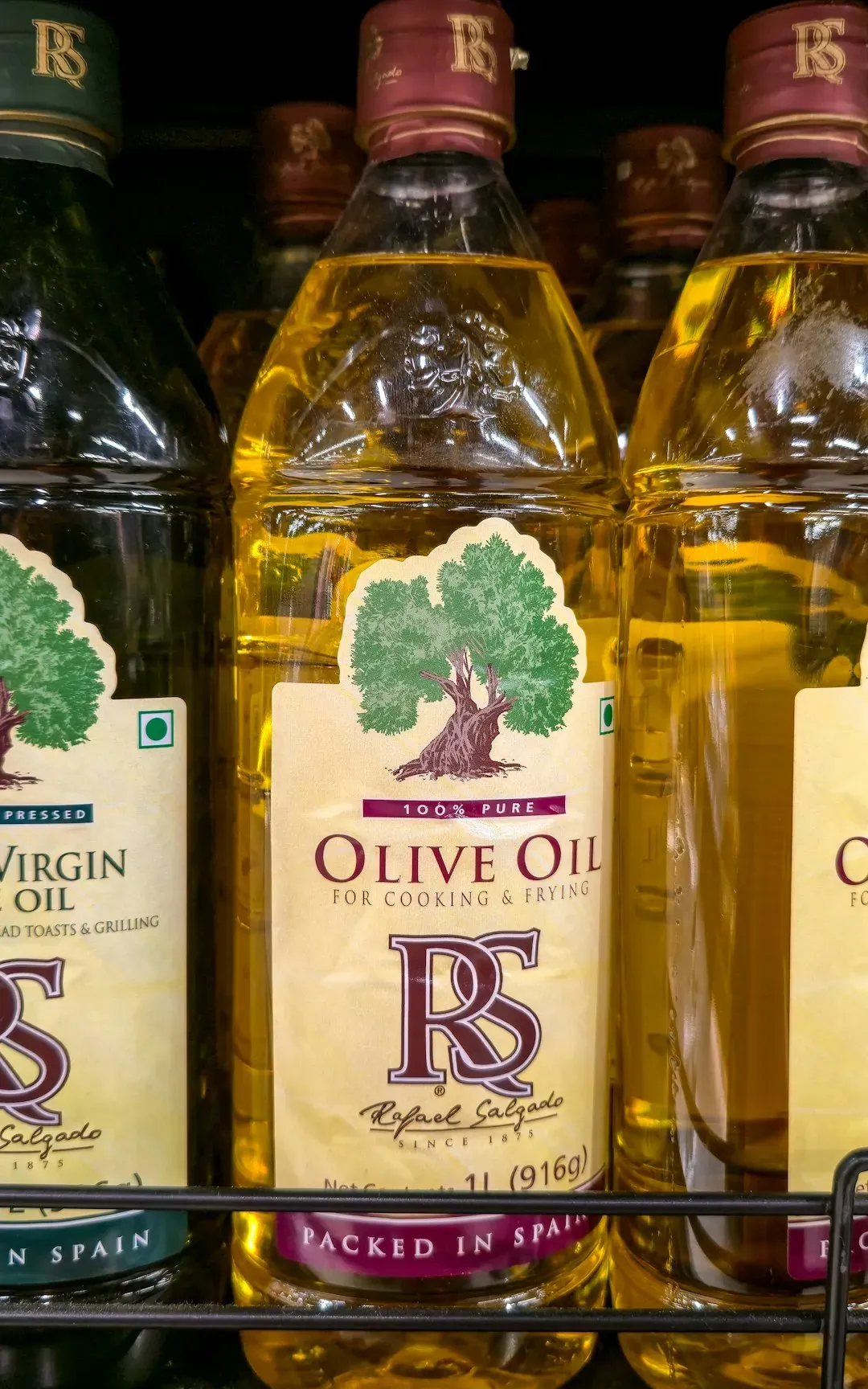
Olive oil used to be the kind of thing you grabbed confidently. A reliable pantry fixture. Now it’s the kind of item you double-check the price on, sometimes twice. The price of olive oil nearly doubled between October 2023 and October 2024, according to the Federal Reserve. Let that sink in. Doubled. In one year.
The surge in olive oil prices across the USA and Europe has led to some calling it “liquid gold,” with the price increases attributed to a combination of climate challenges, rising production costs, and supply chain disruptions. The Mediterranean drought of 2022 and 2023 devastated harvests in Spain, Italy, and Greece, regions that collectively supply the world with most of its olive oil.
In Spain, falling olive oil sales are directly linked to reduced production and elevated prices, with sunflower oil becoming more affordable and outselling olive oil for the first time. That’s a meaningful signal. When a centuries-old cooking tradition gets replaced by cheaper alternatives, the price has crossed a real psychological line.
4. Orange Juice: A Morning Ritual Shoppers Are Quietly Abandoning
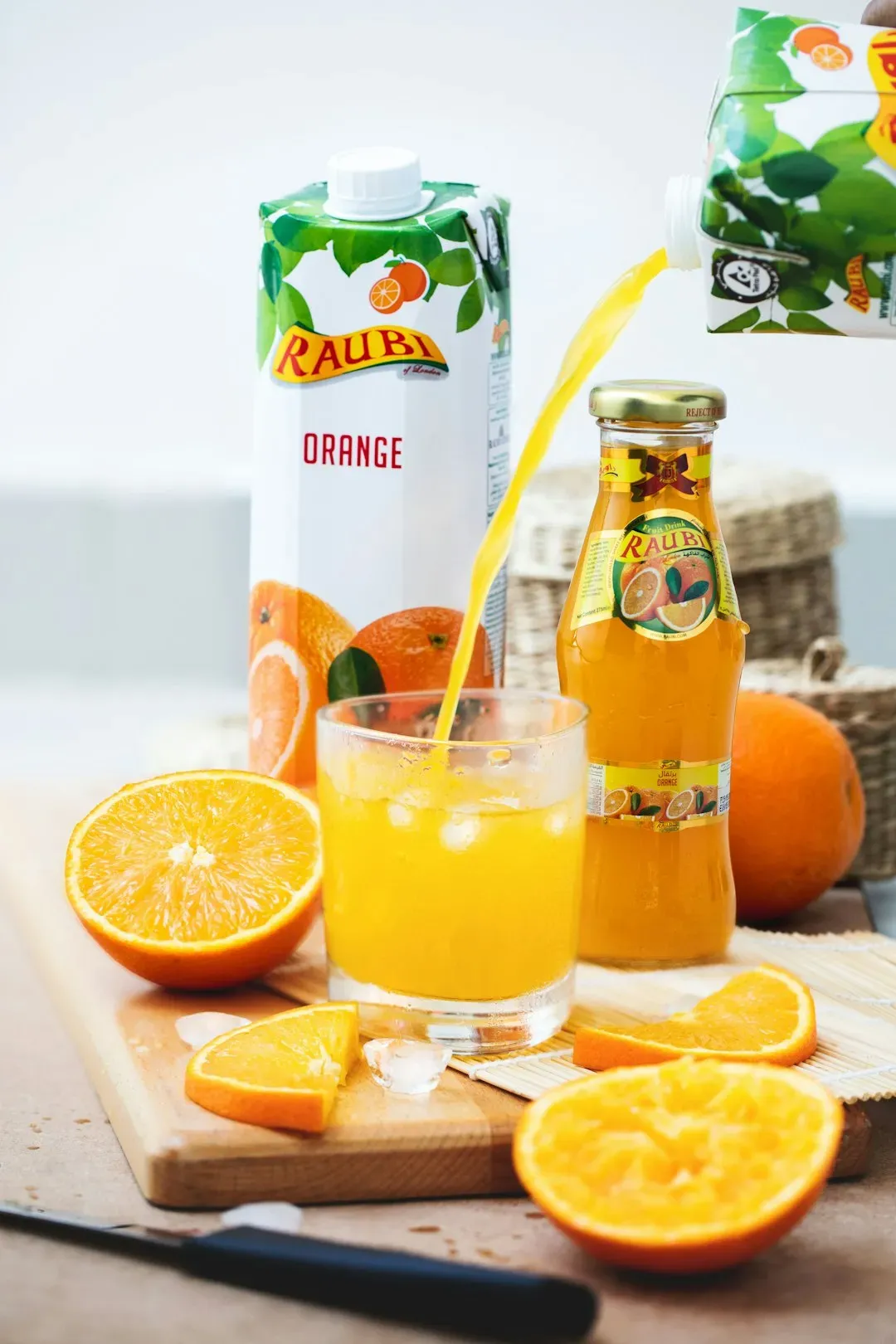
Here’s something I find genuinely shocking. Orange juice, that classic glass-with-breakfast ritual, has become one of the most dramatic price stories in recent grocery history. Orange juice saw a roughly 260% price increase since 2019, according to an analysis by The Kobeissi Letter. That is not a typo. Two hundred and sixty percent.
Orange juice futures reached a high of $4.95 per pound in May 2024, up from below $1 per pound in January 2020, due to a combination of citrus greening disease devastating crops in Brazil and Florida, which together make up about 85% of the world market. The disease is relentless. Once a tree is infected with citrus greening, there is no cure.
The price of orange juice stopped climbing and began to dramatically fall just before the start of 2025, with one of the key reasons being a significant fall in demand. In other words, shoppers voted with their wallets, and the market responded. Still, the damage to consumer trust in OJ as an everyday affordable item may take years to fully recover.
5. Coffee: The One Vice People Can’t Quit, But Are Starting To Resent
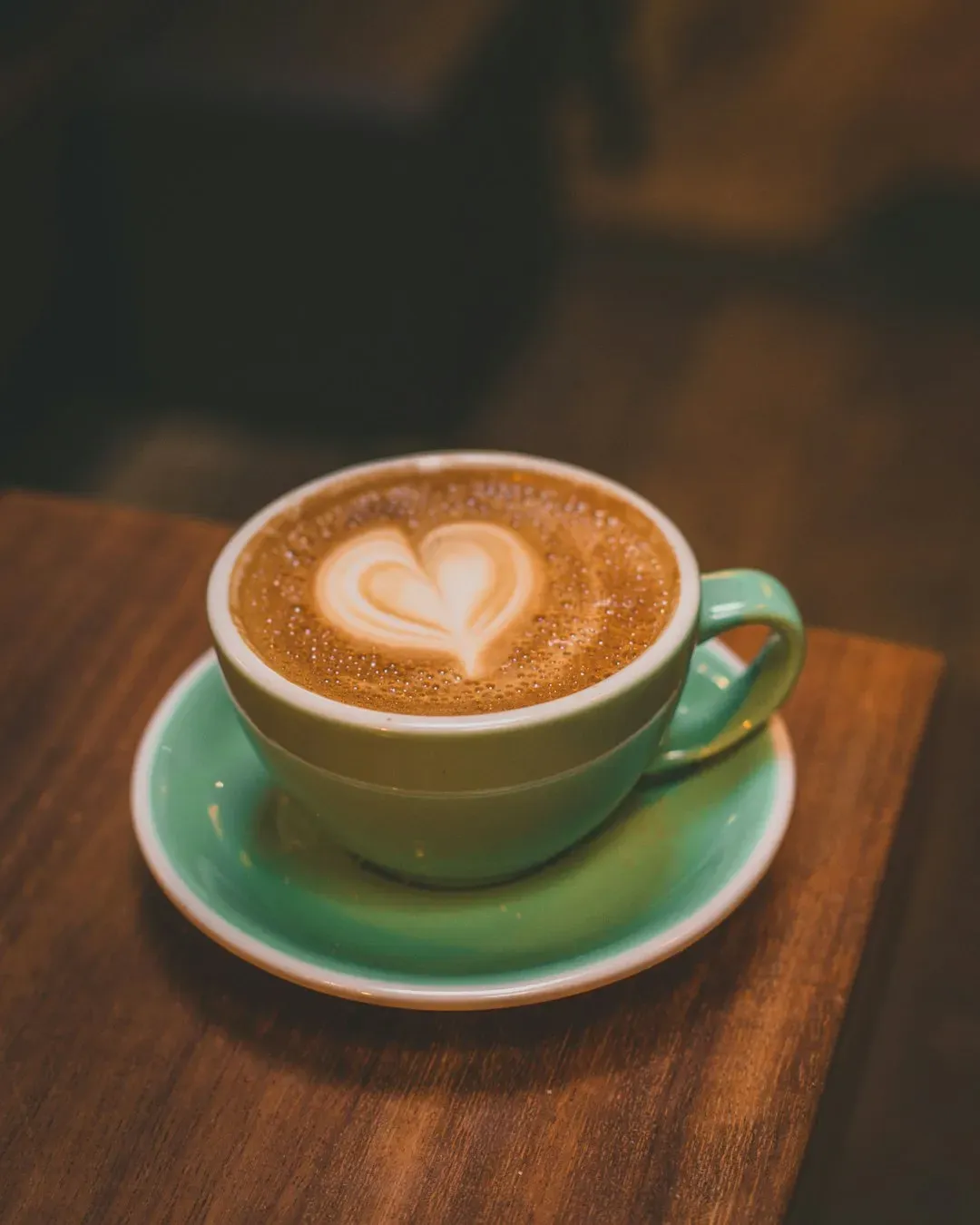
Coffee is one of those items that feels non-negotiable. People will cut corners everywhere else before they give up their morning cup. Yet the price is testing that loyalty like never before. Coffee prices climbed nearly two percent in February 2026 alone and are up a massive 18.4% in the past year.
Tariffs are contributing to higher prices for imported staples like coffee, and those costs are flowing directly to the consumer shelf. Many shoppers haven’t stopped buying coffee entirely, but they are actively downgrading. Generic brands, store-label blends, and bulk buys are surging as a result.
Kirkland Signature coffee at Costco saw a significant jump, rising due to increasing Arabica coffee costs and tariffs. When even bulk warehouse prices feel painful, you know the category has a real problem. Honestly, coffee used to be a small daily comfort. Now it’s a budget line item people actually debate.
6. Fresh Produce: The Healthy Eating Tax
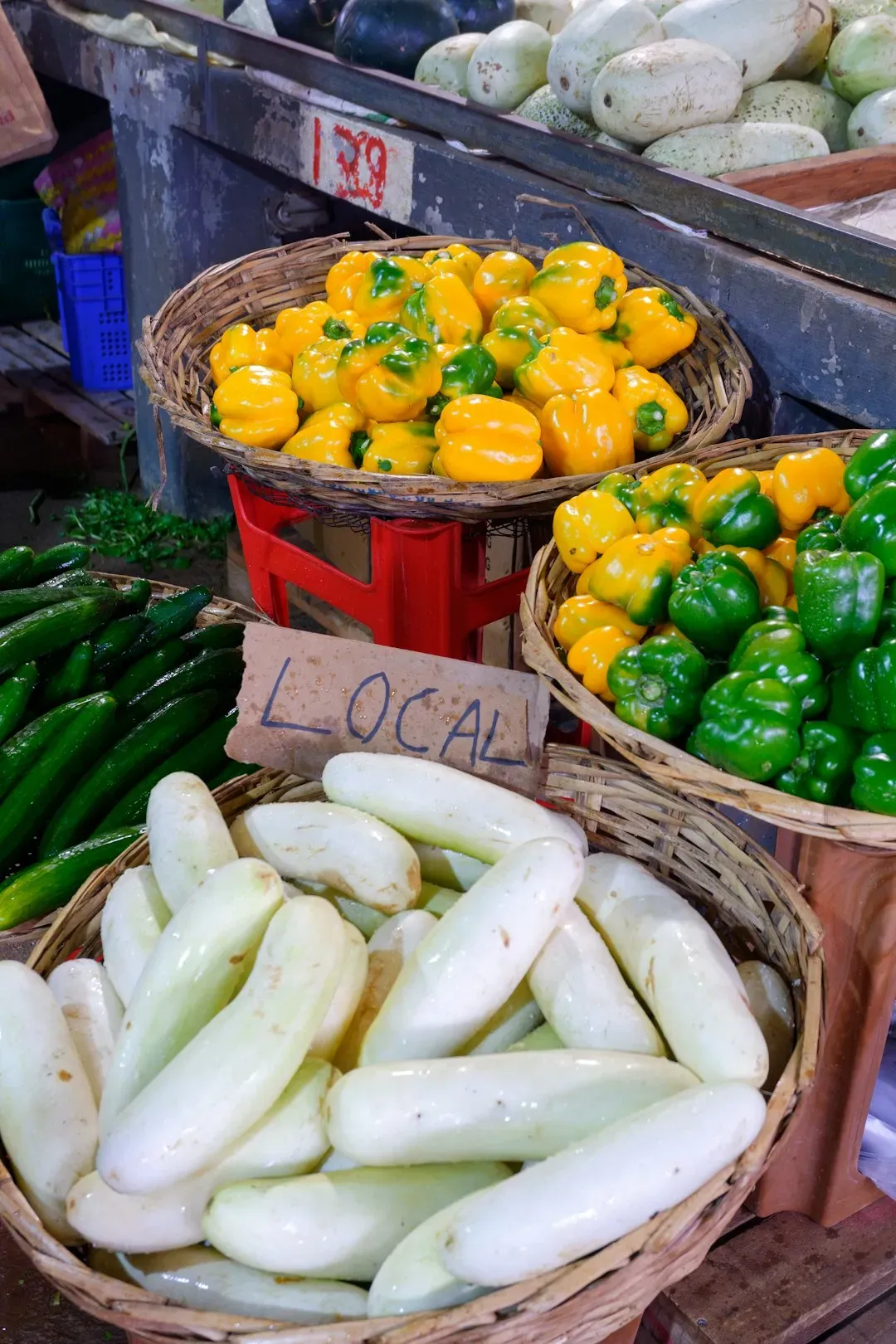
There is something deeply unfair about fresh fruits and vegetables becoming a luxury. These are the items doctors tell us to eat more of. Yet they are among the items shoppers increasingly put back on the shelf. Fresh fruits and vegetables were mentioned by many consumers as becoming increasingly unaffordable, leading some to buy less or prioritize longer-lasting items.
Many families have shifted toward cheaper, less healthy options such as more processed or shelf-stable foods, which is one of the more troubling downstream consequences of sustained grocery inflation. Eating well has, in a very real sense, become a financial decision rather than just a personal one.
Vegetable prices can undergo large swings based on weather, production, seasonality, and other factors, making it impossible for budget-conscious shoppers to plan reliably. One week a bag of peppers is affordable. The next, it costs the same as a full meal. That kind of unpredictability wears people down fast.
7. Name-Brand Cereals and Packaged Snacks: The Great Downgrade
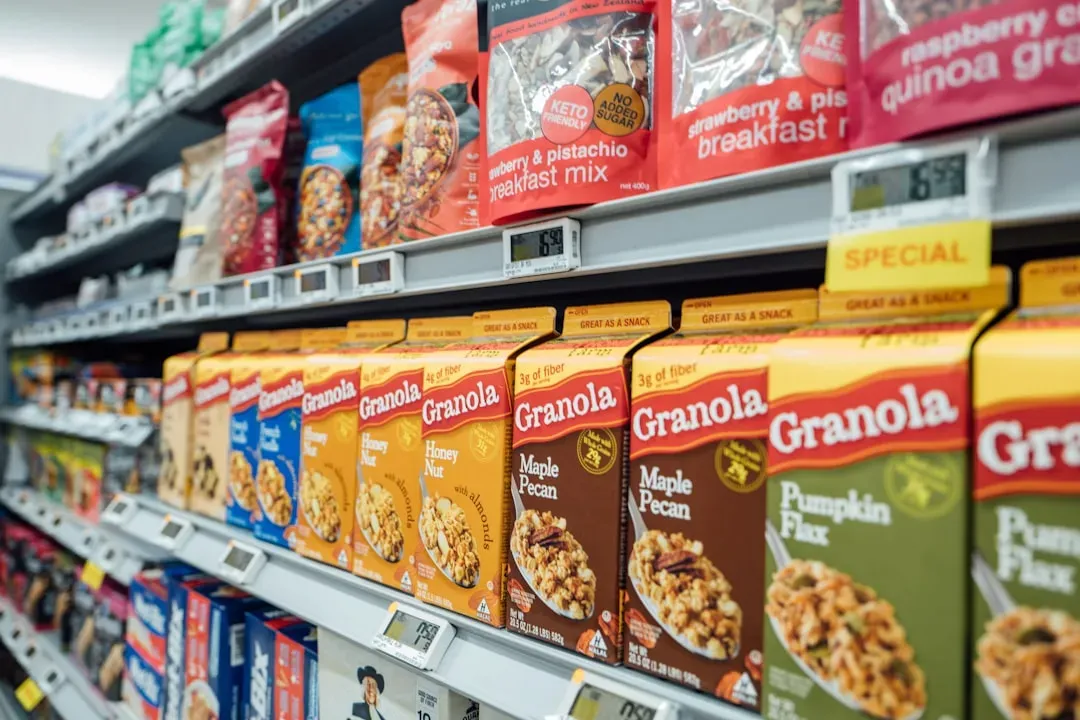
Let’s be real. There was never actually much difference between the name-brand cereal and the store-brand version sitting right next to it. Sustained inflation has finally convinced millions of shoppers of that exact truth. Between 44% and 46% of shoppers are now willing to switch to less expensive brands specifically in the dairy, cereal, drinks, and frozen food categories.
Products like chips, cookies, ice cream, and soda are often described by shoppers as non-essentials that can be reduced or cut entirely, while even healthier snacks like nuts and whole grain items are being avoided due to cost. It’s a bit ironic. The healthy snack aisle is being avoided partly for the same reason as the junk food aisle. Price.
Much of the growth in private label brands comes from elevated consumer perceptions, with many shoppers no longer seeing them as just less expensive but also as “highly substitutable” for branded options, according to NielsenIQ. That’s a real shift in loyalty, and it may not reverse even if prices eventually come back down.
8. Dairy Products: Milk, Butter, and the Quiet Budget Squeeze
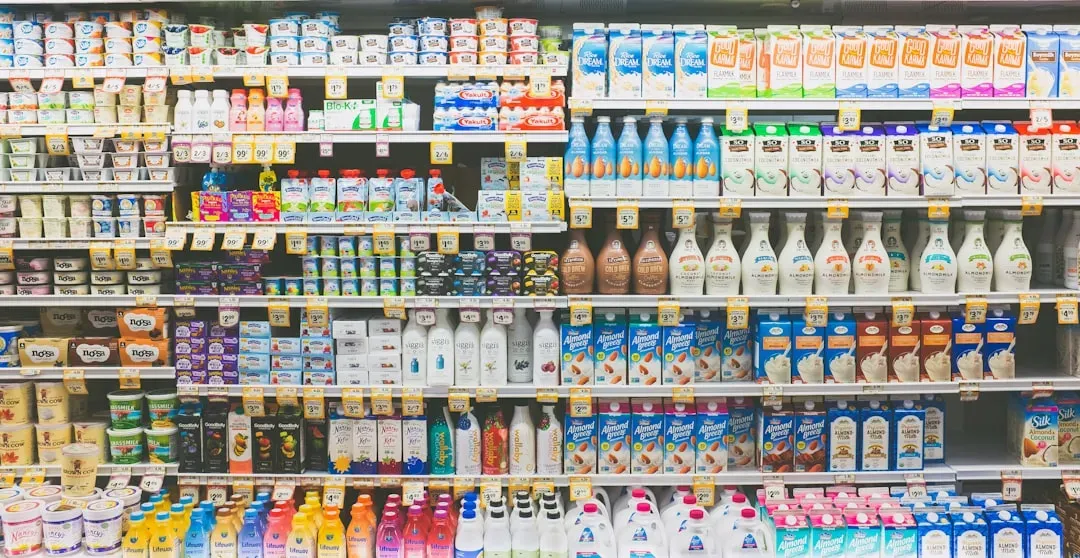
Dairy hits different than other categories because it is genuinely hard to avoid. Milk goes in coffee, cereal, and cooking. Butter goes in almost everything. When prices creep up here, shoppers feel it across their entire kitchen routine. A significant majority of consumers say they want lower prices on essential items like milk, eggs, and bread.
The share of U.S. adults who say they are worried about the cost of dairy, among other categories, has ticked up in recent months. It is not an overwhelming spike but a slow, grinding erosion of confidence. That kind of concern tends to stick around even when prices stabilize. People remember being burned.
Prices for farm-level milk actually fell in 2025 as U.S. milk production increased, which is a rare piece of good news in an otherwise difficult category. However, those farm-level savings don’t always translate quickly to the retail shelf. Shoppers waiting for relief sometimes have to wait a lot longer than the data suggests they should.
9. Salmon and Premium Seafood: A Splurge That Got Too Splugy
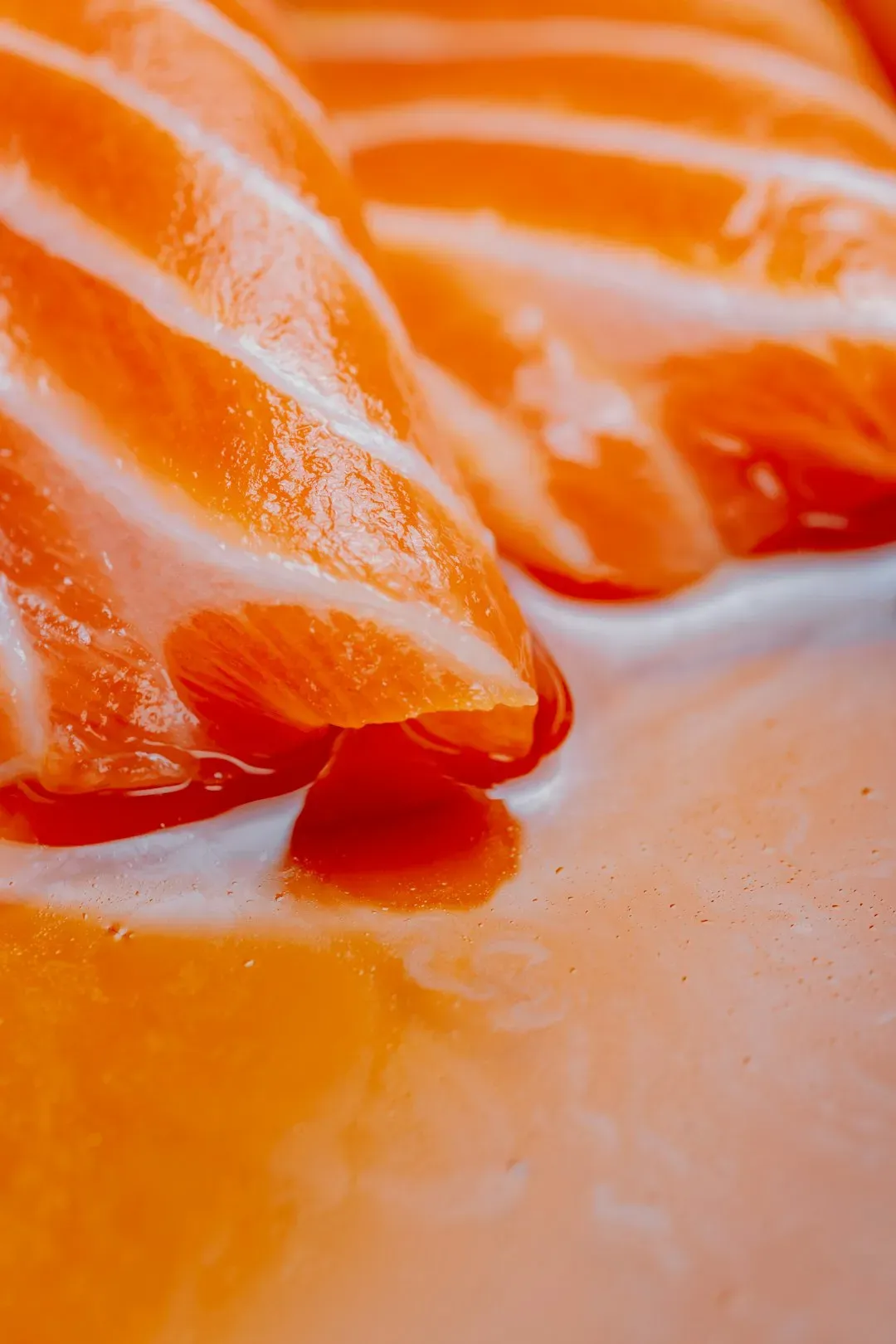
There was a stretch of time when buying a salmon fillet felt like a responsible, healthy indulgence. Reasonable protein, good fats, worth the mild price premium over chicken. That balance has tipped considerably. Salmon prices, particularly at retailers like Costco, have surged sharply in recent years.
One analysis comparing price points showed that Kirkland Signature Salmon surged by over eleven dollars between March 2021 and May 2024, jumping from $24.49 to $35.99. And it didn’t stop there. Kirkland Signature Wild Caught Alaska Sockeye Salmon, which hovered between $26.99 and $29.99 for years, shot up to $39.99 in August 2025, with the same bag later clocking in at $45.39.
That is a staggering climb for what was once considered a practical protein option. Shoppers who relied on premium seafood as their go-to healthy meal choice are quietly migrating back toward canned tuna and frozen tilapia. It’s a bit of a downgrade in dinner ambition, but the math just doesn’t work anymore for many households.
10. Bread and Bakery Products: The Staple That Snuck Up on Everyone
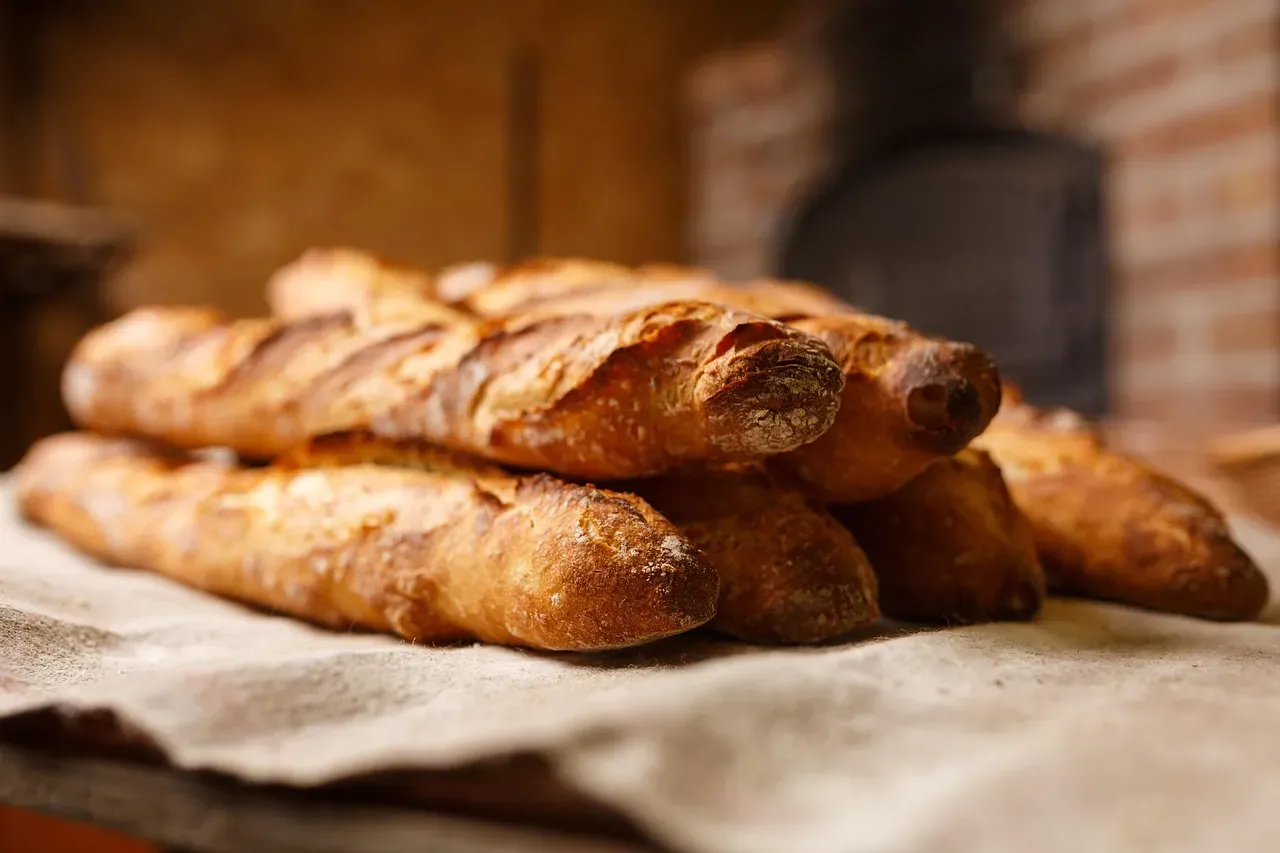
Here’s the thing about bread. It’s one of those items so embedded in everyday life that most people don’t even notice the price climbing until it suddenly feels wrong to pay it. Overall food prices are predicted to rise roughly 3.1% in 2026, and bakery products have historically been part of that upward drift even as wheat prices at the farm level have moderated.
If prices were to rise further, shoppers say they’d cut back mainly on non-essentials like packaged snacks, bakery treats, alcohol, and soda. Bakery treats sit right in the crosshairs of shopper frustration. Artisan breads, specialty rolls, and premium baked goods are seeing significant consumer resistance, even from buyers who previously bought them without hesitation.
Food prices are currently about 30% higher than they were in 2019, and for a category as psychologically significant as bread – a true symbol of everyday affordability – that cumulative effect hits harder than the percentage alone suggests. Shoppers are increasingly choosing plain store-brand loaves and skipping the premium stuff, which is a telling cultural shift in a country where food quality used to be a point of pride.