The Leftover Rule: 10 Foods You Shouldn’t Keep Beyond 48 Hours
We’ve all done it. Cooked a big meal, covered the leftovers, shoved them in the fridge, and told ourselves we’d deal with it tomorrow. Sometimes even the day after tomorrow. It feels harmless. The food looks fine. It smells okay. So what could possibly go wrong?
The answer, honestly, is quite a lot. The federal government estimates there are about 48 million cases of foodborne illness annually in the United States, and each year these illnesses result in an estimated 128,000 hospitalizations and 3,000 deaths. That is a staggering number for something as preventable as knowing when to throw out your leftovers. Some foods deteriorate faster than you’d ever guess, and the 48-hour window is where things start getting genuinely risky. Let’s dive in.
1. Cooked Rice: The Silent Kitchen Threat
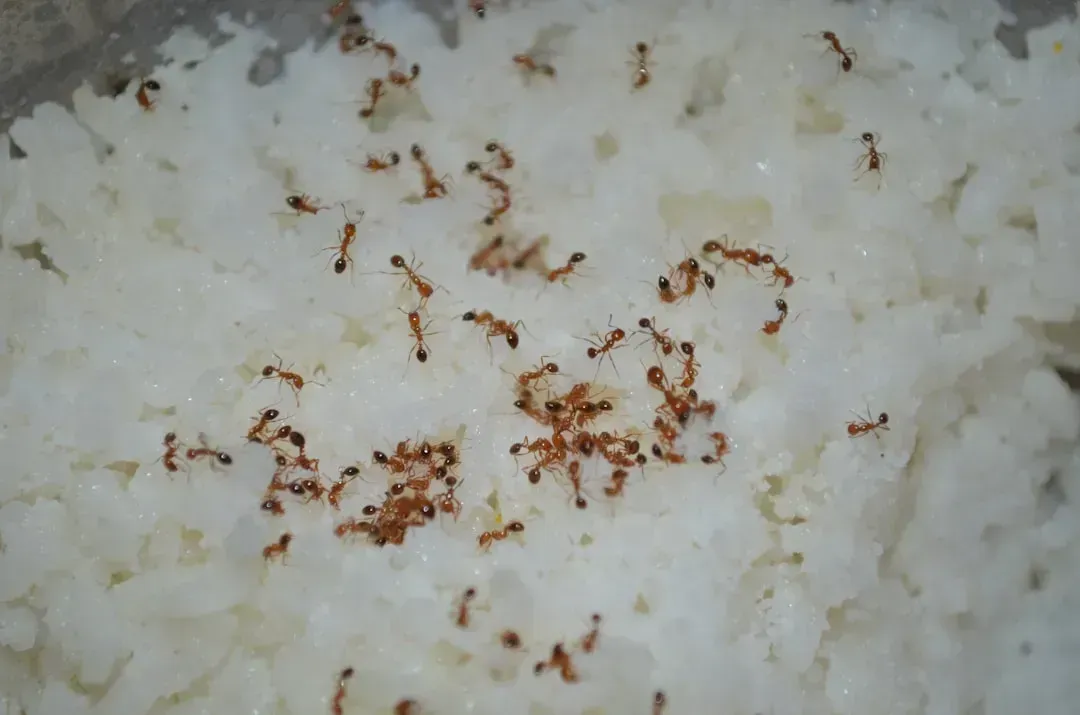
Let’s be real – rice is probably the last food you’d think would send you to the hospital. It seems so simple, so benign. Yet cooked rice has one of the sneakiest spoilage profiles in any kitchen. Reheated rice syndrome is food poisoning caused by Bacillus cereus, a bacteria that spreads in improperly cooled starches.
Here’s the thing that makes rice particularly dangerous: reheating won’t save you. Unlike common foodborne bacteria like Salmonella and E. coli, cooking or reheating your food won’t protect you from a Bacillus cereus infection because the toxins are heat-resistant and the spores can also survive cooking or digestion. Zapping your rice in the microwave gives you a false sense of security.
B. cereus was responsible for 63,400 cases of foodborne illness and 20 hospitalizations in the United States each year between 2000 and 2008. Many more cases go unreported because symptoms are mild or mistaken for a stomach bug. The NHS recommends cooling rice quickly and storing it in the refrigerator for no longer than 24 hours. Keeping it beyond 48 hours, especially if it wasn’t cooled promptly, is a real gamble not worth taking.
2. Cooked Shellfish and Seafood: The Fastest Fridge Countdown
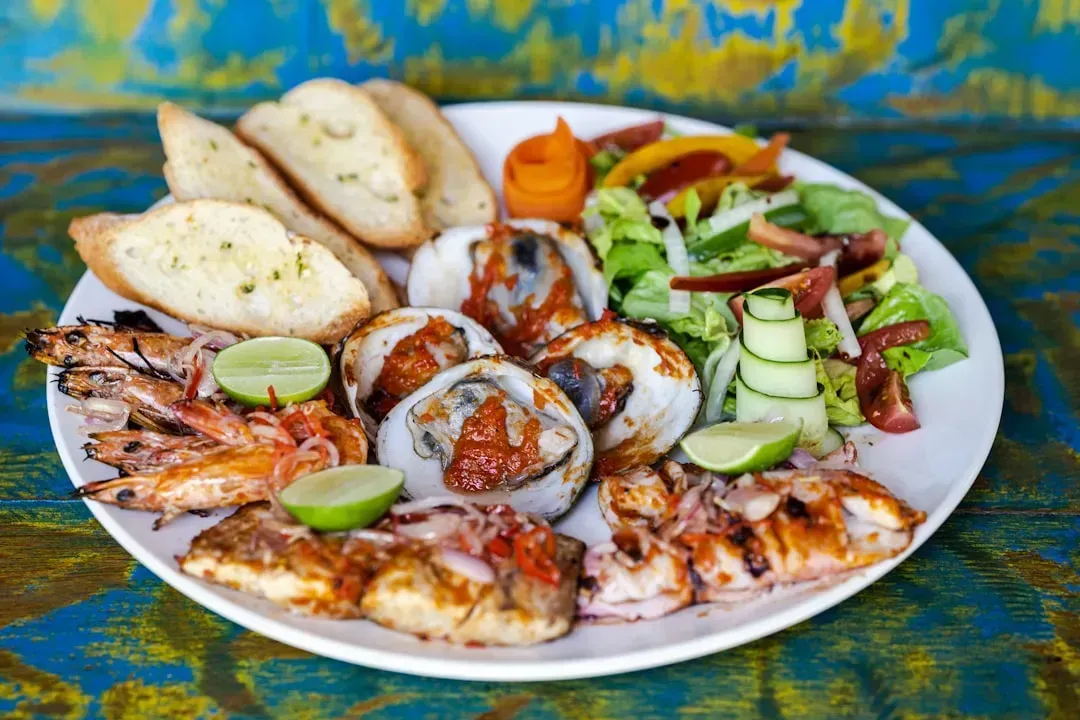
Seafood is extraordinary when it’s fresh. Leftover for too long, it becomes a genuinely hazardous food. The protein structure in fish and shellfish is extraordinarily delicate, and bacterial colonization begins almost immediately after cooking.
Within 24 to 48 hours, initial bacterial colonization begins with no visible changes, but enzymatic breakdown starts. Between 48 and 72 hours, noticeable texture changes occur as proteolytic bacteria multiply, and fish may develop slight stickiness. By the time you notice something is off, the bacteria have already been multiplying for hours.
The consumer should plan on using seafood within 36 to 48 hours for optimal quality. Cooked shrimp, crab, and lobster remain safe for only 3 days maximum, while marinated fish with acidic ingredients like lemon juice or vinegar accelerates breakdown and should be consumed within 2 days. For anything already showing a change in smell or texture, the 48-hour mark is your absolute ceiling.
3. Cooked Chicken and Poultry: Salmonella Doesn’t Sleep
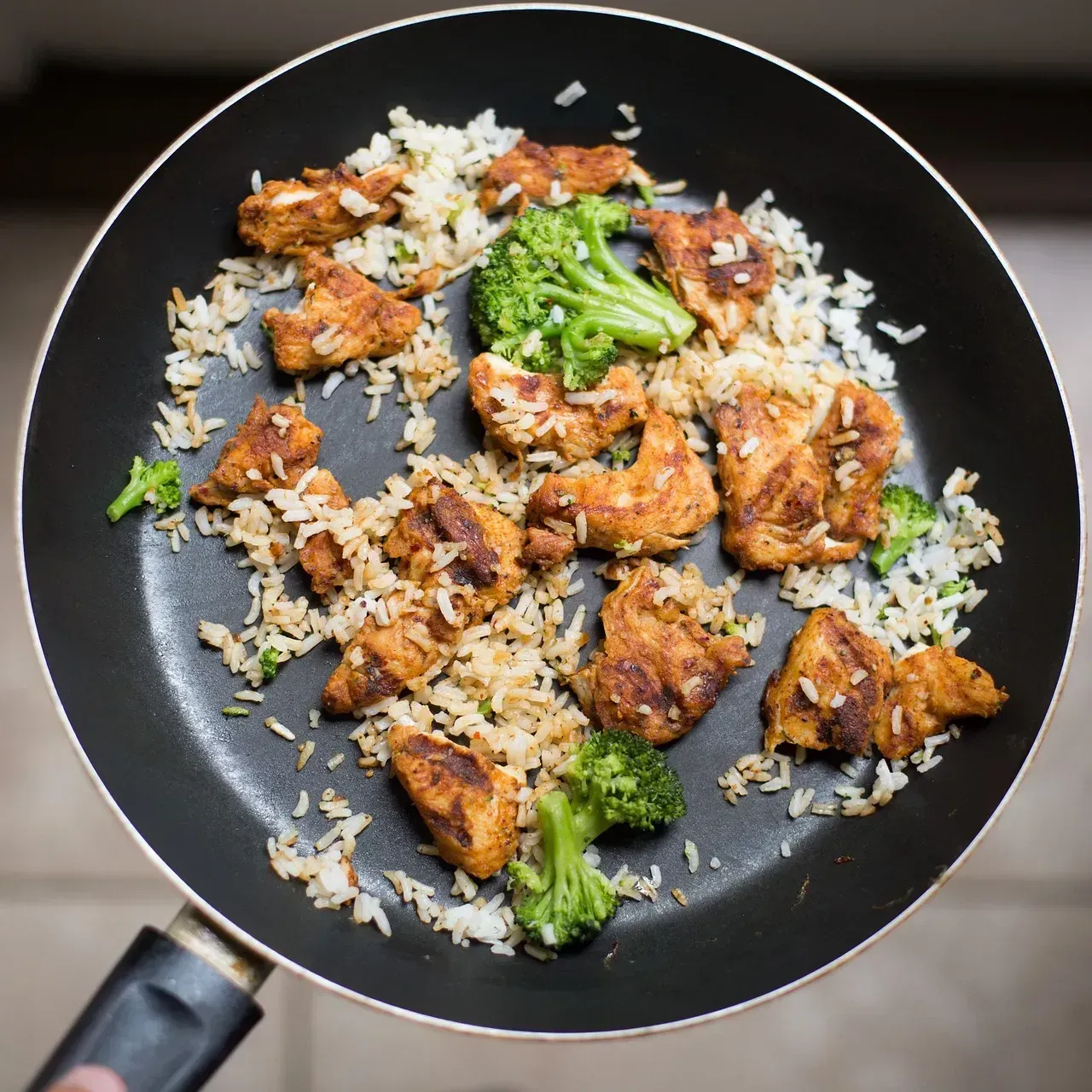
Cooked chicken is one of the most common leftover foods in households around the world. It’s also one of the most risky when mishandled. The danger isn’t just in the cooking – it’s in how you store and how long you wait.
Bacteria grow rapidly between the temperatures of 40°F and 140°F. After food is safely cooked, hot food must be kept hot at 140°F or warmer to prevent bacterial growth. Any cooked poultry that spends time in this temperature range before reaching the fridge has already started on a dangerous path. Meat and poultry leftovers are safely refrigerated at 40°F for up to 4 days, but that window assumes optimal storage from the start.
The honest truth is that most home fridges don’t maintain a perfectly consistent temperature, especially near the door. If your chicken was left out for more than an hour before refrigeration, or wasn’t sealed properly, 48 hours is already pushing the boundary of safety. When in doubt, the USDA’s advice is simple and firm: never taste food to determine its safety, because you can’t see or taste harmful bacteria. When in doubt, throw it out.
4. Cooked Mushrooms: The 24-Hour Warning
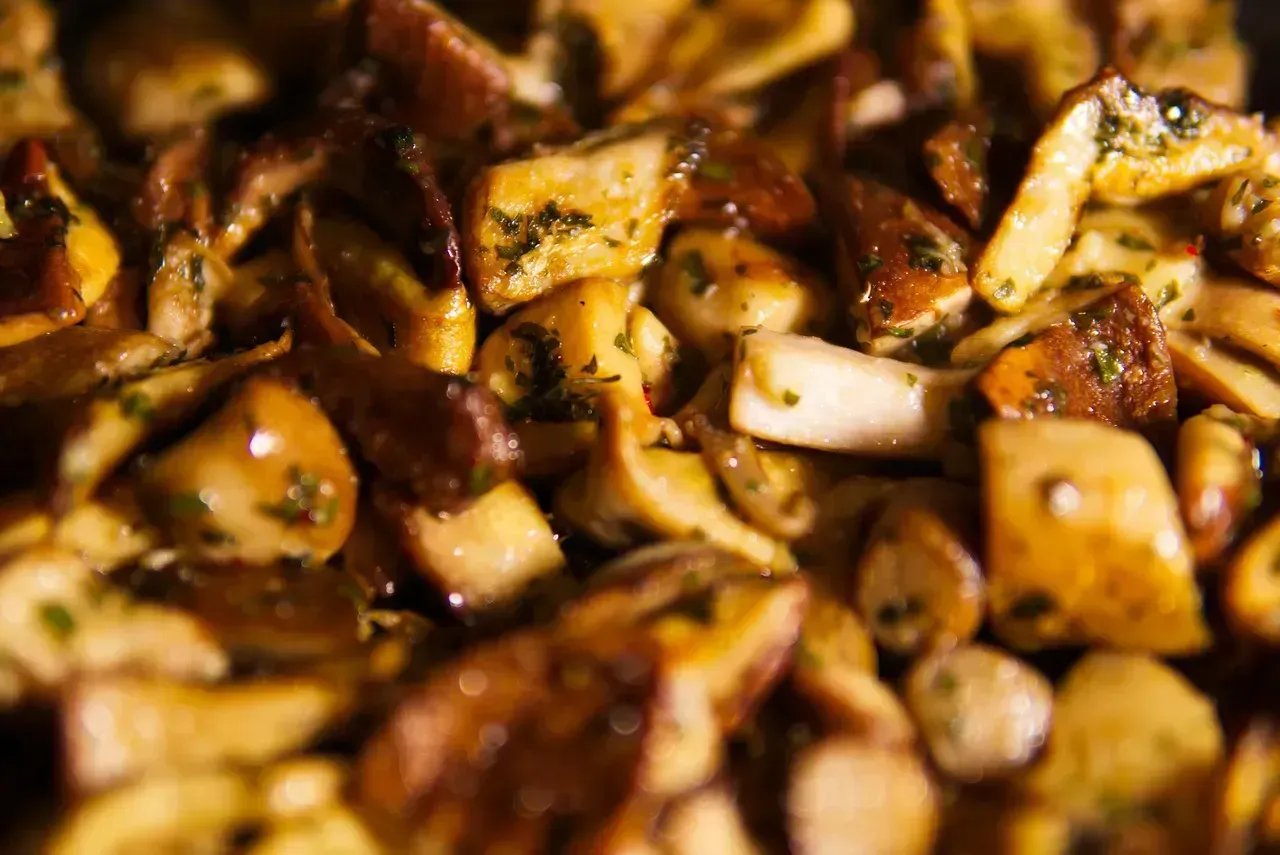
Mushrooms are a peculiar case. They’re already a fungus, which makes their spoilage dynamics unlike most other foods. When cooked, they release moisture and become a prime environment for bacterial overgrowth faster than nearly any vegetable.
Mushrooms are a nutrient-rich food that can support the growth of bacteria, including Staphylococcus aureus, Salmonella, and E. coli. When mushrooms are cooked and then left at room temperature for too long, bacteria can multiply rapidly, increasing the risk of food poisoning. The moisture content is the main culprit here.
As a rule of thumb, cooked mushrooms should not be left out for more than two hours after cooking. Dried, frozen, or canned mushrooms are not as dangerous as eating fresh cooked ones because drying removes the moisture bacteria need to thrive, while freezing makes an inhospitable environment for bacteria to grow. Some food safety experts recommend consuming cooked mushrooms within just one day. Cooked mushrooms shouldn’t be left at room temperature for more than two hours, and should not be stored in the refrigerator longer than 24 hours. That makes the 48-hour rule feel almost generous by comparison.
5. Cooked Spinach and Leafy Greens: The Nitrate Problem
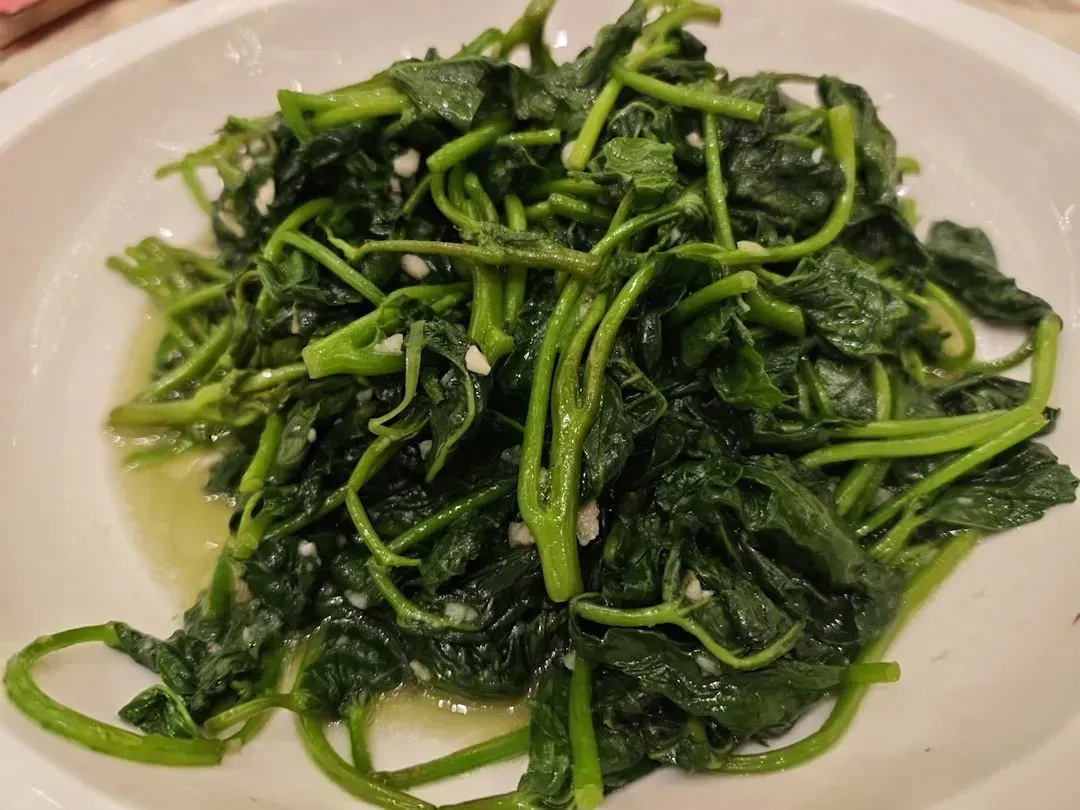
Spinach and other dark leafy greens seem like the healthiest thing you could put on a plate. They are, when fresh. As leftovers, they carry a chemical risk most people have never even heard of.
Cooked spinach is an example of a food that can become toxic when reheated. Spinach is a vegetable rich in naturally occurring nitrates. When cooked spinach sits in the fridge and is then reheated, these nitrates can convert to nitrites, and concentrated doses of nitrites carry real health risks. Consuming more than 100 milligrams of nitrites a day can increase the risk of cancer, pregnancy complications, and blue baby syndromes in infants. Populations especially at risk include those who are pregnant, older adults, and infants.
Beyond the nitrate issue, leafy greens like lettuce and spinach are particularly susceptible to contamination with E. coli, and salad ingredients are highly perishable due to their high water content and delicate structure. Proper storage is critical to extending their freshness and minimizing the risk of foodborne illness. Cooked or dressed greens left beyond 48 hours are simply not worth the risk.
6. Cooked Eggs and Egg-Based Dishes: Fragile at Every Stage
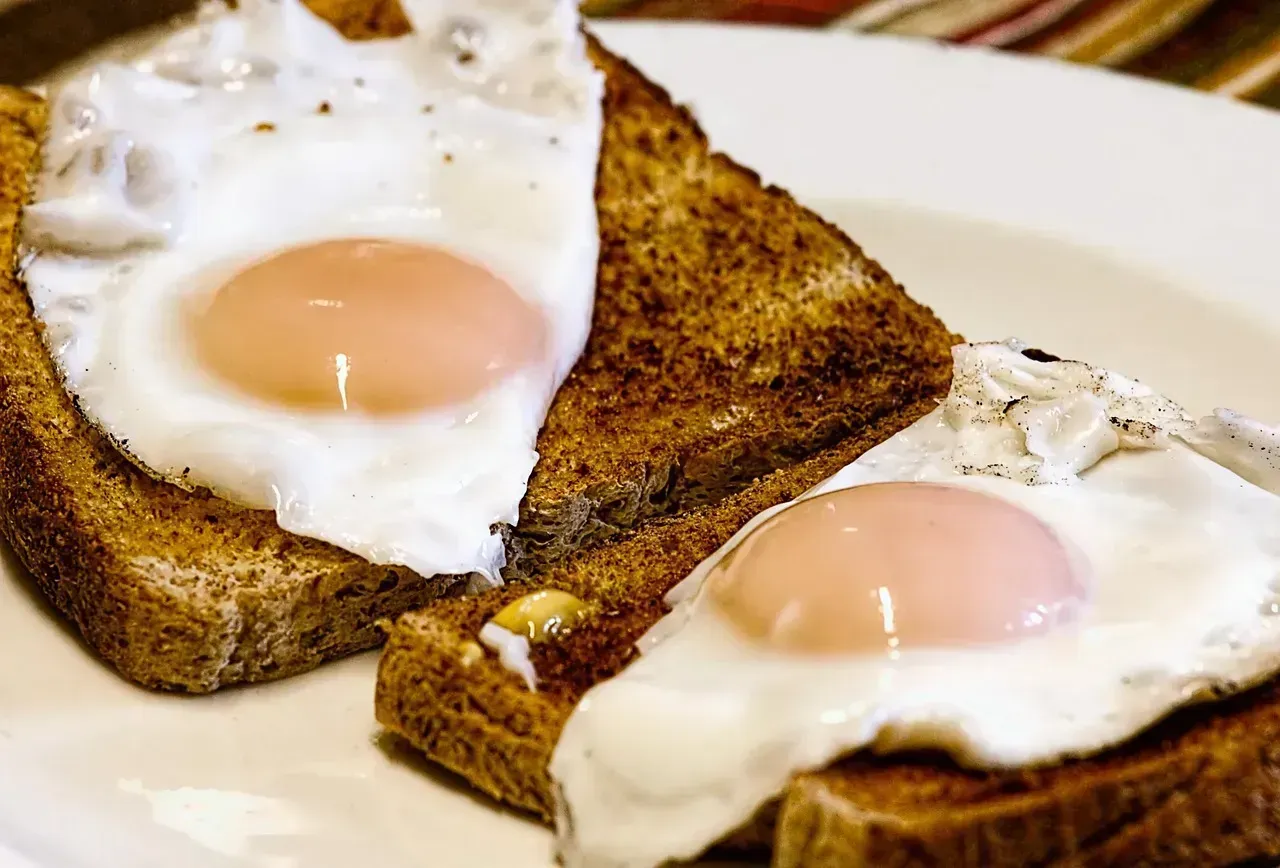
Scrambled eggs, frittatas, quiches, egg casseroles – these are a breakfast staple in millions of homes. They are also extremely perishable and go south faster than most people realize. Think of a cooked egg like a sponge soaked in protein. Bacteria absolutely love that environment.
Not cooking food to a safe temperature and leaving food out at an unsafe temperature are the two main causes of foodborne illness. Egg dishes are especially vulnerable because they are often cooked at lower internal temperatures, particularly in baked casseroles where the center may not fully reach safe heat levels. Any residual moisture and protein left behind becomes a bacterial playground.
Refrigerate perishable food including dairy and cooked leftovers within 2 hours. Egg-based dishes should be consumed ideally within 24 hours and absolutely no later than 48 hours. After that point, even if the dish looks and smells completely normal, pathogen levels can be dangerously high. The visual cues with eggs are notoriously unreliable.
7. Cooked Pasta with Sauce: The Moisture Trap
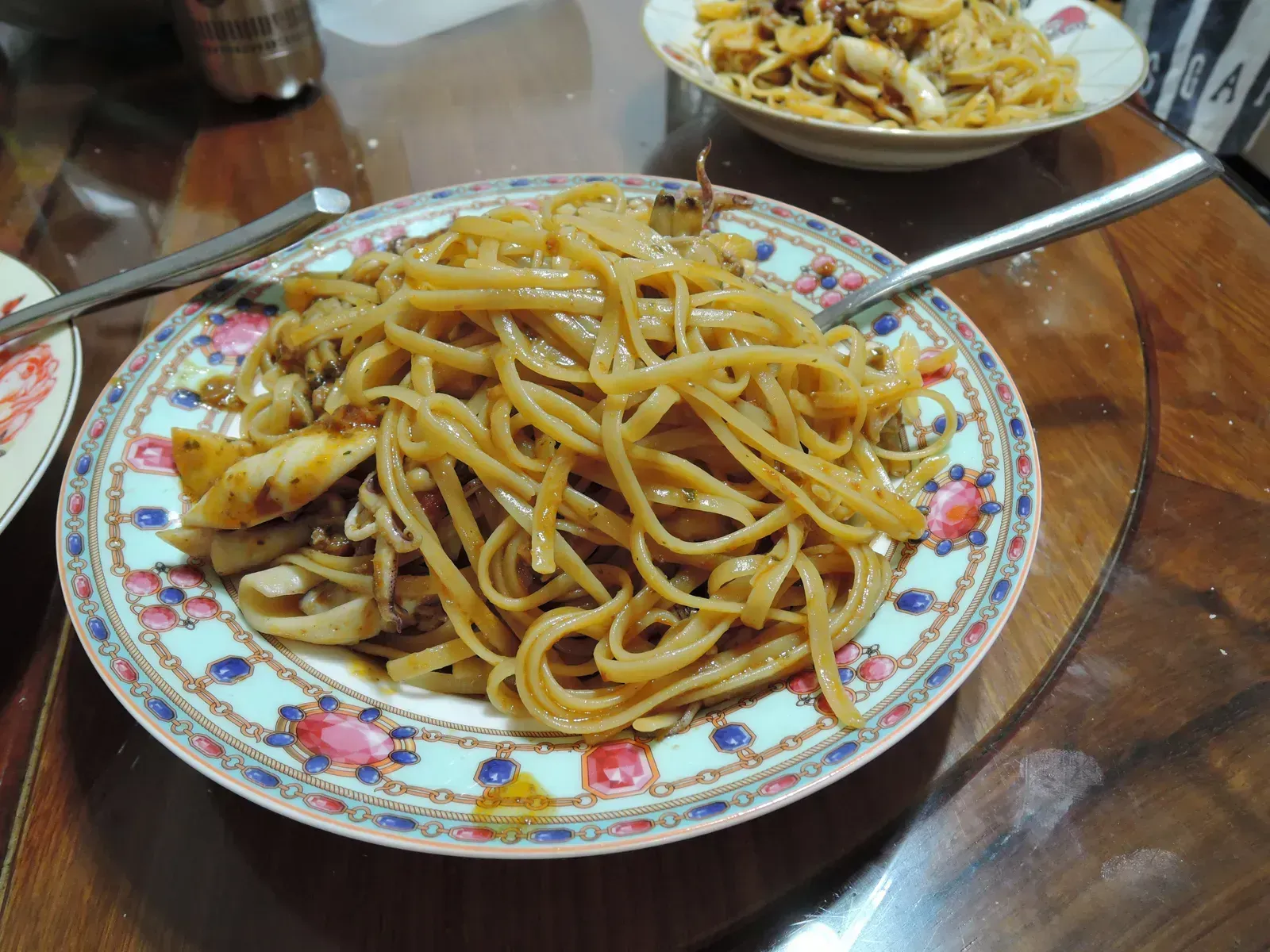
A pot of leftover pasta with sauce feels like the ultimate comfort food the next day. Honestly, a lot of people will tell you pasta tastes better on day two. The trouble is, pasta sauces – especially creamy, meat-based, or dairy-based versions – create a high-moisture, high-protein environment that bacterial cultures thrive in.
Bacillus cereus likes to live on starchy foods like rice and pasta. It’s not just rice that carries the fried rice syndrome risk. Any starchy leftover that sits too long, even refrigerated, can harbor the same heat-resistant toxins. The danger is invisible and odorless, which makes it especially easy to ignore.
When food is in the temperature danger zone of 40°F to 140°F, bacteria can double in as little as 20 minutes. Pasta dishes that weren’t cooled quickly before refrigeration – think a big, deep pot left to cool on the counter – may have spent far too long in that danger zone before ever reaching safety. Beyond 48 hours, creamy or meaty pasta sauces are best discarded without a second thought.
8. Cooked Potatoes and Potato Dishes: Botulism in Plain Sight
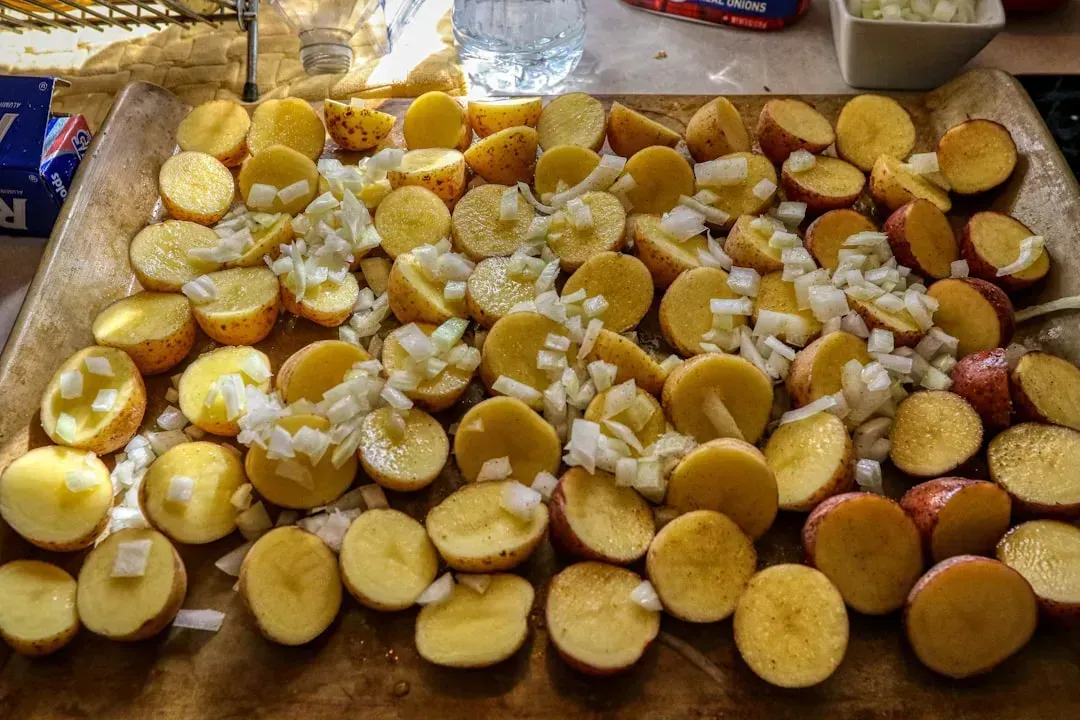
Potatoes might seem harmless. They’re starchy, filling, and about as dangerous as a kitchen vegetable can get – which, it turns out, is more dangerous than most people imagine. Cooked potatoes create an anaerobic environment when wrapped or stored in foil, which is a known risk factor for Clostridium botulinum, the bacteria responsible for botulism.
While extremely rare, a toxin produced by Clostridium botulinum is a very serious danger. Botulism is a deadly food poisoning. The botulism bacteria grow best in anaerobic (absence of oxygen) conditions. Foil-wrapped baked potatoes left at room temperature and then refrigerated for days represent a classic pathway for this risk.
Potato salads at picnics have a legendary reputation for causing illness, and for good reason. Throw away all perishable foods that have been left at room temperature for more than 2 hours (1 hour if the temperature is over 90°F, such as at an outdoor picnic during summer). A potato dish that was left at a summer gathering for three hours and then refrigerated should not be saved for the next day, let alone two days later.
9. Cooked Meat-Based Soups and Stews: The Bacteria Incubator
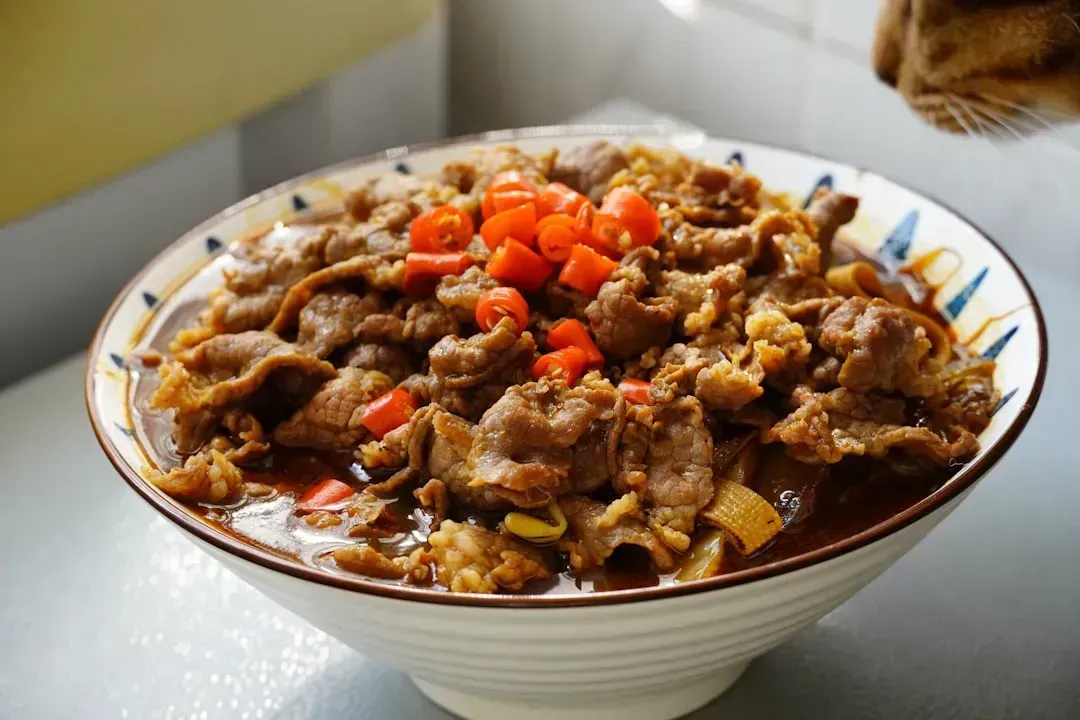
Few leftovers feel more satisfying than a thick, homemade stew or a rich bone broth soup. They reheat beautifully. They smell incredible. They are also one of the most common vehicles for serious foodborne illness because of how they’re stored and reheated.
The problem with large pots of soup and stew is cooling. Most people leave the pot on the stove, let it cool slowly, and then refrigerate it hours later. During that entire cooling period, the inside of the pot remains in the bacterial danger zone. In the danger zone between 40°F and 140°F, bacteria can double in as little as 20 minutes, with the range between 70 and 125°F being where bacteria really grows and multiplies quickly.
Soups, sauces, and gravy should be brought to a boil when reheating. That is the minimum standard. However, even boiling cannot destroy all pre-formed toxins – as we learned with Bacillus cereus and rice, some toxins are heat stable. Divide large amounts of leftovers into shallow containers for quicker cooling in the refrigerator. Any soup or stew that was not portioned and cooled rapidly should not stretch beyond 48 hours.
10. Cooked Salads with Dressing and Mixed Ingredients
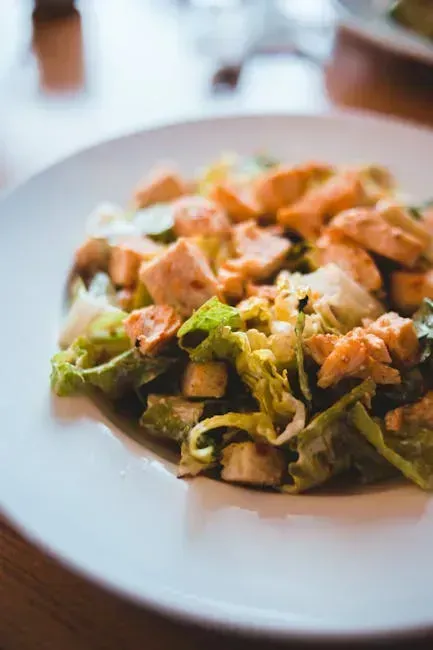
Once you dress a salad, the countdown begins. A salad loaded with dressed greens, proteins, dairy-based dressings, hard-boiled eggs, or cooked grains is essentially multiple high-risk foods combined into one bowl. Each ingredient carries its own spoilage timeline, and the dressing accelerates all of them.
Salad ingredients, particularly leafy greens, are highly perishable due to their high water content and delicate structure. Proper storage is critical to extending their freshness and minimizing the risk of foodborne illness. Once a dressing is added, the acids and oils begin breaking down the cellular structure of the vegetables, creating more moisture and more opportunity for bacteria.
Expired salads, even if stored correctly, can harbor harmful bacteria like E. coli or Listeria, making them unsafe to consume. Cold perishable food, such as chicken salad or a platter of deli meats, should be kept at 40°F or below. A dressed salad with any protein component – chicken, shrimp, egg, or cheese – should be treated as a high-priority leftover and consumed well within 48 hours. After that, no amount of visual inspection will tell you the full story of what’s growing inside it.
Know the Rules, Trust the Science

Food safety is not about fear. It’s about being informed. The 48-hour rule isn’t arbitrary panic – it’s a practical threshold grounded in decades of food science research and backed by institutions like the USDA, FDA, and CDC.
Food poisoning affects 48 million Americans annually, but most cases resolve at home within 1 to 3 days with proper hydration and rest. That does not mean the suffering is trivial or the risk is acceptable. Cover leftovers, wrap them in airtight packaging, or seal them in storage containers. These practices help keep bacteria out, retain moisture, and prevent leftovers from picking up odors from other food in the refrigerator.
The golden rule remains the same one food safety experts have repeated for years: never taste food to determine its safety, because you can’t see or taste harmful bacteria. When in doubt, throw it out. The 10 foods on this list deserve your particular attention – not because they’re unusual, but because they’re the foods most people assume are safe far longer than they actually are. What would you have guessed before reading this?