3 Things People Often Forget to Clean – But Visitors Instantly Notice
Most people vacuum before company arrives, wipe down the kitchen counters, and make sure the bathroom looks presentable. That routine covers the obvious spots. What it misses, though, are the small details that guests actually register the moment they walk through your door. These are the things you stop seeing because you live with them every day – but to fresh eyes, they stand out immediately. Here are three of the most commonly neglected spots that visitors notice long before you do.
1. Light Switches and Door Handles
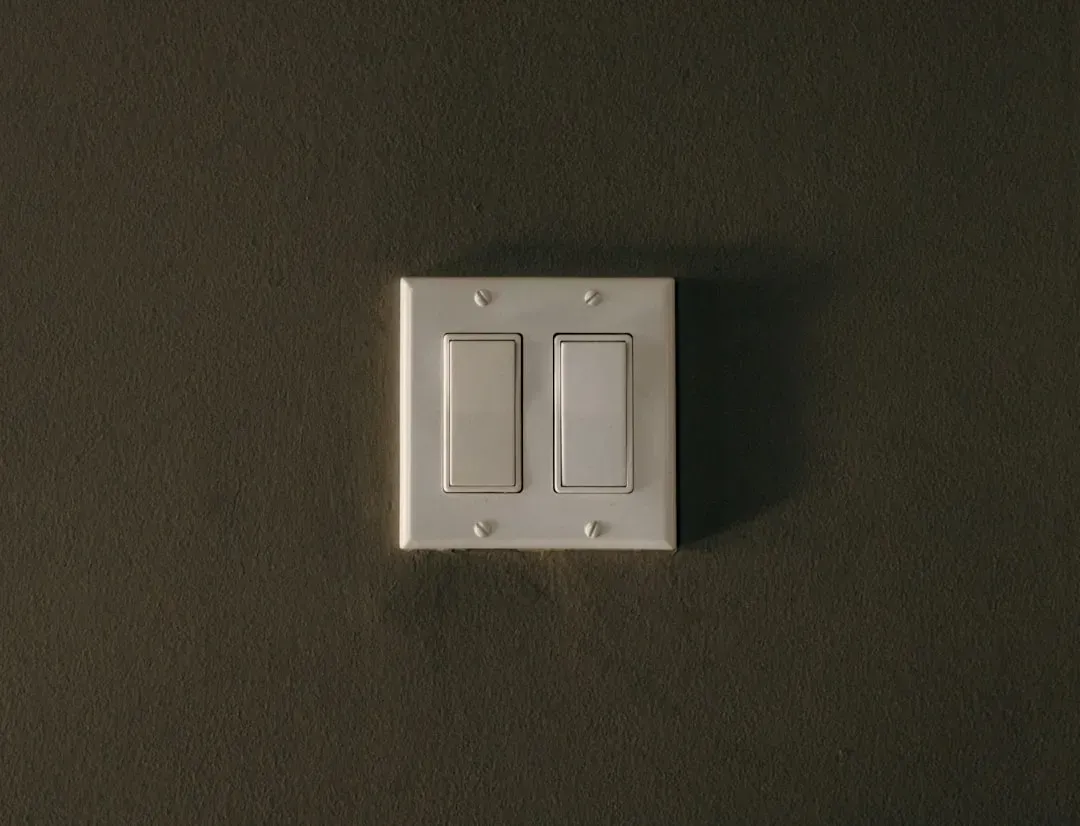
Some of the most bacteria-covered spots in your home are the ones you use most often, such as door handles and light switches. That’s exactly why they’re so easy to overlook – you interact with them dozens of times a day without ever really looking at them. Because you use them so often, they become almost invisible to your daily routine. To someone entering your home for the first time, however, smudges, fingerprints, and grime on these high-contact areas are immediately obvious – especially in natural or overhead lighting.
Research indicates that a single contaminated door handle can spread viruses to 40–60% of occupants within just a few hours, highlighting the importance of regular disinfection. Beyond the health concern, there’s a real visual impact too. These surfaces get contacted dozens of times daily but rarely get the same attention as counters or floors. A 2019 study from the University of Houston swabbed common touchpoints in homes and found that light switches, door handles, and faucet handles consistently carried more bacterial traces than many kitchen surfaces. Cleaning professionals who work in hotels and hospitals have long known this truth: high-touch details are what separates “looks clean” from “is clean.”
2. Baseboards

These narrow strips of molding that frame your walls often go completely unnoticed – until they’re caked with dust, hair, or scuff marks. The truth is, baseboards tend to be in your peripheral vision and are easy to forget, but to guests who are sitting down, relaxing, or observing the room, they’re directly in view. Roughly 27% of Americans neglect to clean their baseboards regularly. Baseboards collect dust, pet hair, and dirt, but many people avoid cleaning them because they are low to the ground and hard to reach.
Despite the dirt, dust, and other grime they collect from foot traffic and pet activities, we often forget about them because they are so close to the floor. If left untreated, dirty baseboards can create an eyesore for any home, creating an unsightly and unwelcoming look. Because of the constant traffic that comes in and out of your home, baseboards can collect dust and pet dander both on the surface and underneath. Simply walking by can result in their continual release, aggravating allergies for every member of your family. If you are periodically having trouble breathing or sneezing more, it could be a sign you need to clean your baseboards. Cleaning expert Matthew Schmitz recommends a simple approach: cleaning your baseboards once every two to three months should be sufficient, though that will depend on the room of your home and how much traffic it gets.
3. Ceiling Fan Blades
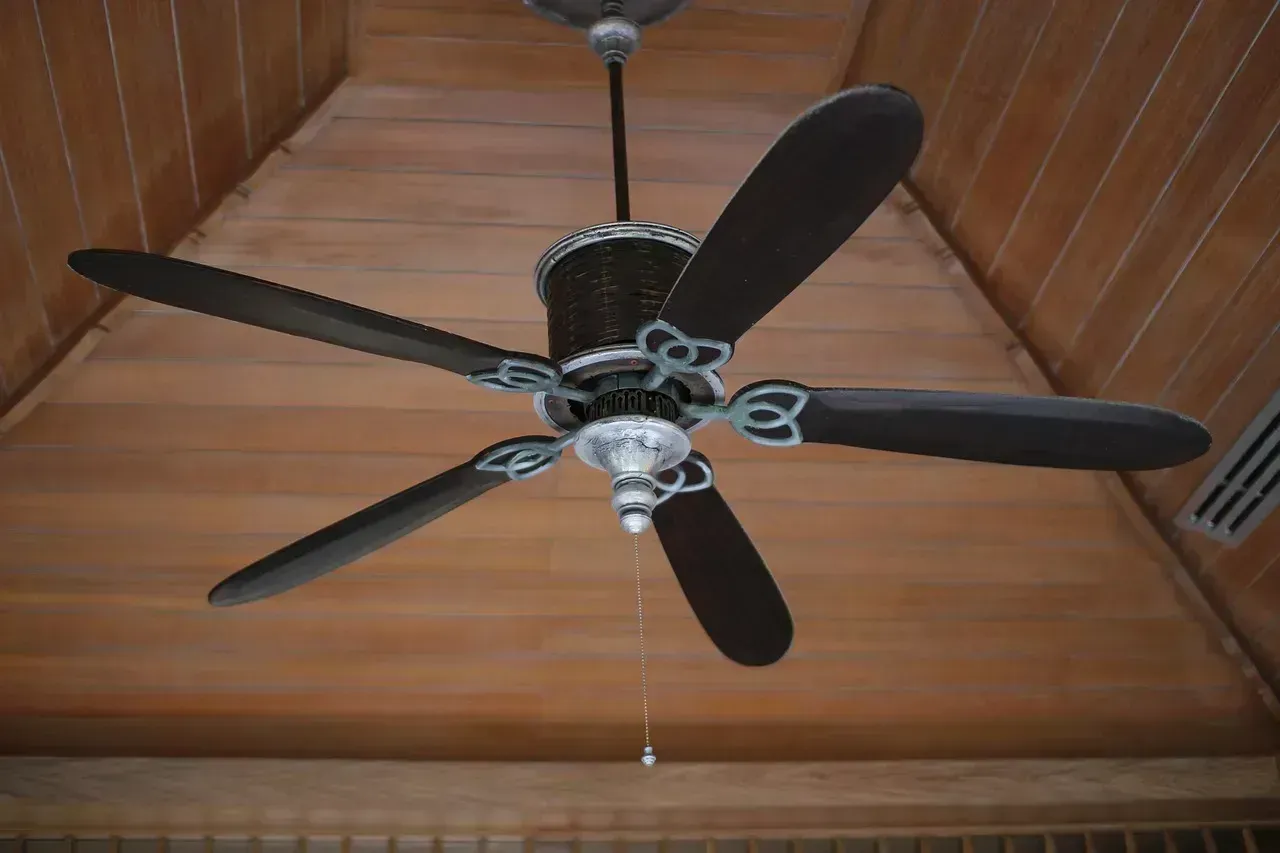
It’s easy to ignore what you don’t see – like the tops of ceiling fan blades or overhead light fixtures – but these areas can become coated in thick layers of dust and cobwebs. When ceiling fans are turned on, that dust doesn’t stay put. Instead, it spreads throughout the room, landing on furniture, floors, and even food. About 23% of people skip cleaning ceiling fans and windowsills. Ceiling fans accumulate dust and can spread it throughout the room when turned on, yet they’re often overlooked in regular cleaning routines.
If they aren’t cleaned regularly, fans can spread dust and allergens throughout the room. When a ceiling fan spins, it can pick up and distribute dust particles accumulated on its blades, affecting every corner of the room. Dirty fans can recirculate these particles, leading to stale or contaminated indoor air. This ongoing circulation means you and your family might breathe in dust and allergens, which can worsen allergy symptoms like sneezing and coughing. A ceiling fan covered with dust or pollen might also fling the offending particles around the room as it’s whirring away, which makes regular cleanings paramount for those with allergies. Experts suggest that ceiling fans should be cleaned weekly, or at least dusted weekly, with the soap-and-water blade bath saved as a monthly chore if you stay on top of dusting duties.