I Was a Server for 8 Years: 9 Ways Guests Lose Respect Instantly
There is a version of dining out that most people never think about. It is the version seen from the other side of the table, from the person carrying four plates on their arm, memorizing orders, and managing a full section all at once. I spent eight years doing exactly that. Eight years of split shifts, sore feet, and a front-row seat to the full spectrum of human behavior.
What surprised me most was not the hard work. It was how quickly a guest could shift the entire energy of a table – and how a single small behavior could lose them respect in the eyes of every single person on staff. Some of these behaviors are obvious. Others will honestly catch you off guard. Let’s dive in.
1. Snapping Fingers or Waving Like You’re Hailing a Cab

This one tops the list. Not because it is rare, but because it is so surprisingly common and so immediately jarring. There is simply no faster way to signal that you see your server as a function rather than a human being. The moment fingers snap, every server in earshot mentally takes note.
Honestly, I get that sometimes a restaurant is loud and a gentle wave feels necessary. There is a difference, though, between catching someone’s eye with a polite raised hand and the aggressive snap or the frantic arm wave that treats staff like trained animals. How you greet your server in those first few seconds matters enormously – whether you make eye contact, smile, and say hello, or barely look up from your phone. Servers remember this.
Basic courtesy goes a long way. Saying please and thank you, being patient when the restaurant is busy, and treating servers like human beings rather than servants creates a positive feedback loop. The snap breaks that loop before it even starts.
2. Talking on the Phone During the Entire Interaction

Few things feel more dismissive than reciting specials to someone holding a phone to their ear, nodding without actually listening. It forces the server to repeat themselves, slows down service for an entire section, and sends a loud message: your call matters more than the person standing in front of you.
Research published in the Journal of Applied Psychology found that when customers witness fellow customers mistreat servers – including behaviors such as sarcasm and looking at smartphones during transactions – it elicits empathy for servers and anger towards the rude customers. Other diners notice this behavior too. You are not just disrespecting your server. You are doing it in front of an audience.
The phone-at-the-table habit has only grown in the years I worked. Some servers will quietly wait, which eats into their time and your service quality both. Others will take your order in halves and risk getting it wrong. Neither outcome is good, and neither is the impression it leaves.
3. Making Impossible Demands, Then Blaming the Server
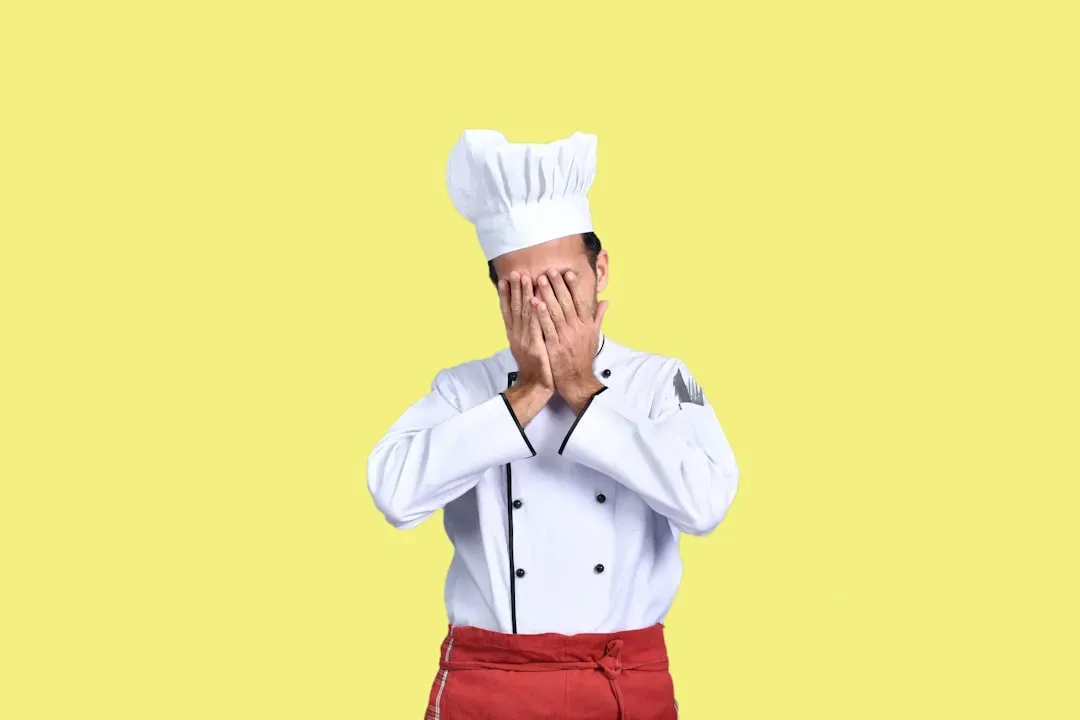
Here is something most guests do not realize: servers control very little of what actually comes out of a kitchen. They do not cook the food, set the prices, create the menu restrictions, or determine how long the kitchen takes. Yet they get the full force of complaints when any of these things disappoint.
A guest who modifies a dish beyond recognition, and then sends it back because it does not taste right, is a guest every server dreads. People-related issues, such as staff attitude and competence, account for most complaints – yet the quality and reliability of goods and services contributes to just a third of complaints. In other words, most unhappy guests direct their frustration at the server, even when the server had nothing to do with the problem.
The guests who understand this and extend a little grace earn enormous amounts of goodwill in return. Those who do not lose the respect of the server immediately and permanently.
4. Refusing to Acknowledge the Server as a Person
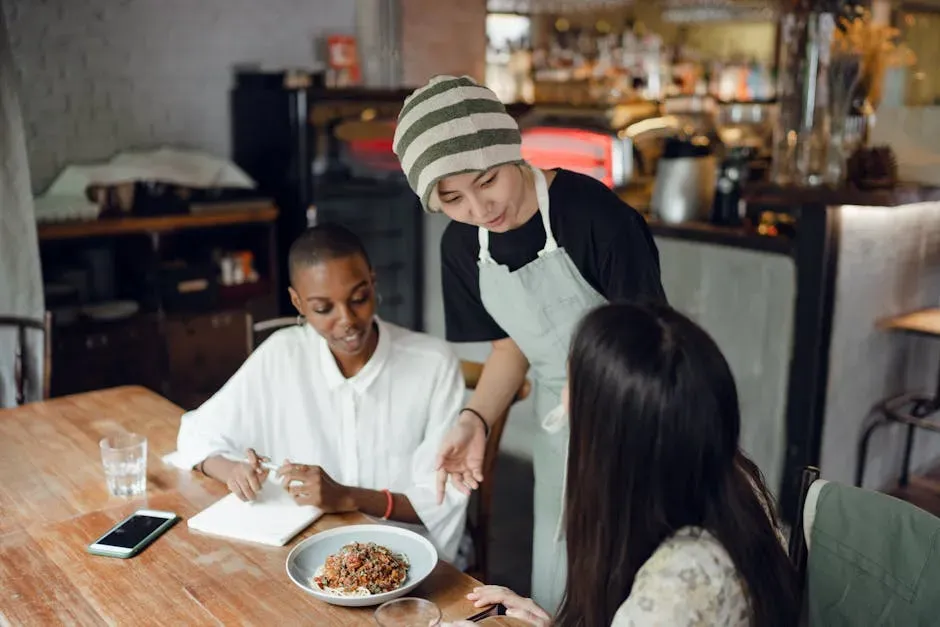
Think about how many people walk into a restaurant, sit down, and never once look their server in the eye. Not once. The server becomes a voice, a set of hands, a vending machine. It is a strange and dehumanizing experience to spend an hour serving a table of people who never learn your name and never once acknowledge yours.
A 2024 survey found that the vast majority of hospitality workers reported experiencing mental health challenges at some point in their careers, with several studies linking roles like serving to high levels of stress, anxiety, depression, and burnout. The reasons vary from customer demands, long hours, and emotional labor – basically the effort of maintaining positive service in stressful situations.
A simple “thank you” or “I appreciate it” changes the entire texture of a table interaction. It is not a big ask. Studies have even shown that eye contact and smiling from staff boosted tip averages – and the same logic runs both ways. Guests who make human contact get human service. Those who do not, simply do not.
5. Treating the Tip Like a Report Card to Be Withheld
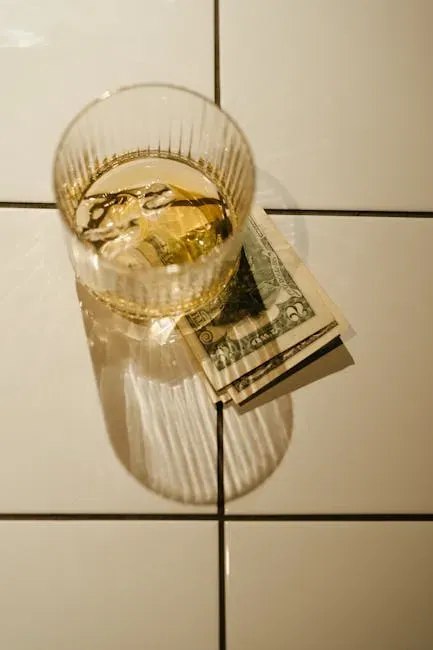
Let’s be real: some guests use the tip as a weapon. They wave it over a server’s head all evening, making pointed comments about whether the service is “earning” it. This behavior is immediately visible, immediately uncomfortable, and does real damage to a server’s livelihood.
The average tip percentage in full-service restaurants was nearly twenty percent in 2024. However, tips make up roughly more than half of a server’s total earnings on average, making this a matter of real financial survival. Withholding a fair tip because of a kitchen error, a delay outside the server’s control, or simply wanting leverage is not a restaurant hack. It is just harm.
Recent surveys indicate a decline in the percentage of people who always tip, dropping from about three quarters in 2019 to roughly two thirds in 2023. However, the fundamental principle remains: service industry employees depend on tips as part of their income. And servers and bartenders receive a federal minimum direct wage of just $2.13 per hour, supplemented by tips to meet the overall federal minimum wage.
6. Letting Children Run Wild Without Intervening

This is one of those topics that makes people defensive. Nobody is suggesting that children are not welcome in restaurants. They absolutely are. The issue is when a child is allowed to roam, scream, throw food, or climb on furniture while the parent watches peacefully and the server has to navigate around the chaos with hot plates and full trays.
I have seen servers narrowly avoid dropping scalding soup on a toddler who appeared from nowhere between their legs. Nobody in that situation wants to be the one to say something to the parents. So the server just absorbs the risk, the stress, and the extra cleanup. The table, meanwhile, notices nothing.
The guests who make a small effort to keep their children safe and reasonably contained are genuinely appreciated. Research involving hundreds of restaurant employees found a significant link between customer mistreatment and emotional exhaustion at work – and managing chaos that should not be the server’s responsibility is a textbook example of exactly that.
7. Complaining After Eating the Whole Meal

This one is almost a cliché at this point, but it keeps happening every single weekend at restaurants everywhere. The guest eats the entire plate, or very nearly all of it, and then flags down the server to say it was not right and they should not have to pay for it. Every server on a shift knows this move. It has a name in back-of-house conversations, and it is not a polite one.
Here is the thing: if something is genuinely wrong with a dish, saying so early means the kitchen can fix it and the guest can still have a good meal. Staying silent and eating through something you dislike, then demanding compensation at the end, eliminates any plausibility. Servers talk to each other a lot. That means your reputation at a restaurant is not just with one person – it is with the entire staff. So if you’ve been wondering why you sometimes get exceptional service at your regular spot, or why things feel slightly off, you might already be part of the restaurant’s unofficial guest history.
Servers who see this pattern at a table do not forget it. Neither do the managers they report it to.
8. Being Dismissive or Rude to the “Lowest” Staff Members
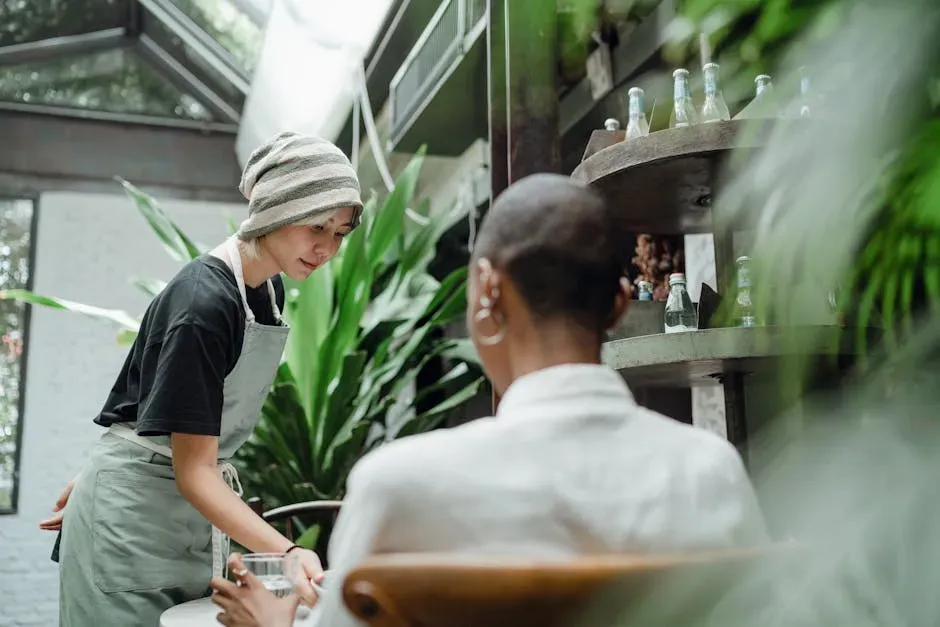
A classic test of character: how does someone treat the person bussing their table, refilling their water, or delivering their bread? In most restaurants these roles are filled by the youngest, newest, or most vulnerable staff members. How a guest treats them tells the server everything they need to know.
A study found that customers who witness incivility toward service employees experience feelings of pity, followed by increased emotional support and an increased tip for the target employee. Whole tables of guests see and feel these dynamics. The social contagion of rudeness in a restaurant is remarkably fast and remarkably visible.
I personally watched guests snap at teenage food runners for bringing the wrong sauce, refusing to even look at them while doing it. The server, the manager, the table next door – everyone saw it. That guest had zero goodwill left with anyone in the building for the rest of the evening. In the service industry, turnover rates can range from twenty-six to two hundred percent, and part of that relentless churn traces directly back to guests who make the work feel degrading.
9. Demanding Special Treatment While Showing Zero Respect
There is a particular type of guest who treats special requests like commands and then offers nothing in return. They want modifications on top of modifications, insist on speaking to a manager preemptively just to flex authority, and follow it all up with a mediocre tip and a lukewarm online review complaining about wait times. In eight years, this was the most exhausting guest profile I encountered.
Many servers said that earning tips puts them in a position to be mistreated by guests or sexually harassed, creating a profoundly unequal power dynamic that some guests exploit without even realizing they are doing it. The “customer is always right” mantra has given some diners a strange sense of entitlement that goes well beyond reasonable expectations.
Research has shown that the effect of customer mistreatment on turnover is huge, with significant evidence that people do not quit primarily because of salary and workload alone – it is also about how they are treated by customers. Guests who combine maximum demands with minimum respect are, in a very literal sense, part of the reason skilled, experienced servers leave the industry entirely. That affects everyone who ever wants to go out to dinner.