How to Stay Consistent With Healthy Habits Without Burnout
Most people don’t fail at healthy habits because they’re lazy. They fail because they try to do too much at once, feel great for two weeks, then crash hard. Sound familiar? The cycle of starting strong, burning out, and starting over is one of the most frustrating experiences in modern wellness culture – and honestly, it’s way more common than anyone admits.
Here’s the thing: consistency doesn’t mean perfection. It means showing up, even imperfectly, over and over again. The science of how the brain actually builds habits is surprisingly fascinating, and once you understand it, the whole game changes. Let’s dive in.
Why Your Brain Resists New Habits (At First)
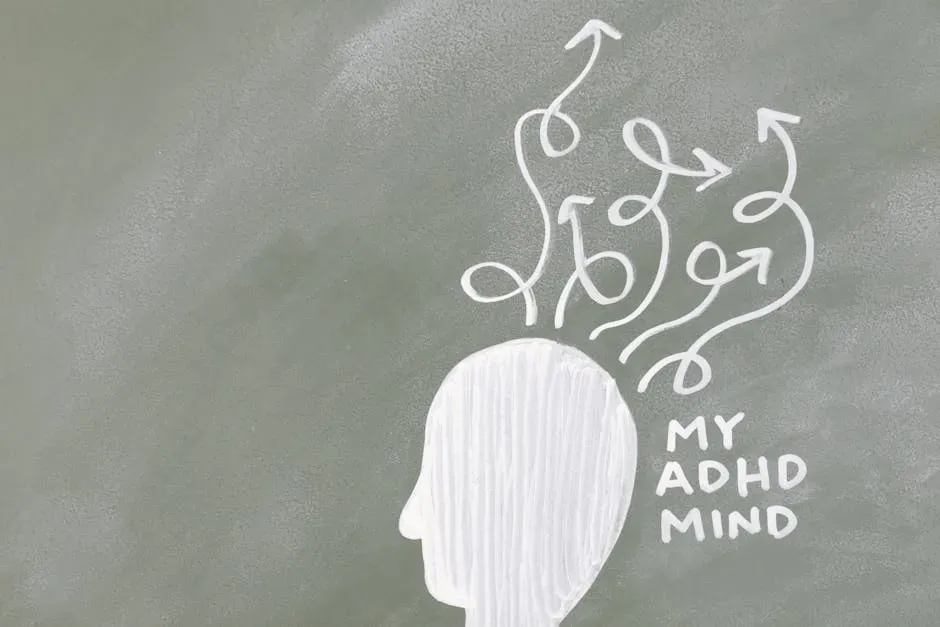
There’s a real neurological reason why new habits feel like climbing uphill. At the foundation of every habit is a neurological pattern called the habit loop, which consists of three key components: the cue, the routine, and the reward. The cue is the trigger that signals the brain to initiate a behavior, and those cues can be either external, like the time of day, or internal, such as emotions like boredom or stress. When you’re trying to build something new, your brain hasn’t formed those automatic connections yet, which is why it takes effort.
The basal ganglia, a group of nuclei in the brain, play a crucial role in habit formation. This area is responsible for storing and recalling routine behaviors, allowing them to become automatic. Think of it like a well-worn path through a forest. The first few times you walk it, you’re cutting through brush. After hundreds of passes, the path practically walks itself. Habits work exactly the same way.
The 66-Day Reality Check Nobody Talks About

You’ve probably heard the “21 days to form a habit” myth. It’s everywhere. While many people believe it takes just 21 days to form a habit, research shows it varies greatly depending on the individual and the habit itself. The real picture is more nuanced, and knowing this can save you from enormous frustration when you’re not “there” after three weeks.
According to a study published in the European Journal of Social Psychology, it can take 18 to 254 days for a person to form a new habit, averaging around 66 days for a behavior to become automatic. That’s more than two months. Give yourself that runway. You’re not failing if you’re still working at it on day 40. You’re right on schedule.
Start Embarrassingly Small – Seriously
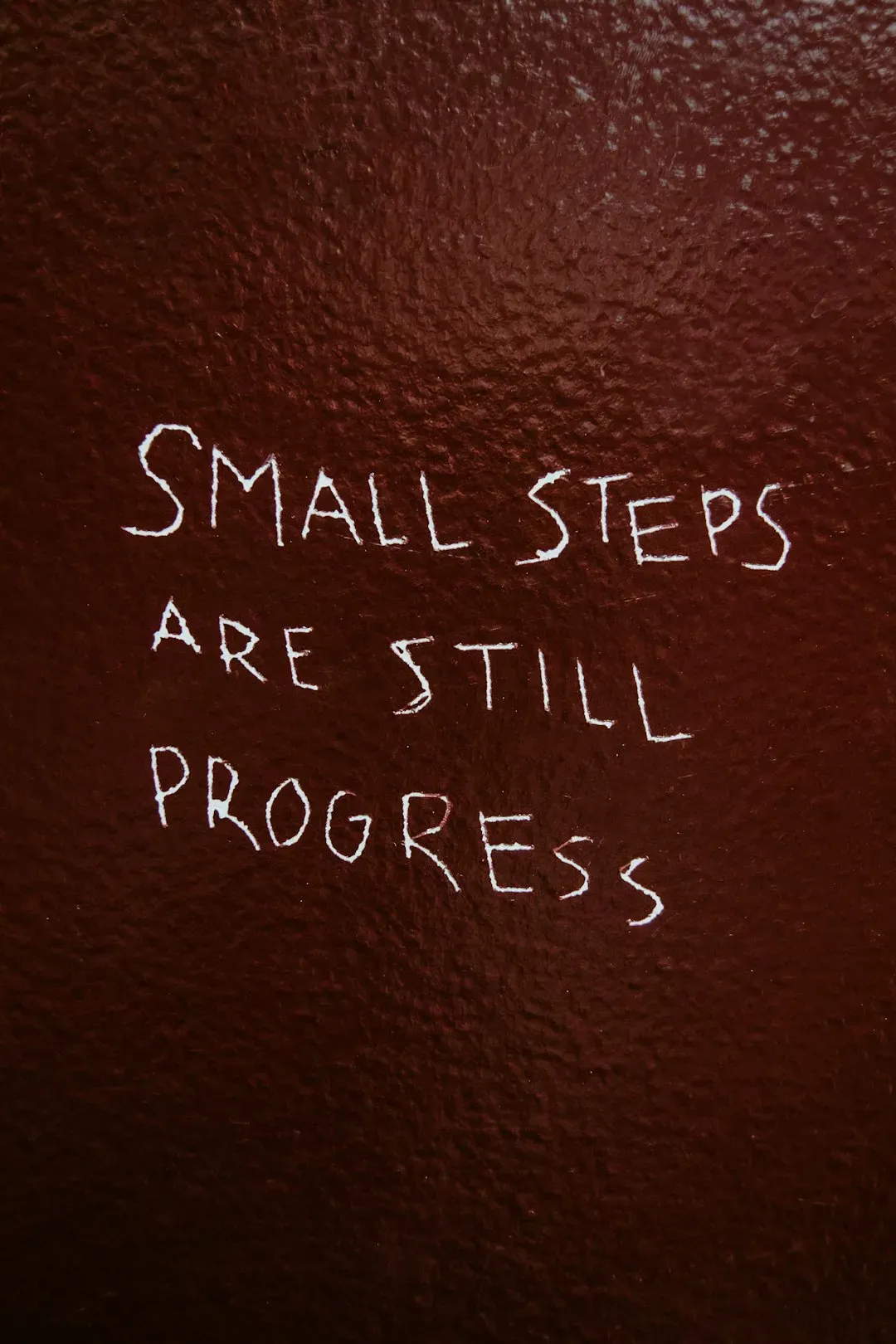
One of the biggest mistakes people make is going from zero to hero overnight. People often make the mistake of going too large, too fast while forming new habits. You’ve probably tried to run five kilometres every morning after not jogging since high school gym class. No surprise, you nap again by day three. Starting small isn’t a weakness. It’s actually the strategy that works.
Attempting to increase daily step count by more than 800 steps at a time notably increased the likelihood of the individual dropping out from establishing a consistent, positive habit. Those who start slowly and increase intensity gradually are likely to create and maintain their habit for one and a half times longer than those who start with high-intensity workouts. Let that sink in. Slower start, longer lasting results. It genuinely works in reverse of what most of us intuitively believe.
Habit Stacking: The Shortcut You Should Be Using

If you want a practical technique that actually sticks, habit stacking is one of the most powerful tools available. Habit stacking is the practice of linking new habits to established ones, and a 2025 study published in the Journal of Applied Psychology found that habit stacking increased success rates by nearly two thirds compared to establishing standalone habits. That’s a massive difference for something that requires almost no extra willpower.
By linking a new habit to an already established one, you can create a seamless transition from one behavior to the next without needing extra willpower or motivation. The formula is beautifully simple: “After I do X, I will do Y.” Drink water after brushing your teeth. Take a five-minute walk after lunch. Tying new healthy habits to existing routines, like placing a water bottle on your desk to prompt regular water intake, helps reinforce consistency – especially during stressful times when it’s easy to slip back into old patterns.
Identity Over Goals: The Mindset Shift That Changes Everything
Here’s something I find genuinely fascinating about habit psychology. It’s not just about what you do, it’s about who you think you are. Research published in the Journal of Personality and Social Psychology in 2024 found that framing habits in terms of identity, such as “I am a person who exercises daily,” rather than outcomes like “I want to lose weight,” increased habit adherence by roughly a third. That’s a significant jump just from a change in language and perspective.
A significant advancement in habit theory is the recognition that sustainable habits align with personal identity. When you see yourself as someone who moves their body, someone who sleeps well, or someone who cooks real food, you no longer have to debate with yourself every morning. The behavior just becomes what people like you do. It’s honestly one of the more elegant ideas in behavioral science.
Consistency vs. Intensity: Stop Confusing the Two

Let’s be real – the fitness world worships intensity. The harder, the better, right? Not exactly. Consistency plays a crucial role in building healthy habits. It’s not about intense efforts but consistent, moderate actions that lead to lasting results. Prioritizing consistency over intensity prevents burnout and supports habit longevity. That’s the unsexy truth that most wellness marketing refuses to sell you.
Overtraining can increase the risk of overuse injuries and cause burnout. Think of your energy and willpower like a savings account. Intense sprints drain it fast. Steady, moderate deposits compound over time. Research shows that the key to forming good habits is gradual and consistent behavior change, with a gradual progression yielding higher achievement levels and lower drop-off rates. That’s the data, plain and clear.
The Role of Sleep in Sustaining Your Habits

Nobody ever talks about sleep as the secret engine behind habit consistency, but it absolutely is. When getting to sleep, staying asleep, or getting back to sleep after waking is difficult, your health can begin to suffer. Consistent sleep deprivation can lead to impaired cognitive function, weakened immune system, mental health issues, and heightened stress levels. A person running on poor sleep has almost no chance of sticking to their health goals long-term.
Aiming for seven to eight hours of sleep and scheduling short relaxation breaks throughout the day strengthens mental wellness and improves overall consistency with healthy habits. Practically speaking, even small sleep improvements, like going to bed at the same time each night, can have cascading positive effects. Maintaining a consistent sleep schedule and creating a relaxing bedtime routine, such as reading or taking a warm bath, while limiting screen time an hour before bed, can significantly improve your ability to fall asleep.
How to Bounce Back After Missing a Day (or a Week)

Slip-ups aren’t the problem. How you respond to them is. Most people catastrophize a missed workout or a bad eating day and throw out the whole routine. Change doesn’t happen overnight, but action over time leads to a permanent lifestyle shift. Understanding that setbacks are normal and focusing on consistency rather than perfection is what separates those who succeed from those who don’t.
Studies show that occasional lapses need not derail habit formation if handled effectively. A 2025 study published in the Journal of Personality and Social Psychology found that individuals who implemented specific recovery protocols after missing a habit were more than four times as likely to reestablish the routine compared to those without such protocols. The key word there is “recovery protocol.” Even something simple, like committing to resume immediately at the next opportunity rather than waiting for a clean Monday or a fresh month, makes an enormous difference.
Environment Design: Make the Right Choice the Easy Choice

Your environment is quietly shaping your behavior every single minute of the day. Most people try to rely on willpower alone, which is exhausting and predictably unsustainable. Modifying your environment can help break bad habits by reducing exposure to cues that trigger them. If certain visual cues, like seeing junk food on the counter, cause you to snack mindlessly, removing those cues from your environment can decrease the likelihood of engaging in the unwanted behavior.
Incorporating cues into your environment can trigger the desired behavior. For example, placing your gym clothes next to your bed can serve as a visual reminder to exercise in the morning. It sounds almost too simple, but the research is clear. Design your space to make healthy choices frictionless and unhealthy choices slightly inconvenient. You don’t need iron discipline – you need a smarter setup.
The Power of Tracking Progress Without Obsessing Over It

Tracking your habits is one of those things that can be a genuine superpower or a quick road to anxiety, depending on how you approach it. Monitoring your behavior helps you stay on track. Using a journal or app to track your habits enhances accountability and highlights the positive impact of your efforts over time. The trick is keeping it light and functional, not using it as a tool for self-criticism.
Tracking allows you to monitor your success and stay accountable. Recognizing small wins helps build positive momentum and reinforces the behavior, and this feedback loop makes it more likely that the habit will stick. Think of it less like a report card and more like a map that shows you how far you’ve already come. Monitoring your progress helps maintain motivation and provides a sense of accomplishment, and using a journal, app, or habit tracker to record daily progress and celebrate small victories is one of the most effective strategies available.
Building a Support System That Actually Helps

Trying to build healthy habits in complete isolation is harder than it needs to be. Humans are social creatures, and accountability is one of the most powerful forces in behavior change. With consistent habits, balanced meals, emotional awareness, and genuine support, anyone can maintain long-term fitness goals without burning out. That “support” part isn’t a soft bonus, it’s actually structural.
Regular reflection, seeking support when needed, and creating a clear plan can help reinforce positive habits and lead to lasting health benefits. This doesn’t require a personal trainer or expensive accountability coach. A simple weekly check-in with a friend, a shared fitness goal with a partner, or even an online community can provide the social glue that keeps you going when motivation fades. Sharing goals with a friend, joining a group, or setting up regular check-ins with an accountability partner to discuss progress and challenges is one of the most underused yet effective consistency strategies around.
Staying consistent with healthy habits isn’t about being the most disciplined person in the room. It’s about building systems that make consistency feel natural rather than forced. Start smaller than you think you need to, protect your sleep, design your environment, stack your habits, and give yourself grace when life gets messy. The people who truly sustain healthy living long-term aren’t perfect. They’re just remarkably good at starting again. What habit have you been trying to build, and what’s been getting in your way? Share your thoughts in the comments below.