Fun Family Craft Projects for Rainy Days
Paper plate weaving
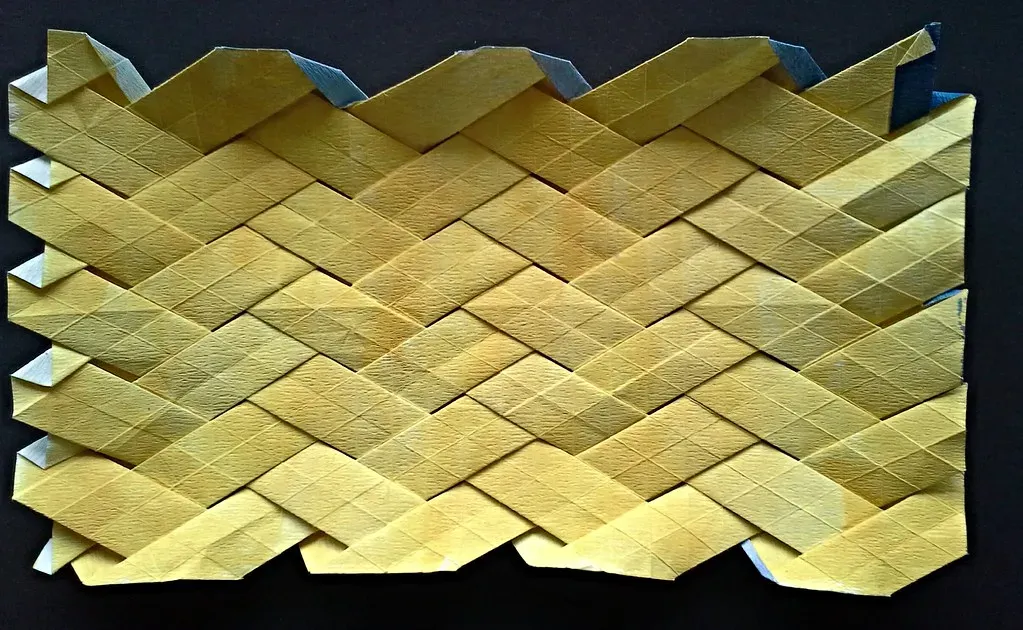
Weaving sounds like something reserved for looms and patient grandmothers, but paper plates make it approachable for kids as young as five or six. Cut slits around the edge of a plate, then let children thread yarn, ribbon, or even strips of old fabric through the gaps. The repetitive motion is oddly calming, and the finished piece works as a wall hanging, a placemat, or a slightly wonky gift for a relative who will pretend to love it.
Older siblings can experiment with color patterns while younger ones just enjoy the in and out motion. It is forgiving, too. Mistakes barely show once the plate fills up with color.
Homemade slime
Slime has stuck around as a rainy day staple because it hits that sweet spot between science experiment and sensory toy. Mixing glue, a bit of borax or contact lens solution, and food coloring gives kids a hands on chemistry lesson without anyone realizing they are learning anything. The mess factor is real, so a plastic tablecloth or newspaper spread is not optional.
Once the base recipe clicks, families often start customizing with glitter, small foam beads, or scent. It becomes less about the final product and more about the process of squishing, stretching, and occasionally flinging it across the kitchen.
Cardboard box town
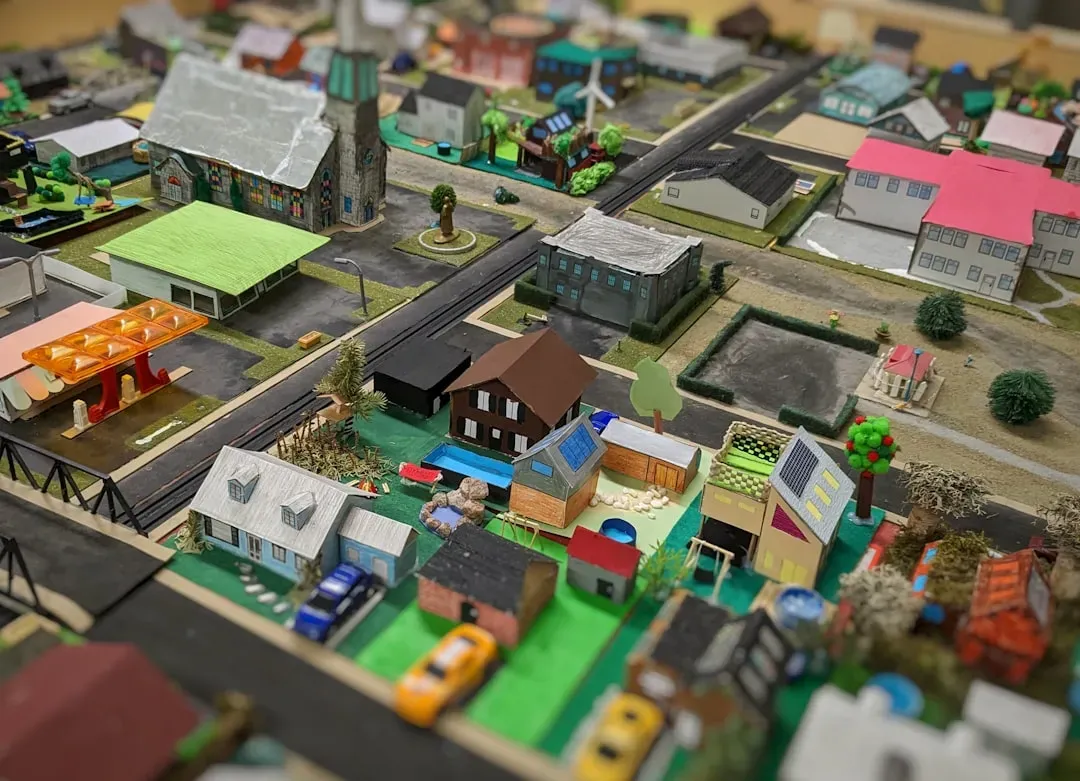
Every household seems to accumulate cardboard boxes faster than they can be recycled, and are the perfect excuse to put them to use. Cutting windows and doors, then painting the boxes as tiny houses, shops, or castles, gives kids a project that can stretch across several afternoons if the rain sticks around. The scale is flexible too, since a shoebox works just as well as a large appliance box.
What makes this one special is the storytelling that tends to follow. Once the town is built, kids often invent characters and plotlines that keep them occupied long after the glue has dried.
Salt dough ornaments
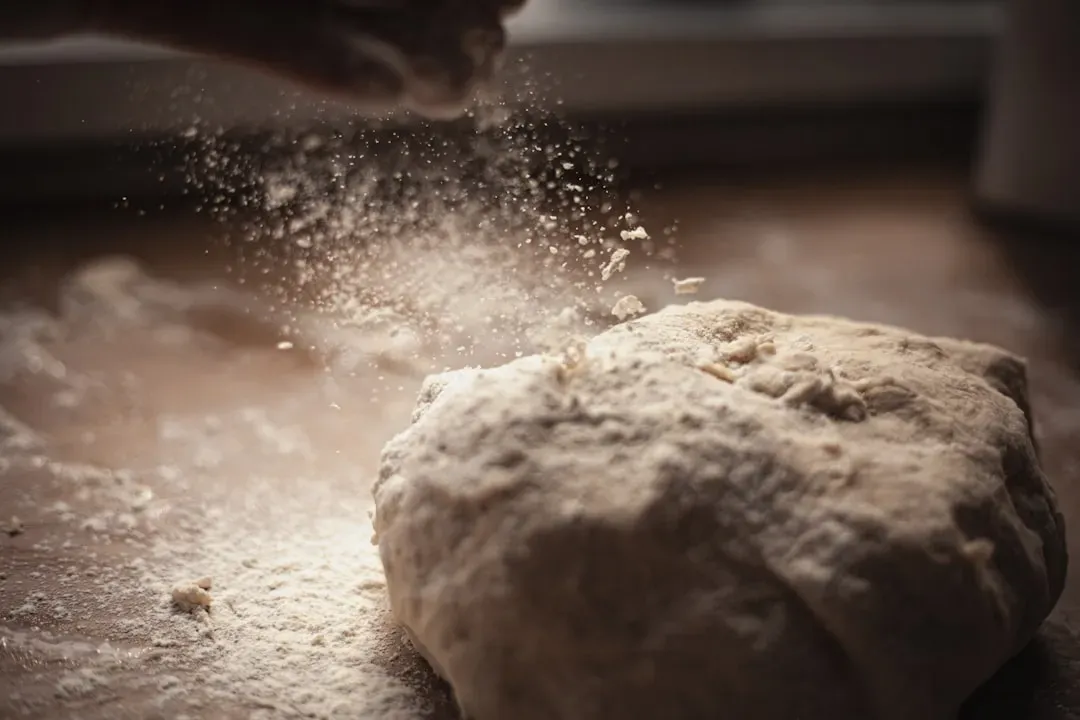
Salt dough is essentially a kitchen recipe disguised as a craft project. Flour, salt, and water combine into a pliable dough that can be rolled, cut into shapes, and baked until firm. It is inexpensive, forgiving of small mistakes, and holds up well once painted.
Families sometimes use this project seasonally, making ornaments for the holidays or simple shapes for a nature themed mobile. The dough also freezes well if a batch is made larger than needed for one sitting.
Nature inspired collage
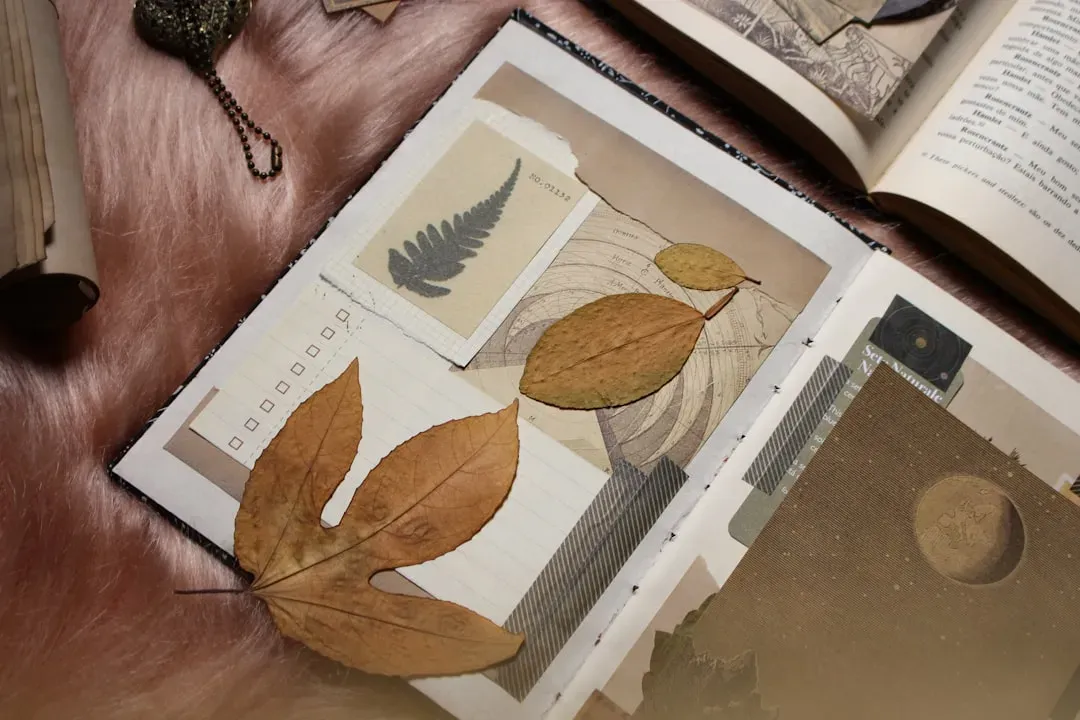
If the rain lets up even briefly, a short walk to collect leaves, twigs, and pebbles can set up an entirely different kind of craft. Kids glue their finds onto paper or cardboard to build a scene, whether it is a forest, a face, or something entirely abstract. This project works especially well for younger children who are still developing fine motor skills, since gluing larger natural objects is easier than manipulating small paper pieces.
It also sneaks in a small science lesson about the textures and shapes found outdoors. Comparing a smooth stone to a rough piece of bark becomes part of the fun without feeling like a lecture.
Duct tape wallets
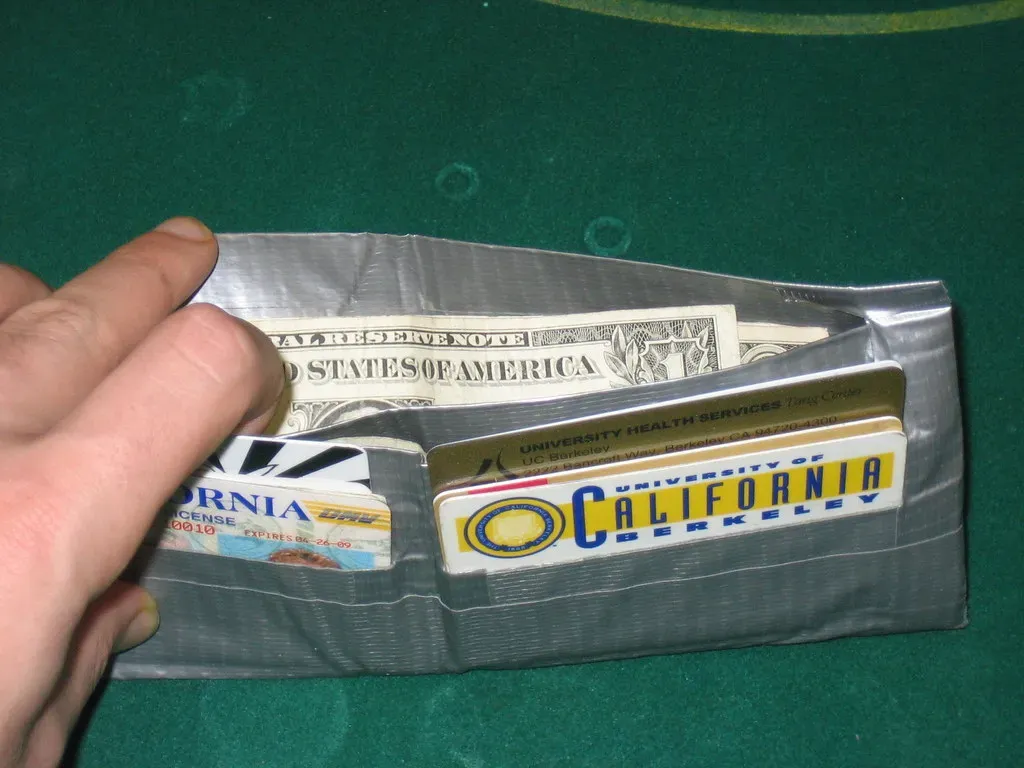
For older kids and tweens who consider themselves past glitter and glue, duct tape offers a slightly more grown up project. Layering strips of colorful or patterned tape creates a sturdy material that can be folded and taped into a functional wallet or pencil case. It requires a bit more precision than younger kid crafts, which makes it satisfying when it actually works.
The learning curve is gentle, and most families find that after one wallet, kids start designing their own patterns and add ons like card slots or zipper pulls made from more tape.
Homemade puppet theater
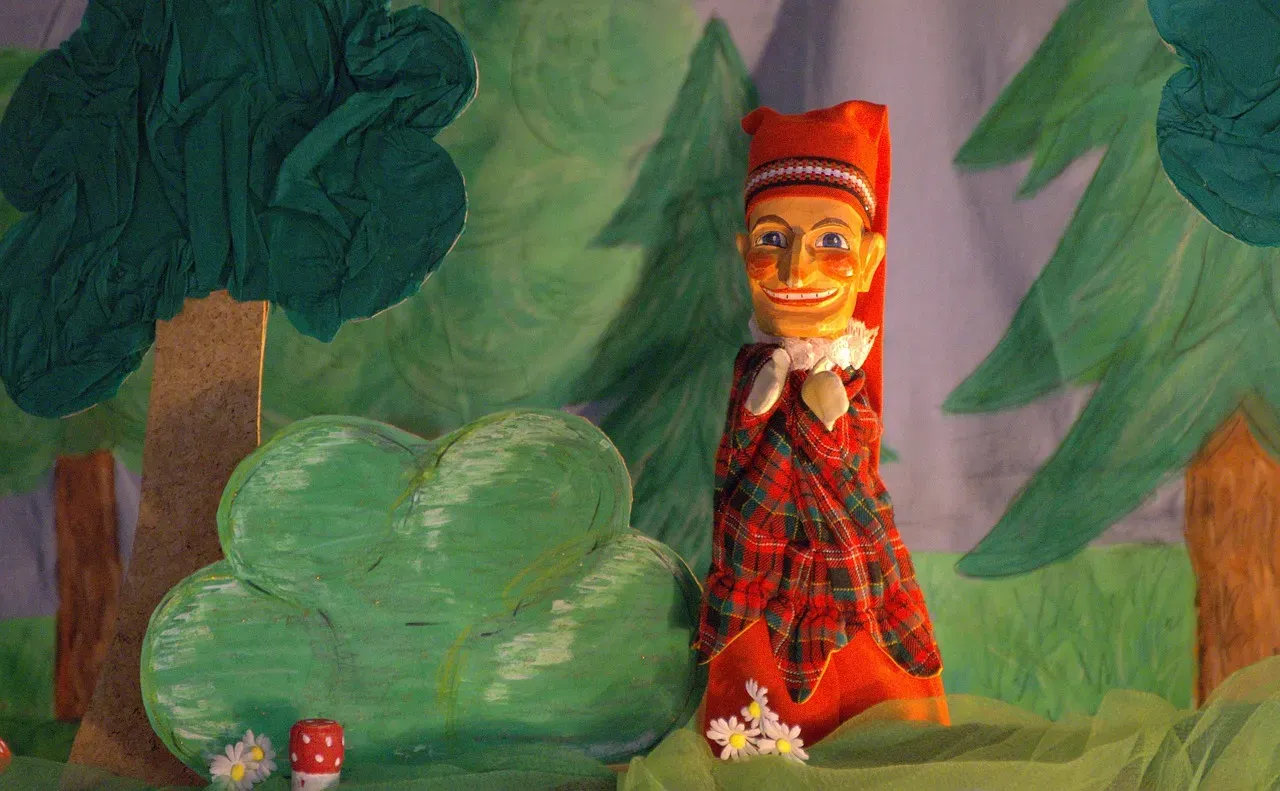
An old cardboard box or even a large blanket draped over a doorway can become a puppet theater with very little effort. Paper bag puppets, sock puppets, or ones drawn on popsicle sticks give kids characters to bring to life, and siblings often end up co writing short skits together. This project blends art with a bit of performance, which keeps things interesting for kids who might otherwise lose focus halfway through.
It also tends to pull in parents as an audience, turning a solo craft activity into a shared family moment by the end of the afternoon.
Painted rock garden markers

Smooth rocks, acrylic paint, and a steady hand are all that is needed for this one. Kids can paint small designs, ladybugs, patterns, or simple messages, and the rocks later serve as markers for a garden or houseplants once the weather improves. It is a low mess option compared to some other paint based crafts, since the rocks contain the paint rather than letting it run.
Families sometimes use this project to introduce a bit of patience, since the paint needs real drying time before a second coat or a protective sealant can go on.
Final Thoughts
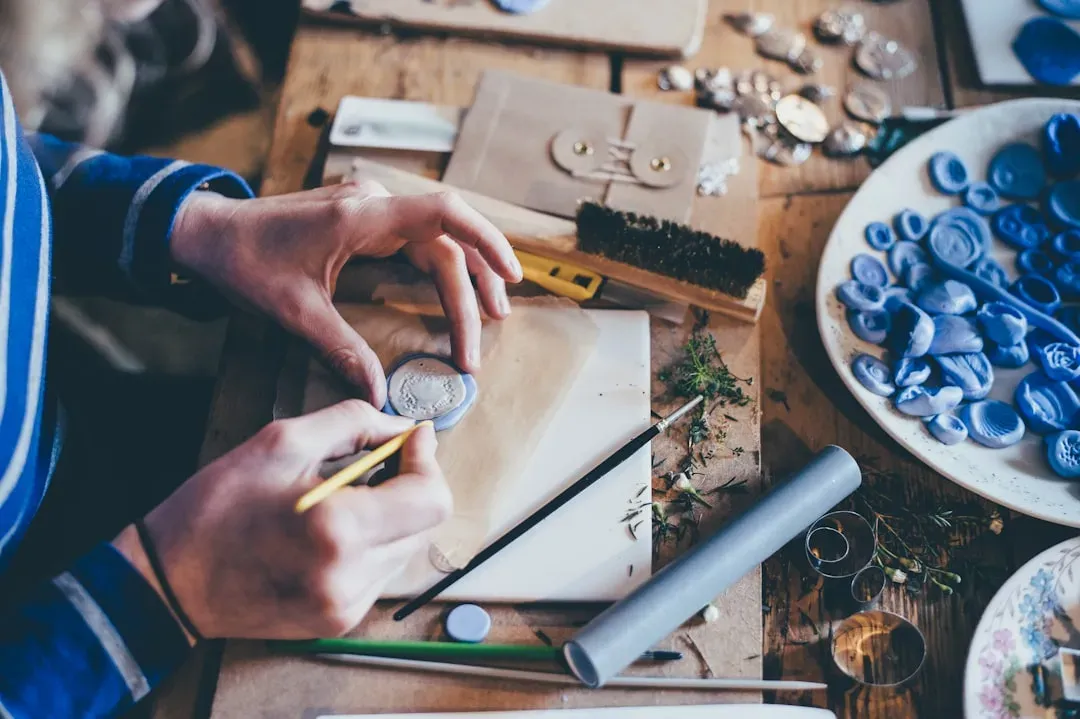
have a way of testing a household’s patience, but they also open up space for the kind of unhurried creativity that busy schedules rarely allow. None of these projects need much beyond basic supplies and a willingness to make a bit of a mess. What sticks with kids years later usually is not the craft itself, but the memory of a rainy afternoon spent making something together.