The No-Go List: 12 Tourist Restaurants Travelers Say Are Overpriced (and Overhyped)
Every traveler has a story. You step off a flight, buzzing with excitement, and somehow end up at a restaurant plastered with photos of its own dishes, seated next to forty other confused tourists, paying roughly three times what a local would spend across the street. Sound familiar? Nearly 90% of Americans have been victims of a tourist trap at least once in the past two years, according to a 2024 survey by PhotoAid. That’s not a small accident. That’s a pattern.
According to a study by online passport photo service provider PhotoAiD, the top three criteria that make a place a tourist trap are above-average pricing, amenities tailored for tourists, and a lack of cultural authenticity. Restaurants are ground zero for all three. The 12 spots below have been flagged again and again by real travelers, and the data backs it up. Let’s dive in.
1. Bubba Gump Shrimp Co., Times Square – New York City, USA
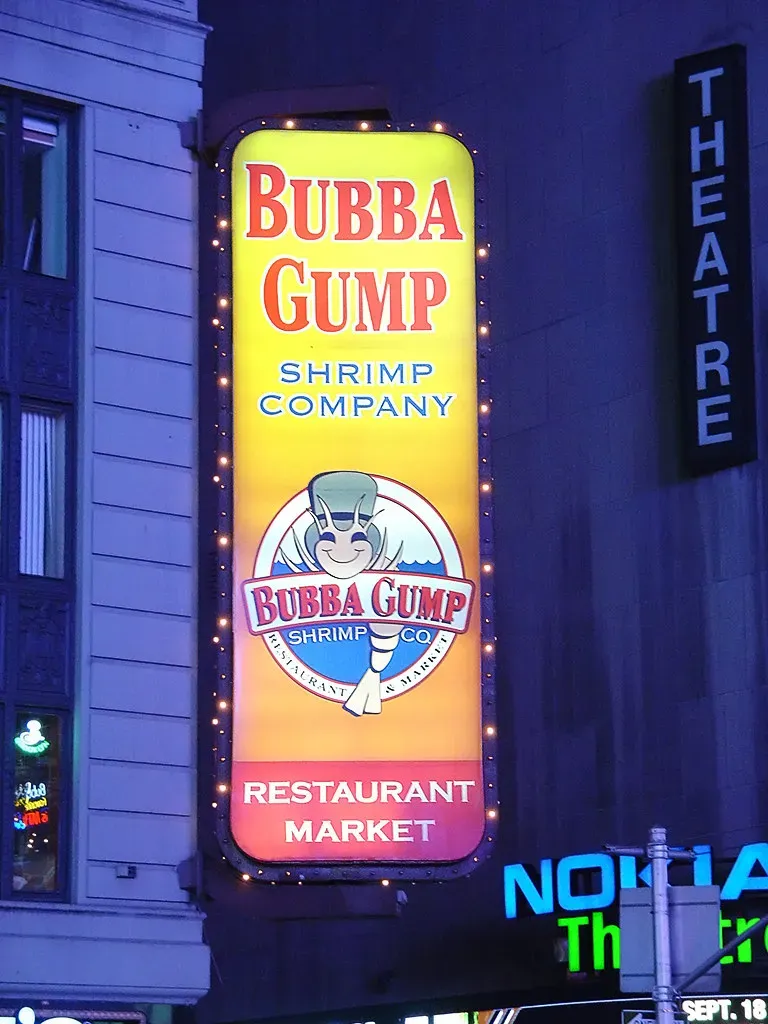
You’ve probably seen it: the bright Forrest Gump signage blazing above one of the most chaotic intersections on earth. Times Square is packed with chain restaurants, and Bubba Gump stands out for all the wrong reasons. Overpriced seafood and aggressive merchandise sales dominate the experience, with countless reviews warning there’s better food just a short walk away. The theming is fun for about five minutes. Then the bill arrives.
Tripadvisor reviewers describe it as a “tourist trap” that’s overpriced, with staff that was friendly but food that was “ok but overpriced for what you get,” with almost all dishes starting at $20 and up. Honestly, it’s a movie souvenir shop that also serves shrimp. All spectacle and no substance best describes this central commercial hub in midtown Manhattan, where oversized billboards and overpriced chain restaurants make Times Square the ultimate tourist trap.
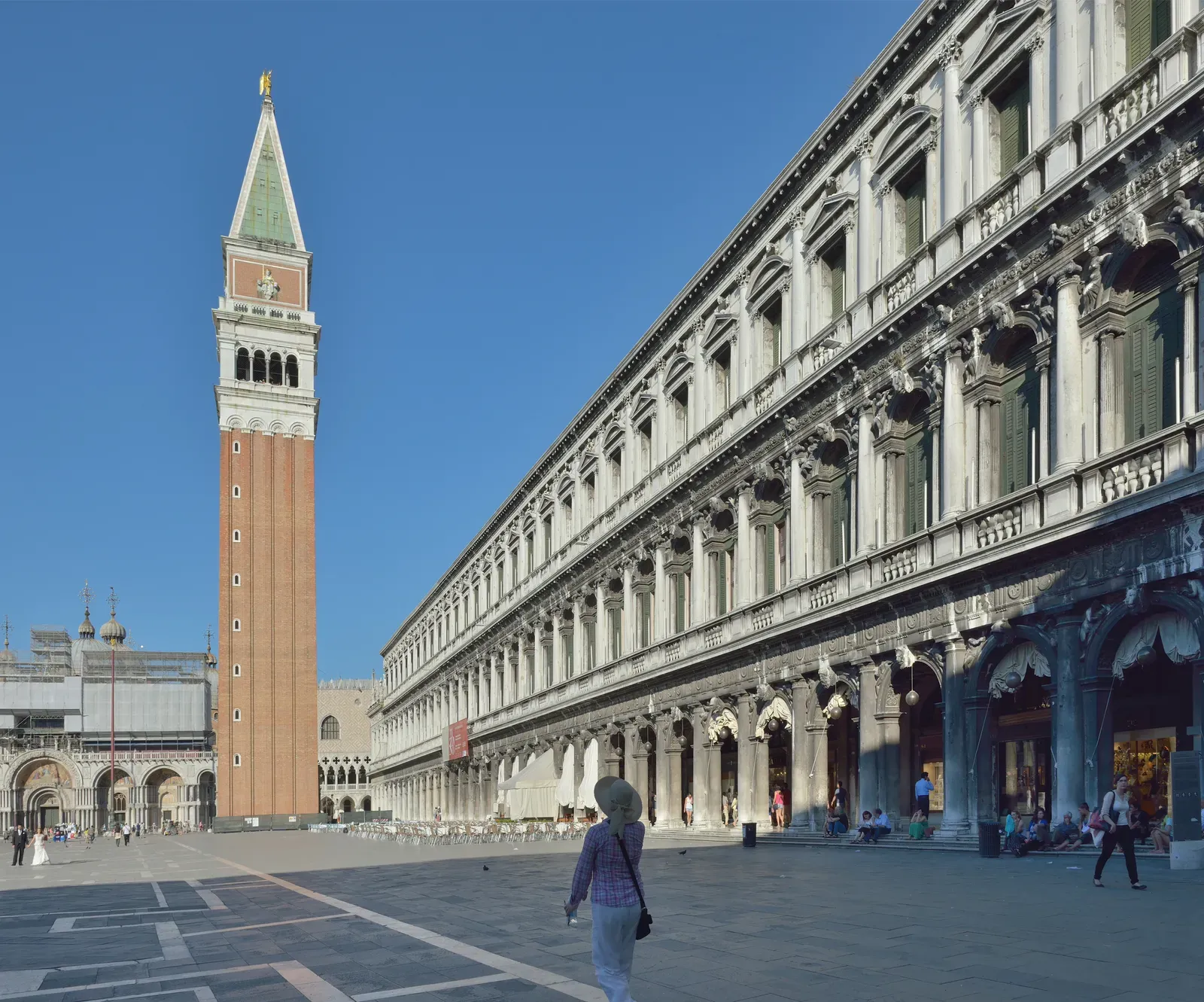
2. Caffè Florian, Piazza San Marco – Venice, Italy
Feel free to use my photos, but please mention me as the author and send me a message.
This image is not in the public domain. Please respect the copyright protection. It may only be used according to the rules mentioned here. This specifically excludes use in social media, if applicable terms of the licenses listed here not appropriate.
Please do not upload an updated image here without consultation with the Author. The author would like to make corrections only at his own source. This ensures that the changes are preserved.Please if you think that any changes should be required, please inform the author.Otherwise you can upload a new image with a new name. Please use one of the templates derivative or extract., CC BY-SA 3.0)
This one hurts a little because the setting is genuinely beautiful. Caffè Florian claims to be one of the oldest cafés in Europe, and it leans hard into that history. Historic charm doesn’t hide the steep costs at Caffè Florian. Triple-priced coffee and music surcharges on Piazza San Marco feature in countless complaints, with some visitors leaving convinced they’ve paid far more for the atmosphere than for the actual food or drink.
The drinks are priced at astronomical levels, with coffee reportedly around €20 per cup at the outdoor tables. A cheaper option is to stand at the bar inside, where an espresso costs around €5. On top of that, a music charge of €6 per person is clearly written at the entrance and at the bottom of each page of the menu. Two coffees and a music charge for a couple? You’re looking at a bill that feels more like concert tickets than a coffee break. Venice already charges a controversial “Venice Access Fee” launched in 2024, charging day-trippers five euros for entry on select peak days. Florian’s prices are just the beginning.
3. DK Oyster, Platis Gialos Beach – Mykonos, Greece
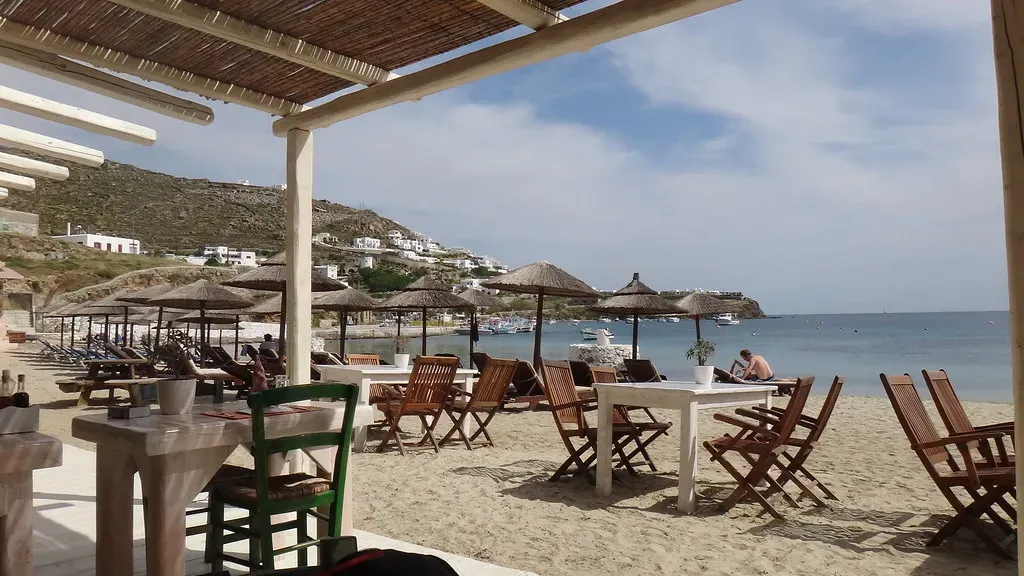
Few restaurants in Europe have earned the kind of infamy that DK Oyster has. Few restaurants have drawn as many complaints as DK Oyster. Diners often report paying from €600 to over €2,300 for modest meals, with unclear per-kilo pricing and delayed price disclosure making it a popular Mykonos spot to avoid. That’s not a typo. Over two thousand euros for a beach lunch.
The formula is perfectly cynical: put the restaurant on a glamorous beach, use unclear per-kilogram pricing on seafood, and count on the fact that tourists are already in a sun-drenched, relaxed state of mind. By the time the bill drops, the damage is done. Tourist traps derive from the information asymmetry between tourists and the market – and DK Oyster is practically a case study in how that asymmetry gets weaponized at a beach table in Mykonos.
4. Restaurants Near the Colosseum – Rome, Italy
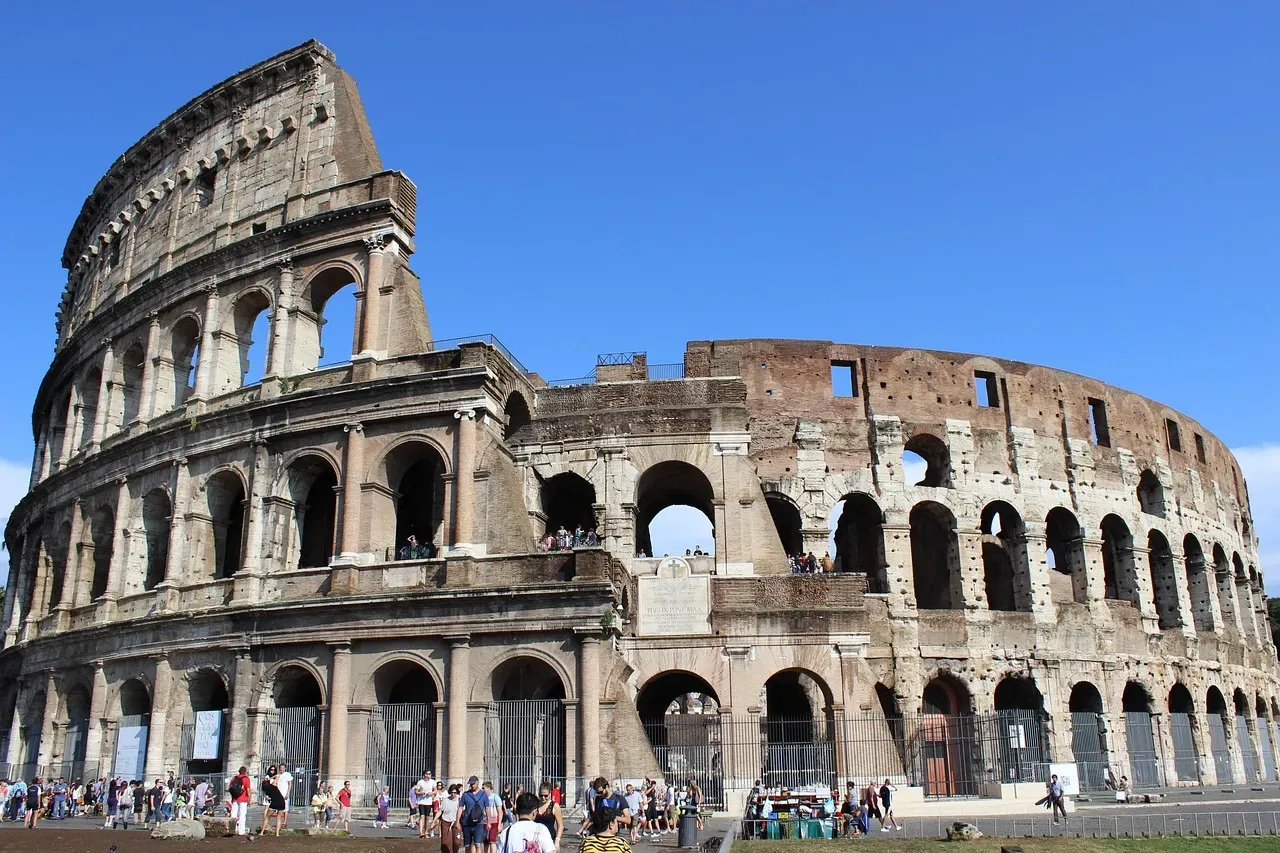
Here’s the thing about Rome. The city has some of the world’s most extraordinary food hiding in side streets. Walk two blocks from the Colosseum, though, and you’re in a completely different universe. Restaurants close to attractions like the Colosseum, the Duomo di Firenze, or Piazza San Marco are often overpriced and serve mediocre food. Locals recommend walking a few blocks away from tourist hotspots to find authentic trattorias.
The economic logic is brutally simple. Comparing menu prices with restaurants on less prominent streets often reveals a significant premium for similar food. Tourist traps exploit information asymmetry, charging what they can get away with from visitors who haven’t done their research. One Rome restaurant near Castel Sant’Angelo has made headlines specifically for this: it is infamous for inflated bills and hefty service charges, with visitors repeatedly calling out non-transparent pricing, cementing its place among Rome’s worst tourist dining experiences. Consider yourself warned.
5. Restaurants Along Las Ramblas – Barcelona, Spain
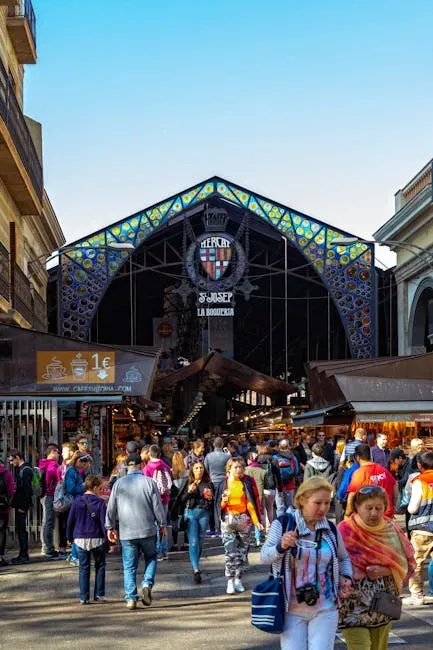
Las Ramblas is arguably the most photographed street in Barcelona. It’s also, for many seasoned travelers, a place to walk through quickly and eat absolutely nowhere near. Barcelona is a dream destination, but its main thoroughfare, Las Ramblas, is a hub for tourist traps, with vendors selling overpriced items nonstop. A 2024 Express report even revealed Las Ramblas as Europe’s worst pickpocketing hotspot.
The dining scene on this boulevard is essentially theater – restaurants designed to look atmospheric while serving mediocre food at tourist-market prices. Among the many money mistakes that travelers make is choosing overpriced meals in touristy areas, thereby missing out on real local experiences. Barcelona has been dealing with overtourism in a big way. Overtourism in Barcelona has caused overcrowding and increased costs of living, with more than 32 million people staying annually in a city of just 1.6 million residents. Those numbers crush authentic culture, and Las Ramblas restaurants are one visible symptom.
6. Señor Frog’s – Multiple Tourist Locations
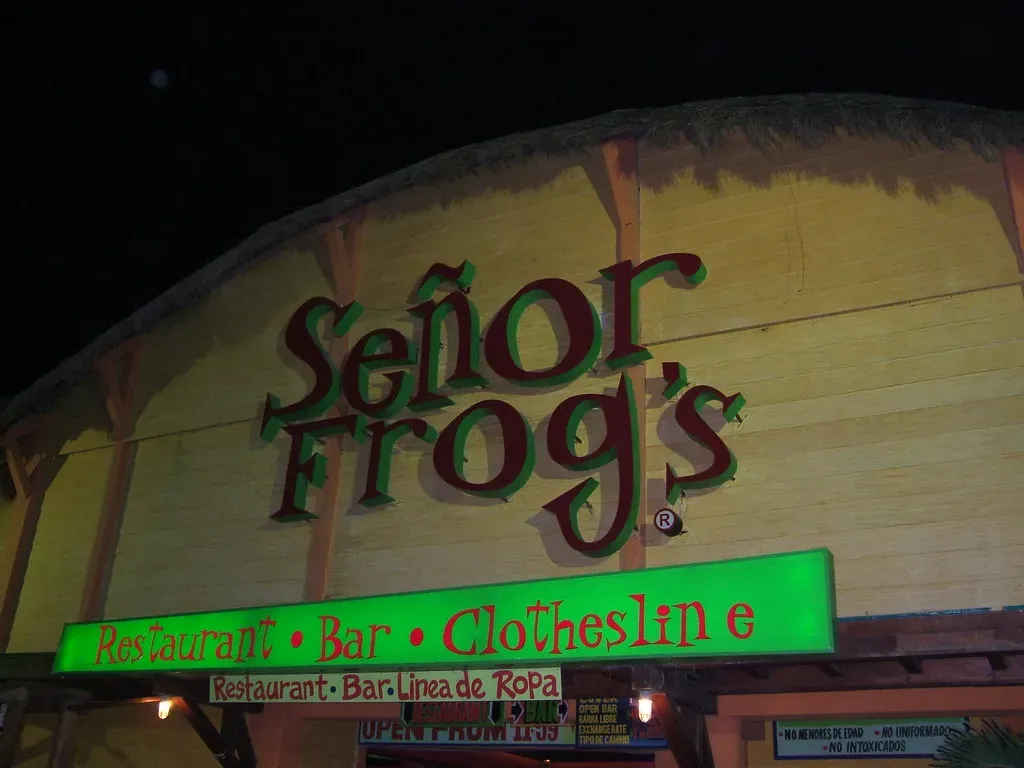
Walk into any major cruise port in the Caribbean or Mexico, and there’s a decent chance you’ll spot the neon signage. Señor Frog’s has become practically synonymous with the word “tourist trap.” Known for rowdy entertainment, souvenir glasses, and premium-priced cocktails, Señor Frog’s markets itself directly to tourists. Loud MCs and gimmicks overshadow the food, and cover charges on busy nights seal its place as a high-energy, overpriced tourist magnet.
It’s worth pointing out that the chain doesn’t really pretend to be anything else. The entire model is built around the spectacle of getting tourists to drink a lot and buy branded merchandise. A survey of 1,000 Americans conducted by PhotoAid revealed that 82% were set back over $50 at the last tourist trap they visited, with 22% spending $200 or more. A round of drinks at Señor Frog’s plus a souvenir cup gets you there faster than you might think.
7. Bourbon Street Bars and Restaurants – New Orleans, USA
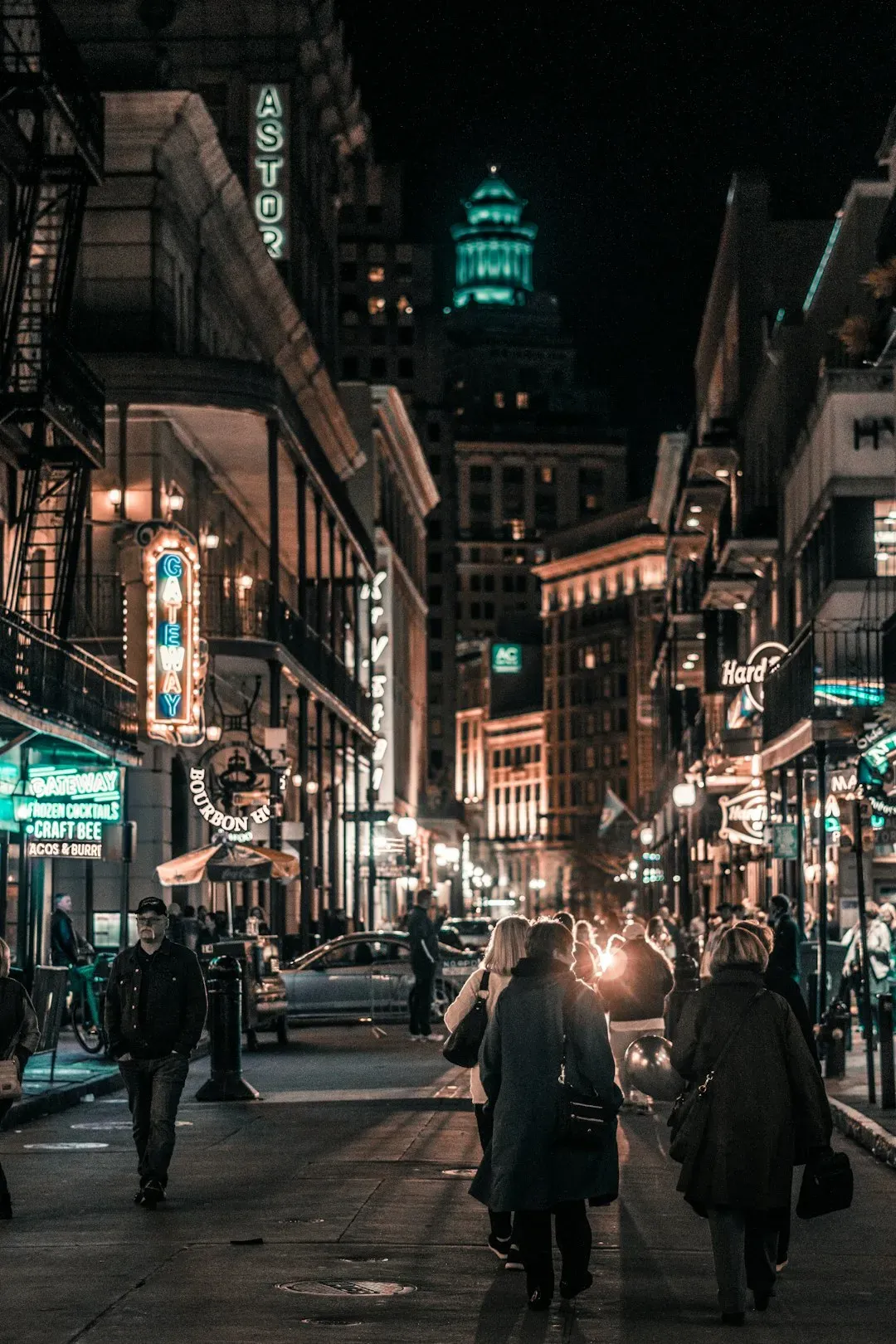
New Orleans is one of the most culturally rich food cities in America. Real gumbo, real jazz, real soul. Bourbon Street, however, has largely been colonized by tourist-focused establishments that charge premium prices for an experience locals actively avoid. The locals in New Orleans rarely visit Bourbon Street unless they work there. This busy strip is filled with party-going tourists.
Reviewers note that Bourbon Street bars are often overpriced and deliver mid-level quality, at best. The irony is thick: you travel to one of America’s greatest food cities and end up eating frozen jambalaya at a place draped in neon lights. Bourbon Street hosts dozens of bars and restaurants primarily to maximize foot traffic, and to avoid overpriced drinks, expensive meals, and tacky gift shops, visitors should venture outside this 13-block stretch to discover the real New Orleans.
8. Fisherman’s Wharf Restaurants – San Francisco, USA
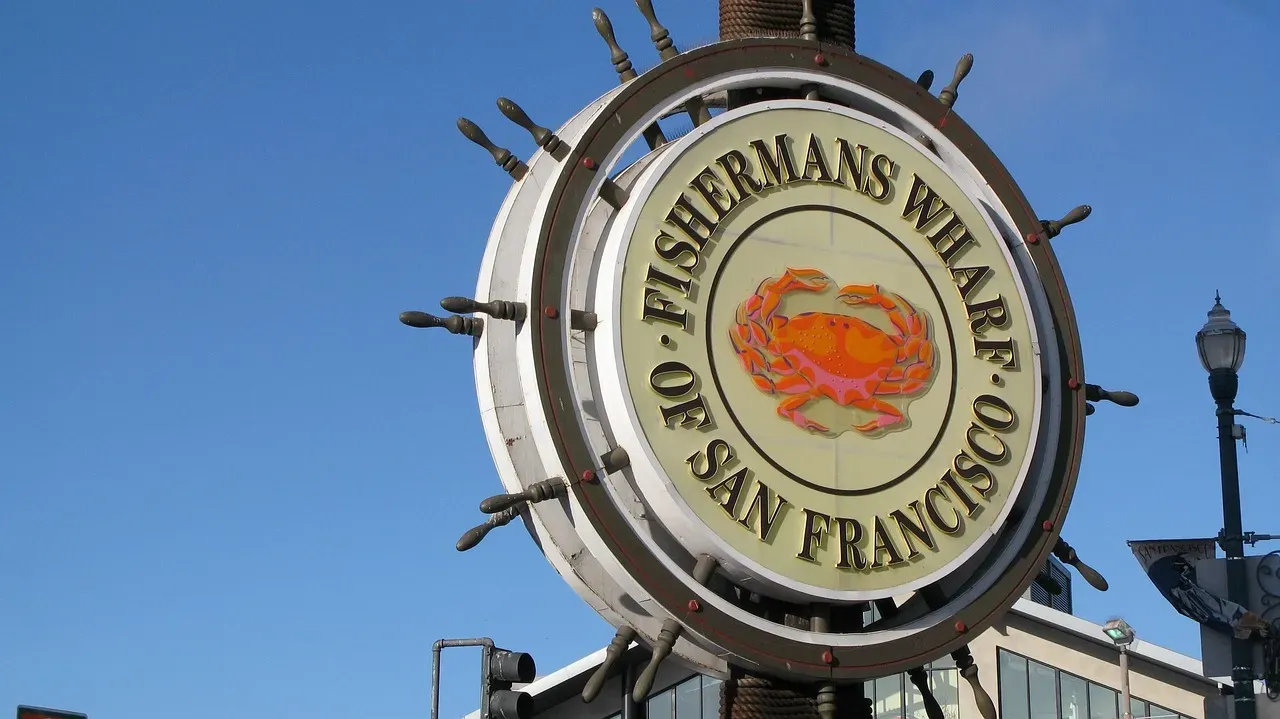
Fisherman’s Wharf has a great reputation, mostly built in a different era. Today, it’s become one of the most cited tourist dining disappointments in California. Fisherman’s Wharf in San Francisco is widely considered a tourist trap through and through, with tons of people, overly expensive food, and a clam chowder bread bowl that’s become a symbol of overpriced mediocrity.
Analysis of TripAdvisor reviews found over 1,000 mentions of the words “tourist trap” for the iconic waterfront business district, which sees around 12 million visitors annually. One reviewer reportedly called it a “mini Vegas” for its many mediocre restaurants and T-shirt shops. The “world-class dining” touted by the city’s tourism board isn’t quite what it’s cracked up to be, according to TripAdvisor reviewers. There are genuinely outstanding restaurants in San Francisco. They’re just not here.
9. Planet Hollywood – Orlando and Las Vegas, USA
Celebrity memorabilia is not a food group. Planet Hollywood has been running on the fumes of its own concept for years, and travelers keep reporting the same thing: the experience feels dated, the merchandise push is relentless, and the food doesn’t justify the check. Inside Planet Hollywood, the Hollywood memorabilia and themed dining overshadow the menu. Gift shops push merchandise before and after meals, and food quality often disappoints.
Think of it like paying museum ticket prices to eat a burger in a room full of film props. The location premium alone is enormous, especially in Las Vegas where every square foot is monetized. Early tourist trap restaurants were notorious for their inflated prices and subpar offerings, luring tourists in with flashy signage, gimmicky themes, or promises of local cuisine, only to deliver mediocre food and service. Planet Hollywood is essentially the textbook definition of that formula, still running in 2026.
10. Geno’s Steaks, Philadelphia – Pennsylvania, USA
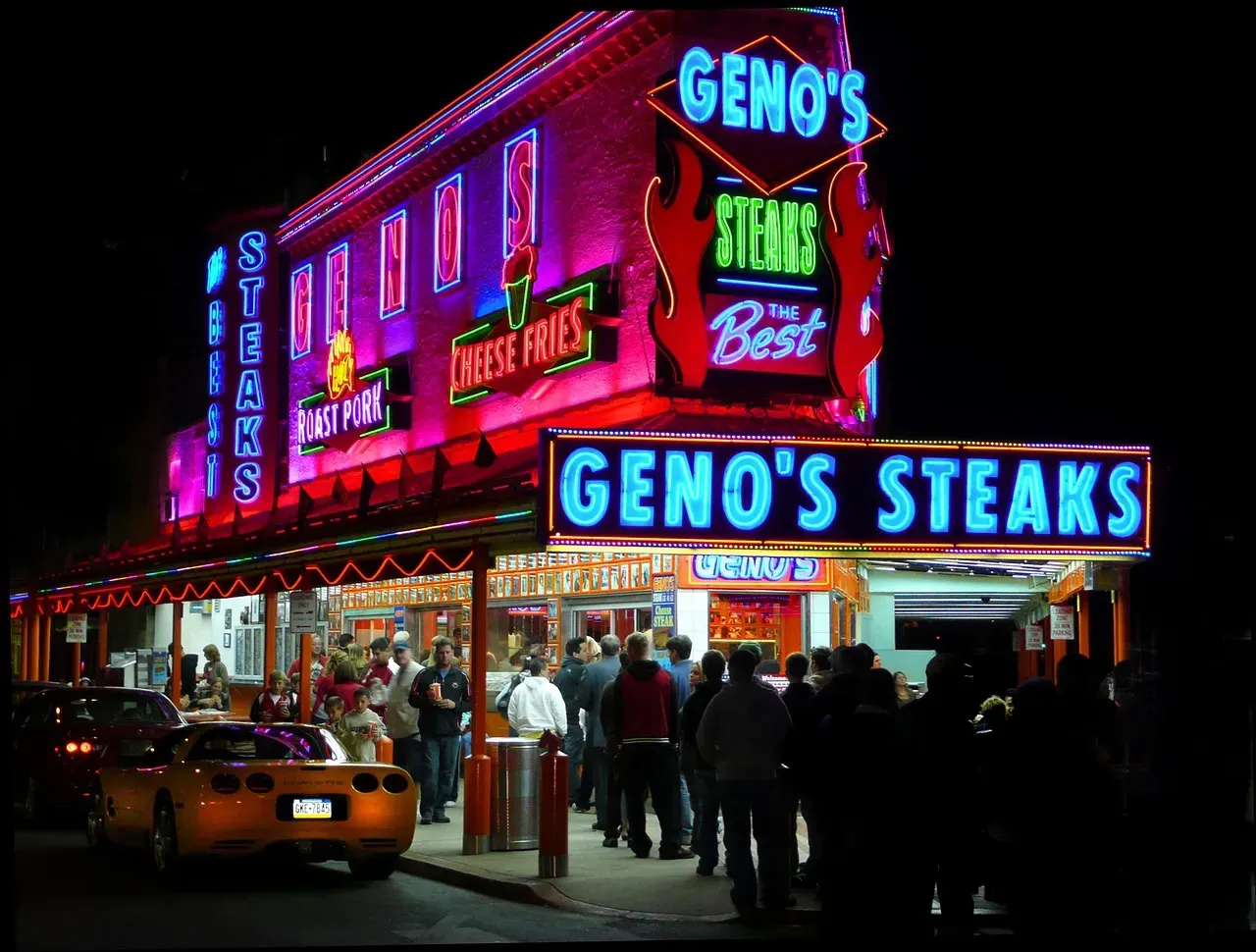
The famous Philly cheesesteak rivalry between Geno’s and Pat’s is genuinely part of the city’s folklore. Trouble is, folklore has a way of outliving the substance behind it. Service and quality are frequent debate points for Geno’s, where its bright neon corner pulls in first-timers eager for photos. Lines can stretch long for a sandwich that many call overrated, helping it earn a spot among Philadelphia’s top tourist traps.
I think it’s a classic case of reputation outpacing reality. Pat’s holds legendary cheesesteak status, yet many say it survives on hype over flavor. Long queues, high prices, and the rivalry keep tourists coming, but locals commonly suggest smaller neighborhood spots for a better and cheaper sandwich. According to the World Tourism Organization, tourists spend an average of 25% more at these kinds of restaurants than at local eateries. For a cheesesteak, that’s a steep premium for a photo opportunity.
11. Sirocco Rooftop Restaurant – Bangkok, Thailand
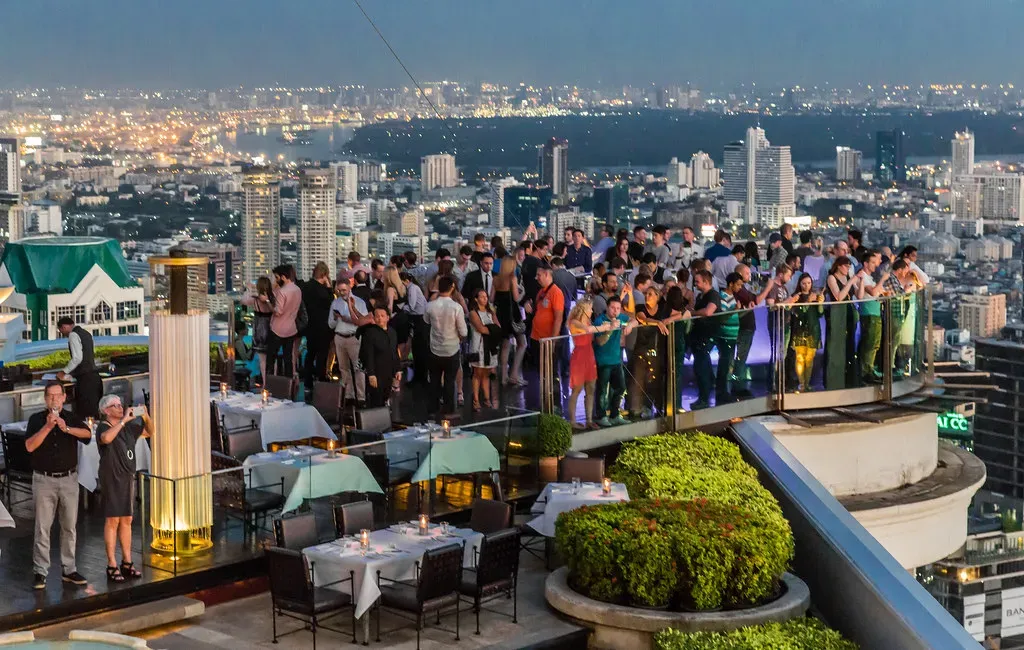
The view from Sirocco is undeniable. Sitting atop State Tower with all of Bangkok sprawling below you sounds like a dream. In practice, the experience comes at a cost that travelers consistently describe as wildly disproportionate to the food. Steep minimum spends, a strict dress code, and relentless upselling have made Sirocco one of Bangkok’s costliest dining spots. Many visitors say the view easily outshines the food, and its feature in The Hangover II continues to drive up the premiums.
The movie connection is the crux of it. When a restaurant gets a pop-culture moment, prices tend to follow – permanently. A tourist trap can be described as “a spot that has a lot of buzz but doesn’t really have the flavors to back it up.” There are long-standing restaurants that exist purely on buzz, simply for the sake of saying you visited them, even if the food is second-rate. Sirocco is a prime example: it sells the idea of itself more than the actual meal.
12. Amalfi Coast Roadside Restaurants – Italy
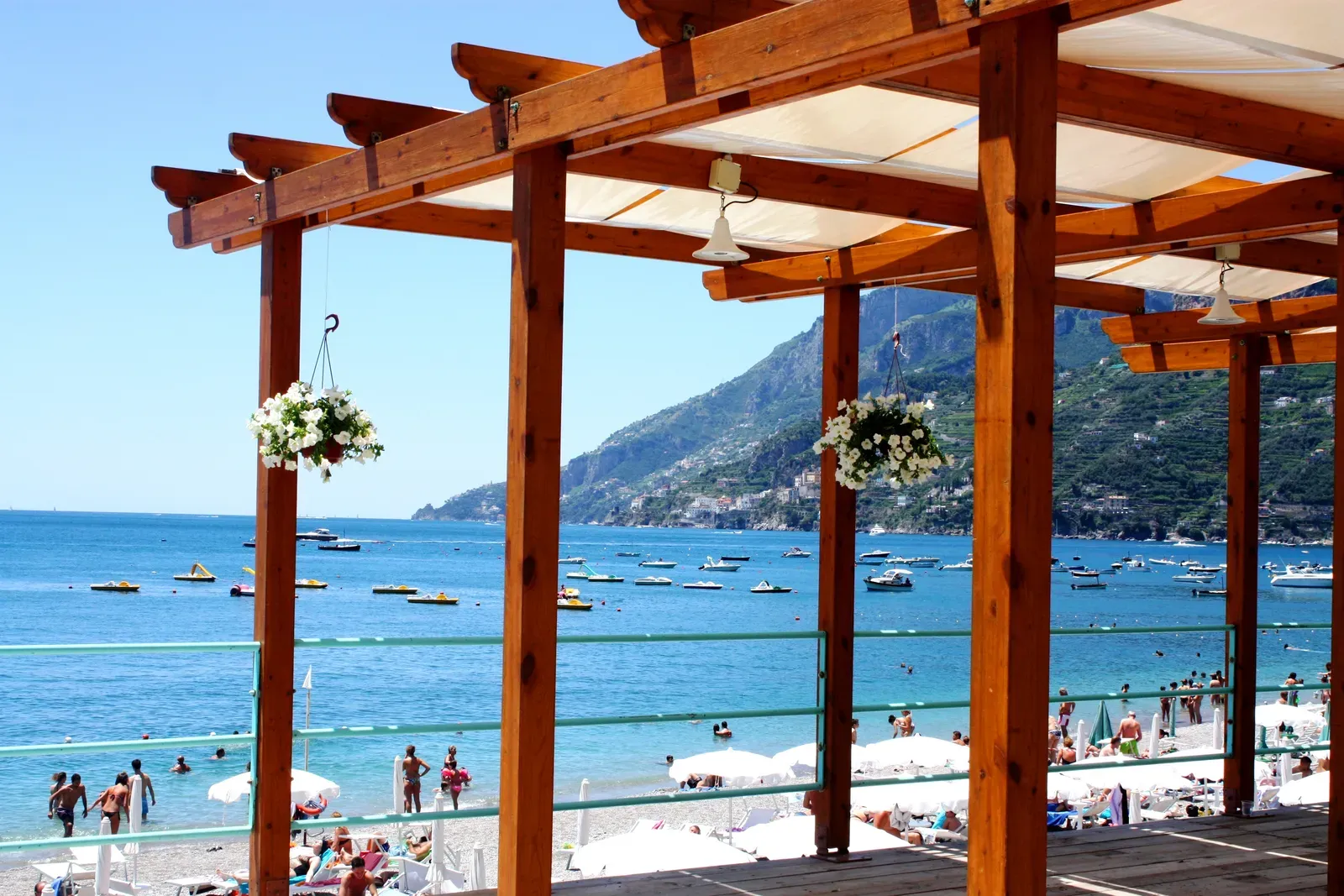
The Amalfi Coast is one of Italy’s most breathtaking stretches of scenery. It’s also, particularly during peak summer months, a reliable place to overpay for food in a rushed, overcrowded setting. Driving along the Amalfi Coast during peak season means dealing with heavy traffic, limited parking, and overpriced roadside restaurants. Travel experts suggest taking public transport or ferries between towns like Positano, Ravello, and Amalfi for a less stressful experience.
The combination of a captive audience, limited alternatives, and jaw-dropping scenery creates perfect conditions for price inflation. Tourist-trap restaurants are built for turnover, not taste. They exist to make a profit off unfamiliar faces. Food is often bland, overpriced, and disconnected from any real cultural experience. On a coastline as famous as Amalfi, that formula is alive and thriving. According to PhotoAid, roughly 70% of travelers surveyed said a visit to a tourist trap diminished their overall enjoyment of a trip – a statistic worth remembering before you sit down at the first table with a sea view and a laminated picture menu.