The Ultimate Guide to Freezer-Friendly Breakfasts
Why Freezing Breakfast Makes Sense
Freezing isn’t just a convenience trick, it’s a way to control what ends up on your plate on a busy day. When the alternative is a drive-through window or nothing at all, a homemade option pulled from the freezer wins on nutrition and cost almost every time. Batch cooking also means less daily cleanup, since one big prep session on a Sunday can replace five separate mornings of dishes.
There’s also a practical seasonal angle. Buying eggs, produce, or bread in bulk when prices dip and freezing portions for later stretches a grocery budget further than most people realize. The freezer essentially becomes a pantry of ready meals, minus the preservatives found in most store-bought frozen .
Freezer Burritos That Actually Hold Up
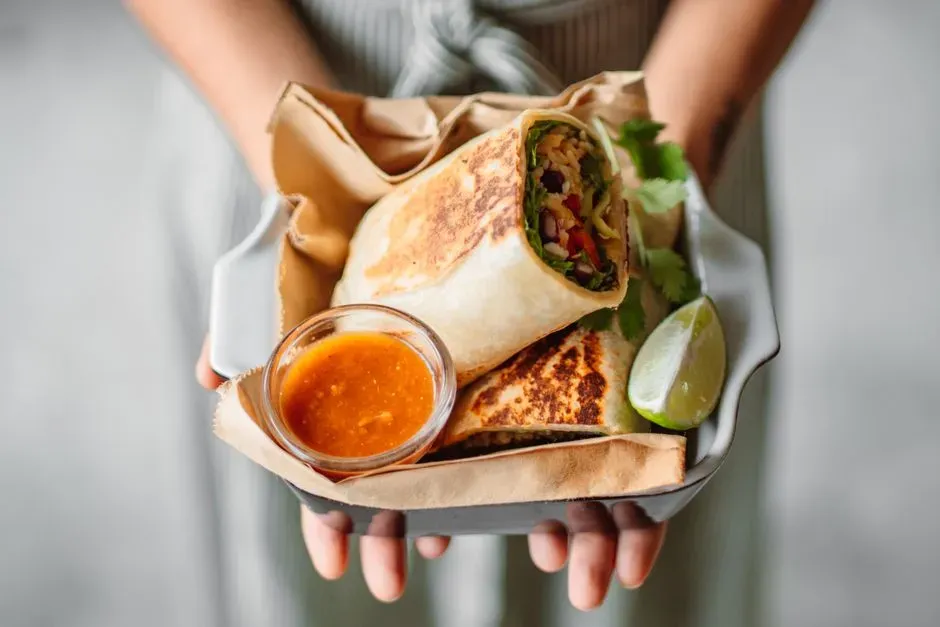
Breakfast burritos are one of the most forgiving freezer meals out there, provided a few rules are followed. The filling should be on the drier side, since watery ingredients like fresh tomatoes or excess salsa turn into a soggy tortilla during thawing. Scrambled eggs, cheese, cooked sausage or beans, and sautéed peppers all freeze cleanly and reheat evenly.
Wrapping matters more than most people expect. A layer of foil or parchment followed by a freezer bag keeps air out and prevents the dreaded freezer burn that dries out the tortilla’s edges. Rolled tightly and labeled with a date, these burritos can sit ready for a microwave reheat that takes barely three minutes.
Pancakes and Waffles for the Toaster
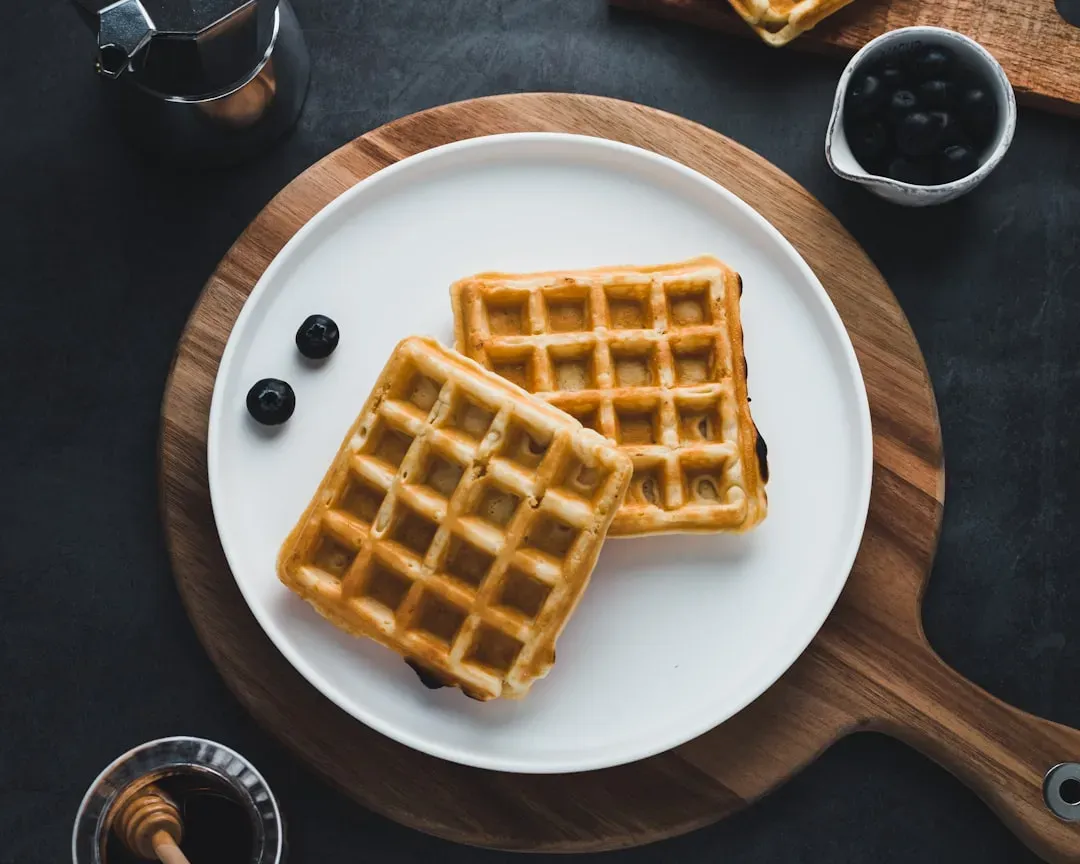
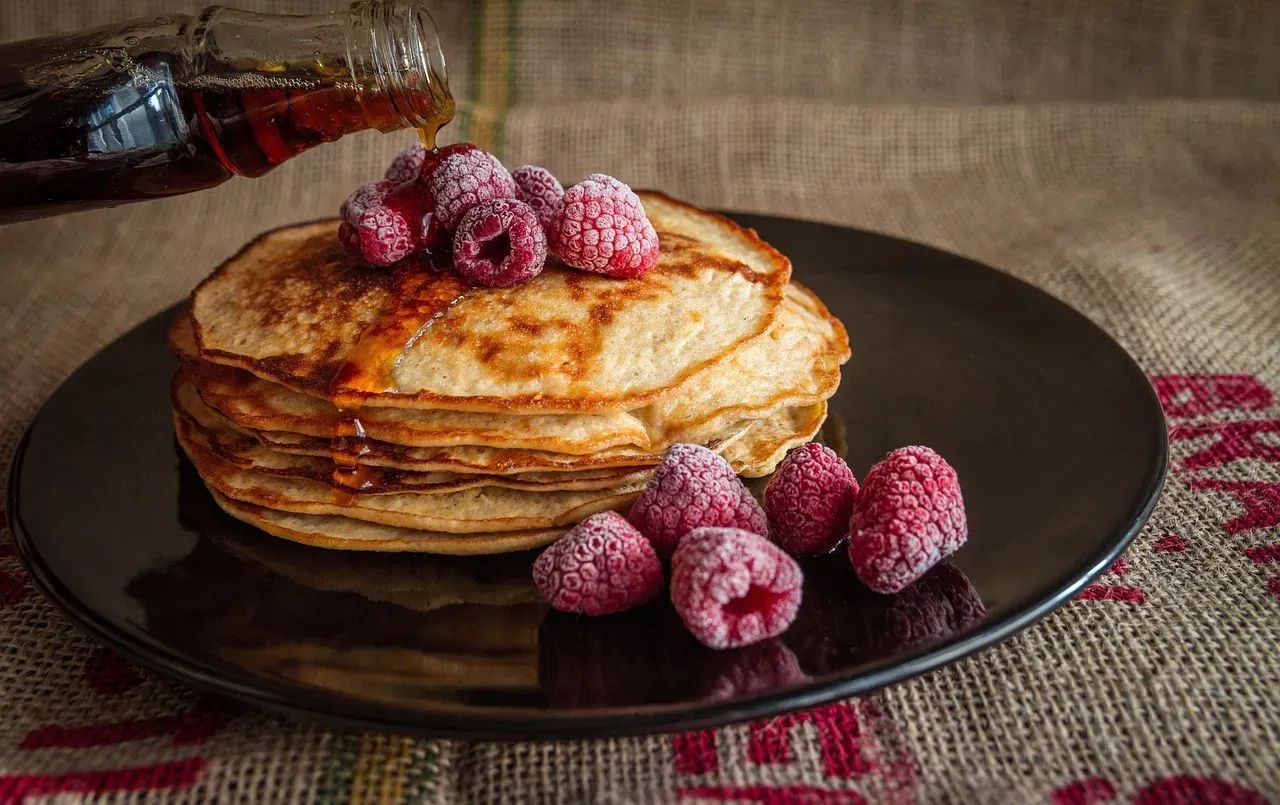
Pancakes and waffles were arguably made for freezing. Once cooked and fully cooled, they can be laid flat on a baking sheet, frozen individually, and then transferred to a bag so they don’t clump into one solid block. This step, often called flash freezing, is the difference between pulling out exactly two pancakes versus wrestling with a frozen brick.
The toaster does the reheating work here, crisping the edges back up in a way the microwave never quite manages. Waffles in particular hold their texture remarkably well this way, since their ridged structure allows heat to circulate more evenly than a flat pancake.
Muffins and Baked Oats
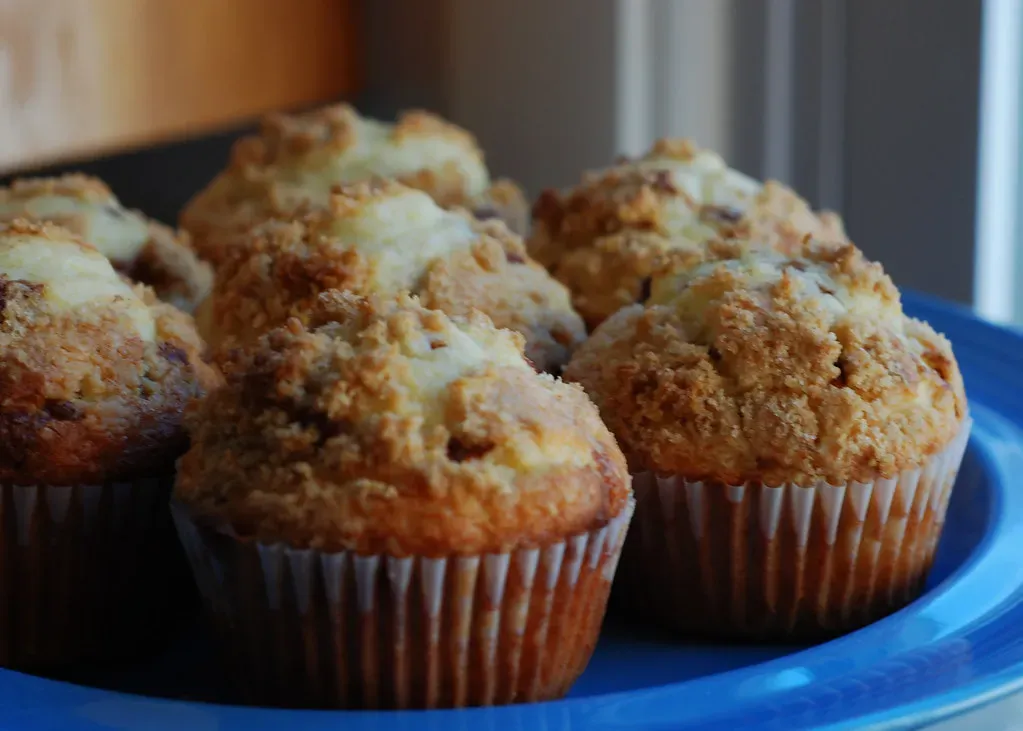
Muffins freeze almost as well as bread, which makes sense given how similar the batters often are. Whether it’s a banana muffin, a bran version, or something loaded with berries, wrapping each one individually in plastic wrap before bagging helps prevent moisture loss. Baked oatmeal, cut into squares, follows the same logic and reheats into something closer to a dense oat cake than a bowl of mush.
Both options thaw quickly at room temperature, usually within an hour, or can go straight into a low oven for ten minutes to restore some of that fresh-baked warmth. They’re also easy to portion for kids’ lunches or a quick office breakfast, since there’s no assembly required beyond unwrapping.
Breakfast Sandwiches Worth Stocking
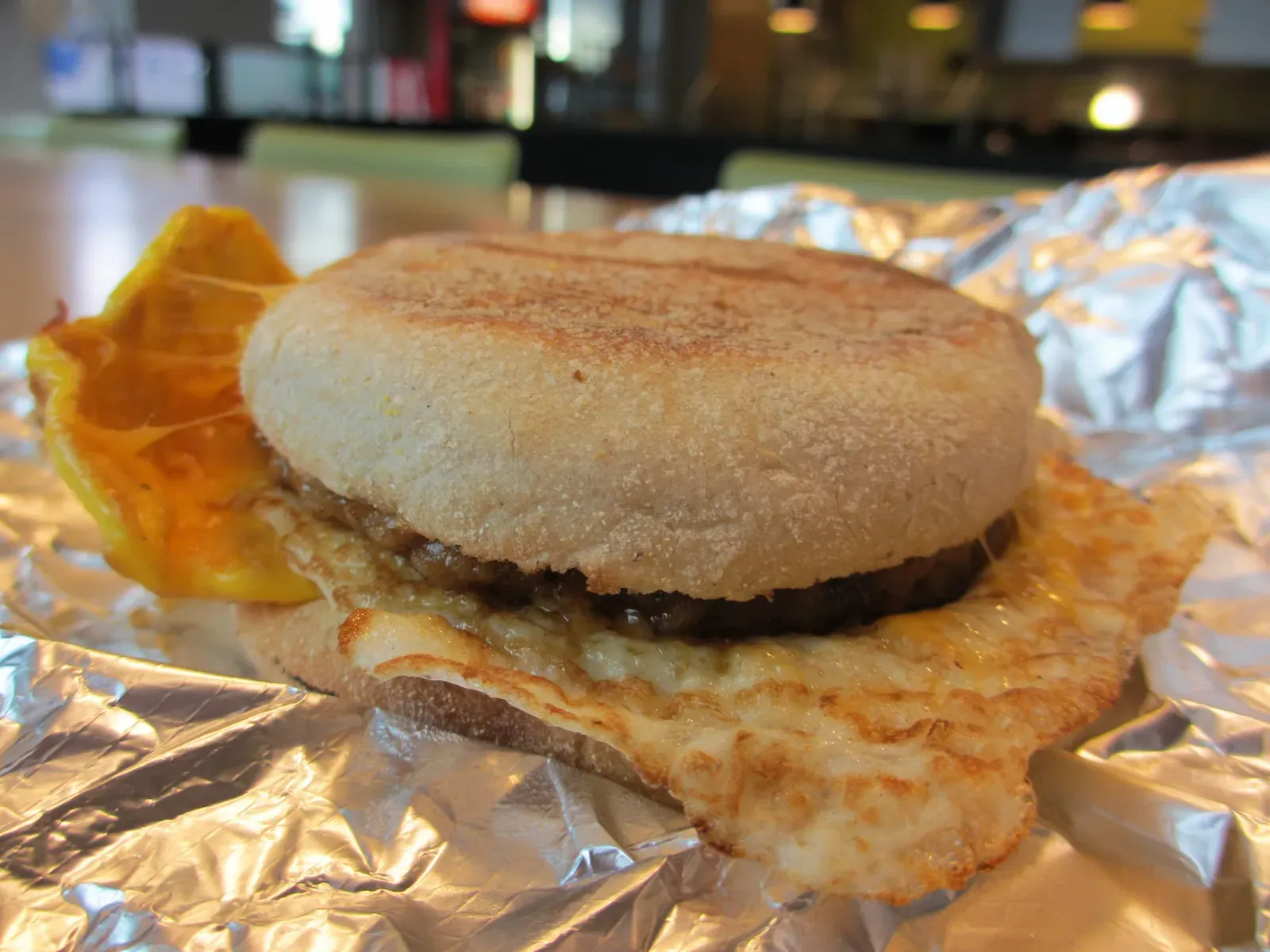
English muffin sandwiches with egg, cheese, and a breakfast meat are a classic for a reason. They freeze well because the components are already somewhat dense and dry, unlike a burrito’s looser fillings. Wrapping each sandwich individually in foil, then storing several together in a bag, keeps them organized and easy to grab one at a time.
A common mistake is skipping the foil and going straight to plastic wrap, which doesn’t hold up as well against freezer odors or moisture over several weeks. For best results, reheating in a toaster oven or regular oven wrapped in foil for about fifteen minutes tends to beat the microwave, which can leave the egg rubbery.
Overnight Oats and Smoothie Packs
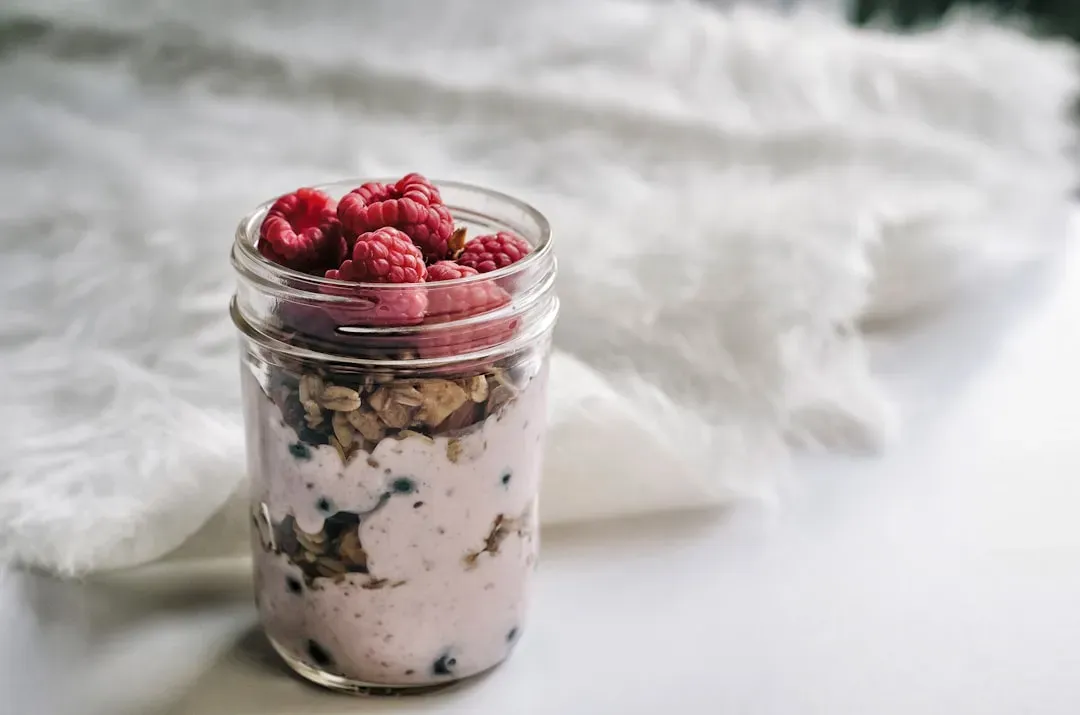
Overnight oats themselves don’t freeze particularly well once the milk and oats have already combined, since the texture turns grainy and separates on thawing. What does work is freezing the dry base, meaning oats, chia seeds, and any add-ins like cinnamon or dried fruit, in individual jars or bags ready to have liquid added the night before eating. Smoothie packs follow a similar logic and are arguably even more useful.
Chopping fruit and portioning it into freezer bags means a smoothie in the morning is just a blender and a splash of liquid away. This sidesteps the common problem of fruit going bad in the fridge before it gets used, while also cutting down on morning prep to almost nothing.
Egg Bites and Casseroles
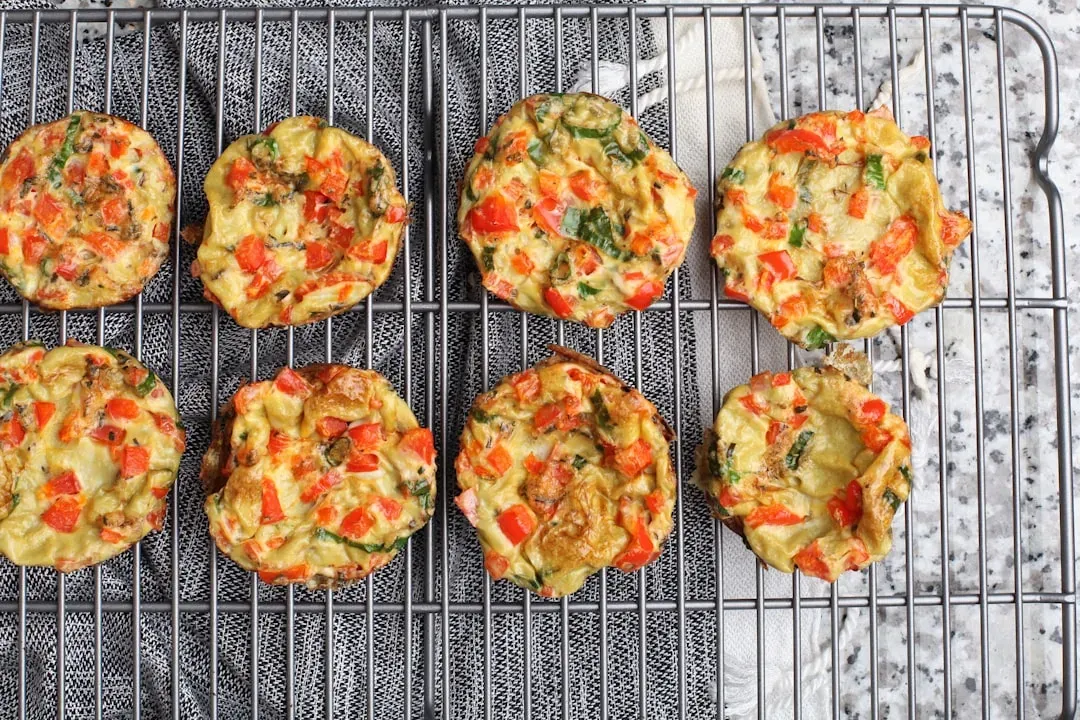
Egg bites, whether baked in a muffin tin or a silicone mold, are essentially portioned frittatas and freeze with impressive consistency. Ingredients like spinach, cheese, and diced ham hold their texture better than something like raw tomato, which tends to release water during reheating. A full breakfast casserole works the same way, just cut into squares before freezing so individual portions can be pulled out as needed.
These reheat cleanly in the microwave in under two minutes, making them one of the fastest options on this list for anyone who genuinely has no time in the morning. They also travel well, staying intact in a lunch bag or container without falling apart the way a loose scramble might.
Proper Packaging and Storage Tips
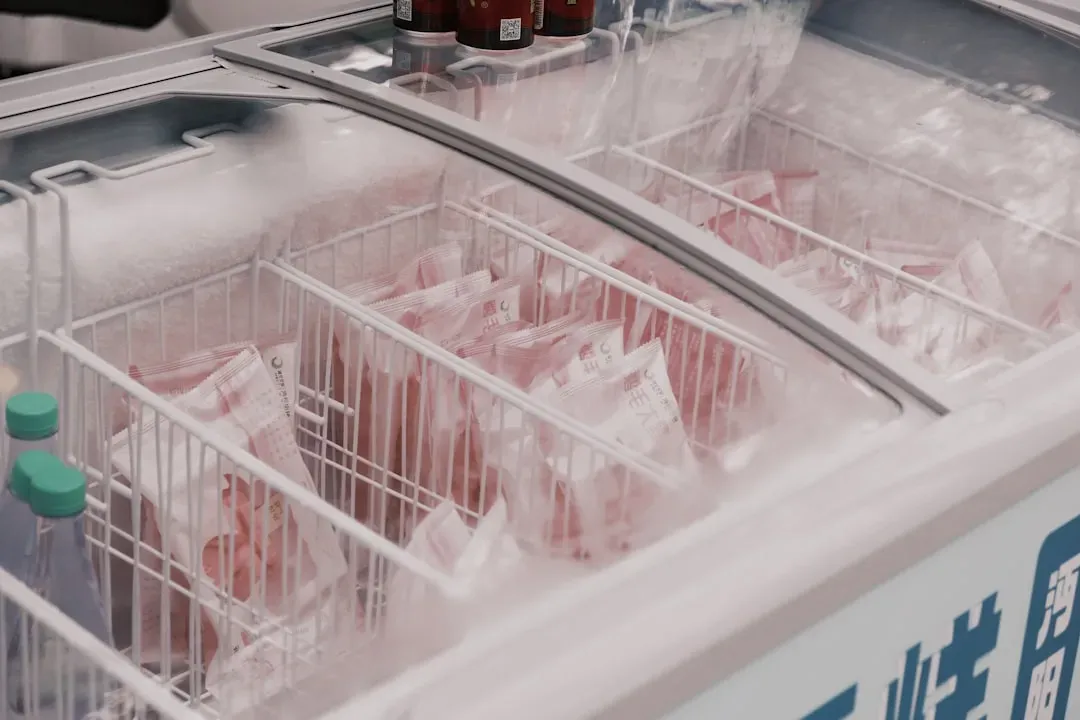
Good freezer live or die on packaging. Air is the enemy here, since exposure to it causes freezer burn, that dry, grayish texture that ruins otherwise good food. Vacuum-sealed bags are ideal when available, but pressing out as much air as possible from a regular freezer bag before sealing gets most of the way there.
Labeling with the date and contents avoids the all-too-common mystery bag problem, where something unidentifiable sits in the back of the freezer for months. A simple system of using older items first, sometimes called first in, first out, keeps the rotation moving and prevents anything from being forgotten entirely.
How Long Things Actually Last
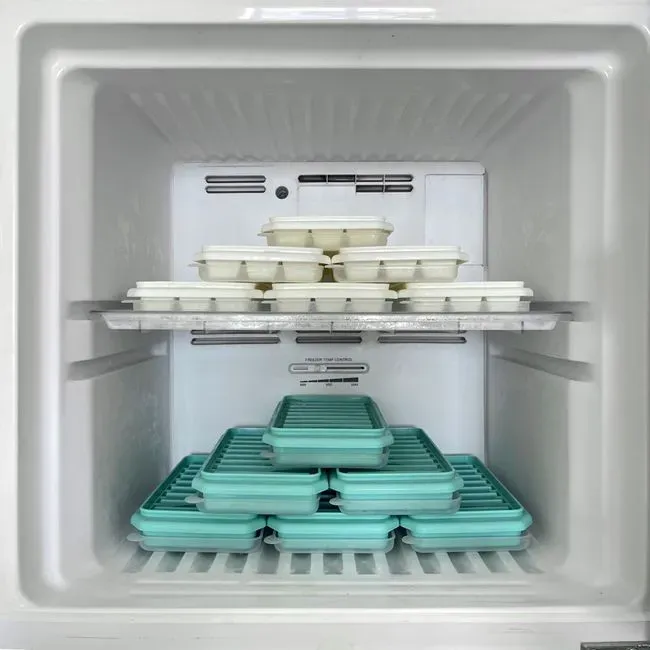
Freezing halts spoilage but doesn’t stop quality from declining slowly over time, so there are practical limits even for freezer-friendly food. Most cooked breakfast items, including burritos, muffins, and egg bites, are best eaten within about two to three months for optimal taste and texture. After that point they’re generally still safe, but flavors can dull and texture can shift, particularly for anything with eggs or dairy.
Pancakes and waffles tend to hold up a bit longer, often remaining good for close to two months without much noticeable difference. As a general rule, anything frozen at its freshest, cooled fully before wrapping, and sealed tightly will always outlast something rushed into the freezer while still warm.
Reheating Without Ruining Texture
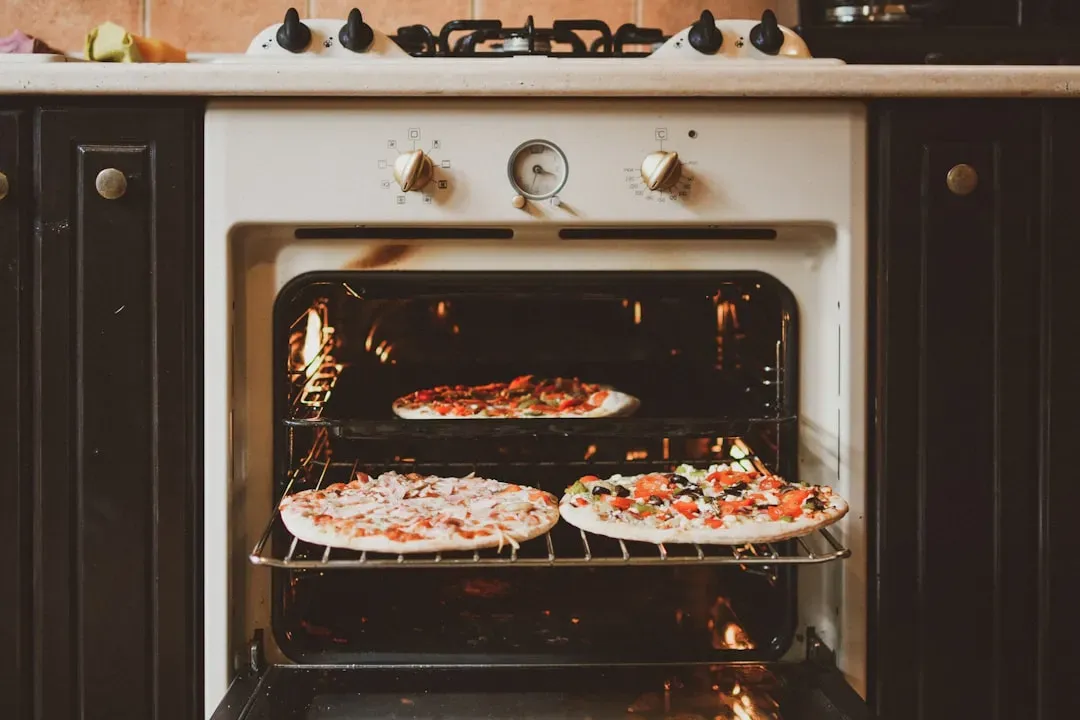
How something gets reheated often matters as much as how it was frozen in the first place. The microwave is fast and convenient, but it tends to make bread-based items chewy or slightly tough, which is why a toaster or oven is usually the better call for pancakes, waffles, and sandwiches. Egg-based dishes like casseroles and egg bites, on the other hand, do fine in the microwave since there’s no bread texture to protect.
Thawing overnight in the refrigerator before reheating tends to produce better results than going straight from freezer to heat source, especially for casseroles and burritos. It’s a small extra step, but it usually pays off in a final result that tastes closer to the day it was made rather than something clearly pulled from storage.
Final Thoughts
A freezer full of ready-made isn’t about eating the same five things on repeat. It’s about having options on hand for the mornings when there simply isn’t time to cook, without falling back on something processed or skipping the meal altogether. A single afternoon of batch cooking, done right, can quietly solve a problem that shows up every single day of the week.