5 Countries Where Tourist Scams Are Evolving, Safety Data Shows
Tourist scams are becoming more sophisticated than ever before, with scams rising 18% during the summer peak season and 28% in the winter peak season in 2024. New technologies like artificial intelligence and advanced digital platforms are creating fresh opportunities for criminals to target unsuspecting travelers. These evolving schemes represent a growing threat to global tourism safety.
Spain: Europe’s Leading Fraud Destination

Spain tops the list of countries where tourists face the highest risk of being scammed. In Spain, 1,054,729 tourists fell victim to fraud over the past five years. In a country that welcomed 94 million visitors in 2024, one in every 61 tourists was caught in swindlers’ traps. The sheer scale of tourism in Spain makes it an attractive target for scammers.
Barcelona stands out as a particularly problematic city, where travel-agency scams accounted for around 64 % of travel-related frauds in Barcelona. The popularity of destinations like Las Ramblas and the Sagrada Familia creates perfect conditions for various scams to flourish. Criminal organizations have adapted their tactics to exploit the constant flow of international visitors through these iconic locations.
Thailand: Southeast Asia’s Tourist Trap Hub

Thailand’s tourism authority expects that in 2025, the number of foreign tourists could increase to 40 million, up from an estimated 36 million in 2024, with with tourism revenue expected to grow accordingly and human trafficking reports. This dramatic impact shows how scam problems affect entire national economies beyond individual victims.
Bangkok specifically faces serious challenges with transportation fraud, as taxi and car rental services are the primary areas where tourists encounter the most fraudulent activity. Problems with taxis and car rentals account for a significant 48% of reported fraud cases in the city. The Thai government has implemented new measures to combat these issues, but scammers continue evolving their approaches faster than enforcement efforts.
Call centre gangs have constantly adapted their strategies and are still able to use communication networks via tools such as low-Earth-orbit satellites. This technological sophistication demonstrates how modern criminal networks operate across borders using cutting-edge communication methods.
Turkey: Diplomatic Tensions Amid Rising Fraud

Turkey faces a complex situation where political developments intersect with tourist safety concerns. Turkey has been attracting a growing number of Indian tourists, representing a significant market that has become increasingly vulnerable to various scam operations. Recent diplomatic tensions have affected tourism patterns, but fraud remains a persistent issue.
The country appears prominently in international fraud rankings, with research revealing that following Spain are France, the US, Turkey, Greece, Italy, Germany, Portugal, the Netherlands, and Cyprus. Istanbul and other major Turkish destinations continue to report high levels of accommodation scams and fake tour operations targeting foreign visitors.
Similar scams have surfaced in European cities, especially when major events drive demand, and Turkey experiences similar patterns during peak tourism periods. Scammers often exploit high demand periods when tourists are desperate for accommodation or services.
India: Traditional Scams Meet Modern Technology
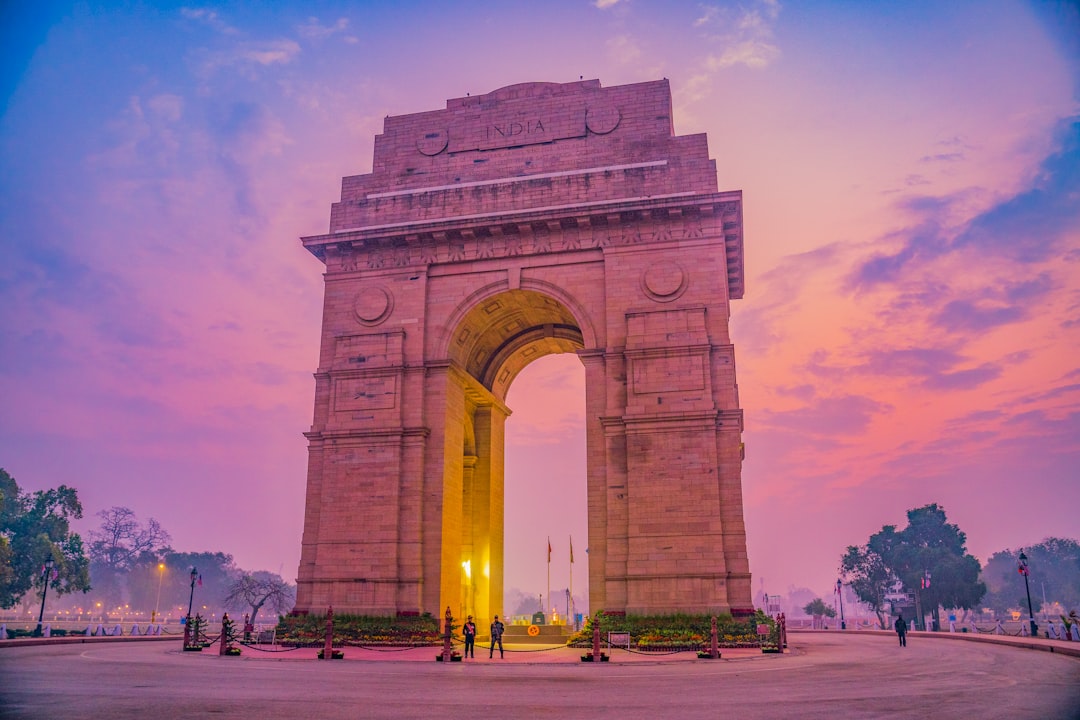
Delhi stands out as India’s scam capital, where there are many scams in Delhi and tourist scams may be common in many places in India, but there is no place where people have tried to scam me more than in the capital. The concentration of international arrivals through Delhi’s airports creates perfect conditions for sophisticated fraud operations targeting first-time visitors.
Indian scammers have adapted traditional methods to modern contexts. Rickshaw drivers, taxi drivers and “friendly” locals will try to lure you into a fake tourist agency. Here, they will get a commission if you buy something. Some of these agencies look very official and claim to be government-owned. However, they will charge you an insane amount of money, and you will probably never get what you paid for.
The persistence of these operations reveals systemic challenges, as Delhi is home to plenty of fake agencies, and unfortunately, the police or the government aren’t doing anything to shut them down. This lack of enforcement allows criminal networks to operate with relative impunity.
France: Digital Era Fraud in Classic Destinations

France presents a unique case where traditional tourist attractions become targets for modern digital scams. More specifically 212,000 travelers who visited France over the past five years reported being “ripped off”, demonstrating the scale of fraud affecting one of the world’s most visited countries.
Paris experiences particularly sophisticated scams around major attractions. Tourists in Paris are cautioned against websites selling fraudulent admission tickets to museums and popular attractions in the French capital. Among the tourist hotspots where scammers operate is Notre Dame Cathedral, which recently reopened. Tourists are falsely told they can pay up to 60 euros for “fast track” tickets allowing them to bypass long queues, when in fact admission is entirely free.
France experiences significant theft rates affecting tourists, concentrated around the Eiffel Tower and Arc de Triomphe. Ahead of the 2024 Olympics and continuing into 2025, Paris police deployed additional officers to tourist sites and encouraged visitors to use money belts and keep phones inside zipped pockets. Despite increased security measures, scammers continue finding new ways to exploit tourist vulnerabilities.
These five countries represent the evolving landscape of tourist fraud, where traditional scams merge with digital sophistication to create unprecedented challenges for travelers worldwide. What are you planning to protect yourself during your next international adventure?