5 Nations With Public Transportation So Good Tourists Skip Cars, Reports Say
Public transportation has become the ultimate game-changer for modern travel. When systems are done right, they transform tourist experiences completely. Instead of navigating confusing rental car procedures and worrying about parking fees, visitors find themselves seamlessly hopping between destinations on reliable networks that locals swear by.
Recent data reveals that certain countries have elevated their transit systems to levels where tourists genuinely prefer them over private vehicles. These aren’t just convenient alternatives anymore – they’ve become attractions in their own right.
Singapore Sets the Gold Standard with Driverless Innovation
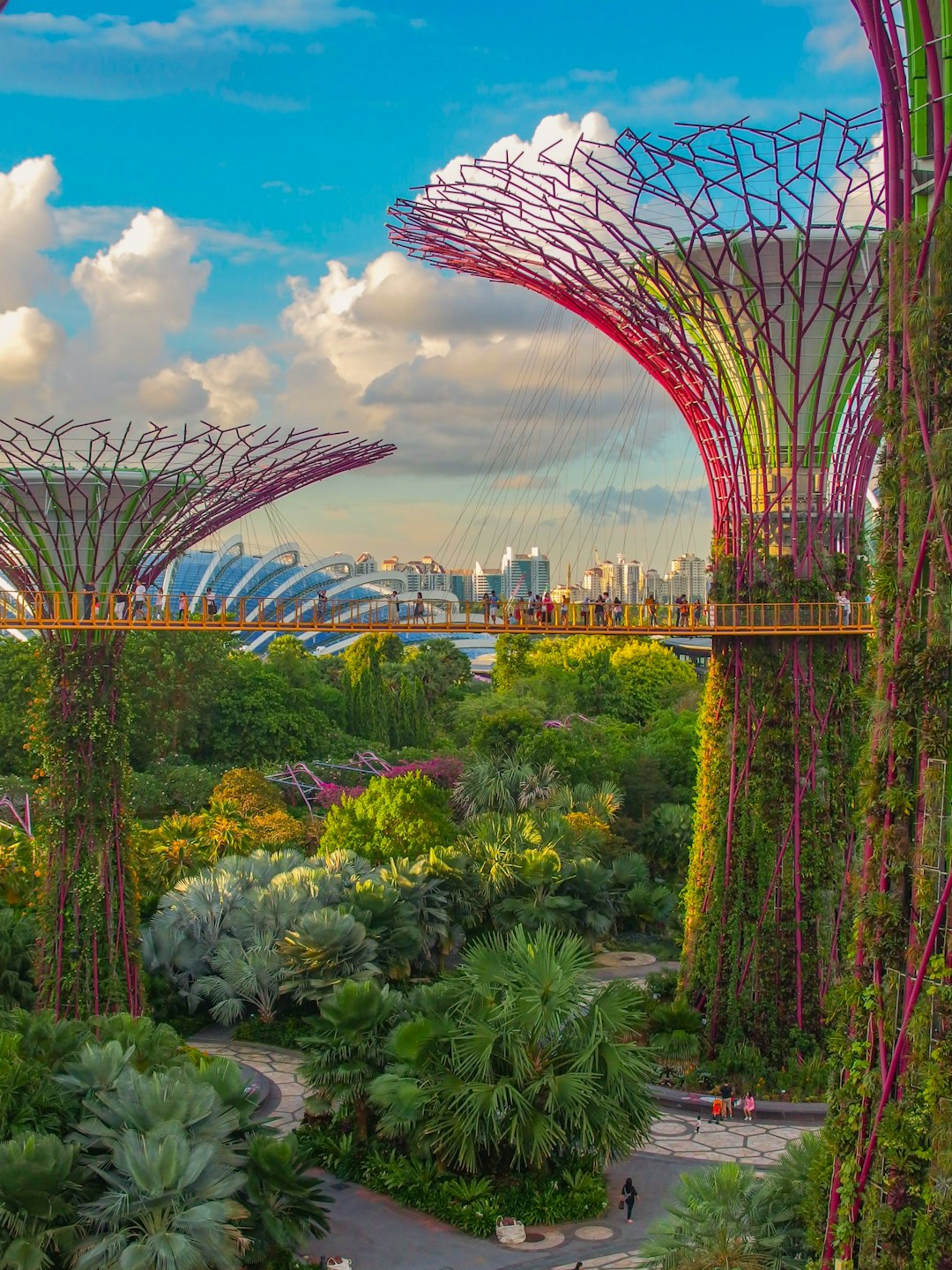
Singapore introduced one of the world’s early automatic railway systems, with fully automated lines developing over several years, combining low fares with walking-distance accessibility while implementing congestion tolls to minimize car traffic. Singapore’s MRT ranks among Asia’s best public transportation systems, offering clean, efficient, and driverless service that feels like stepping into the future. With adult fares starting at around $1.51 per trip, the MRT East-West Line directly connects Changi Airport to central Singapore.
The city-state’s approach goes beyond just moving people efficiently. Singapore’s public transportation system is among the most economically efficient in the entire globe, and it applies to both residents and visitors. Special tourist permits offer unlimited travel for just $7 for one day or $14.50 for three. This affordability factor has made it incredibly appealing for budget-conscious travelers who want to explore every corner of the island nation without breaking the bank.
Do you know that all buses in Singapore are wheelchair-accessible and strollers are allowed? Singapore never fails to deliver top quality to its residents, and the public transport bar is set high and praised by millions of regular users as well as tourists.
Japan Emerges as the Punctuality Champion
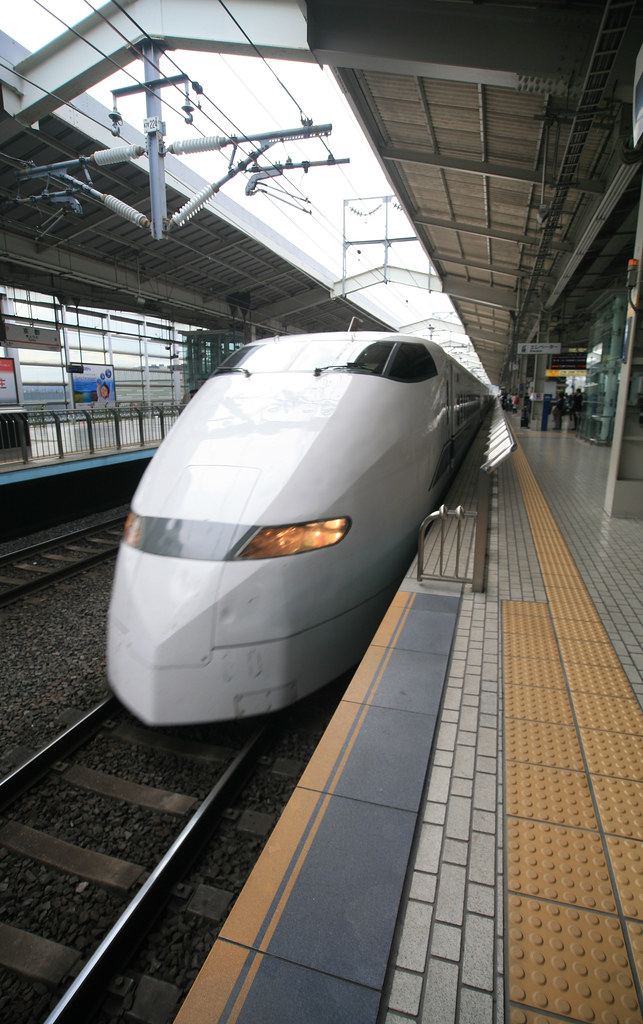
Japan emerged as one of the most popular destinations for international travelers in 2024, setting a new record with nearly thirty-seven million foreign visitors. The country’s reputation for transport excellence plays a crucial role in this success. The numbers speak volumes about how integral reliable transportation has become to Japan’s tourism appeal.
95% of our solo clients request stays in capsule hotels and opt for our budget packages which include more public transport options. This statistic reveals how tourists actively choose public transport as their preferred method of exploration. The efficiency of Japanese trains has become legendary among international visitors, with many describing the experience as almost otherworldly in its precision.
From high-speed KTX trains connecting major cities to expansive metro networks in Seoul, Busan, Daegu, and Incheon, the convenience remains unmatched, with first-time riders describing the KTX experience as “flying low over the countryside”. Clear English signage in metro systems and bilingual stop announcements ensure tourists never feel lost.
Germany Revolutionizes Travel with the Deutschland Ticket
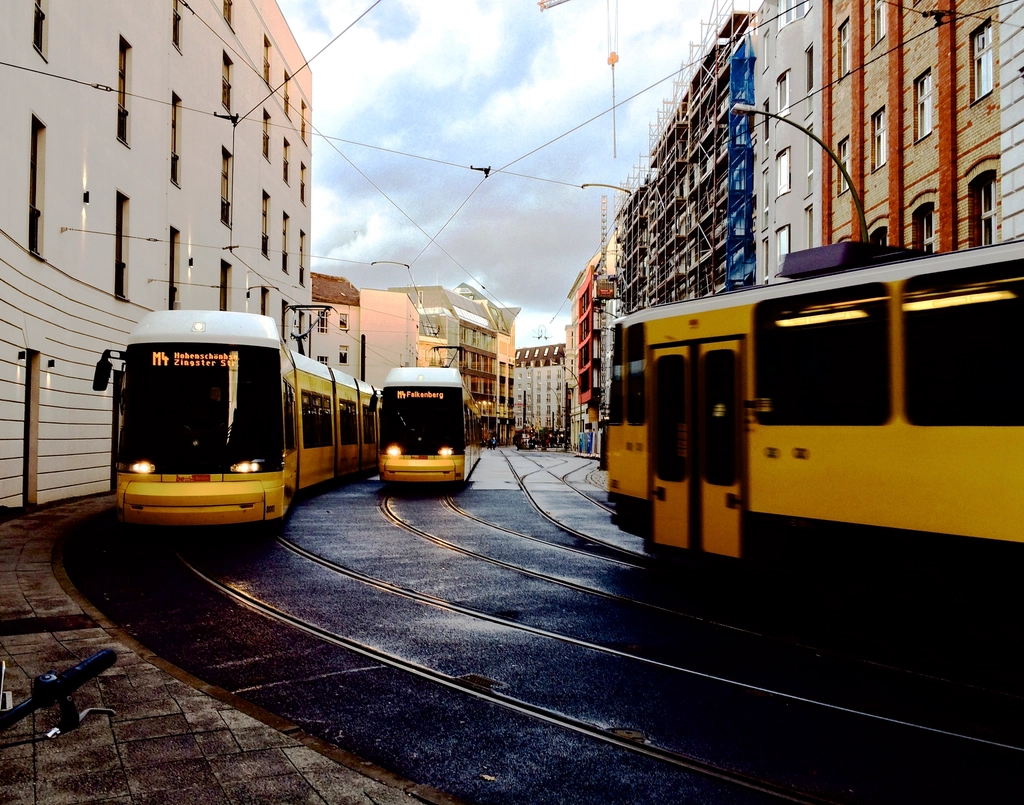
The introduction of Germany’s unified ticket system in May 2023 transformed public transport accessibility, offering passengers a discounted monthly pass covering all public bus and rail transport nationwide for forty-nine euros. This innovation has had enormous effects on transport possibilities across the country. This bold move essentially made the entire country accessible for less than what many cities charge for weekly transit passes.
Germany excels in integrated rail and bus networks alongside Austria and Switzerland. Germany leads public transport innovation with vast, diverse systems including trains, buses, trams, metros, light rail, and regional express services, all covered by the Deutschland Ticket. The country’s comprehensive approach makes it increasingly attractive to budget-conscious tourists who can explore multiple cities affordably.
The transformation has been remarkable for international visitors. What once required careful planning and multiple tickets can now be accomplished with a single pass. This seamless integration has encouraged tourists to venture beyond traditional destinations and explore smaller German cities that were previously considered logistically challenging to reach.
South Korea Captures Hearts with High-Speed Efficiency
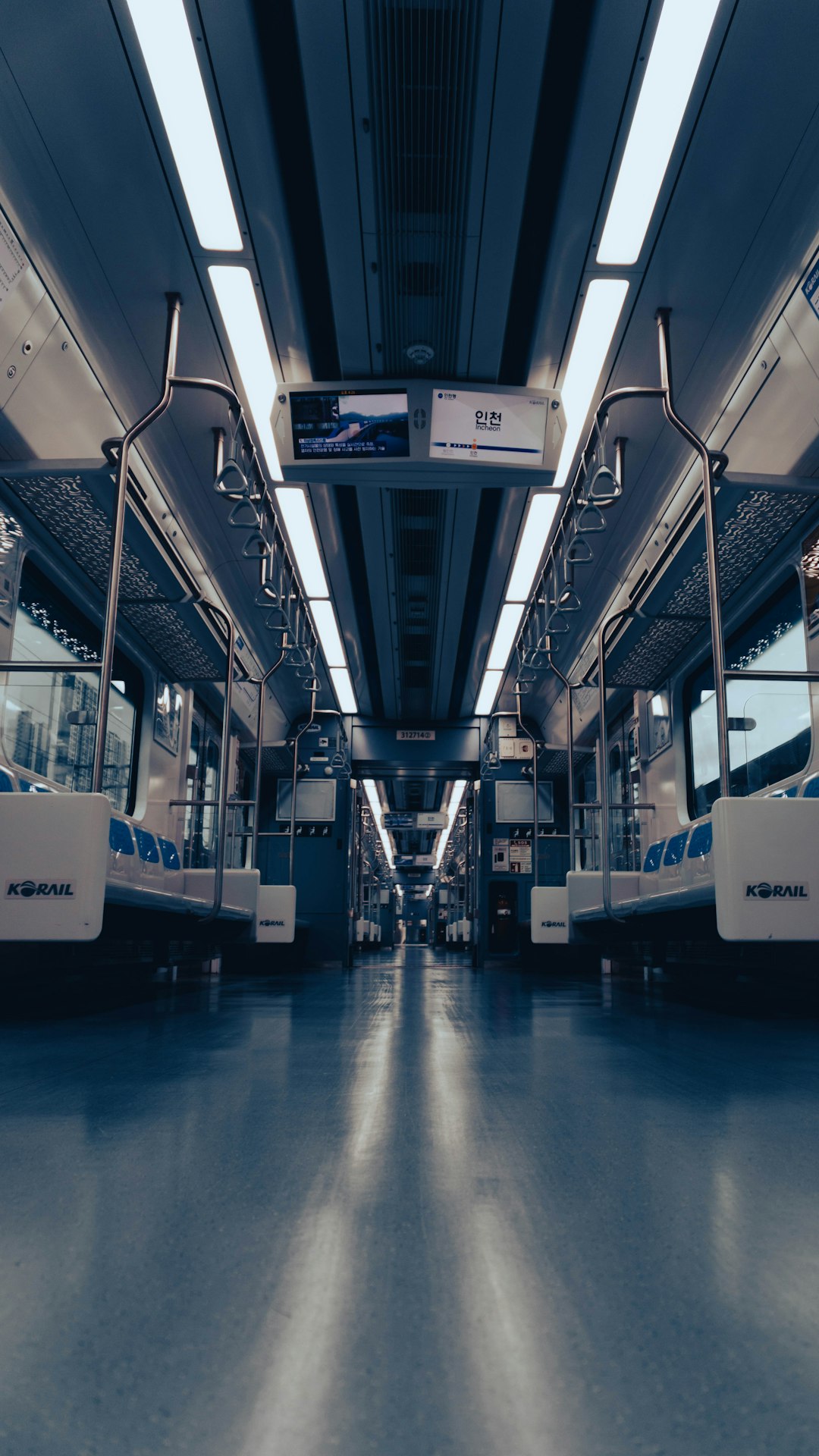
South Korea welcomed approximately 15.9 million international visitors in 2024, marking a strong rebound. Metro fares start at around one dollar in major cities, making it incredibly affordable for budget-conscious travelers. The country has successfully positioned itself as a model for how modern transit systems should operate.
Whether you’re travelling by bus, subway or even taxi, Korea’s T-money card is a handy tourist transport card to use which will make getting around the city a breeze. There are five types in Seoul: blue and green will take you over cross-town routes (and there are also mini green buses which stick to one neighbourhood), red will take you from Seoul to the city’s peripheral regions, and yellow buses loop around the popular tourist spots.
According to statistics for 2024 on inbound tourism to Japan, the top five source regions were: South Korea (8.82 million visits), mainland China (6.98 million visits), Taiwan, China (6.04 million visits), Hong Kong, China (2.68 million visits), and Thailand (1.15 million visits). In 2024, South Korea welcomed 15.9 million foreign visitors, a 48.4 percent increase from the previous year and 94 percent of the 2019 level, when tourism was at its peak. The mutual exchange between these countries demonstrates how effective public transport systems create tourism corridors.
Switzerland Delivers Mountain-High Excellence
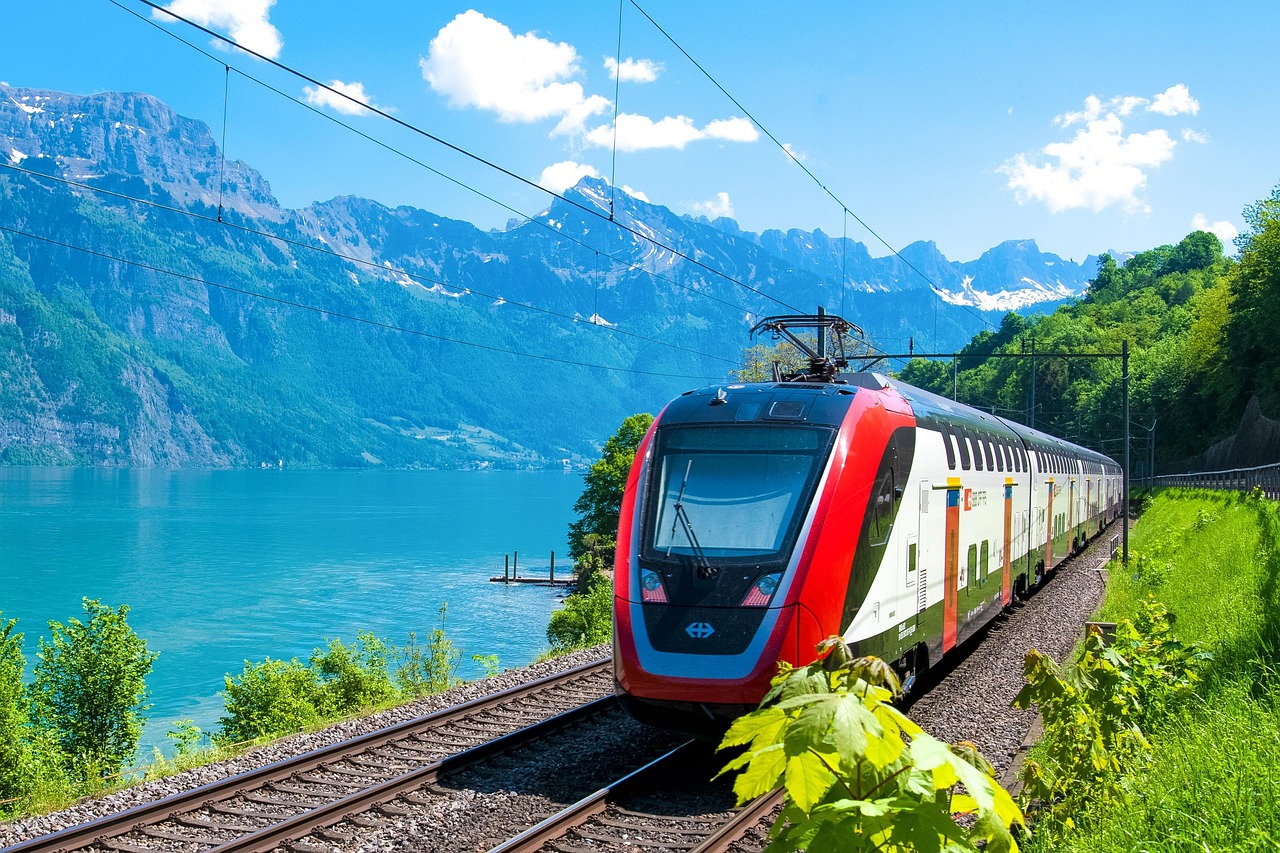
For most tourists, the excellent Swiss public transport system is the best way to travel. The excellent Swiss trains and buses are the best way to explore Switzerland. The public transport system efficient, eco-friendly, and gets you to nearly all beautiful spots that cars can’t reach. Switzerland has managed to make public transportation not just practical but genuinely enjoyable for visitors.
Switzerland has approved billions of francs for the improvement of its public-transportation infrastructure. The modal split for public transportation is one of the highest in Europe, standing at 21.3% in 2010. This investment has paid dividends in creating a system that tourists find more appealing than rental cars.
Many tourists are impressed with the ease of use and effectiveness of the Swiss public transport system. First, Switzerland has an excellent public transit system, but as you said, it is a bit pricey. Even with higher costs, the value proposition remains strong because of the comprehensive coverage and reliability that eliminates the stress of driving in mountainous terrain.
The evidence is clear: these five nations have cracked the code on public transportation that doesn’t just serve tourists but delights them. From Singapore’s futuristic automation to Germany’s unified ticketing revolution, each country offers something unique while maintaining the core principle that great public transit enhances rather than complicates the travel experience. What started as simple necessity has evolved into a competitive advantage that’s reshaping how we think about exploring the world.