7 Foods Chefs Warn You Should Never Reheat
You know that sinking feeling when you open your fridge and see containers of perfectly good leftovers staring back at you. Most of us reach for the microwave without a second thought, but here’s something that might surprise you. Some foods can actually become dangerous when reheated, creating toxins that weren’t there before. According to FoodSafety.gov, 1 in 6 Americans gets sick from foodborne illnesses annually. Professional chefs and food safety experts have identified specific foods that should never make a second trip to the heat. Let’s dive into the seven foods that could be lurking in your kitchen right now, waiting to cause problems.
Rice – The Silent Toxin Factory
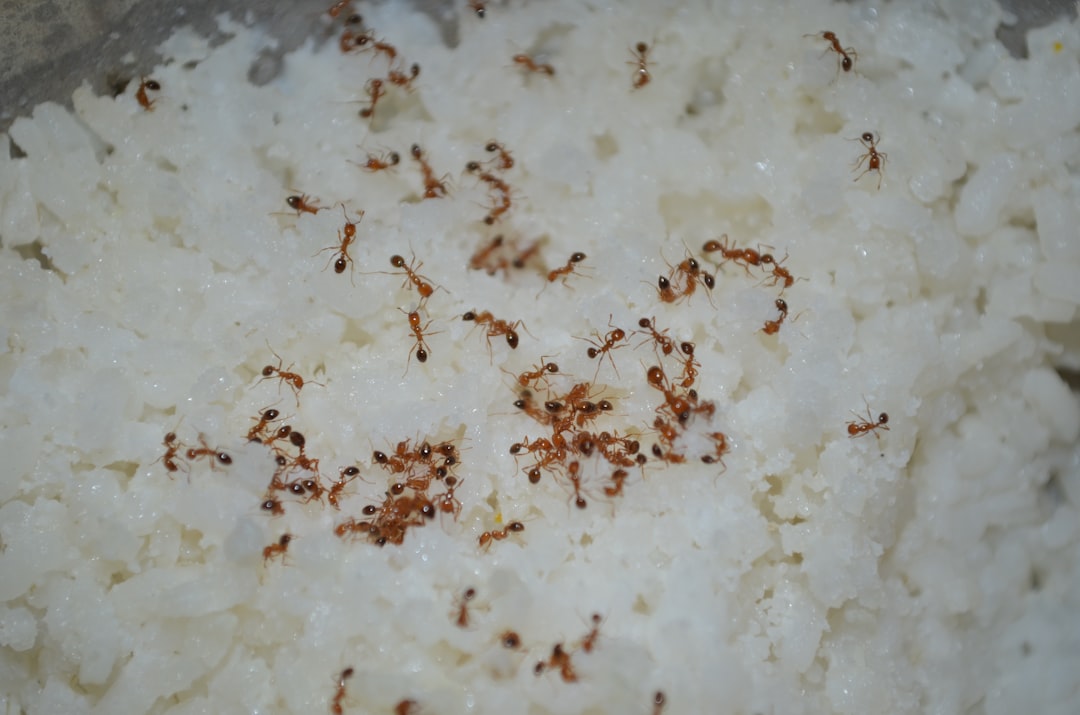
Rice might seem harmless sitting in your takeout container, but it harbors a dangerous secret. Rice is often associated with Bacillus cereus food poisoning, a bacteria that spreads in improperly cooled starches. The Centers for Disease Control and Prevention estimates Bacillus cereus causes 63,000 annual cases of foodborne illness in the United States and a smaller number of hospitalizations. The real danger lies in what happens after cooking.
When rice sits at room temperature, bacteria multiply rapidly, creating toxins that cause nausea, vomiting and diarrhea within hours of consumption. Reheating the rice may not eliminate the toxins produced by these bacteria, leading to the risk of food poisoning. As the B. cereus spores can survive cooking, reheating the rice does not kill the bacteria spores. These toxins are heat stable and will survive getting zapped in the microwave or cooked in another dish.
The symptoms hit fast too, with symptoms from Bacillus cereus forming within 6 to 12 hours, which is faster than most foodborne illnesses. If you plan on having leftover rice, put it into a shallow container so it cools quickly, then refrigerate it promptly. Keep the rice in the fridge for only one day, no longer, until you reheat it. And reheat the rice to 165°F.
Foil-Wrapped Baked Potatoes – The Botulism Bomb
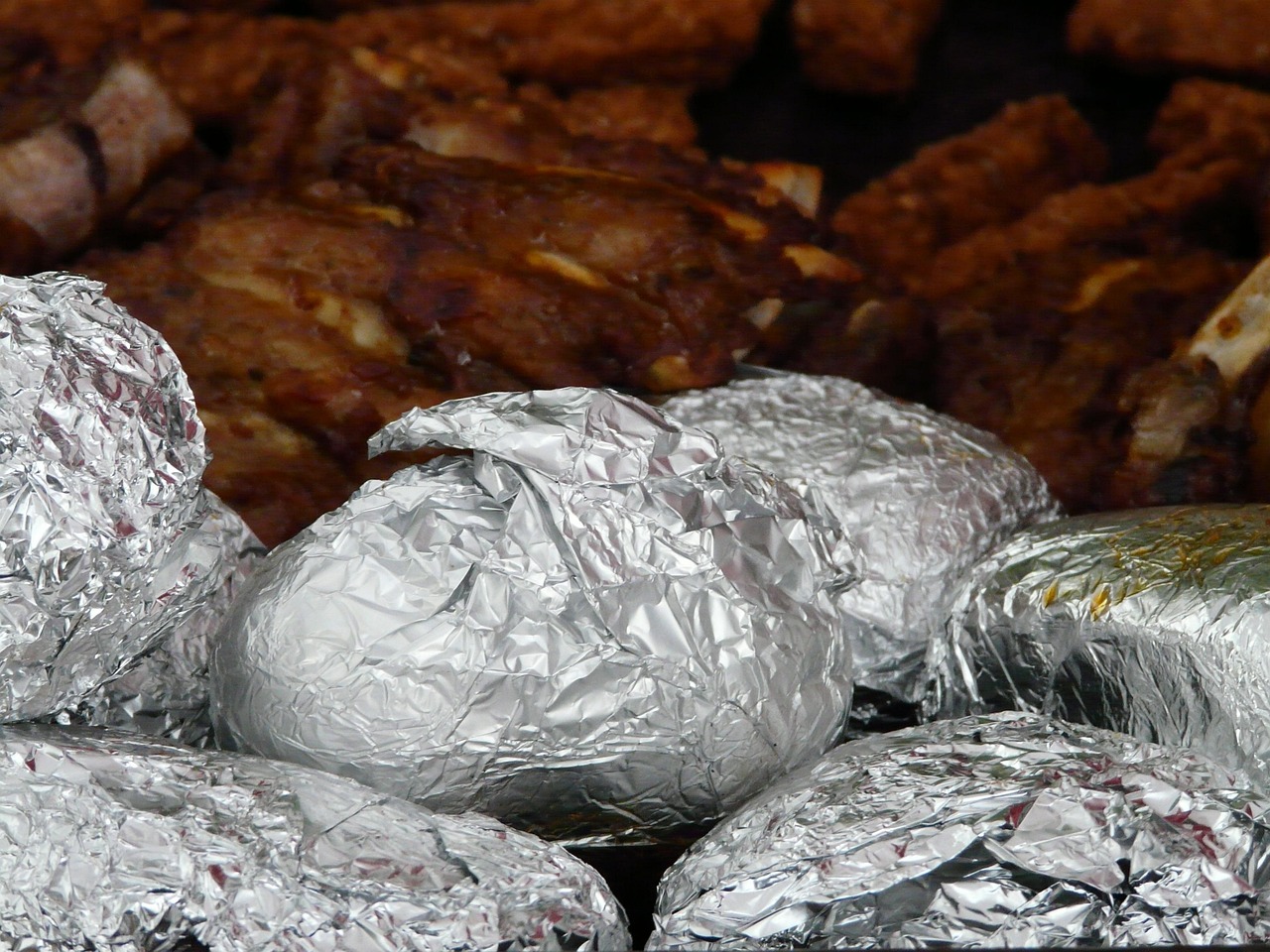
In April 1994, the largest outbreak of botulism in the United States since 1978 occurred in El Paso, Texas. Thirty persons were affected; 4 required mechanical ventilation. All ate food from a Greek restaurant. The attack rate among persons who ate a potato-based dip was 86% (19/22) compared with 6% (11/176) among persons who did not eat the dip. The culprit? Foil-wrapped baked potatoes left at room temperature.
It’s so powerful that one teaspoon could kill 100,000 people. The unusual thing about the botulism toxin is that it grows in the absence of oxygen. To make matters stranger yet, it also forms spores that are heat resistant, which can happen when the potato is being cooked. If these spores germinate and grow they can produce the botulism toxin.
That’s where the foil-wrapping comes into the picture. If tightly wrapped around a potato, it keeps oxygen out. And if the foil-wrapped baked potatoes are not kept at high or low enough temperatures, the spores can germinate. Michels said cooked potatoes need to go back into the refrigerator one hour after cooking and don’t store it in airtight foil or plastic wrap. When reheating leftovers, be sure they reach 165° degrees Fahrenheit.
Chicken – The Protein Breakdown Nightmare
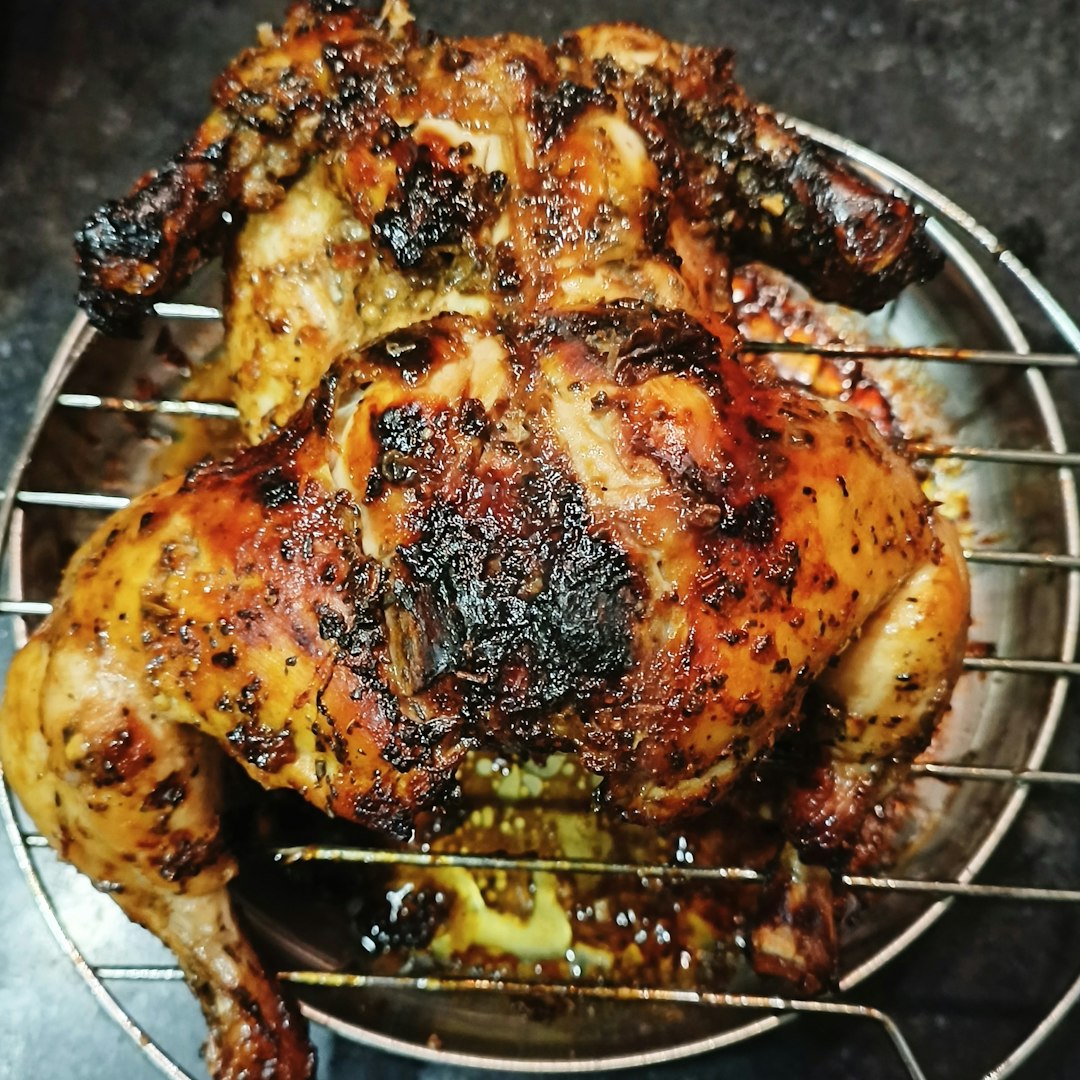
That leftover rotisserie chicken might look innocent, but reheating it creates a perfect storm of problems. Reheating chicken and processed meats like ham and turkey can be harmful. Chicken proteins break down when reheated, forming toxins that may cause digestive issues. The protein structure changes aren’t just about taste, they can actually make you sick.
Since microwaves don’t fully or evenly cook all parts of the meat, you’re more likely to be left with surviving bacteria, such as salmonella. A small 1991 study suggested that microwaving chicken was associated with more foodborne illness than other reheating methods, but this study involved only 30 people and hasn’t been replicated. This stark difference shows just how dangerous microwave reheating can be for poultry. The uneven heating creates hot and cold spots where dangerous pathogens can thrive.
Salmonella and Campylobacter bacteria thrive in the protein-rich environment of cooked chicken left in the temperature danger zone (40°F-140°F). Microwaving creates hot and cold spots where bacteria can survive. Always use a food thermometer to ensure chicken reaches 165°F throughout before serving. After cooking the chicken to the proper temperature (165 degrees Fahrenheit), you should put it away within 1 hour, as with cooked rice. Once stored in the refrigerator, the cooked chicken will last 3-4 days. When it’s time to reheat, you need to bring the entire chicken’s temperature back up to 165 degrees Fahrenheit.
Mushrooms – The Protein Transformer

Reheating mushrooms is not recommended as they are prone to bacterial contamination. Mushrooms have a high protein content, and reheating may not eliminate bacteria, leading to digestive issues. If reheating is necessary, ensure it’s done thoroughly, and consume the reheated mushrooms immediately. The protein changes that occur are particularly troubling.
Mushroom leftovers should not be reheated, as the protein and the nutrient levels in the mushrooms, can turn toxic and cause digestive problems. In some cases, heating mushrooms more than once can affect the heart as well. The protein changes that occur in mushrooms during reheating are particularly concerning because they can’t be reversed. Once those proteins have broken down and reformed into potentially harmful compounds, no amount of additional heating will make them safe again.
Mushrooms contain proteins that begin breaking down immediately after cooking. When left at room temperature or reheated multiple times, these proteins degrade further, creating compounds that upset your digestive system. The delicate structure of mushrooms makes them particularly vulnerable to bacterial contamination. As fresh mushrooms deteriorate rapidly after cooking, they can quickly begin to harbor bacteria. Fresh mushrooms have been linked to an array of food poisoning outbreaks, including salmonella outbreaks in 2001 and 2020, a listeria outbreak in 2020 (with 31 hospitalizations and four deaths), and a staphylococcus outbreak in 1989. Staphylococcus is heat-resistant, too, so it’s not like cooking or reheating the mushrooms could prevent the illness.
Spinach and Leafy Greens – The Nitrate Converters
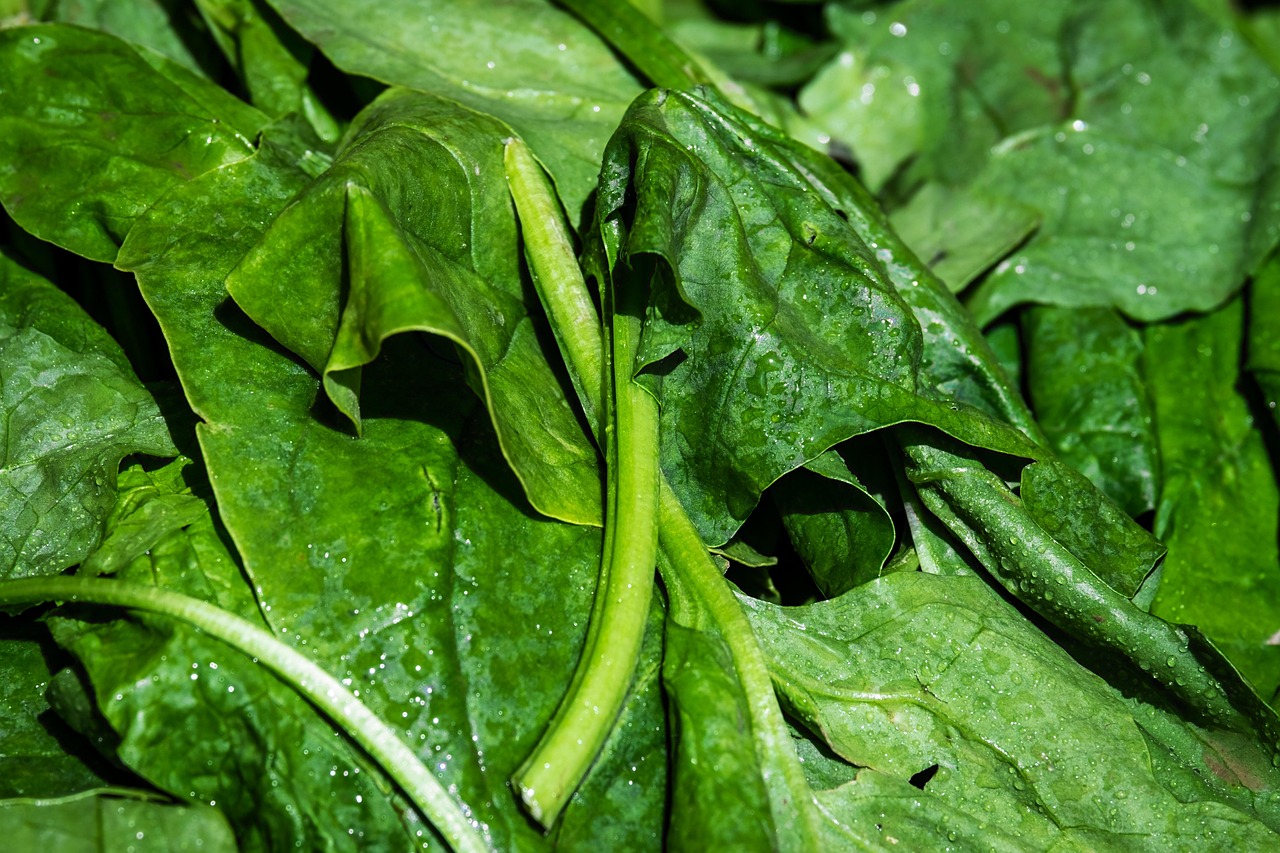
Popeye’s favorite veggie harbors a less-known risk when reheated. Spinach naturally contains nitrates that convert to harmful nitrites during storage and reheating, especially in microwaves. While adults generally process small amounts safely, infants lack the enzyme needed to handle nitrites properly. High nitrite consumption can lead to methemoglobinemia – a rare but serious condition that reduces blood’s oxygen-carrying capacity.
While reheating leftover spinach might not give you food poisoning, it could increase your risk of cancer. Spinach is high in nitrates and, under the right circumstances, nitrates form nitrosamines, a chemical known to increase cancer risk. Higher nitrate levels have also been connected to nutrient deficiencies and increased risk of kidney stones. The transformation happens specifically during the reheating process.
Reheating spinach and other leafy greens can lead to toxic reactions due to the buildup of nitrates. When vegetables like spinach are cooked and then stored, they can convert nitrates into harmful compounds. It’s best to avoid reheating these vegetables. Instead, consume them fresh, or add them to a dish right before serving. Leafy greens like spinach, kale, and lettuce are nutrient-rich but should generally be avoided after reheating. Reheating can destroy many of their essential vitamins and minerals. Moreover, the high moisture content in leafy greens can contribute to bacterial growth.
Eggs – The Salmonella Time Bomb
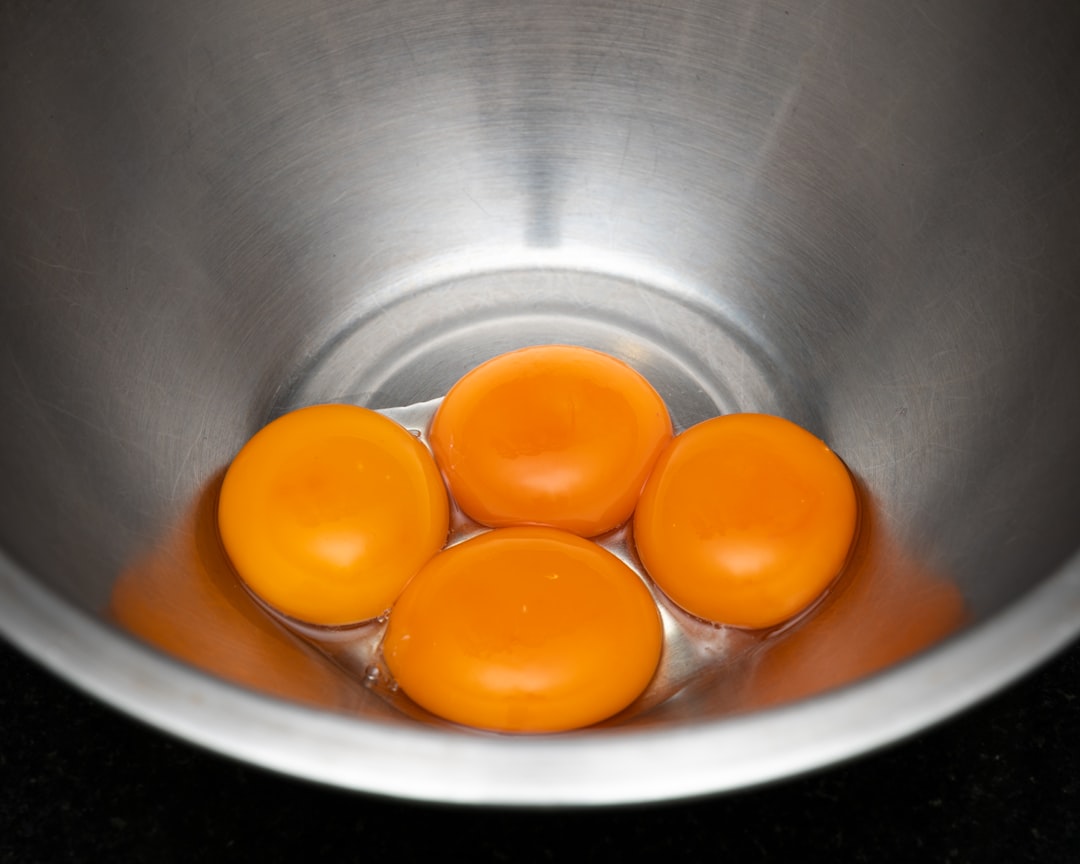
Morning scramble leftovers might scramble your stomach later! Eggs provide the perfect medium for Staphylococcus aureus bacteria, which produce heat-resistant toxins even after thorough cooking. The proteins in eggs also undergo chemical changes during storage and reheating. These changes aren’t just about texture, they create real health risks.
Eggs are versatile, but they can be tricky when it comes to reheating. Scrambled eggs, in particular, should not be left out at room temperature. Reheating eggs can potentially lead to Salmonella infection if they are not heated sufficiently. The bacteria that grow in eggs produce toxins that survive typical reheating temperatures.
Eggs provide a great source of protein, but reheating them degrades the proteins, leading to digestive discomfort such as bloating and indigestion. Like chicken, meat and mushrooms, eggs are an excellent source of proteins, which is a reason enough to include them in your diet. However, reheating egg preparations will destroy all the associated health benefits, as the protein in the egg deteriorates it can lead to digestive problems. The best idea would be to prepare the dish and have it immediately.
Seafood – The Histamine Generator
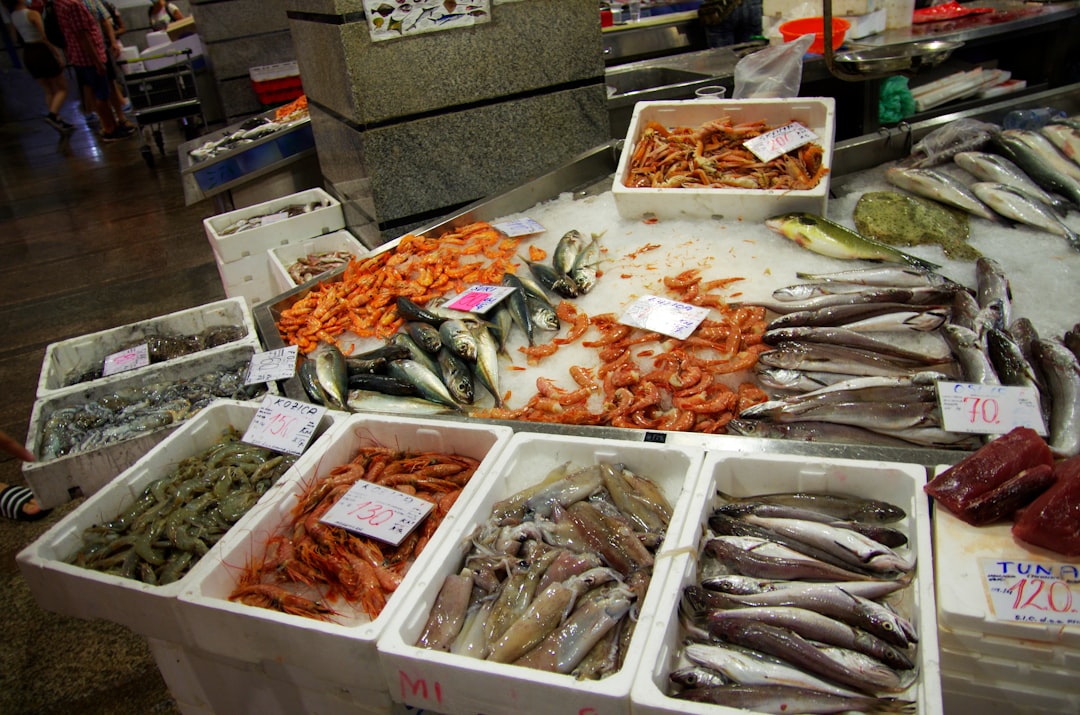
Yes, reheating seafood comes with a danger that goes beyond just filling your house (or, worse, your office) with a fishy odor. Fish and seafood carry two types of food poisoning: ciguatera poisoning, which can occur when you eat tropical reef fish that have built up a high degree of certain toxins, and scombroid poisoning, which can occur when you eat fish that contains a high level of histamine toxicity. Scombroid poisoning can occur when eating a wider array of fish than fish that carry ciguatera poisoning – as it affects popular options like tuna, mackerel, mahi mahi, and others.
In both of these cases, the fish can look, smell, and taste completely fine. Additionally, these types of food poisoning cannot be prevented through proper cooking. As such, if you have some fish that’s been contaminated, reheating the leftovers won’t make them safe to eat. The toxins are already present and heat won’t eliminate them.
Seafood is delicate and should not be reheated. When reheated, the proteins in fish and shellfish degrade, leading to a loss of flavour and texture. Additionally, histamines can form during reheating, which can cause food poisoning symptoms such as nausea and vomiting. Seafood dishes pose significant risks when reheated due to the potential development of toxins. Shellfish and fish, when improperly stored, can cultivate harmful bacteria that can produce set toxins, which might not be neutralized by reheating. Even if the food appears fresh, these toxins can still pose severe health threats when ingested.
These seven foods represent some of the most dangerous reheating risks lurking in your kitchen. Between 40°F and 140°F (4°C to 60°C), dangerous microorganisms like Salmonella, E. coli, and Clostridium perfringens throw the ultimate reproduction party in your food. Most families think popping leftovers in the microwave for a minute or two kills everything, but that’s dangerously wrong. Uneven heating creates hot spots and cold zones, meaning some bacteria survive while others get cozy in those lukewarm pockets. The smart move? When in doubt, throw it out. Your health is worth more than saving a few dollars on leftovers.