8 Food Trends From 2024 Already Fading Away
The year 2024 proved to be a rollercoaster for food trends, with some rising meteorically only to plummet just as quickly. While social media platforms like TikTok continued to launch viral food phenomena across the globe, many of these trends faced reality checks from practicality, health concerns, and shifting consumer priorities. As we wrap up the year, several once-popular culinary crazes are already losing their shine, replaced by more sustainable and sensible eating habits.
Ultra-Processed Plant-Based Meat Alternatives

Last year was rough for the plant-based space. The once fast-growing category, fueled by a range of factors, saw a major slowdown in sales throughout 2023. Many players, both big and small, either exited the space, curtailed innovation or cut jobs. Today, health is driving the category, with half of consumers (49%) concerned that meat alternatives are too processed, a concern heightened by the ever-growing scrutiny of ultra-processed foods.
For a long time, the focus has been on brands attempting to replicate meat and fish, but what we’re seeing now in meat-free is a new sub-category of more natural foods like tofu and tempeh, fuelled by shoppers swapping ultra-processed options for natural and nutritious ones. The higher cost of living has caused consumer interest to fade. Consumers are beginning to turn away from purchasing expensive plant-based meat alternatives. This means that it’s more important than ever to strive for competitive prices.
Swicy Everything Craze
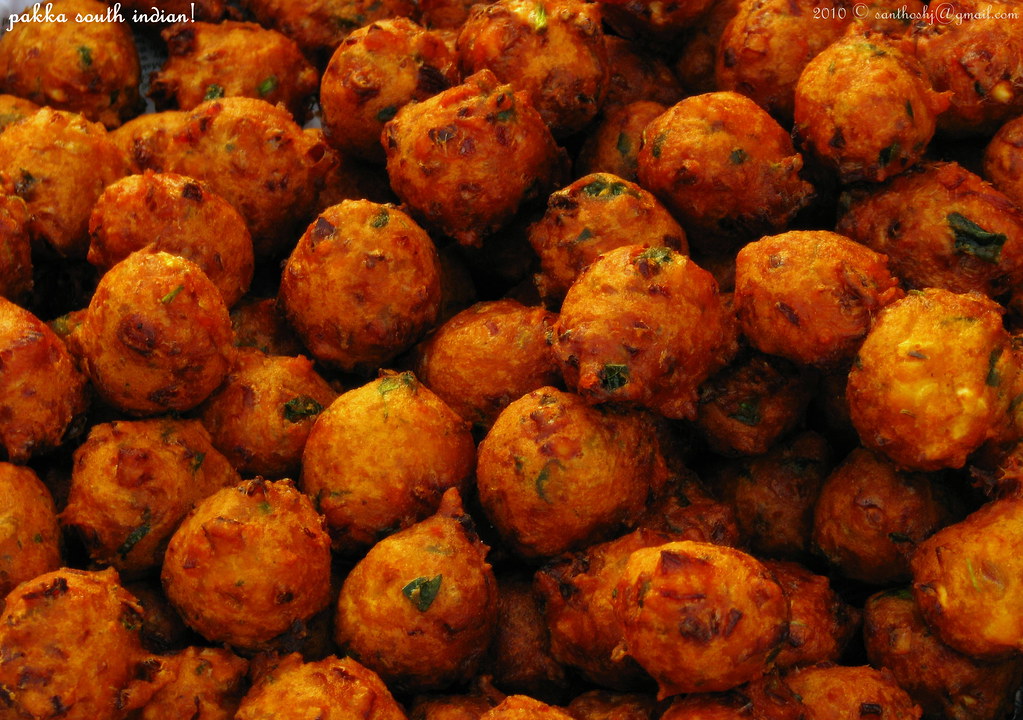
Foods that married heat and sweet, often slapped with the label “swicy,” were everywhere (pairings such as honey and gojuchang, or both sweet and spicy peppers felt of-the-moment). The trend, which often plays out with kids daring one another online to eat crazy-hot snacks, has a dangerous side: several kids were sickened and a Massachusetts teenager died in 2023 after participating in the viral “One Chip Challenge.”
The extreme heat challenge aspect of this trend began facing serious backlash after safety concerns mounted throughout the year. Danish officials issued a recall of three varieties of Korean instant noodles for containing too-high levels of capsaicin. As health authorities crack down on dangerous spice levels, the novelty has worn off, leaving consumers seeking more balanced flavor profiles rather than just intense heat for social media content.
Fridgescaping Obsession
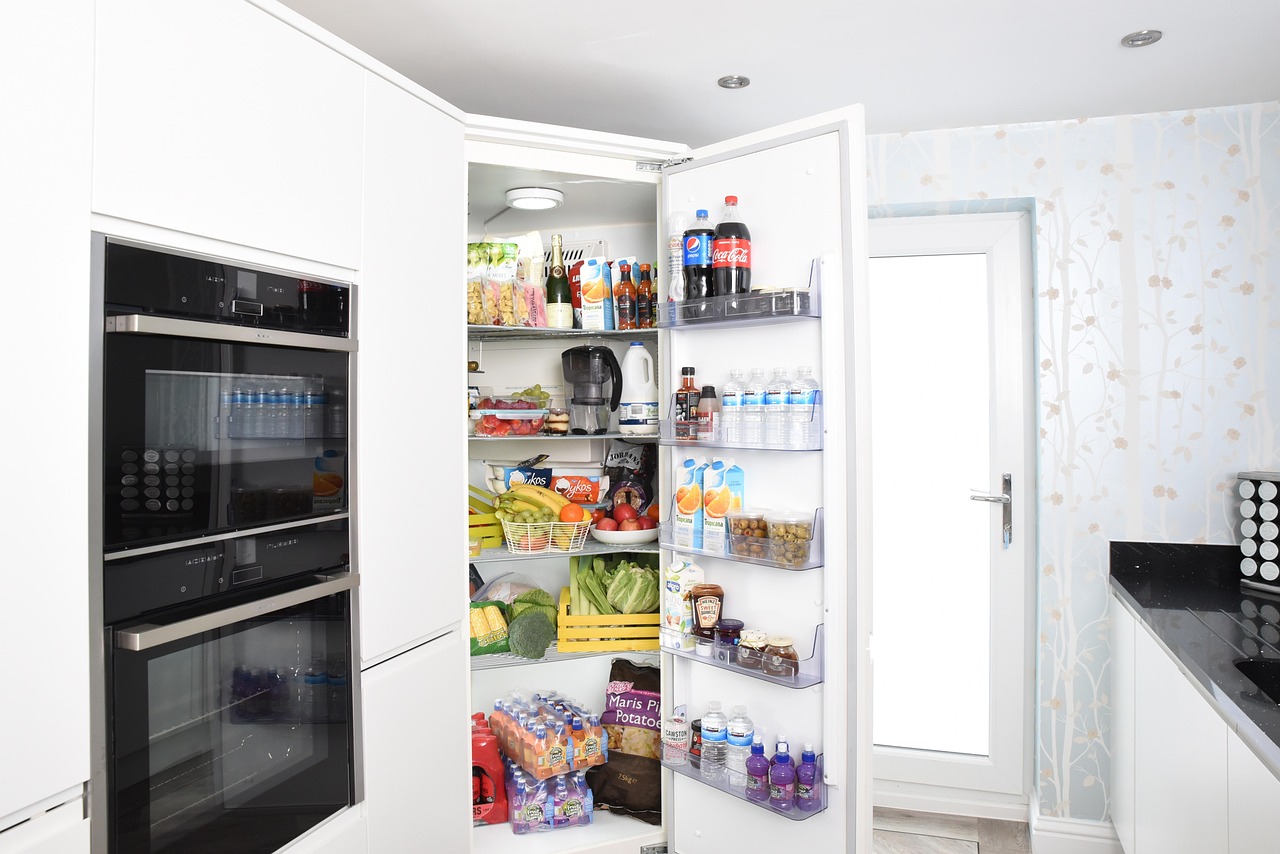
2024 brought us “fridgescaping,” which involves not just keeping the interior of your appliance tidy and organized, but actually adding decor items or color-coordinating (or even hewing to a seasonal theme, because nothing says Halloween like a Jack-o’-lantern next to your mayo). Enter fridgescaping, the trend where refrigerator interiors are turned into social media-worthy visions of feng shui, elegance, and enviable beauty. Produce organized into the hues of a rainbow, decanted sauces funneled into identical glass bottles, aligned cans of specialty beverages, and even seasonal decorations create a fridge that’s less about order or easy access and more about aesthetics and photogenics.
But let’s get real for a second: Fridgescaping is basically the food trend equal to white furniture in a house full of children. Firstly, maintaining its impeccable appearance requires more discipline than meal prepping for the whole week. At the end of the day, fridgescaping prioritizes looks over practicality – and who wants the guilt trip every time they need to put away groceries?
Sleepy Girl Mocktails
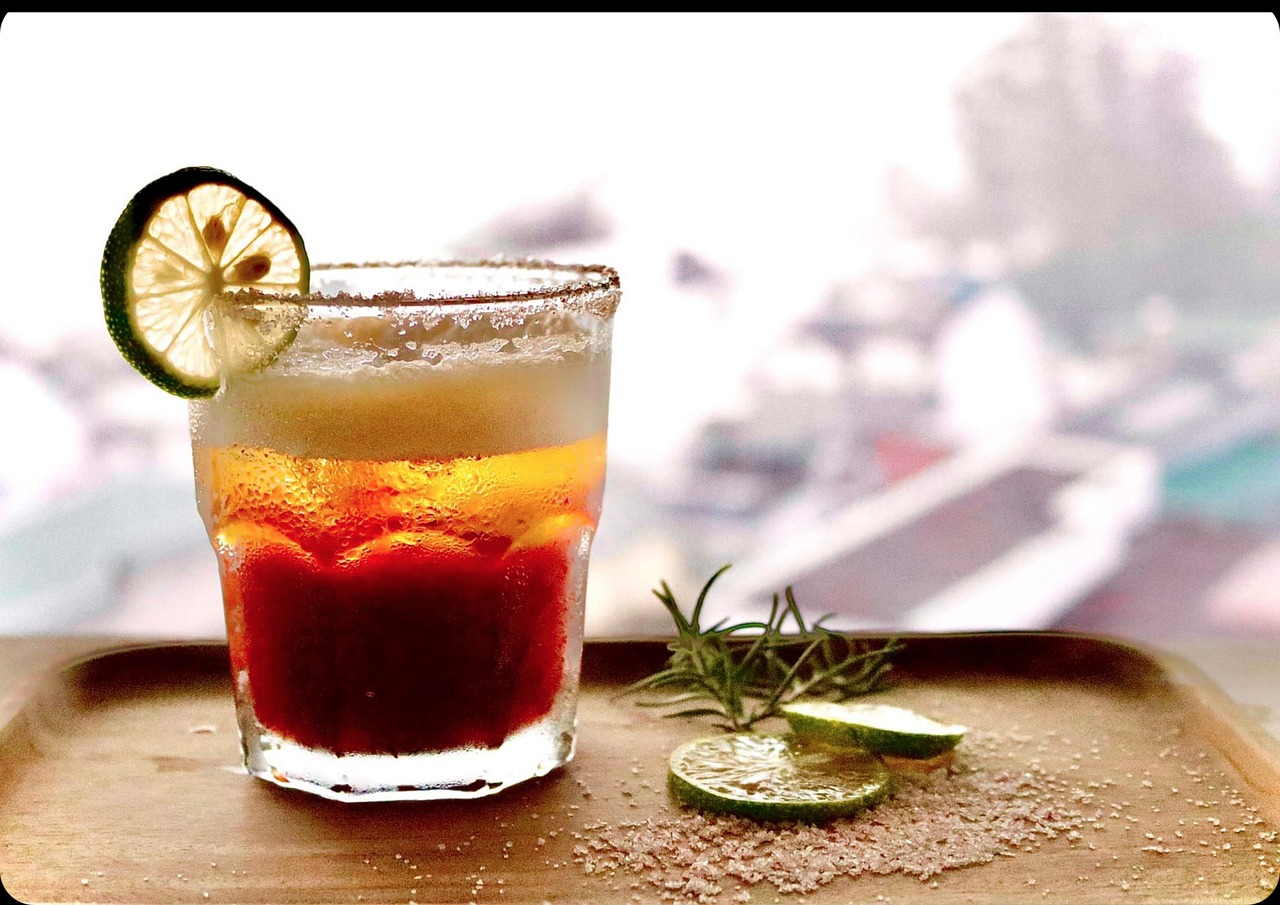
TikTok was in a chokehold all year over the sleepy girl mocktail, which promises a delicious bedtime ritual to unwind. It often involves mixing magnesium powder, tart cherry juice, and an unsweetened, caffeine-free sparkling water or soda to conjure up a fizzy concoction designed to help you activate natural melatonin and drift off. While the concept seemed appealing to wellness-focused consumers, the reality proved less magical than promised.
The trend’s decline stems from practical issues rather than theoretical benefits. Many users reported that the mocktails tasted chalky due to poorly dissolving magnesium powder, while others found the timing inconvenient for their actual bedtime routines. The novelty quickly wore off as people realized that simple lifestyle changes like reducing screen time proved more effective for sleep quality than elaborate drink preparations.
DIY Everything Movement
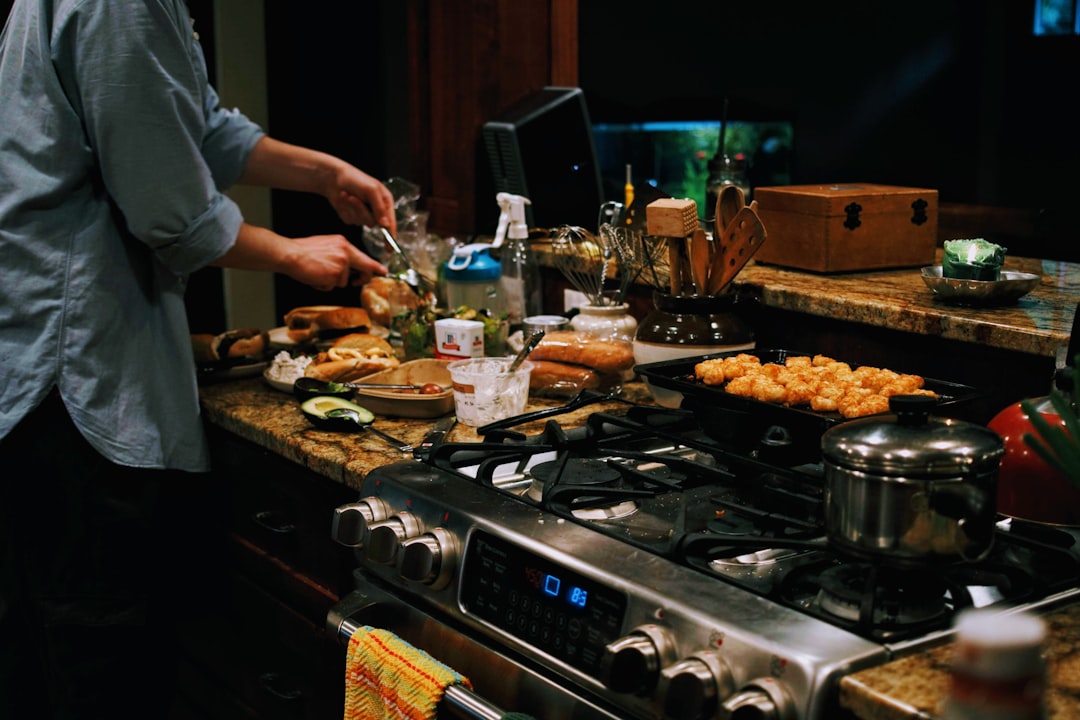
Though well-meaning, some trends were wildly impractical (ahem, DIY everything), while others boldly sought to reinvent classics that were fine to begin with. Who hasn’t tried to keep up with – or suffer through – each relentless craze just to understand the hype? Food is supposed to bring us joy, but this year, it sometimes brought a little heartburn and head scratches, too.
The culture surrounding DIY might also come with a dose of judgment. Buying pre-made, processed goods here and there could potentially start to feel wrong, even if it’s saving you time and peace of mind. Something that began as a celebration of inhouse creativity has essentially devolved into folks wondering if they should churn their own butter, too. Convenience foods exist for a good reason – they’re convenient. Balance is key!
Dirty Soda Phenomenon
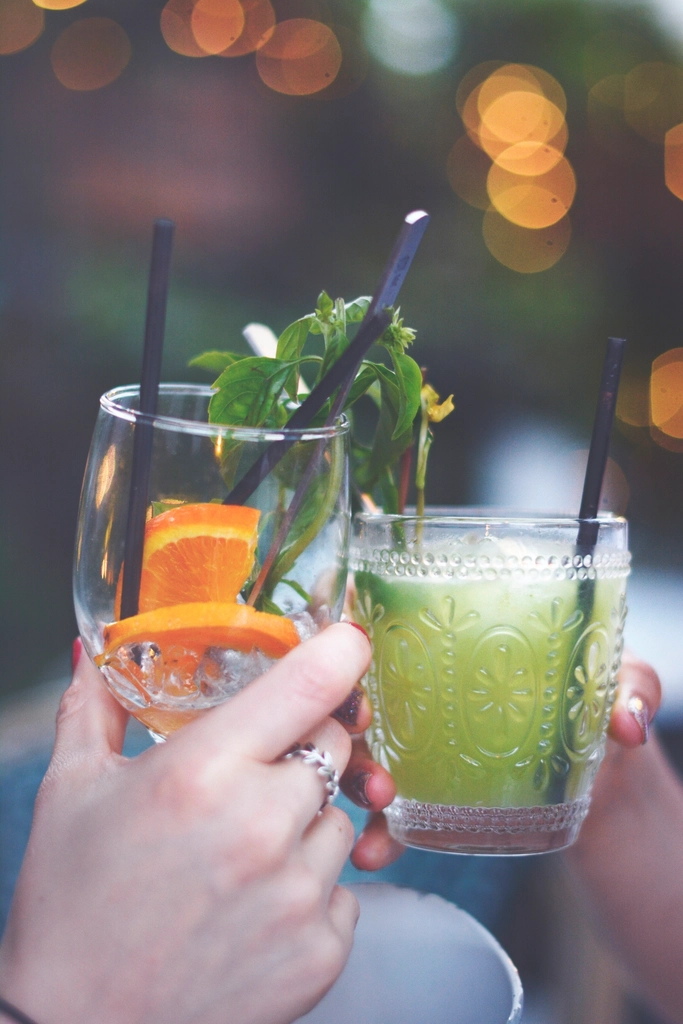
After The Secret Lives of Mormon Wives came out, everyone became obsessed with dirty soda. Dirty soda had been a popular beverage in Utah, where there is a large Mormon population. Mormons, who are a part of the Church of Jesus Christ of Latter Day Saints, are not allowed to drink coffee or alcohol, so they drink dirty sodas. Dirty sodas consist of soda and cream, as well as different flavored syrups and sometimes even juice.
In Utah, there are dirty soda chain stores, like Swig and Sodalicious. But, this year, people took it upon themselves to make their own dirty soda at home. The trend peaked during the summer but quickly lost momentum as health-conscious consumers began questioning the sugar content and caloric density of these elaborate soda creations. The novelty faded as people realized these drinks were essentially elaborate milkshakes disguised as refreshing beverages.
Olympic Village Chocolate Muffin Mania
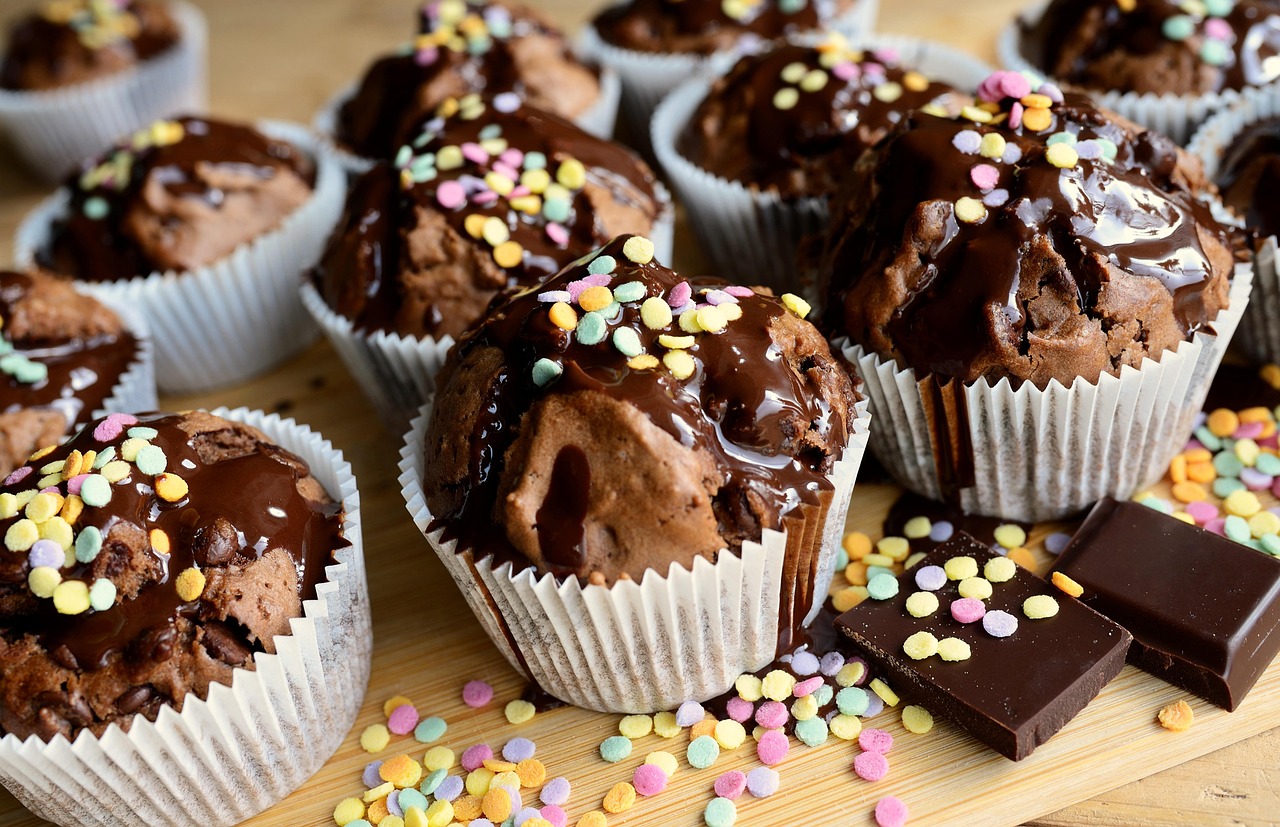
Norwegian swimmer Henrik Christiansen introduced the Olympic Village’s chocolate muffin to TikTok during the Paris 2024 Olympics this summer. He posted a TikTok reviewing some of the foods he ate at the Olympic Village and rated the chocolate muffin an 11 out of 10. Soon, he became known as the “muffin man,” and people were just dying to get their hands on an Olympic chocolate muffin.
Since the average person is not an Olympic athlete and therefore does not have access to the original chocolate muffin, people started to get creative and made their own recipes recreating the iconic muffin. TikTok chef Danielle Sepsy created a recipe that almost perfectly mimics the original muffin Christiansen fell in love with at the Olympic Village. However, once the Olympics ended and the initial excitement wore off, interest in recreating these muffins plummeted, revealing it as more of a fleeting Olympic fever than a lasting culinary trend.
Extreme Bean Fixation
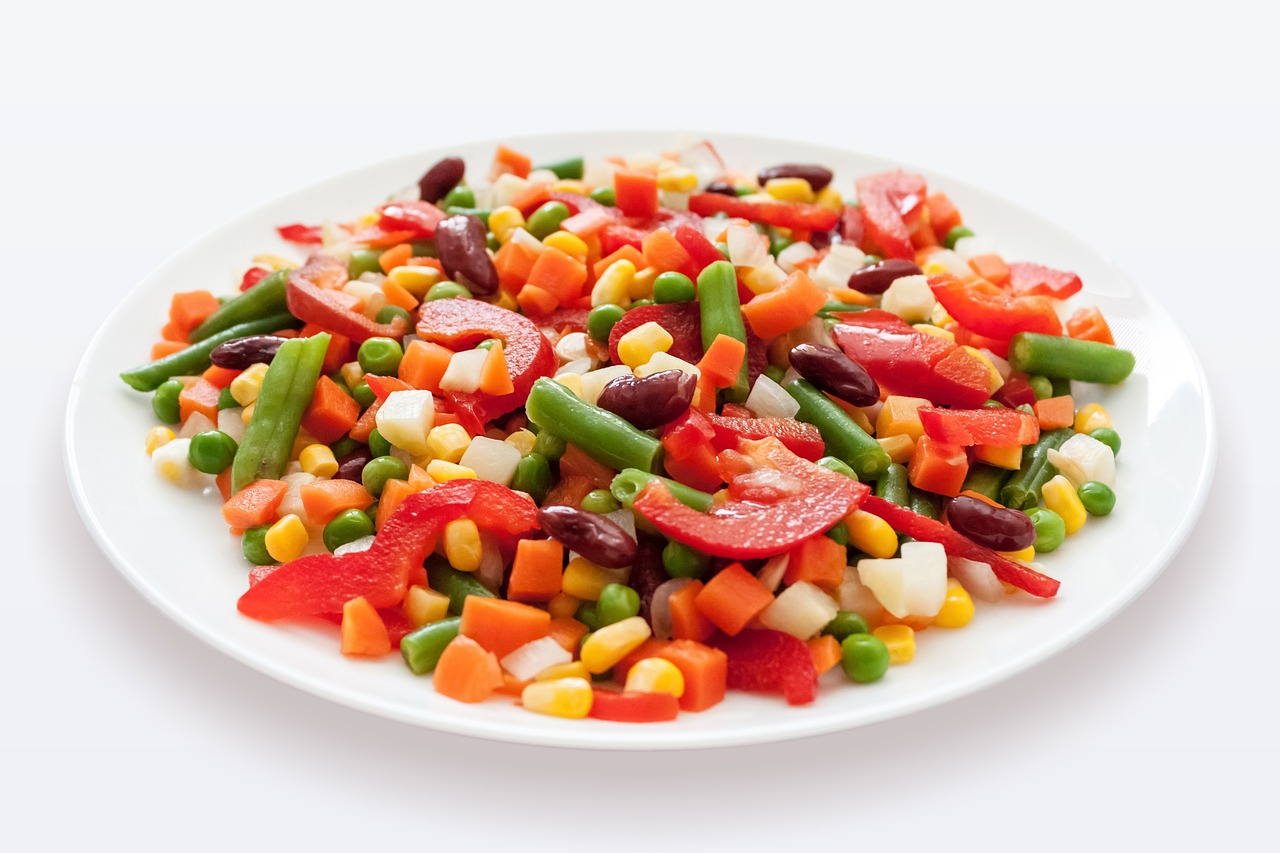
For an unsurprising multitude of reasons, beans were the breakout star of 2024. Thanks to the fiber content and minerals per serving, beans are continuously declared the ultimate “superfood.” Packed with protein, affordable, and versatile, they’re a cupboard staple around the world. This year, we saw them in every conceivable form: spiced stews, dense bean salads, plant-based burgers, and even sweet desserts. Hummus transformed into the base of endless toppings, and lentil dishes replaced rice and noodles on countless plates.
Somewhere between the third English fry-up and black bean taco soup of the week, you’ll probably realize that you may have overdone it. While beans remain nutritionally valuable, the obsessive incorporation of legumes into every meal reached a saturation point. Social media users grew tired of constant bean content, and many found that excessive bean consumption caused digestive discomfort, leading to a more balanced approach to incorporating these foods into diets.
As 2024 draws to a close, these fading trends remind us that not every viral food phenomenon deserves a permanent place on our plates. The most enduring food movements tend to balance novelty with practicality, health with enjoyment, and social media appeal with real-world sustainability. What do you think about these trends? Tell us in the comments.